What Is Man-to-Man Defense in Basketball? A Coach's Guide
What is man-to-man defense in basketball? A coach-focused guide to fundamentals, rotations, planning, whiteboard diagrams, video reviews, and scouting.

Key takeaways
- Establish a clear baseline by emphasizing on-ball pressure and staying with your man as the core defense.
- Prioritize matchups and rotations; communicate switches early, and use clips to reinforce discipline.
- Practice stance, footwork, and rebounding as a linked trio; the defense starts with disciplined stance.
- Use variations strategically: Regular, Pressure, Soft, and Hybrid looks; align with scouting notes for readiness.
- In weekly workflow, build a plan, practice shell work, and review with whiteboard diagrams and clips.
What is Man-to-Man Defense in Basketball?
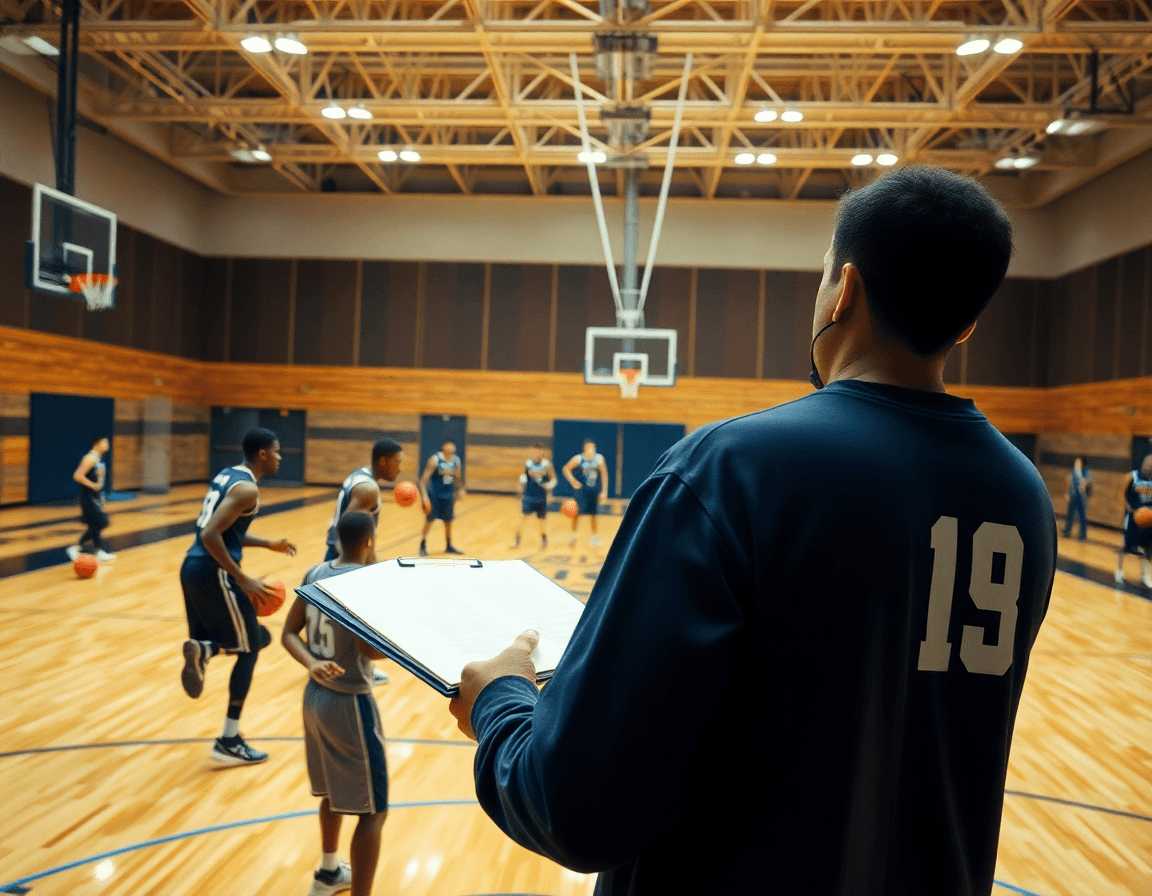
If you’re asking what is man-to-man defense in basketball, it’s the baseline I teach every week. In basketball terms, each defender guards a specific opponent and sticks with that player as the action unfolds. That discipline sits at the core of our defensive fundamentals. In the plan I map matchups, review on-ball pressure and defensive stance, and pull clips from the drill library to reinforce how to stay connected. On the whiteboard, we diagram initial alignments and quick rotations so players see exactly who helps and who recovers when the ball moves.
Compared to zone, man-to-man is person-to-person coverage with emphasis on individual rotations. In a zone, defenders guard space; in our approach, the focus is staying with your man and communicating switches. We drill quick reps to read ball handlers, survive off-ball screens, and force tough passes, then clip the best moments for the players in their playlists.
Core responsibilities flow from that baseline: deny middle penetration, contest passes, communicate rotations, and secure rebounds. A defender has to keep a low defensive stance, slide feet, and stay on the opponent’s hip. We coach on-ball pressure with short, controlled shuffles and active hands to disrupt the passer. When a drive starts, the cornerstone is staying with your man while the help defender recovers to preserve gaps and a box-out for the rebound.
Key terms we track in scouting and on the board: matchup and rotations. The idea of a matchup is simple: allocate a guard to a specific opponent and defend them without losing sight of help responsibilities. We annotate these notes into scouting reports and use playlists to share clips showing good rotations or breakdowns in discipline.
Fundamental Principles: Stance, Footwork, and Communication
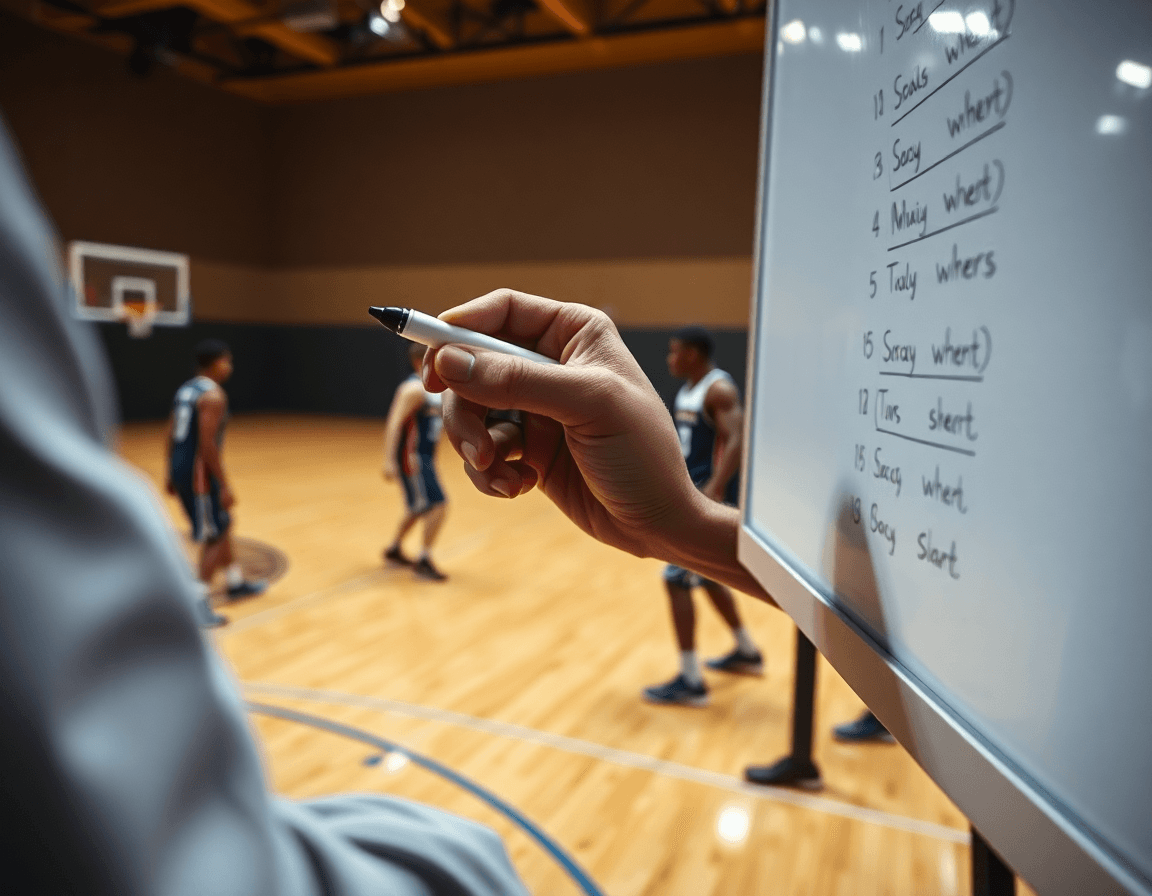
Fundamental principles begin with your stance. In our weekly plan, the focus is on establishing a solid defensive stance as the default posture for every possession. Feet shoulder-width apart, knees bent, chest over the toes, eyes on the opponent. We drill this in short blocks, then layer in close-outs and initial help reads, so the rotations sketched on the whiteboard become automatic during the game.
Footwork is how you translate that stance into action. With the right footwork, you can close gaps, deny passing lanes, and stay in a stance that lets you react. We emphasize small, quick steps, staying on the balls of the feet, and maintaining hip-to-hip alignment with the ball handler. Drills from the library reinforce the sequence, and a short clip after each rep shows the ideal toe-to-heel motion.
Communication is the glue that binds the defense. In a true man-to-man defense, players learn to shout switches, call help defense, and direct rotations without hesitation. The cadence matters: loud enough to be heard over the crowd, precise enough to trigger the next move. We capture these exchanges in scouting notes and quick video clips so players can hear and see how the calls translate to guards and teammates on the floor. If we ever reference zone defense, it's in the playbook only as a contrast to stay sharp in the man-to-man.
Rebounding follows as a natural extension of the stance and footwork. After a shot, position to box out, deny angles to the rebound, and sprint to the rim for outlet passes. In the weekly plan, we map this to a rebounding drill and annotate the cues on the whiteboard. A targeted clip shows how solid rebounding starts with a disciplined stance and deliberate body position against a specific opponent.
Variations and When to Use Them
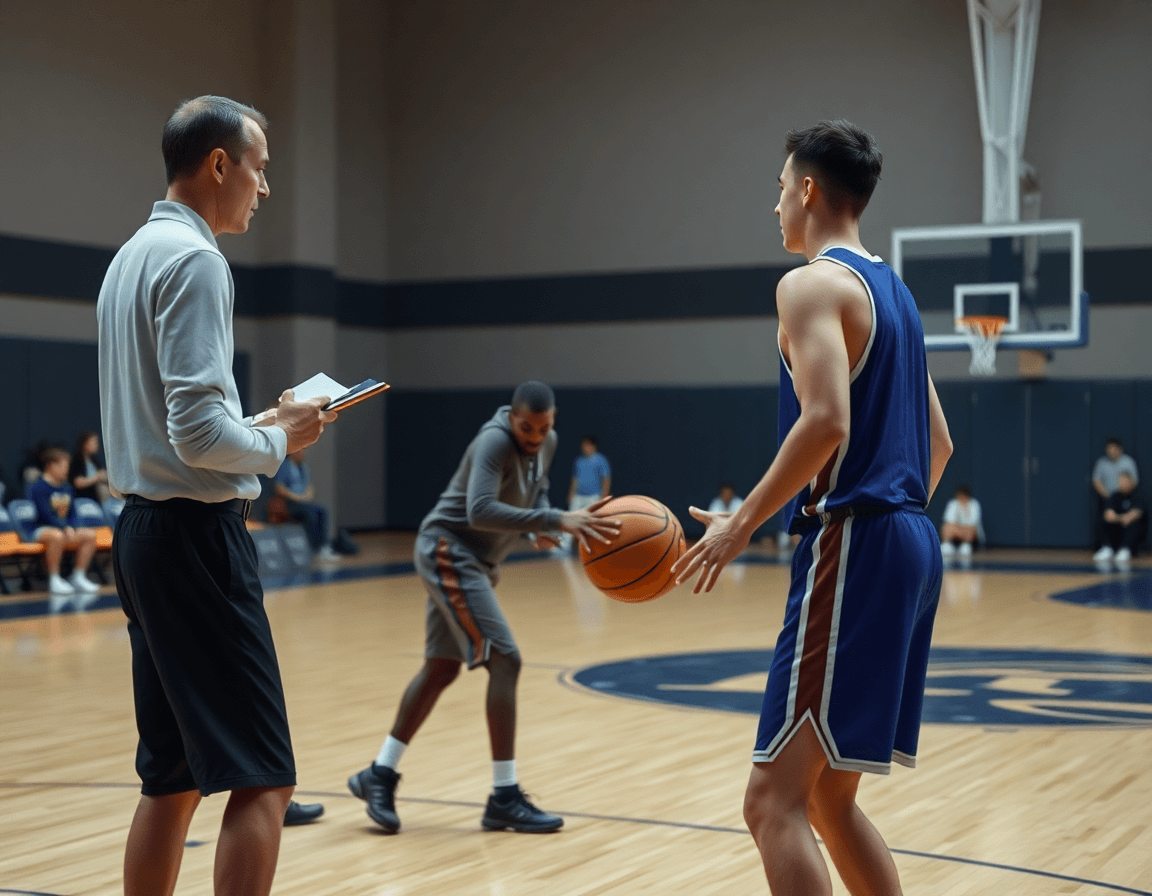
Variations in man-to-man defense start with a solid weekly plan. We keep Regular Man-to-Man as the baseline—pressure, tight gaps, and clean rotations. In the plan for the week I assign sessions to lock in the stance and communication. On the whiteboard I diagram rotation lanes and cues, then drop a short video clip from the last game to illustrate the look. Scouting notes guide drill selection from the library.
Pressure Man-to-Man is our tool when we need to deny entry and jar the rhythm. We deploy it against teams with a dangerous primary ball-handler or when late-game edge matters. In the plan I map pressure spots and recovery angles. The whiteboard becomes a trap map; a scouting clip shows the reads, and a tailored playlist primes players for guarding that opponent.
Soft Man-to-Man provides balance when we must protect the rim without inviting fouls. Use it for safer closeouts and stronger help defense, especially late in quarters or against teams with sharp shooters. In practice we drill controlled recoveries and smart gaps. The plan includes a soft-coverage day; a clip demonstrates the safe stance and passing lanes, and we store it in a player playlist for review.
Hybrid looks—including a box-and-one—let you counter a specific opponent while staying in man. We lean on scouting notes to assign a primary on-ball defender while the rest stay in a traditional man look. The whiteboard outlines the look and recovery paths; a short video sequence shows the reads, and a targeted playlist outfits the team for prep against that matchup.
Practical Weekly Workflow: Plan, Practice, Review
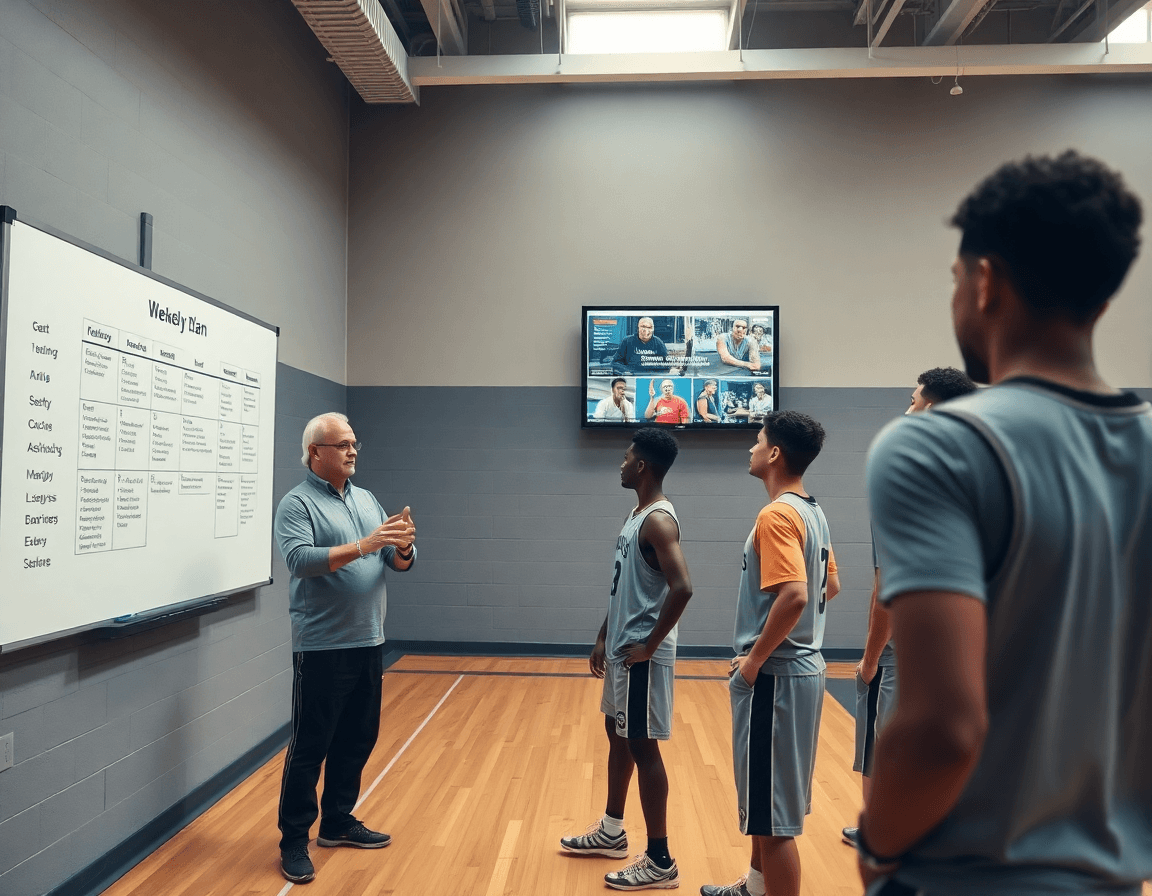
If you’re asking what is man-to-man defense in basketball, your answer lives in a solid weekly workflow. As a coach using CourtSensei, I start in the plan phase, laying out defensive assignments, rotations, and contingencies for on-ball pressure and help defense. This is where a clear plan sets the tone for the week, from who defends the ball to how we recover to protect passing lanes.
In the plan phase, I create a focused practice plan around shell work, closeouts, and rotations. We map out on-ball pressure angles, deny angles, and early help positions. The built-in library of drills feeds our tempo, and I export PDFs of the whiteboard diagrams for the staff so everyone’s got the same rotations and calls, even when we’re not in the same gym.
During practice, the goal is convert with repeatable actions. I lean on a growing drill library and assign sessions to assistants to run while I coach the staff. Short video clips show proper stance, sprint angles, and recovery timing; players see the exact technique in action and we pause for quick corrections. This workflow keeps reinforcement tight and makes feedback efficient.
For the upcoming schedule, I organize scouting plans for each opponent and tailor matchups accordingly. We build playlists to share tailored video content with players, highlighting tendencies and preferred actions to defend specific opponents. After practice, we review the footage, adjust the plan for next week, and keep the cycle moving—practice, review, adapt.
Scouting and Opponent Prep for Man-to-Man
Before the opening tip, the scouting reports are all about who they'll bring to the floor: opponent personnel, tendencies, and matchups. What is what is man-to-man defense in basketball, if you’re asking? It’s about guarding a specific opponent and communicating rotations, not just clogging the driving lanes. In a man-to-man framework, understanding who handles the ball, who is their primary scorer, and who crashes for second-chance points guides your week. As a coach using CourtSensei, I pull those details into the plan, attach the scouting report to the weekly practice schedule, and share it with assistants. We highlight tendencies: preferred sides of the floor for drives, pick-and-roll triggers, and who hunts cross-screen opportunities. This isn’t guesswork; it’s data you can train against, day in and day out.
Tailor your man-to-man plan: assign defenders to primary scorers, plan on-ball pressure, and guard rotations. In a typical week I map out matchups: which defender will lock onto their top guard, who handles the wings, and how we rotate when the ball crosses half-court. This is where the weekly practice plan shines: we script on-ball pressure reps early and rehearse rotations to close passing lanes and deny entry passes. If the opponent leans into a ball-screen heavy attack, I call for a hard hedge and a quick help defender. The goal is consistent execution with enough room to adjust late in the game, all centered on solid defensive rotations.
Use scout plays and labeled diagrams to communicate adjustments to the team. On the whiteboard, I diagram scout plays with clear callouts: deny the wing, ice the ball screen, or switch back to man-to-man as needed. We export to PDF for staff and printouts for the bench. I also attach a short video clip showing their primary scorers and defensive patterns, then drop it into a playlist to share with players. Tailored video content lets players study the opponent’s tendencies ahead of practice, so they can react faster on game night.
Measuring Progress and Next Steps
Tracking progress week to week is how a coach stays ahead. For man-to-man defense, I look at a few clear measures of defensive progress: opponent shooting from the arc, points per possession when we’re on the ball, and how quickly our rotations recover after drives. I drop these into CourtSensei’s progress tracking tied to the weekly plan. After practice, a quick post-practice video review shows where our defensive stance fell short or where passing lanes slipped, and the plan gets adjusted for the next session.
To reinforce what we teach, I lean on video playlists—short video clips that crystallize a teaching point from today’s work. We label clips by concept (defensive stance, guard a specific opponent, closing out on shooters, staying on the line, help defense) and build focused playlists for each player. A 60-second clip on closeouts becomes a go-to rewatch, and the library makes it easy to share points with players so they study the rotation before the next drill cycle (short video clip, kratak video klip).
Finally, iteration is built into the weekly plan. We use scouting reports to anticipate how opponents will attack our man-to-man defense and adjust our defense accordingly. If scouting notes flag mismatches, we update the defensive rotations on the whiteboard and tailor the plan for next week. We may mix in a zone defense, a box-and-one, or a focused guard on a specific opponent. The result is tighter, smarter defense driven by progress tracking and reinforced with video playlists.
If you build plans like this every week, CourtSensei keeps your drill library, whiteboard, and video clips in one place — try it free.
FAQ
What is the difference between man-to-man defense and zone defense?
In man-to-man defense, each defender guards a specific opponent and stays with that player. In zone defense, defenders guard space instead of people. The difference shows in rotations and reads: man-to-man leans on on-ball pressure and individual stance, zone hinges on protecting gaps and passing lanes. Clear assignments, constant communication, and disciplined positioning keep the defense connected.
How does a box-and-one defense work?
The box-and-one is a hybrid that locks one defender on the primary ball-handler in man-to-man while the others play a loose box-zone around the paint. It targets a single scorer without abandoning help. It requires sharp rotations, quick recoveries, and active hands from the rest of the unit. Use it selectively against a star guard; prep clips show reads and spots.
What is the defensive stance in basketball?
The defensive stance is the default posture you want every possession. Feet shoulder-width apart, knees bent, chest over the toes, weight ready to move. Eyes on the opponent, hips square, and hands active. A solid stance supports quick slides, denies angles, and effective shot contests. Practice blocks convert this into game-readiness through consistent emphasis on stance and footwork.
What are the types of man-to-man defenses?
Types include Regular Man-to-Man (pressure, clean rotations), Pressure Man-to-Man (deny entry and jar rhythm), Soft Man-to-Man (safer closeouts with strong help), and Hybrid looks like the box-and-one. Each version has cues for stance and recoveries, chosen based on opponent, tempo, and foul situation.
When should a coach use man-to-man defense?
Use man-to-man when you want pressure, disruption, and contested passes. It fits teams with quick, communicative guards who can rotate. In late game moments you may mix in tighter switches; early on, emphasize discipline to build habits. The approach rewards active hands, timely help, and strong on-ball pressure.
Why is man-to-man defense beneficial for beginners?
Man-to-man builds the game’s core sense: understanding fundamental reactions and learning matchups. It develops a solid stance, footwork, and communication, plus the habit of staying connected with a teammate. As players advance, those basics transfer to more complex schemes without confusion.