Basketball inbound plays vs zone: beat 2-3 with baselines
Beat zone defenses with a weekly inbound plan. Practical baselines, BLOB/SLOB options, and a coaching workflow using planning, diagrams, video analysis, and scouting.

Key takeaways
- Define weekly goals for inbound plays vs zone, targeting 2-3 zone looks and quick scores.
- Translate objectives into a practical workflow, with planning, diagrams, video clips, and scouting notes.
- Develop two baseline entries from the ball-side corner and a sideline option to pressure rotations.
- Tag video clips with inbound plays vs zone keywords and build a quick-reference playlist.
- Practice BLOB and SLOB sequences weekly, dry-run 2-on-0 to 3-on-3 to sharpen timing.
Assess weekly inbound goals against zone looks
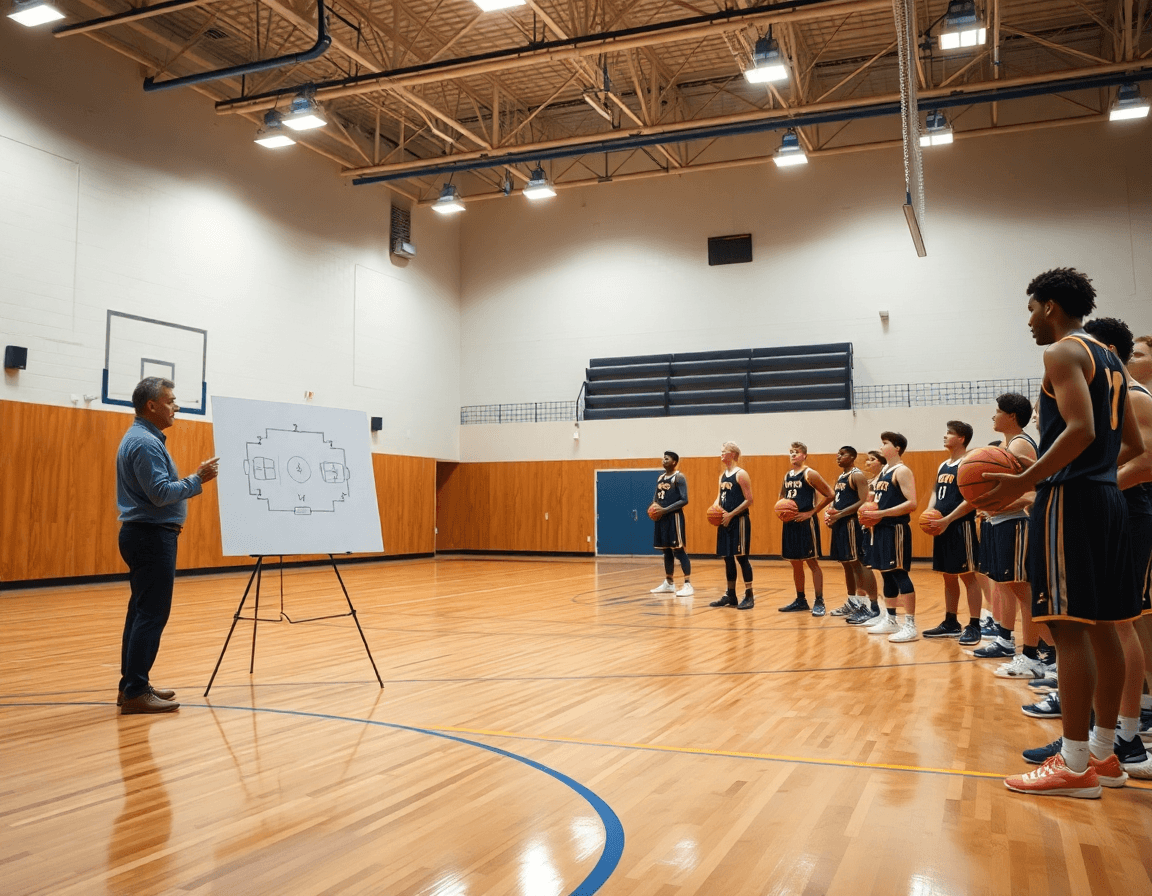
This week I start by identifying the primary zone look I expect to see in games—most likely a 2-3. For clarity, I’m planning basketball inbound plays vs zone with objectives like quick scores or drawing specific reactions from the weak side. Then I map each objective to a CourtSensei-like workflow: planning, diagrams on the whiteboard, video clips, scouting notes, and shareable playlists. The goal is to turn theory into drill-ready baselines that slot neatly into the weekly routine.
On the whiteboard, I sketch the offensive entry to beat the zone, focusing on zone baseline plays and sideline inbound plays to probe rotations. I also design BLOB/SLOB inbound plays to create immediate looks near the rim. Each variant ties back to an objective: generate an early advantage, or force a mismatch on a cut or flare screen.
Video becomes memory that pays off. I pull clips of the entry, the reaction, and the finish, then tag them with keywords like inbound plays vs zone or inbound plays against 2-3 zone. I export a short playlist for players to review, and I jot scouting notes about tendencies—how the defense shifts when the ball crosses half, where help comes from, and what we expect on the next rotation. In practice, these video clips and scouting notes drive our quick-reference drills, letting players execute the baseline sequences with confidence.
Baseline and sideline inbound options against a 2-3 zone
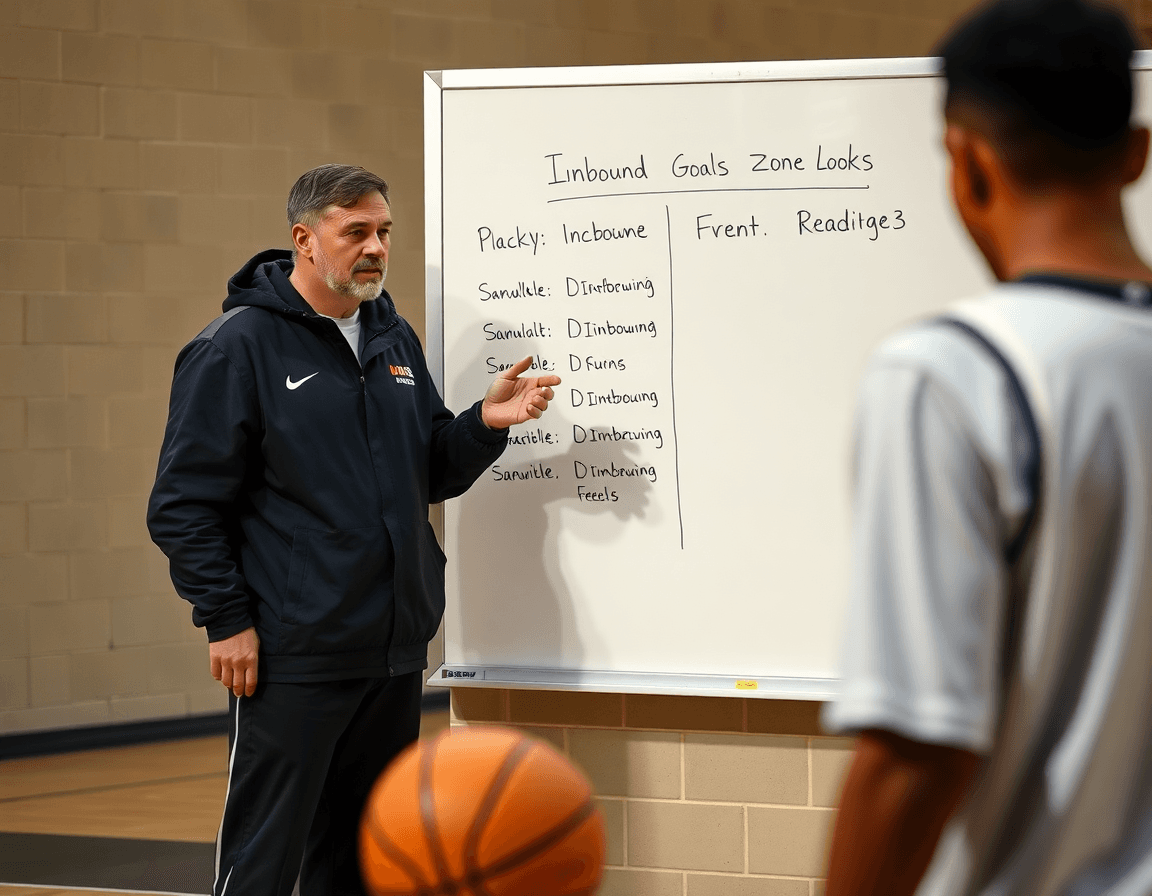
Heading into the baseline and sideline inbound options against a 2-3 zone, your aim is to attack the ball-side corner and the middle for quick scoring chances. A solid set of baseline inbound plays keeps spacing tight while forcing the defense to rotate. In the weekly plan, you design two baseline looks and one sideline option, diagram them on the whiteboard, and label the reads for the assistants. The objective is to start with a clean entry and eliminate the confusion that comes with season-long prep in the middle of a game.
Utilize ball-side screens and corner reads to generate open looks as you inbound from the baseline. A typical baseline inbound begins with the ball on the ball-side corner, then a quick screen to free the ball-handler and a read to the middle of the zone for a quick slip or kick-out. You can tag this as a BLOB sequence to get the ball into the shooter’s hands before the defense rebalances. Variations include different entry angles and defender alignments at the sideline, so you’re ready no matter how the angle shifts.
Sideline inbound plays demand tightening the angle and adjusting to the defender’s stance. From the baseline, a quick sideline entry to the top with a stagger screen can free a shooter for a look, or you can feed the corner and fire a short trigger to the wing. For tougher matchups, add a SLOB sequence that uses the sideline out-of-bounds space to reinitiate, keeping the ball moving and denying fronting rotations. Map these into your scouting notes and drill them as part of your weekly workflow, then clip and store the sequences as playlists for quick reference by assistants and players.
BLOB and SLOB sequences against zone defenses
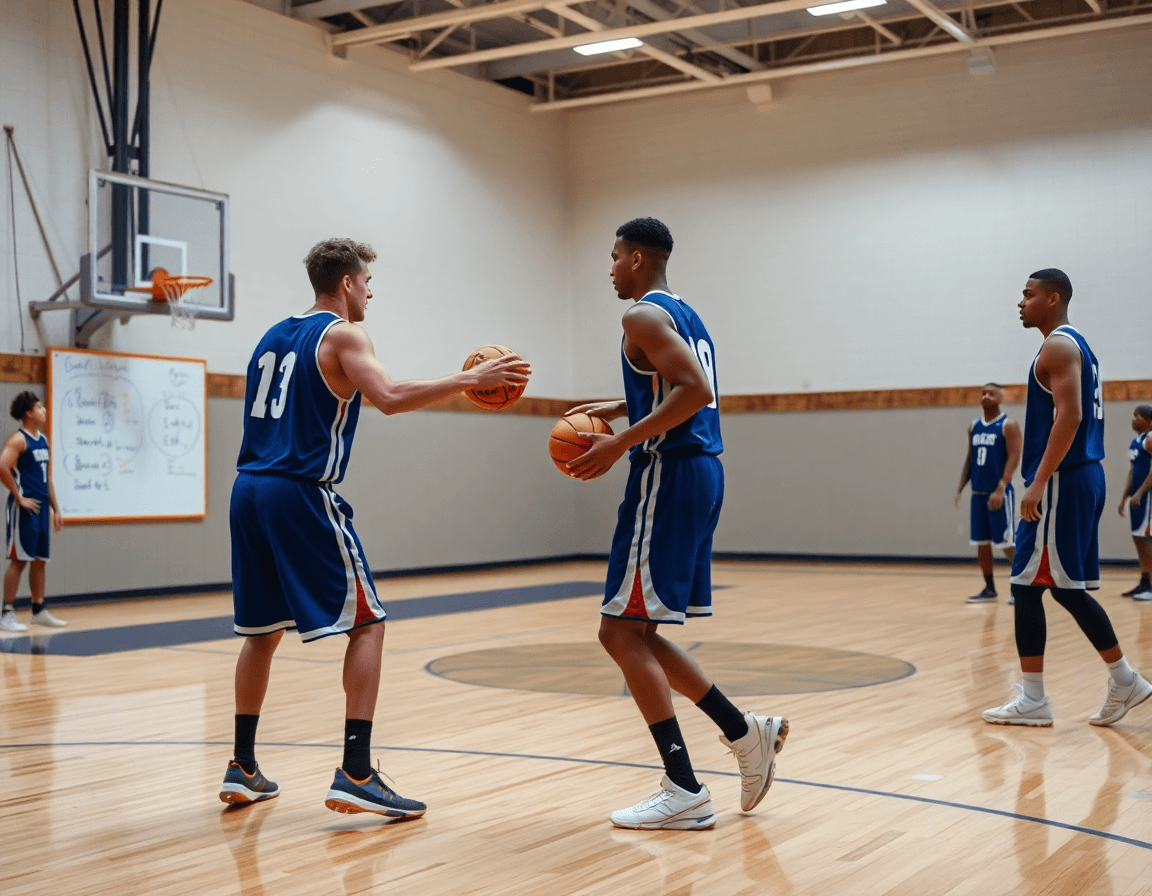
Against zone defenses, you’ll reach the goal with purpose-driven BLOB and SLOB sequences. Use BLOB to pry the ball free from the baseline and force a quick split in the zone, and lean on SLOB when the sideline angle better leverages the defense’s rotation. In a typical weekly plan, we label these as BLOB inbound plays and SLOB inbound plays, then diagram them on the whiteboard, clip practice reps, and store the reads in a zone-focused scouting note. This keeps the plays drill-ready and easy to reference during games.
Sequence 1 — BLOB vs 2-3 zone. The inbounder starts from the baseline. A guard on the ball side gets a quick near-corner screen while a second player sets a screen at the top of the key to free the inbounder. As the ball enters, the inbounder looks to reverse to the top with a skip pass, pulling the middle of the zone out of alignment. If the top defender drops, the wing seals the short corner for a quick layup or dump to the cutting post. Read is the gap between the wing and the high post; if it’s tight, you reverse again to the opposite wing for a clean look. Key cues: timely reversal, strong seal on the corner, and an early decision read.
Sequence 2 — SLOB vs matchup zone. Inbound from the sideline, with the first action aimed at dragging a defender toward the baseline. A quick pass to the opposite wing, followed by a dribble entry to the top or a ball screen to force the zone to rotate. The goal is to create an open shooter on the weak side or a backdoor cut off the weak-side corner. If rotations collapse, a direct skip to the corner for a baseline 3 becomes the option.
Coaching cues and progression. Start dry: 2-on-0, then 2-on-2 against a shell with zone looks, before adding defenders for 3-on-3. Emphasize timing, spacing, and reads; record the progression on the tactical whiteboard and in video clips, then share the zone inbound playlists with assistants so every drill aligns with your weekly plan.
Diagrams, video, and playbooks: building your zone inbound library
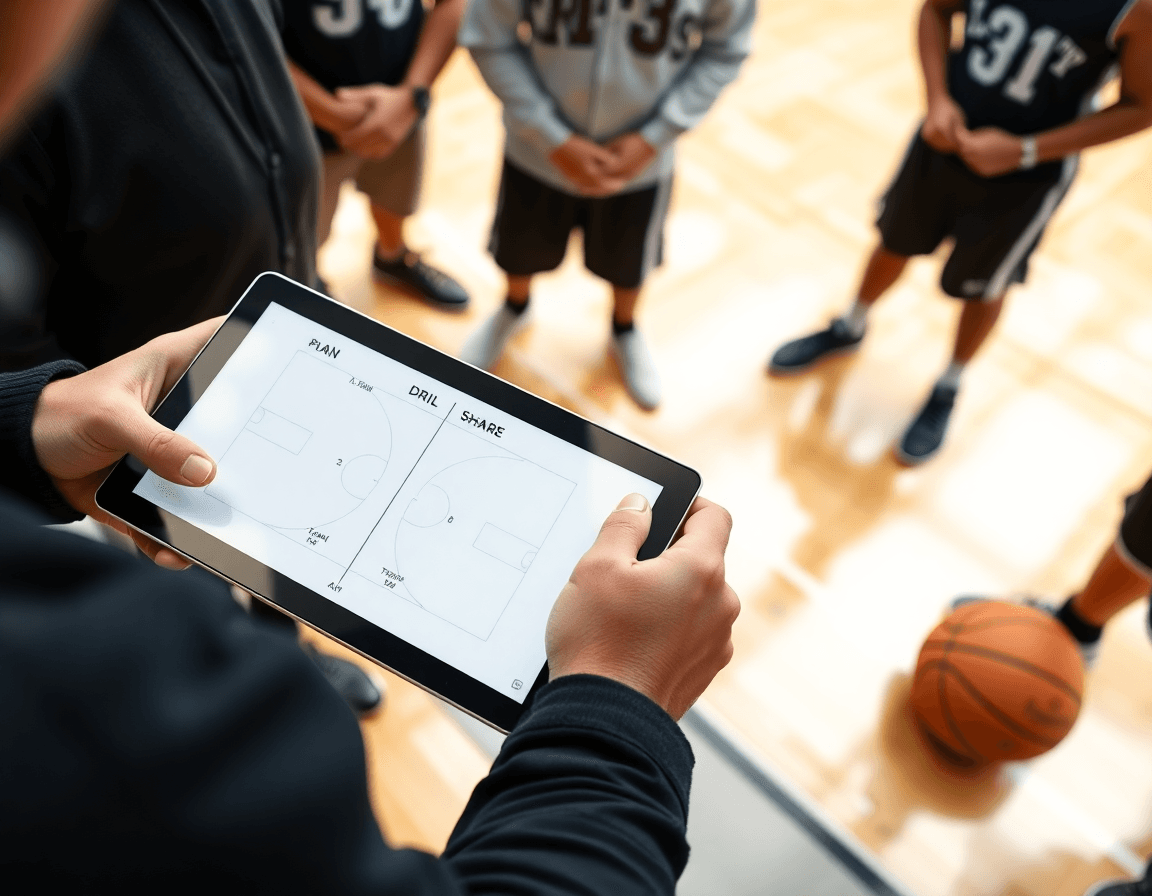
During weekly prep, I start with clear whiteboard diagrams for every inbound option—baseline inbound plays, sideline inbound plays, and the BLOB/SLOB sequences. Each diagram maps spacing, inbounder, and reads, so the option is legible at a glance. The aim is to translate theory into drill-ready baselines that fit into your weekly plan when you’re facing a 2-3 zone and need solid inbound baselines plays quickly.
Next, I pull clips from practice to capture each inbound rep. I annotate the video clips to reinforce angles and timing, so players see where reads matter and when to push the action. Short, labeled clips work best for quick reference in meetings or on the floor during drills. A well-tagged library keeps the flow tight as you rep inbound options against zone looks.
Finally, I assemble a zone-inbound play library that can be exported as PDFs or shared as playlists. The library groups zone baseline plays and other inbound options by defense look, so you can pull the exact sequence you need during scouting or pregame. It becomes your go-to resource for inbound plays vs zone and inbound baselines plays—a clean, drill-ready reference you can hand to assistants and players.
Practical workflow: plan → diagram → drill → review → share
Here’s a practical workflow you can run every week when prepping inbound plays against zone pressure. Start with planning: build a weekly inbound plan focused on beating a 2-3 zone, then move from plan to diagram, to drills, to review, to sharing. This cadence keeps inbound plays vs zone concrete, not theoretical.
During planning, lock in a small set of baseline inbound plays tailored to the zone look. Use a weekly cadence: install on Monday, refine on Wednesday, walk through on Friday. Assign each baseline to a sideline inbound or baseline entry, with clear roles for passer and cutter.
Diagramming on the whiteboard turns talk into action. Sketch the floor plan, entry passes, and the routes against the 2-3, including BLOBs and SLOBs. Export to PDF for assistants, label options, and keep the library accessible as you build out the zone baselines.
Drill execution follows the plan: run the inbound, execute the first option, then the counter if needed. Assign roles to assistants—one runs the clock, another logs defender reactions, a third feeds the next option. Clip the best sequences into short video clips and organize them into a player-facing playlist.
Review and share: after drills, annotate scouting notes about defender tendencies and how the sequence performed; iterate. Use the playlists to let players study the baselines on their own, then come back with improvement ideas. The loop is plan → diagram → drill → review → share.
Measure success and iterate
Measure success and iterate
To know if your inbound game is beating a zone look, start with clear metrics for inbound efficiency. Define metrics like time to inbound, quick scores, and conversion off inbound looks. Track these across games and practices, aligning them with your weekly plan and the scouting notes you keep on the sideline. When a baseline inbound play vs zone consistently launches a possession cleanly, you’ve got a baseline you can redeploy.
Next, use clips and scouting notes to identify what worked and what didn’t. Pull the relevant footage from your video library to label each inbound sequence—whether it’s a baseline inbound play, a sideline inbound, or a BLOB/SLOB setup—and attach a quick scouting takeaway. If a specific sequence against a 2-3 zone yielded a high-percentage look, tag it and flag the timing and alignment that created the opportunity. This is where the power of a structured toolset shines: you can quickly reference a successful inbound play vs zone and replay the exact setup on the whiteboard.
Iterate your library by adding new baselines and sequences based on feedback. As you gather data from multiple opponents and practice reps, expand with additional baseline inbound plays or sideline variants tailored to different zone alignments. Turn observations into repeatable drills—short video clips, paired with a diagrammed action on the board—that fit into your weekly workflow. A living library means you’re not chasing luck; you’re refining the plays that consistently convert inbound possessions against zone looks.
If you build plans like this every week, CourtSensei keeps your drill library, whiteboard, and video clips in one place — try it free.
FAQ
What is a BLOB inbound play and why does it matter against a 2-3 zone?
A BLOB (Baseline Out of Bounds) is an inbound sequence started from the baseline to get the ball in quick. Against a 2-3 zone, it aims to pry the middle, force a corner seal, and set up a fast reversal or skip pass for a clean rim look. The reads matter: quick entry, a strong corner seal, and a decisive reversal.
How do you beat a 2-3 zone inbound? Baseline and sideline options.
Beat it with two baseline looks and one sideline option. Attack the ball-side corner and the middle to force rotations, then use a ball-side screen to free the passer. A quick reversal to the top with a skip pass pulls the middle out of alignment. If rotations tighten, a sideline entry with a stagger screen can free a shooter. Keep spacing tight and reads clear.
What’s the difference between BLOB and SLOB inbound plays?
BLOB and SLOB both start inbound action, but they come from different spots and suit different defenses. BLOB starts from the baseline and aims for a quick rim look or a read near the corner; SLOB comes from the sideline and uses space along the arc to reinitiate against rotations. Use BLOB for quick post feeds, SLOB for exploiting sideline angles.
How can you use a skip pass inbound against a zone?
A skip pass inbound uses a quick reversal to the opposite wing to exploit the zone’s gaps. Start inside, then deliver a skip to the weak-side shooter as the defense shifts. The goal is a high-percentage look with timing and spacing and a clean catch. Use a clear read on the whiteboard and practice reps to reinforce the sequence.
What are some zone baseline inbound plays?
In a zone, baseline entries should target the ball-side corner and the top of the key. Two baseline looks plus a corner entry with a BLOB tag keep spacing tight and force early rotations. Diagram entry angles on the whiteboard, then build a short video playlist so players know the reads—seal the corner, slip to the middle, or reverse to the top.
What makes a good inbound play against zone defense?
A good inbound play blends timing, spacing, and clear reads. Practice progressively: 2-on-0, then 2-on-2, then 3-on-3, so spacing stays intact under pressure. Emphasize early entry, minimal dribbles, and decisive reversals. Clip objective plays and build quick-reference playlists so players execute the baseline sequences with confidence.