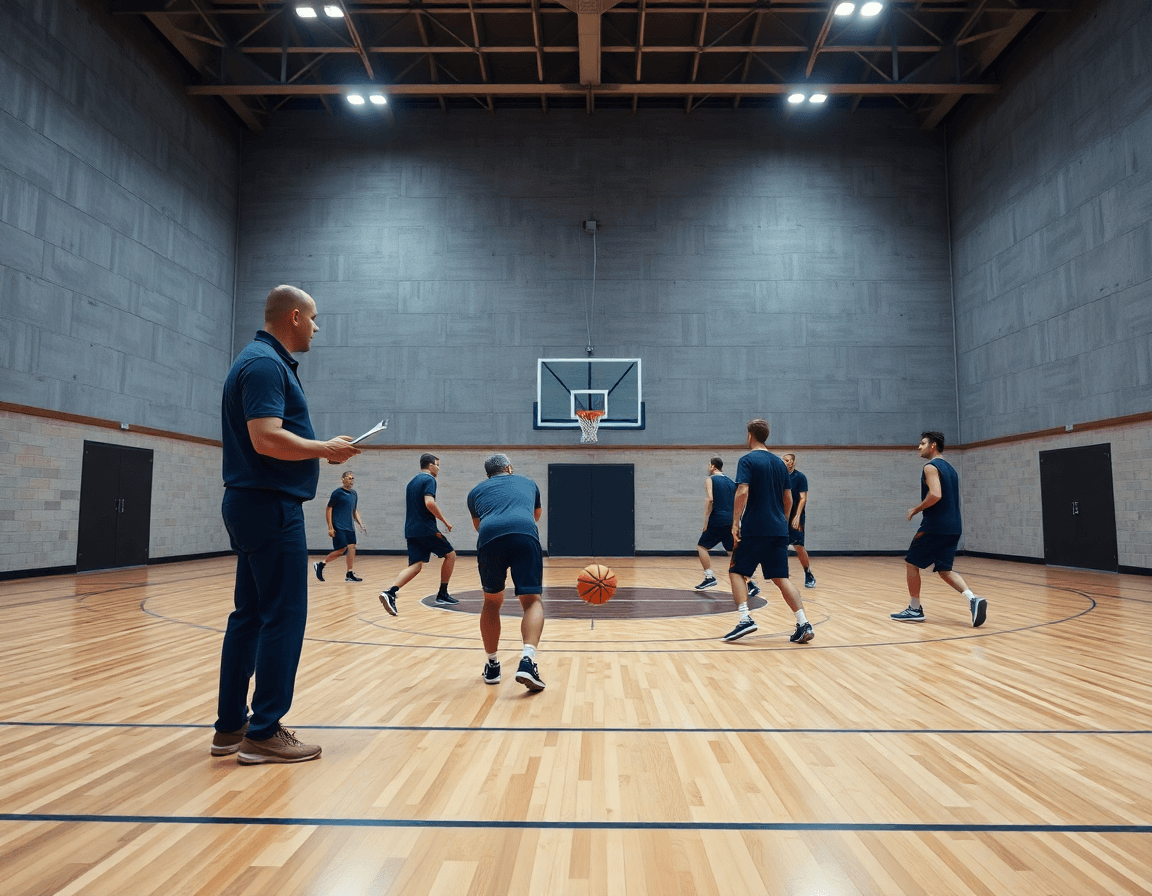
Triangle and Two Defense Basketball: Weekly Coach Guide
Coach’s weekly guide to triangle and two defense: setup rotations, scouting reads, and video workflows using planning, whiteboard, and clips.

Key takeaways
- Use triangle and two as a change-of-pace to disrupt perimeter scoring from top scorers.
- Assign chaser, top triangle defender, and bottom triangle defender with clear rotation rules.
- Build clip playlists of top scorers and annotate scouting notes to guide rotations.
- Practice transitions emphasize quick on-ball pressure and protecting corners to reduce kick-outs.
- Use triangle-and-two selectively late in games, not as a default against every opponent.
What is the triangle and two defense? Core concept for coaches
Triangle and Two blends a three-player triangle zone with two players guarding the opponent’s top scorers man-to-man. The paint stays protected while the on-ball defenders pressure the ball and the other two react to cutters. I label this as the 'triangle-and-two' in my weekly plan and sketch the rotations on the whiteboard so the team knows the help angles.
Purpose-wise, it's designed to disrupt perimeter scoring when the scorers carry the load. By funneling reversals into tougher angles and forcing kick-outs, you slow arc shots and keep shooters out of rhythm. It’s an adjustment, not a default stance, and it hinges on recognizing when the two star players can create offense and forcing role players to beat you.
Variations exist: diamond-and-one and box-and-one to respond to ball movement and shooters. The core idea is simple: keep pressure on the ball while protecting the corners, with a chaser and a high-post target when the offense swings. Rotations tighten on the strong side and loosen on the weak side as the coach cues the next hedge.
Like any tool, triangle and two has its weaknesses. If the ball zips, the zone can lose shape and gaps open. Fast cutters threaten layups; shooters moving without the ball can force mismatches. It’s best treated as an adjustment—deployed to slow a specific opponent, not a default defense.
Think of it as a strategic tool you deploy to slow a specific opponent or to force role players to beat you. In my weekly plan, I map this look on the whiteboard, pull video clips of scorers, annotate scouting notes, and assign a short clip playlist to the players who study the counter-move. It keeps the plan cohesive from practice through film sessions.
Roles and rotations: who does what
In the triangle and two defense basketball look, we assign clear roles to keep pressure on the ball and protect the paint. The chaser denies passes and pressures the top scorers in man-to-man while the remaining three players operate the triangle zone. This alignment creates consistent pressure on key players without abandoning the help side.
On the front line, the top triangle defender pressures the high post and guards the ball above the free-throw line, while the bottom triangle defenders take the low post and guard the ball below the FT line. The targets are the star players; other defenders fill gaps and slide to rebalance on ball reversals.
Rebounding and boxing out are shared responsibilities to prevent second-chance opportunities. When the ball swing reverses, the triangle shifts as a unit and the chaser jams the passing lanes to keep the stars from getting easy looks. Clear rotation rules keep leaks from slipping through wings or corners.
Implementing this in a weekly plan means mapping the roles on the whiteboard, building rotations into drills, and clipping game clips of top scorers to show what good denial looks like. Use scouting notes to annotate where the stars like to attack and assign clip playlists to players so they can study the rotations during film time. In practice, I rely on a weekly workflow that blends planning, whiteboard diagrams, video clipping, scouting reports, and playlist sharing to reinforce the triangle and two.
Situational deployment: when to use triangle-and-two
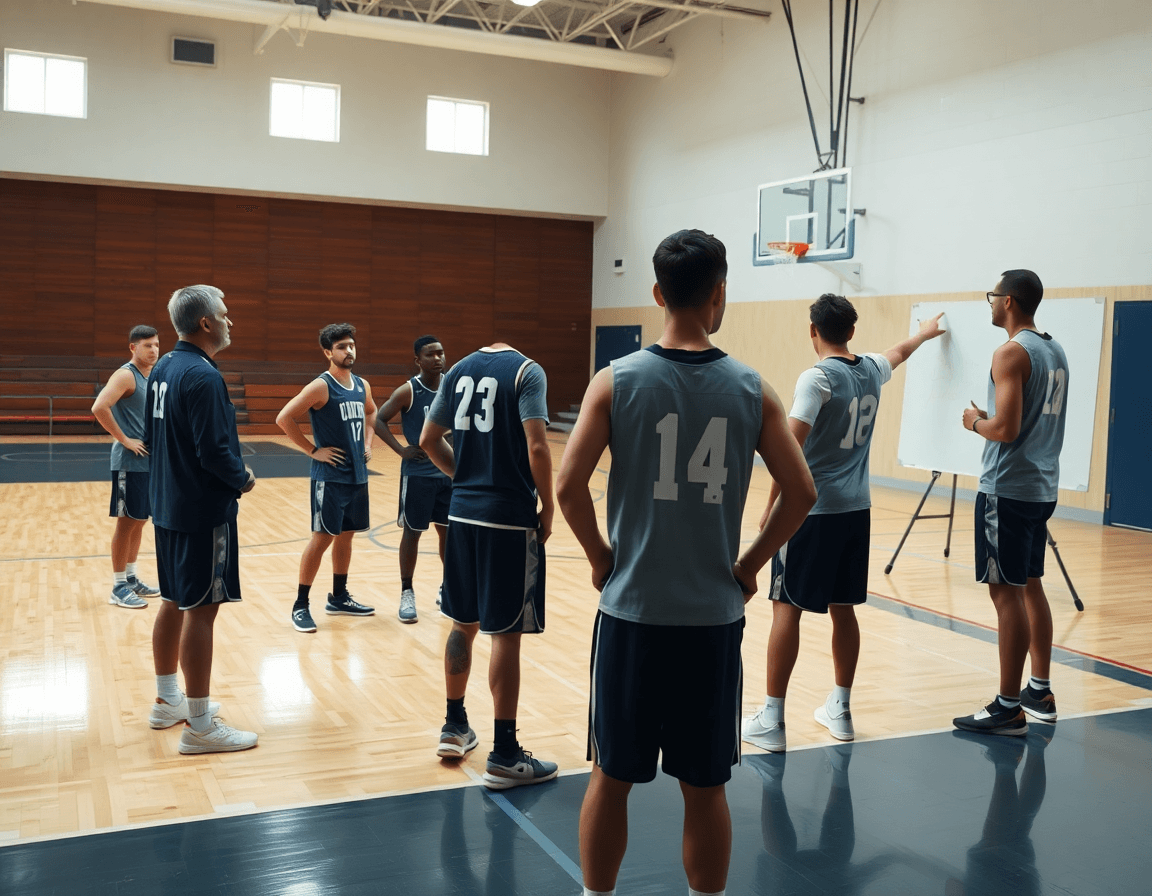
Facing two high-caliber scorers and a relatively weaker supporting cast is a classic setup for the triangle and two defense basketball look. In a typical week, I start with the plan on the whiteboard: diagram the two primary attackers and where help should come from, then map rotations for wings and the post. I build a library of drills that stress denying entry passes to the high post, quick ball reversals, and disciplined help-and-recover. The aim is to corral the ball into late-shot-clock situations for the other options, while keeping the two stars under pressure.
This look is best used as a change-of-pace—not a default in every matchup. Best used as a change-of-pace late in games or after a breakdown, it gives your defense a moment to reset. You should be prepared for ball reversals and shooters beyond the arc; adjust to fronting or back-pedaling offenses, and plan counter-moves for post play and backdoor cuts. The emphasis is on active communication and quick, deliberate rotations, so your two defenders can stay between the stars and the rim while the rest of the team rotates.
Coordinate with your scout report to know the tendencies of the two primary scorers. In practice, I pull clips of their typical sets, tag the moments where they prefer to attack and where help is most effective, and annotate notes for future reference. Then I tie those insights to short video clips and assign clip playlists to players so they can study how our rotations look in real-time. That workflow—plan on the whiteboard, diagram on defense, clip the top scorers, annotate the scouting notes, and share playlists—keeps this look tight and repeatable.
Practical weekly workflow to implement triangle and two
As a coach who uses a structured weekly workflow to implement triangle and two, I start with planning, whiteboard diagrams, video clips, scouting notes, and playlist sharing. If you're wondering how to plan triangle and two in a real weekly context, this is the approach. The aim is to hold our defense accountable while we contest top scorers and limit clean looks. This approach yields a clear rotation plan, a library of drills, and a path for assistants to support every session.
Monday is all about opponent scouting focused on their top two scorers. I map their tendencies and draft a rotation plan that pressures the ball and rotates matchups to deny clean looks. I jot a short list of required drills to cover those coverages.
Tuesday we run deny-and-rotate drills and triangle-zone rotations, capturing the look on the whiteboard and exporting PDFs for assistants.
Wednesday installs the look in shell drills and live scenarios; we simulate ball reversals and perimeter shots to sharpen decision-making.
Thursday films the first half; review the footage to spot rotation breakdowns and tighten rebounding boxes.
Friday runs a quick zero-to-60 practice to reinforce transitions; prepare clip playlists for players.
Saturday features a situational scrimmage and review; record notes in a shared weekly plan for next week.
Drills and teaching cues
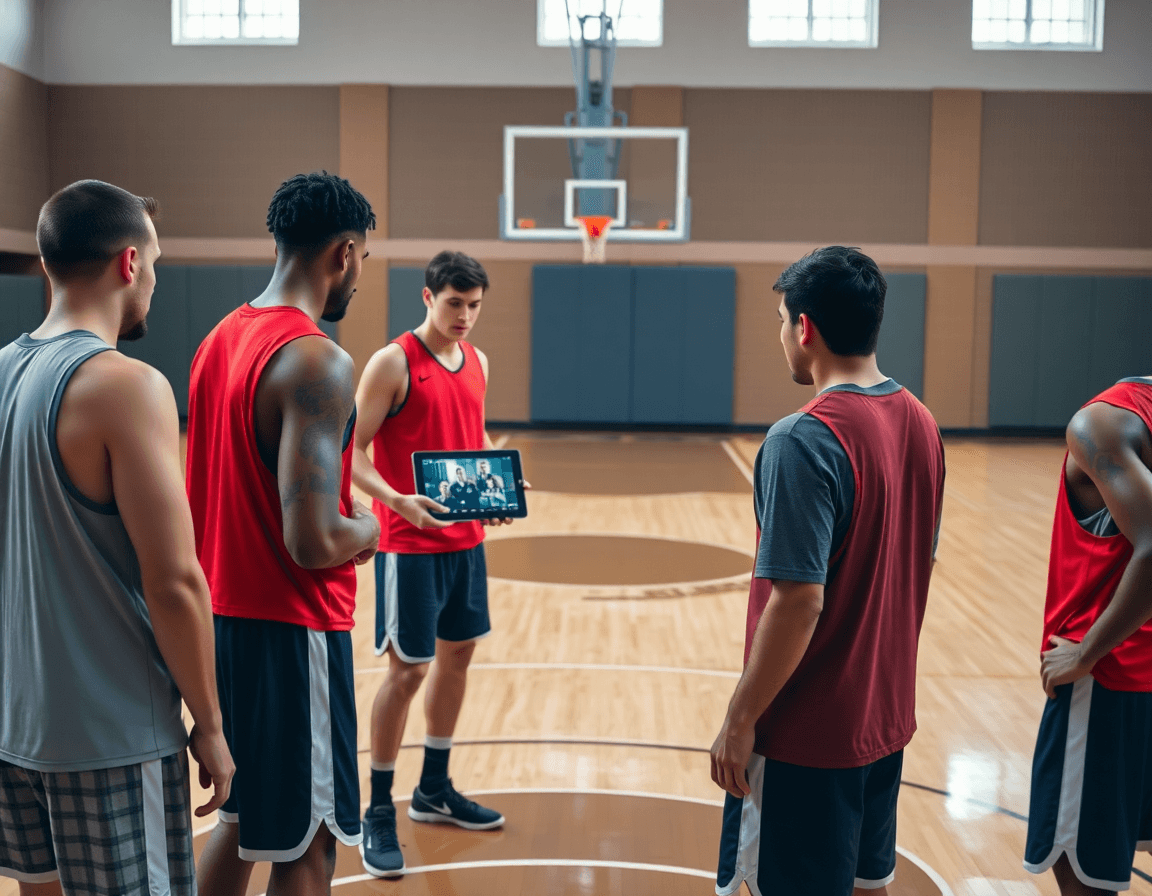
During this week's practice, I map drills into our weekly workflow: plan, whiteboard diagrams, video clips, scouting notes, and playlist shares. For triangle and two, the core work starts with deny the two top scorers, rotate into the triangle zone, and practice ball reversals with proper spacing. I sketch rotations on the whiteboard and pull a few quick clips to show how spacing collapses or opens during live reads. Each drill has a clear objective: force the weak-side pass, keep the ball moving, and sharpen the shell of a defending unit. This approach is practical for triangle and two defense basketball, giving us a repeatable rhythm. The plan assigns clips to players in a simple playlist so they study the reads before next session.
On the floor, I use simple cues: deny first pass, stay tight to the ball, and box out aggressively on every shot. After reps, we annotate the clips on the whiteboard with tags like 'deny' and 'rebound' so players hear the language in the next drill. We emphasize triangle alignment—the triangle zone shifts as the ball moves, while the backline stays keyed to cutters. The scouting notes stay practical, focusing on roles rather than names.
Progression: start with stationary rotations, add live ball movement, then incorporate screen actions. We practice 3-on-3 denying angles, then 4-on-4 with a constant ball flow, and finally 5-on-5 with two-screen setups into the triangle zone. Use quick clips to reinforce successful rotations and denials, and drop them into the player's playlist so they can study in-between sessions. This progression keeps you honest and forces the defense to communicate.
Balance defense with rebounding and keep the backline ready for cutters. Short clips highlight the moments when rotations pay off, and we link those to the weekly scouting notes to reinforce the 'deny passes' mindset. We finish with a quick, high-effort drill that replicates late-game pressure—every rebounding moment becomes a transition moment, every cutters read a reminder to stay in the gap.
Scouting the opponent and game plan
When facing a triangle and two defense basketball setup, the scouting reports should center on the two star players. Build a focused scouting reports on their tendencies, hot zones, and playmaking patterns. Note triggers—catch-and-shoots from the corner, skip passes from the high post, and backdoor cuts—and how they attack off ball screens.
Next, map shooters beyond the arc who can punish rotating seams; plan help rotations accordingly. If a weak-side shooter is heating up, design your help rotations to funnel passes toward contested shooters rather than allowing easy kicks for open threes. This section should highlight potential denied passes and how you want the wings to close them.
Create decision trees for early faults: if the top scorer catches, flip to an inverted triangle or tighten the deny. Outline which defender chases, when to shade toward the strong hand, and how to rotate back to a junk defense when the shot clock tightens.
Coordinate with your assistant coaches to track matchups and fatigue during the game, logging who defended whom on each possession and how many minutes each duo has logged. In a late stretch, quick notes on the whiteboard can trigger a timely switch in assignments and rotations.
Use notes and diagrams to communicate adjustments to players quickly, and attach short video clips to your scouting notes so players can review changes on the bench. Build a small clip playlist for each defender, so a quick push of play clips reinforces the plan.
Video, clips, and teaching tools
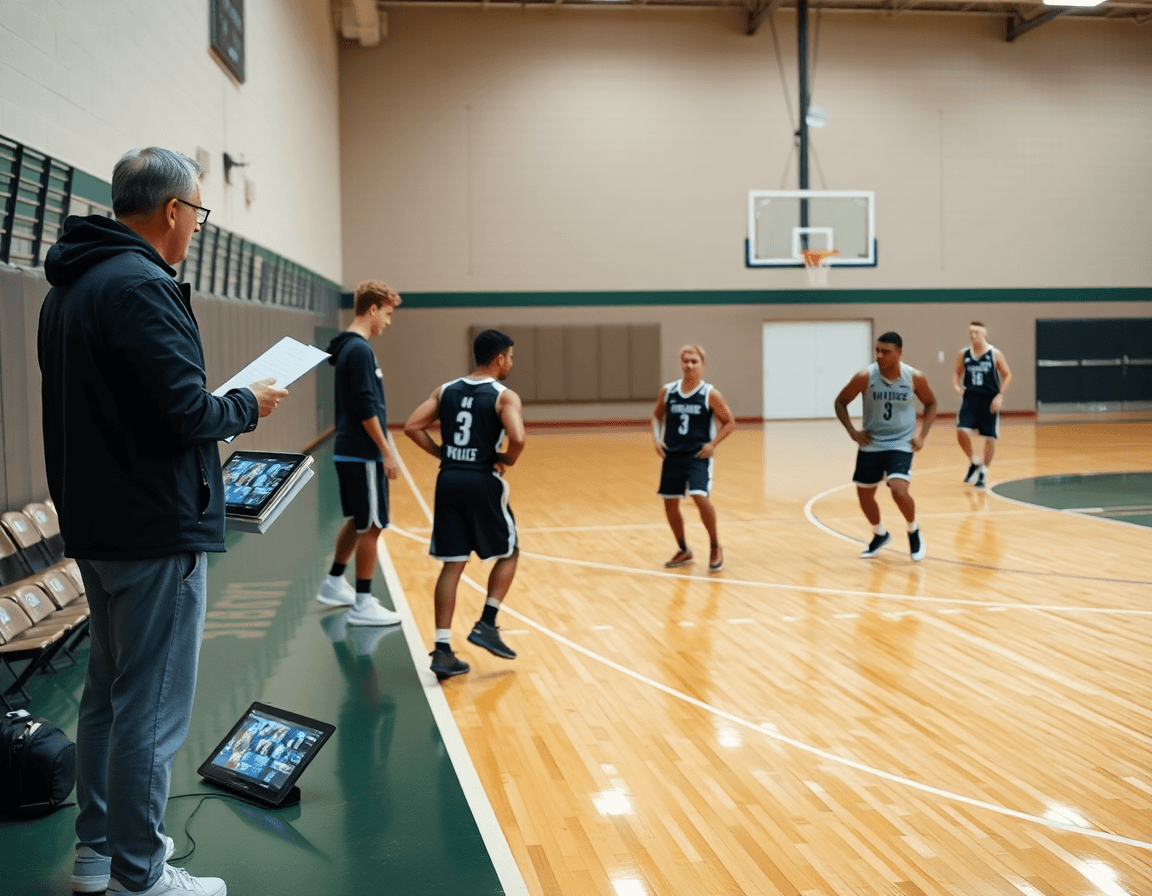
Video is the glue between our weekly plan and on-floor action in the triangle and two defense basketball. I pull clips from practice and games that show our chaser shadowing the two star players while the other defenders deny passes to the top scorers. The aim isn’t flair; it’s sequence-driven learning: rotations into the gap, quick ball reversals, and a strong rebounding cue when the ball swings to the high post.
I annotate each clip with callouts for rotations, ball reversals, and rebounding cues, so the staff huddles see the same language. Short clips highlight a successful denial on a specific action (for example, a deny-to-reverse against a skip pass) and then break down the next sequence. This is where the concept of denying passes becomes tangible, not theoretical, for both the plan in the plan and the daily video work.
Playlists are a cornerstone. I build targeted bundles for players and assistants to review at home or on game day. One playlist might focus on rotations against the junk defense look, another on handling two star players when the chaser sets the pressure. Each clip is tagged for easy search—denial passes, ball reversals, and rebounding cues—so a player can study the exact moments that mirror our practice reps.
Diagrams accompany the clips and export PDFs for the coaching staff. I sketch rotations and positioning (high post, low post, corner, and the chase) to align the visuals with the video, so the cadences of a triangle-and-two look are crystal clear when walking into practice.
Finally, I link clips to the weekly plan. When we reinforce the defense in practice and video sessions, players see how a sequence in a clip maps to a drill rep in the plan, strengthening recognition and execution across the week. The result is a smoother cadence for denying passes and sustaining the triangle and two framework.
If you build plans like this every week, CourtSensei keeps your drill library, whiteboard, and video clips in one place — try it free.
FAQ
What is the triangle and two defense in basketball?
The triangle-and-two blends a triangle zone with two man-to-man chasers on the opponents' top scorers. The paint stays protected while the other three guard cuts and anticipate reversals. It’s a planned adjustment, not a default look, used to slow perimeter scoring when a pair of players carries the offense and needs extra attention. We use it selectively, with clear rotations and film study to keep the plan cohesive.
How does the triangle-and-two defense work in practice?
It starts with a chaser denying passes and pressuring the ball while the three in the triangle zone stay compact. The top triangle defender guards the high post and the ball above the free-throw line; bottom triangle defenders cover the low post. When the ball reverses, rotations tighten on the strong side and rebounding is a shared responsibility.
When should a team use the triangle-and-two defense?
Use it as a change-of-pace look when you’re facing two star players and a weaker supporting cast, or after a breakdown to reset your defense. Expect ball reversals and shooters, fronting options, and quick, decisive rotations. The goal is to force role players to beat you while keeping the stars under pressure.
What are the strengths and weaknesses of the triangle and two defense?
Strengths include disrupting perimeter scoring and protecting the rim while pressuring the ball. It can create turnovers when the chaser stays active and the rotations deny easy passes. Weaknesses show up when ball reversals are quick, gaps open on fast drives, or shooters catch and shoot without pressure. It’s a situational tool, not a universal fix.
How many players are involved, and what are their roles?
Five defenders are involved: three in the triangle zone and two chasers. The top triangle defender pressures the high post; bottom triangle defenders handle the low post; the chasers deny passes to the top scorers. Rebounding is a team task. Use a whiteboard to map rotations and clip scouting notes to reinforce each role.
What is the inverted triangle option in triangle-and-two defense?
The inverted triangle flips the alignment to pressure the weak side first. The two chasers and the perimeter defenders adjust to deny skip passes while the triangle tightens on the weak-side post and corner. Coaches use this to compress the floor when the offense moves the ball away from the primary scorers.
How can offenses attack or beat the triangle and two defense?
Offenses attack with quick ball reversals, spacing, and movement without the ball. They look for gaps as the triangle loses shape, target the corners, and use backdoor cuts or post feeds to punish rotations. Keep chatter high and assignments tight; a sharp counter-move becomes your best counter.