Two Defense Techniques in Basketball: Plan for Coaches
Learn how to implement two defense techniques in basketball within your weekly plan. Practical drills, scouting, and video workflows to elevate team defense.

Key takeaways
- Clarify roles early and label defense emphasis clearly, e.g., man-to-man vs zone, before practice.
- Use whiteboard diagrams and short video clips to map gaps, rotations, and responsibilities in each system.
- Develop a weekly decision rubric based on opponent style and personnel, then tie it to practice plans and defense systems.
- Block in a 12-minute shell drill, then progress to zone work and transition reps between schemes.
- Anchor decisions in scouting notes and organized video playlists to translate defense choices into game-day execution.
Understand the two core defensive approaches for the week
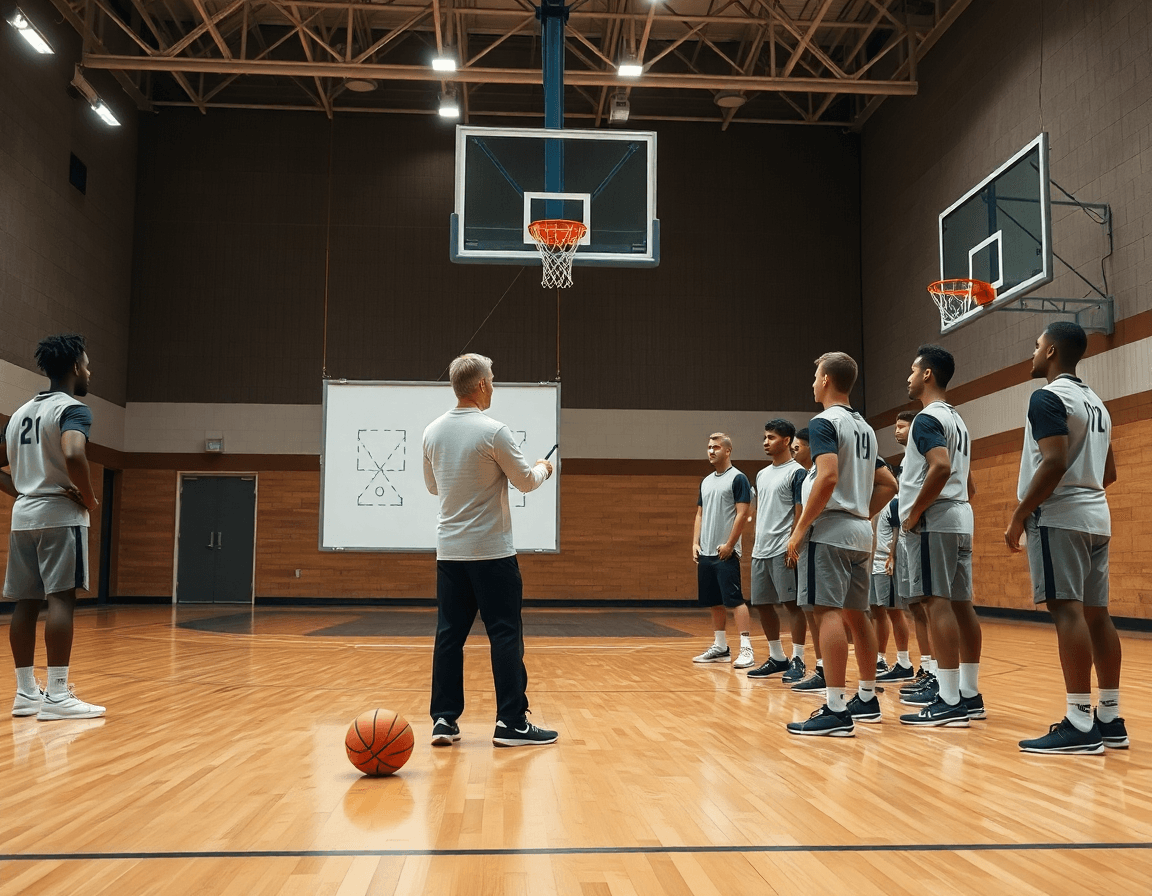
The week starts with clarity: understand what each defense is designed to do and who is responsible for what. In most lineups, you’ll rely on man-to-man defense for on-ball exertion, denying entry and pressuring the passer, while the weak side fills gaps with disciplined rotations. In contrast, the zone defense uses space and angles to protect lanes and contest shots without requiring every defender to be a killer 1-on-1 defender. Use your whiteboard diagrams to map who gaps or steals belong to, and which players will rep the ball-side or help-side in each system. Document these roles in your plan so assistants and players know the framework before practice begins.
Advantages and drawbacks hinge on your roster and the opponent’s tendencies. A guard-heavy roster might thrive with aggressive ball pressure in a tight man-to-man, but you risk early foul trouble or mismatch collisions. Zone can mask size or mismatch issues and slow quick passes, especially against shooters who can slice gaps. Weigh both options against the opponent’s ball movement, screening patterns, and pace. Your scouting notes should surface tendencies like reversal timing or entry passes, guiding which defense you’ll emphasize.
How help defense and rotations differ between schemes matters at every drill. In man-to-man defense, help is reactive, with recoveries and rotations driven by ball movement and player angles. In a zone defense, rotations are more programmatic: you rotate into defined gaps, slide into shell positions, and close out shooters from designated zones. Practice this with shell drills and closeout drills, then clip and save representative sequences in your video library for quick player feedback.
Set up a simple weekly framework to embed this decision into your plan. Start with a baseline defense, label it in the plan as “Defense Emphasis: Man” or “Defense Emphasis: Zone,” and annotate the conditions for switching. Build the corresponding diagrams on the whiteboard, attach curated game clips, and drop scouting notes into a single, shareable video playlist for the staff and players. This ensures the weekly decision becomes actionable in drills, scouting reports, and game prep.
Weekly planning: when to deploy man-to-man vs zone
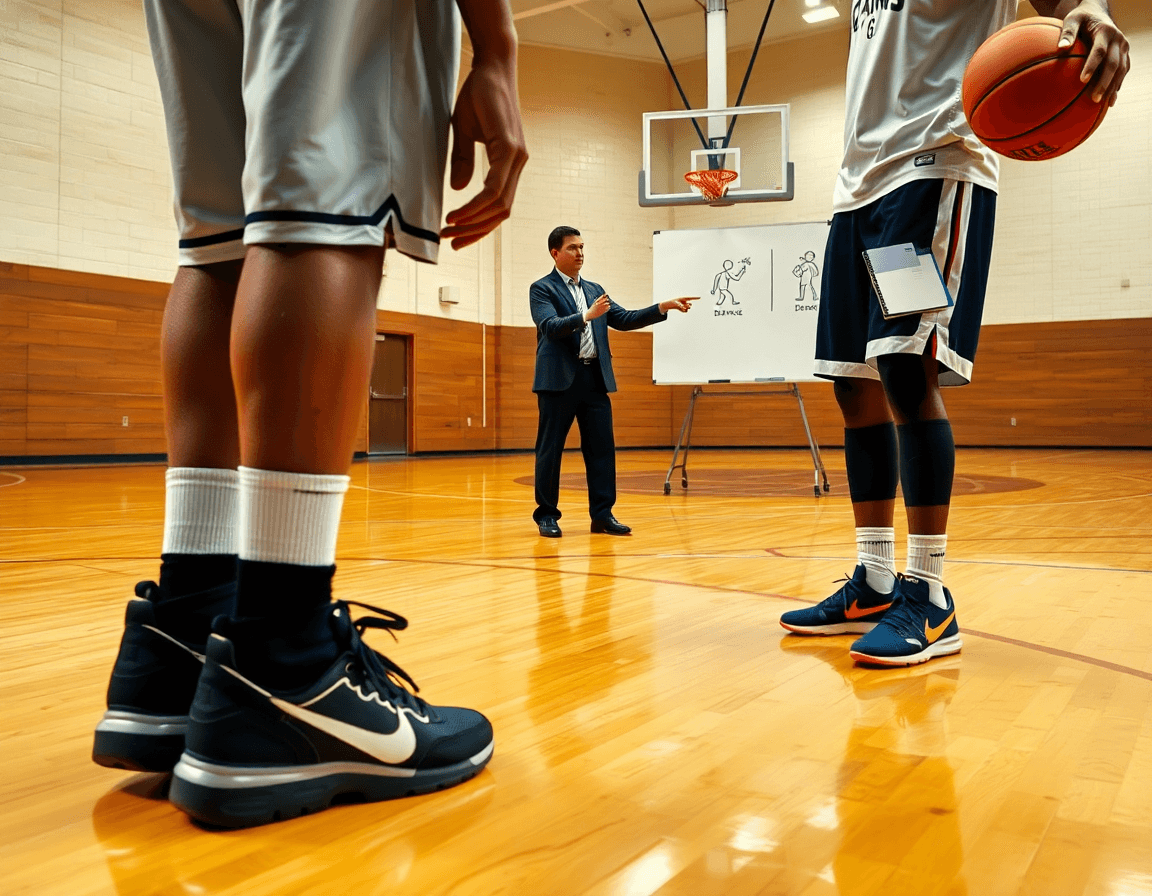
In my weekly plan, I start with a simple decision rubric that rides on opponent style and our personnel. Look at scouting reports first: are they shooters, penetrators, or pace-heavy? Then map that onto our lineup—length at the wings, strength at the rim, and the versatility of our guards. From there, we decide how much to lean into defense systems. With CourtSensei, I translate that into a plan in the practice plans, tied to whiteboard diagrams and a short video clip for quick reference. This is how you move from theory to on-court action.
For the actual week, I outline a basic rhythm: days dedicated to shell and ball pressure for man-to-man plus the necessary help defense, and days carved out for zone rotations and area coverage. On the plan, I dial up the objectives: on days focused on man-to-man, we emphasize shell drill, closeouts, and sharpening rotations; on zone days, we work on maintaining gaps and communicating zone shifts. Each block is anchored by a scouting insight—what we expect from the opponent and what our players can handle physically and technically. I pull relevant video clips and organize them into a playlist you can share with the staff and players.
Linking defense choice to practice objectives is where the workflow earns its keep. The plan aligns with scouting notes: if the opponent thrives on early ball pressure, we schedule drills that simulate that pressure and practice quick, organized adjustments. If they quick-switch to a different look, we already have a quick-adjustment sequence on the whiteboard, with cue points and a preloaded defensive stance change. The result: a coherent, coach-driven weekly routine that translates defensive theory into consistent game-day execution.
Drills to cement both defenses: from shell to zone reps
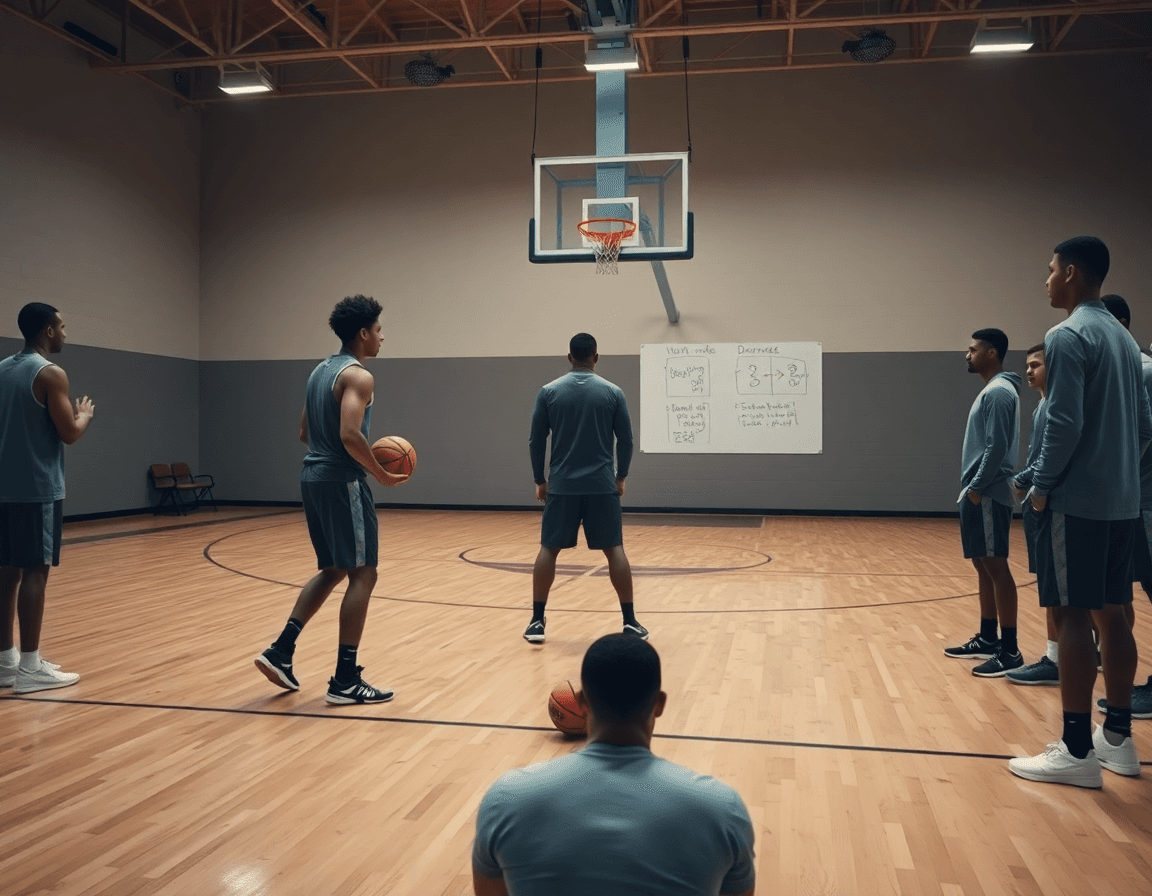
During planning, I block out a 12-minute shell drill block focused on the defensive stance, communication, and rotations in man-to-man defense. Then we layer in a closeout drill to enforce proper footwork and contest angles on drives and shooters. In the plan, I map both into a single practice plan and sketch the flow on the whiteboard so assistants know when to switch between shell drill and live ball-pressure reps. After each rep, we pull a clip from organized video clips to show good vs. bad technique and lock it into a weekly video playlist for the group.
From there we roll into zone work: 2-3 zone and 3-2 zone shells to build area awareness and ball-screen reactions. We call out rotations and gaps on the whiteboard as players adjust to ball reversals and skip passes. If we see a habit in scouting reports against teams that run heavy ball movement, we throw in a quick 1-3-1 zone variation to stress different angles.
Next, we design consecutive reps that transition players from man-to-man defense to zone defense and back, forcing them to adjust on the fly. We layer in help defense reads and rotations to keep communication crisp. The transition blocks live in the plan and the clip library so assistants and players can study the differences between schemes and how rotations change with ball flow.
Finally, we schedule drills to mirror game pressures—ball reversal, dribble penetration—for both schemes. The workflow keeps a running scouting note in CourtSensei, so the team sees a targeted plan when facing teams with quick ball movement. After the session, I assemble a short, shareable video playlist with the converted clips for players and assistants.
Scouting and game-plan: choosing a defense based on opponent
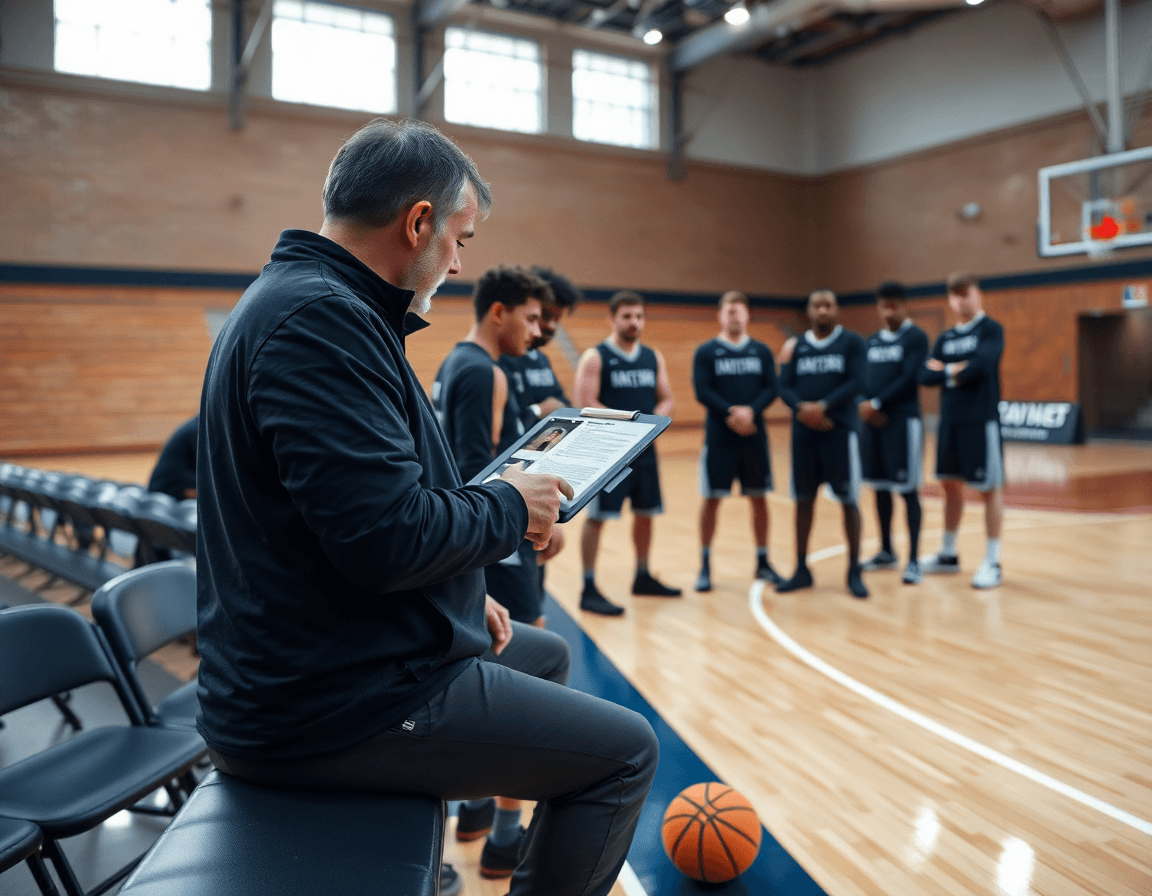
In the weekly plan, I translate scouting notes into a defendable game plan: identify shooters, ball handlers, and primary threats. I pull the scouting reports and tag players by threat level, then map those notes into our defensive decisions. On CourtSensei, that means a clear entry in the plan titled Opponent Scouting, with bullets on who can hurt us with dribble penetration and who must be chased off the line. This foundation informs our scouting reports and the first set of rotations.
From there, decide whether to ride with man-to-man defense or deploy a zone defense based on strengths and limits. If the opponent leans on shooters and ball handlers, you might pressure the ball aggressively in man coverage and rely on sturdy help defense; if they thrive in spread sets, a zone with extended ball pressure can clog lanes and shrink driving angles. We rehearse both paths on the whiteboard with shell drills and closeout drills to ensure our rotations stay disciplined.
With the choice coded into the plan, I build scout plays and presets to simplify adjustments during a game. In CourtSensei, a preset lets us switch to zone or tighten man coverage at the first timeout, while still keeping the core rotations intact. I attach video clips showing the opponent's pick-and-roll or dribble penetration patterns and create a short video playlist for players. These clips keep our players lined up in the same defensive stance when the game slows down.
Finally, I document the plan so assistants and players can reference it in pregame and timeout moments. The plan links to scouting reports, scout plays, and a quick reference of defensive rotations and ball pressure triggers. A few short clips are tucked into the shareable video playlist so players can review decisions during huddles. When the plan lives in one place, the defense is less reactive and more aligned to counter the opponent’s strengths and limits.
In-game management: help defense, rotations, and ball pressure
During a live possession, the week’s in-game focus is reinforcing help defense rules and rotations for man-to-man, while staying sharp with zone matching. In our weekly plan we codify gaps and assignments, then bake them into the practice plan: shell drills, on-ball pressure reps, and the baseline zone look. The goal is clear on-court communication: call for help, announce rotations, and stay attached to your man in zone. We map these decisions on the whiteboard diagrams and exportable PDFs so assistants can mirror the plan in film sessions and huddles.
Ball pressure is not reckless; it’s strategic, aimed at wrecking ball handlers’ timing and denying easy angles. Our week’s focus translates into tailored pressure schemes and closing-out decisions. We practice a purposeful ball pressure sequence with a shell drill, emphasizing a quick, high hands approach and a disciplined closeout drill to force misses. After practice, we clip the best sequences and drop them into a shareable video playlist for players to study in our prepractice routine.
On the floor, cues for adjustments come from timeouts and the bench. We run a tight cue sheet linked to scouting notes and organized video clips so the bench can relay changes quickly. If we decide to switch from man-to-man to crowding the ball, we call it in the huddle and the assistants reinforce it with the rotations. The focus stays on the defensive stance and clear communication so players know who fights through the switch and who drops off. Short clips reinforce the message.
Finally, use the weekly plan as reference to stay aligned with assistants and players. Our workflow ties practice plans, whiteboard diagrams, video clips, scouting reports, and shareable video playlists into a coherent routine. When you step on the floor, you know which defense emphasis governs the rotations and how to communicate it. The result: on-court execution that mirrors the plan, with every defender reading the game the same way.
Workflow: turning film, notes, and scouting into a weekly practice plan
As a coach who uses CourtSensei daily, turning film, notes, and scouting into a week-by-week plan starts with collecting opponent film and scouting reports; I tag clips by defense concept (man-to-man vs zone). Those video clips become the backbone of the week, guiding decisions on ball pressure, rotations, and help defense. If I spot patterns—denying passes in man or overloads in zone—those clips get labeled for quick retrieval.
On the whiteboard, I diagram rotations and help concepts for both looks, then attach them to the practice plans so every coach and assistant sees the same language. This creates clear expectations for where the shell drill, closeout drill, and defensive stance fit in the weekly sequence.
Next, I assemble drills and plan sequences that mirror the two-defense approach: a shell drill to reinforce man-to-man spacing and a zone progression to work rotations. I assign the relevant video clips to players via playlists, so each guy can review his responsibilities during individual film time and group walkthroughs.
Finally, I export and share a cohesive weekly plan (PDF/links) with assistants and players to ensure alignment. The plan consolidates scouting notes, video, and practice designs into a single, accessible package. This workflow keeps us aligned, translates theory into on-court execution, and makes sure every defensive decision—whether it’s man-to-man or zone—has a concrete, coach-approved path.
If you build plans like this every week, CourtSensei keeps your drill library, whiteboard, and video clips in one place — try it free.
FAQ
What is the main difference between man-to-man and zone defense?
Think of assignment versus space. In man-to-man, each defender guards a specific opponent, pressuring the ball and denying entry. Rotations hinge on angles and ball flow. In zone defense, players guard areas and protect lanes by using angles and gaps, not chasing a single man. The emphasis shifts from individual stops to collective coverage, with rotations built into the shell.
Which defense is better for stopping dribble penetration?
To deter penetration, lean into tight man-to-man pressure with smart angles and active feet. A well-organized zone defense—like a 2-3 or 3-2—can slow drivers by clogging lanes and keeping attackers out of gaps. Choice depends on your guard quickness, foul risk, and how you want to defend entry passes.
How do you effectively communicate in a zone defense?
In a zone defense, communication is proactive and precise: call out gaps, shifts, and ball reversals; one player anchors the shell while others fill. Use simple, cue-based phrases, a steady voice, and pre-practiced rotations. Clip examples and share a quick feedback playlist so everyone stays aligned during live ball movement.
Why is help defense important in man-to-man defense?
Help defense buys time and keeps drives from becoming easy scores. In man-to-man, timely recoveries and smart rotations prevent kick-outs and mismatches. Communicate before screens, track the ball, and trust teammates to recover. If help is late, gaps open; practice controlled drills to keep help connected to on-ball pressure.
Can zone defense be used against all types of teams?
Zone can work against many teams, but it isn’t universal. It slows quick passes and can hide mismatches, yet sharp shooters will punish over-rotations. Use zone when length at the wings helps, or you need to protect the rim with spacing. Have clear shift cues and locate shooters to minimize kick-outs.
When should you use zone defense? (Five game situations)
Use zone defense when you need to neutralize a collision of size or shooting, especially late in games to slow ball reversals and protect a lead; against teams that rely on kick-outs; when rim protection is limited; to force passes and misdirections; and when your guards are in foul trouble or need a safer matchup.
When should you use man-to-man defense? (Five game situations)
Use man-to-man when you want on-ball pressure and disruptive defense. Situations include: (1) opponents rely on ball handlers; (2) you have quick wings and strong switching ability; (3) you want denial on entry passes; (4) the opponent shoots poorly from distance; (5) you need immediate pressure to create turnovers late in a game.