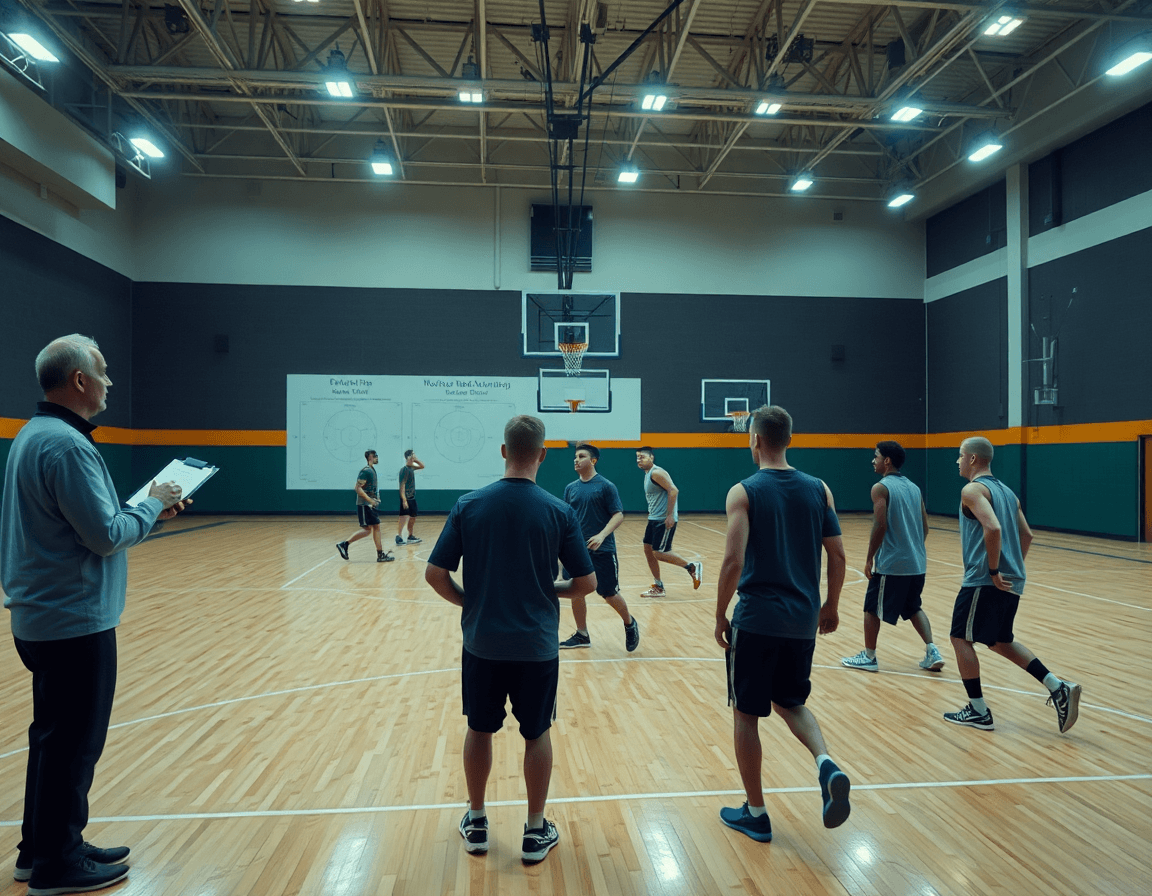
Zone defense vs man to man: a weekly coach's planning guide
A coach-focused comparison of zone defense vs man-to-man, with a practical weekly workflow for planning, scouting, video, and practice plans.

Key takeaways
- Align weekly plans with opponent tendencies by prioritizing zone defense and man-to-man decisions.
- Structure Practice Plans: 1-2 zone drills and 1-2 man-to-man reps weekly, adjusted by opponent tendencies.
- Leverage scouting notes and Whiteboard diagrams to time rotations and tempo shifts.
- Create video playlists labeled by scheme to reinforce cues during team film sessions.
- Be ready to adapt mid-game with match-up and hybrid defenses when scouting notes demand.
When to use zone defense vs man-to-man in a game plan
Think of it as zone defense vs man-to-man: a framework for when to use zone defense and when to use man-to-man defense. Decision criteria include opponent shooting, pace, foul trouble, and roster dynamics. A well-timed zone can disrupt rhythm, protect the paint, and conserve energy; man-to-man applies ball pressure and can accelerate possessions. Hybrid options, like box-and-one or triangle-and-two, counter elite players and adapt to game flow. Translate this into the weekly plan: reps for both schemes based on opponent tendencies, with adjustments as the numbers change.
Translate this into a weekly defensive cycle: in Practice Plans I block 1-2 sessions for zone drills and 1-2 for man-to-man reps, adjusted by opponent tendencies. On the Whiteboard I diagram rotations, show where help comes from, and practice keeping tempo when we switch looks. After a game, I clip decisive sequences and annotate decision points: where we stayed patient in zone or pressed in man. I keep scouting reports for upcoming opponents front and center, noting which stretch to deploy zone and where to mix in man. Finally, I assemble a video playlist for players, surfacing clips labeled by defensive scheme so they can study the cues on their own time, then we review together in team film. This workflow is built into CourtSensei: plan, diagram, clip, scout, share—a weekly defensive cycle that keeps us flexible and predictable.
Core formations: 2-3, 3-2, and match-up zones explained
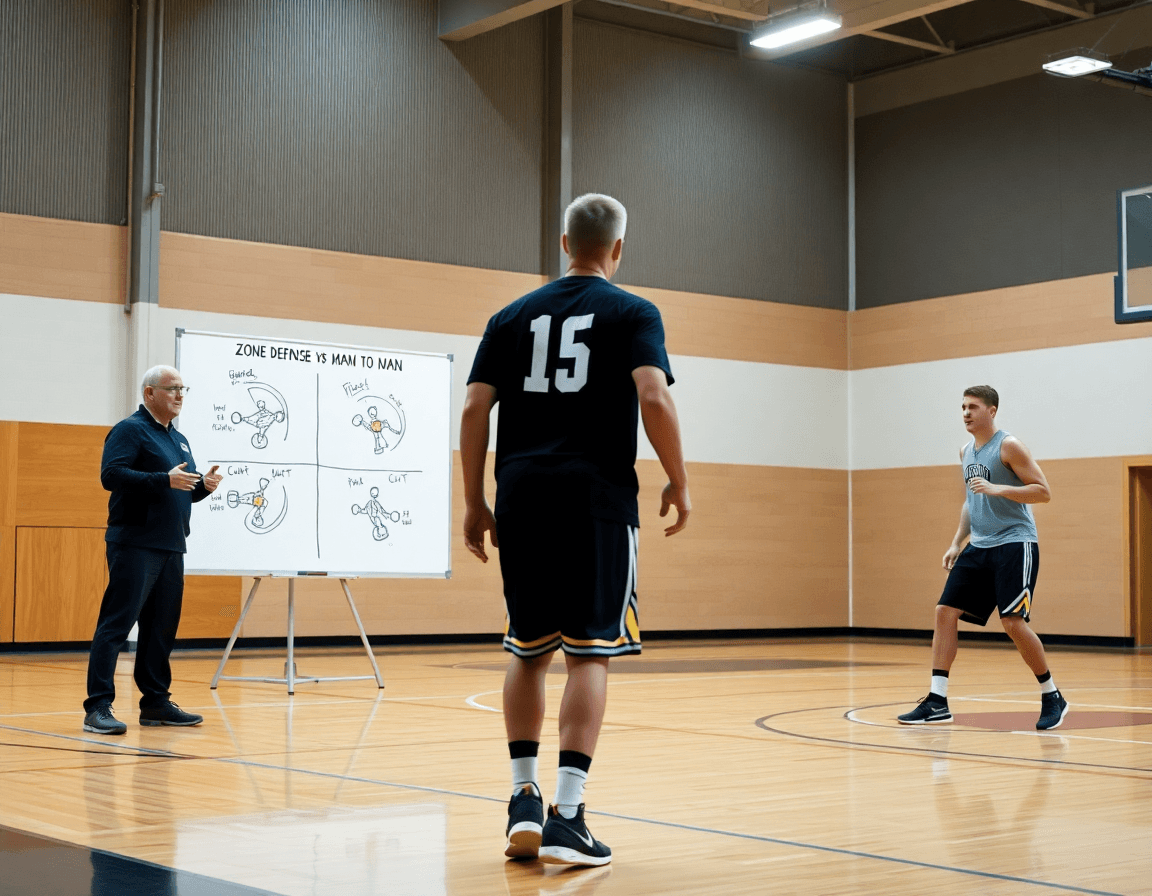
As I map the weekly defensive cycle, I anchor with core formations that fit our scouting. For some weeks that means a deliberate emphasis on the 2-3 zone; I build a Practice Plan that drills rim protection, ball-side coverage, and gaps-closure. On the Whiteboard I diagram front-court rotations, and weak-side help transitions as the ball moves. Clips highlight clean rotations so players internalize the cues of the 2-3 look.
Shifting to the 3-2 zone, we focus on middle overloads and shooter rotations. The Practice Plan sequences spacing and ball reversals to stress the defense, while the Whiteboard sketches overloads and how the unit slides to keep shooters off catch-and-go. A clip from a real game goes into Scouting Reports so players recognize the 3-2 look in action.
For opponents who live on ball screens, we lean into match-up zone and hybrid defenses. On the board, I label match-up zone calls and show how we flip into man at the screen, then snap back to a zone shell. Our Practice Plans include hybrid looks—box-and-one, triangle-and-two—so we can match personnel. Clips get annotated, and the video playlist reinforces the cues to switch and recover.
Know when to switch to man-to-man defense or adjust rotations mid-game to counter opponents' sets. If a team bombs from deep, we tighten with a man-to-man look; when the screens heat up we can shift to a match-up look. That contrast—zone defense vs man-to-man—drives our weekly cycle. The plan stays data-driven through Scouting Reports, the Whiteboard, and a fresh video playlist for the next practice.
Practical weekly workflow: plan, practice, and film
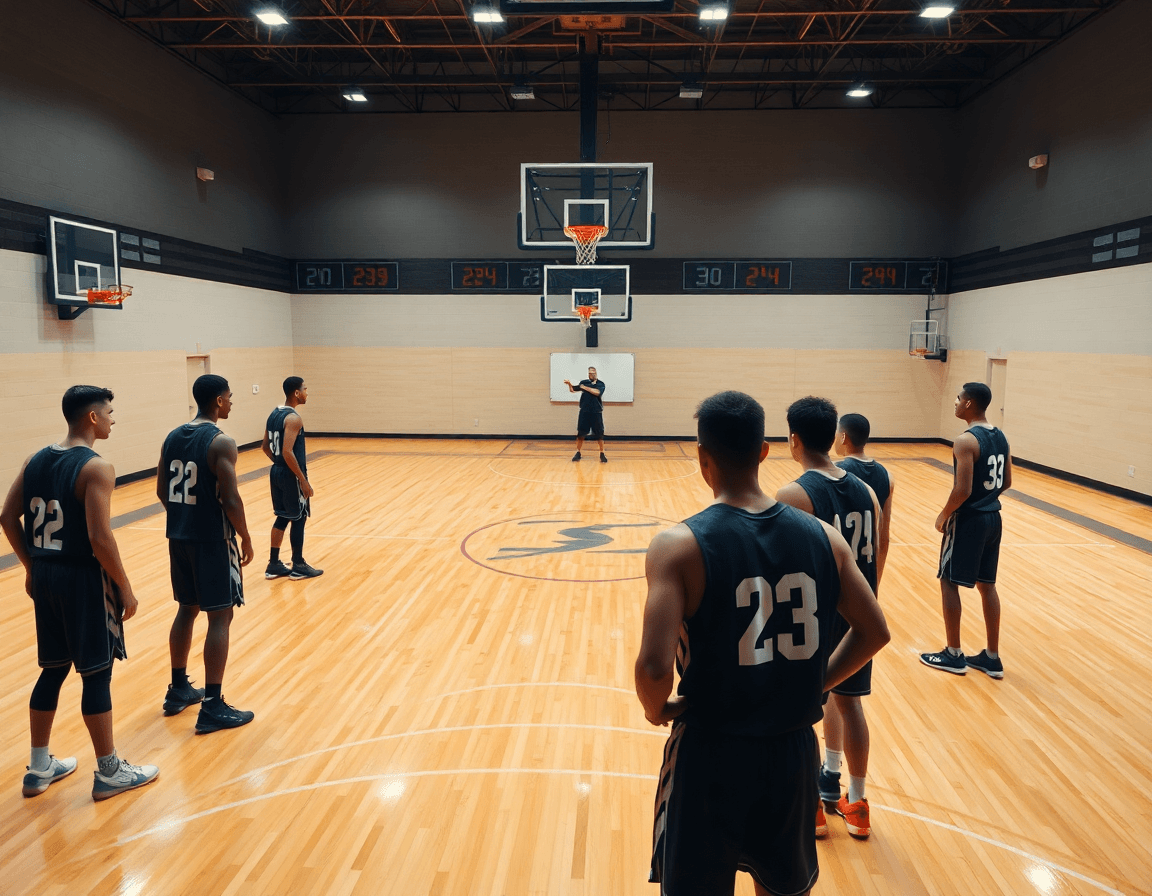
Every week starts with the scout notes. On Monday I pull the latest Scouting Reports, compare opponent sets to our base shells, and set the defensive objectives for the upcoming game. This becomes our anchor for the weekly workflow. From there I translate the goals into a clear plan in our Practice Plans, so the staff and players know what to work on first.
On Tuesday and Wednesday we build the practice blocks with both zone defense and man-to-man defense drills. The goal is to simulate the opponent's sets while refining our rotations and communication. Roles get assigned to players, with specific tasks for the 2-3 zone, 3-2 zone, or a hybrid look, like match-up zone, if needed. Keep the tempo game-like and the scouting notes in mind.
Video session: clip opponent sets and demo rotations using labeled clips. We pull short video clips from recent games and practice, annotate them, then walk through the entries on the Whiteboard showing how rotations chase shooters or close gaps. After the clip session, export a PDF plan for assistants to reference during walk-throughs.
Thursday is for installing adjustments and refining rotations; we finalize the PDF plan for assistants and lock in the tweaks. We’re ready to try box-and-one or triangle-and-two if the scout notes demand it. On Friday and Saturday we run walk-throughs and team film, then share Playlists with players so everyone can review the same clips. We keep the workflow aligned by revisiting the Whiteboard diagrams and exporting PDFs for the staff.
Beating zone: drills and actions that work
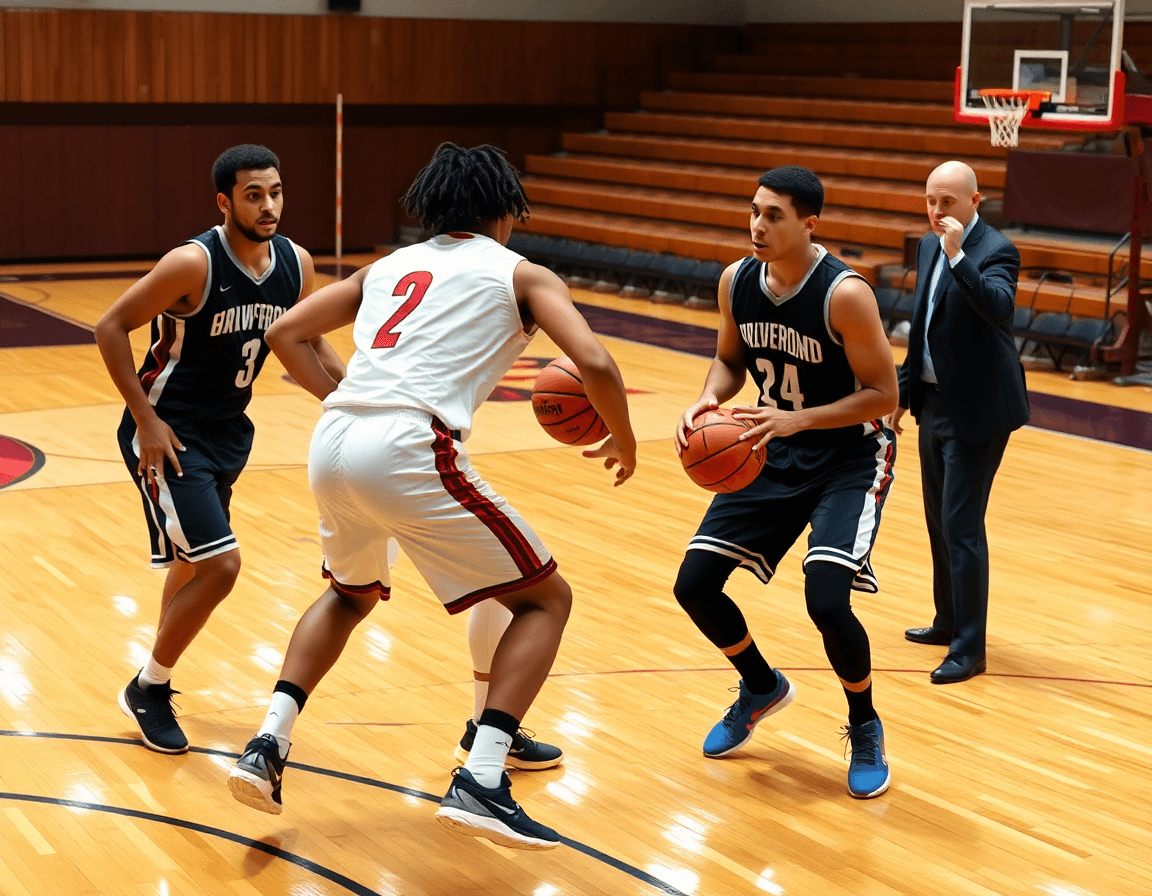
Beating zone is a weekly test for any staff, and our Cycle starts before practice with CourtSensei. In Practice Plans, I map out zone offense options and counter-punches, then I diagram rotations on the Whiteboard against the 2-3 zone or 3-2 looks we'll see this week. I pull clips from the last game, annotate them, and show the players where timing breaks come from. I build Scouting Reports focused on the opponent’s zone tendencies and assemble a short video playlist to reinforce the reads during film. This workflow keeps us sharp when we switch from zone defense to attacking.
Drills to beat zone: Ball reversal and skip passes to stretch the zone and create open looks. We run a 4-out setup where the ball is moved side to side, then a skip to the weak side for a catch-and-shoot. Overloads and attacking gaps through the middle force rotations and create gaps for kick-aheads. We’ll mix in looks for match-up and hybrid defenses, and keep the spacing disciplined so shooters have clean lines to attack the paint or pop for threes.
Perimeter spacing and quick ball movement to shoot over weaker shooters. As soon as a window opens, we want a quick decision — shoot, drive, or swing — then sprint to rebounding if the shot goes up. Rebounding discipline to prevent extra offensive opportunities after zone possessions is non-negotiable: box-out angles, strong sides, and outlet discipline. We annotate every rep on the Whiteboard and link the drill to a clip in the player playlist so they can study the read during the next practice. This is how we turn zone offense into consistent scoring against zone defense.
Defending against man-to-man: pressure and rotations
Defending against man-to-man defense requires relentless on-ball pressure from the start. Our weekly cycle opens with deny drills and tight closeouts, then moves to 2-on-2 and 3-on-3 reps that mirror game rhythm. Our Practice Plans lock in 8–12 minutes of pressure work, and a quick clip afterward shows the funnel to the sideline and into help. CourtSensei keeps the drill library ready and assignable for staff.
Next, disciplined help-side defense and rotations guard ball screens and shooters. On the Whiteboard we map who traps, who recovers, and how we shade coming off screens. The aim is seamless rotations that force tough passes. Clips illustrate clean rotations and the occasional misstep, feeding a targeted video playlist for quick review.
Communication and consistent positioning are the glue. We stress quick verbal calls and square hips to the ball to close gaps late in the clock. Rotations are practiced until assignments are second nature, so fatigue doesn’t break discipline. Scouting notes and a tight clip become part of the weekly review.
When scouting reveals opponent versatility, we layer in zone concepts without abandoning the plan. A zone defense look or a hybrid defense may appear; we adapt with a contingency in the Practice Plan and a matching clip in the video playlist, so players stay sharp against both man and zone looks.
Scouting, clips, and playlists: prep for the next opponent
Turning scouting into a weekly plan starts with focus. Build scouting reports focused on opponent zone defense vs man-to-man tendencies and key plays. If the tape shows a 2-3 zone overload, a 3-2, or a match-up zone with a strong corner kickout, we call that out early so we can tailor our defensive cycle. Those notes feed the plan for the week and live in Practice Plans and on the Whiteboard diagrams.
Next, we pull video clips of the opponent's actions—sets, zones, presses—that stress our coverages. Clip specific actions (sets, zones, presses) and annotate with teaching points: spacing, communication, gaps, and rotation angles. We annotate key moments against 2-3 zone, 3-2 zone, and any hybrid like match-up zone or box-and-one.
From there, we assemble playlists for players that compare zone vs man concepts and rotations. A typical week might include clips showing how to attack a 2-3 zone vs a man-to-man spread, how rotations look in a triangle-and-two, and how to close the weak side against a match-up. The playlists guide the defensive reps in the plan for practice and on the floor, so players see the contrasts side-by-side.
Finally, we share links with assistants and players; track engagement and progress over the week. We drop a single link for the scouting report, clip gallery, and playlist, and watch who opens which clips. The workflow lets us adjust the game plan: if a guard struggles with a zone beat, we push extra rotations and teaching points into the next practice. The result is a clearer path from scouting to on-court execution.
If you build plans like this every week, CourtSensei keeps your drill library, whiteboard, and video clips in one place — try it free.
FAQ
How would you define zone defense in basketball?
Zone defense is a shell where players guard spaces rather than specific opponents. Each defender covers an area and relies on team rotations to defend passes and drives. It emphasizes communication, timing, and rim protection while conserving energy. The strength is disrupting rhythm and protecting the paint; the weakness is getting pulled out by sharp shooters.
What is man-to-man defense?
Man-to-man defense assigns each player to a specific opponent and aims to create ball pressure, deny catches, and disrupt ball handlers. It requires quick feet, discipline, and strong communication. You can crowd passing lanes, contest shots, and speed up possessions, but you must stay connected to your man and help when needed.
What are the advantages of zone defense?
Zone defense offers several advantages: it protects the paint from aggressive drives, saves energy by running fewer on-ball contests, and disrupts rhythm through collective rotations. With smart communication, you can force contested shots and broken sequences. It can also hide individual mismatches and adapt to different lineups.
What are the disadvantages of zone defense?
Disadvantages of the zone defense include giving up open perimeter looks when the ball reverses quickly, requiring perfect communication to avoid gaps, and struggles against rapid ball movement. It often demands disciplined rotations and smart spacing. Against mobile shooters, a zone can sag, creating shooting windows for quick passes.
When should you use zone defense?
Use zone defense when you need to protect the paint, conserve energy, or slow a fast-breaking opponent. It helps against depth issues, foul trouble, or when you want to control pace. If the floor gets spaced, mix in zone with other looks and rely on scouting to guide your timing.
When should you use man-to-man defense?
Turn to man-to-man when you need on-ball pressure, faster tempo, or to deny easy passes. It works best with quick, disciplined defenders who can stick with their man, hedge screens, and communicate. Use it to contest switches, challenge shooters, and control pace with help from teammates.
Can zone defense work against good shooters?
Yes, but it takes discipline and timing. A well-constructed zone defense can contest threes and force tougher catches, but elite shooters exploit gaps with quick ball movement and spacing. The key is sharp rotations, active hands, and timely ball reversals. If shooters heat up, mix in man-to-man or match-up looks.