3 2 motion offense basketball: weekly coach workflow
A practical weekly workflow for coaching the 3 2 motion offense basketball: planning, diagramming, video clips, scouting, and player playlists to elevate your Friday through Sunday prep.

Key takeaways
- Lock in weekly core concepts of the 3-2 motion offense basketball with a shared practice plan.
- Use diagrammed plays on the whiteboard and assign clips for quick reviewer feedback.
- Emphasize spacing and the two-post system through progressive drills and read-and-react sequences.
- Study opponent tendencies on scouts, updating PDFs and creating counter plays for upcoming games.
- Build youth drills around entry, spacing, and post actions, with 4–6 stations.
Practical weekly workflow for implementing 3-2 motion offense
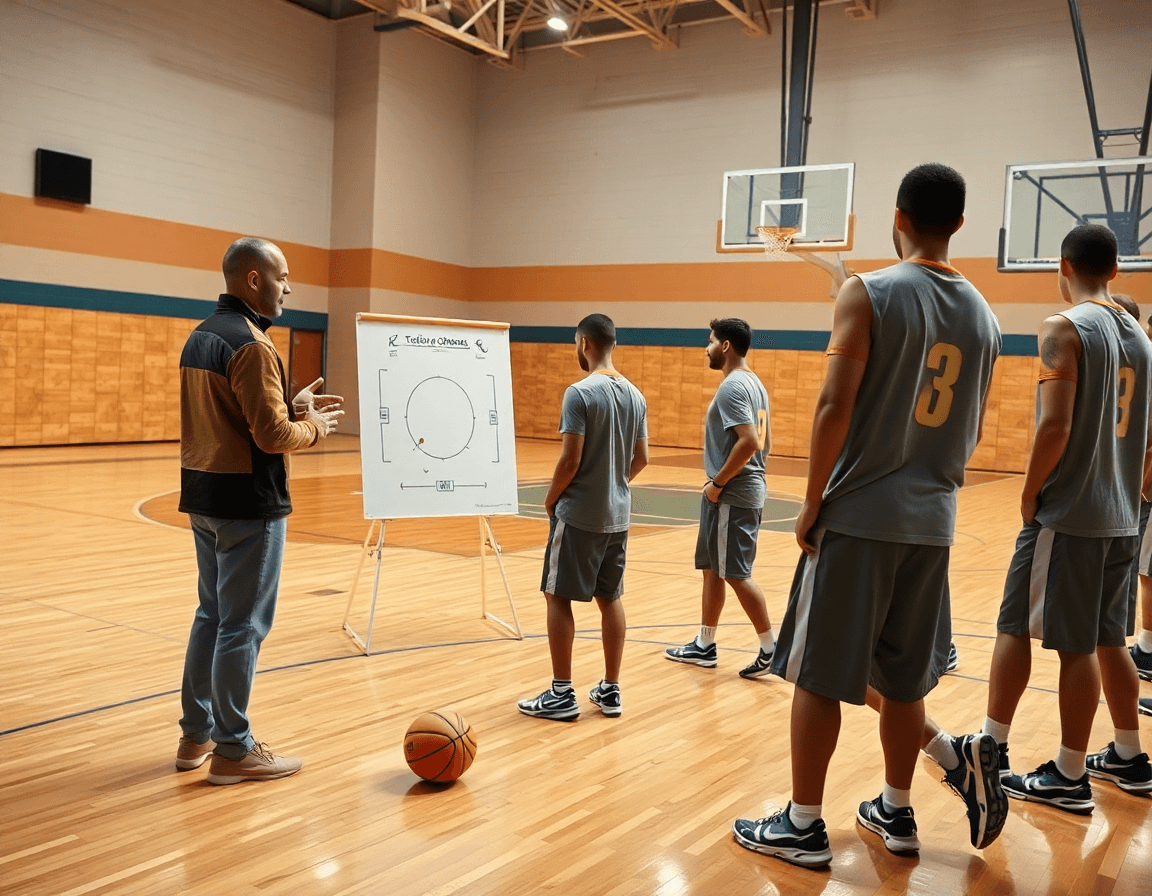
Mondays I lock in the core concepts of the 3-2 motion offense basketball, building the week around a shared practice plan. I drop diagrammed plays on the whiteboard, label reads from the two-post alignment, and assign film tasks to assistants so we can review clips during breaks. This is where the game plan for the week begins to take shape.
Tuesday tightens spacing and the two-post system, and we run progressive drills to establish reads and reactions. The plan keeps us aligned with the basics of the 3-out 2-in motion offense, reinforcing spacing, rim reads, and drive-and-kick options as we move through each progression.
Wednesday centers on post actions: high-low, cross-screen, and screen-the-screener. We run controlled reps to sharpen timing and decision points, while I diagram sequences on the whiteboard and pull short clips for immediate feedback. The emphasis stays on executing the post-driven reads within the motion framework.
Thursday is scouting day. We study opponent defense tendencies and adjust counters; I add updates to the scouting reports and drop in scout plays to the shared plan so the staff has concrete counter options for upcoming defenses.
Friday wraps with a full-speed walk-through. I export PDFs of the plays and drop the video clips into player playlists for easy access. The goal is a tight, repeatable routine that turns film study and diagram work into confident, in-game decisions.
Spacing and positioning basics for 3-out 2-in setup
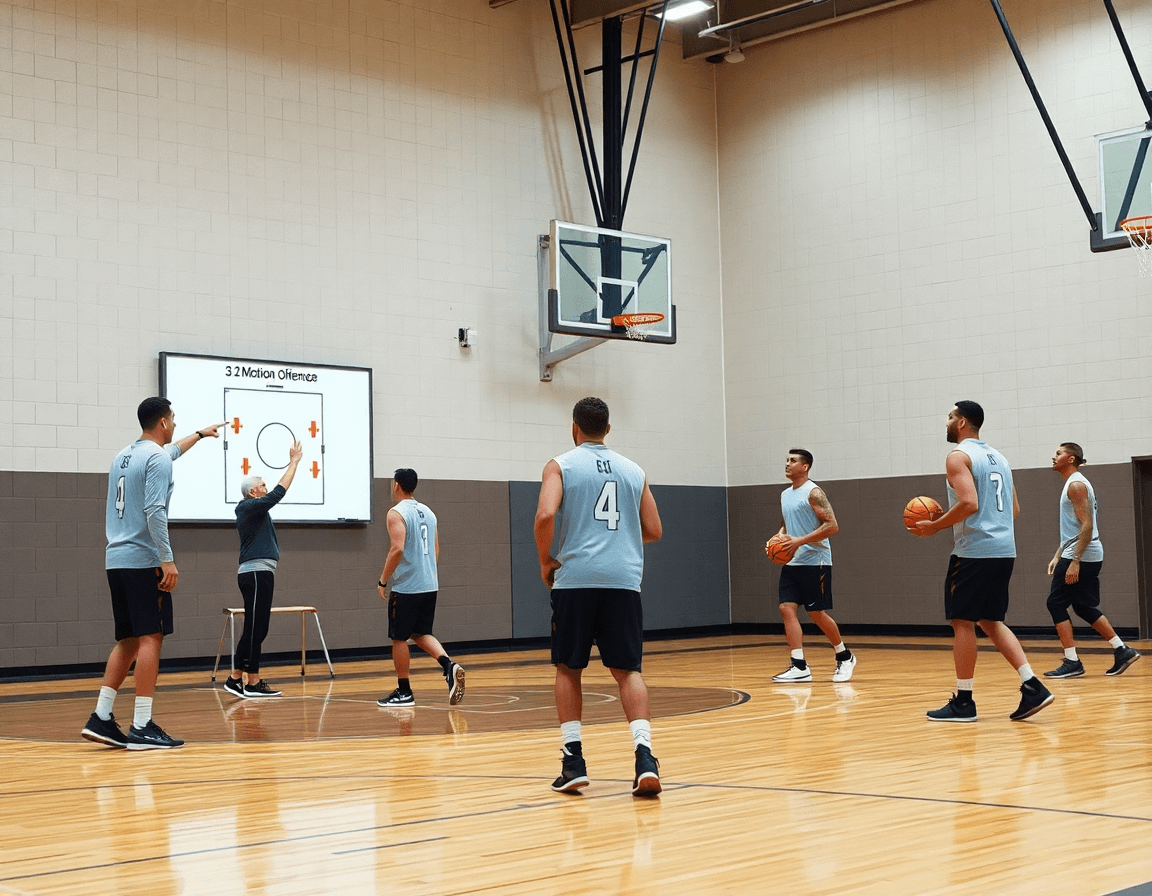
In a 3 2 motion offense basketball setup, spacing in basketball matters. I start with one post high and one post low to preserve driving lanes and keep the high-low threat alive. The wings stay wide, while the posts anchor their lanes to prevent crowding. In the training plan, I lock in a quick progression that nails the spacing first, so when the ball arrives at the top, we can attack with purpose.
From there, the two-post system creates the interior angles we want, while the perimeter stays spaced. The offense hinges on read the defense for gaps to trigger reads: if the top defender overplays, we hit a pass-and-cut or flash a cross-screen. Keep driving lanes alive with a simple sequence: drive and kick, then swing to the opposite wing for a shot or drive.
On a weekly cycle, I map spacing drills into the training plan, diagram the positioning on the whiteboard, export PDFs for assistants, and annotate scouting notes. I also assemble a short video clip library and a shareable playlist for players to study the inside-out reads and post-screening ideas after practice.
During practice, I run a short shell with live decisions: top ball, two posts, wings wide, and we emphasize the cues. I call out, space the floor and one level per post as the ball moves. When a gap opens, we attack with a read-and-react skip pass to the weak side and a drive-and-kick for an open look. This rhythm locks in weekly, from the whiteboard to the floor.
Two-post actions you must master
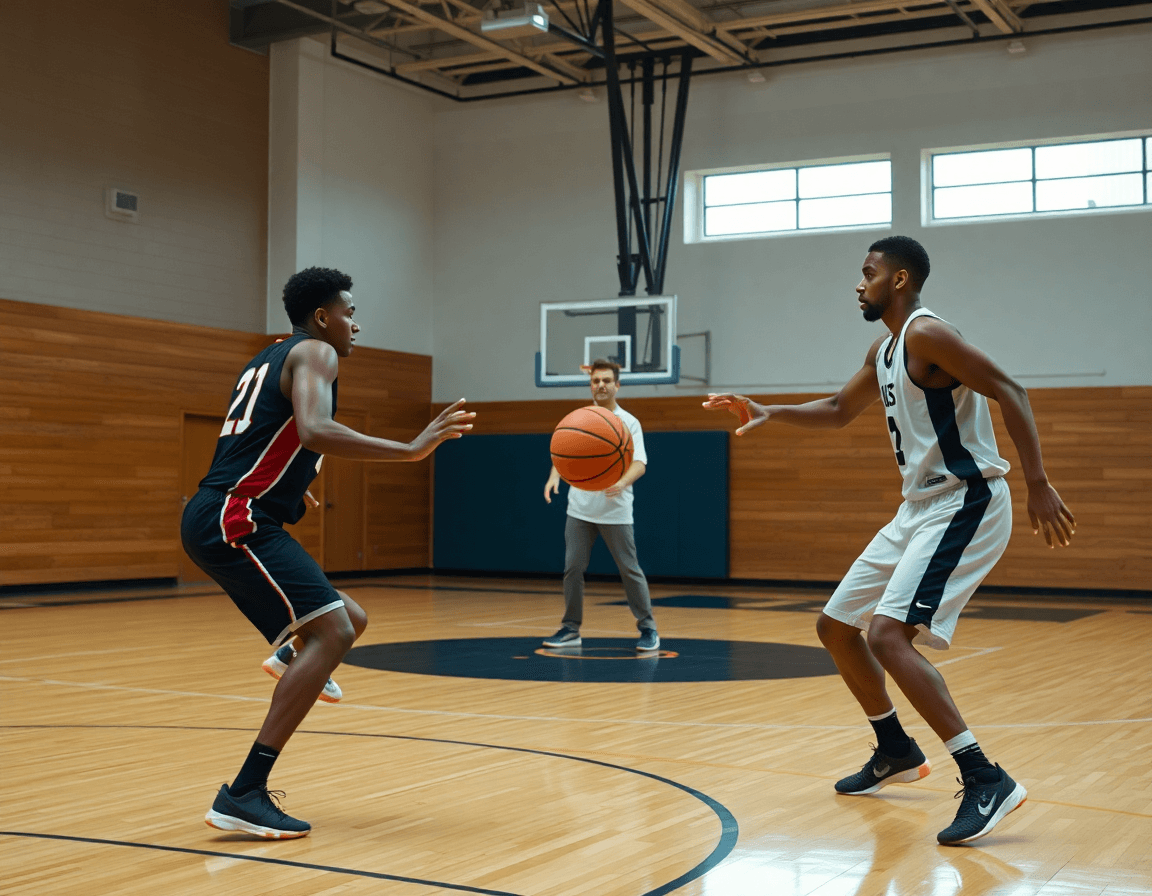
In a 3 2 motion offense basketball framework, two-post actions are the heartbeat. Mastering them gives you options when the defense tries to clog the lane. In my weekly plan, I map drills around the high-post entry, the feed to the low post, and the reads that open up on the perimeter. Our workflow stays simple: diagram it on the board, share the plan with assistants, and tag the clips for quick review.
The first staple is the high-low action: establish entry passes to the high post, then feed the low post for scores or kicks. We script a progression: entry to high, feed to low if help arrives, or a skip to the shooter if the gap opens. I label this in the plan and export a PDF to the coaching notes so players study the reads before practice.
Next is the cross-screen sequence: timing between posts to create interior looks and interior-to-perimeter options. We run a staggered cross-screen to free the post and open a cutter or wing shooter. When timed right, interior feeds collapse the defense and the perimeter shot follows. We tag these clips for quick review.
Then comes screen the screener: screens designed to free the cutter or shooter while keeping the posts involved. The screener sets the look, the ball handler reads the defense, and the posts stay engaged. We diagram angles on the whiteboard and save short video notes for the team to study.
Finally, we stitch these into a Sequence with perimeter actions: post feed, cross-screen, screen the screener, and a drive-and-kick to the corner. It’s about flow, spacing, and reads. A sharable video playlist lets players study the sequence on their own time.
Youth-friendly drills and practice plan for 3-2 motion
For a youth program running the 3-2 motion offense basketball, a solid weekly workflow starts with the basics: progress through entry drills, spacing drills, and post-entry drills that emphasize reading defenses. In this setup, the ball moves with purpose and players learn to read pressure rather than chase scripted motion. Start with simple entry actions that get guards and posts on the same page, then layer in spacing to create clean driving lanes and open kick opportunities.
Design your practice around 4–6 stations that cover the core actions: pass-and-cut, high-low reads, and two-post actions. Station 1 focuses on pass-and-cut entry into a wing action; Station 2 works high-low reads from the low post; Station 3 emphasizes two-post actions with screening and cuts; Station 4 runs post screening and screen-the-screener; Station 5 adds drive-and-kick with spacing; Station 6 ties it all together with live reads. The key is to move from fundamentals to decision-making at game tempo, so players feel the flow rather than stall.
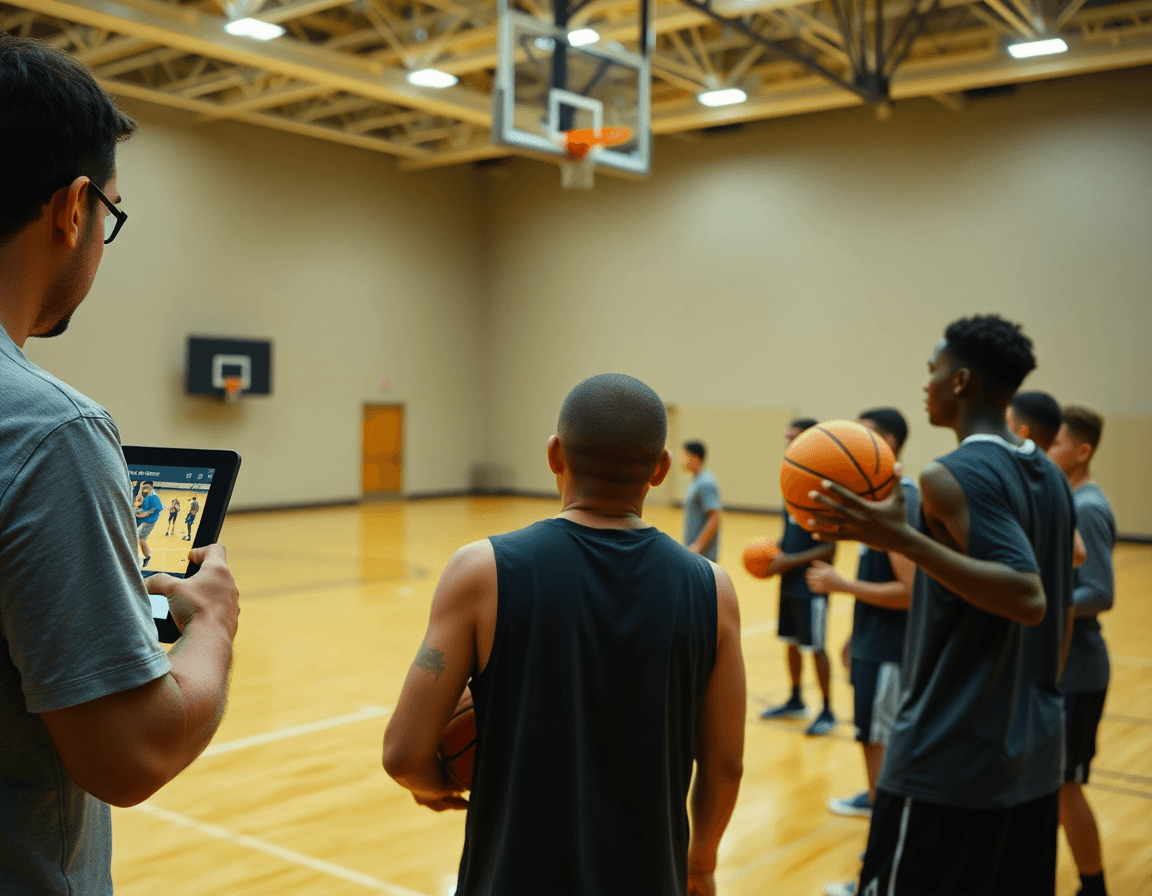
Integrate your plan with short, labeled clips that illustrate the read and action at each station. Set progression milestones—entry established, reads mastered, decision speed improved—and reflect them on the plan. Use age-appropriate drills and create playlists for players; review clips together to reinforce good reads and correct misreads, then assign follow-up drills through those playlists. This approach keeps you aligned with the week’s goals and makes the 3-2 motion offense plays tangible for hitters, cutters, and post players alike.
Picture a practice week where the first 15 minutes focus on entry and spacing, rotate through 4 stations, then close with a quick video-led review of the post-entry reads. Keep the flow from the plan to the whiteboard and the video clips in CourtSensei.
Video workflow for teaching the 3-2 motion offense
In a typical week, the video workflow sits at the center after practice or a game. I pull footage from both sources and start tagging clips by action to map the flow of the 3-2 motion offense basketball. Think High-Low passes, Cross-Screens, and the way reads unfold in the post. The result is a clean library I can reference as I build practice around the week.
Next I convert the best moments into shareable playlists that players can revisit. Each clip gets a short caption with a lesson and concise player feedback—the notes that translate to wall-time decisions on offense. When we walk through a 3-out 2-in motion, those playlists act as a fast-forward to the key reads and spacing, so players know what to correct before the next practice.
During the session, I annotate spacing and reads directly onto the video timeline with on-screen diagrams. This makes it easy to show the High-Low spacing, post screening, or a drive-and-kick sequence in context. When we talk through decisions—who fills the opposite wing, where the screener slips—the diagrams become a quick reference for players and assistants who missed the live action.
Finally, I export the clips and PDFs to share with assistants and players for review. The clips stay in context, the PDFs summarize sequences like inside-out reads or cross-screen actions, and everyone can annotate or add notes. This is how we maintain a consistent weekly workflow: review the video, confirm the action tags (e.g., High-Low, Cross-Screen), and lock in the practice plan for the next session.
Scouting and game planning against defenses
Against defenses in a 3 2 motion offense basketball, your weekly scouting starts with a focused look at how teams front you, shade your wings, and clog the lanes. Create a set of scouting reports that highlight fronting, the help defense, and gaps you can attack when the ball reaches the middle. Always start with a quick, decisive read the defense to map rotations and open lanes.
From there, develop counter-plays and adjustments to counter counter-defenses with a two-post system and a high-low offense mindset. If the opponent overhelps on the backline, you can deploy cross-screen actions and post-entry options to pull defenders away from shooters, creating inside-out reads and driving lanes for kick-outs.
Translate insights into scout plays and a clear plan you can diagram and share with assistants. Map each beat: how to move the ball against a front, rotate on reversals, and time post-up actions to freeze help. These plays should be simple to diagram on the whiteboard and quick to teach on the floor, so your players know exactly where to go during a game.
Use playlists to deliver opponent-specific clips for quick classroom and on-court reference. A 90-second clip that shows a fronting sequence, a gap in help, and the counter option becomes a repeatable teaching tool in the weekly plan.
Workflow in a typical week: finalize the scouting reports, then build scout plays and a diagram-ready plan you can share with your assistants. Drop the clips into playlists so players can study during film, before drills, and right after practice.
If you build plans like this every week, CourtSensei keeps your drill library, whiteboard, and video clips in one place — try it free.
FAQ
What is a 3-out 2-in motion offense?
A 3-out 2-in motion offense is a ball-movement system with three players on the perimeter and two posts inside. It blends space creation with interior options, relying on reads, spacing, and post actions rather than set plays. The goal is to generate drive-and-kick opportunities while preserving interior angles for high-low reads.
How should you space a 3-out 2-in motion offense?
A proper spacing framework starts with one post high and one post low, wings wide, and the top player ready to attack. The offense uses a drive-and-kick rhythm to stretch the defense, keeps driving lanes open, and preserves interior angles for reads. The plan emphasizes quick ball movement from top to wings and back, not stationary sets.
What are the key actions in a 3-out 2-in motion offense?
The core actions in a 3-out 2-in framework center on posts and the perimeter. The main reads are the high-low sequence and the cross-screen for interior-to-perimeter options. We pair these with quick ball reversals and reads on the perimeter, so guards can diagnose gaps, swing to shooters, or hit interior feeds without breaking motion.
How do you teach a 3-out 2-in motion offense to youth?
For youth, use simple progressions: start with entry drills that connect guards and posts, then layer in spacing to create opening lanes. Keep sessions short, heavy on decision-making, and use short clips for feedback. Build a repeatable routine that translates to game tempo without overloading young players.
What post actions should you master in the 3-out 2-in offense?
Post actions to master include the high-low sequence and the screen the screener read. Add a cross-screen as a secondary option, then tie it into a perimeter sequence that moves the ball to the corner for a shot or drive. Practice with scripted progressions, then add live reads to simulate game tempo.
How do you defend against a 3-out 2-in motion offense?
Defending this offense means applying top pressure to slow top reads and denying easy interior looks. Rebalance rotations to keep the posts from sealing entry passes, and force the motion to reset. Have ready counter adjustments for different coverages, and practice transitions to keep your team synced with the offense.