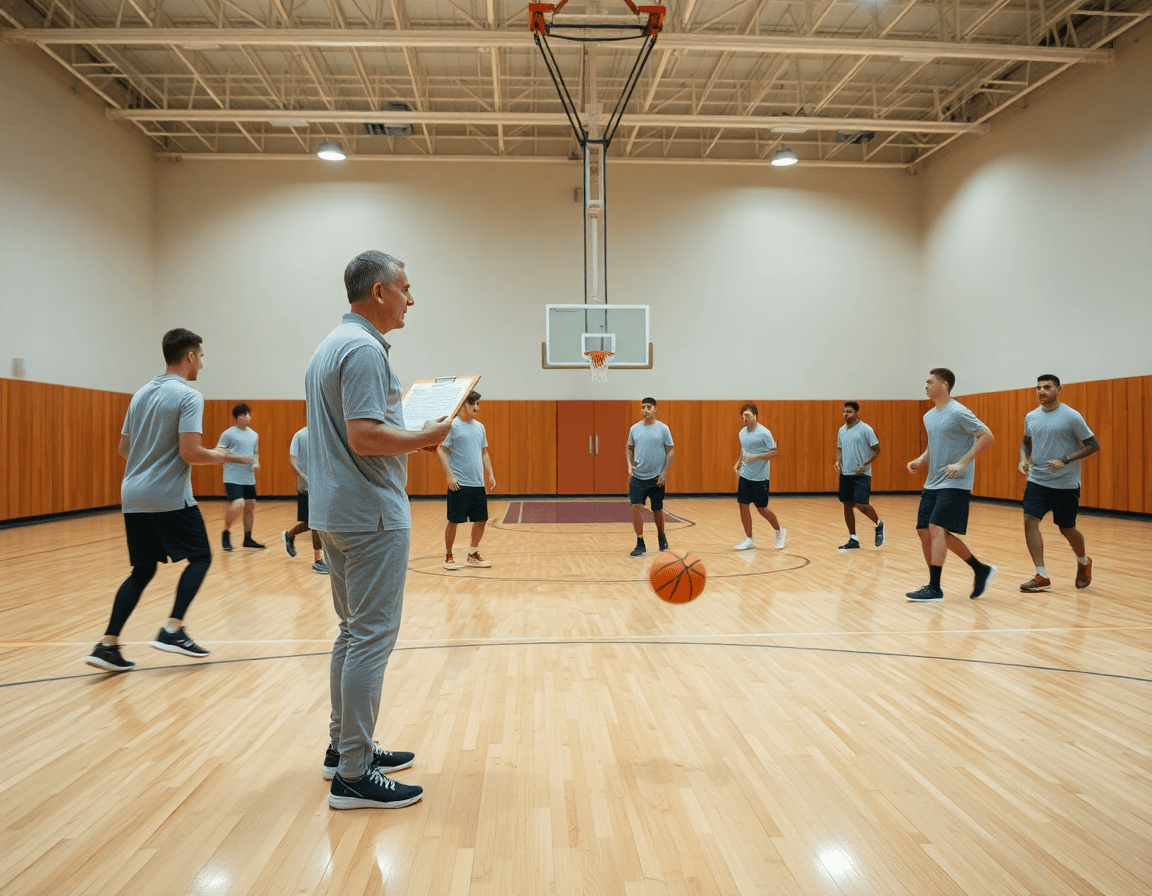
Horns Flex Offense: Weekly Plan for Coaches
Coaches’ weekly workflow for horns flex offense: planning, whiteboard diagrams, video clips, scouting, and shareable playlists to teach and refine reads.

Key takeaways
- Clear install of the core sequence using a concise run sheet and the plan template.
- In practice, progress reads under lighter pressure, emphasizing elbow action reads and flex timing.
- Leverage video clips and whiteboard mapping to reinforce reads and decision trees.
- Maintain a clear workflow rhythm: install, practice, progress, review, and keep scouting notes current.
- Bridge to opponents by compiling opponents-specific Horns notes and maintaining shareable playlists for review.
Horns Flex Offense: Weekly Plan Primer
Horns Flex Offense is a core action within the Horns family designed to create clean looks off elbow action and flex reads. The sequence begins with the top-ball handler and two players at the horns, but the real juice comes from the reads you pull from the elbow area. On the strong side, the elbow action triggers cuts, screens, and opportunities for a quick pass, a skip to the weak side, or a slip for the high post. The key reads revolve around defender rotations and when to pop, pin, or flare. When executed well, Horns Flex keeps the defense guessing. In other words, this is the horns flex offense you teach weekly.
Throughout a typical week, Horns Flex lives inside a simple coaching cycle: install, practice, progress, review. In the install phase, you walk through the core actions and decision points using a concise run sheet. In practice, you walk through the elbow action variations and fluency through controlled reps. In progress sessions, you test reads against lighter pressure. In review, you tighten the timing and note counter-reads from the defense.
To map the topic to CourtSensei's toolset, you lean on plan templates to frame the weekly schedule, and you use the tactical whiteboard to diagram flex sequences and elbow actions. Short video clips isolate key reads, while scouting reports prep for opponents who deploy Horns. Finally, shareable playlists distribute clips to players for review between sessions.
5-Day Horns Flex Weekly Workflow
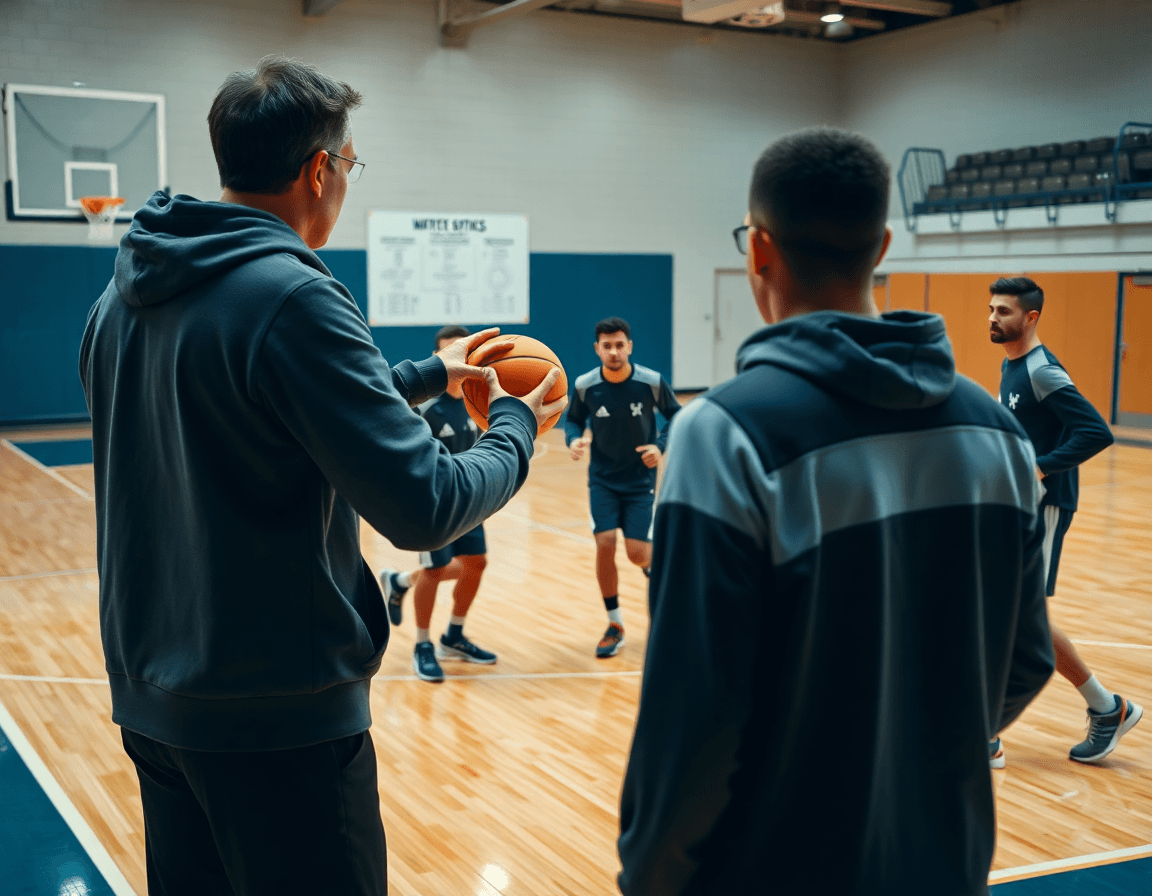
Here’s a practical 5-day workflow for running the horns flex offense in a weekly cycle. I load the plan template with the core sequences, label the elbow actions, and outline the reads we want the group to master. The coaching toolkit keeps everything connected: a tactical whiteboard to diagram flex sequences and elbow actions, video clips to isolate flex reads (including dribble handoff reads), scouting reports on opponents who lean into Horns, and shareable playlists to push clips to players.
Day 1 focuses on installing the core sequence: ball handler to elbow, then a flex screen for the weak-side cutter. I map this on the whiteboard, show the path, and drop the first set into the plan template. After practice, we watch a clip that highlights a clean elbow action and a read for the weak-side cutter, so assistants see the spacing before we run into live action.
Day 2 adds the down screen for the ball handler and the top-side reads, plus how to time the dribble handoff when defenses overplay. The whiteboard captures the new reads; the video clips isolate how the ball moves from entry into the flex sequence and where the top reads come from.
Day 3 introduces variations—Twist and Split Action—and additional reads that catch the defense off guard. We commit these in the plan and diagram them on the whiteboard, then pull clips that show these reads in action. The labels on the plan help players memorize, while the discussion centers on counter reads.
Day 4 brings the system into shell drills and light live-action to build timing.
Day 5 is a review day: clip-based feedback, assign roles for each position, and plan scouting notes for opponents implementing Horns. The notes guide what to emphasize in practice, and the shareable playlists get updated with new clips for the next week.
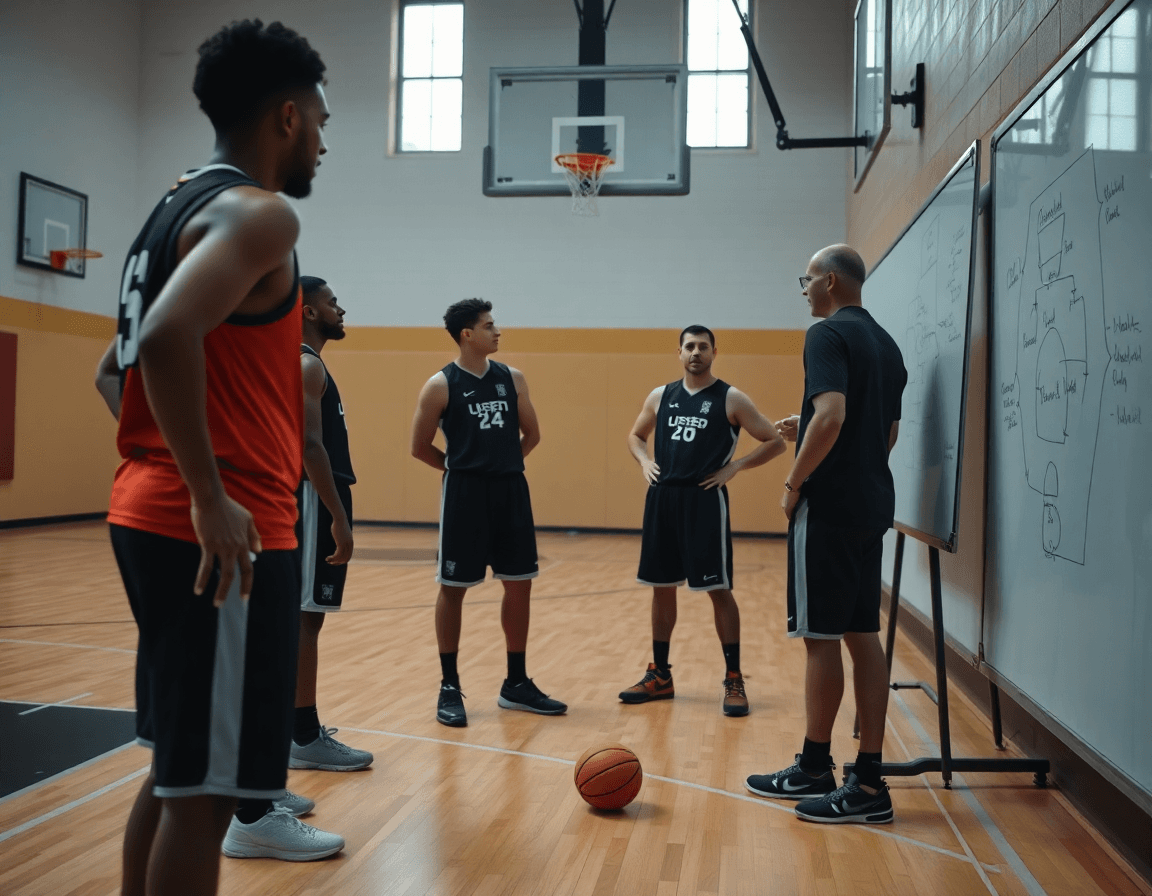
Diagram It: Whiteboard Mapping of Flex Actions
On my whiteboard, I map the Horns flex attack. Sketch the primary sequence: ball handler to elbow, flex cut by the weak-side cutter, opposite elbow down screen. I place the elbow entry pass as the trigger that starts the action, then trace the ball flow across the floor. The diagram makes the flex screen pop visually, so assistants see how spacing creates the cuts and how the elbow entry sets the rhythm. This is the backbone of the weekly plan in a Horns offense, clear for practice notes and quick reminders.
Next, I annotate the reads and options after the initial action: reversals, reads to top, or a post pass. I draw tiny decision trees along the elbow to show what happens if the defense hedges or overplays, and where the top or post options come into play. Emphasize the elbow action as a recurring trigger, so players learn to anticipate the next window instead of chasing the ball. The more precise the reads, the faster the shot timing.
Then I assign positions and responsibilities for each action to help players internalize timing. Ball handler at the point, weak-side cutter reading the lane, opposite elbow screener setting the down screen, and the wing or big reading the top. I label who reacts to the top, who slips to the high post, and who covers the low block when the action reverses. This mapping pairs with an A-set offense mindset and makes the action feel inevitable, not random.
Finally, I export the diagram as a plan for the week. The whiteboard becomes a printable PDF, a shareable plan for assistants, and a set of thumbnails you drop into video clips for the squad. Use it as the anchor for drills, shell actions, and the tempo of the Horns flex schedule.

Video Workflow: Cutting, Tagging, and Teaching Horns Flex
Within Horns Flex, I start with a tight cut of the core sequence. I pull out the elbow action, the timing of the flex screens, and the reads that come off them into a concise clip. A 60- to 90-second reel gives players a clean mental picture to review before practice starts. The point is simple: identify the actions and reads in a way that translates to on-court reads. Rely on the video clips and the flex cut to prime the group for the day. I keep the pace brisk so players can reference it during warmups or pre-practice huddles.
Next, I tag every clip by action—flex screen, elbow entry, and down screen—and by read outcome. This tagging lets us pull the exact moment a defender angles the elbow or a cutter makes a read, so we can show players the decision point fast. With a quick filter, a coach can pull a handful of clips for a focused drill and keep the rest parked for later review. The tagging workflow makes it easy to build a precise, drill-ready library.
Then I build player-specific playlists to reinforce assigned roles and reads. A coach two weeks into Horns Flex can ship a targeted set of clips to a guard on ball-handling duties, or to a post player reading the elbow entry. These playlists are shareable and will link clips to the drill plan, so each player sees what they must read and how it fits the team’s action. The result is a clear, player-facing map of responsibilities for the week.
Use clips in practice for rapid feedback and progress checks. We’ll show a quick 60-second reel on the whiteboard after a drill, then let players respond with adjustments in the next rep. That immediate loop—cut, tag, playlist, review—keeps Horns Flex from drifting into theory and makes the workflow coach-ready for weekly cycles.
Scouting and Opponent Prep: Horns Flex in Practice
To prep Horns Flex offense for the week, I start with scouting reports focused on how opponents defend Horns sets and flex reads. I map out defensive patterns—how they hedge the elbow action, whether they trap or switch on the high post, and where help comes from when we run the A-set offense. Those observations become the backbone of the weekly plan, shaping which drills we emphasize, what reads we expect from our players, and how we pace the offensive sequence in practice.
On the tactical whiteboard, I diagram the flex screen sequences and elbow action we’ll practice against the scout look. I annotate defender responses, such as chasing the elbow or denying down screens, then translate those into progressions in drills. We build from simple reads off a single action to more complex sequences that integrate the flex, down screen, and the high post options into the workflow. The notes become the guide for drills that echo the Xs and Os we’ll run in games, with emphasis on the A-set offense variations and how they show up in live pressure.
Finally, I turn scouting insights into counter-reads and in-game adjustments for game situations. If a defense overhelps to the high post, we have counter-reads—kick out to the corner, slip to the slot, or reverse to the weak side for a quick basket. We tie these decisions to practice reps and keep a short video clip playlist to reinforce what to watch for on the floor. The goal is to make the weekly plan feel like a real Horns Flex read, with clear triggers for our players to act on.
Variations and Reading Options: Twist, Split, and More
In Horns Flex, the core variations you outline for the week are Horns Twist, Horns Split Action, and the related reads off elbow and flex screens. Put these on your plan template as anchors: when the ball enters the Horns set, the wing reads a defender, and the action can morph into a quick twist or a split into two-man reads. Use the tactical whiteboard to map where each option creates immediate pressure, and label the sequences so assistants can coach the timing in your weekly practice plan.
Those actions connect naturally to other concepts like the pick-and-roll and high post reads. From the elbow, you can trigger a back-cut, a ball reversal, or a simple two-man game with a delayed back screen. In your notes, call out the reads tied to each variation—where a defender overhelps, where a weak-side cutter occupies a lane, and how your flex screen combinations set up open shots or decisive spacing. This is where your elbow action and the evolution into a true two-man game become visible through practice and film.
Progression drills are essential to teach each variation without sacrificing timing. Start with shell work: the ballhandler reads a static defender, then progress to a live defender, then add the Twist and Split reads at game tempo. Layer in key cues from your plan: the moment the screen glides into action, the read from the wing, the decision to slip or flare. As timing locks in, layer on more reads and counters until the sequence feels automatic.
All of this gets organized in your workflow with dedicated drills and clips. Build a few short video clips that isolate Horns Twist and Horns Split Action, then group them into progressive playlists for players. By the end of the week, each player has a clear, coachable path from basic setups to advanced reads, all tied back to your weekly practice plan and scouting notes.
If you build plans like this every week, CourtSensei keeps your drill library, whiteboard, and video clips in one place — try it free.
FAQ
What is the Horns offense in basketball?
The Horns offense is a spacing-based setup that uses two players at the elbows and a primary ball handler at the top. It creates options off elbow action, reads on defense, and chances to swing the ball, slip to the high post, or flash to the wing. The core idea is keep the defense from overloading the lane while generating clean looks through timing and reads.
What are the basic actions of the Horns offense?
The basic actions center on entry passes to the elbows, quick cuts off screens, and ball reversals that re-space defenders. Key reads emerge from the elbow action and the cuts that follow. Teams use a mix of down screens and flex screens, with top-side options to keep defenders guessing and to create layups or catch-and-shoot looks. Decisions include pop, pin, flare, or slip to the high post.
What is Horns Flex in basketball?
Horns Flex is a core action inside the Horns family that centers on the elbow trigger and a flex screen on the weak side. The top ball handler enters, the weak-side cutter reads the defense, and the flex screen frees a shooter or roller. From there, passes, slips, reversals, and top reads keep the defense guessing and timing tight. It scales with personnel.
How does Horns Flex work step by step?
Here’s a practical, step-by-step flow: Step 1, ball handler to the elbow. Step 2, weak-side cutter sets a flex screen and reads defender help. Step 3, the action offers a pop, pin, or flare on the elbow; Step 4, the ball reverses to the top or skips to the weak side. Optional slips to the high post keep the defense honest.
What are the advantages of the Horns offense?
The main advantages of the Horns offense are clean spacing, multiple reads off elbow action, and a built-in framework to attack overaggressive help. It pressures the defense with quick ball movement, suitable for both pace and half-court sets. It also accommodates different personnel, from shooters to vertical cutters, without abandoning the core elbow reads and timing.
How do you run Horns Twist or Horns Split Action?
To run Horns Twist or Split Action, start from the elbow with your entry and staggered screens. In Twist, the top ball handler uses a back-cut or drag action to create a new ball screen in motion. In Split, you diverge into two parallel arcs, with a read that often ends in a quick layup or 3. Both rely on timing and the elbow trigger.
What is the A-set offense?
A-set offense is a spacing concept often used alongside Horns where players align to high-post and wing reads after the elbow entry. It emphasizes steady ball movement and reads that flow from the elbow, top, and post options. Think of A-set as the blueprint coaches use to map decisions and keep multiple counters ready.