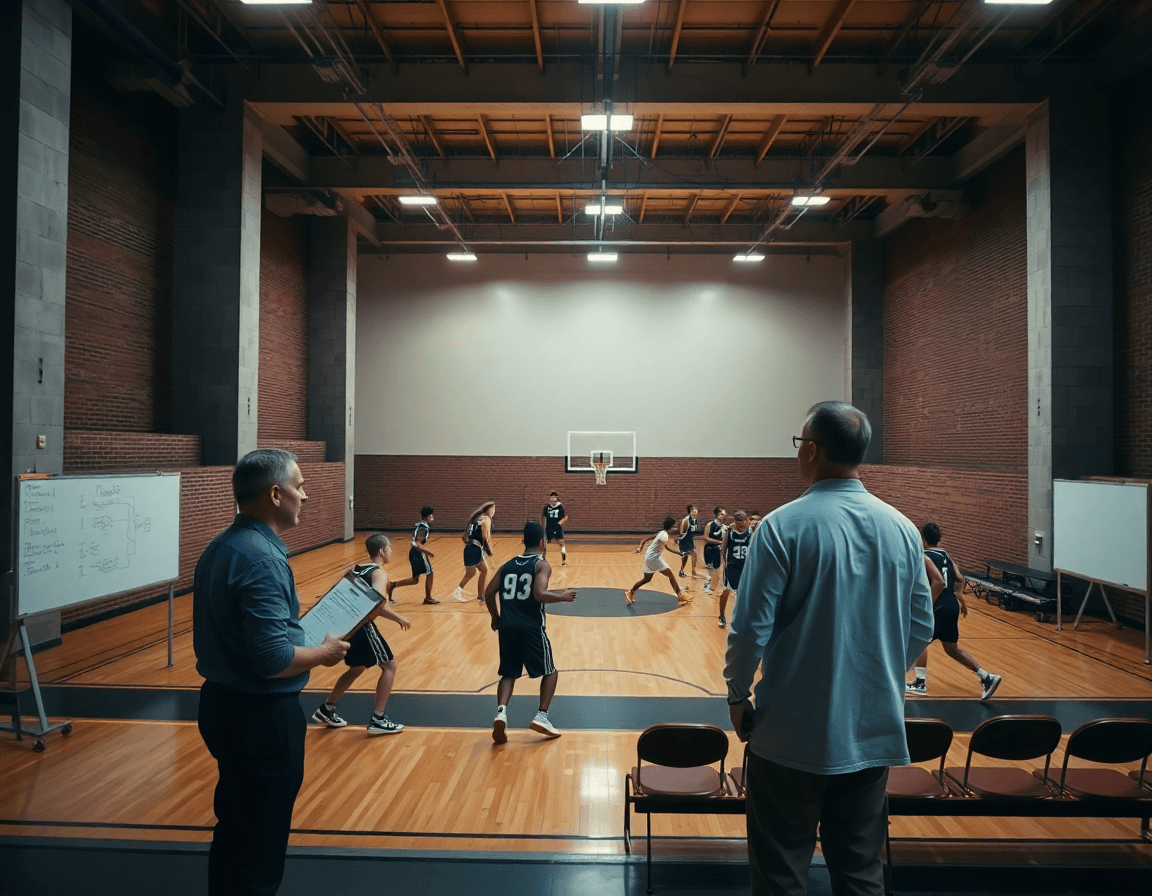
3 out 2 in motion offense: Weekly Install & Drills
A coach's weekly guide to installing a 3 out 2 in motion offense: spacing, reads, drills, and how video, whiteboard, and practice plans support development.

Key takeaways
- Lock in spacing of 12-15 feet early to maximize cuts, drives, and reads.
- Implement a weekly workflow from basic actions to live reps with clear roles.
- Use 12-15 foot spacing to generate ball reversals, driving lanes, and quick reads.
- Incorporate core actions—Wing-entry, Dribble entry, and Dribble handoff—into short, repeatable blocks and tag them in video library.
- Plan scouting reads to tailor fronting and high-post choices for weekly adjustments.
What is the 3-out 2-in motion offense and when to use it
From a coach's perspective, the 3-out 2-in motion offense is a geometry exercise with pressure on reads. Three perimeter players and two post players create a balanced inside-out scoring threat, with emphasis on inside reads and post-to-perimeter action. We teach spacing and movement first, then progress into reads off ball screens, pin-downs, and dribble entries. The alignment is flexible, letting players swap positions to keep reads fresh and possessions fluid.
To start the week, we lock in the spacing. The target is around spacing 12-15 feet to optimize cuts, drives, and passing angles; post flashes to the high post are common cues that trigger choices for shooters and wings. We install a few base sequences—low-post to high-post option, wing entry, then a quick dribble handoff—to keep the ball moving and reads sharp.
Strengths include development of basketball IQ, exploiting mismatches, and better offensive rebounding near the rim; weaknesses can be limited driving opportunities and turnover risk if spacing collapses. In practice, this offense trains decision-making as reads come from multiple angles—post feeds to the wing, drive-and-kick options, and dribble penetration when angles open. We'll scout defenses early to adjust angles and timing.
Alignment is adaptable; positions are interchangeable to free up reads and keep fluidity across sets. That flexibility makes the 3-out 2-in motion offense a useful weekly install for teams juggling multiple skill sets. In our workflow, we map this to the plan: practice plans with rep-heavy drills; whiteboard diagrams show post-to-perimeter actions; a video clip library lets players review high-post reads, and shareable playlists keep everyone aligned. Scouting notes tailor the attack to each opponent.
Weekly workflow to install the offense
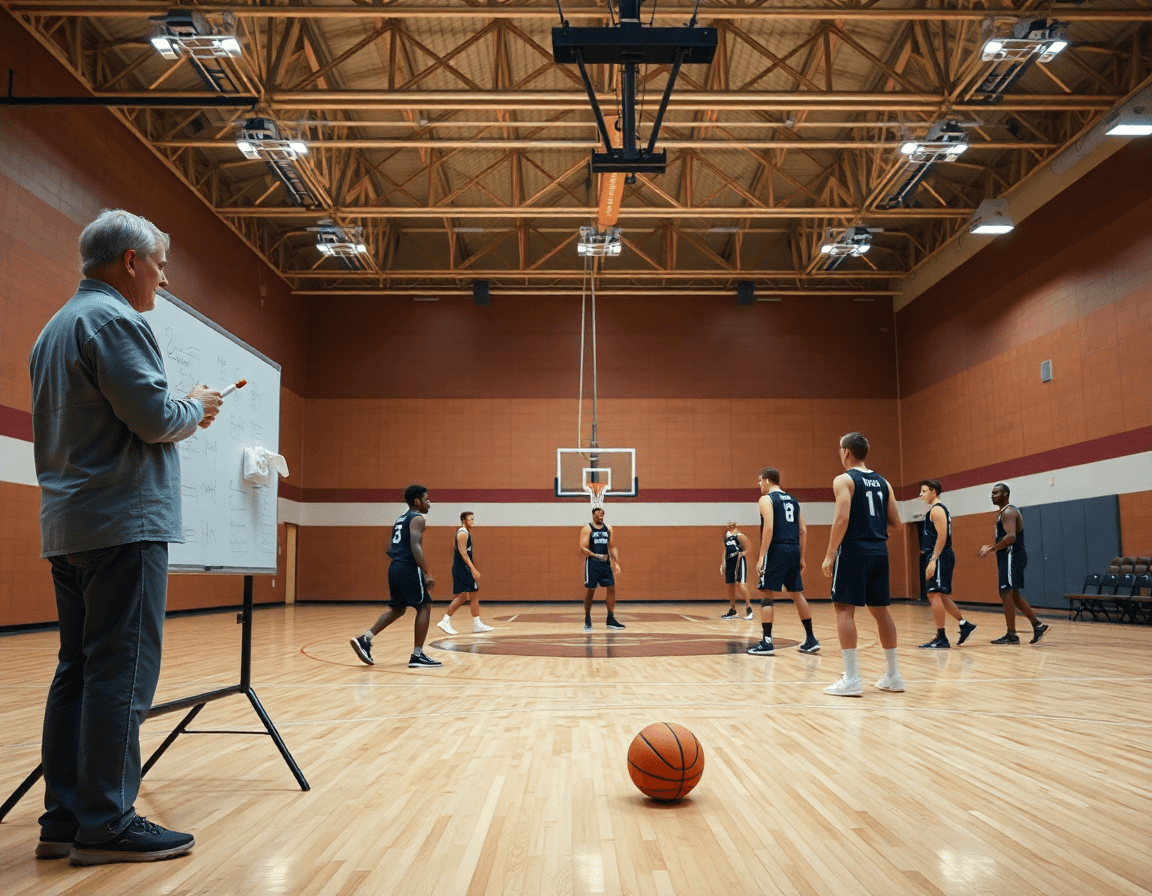
Install starts with a disciplined weekly workflow: you plan the week from basic actions to reads to live reps. For a 3-out 2-in motion offense, we begin with spacing 12-15 feet and a couple of simple actions—ball reversal, give-and-go, and a wing entry into a dribble handoff. The goal is to establish rhythm before we layer inside-out reads, then progress to reads on action and decision-making under live pressure on day three.
Use practice plans to tie it together: drills that align with each stage, clear assignments for assistants, and a simple way to track progress as players master each action. We map a week with day-by-day goals: day 1 basics, day 2 reads, day 3 live reps. The structure makes it easy to pull players from the gym, keep the staff in sync, and hold everyone accountable for executing the plan in the plan.
Diagram each action on the whiteboard, export PDFs for staff and players, and build a corresponding video library with short clips that reinforce the movement—space, pass, drive, and cut. Then assemble shareable playlists for players and assistants so every correction or read lives in one place. Use the wing entry, the dribble handoff, and the occasional dribble penetration to illustrate how spacing 12-15 feet fuels the offense.
Finally, bring in scouting to tailor sets to opponent tendencies (fronting, help rotations, denial). Turn notes into actions: adjust your fronting reads, highlight where the high post or low post can be used, and choose the best dribble penetration options for the week. The result is an install that feels connected—practice plans feeding the whiteboard diagrams, which feed the video library, all informed by scouting.
Core actions and reads to teach in this offense
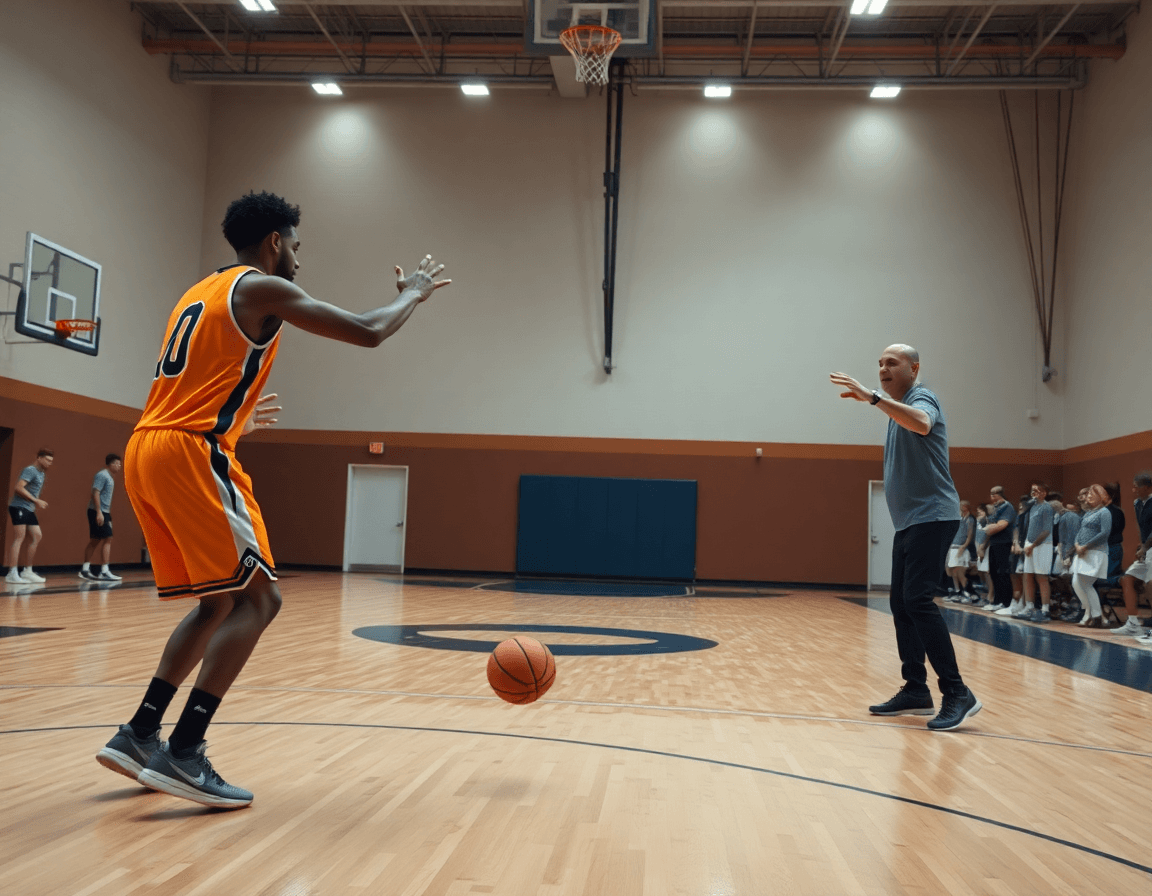
Within a 3-out 2-in motion offense, the playbook hinges on a few core actions that drive decisions all week. Wing-entry, Dribble entry, and Dribble handoff are the primary entry actions that set the tempo. In practice, we start with a spacing drill around the 12-15 foot mark, then ramp up to game-speed reads. The plan pairs each entry with a tight decision window—pass, drive, or set a screen—so players learn to react under pressure. On the whiteboard, we map the lanes and responsibilities so assistants can coach the reads while I manage the flow from the sideline. This is where the weekly workflow really shines: plan, diagram, and practice in a cohesive loop.
Post actions expand the attack beyond the early entry. Cross screens and hi-lo concepts drive dynamic reads that keep defenses honest as the ball moves. We teach flash to the high post, slips to the backside, and quick reversal passes that unlock late-shot-clock opportunities. Players learn to read the coverage—when a big hedges, they dive into the post and when help comes from the corner, they skate into space for a kick or finish. The emphasis is on keeping spacing and timing intact, so the offense retains its inside-out threat even as bodies rotate.
Special actions like Zipper, Ice, and Hammer expand reading options and spacing opportunities. Zipper creates a vertical read line that pulls defenders and opens secondary cuts, while Ice slows the top-side rotations to emphasize ball reversal and mid-range decisions. Hammer adds a back-screen/L-curve sequence that can free a shooter or create a quick dive to the paint. We slot these into short, repeatable blocks and tag them in the video library for quick review.
Progression from entry to reads to finishing sequences helps players develop decision-making under live pressure. This flow—from Wing-entry through Post reads to Zipper/Ice/Hammer—builds confidence and keeps the offense cohesive when scouting reports demand adjustments.
Spacing, balance, and driving lanes
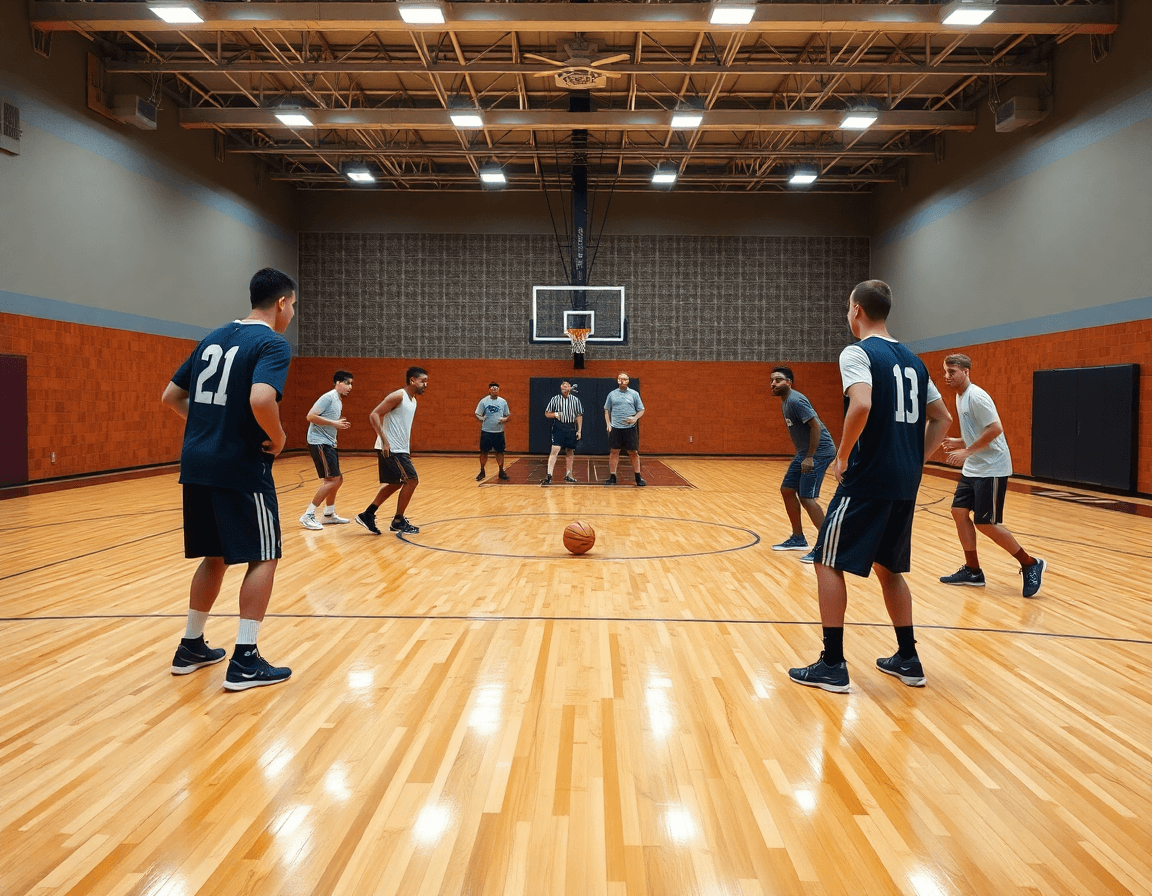
In our weekly plan for the 3-out 2-in motion offense, the foundation is spacing 12-15 feet between players. That distance lets cutters slip, keeps passes clean, and preserves driving lanes for early ball reversals. On the whiteboard I diagram the arc spots and the high-post option, then we run a shell where the ball moves and players test the boundaries. A quick post-practice video clip highlights a clean sequence and where we drift off line, so the team sees the point in real time.
Movement rules: move after passes, avoid standing, and use cuts to preserve balance as plays develop. When a lane opens, be ready for quick dribble penetration to bend the defense and set up the next passing angle. A tight sequence in the video library helps players read timing and spacing in real time, reinforcing how the ball and bodies flow together.
Post interactions and fronting adjustments influence driving lanes for perimeter players. If the low post is active and the defense fronts, the perimeter driving lanes shift—passing windows widen and skips to the weak side become more viable. We practice with a fronting drill and a wing entry to show how the driving lanes open when post actions read the front and react accordingly.
Adjust spacing based on personnel: emphasize post rotations vs shooter strength to optimize spacing and reads. With a true post who can read doubles, we spread the floor to keep interior options clean; with sharpshooters, we compact to create knock-down passes and clear kick-outs. This is captured in scouting notes and mirrored in the plan, diagram, and a short video clip so assistants coach from the same playbook.
Progression drills and practice plan examples
As a coach using the CourtSensei workflow, I treat the 3-out 2-in motion offense as a ladder of progression. We start with wing-entry drills that nail timing and spacing before any reads show up. In the plan, I lock these into a simple rhythm and assign partners for reps. On the whiteboard, we diagram each entry option and maintain spacing 12-15 feet from the ball. A short video clip confirms the pace and the reads.
From there we add dribble handoff drills and back-and-forth entry sequences. The flow builds into dribble penetration and drive-and-kick chains that keep the offense moving and shooters ready. In the plan, we stage each sequence with one wing initiating, the other acting as trigger, and the ball reversing with purpose. A quick video clip lets players see a proper read, while a scouting note helps us tailor the chain to the opponent.
Next we layer in hi-lo drills and post-entry work to foster post-perimeter chemistry. We practice from both low post and high post looks, keeping spacing and decision windows tight. These hi-lo and post-entry reps reinforce that inside-out offense mindset without stalling motion reads, giving us more options when the defense overplays gaps.
Film remains the coach in the room: use video clips to illustrate reads, track progress with checklists, and print out ready-to-use practice plans. The workflow ties together a short video clip, a printable practice plan, and scouting notes to customize drills for each week. We’ll also assemble shareable playlists for players and assistants, so everyone can revisit the progression—wing-entry drills, dribble handoff drills, hi-lo drills—on their own time.
Video and scouting: teaching and game-planning with this offense
During install week, a short film loop makes the Read-and-React cycle in the 3-out 2-in motion offense crystal clear. Use video clips to show how reads develop from the initial action and how defenses respond to 3-out 2-in. Pause after a wing entry or a dribble handoff, then flip to an action diagrams on the whiteboard to highlight why a skip pass or drive-and-kick fits the spacing at 12-15 feet.
Before the game, scouting reports become your raw material. They identify how opponents front the low post, where help rotations arrive, and denial patterns in the 3-out 2-in set. With those insights, you tailor attack plans: when to flash to the high post, when to slip for a back-door cut, or when to push a ball screen to keep the floor spaced.
Build shareable video playlists for players and staff, and export highlights and action diagrams for game prep. Those playlists let players study the inside-out options in this offense, from the high post entry to the wing entry and dribble handoffs, while the exported diagrams give coaches a crisp reference for meetings and pregame adjustments.
Tie film study to your practice plans and whiteboard diagrams to reinforce concepts during install weeks. Quick clips from scouting and game film can be threaded into drills—dribble penetration, spacing at 12-15 feet, and the timing of the wing entry—so what players see in the film translates to on-court habits.
If you build plans like this every week, CourtSensei keeps your drill library, whiteboard, and video clips in one place — try it free.
FAQ
What is the 3-out 2-in motion offense and when should you use it?
3-out 2-in motion offense is a balanced attack with three perimeter players and two posts. It creates an inside-out threat through post-to-perimeter actions and multiple reads. Start with solid spacing and movement, then layer in reads off ball screens and dribble entries. Interchangeable positions keep reads fresh and possessions fluid.
What are the advantages of the 3-out 2-in motion offense?
The offense builds strong basketball IQ reads, spreads the floor, and unlocks mismatches by keeping post and perimeter options alive. It promotes constant ball movement, cleaner driving lanes, and better offensive rebounding near the rim. Its flexibility supports different lineups and makes it harder for defenses to lock in.
What are the main weaknesses of this offense?
The main weaknesses are turnover risk when reads crowd or timing slips, and spacing issues that shrink driving lanes. It also depends on disciplined timing; ball-side over-penetration or misreads can stall the attack. When defenses sag, you must adjust angles with smarter passes and reads to keep the offense afloat.
How should you space players in a 3-out 2-in motion offense?
Aim for spacing around 12-15 feet to optimize cuts and passing angles. Put shooters on the wings and corners, keep the posts active at high/low spots, and maintain an active arc for cuts. Use drill progressions to lock this in, so players know where to occupy on passes, reversals, and drives.
What are common actions in wing-entry sets for this offense, and how do you counter wing denial?
The core actions are Wing-entry and a quick ball reversal into a Dribble handoff, plus a Dribble entry to spark an early action. To counter wing denial, stress spacing, use backcuts and cross screens, and teach quick reversals to re-set the offense. Train reads on hedge rotations so the next option remains available and the flow stays alive.
What is the hi-lo concept in 3-out 2-in motion offense?
The hi-lo concept uses a high-post read to pull help and open seams for a low-post finish. When a big flashes high, you skip to shooters or drive off the seam; when help comes, the big dives to the low post for a finish or for a kick. It keeps spacing intact and creates late-shot-clock opportunities.
Can a 3-out 2-in motion offense work with post-heavy teams?
Yes. A post-heavy team can make this work by leveraging post-to-perimeter reads and feeding the high post to attract defenses. Use the hi-lo to keep inside-out threat, angle screens to open cutters, and space the floor to preserve drives. With disciplined spacing and clear roles, the offense remains dynamic even with more post presence.