High Pick and Roll Offense: Setup, Reads, and Weekly Workflow
Coach-focused guide to implementing high pick and roll offense: setup, reads, variations, and a practical workflow using video, whiteboard diagrams, and scouting.

Key takeaways
- Prioritize a high pick and roll setup: top handler, high screener, clear reads.
- Establish strong weak-side spacing and 4-out/5-out alignments to unlock driving lanes for readability.
- Use screener options—roll, pop, slip—to keep the defense guessing and reactions sharp.
- Teach reads as hedge, drop, and switch triggers with a simple read tree.
- Incorporate clips and whiteboard diagrams in weekly practice to reinforce correct reads.
Core principles of high pick and roll offense
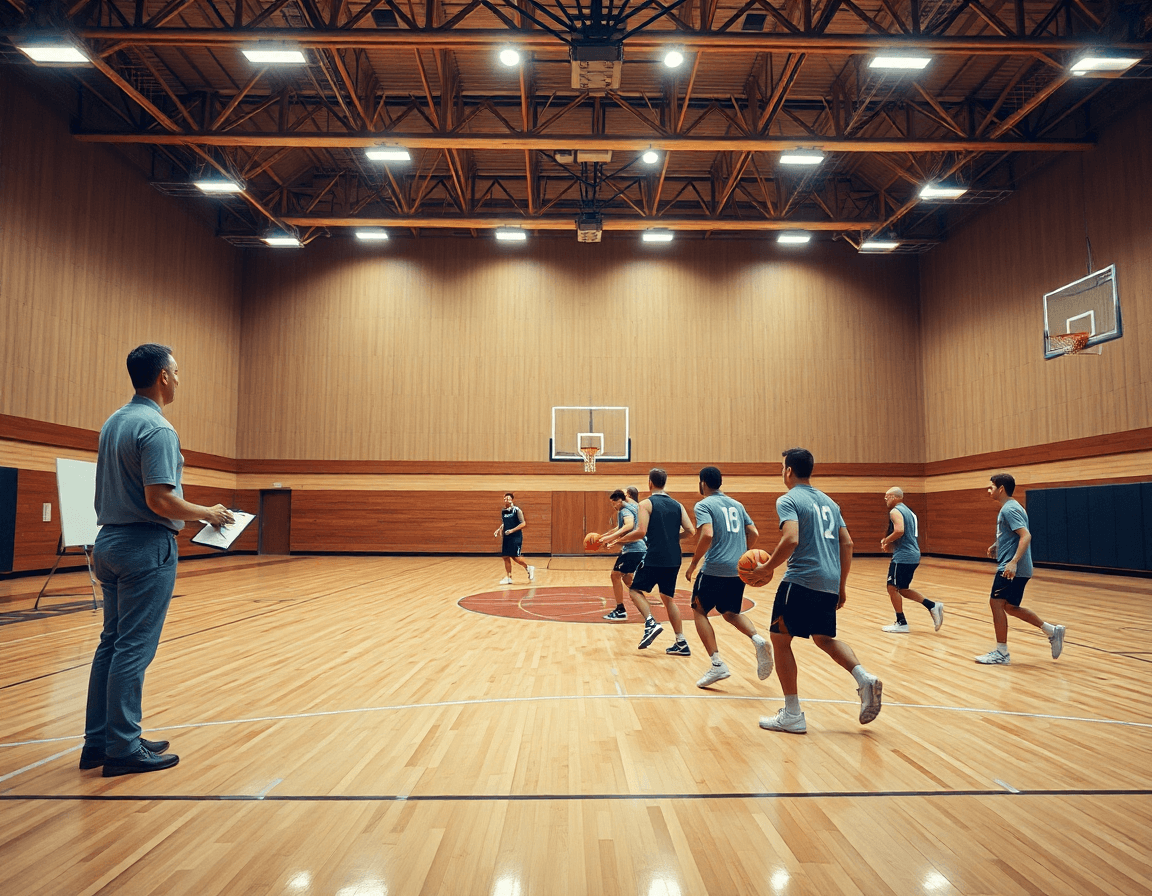
In the core, the high pick and roll offense centers on a top ball handler attacking space created by a high screen, with strong spacing that stretches the floor. When the spacing is right, the ball-handler has time to read angles, leverage lob lines, and keep the defense guessing.
The screener options—roll, pop, or slip—present multiple looks without changing the core action. A roll forces help, a pop creates a catching window for a shot, and a slip can slip behind closeouts when defenders overreact. This keeps the offense flexible, especially in a weekly practice plan that emphasizes decision-making under fatigue.
Spacing on the weak side is crucial to open driving lanes and provide kick options. If wings stay connected, the drive becomes a kick to a shooter or a collapse-and-recovery pass to the roller. We emphasize keeping a shooter ready in the corner and a secondary shooter diagonally behind the arc to punish overhelp.
Reads flow from defensive reactions: drive, pull-up, pass to the roller, or kick to shooters. If the defense hedges, the ball handler can split or hit the screener rolling for a quick decision. If they drop, pull-up or flare for balance. If they switch, attack the mismatch or relocate the ball to the open shooter.
Defensive counters—hedges, drops, and switches—require timing and split-second decision making from both the ball handler and the screener. In practice we simulate each scenario, capture the key reactions on the whiteboard, and clip representative sequences to reinforce the correct reads for players. This is where a well-structured weekly workflow comes to life.
Setup: spacing, positions, and screener options
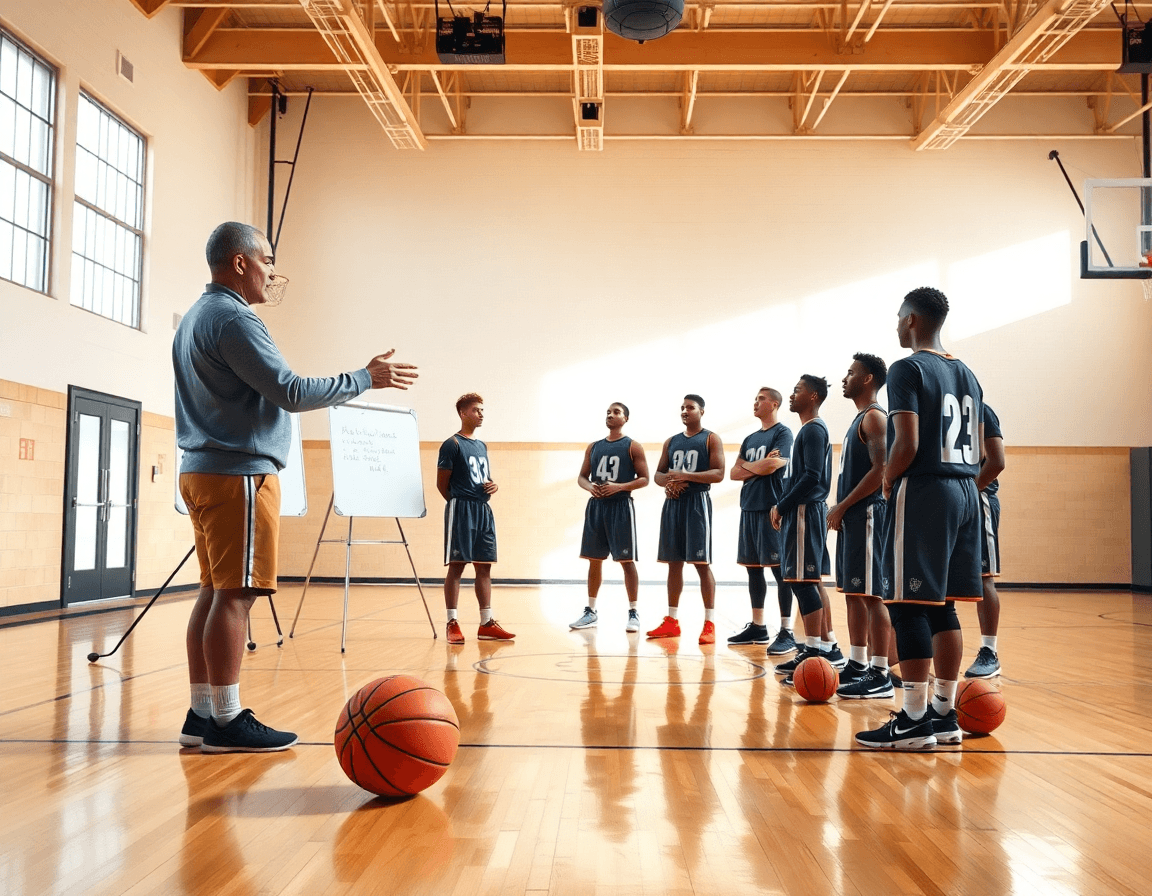
Set the frame for your week with a crisp high pick and roll setup: place the ball handler at the top and the screener at or above the 3-point line to force defensive choices. This alignment keeps reads clear and gives the ball handler two immediate options—attack downhill or split the top-coverage. In your weekly workflow, you’d build a dedicated practice plan for this look, diagram a few reads on the whiteboard, and pull clips that show early defense reactions.
Spacing concepts matter as you design a weekly flow. Establish strong weak-side spacing to create driving lanes and open shooting opportunities. Put the ball handler on top, the screener high, and run 4-out or 5-out configurations to fit personnel and opponent tendencies. In your plan, map how those spacing choices affect reads and early switches, and capture the variations in your clip library for quick reference.
Screener options are your first-level decision points. Screener options include rolling to the basket, popping for a shot, or slipping to finish near the rim. When the defense over-helps, a roll or slip can beat a trap; when they hedge high, a pop to shoot opens the wing. Coordinate screen timing with the ball handler to provoke early defensive decisions and keep the offense one step ahead. Document these reads on the whiteboard and pull clips that illustrate the options for your weekly scouting notes.
Reads and counters vs common defenses
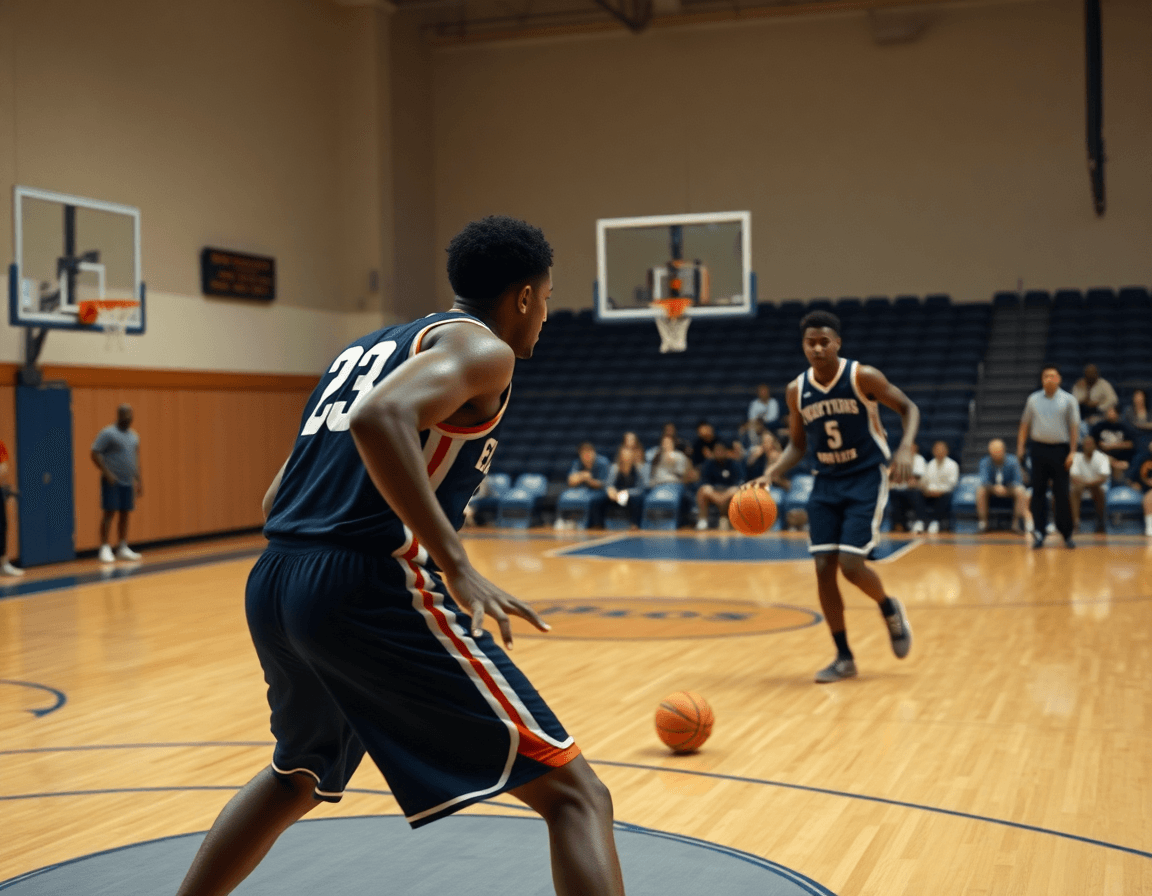
In my weekly high pick and roll plan, I start with the reads in P&R and build a simple read tree that mirrors what our players will see on the floor. Hedge, drop, and switch each trigger a different reaction: drive options for the ball-handler, a pass to the roller, or a reversal to reset. We keep multiple options alive with spacing, so when rotations arrive, there’s a second or third decision ready to go.
Against hedge, options include splitting, slipping, or popping and attacking the opening. If the big hedge occurs, the guard can either split the screen and keep the action alive, slip behind the hedge for a quick finish, or pop to the perimeter and threaten the kick. On the whiteboard, I diagram these reads as branches from the ball-handler and screener, then tag the preferred counter based on defenders’ reactions. This is where our practice plans and short video clips come into play, giving the team a clear picture of what to read and where to attack.
Against drop coverage, attack the painted area and look for kick options and the roller pass. The space between the screen and the front of the paint is precious, so we teach the ball-handler to probe the gap, force the help defender to commit, and either throw a kick to the shooter or thread a pass to the rolling big. Our scouting notes highlight typical drop rotations, helping scouts anticipate what the defense is trying to do.
Against switch, aim to create a mismatch by optioning to pop or attacking the smaller defender. The goal is to force the switch to reveal a favorable matchup, then execute the read that leads to a drive, a pass to the roller, or a quick reversal and reset. Build a read tree that carries through spacing, and keep options alive until the crowd of defenders settles.
Variations and situational sequences
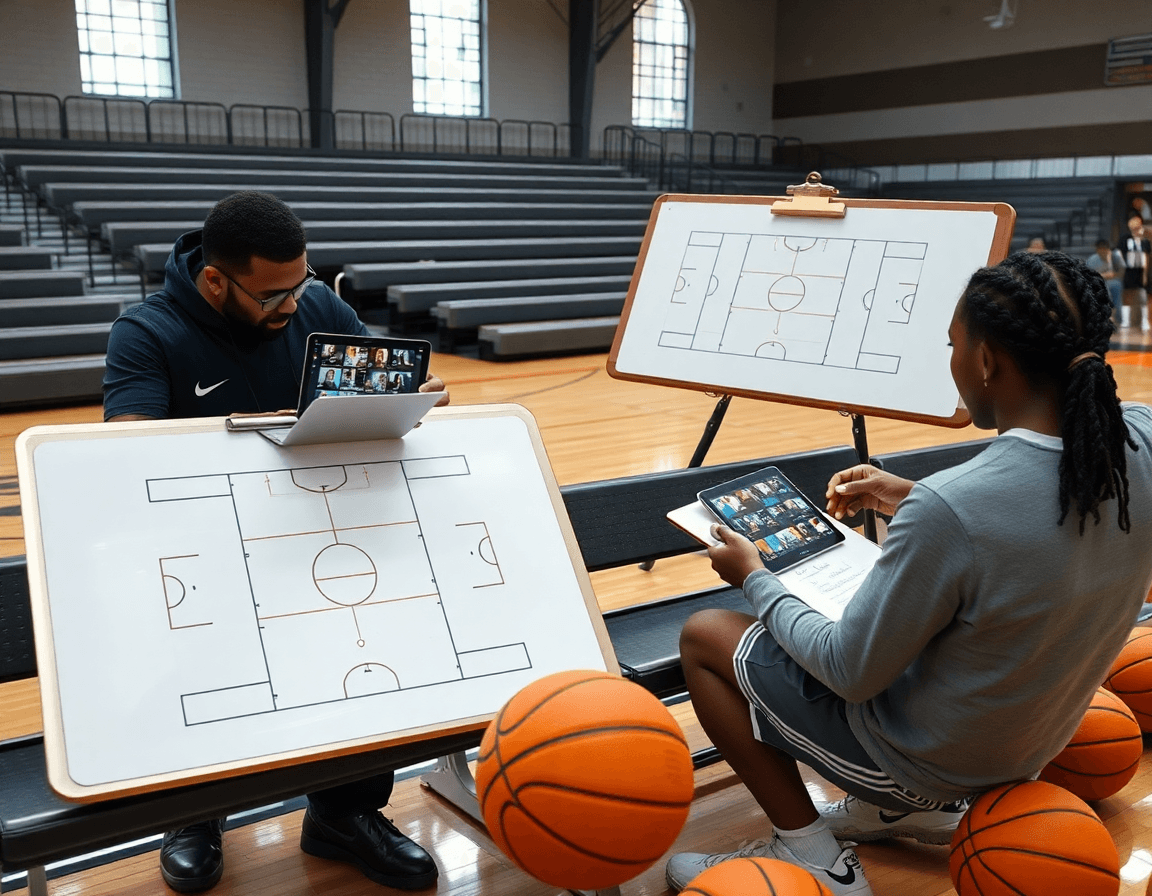
P&R variations and situational sequences in the high pick and roll offense give your team multiple ways to attack the defense without changing the core play. In our weekly plan, we map out options like the high screen with ball reversal to reset the action and create a new angle for attack. We pair that with pick-and-pop to add a floor spacer for an immediate outside shot after the screen. On the whiteboard, we diagram reads for the ball-handler and screener: if the big rolls, if the defense gaps, or if they switch.
Next comes the slip option. When help defense overreacts to the screen, the screener/roller can slip to the rim for a quick finish or kick-out. We script timing drills in 2-on-2 to 3-on-3 to develop feel and spacing, then scale to 4-on-4 and 5-on-5. Clips from our practice footage help players see the window for slipping and the decision points for the ball-handler to skip a pass to the roller or to pull up for a jumper.
Transition into transition offense can catch defenses off guard. We practice a controlled sequence: push the ball in transition, read the first defender, and then initiate the ball screen at the right moment. The goal is to keep the defense honest and preserve attack angles as we shift into half-court sets. Our scouting notes often highlight teams’ tendencies against P&R and inform what reads to emphasize in practice.
At the end of the week, drills should cover 2-on-2 to 5-on-5 reads to develop timing and spacing. We assemble shareable video playlists that isolate ball-handler vs screener reads, slip opportunities, and pop responses, and then share them with players. This round-out ensures every player understands not just what to do, but when and why it works during a game.
Practical weekly workflow: install high P&R
Installing a high pick and roll offense requires a concrete weekly rhythm. On Monday, the goal is to install the base action and the primary reads, with diagrammed plays on the whiteboard and a quick video recap. I map out the ball-handler, screener, and the read options in one cohesive flow, then link the clips to the exact sequences so the crew can visualize the timing. This is where a centralized workflow matters—plan, diagram, and share everything so players know what to expect in the plan for the week. high pick and roll offense is built from repeatable actions, and the first day locks in the baseline.
Tuesday focuses on spacing, drive angles, and decision timing through targeted drills. We push the ball handler to probe angles and the screener to establish the correct screen location, then tune the reads to game pace. I use a shared practice plan to outline the drills, and I pull short video clips for each rep to reinforce the decision points. Keeping these elements crisp in the plan helps a lot when adjustments are needed during the week, and it reinforces the spacing and decision timing that drive confident reads.
Wednesday adds variations (pop and slip) and drills against hedge, drop, and switch scenarios. We diagram the alternate actions on the board and pull clips that show successful counters from recent scrimmages. The team needs to see not just the base reads, but the responses that keep the defense honest. Documenting these variations and slip reads helps players execute with purpose under pressure.
Thursday is scouting day. We review opponent tendencies focused on P&R and defender habits, extracting what matters most for prep reads. The scouting notes live with the playbook, and we annotate clips that highlight the defender tendencies, so the team trains with a sharper lens on the action. This is where a solid scouting framework turns film into actionable info.
Friday runs walkthroughs and light scrimmage to lock in reads. Players are assigned clip playlists for review, linking the exact reads to their on-court reps. The emphasis is clarity and comfort with the reads in game-like flow. Use a centralized system to plan, diagram, clip, scout, and share material with players, and track weekly KPIs such as P&R points per possession, reads completed, and related turnovers.
Drills and progression to build timing and reads
To build a robust high pick and roll offense, I start with a staged progression that fits the weekly rhythm. We scale from 2-on-2 to 5-on-5 so reads and spacing connect with ball screen angles. I organize this into a PnR drills block in the plan, then share it with assistants for consistent work. On the tactical whiteboard I map reads for the screener and ball-handler, and we pull a quick video clip to illustrate the decision in action. The workflow keeps every drill purposeful and easy to review in a team meeting.
Drills we run: 2-on-2 vs hedge with a screener, 3-on-3 spacing, and 4-on-4 P&R sequences. Screener options include roll, slip, and pop; ball-handler options include drive, split, and kick passes. We emphasize footwork, screen angle, and communication—key to speeding up decision speed. I build these as a library in CourtSensei, so I can assign a specific sequence to a squad and track who is executing the reads correctly. The plan also helps me adjust spacing when the defense starts overreacting to the ball handler's first move.
Video analysis seals the learning. I pull clips that show the correct reads, then annotate adjustments for when defenders overreact or trap. We freeze-frame a hedge and show why a slip or pop becomes the best option. The goal is to connect the on-court feel to the read-and-react tempo we want in the game. Relying on the playbook, the Scout section notes how opponents defend our P&R timing, and I update the playlists so players have a quick, shareable reference before practice.
If you build plans like this every week, CourtSensei keeps your drill library, whiteboard, and video clips in one place — try it free.
FAQ
What exactly is a high pick and roll, and how does it create space for the ball handler?
In a high pick and roll setup, the ball handler starts at the top and the screener lines up above the arc. The goal is to force the defense to choose, which stretches the floor and opens driving lanes. Smart spacing lets the handler read downhill angles, threat lines, and kicks to shooters. The screener can roll, pop, or slip to deliver multiple looks without changing the core action.
How does the high pick and roll differ from a traditional screen-and-roll, and when should you use each?
Two key differences drive decision-making. The high pick and roll uses a top screen to pull the defense away from the ball and create space for side options; the classic screen-and-roll often comes closer to the ball and emphasizes immediate close-range decisions. Use the high version when you want floor balance and multiple reads; pull back to a standard screen-and-roll when you need quicker ball reversals or a different angle.
What are the core reads and options in a high pick-and-roll, and how should a weekly practice flow implement them?
In a high pick-and-roll reading sequence, hedge, drop, and switch each trigger a different reaction: drive, pass to the roller, or kick to shooters. Build a simple read tree and expose players to varied defenses. In weekly practice, start with 2-on-2, add reads on the whiteboard, clip representative sequences, and gradually scale to 5-on-5 while maintaining spacing.
What are the main P&R variations (pop, slip, dribble hand-off) and how do you teach and time them in drills?
Variations include the pop (pick-and-pop) to create an immediate outside shot, the slip behind a hard hedge to finish near the rim, and the traditional roll through the paint. Teach timing with partner drills, start in 2-on-2, progress to 3-on-3 and 4-on-4, and use video clips to lock in the windows for each option.
How does spacing influence high P&R success, and what spacing patterns should you install on the weak side?
Spacing is the engine of a successful high P&R. Keep the weak side tight and the ball handler with options to drive or pass; deploy 4-out or 5-out alignments to create driving lanes and kick opportunities. Continuously map reads to spacing changes, and build a clip library that shows how rotations alter decision points.
What are the best counters to defend a high P&R (hedge, switch), and how should your players react?
When defenses hedge or switch, your best reactions are to split, slip, or pop to the perimeter. Against a drop, attack the paint and look for kick options or a timely roller pass. Drill these reactions with scenario-based reps, and use whiteboard diagrams to lock in the key reads for each defense.