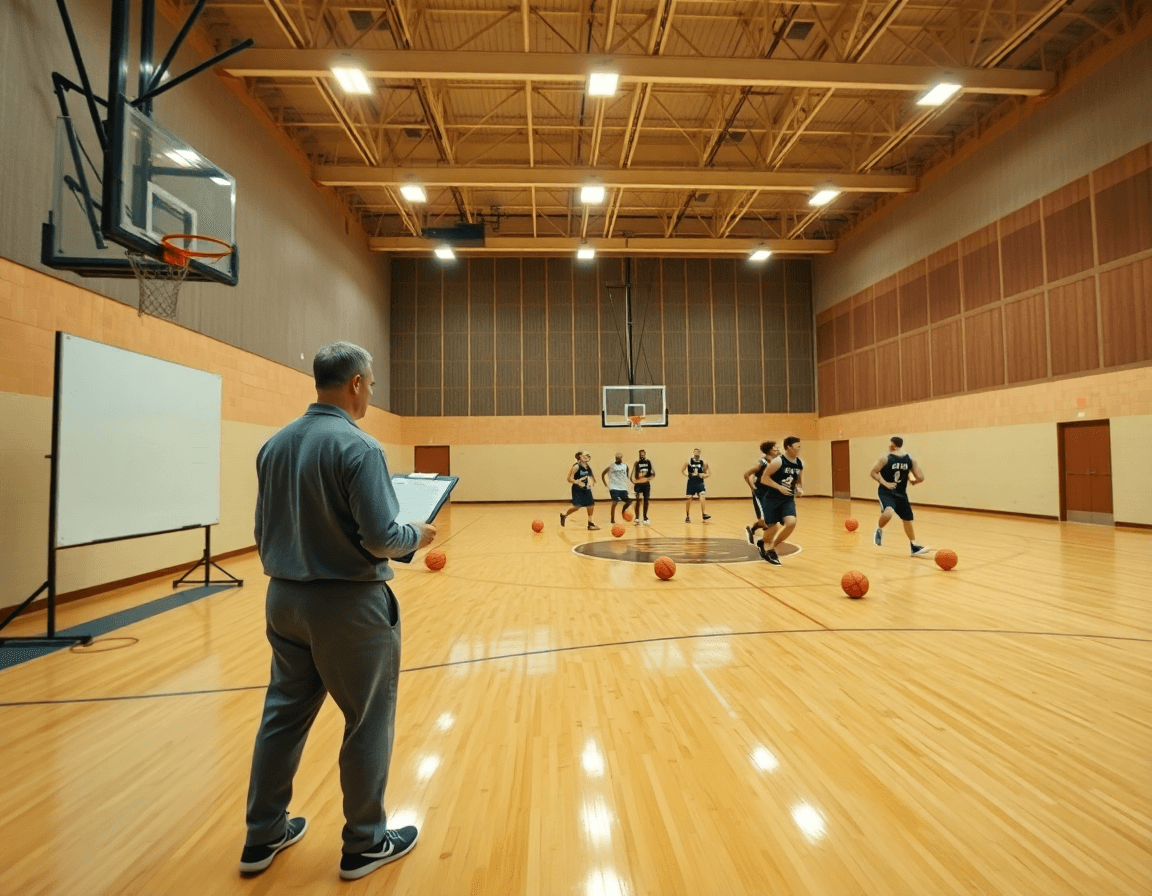
Continuous Motion Offense Basketball: Weekly Coaching Workflow
A coach-focused weekly workflow to implement continuous motion offense basketball—plan practices, diagram plays, curate video clips, and scout for smarter motion.

Key takeaways
- Establish a weekly install, practice, review loop for the continuous motion offense, prioritizing spacing and reads.
- Design practice to sharpen reads under pressure, with live reads, film review, and timely adjustments.
- Progress drills from 2-on-2 through 5-on-5 to lock timing, spacing, and habit formation.
- Use whiteboard diagrams to map BLOB/SLOB/ATO/PnR actions and reads for continuous flow.
- Export PDFs for staff, curate clips, and build player playlists highlighting weekly reads.
What is continuous motion offense and why it belongs in your weekly plan
Continuous motion offense is a motion offense built on constant movement, spacing, and read-and-react decisions. In practice, there are no standstill possessions—players relocate, cut, screens, and read the defense to create open looks. This concept cycles weekly with install, practice, film review, and adjustments.
Core principles: continuous movement, smart spacing, ball movement, and reading the defense. Spacing is purposeful, not crowded; players exchange sides, pass-and-cut, and rely on reads to trigger next options. That approach translates to on-court habits: it keeps the floor connected, angles cuts, and makes reads a constant part of decision making.
Common variants include 4-out and Dribble-Drive Motion. Each variant keeps the offense flowing while forcing the defense to react. You’ll emphasize reads and timing, not a fixed sequence.
Weekly plan alignment: install concepts, reinforce reads, and adapt to opponent defenses. That means building a practice plan library around motion concepts, diagramming plays on the whiteboard (BLOB/SLOB/ATO/PnR), exporting PDFs for assistants, organizing and sharing video clips, assembling scouting reports and scout plays, and creating player playlists for focused playback, for consistency across games.
Weekly workflow: planning, teaching, and adjusting motion offense
In my weekly workflow, I center everything on the continuous motion offense. The goal is to keep players advancing through install, practice, film review, and adjustments in a tight loop. Each week I outline a plan that emphasizes spacing, ball movement, and cutting, so reads come more naturally under pressure and late in games.
Weekly motion offense plan starts with planning motion offense in a practical, repeatable way. I pull from the practice plans library to assemble a coherent path: install new concepts, drill fundamentals, run live reads, review film, and adjust for the opponent. The structure keeps us rolling from set plays into quick, reactive actions—backdoor cuts, screening actions, and hard reads off the ball.
On the floor, teaching follows that plan with purpose. We move from understanding to execution, looping through install sessions, skill-specific drills, and live reads against a scout defense. I push spacing and ball movement, then layer in read the defense options and PnR reads for real-time decision making. When the film shows a gap, we tighten the timing and emphasize the exact reads that trigger the next action in the motion offense.
Tools in the workflow matter just as much as the plays. I rely on the practice plans library, assignable tasks for assistants, and versioned revisions to keep everyone aligned and accountable. The result is a cohesive week where players progress from basic concepts to instinctive reads—reads that unlock continuous movement, sharp ball movement, and smarter decisions across the floor.
Drills and progression to build constant movement and spacing
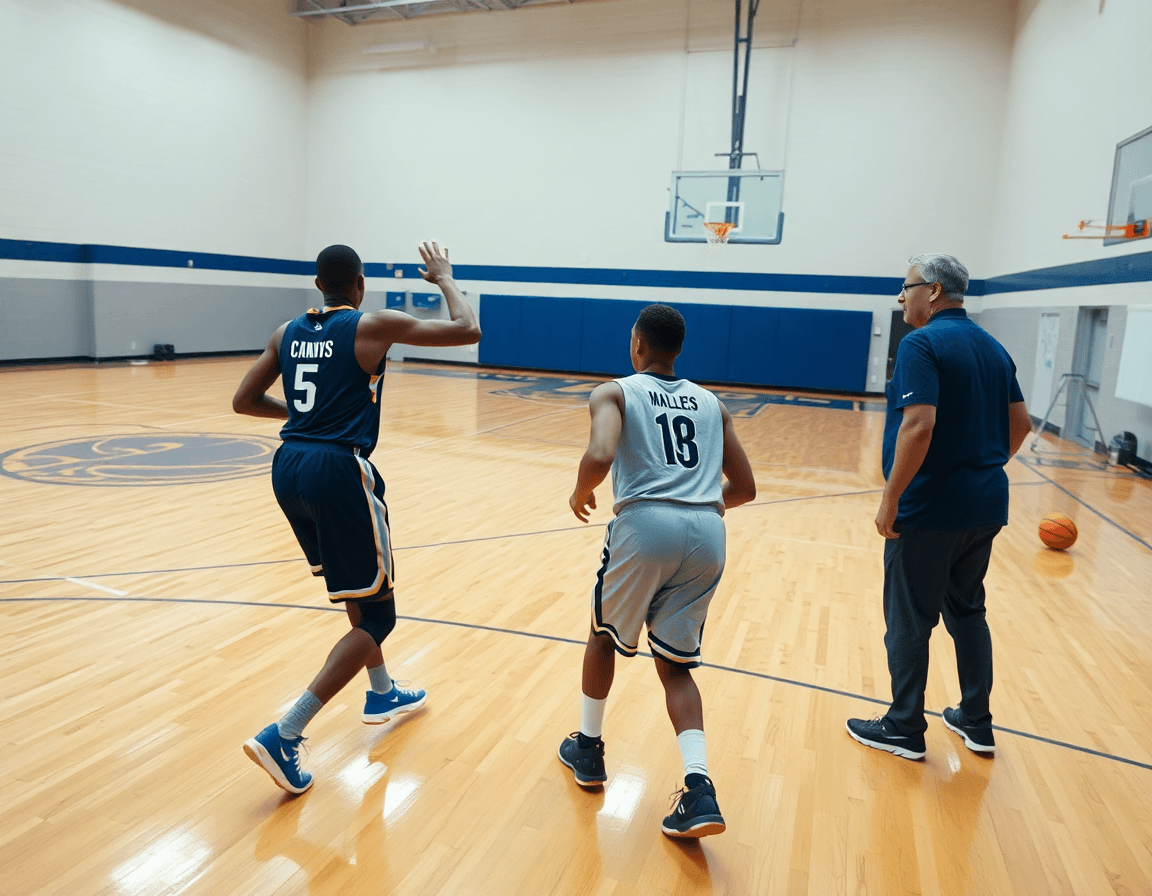
In my weekly plan, I build a progression of drills around the idea of the continuous motion offense basketball. I start with two-on-two reads and spacing, then move to three-on-three, and finally five-on-five to lock in timing and space. I keep a growing library of drills and keep the tempo up so the offense feels like one connected flow. This approach sits in the plan section, and I tag the plays so assistants can pull PDFs or videos when needed.
Core drills revolve around continuous movement sequences, spacing patterns, and cutting with purpose. When I run a session labeled as motion offense drills, the emphasis is on constant ball and player movement rather than static stand-stills. Spacing drills basketball become visible as players learn where to be at every moment, and cutting with purpose turns into smart departures toward gaps or open outlets. The drill sequence is designed to flow, not reset, so players learn to play through the pass and read reactions.
Decision-making, timing, and the shooting mindset off movement are front and center. We drill reading the defense as a group—film tells better stories than words, so I layer in quick reads between cuts, screens, and passes. We practice backdoor cuts when the defense overplays, and we stress ball movement to create quick, high-percentage looks. In practice, this is where the team starts to trust that spacing and movement create open shots without chasing them.
Adaptation is essential. I tailor drills to team size, skill level, and opponent tendencies, then adjust on the fly. The workflow stays tight: install, practice, review film, and adjust. I document progress in the plan, diagram the latest actions on the whiteboard (BLOB/SLOB/ATO/PnR), export PDFs for assistants, and curate short video clips. Player playlists highlight key movement cues, so every player knows the reads they should own this week.
Diagramming and communicating plays with a whiteboard
During the weekly planning block, I pull up the whiteboard to map out BLOB/SLOB/ATO/PnR actions and reads for our continuous motion offense. We sketch spacing lines, screen angles, and reads that let players move with purpose rather than drift. The visuals turn theory into action: who screens, who cuts, and where reads become options for ball movement.
With the diagrams up, we label spacing and positions, and lock in timing so the concepts feel real in drill work. The thread motion offense runs through every cut and screen, and players line up in the right spots to read the defense and make the best read. The aim is a flow that feels natural and continuous, not choreographed.
After practice, I export the diagrams to PDF for sharing with staff and for quick review in film sessions. The PDF acts as a portable playbook, letting assistants trace each action (passes, screens, reads) without hunting through notes. We keep a clean reference for install days and post-work analysis.
Each diagram stays aligned with the weekly install and its practice variations. The pattern is simple: diagram, teach, drill, film review, adjust. When the team sees a trusted sequence on the whiteboard and in the clips, the continuous motion offense becomes easier to install and tougher to defend.
Scouting and opponent prep for motion offense
As a head coach, building a weekly workflow starts with scouting for the motion offense long before practice. I study opponent defenses to identify gaps and vulnerabilities in motion reads. When a defense overplays a read, we look for quick ball movement and a timely backdoor cut or a skip pass. I pull scouting reports, highlight where spacing breaks down, and annotate the read-the-defense cues we’ll defend or attack throughout the week.
Customizing motion offense scouting sets to exploit tendencies is where the weekly plan comes alive. If the defense sags into the gaps or switches late, we install extra ball reversals, spacing variations, and targeted screening actions. We tailor reads and cuts to attack those dynamics—emphasizing continuous movement and ball movement to keep defenders unsettled. We label these adjustments under motion offense scouting notes and sync them with our practice install.
Incorporating scout plays and notes into the weekly plan ensures timely adjustments. I attach scout plays to the plan’s sections, diagram them on the whiteboard (BLOB/SLOB/ATO/PnR), and export PDFs for assistants. I also assemble a few targeted video clips showing the opponent’s reactions to our reads, then assign players to watch them in their playlists for focused playback. This bridge between scouting and practice keeps the team aligned.
Finally, translate scouting notes into on-court action. We install counter-moves and counters to opponent schemes during practice install and film review. The goal is to keep refining the motion offense through repeated installs and tweaks, always grounded in what the scouts showed. In practice, we trace every decision from the plan to the whiteboard to the film clip—and watch the players execute and adjust.
Video workflow and player engagement: clips, playlists, and feedback
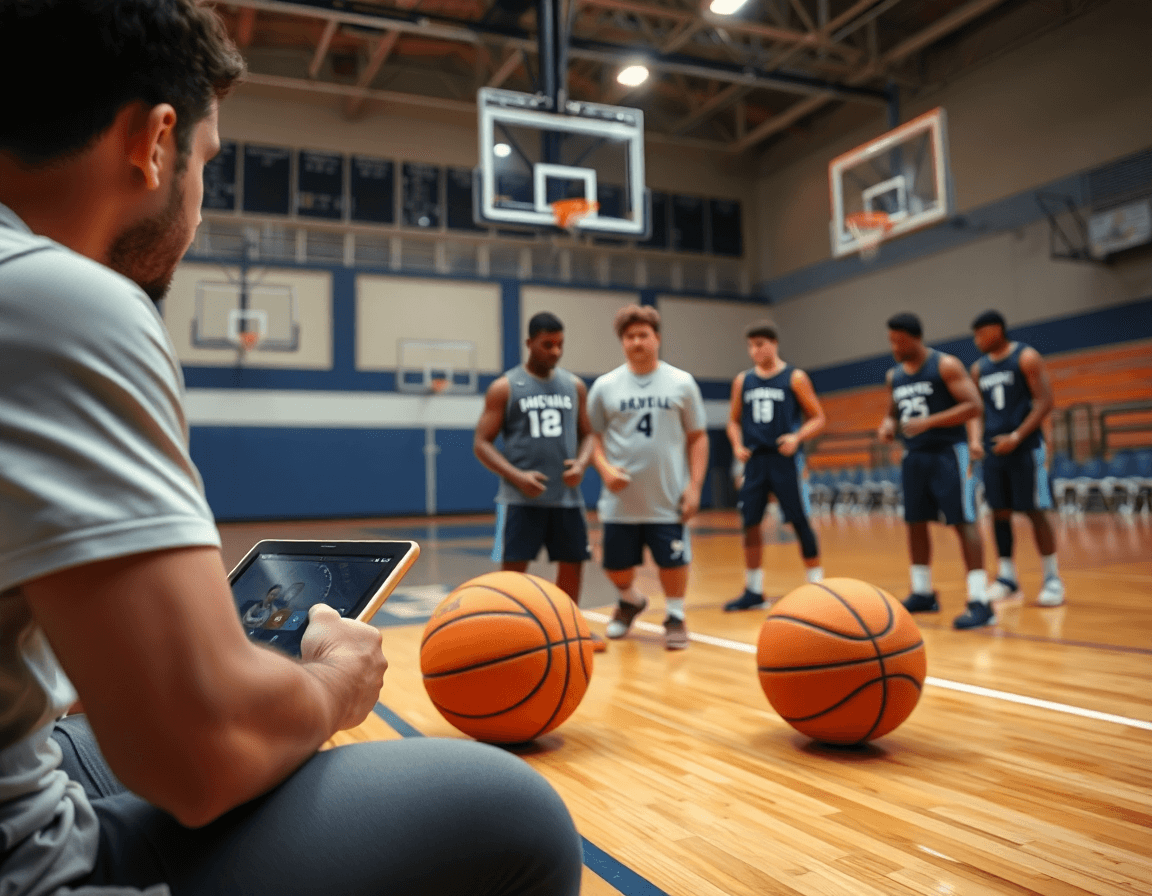
After a game or scrimmage, our weekly workflow kicks into video mode. We pull the footage into the motion offense video toolbox, then clip key reads, decision points, and execution of spacing. We tag each clip for concepts like reads the defense, ball movement, and backdoor cut. The goal is to build a compact library of moments that illustrate how continuous movement traverses the floor. A good clip might show a read where a defender over-helps, a quick pass leads to a wide-open layup, and the spacing keeps the floor balanced. This is our motion offense video clips archive.
Next, we convert those clips into player playlists. Create playlists for core concepts—reads, cuts, ball movement—and drop in focused clips so each player can study the decision points that matter to their role. We keep them shareable clips and accessible for quick review during film sessions; players can watch on their phone between classes. Use the playlist as a target reel for the upcoming week, with a short note from the coach on what to emulate in practice. In practice planning, this links directly to drills that emphasize spacing and movement.
Feedback comes fast in this loop. After a session, players rewatch and we annotate what worked and what didn’t, noting clip reactions and performance on the floor. We track progress in a simple dashboard: did a player execute the read consistently, did the spacing hold under pressure, did they compress to the backdoor look when the defense overplayed? Use that data to adjust the plan—maybe emphasize a specific cut or a ball-move drill in the next practice. The aim is relentless refinement, powered by clip-driven, player-focused feedback.
Checklist: your motion offense weekly readiness
Continuous motion offense basketball thrives on repeatable cycles: install, practice, film, adjust. This is where the weekly checklist motion offense becomes the backbone of my coaching rhythm. It keeps every element—ball movement, spacing, reads of the defense—tied to the core principles. My toolkit turns plays into a living library: plan, a whiteboard with diagrams (BLOB/SLOB/ATO/PnR), PDF exports for assistants, and a compact video library for players. When the cycle runs smoothly, we’re installing concepts, not just running drills. I lean into this cadence because it connects daily tasks to motion-offense fundamentals and keeps the group moving together.
Monday: install new reads, set up practice plan, assign tasks. I drop the new reads into the motion-offense library and sketch the early diagrams on the whiteboard. I export PDFs for staff and share the plan with the film room. This is where the team gets a clear look at ball movement, spacing, and the timing of cuts—the heartbeat of the motion offense week. install and practice plan come first, so everyone starts with aligned expectations.
Midweek: drill progression ramps up, we review film from the earlier sessions, and I adjust based on scouting notes. The whiteboard gets updated to highlight reads of the defense and options off screens. We log progress in the library and push fresh clips for quick playback. drill progression and review film anchor the adjustments that keep us ahead of the opponent’s schemes.
Friday: run through simulated game situations, finalize PDFs and diagrams for staff, then post-practice: assign video playlists for players and gather feedback. This is where we test reads in action, while the clips guide individual focus. simulated game situations and video playlists are the levers that sharpen decision-making. This cadence keeps the checklist motion offense week tight and actionable.
If you build plans like this every week, CourtSensei keeps your drill library, whiteboard, and video clips in one place — try it free.
FAQ
What is continuous motion offense in basketball, and why should it be in your weekly plan?
Continuous motion offense is a read-and-react approach built on constant movement, smart spacing, and ball movement. There are no dead possessions; players relocate, cut, screen, and read the defense to create looks. In a weekly plan, you install concepts, drill reads, review film, and adjust based on opponent tendencies. The loop runs install → practice → film review → adjustments, keeping the floor connected.
How does continuous motion offense differ from a traditional continuity offense?
Unlike fixed sequences, continuous motion thrives on constant movement and read-and-react decision making. There’s no prescribed chain—players chase advantage through spacing, cuts, and ball movement as the defense reacts. A traditional continuity offense often follows set patterns, so timing is less situational and late-game reads can suffer if the defense overplays.
What are the core principles of motion offense?
The core is continuous movement and sharp spacing, plus quick ball movement and accurate reads. Players relocate, pass, and cut with purpose; spacing is deliberate, not crowded. The practice translates to on-court timing and decision making, keeping the floor connected and reads flowing under pressure.
What are the different types of motion offense (4-out, 5-out, 3-out 2-in, etc.), and where do they fit?
Variants include 4-out and 5-out, plus 3-out-2-in and other formations. Each type keeps the offense flowing, creates driving lanes, and taxes the defense with constant reads. Choose a type that fits your roster and opponent, then emphasize quick ball reversals, timely cuts, and options based on reads.
What is Dribble Drive Motion Offense, and how does it fit into continuous motion?
Dribble-Drive Motion is a motion variant that emphasizes ball-handler drives to collapse defenses and create kick-outs and fill-ins. It fits the continuous motion framework by pairing quick reads with read-and-react passes and spacing to keep lanes open. Install core reads, practice dribble penetration, and layer in pull-ups and screen actions to balance scoring options.
How do you coach motion offense effectively?
Coaching it effectively starts with a repeatable install plan, a library of drills, and consistent film work. Emphasize spacing and reads, progress from two-on-two to five-on-five, and practice live reads against scout defenses. Use diagrams (BLOB/SLOB/ATO/PnR), PDFs for assistants, and video clips to align the team and speed up decision making.
What is a backdoor cut in motion offense?
A backdoor cut is when a player slips behind an overplaying defender to receive a pass for a layup or open shot. In motion, timing and spacing set up the cut; defenders bite on reads, so practice the read-and-react kicks. Reinforce it with targeted drills, film review, and live-read reps to make it a trusted option.