4 1 motion offense basketball: Weekly Coach Plan
A practical weekly guide for coaches to implement 4 1 motion offense basketball for HS and youth teams, with week-by-week progressions, reads, and how to use video, scouting, and playlists.

Key takeaways
- Install 4-out-1-in with shell drills, then progress to reads; emphasize spacing and decision-making.
- Progression from 2-on-0 to 3-on-3; reads drive decision-making, not overload, keeping pace simple.
- Whiteboard diagrams (BLOB/SLOB/ATO/PnR) to map options and timing; create readable cues for practice.
- Video Clips and Playlists; tag progression steps, link to scouting notes for adjustments.
- Focus on Catch-facing-the-rim, rim cuts, fill-after-pass; tailor pace to personnel. Keep reads actionable and connect drills to game-ready reads.
Understanding the 4 Out 1 In Motion Offense: Why it fits your weekly plan
Think of the 4-out 1-in motion offense as your weekly backbone. With four perimeter players and one post, it creates consistent spacing and driving options that survive adjustments for age and skill level. The spacing targets—roughly 18 feet from the basket—keep driving lanes open and post-entry angles clean, so decisions come from reading the defense, not waiting for a scripted sequence. This read-and-react mindset gives you flexibility in practice and on game night, and it scales from youth through semi-pro with the right emphasis on shooting and decision-making. Core actions include ball reversals, drive-and-kick reads, post-entry options, and inside-out passing.
During the plan week, I map an install-first approach in Practice Plans, then progress through shell reps and live looks. On the Whiteboard I diagram 4-out-1-in actions—like BLOB, SLOB, ATO, and PnR—to map reads for players. The goal is to move from basic ball movement to decision-making under pressure, building comfort with space and reads before adding complexity. If a player struggles with reads, I isolate drive-and-kick reads first, then layer in post-entry options and inside-out passing.
Video is a constant companion. I use the Video Clips library to cut footage from games or practices and share concise clips that illustrate a read or spacing tweak. Our Scouting Reports flag tendencies opponents show against the 4-out 1-in approach, so rotations and late-game actions are tuned accordingly. Finally, I assemble Playlists that deliver clips to players—short digests plus targeted demonstrations on basket cuts, v-cuts, blast cuts, and post-player actions to keep the install fresh and game-ready.
Install and Progression: From shell to reads
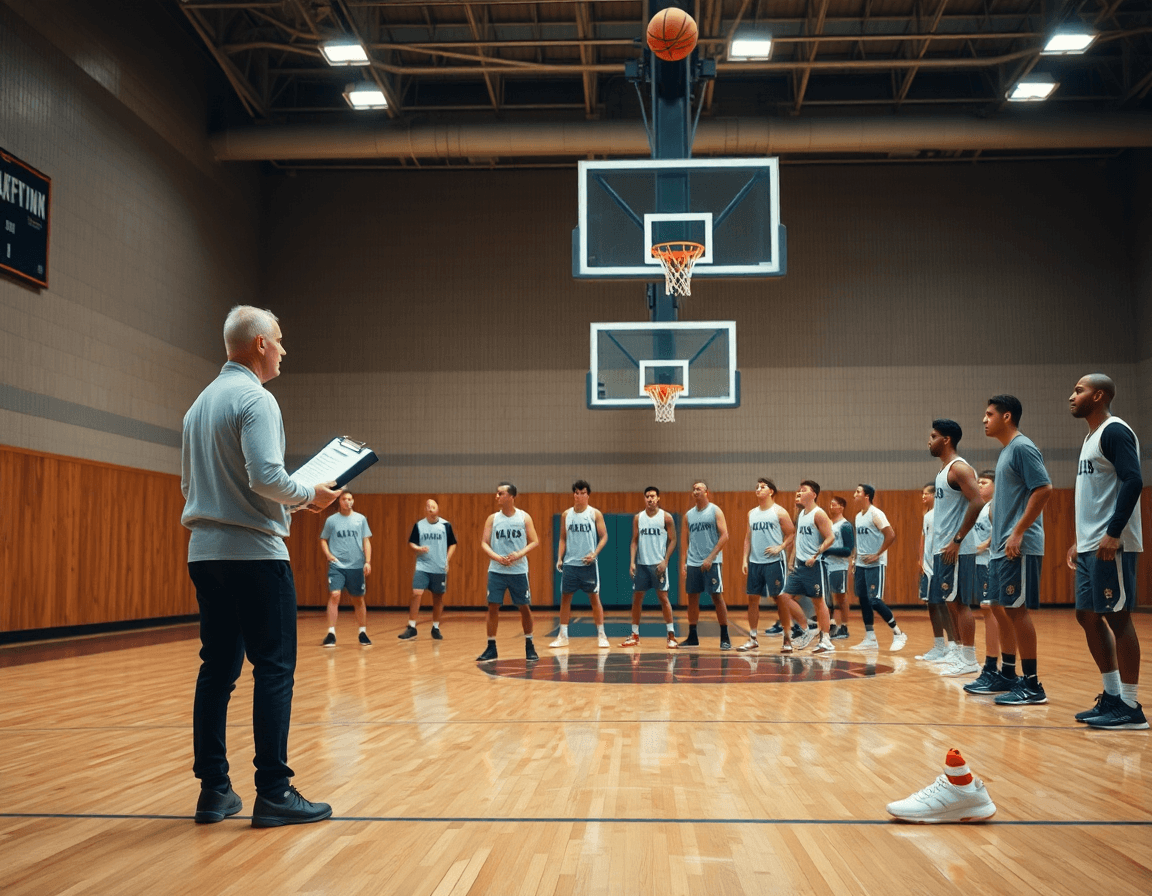
Install starts with the base 4-out 1-in alignment—slots, wings, and a single post. In the weekly plan, I map the install using our Practice Plans: shell drills to establish spacing, then simple passes to get players moving. The goal is steady, repeatable action that you can install and reference all week.
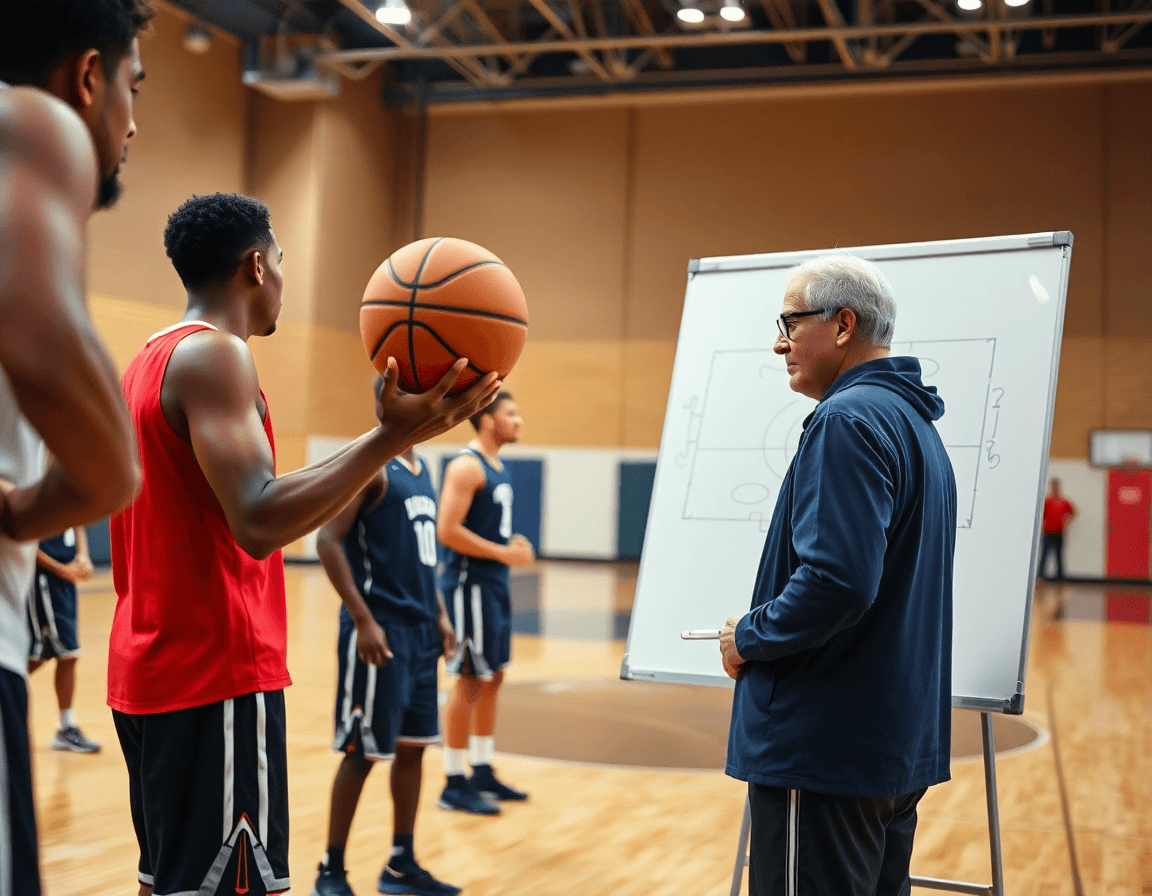
Progression from 2-on-0 to 3-on-3 introduces reads off cuts and spacing without overload. I label this phase with progressions and focus on reads as the catalyst for decision-making. As we move, players learn to read angles and options without being buried in details, so we can advance to more complex actions without paralysis.
Incrementally add ball screens, post-entry options, and post-to-post reads as players gain comfort. We diagram these on the Whiteboard (BLOB/SLOB/ATO/PnR) to map options and counters, then export the diagram to a PDF for the staff and players. This keeps the install visual, concrete, and easy to review midweek.
Develop a progression that emphasizes catch-facing-the-rim, rim cuts, and fill-after-pass rules. The emphasis stays simple and actionable, so players learn to read the defense and react with purpose. Highlight how each movement creates a read or a new lane for the next pass or cut, adjusting pace to suit your group.
Tailor progressions to personnel: shooters, ball handlers, and a capable post all influence pace and options. Use scouting notes to shape the tempo and reads you stress in practice, ensuring the shell becomes a flexible framework rather than a rigid script.
Workflow matters: a short video clip after each drill, the way you organize clips into Playlists, and the way you share a targeted scouting note—these pieces keep players connected to the install as the week unfolds. Tie it all back to the game-ready reads you’re building.
Diagramming with a Whiteboard: BLOB/SLOB/ATO/PnR
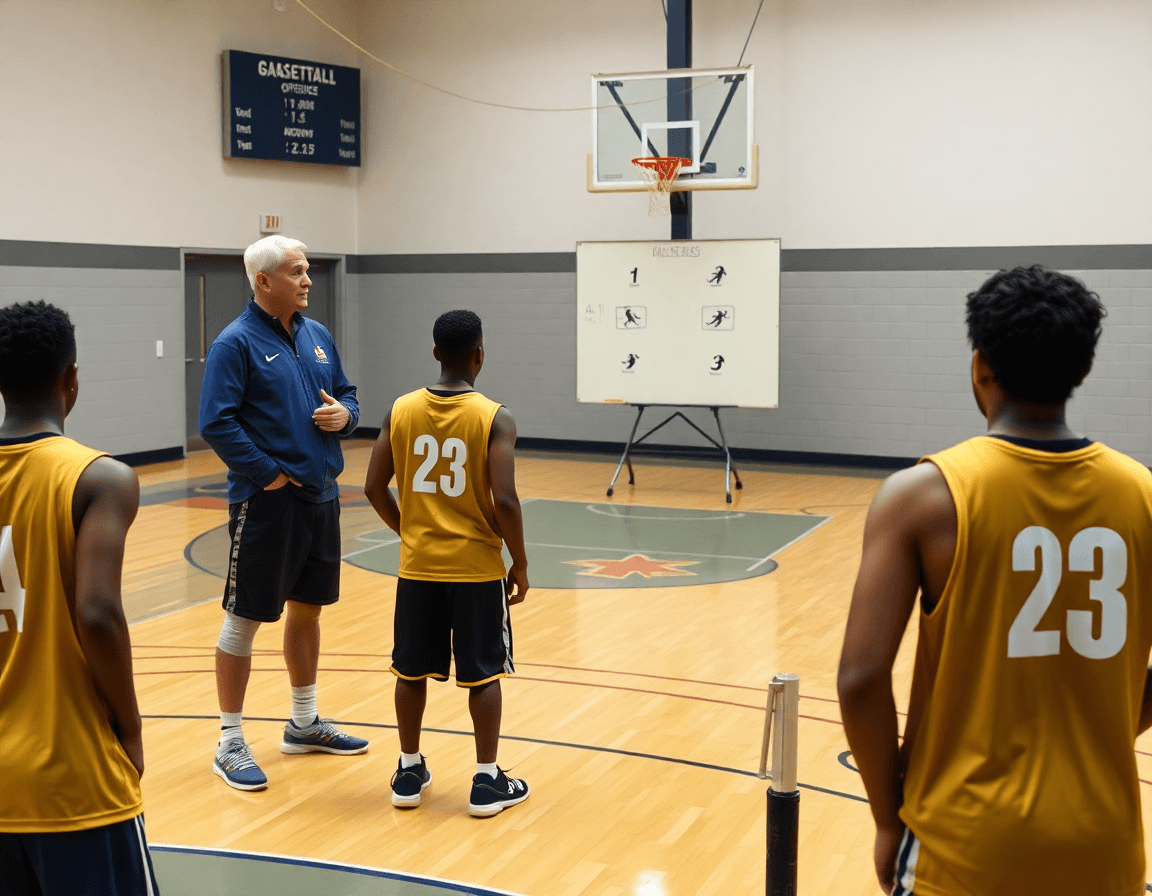
Using the whiteboard to map baseline and sideline out-of-bounds (BLOB/SLOB) and in-game actions (ATO) within 4 1 motion offense basketball flows is the first step in install week. The 4 1 motion offense basketball becomes the backbone of your weekly plan, with arrows showing spacing, reads, and entry options. Those diagrams set the tone for how you execute drills and prep notes with the staff.
From there, those diagrams anchor read-and-react sequences, post-entry options, and rim runs. Clear arrows and labels show who reads the defender, where the next cutter slides, and how the post player can space for the kick. It’s all about keeping decision points in view so players trust the read.
Diagrams weave actions, cuts, screens, and fill-ins to communicate timing and spacing to players. The lines tell who pops to the perimeter, who slips, and where the screen action should finish. With precise labels, players anticipate the flow and stay in the right spots on the floor.
Convert practice drills into progression with concrete cues and decision points. Each diagram translates into a drill progression—start with a baseline 4-out-1-in spacing drill, add a BLOB out-of-bounds option, then layer in read-and-react reads. Concrete cues help players decide when to slip, pop, or roll.
Link diagrams to in-practice progressions and scouting notes for quick reference. As the week advances, you pull up a diagram for a late-game 4-out 1-in set, compare it to scouting notes on opponent tendencies, and adjust timing or spacing. A quick reference on the whiteboard keeps the group aligned.
Video Workflow: Clips, playlists, and player feedback
For a weekly 4-out-1-in motion offense install, the backbone is the Video Clips library. Clip game and practice footage to highlight reads, spacing lapses, and post-entry reads. By tagging each clip with a progression step—catch, cut, drive, post—you can quickly show players how the offense should flow from drill to live action. This is where the language of spacing and read-and-react becomes tangible for the team.
Organize clips by progression step or by action (catch, cut, drive, post) for quick review. One clip might show a catch-and-scan from the wing, another a read on the post-entry against a hard hedge. Using this structure keeps the install clean and gives players an easy reference for how spacing and positioning show up during a game.
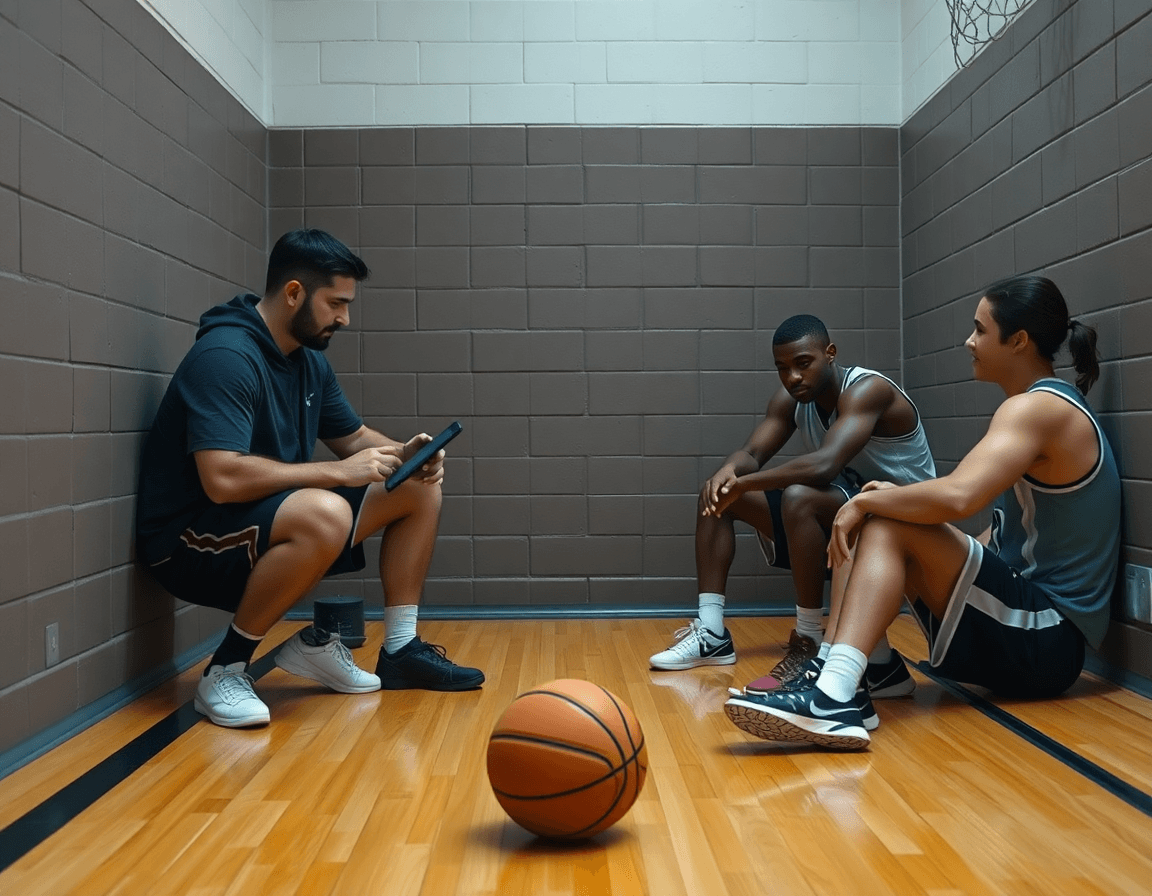
Create playlists to deliver targeted feedback to players; pair clips with concise coaching cues. A playlist might focus on the v-cut and read-and-react off the ball, another on the blast cut into the elbow area, and a third on post-entry decision-making. These playlists give players a clear, repeatable reference when they study film outside practice.
Use video to reinforce the weekly plan: install, progression, and in-game reads. Embed clips into practice plans so players know what to study before next session. The workflow also supports shareable links to clips, making it easy for players to review on their own time and come prepared with questions. When the team runs the 4-out-1-in offense, the video loop keeps the tempo honest.
Scouting for 4 Out 1 In: Reports and opponent adjustments
I start the week with a clear scouting lens focused on how opponents defend spacing around the arc and the post against a 4-out 1-in setup. In our Practice Plans this becomes the spine of the weekly file. The goal is a concise set of scouting reports that highlight what reads players will face when the ball moves and how defenses try to compress the arc. This becomes the foundation for installing a 4 1 motion offense basketball framework—every drill and tempo decision flows from those tendencies, and I map the notes into a one-page diagram on the Whiteboard.
From the tape, I pin down tendencies that affect reads off the ball. Help-side rotations and ball-pressure dictate when a cutter hits a basket cut or when a post is drawn into a post-trap. We label these moments as key decision points and catalog them under the branch of read and react options, while keeping an eye on spacing to support the 4-out 1-in actions and the 41 offense look. The summary gives coaches and players a quick cue when the defense shifts.
With tendencies mapped, I translate them into concrete opponent adjustments for both man-to-man and zone looks, all while preserving the core 4-out-1-in integrity. This guides our practice priorities for the week. We prototype adjustments in the Whiteboard diagrams and pair them with targeted drill progressions in the Practice Plans—think quicker ball reversals against aggressive help and timely wing back cuts against zone gaps. I translate findings into a concise clip playlist that coaches the team in minutes, so players can review the reads from the post to the arc. The idea is: a simple Playlists approach that makes it easy to deliver game-ready clips to every player.
Practical Weekly Workflow: 60-Minute session to install, practice, and review
To keep a consistent rhythm, I run a tight 60-minute session that fits neatly into our weekly workflow for installing and progressing a 4-out 1-in motion offense. We map the week with a clear Practice Plan—install day, progression drills, and a game-ready shell—then lock the ideas into the Whiteboard diagrams, Video Clips library, and Scouting Reports. The goal is simple: every drill, cut, and read aligns with spacing and read-and-react cues.
0-10 minutes: We start with a warm-up and a quick spacing drill to groove the base read-and-react cues. Emphasis stays on the 41 offense principles—spacing, walling off angles, and the flow from a basket cut to a v-cut. It’s short, sharp, and the players feel the shells click into place early.
10-25 minutes: Install the core shell and run 2-3 progression drills that center on spacing and reads. We stage the 4-out 1-in alignment in simple actions, then layer in BLOB/SLOB/ATO/PnR diagrams on the Whiteboard as we progress. The workflow here is to build instinct—where to slip, when to relocate, and how the post player fits into ball reversals.
25-40 minutes: Live-action reps and decision-making in 3-on-3 or 4-on-4 with role rotations. Players practice read-and-react decisions in real time, with coaches prompting from the sideline and referencing the shell we installed. Short live clips capture the reads that led to good decisions, then we link those clips to specific game-like situations.
40-50 minutes: Video review block using clips tied to this week’s objectives. I pull tiles from the Video Clips library—showing spacing reads, blasts and cuts, and the post-player entry—then annotate notes that match our practice plan goals. Clips become a concrete reference for players.
50-60 minutes: Player feedback, playlist discussion, and adjustments for the next session. We summarize what clicked, what didn’t, and adjust the playlist to target the upcoming opponent tendencies from our Scouting Reports. The week ends with a clear path to advance the 4-out 1-in motion offense toward game-readiness.
If you build plans like this every week, CourtSensei keeps your drill library, whiteboard, and video clips in one place — try it free.
FAQ
What is the 4-out 1-in motion offense and why should I use it in my weekly plan?
The 4-out 1-in motion offense is a spacing-heavy approach with four perimeter players and a single post. It relies on read-and-react decisions, not fixed sequences, so players read the defense and react. With solid spacing (roughly 18 feet from the basket), driving lanes stay open and post-entry angles stay clean. It scales from youth to semi-pro if you stress shooting, decision-making, and reads.
How do you run a weekly plan with a 4-out 1-in motion offense?
The plan starts with a focused install of the base 4-out 1-in alignment. Use shell spacing drills to build movement, then progress to live reads. Diagram reads on the whiteboard (BLOB/SLOB/ATO/PnR) and convert diagrams to PDFs for quick staff reference. Use clips to reinforce spacing and decision-making.
What are the basic rules or principles of the 4-out offense?
At its core, the offense prioritizes spacing and quick ball movement. Players read the defense and attack gaps rather than wait for scripted sequences. Priorities include keeping driving lanes open, posting options when available, and filling after passes. The system rewards patient passes, sharp cuts, and timely post-entry without becoming a rigid script.
What common actions define 4-out 1-in motion offense?
Key actions include ball reversals, drive-and-kick reads, post-entry options, and inside-out passing. You’ll see BLOB/SLOB and ATO sets, plus PnR involvement. Spacing supports rim cuts and reverse reads, while the post player can space or screen as needed. The goal is continuous reads that create new lanes for the next pass or cut.
Can the 4-out 1-in offense work against zone defenses?
Yes, with the right pace and spacing. Use quick ball reversals to stretch the zone, then attack gaps with reads. Inside-out passes and post-entry options punish zone rotations. Be ready to adjust timing, use backdoor cuts, and keep the floor balanced. Zone defenses aren’t a counter; they’re a cue to read and swing.
What are the advantages of the 4-out 1-in setup?
Key advantages include natural spacing and multiple driving lanes, which keep pressure on the defense. It supports read- and shoot-first guards, scales from youth to higher levels, and gives versatile post options without overloading players. The system thrives on quick ball reversals and inside-out passing to keep reads dynamic.
What are the disadvantages of the 4-out offense?
Disadvantages include spacing collapse if shooters aren’t reliable, potential stagnation without constant movement, and vulnerability to heavy pressure or packed zones. It also relies on confident shooters and sharp read skills; without that, the offense can stall. Use progressive drills and film clips to keep players processing reads and staying ahead.