5 Out Motion Offense for Youth Basketball: Week-by-Week Plan
Guide for the 5-out motion offense for youth basketball: teaching progressions, spacing, drills, and a practical plan with video, scouting, and practice planning.

Key takeaways
- Set a consistent 5-out foundation with strong perimeter spacing and rapid ball reversals.
- Build weekly drills around spacing, movement, and reads of helpers to empower decision-making.
- Teach the core reads: attack space, read helpers, then reverse for open shots.
- Track progress with clips and playlists; use video feedback to reinforce decision-making.
- Week-by-week plan: document spacing, reversals, and reads; adjust defense based on scouting.
What is the 5-out motion offense for youth?
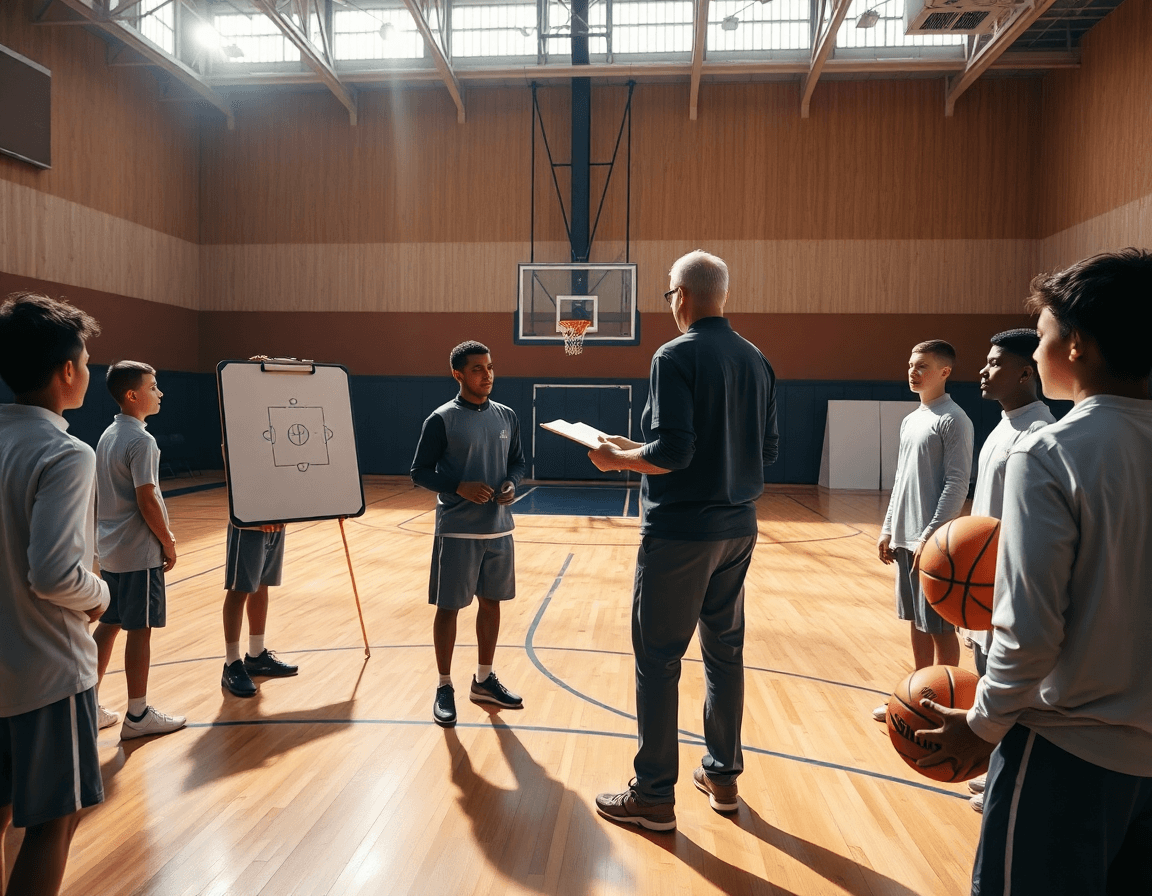
Think of the 5-out motion offense as a perimeter-based, positionless approach where all five players are involved in cutting, passing, and spacing rather than posting up. It centers on continuous movement, ball reversals, and reading the defense to create open looks. Ideal for youth because it develops all players, encourages decision-making, and reduces post-specific roles. Key concept: attack space, read helpers, and keep the ball moving to prevent stagnation.
In practice, you install this by connecting weekly drills, diagrams on the whiteboard, and video feedback, weaving plan, board, and clips into a cohesive workflow. In the practice plan, you start with spacing and movement drills, then add ball reversals and reads of helpers to generate decisions for the ball handler. When you draw on the board, you show routes like screen away and on-ball movement to reinforce spacing—while players learn to read helpers and attack space. After sessions, you clip a few sequences that illustrate good decision-making and share a short playlist with the group. The beauty for a youth program is that everyone touches the ball and learns to read defenders, so you’re building a foundation for future growth rather than a single position role.
Spacing and positioning on the NBA 3-point line
Spacing is the backbone of a successful 5-out motion offense for youth basketball. Place players along the perimeter at roughly the NBA 3-point line spacing to maintain driving lanes and driving angles. About 12-foot spacing opens driving lanes and kick-out opportunities. Use the five spots (left corner, left wing, top, right wing, right corner) as a starter layout. Spacing should support ball reversals and reads without crowding any one lane.
On the floor, you’ll see the starter layout play out: top initiator, wings, corners ready. The key is maintaining perimeter spacing so a single dribble can still create a drive or a kick-out. If the defense overplays, we run a quick read to keep the motion alive, or set an on-ball screen to free a shooter. As the ball swings, the spacing supports reads and keeps one driving lane open while another player eyes the corner for a potential kick-out.
Within the weekly plan, you lock in spacing-focused drills, sketch the layout on the whiteboard, clip and organize video from recent games to highlight when spacing opened a lane, and build scouting notes on teams that over-commit to the ball. Use the library of practice plans to pull a 3- or 4-drill progression that emphasizes ball reversal and decision-making, then stitch together a shareable video playlist for players to study. This is where the workflow ties together: plan → diagram on the board → execute on the court → review clips, then adjust the defense in the next session.
Practice checkpoint: after every reversal, pause to read the defense—is the lane open? Is the weak side ready for a kick-out? Keep the ball from bunching by enforcing a quick reset, and remind players to be ready to dribble at or swing for an open shot. Consistency here turns spacing into a reliable weapon, not a guess.
Teaching progressions: pass and cut, screen away, on-ball screen, dribble-at
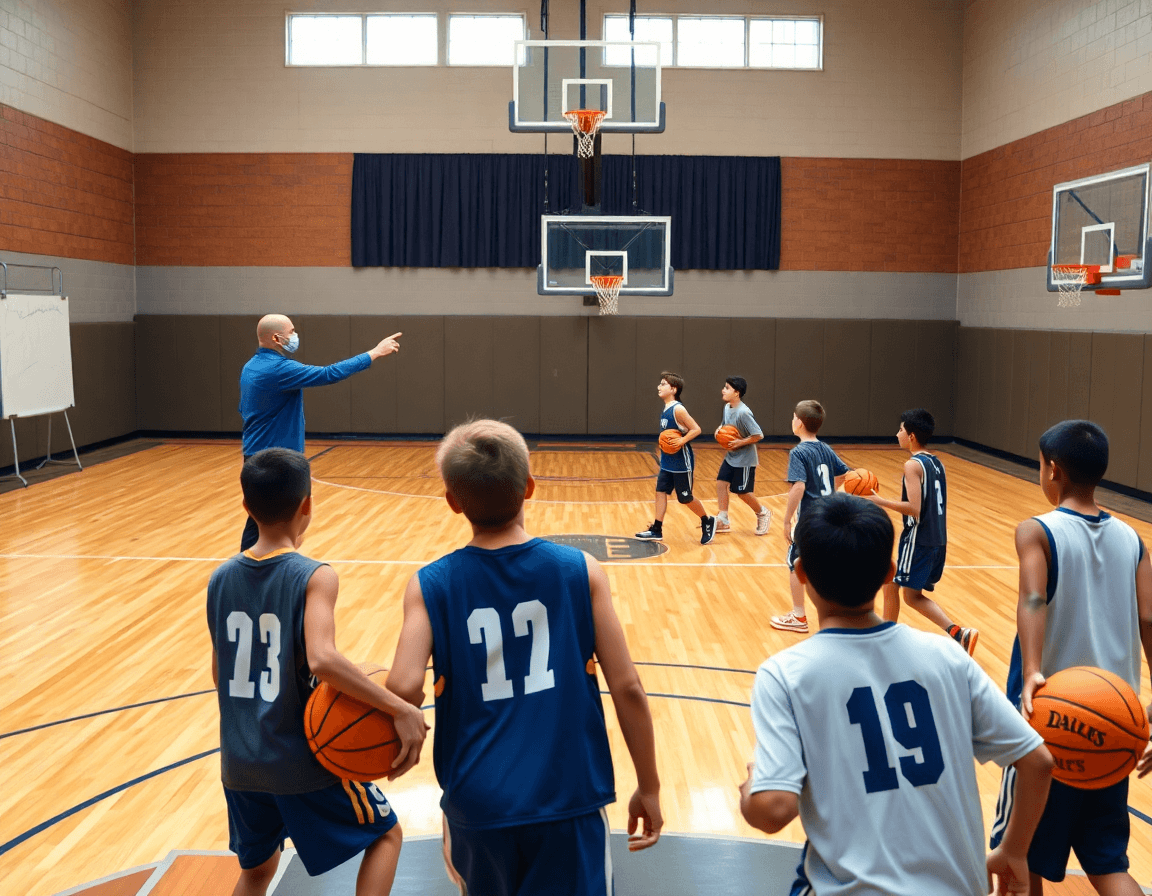
Start with Basic cutting and pass-and-cut to teach movement without overdribbling. In the plan, players cut toward the ball, read for a quick catch-and-pass, then relocate to create space. We diagram lanes on the board and run the sequence from the 5-out motion offense for youth basketball spacing in short reps. A quick scouting note tracks how defenses react to the cuts.
Now we add screen away to create back-space and open shots. The screen is set away from the ball to give the handler room to attack, with a read-pass option to the shooter. In the plan, we time the sequence and rotate through short reps, then clip a quick moment for the player playlist. The scouting note flags defender rotations.
Next comes on-ball screen to initiate ball screens and force decision-making. We practice reads like pop, slip, or roll, depending on help. Diagrams on the board show angles and spacing to keep the defense honest. A short video clip of the handler’s timing goes into the playlist, and the scouting note outlines which reads to emphasize.
Finally, we use dribble-at to attack from the perimeter and read the defense for kick-outs. The drive should collapse help and create kick-outs to shooters or the open post. In the plan, link each read to a drill in the library, capture a clip for review, and update the scouting note to guide week two.
Practice planning for a 5-out install: a week-by-week framework
Week 1 is about laying the foundation for a 5-out install. In your planning flow, you assemble drills focused on spacing, cut timing, and simple ball reversals. Share that weekly plan with assistants and drop the drills into your library so they’re accessible all week. On the whiteboard, sketch how the floor expands—where cutters pop, where the ball reverses, and how spacing creates driving lanes. After practice, clip the moments that illustrate the basics and build a short video playlist for players to review before the next session.
Week 2 you add action—screening actions and backdoor cuts—to keep defenses honest. Update the plan to include these options, and assign the new drills to your players. On the whiteboard, diagram where screens come from and how backdoor cuts open late. Use video clips from the session to reinforce angles and timing, and assemble a quick feedback playlist so players study spacing and reads on their own time. If you’ve got opponent scouting notes, pull relevant tendencies into the plan to tailor the practice week.
Week 3 brings on-ball screens and dribble-at reads, guided by simple decision sheets. Put these sequences into your plan as a repeatable cycle—screen, read, decide, reverse—so players feel the rhythm. In your diagrams, map angles for the dribble-at reads and the options off those screens. Clip live reps and drop a few decision clips into a shared playlist for quick review before the next practice.
Week 4 is about synthesis: you weave all actions into 4-6 minute live-action sequences and small-sided games. Update your weekly plan to layer ball movement with screening, backdoor, and on-ball reads, then run the sequence as a single rhythm. Use the whiteboard to chart the flow, the video to reinforce misreads, and shareable playlists to keep players sharp between sessions.
Using video and scouting to reinforce 5-out
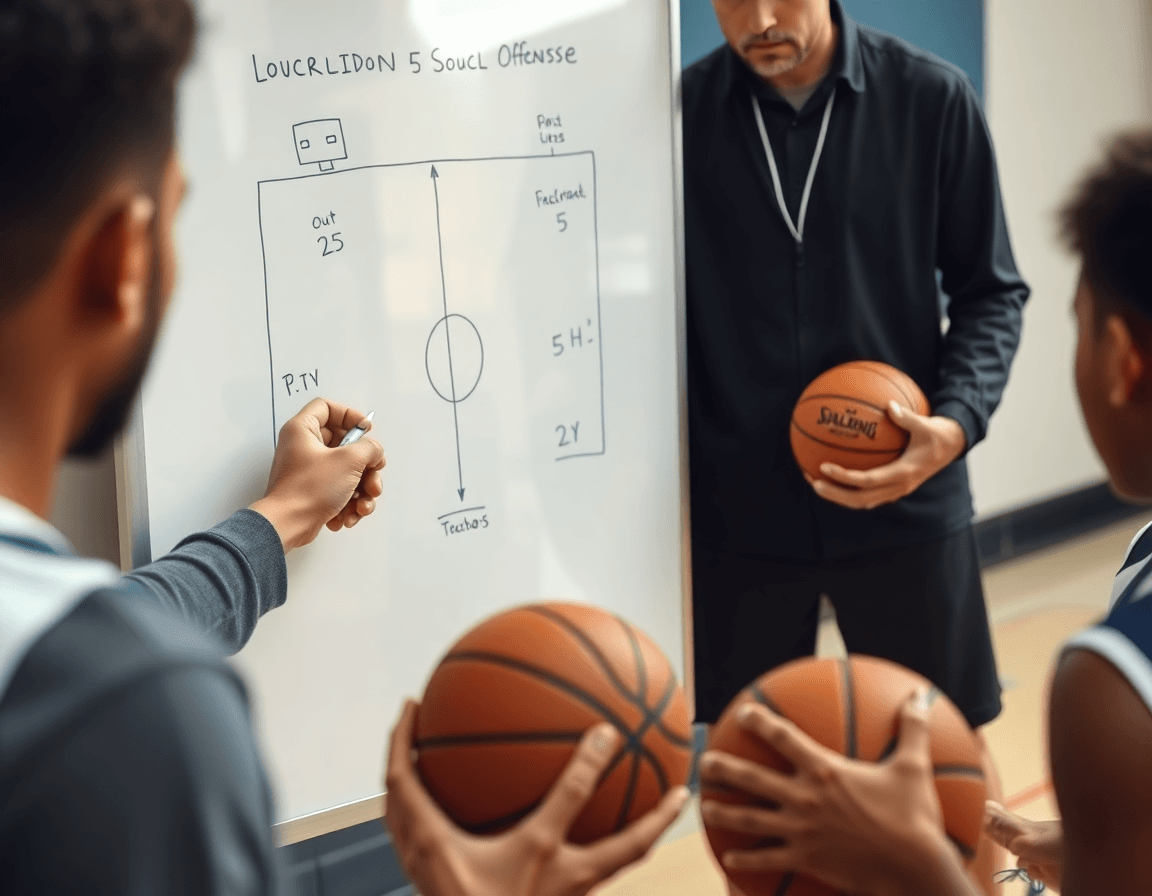
Installing a reliable 5-out motion offense for youth basketball starts with a tight weekly workflow. Build the plan in your Practice Plans library, map the drills to spacing—open post, pass-and-cut, and the screen actions—and then sketch the sequences on the whiteboard. When you connect what you drill to the on-court diagrams (BLOB/SLOB/ATO/PnR) and export a clean PDF for assistants, you set a shared language for the week.
During practice, record and clip key 5-out possessions. A quick drive-and-kick, a spacing misread, a sharp cut to the top of the lane—tag these clips and store them in labeled categories. Use video clips to highlight spacing, timing, and decision points, then pull a few into a compact review that teammates can study right after drills.
Create playlists of clips for players to study—spacing, cuts, and decision-making. A ready-made playlist, say “5-out Concepts,” becomes a pre-practice ritual: players watch a clip, you annotate the takeaway, they translate it to the floor the next rep. Shareable links let players study on the way to the gym.
Build simple scouting reports on opponents’ coverages to tailor 5-out actions. If an opponent walls the arc or overplays the line, emphasize backdoor timing or spacing shifts to open post and weak-side lanes. The scouting notes become a living guide for weekly adjustments.
Use clips to reinforce teaching points during film sessions and practice. A brief clip-led discussion after a drill cements teach points: where spacing broke down, what the read was, and what the next action should be.
A practical weekly workflow to install 5-out
A practical weekly workflow to install 5-out motion offense for youth basketball centers on tying your plan, on-court diagrams, and video feedback into one cohesive loop. In practice planning terms, you pull drills from the library of practice plans, sketch the spacing on the whiteboard, and map the week’s progression so every session builds toward the next.
Monday: Introduce or refresh the core spacing and the four progressions with drill reps. Start with the basics of spacing around the floor and the four ways players will operate—open post, pass and cut, dribble at, and read-and-react cuts. Use a short series of DRILL reps to lock in timing, then drop a quick clip of a clean 5-out sequence to reinforce expectations. This is where the weekly checklist begins, and you’re already tagging plays for later review.
Tuesday: Add screening actions and ball-screen reads with controlled 2-on-2 or 3-on-3 games. Bring in screen away and on-ball screen actions so players learn how to set up reads before the ball even moves. Create a 2-on-2 progression that forces decisions off pin-downs and staggered screens, then annotate the choices on the whiteboard as you go. Clip a few exchanges to build a video library you can reference in meetings.
Wednesday: Read-and-react sessions focusing on penetration, kick-outs, and decision-making. Let the defense dictate the pace and watch players choose between driving, dishing, or kicking out to the open shooter. Use a short video clip to illustrate successful kick-outs and the follow-up decision on the next possession.
Thursday: Opponent scouting and adjustments; practice with simulated defensive looks. Build a scouting note for a hypothetical rival and practice adjustments—switching gaps, spacing shifts, and targeted attached actions. The goal is to translate scouting into on-court timing and decision-making.
Friday: Full-speed reps and a short scrimmage to apply what was learned that week. End with a quick, high-tempo session that tests spacing, reads, and ball movement under pressure. Tie the day to the week’s checklists and prepare quick video playlists for players to review over the weekend.
Common pitfalls and adjustments against defenses
Common pitfalls in a 5-out motion offense show up when spacing collapses or players chase the ball instead of reading angles. In my weekly plan, I lock in drill progressions that reinforce spacing and timing, store them in the practice plan library, and rehearse them until reads become second nature. On the whiteboard, I map the 5-out positions, show where cutters slip, and compare the plan to clips from the last session to tighten the spacing.
Against zone defenses, keep movement and spacing tight to preserve attacking angles and ball reversals. If players over-move, timing collapses and shots stall. I pull a quick drill sequence from the plan: attack a gap with a drive, then whip the ball to the opposite wing for a look at penetration and kick. We clip and organize those moments to show players how to exploit the zone without breaking rhythm.
Against man defenses, the goal is to stay patient and keep the ball in motion, creating drive-and-kick opportunities and keeping defenders guessing. If the help comes, use an open post option to occupy the rim and create space for the shooter, or lean on a quick pass and cut to keep eyes on the ball. Our scouting notes flag teams that hedge hard or switch prematurely, so we tailor the reads each week and tag clips that show clean drive-and-kick sequences.
Rebound priorities and transition timing matter as soon as the ball is reversed. Emphasize sprinting back, securing the board, and pushing the early break to convert quick ball reversals into quick points. I build a short video playlist of clean transition sequences and couple it with a quick scouting note on the opponent's rim protection. If players see the flow clearly, the spacing and passing remain sharp.
If you build plans like this every week, CourtSensei keeps your drill library, whiteboard, and video clips in one place — try it free.
FAQ
What is the 5-out motion offense and how does it work in youth basketball?
Think of the 5-out motion offense as a perimeter-based, positionless approach where all five players are involved in cutting, passing, and spacing rather than posting up. It centers on continuous movement, ball reversals, and reading the defense to create open looks. It’s ideal for youth because it develops decision-making and keeps everyone engaged, not tied to a single post role. Key ideas: attack space, read helpers, and keep the ball moving.
How do you effectively teach the 5-out offense to youth players?
To teach it well, start with spacing and basic pass-and-cut drills, then add ball reversals and reads of helpers. Use whiteboard diagrams and short video clips to reinforce routes and reads. Build a simple weekly plan so assistants can run the same sequence. After sessions, clip standout moments for the playlist and keep the focus on decision-making, not perfect technique. The result is everyone touching the ball and learning to read defenders.
What should spacing look like in a 5-out offense for youth teams?
Spacing is the backbone. Place players on the perimeter around the NBA 3-point line with roughly 12-foot gaps to create driving lanes and kick-out options. Use the five spots (corners, wings, top) as a starter. Emphasize perimeter spacing so a single drive can still open a kick-out, and use quick reads to adjust when defenders collapse.
What are common 5-out actions and progressions (back cuts, screen away, etc.)?
Common 5-out actions include screen away to create room, on-ball screens to generate a decision, and backdoor cuts to punish overplay, plus the dribble-at read to threaten the defense. Teach the sequence in short reps, tie it to spacing, and clip standout moments for the player playlist. Emphasize timing and reads over fancy moves.
What are the advantages and disadvantages of using a 5-out offense for youth players?
Advantages include faster development for all players, better spacing, and decision-making under pressure. Disadvantages can be less post play, greater reliance on shooting, and spacing breakdown if communication slips. Use scouting notes to tailor the plan and blend with simpler inside looks when needed. The key is balance: teach concepts first, then add shooting and screen actions as their comfort grows.
How do you plan a week-by-week install of a 5-out offense for youth basketball?
Week-by-week install: Week 1 focuses on spacing and simple reversals; Week 2 adds screening actions and backdoor cuts; Week 3 introduces on-ball screens and dribble-at reads; Week 4 solidifies the rhythm with clips and adjustments. Maintain a video playlist, a whiteboard diagram, and a drill library. After each week, review what opened driving lanes and reinforce the read-after-reversal habit by pausing for reflection.