
Stack Offense in Basketball: A Weekly Plan for Coaches
Coach-focused guide to stack offense in basketball: plan weekly stack plays, master entry options, scout defenses, and use video playlists to improve.

Key takeaways
- Clarify the core stack offense reads, assign roles, and practice clear inbound options weekly.
- Link practice plans to game reads with short video clips and structured practice routines.
- Adapt entry choices (wing, dribble, post) based on personnel with updated scouting feedback.
- Use ball reversals and screens to keep options alive after each reset.
- Prepare against zone and pressure with a repeatable, inbound-friendly stack sequence every week.
What stack offense is and why coaches plan it weekly
Stack offense in basketball is a read-based framework where players line up in a vertical stack to create multiple reads and scoring paths off ball reversals, passes, and ball screens. This alignment forces defenses to choose who rotates where, opening options for cutters, shooters, or post entries. You’ll hear about variants like the 1-4 stack offense and the West Coast Stack Offense. As a coach, I map out who processes which reads on each stack entry and what the inbound options look like, so the offense can flow without confusion.
In the weekly plan, the stack isn’t a one-and-done concept. It becomes the spine of practice planning: install the core reads on day one, diagram PnR/SLOB/ATO actions on the whiteboard, then walk through the reads with short video clips for reinforcement. On the court, we use our structured practice plans to sequence drills that mirror stack reads and ball reversals, followed by a quick review in scouting notes to anticipate how opponents defend stack sets. After practice, a shareable playlist helps players reinforce the reads at home or in film rooms.
Choosing a variant comes down to personnel. If you’ve got wings who can shoot and a quick guard, the 1-4 stack offense can maximize spacing and multiple reads. With a bigger post presence and length, the West Coast Stack Offense often yields cleaner spacing and more post-up opportunities. Other implementation threads you’ll encounter include the wing entry stack offense, the dribble entry stack offense, and the post entry stack offense, all built around clear rules like stack entries, ball reversal, and inbound options. And when we need to slow the defense, we lean into “screen the screener” sequences to re-create space for the next read.
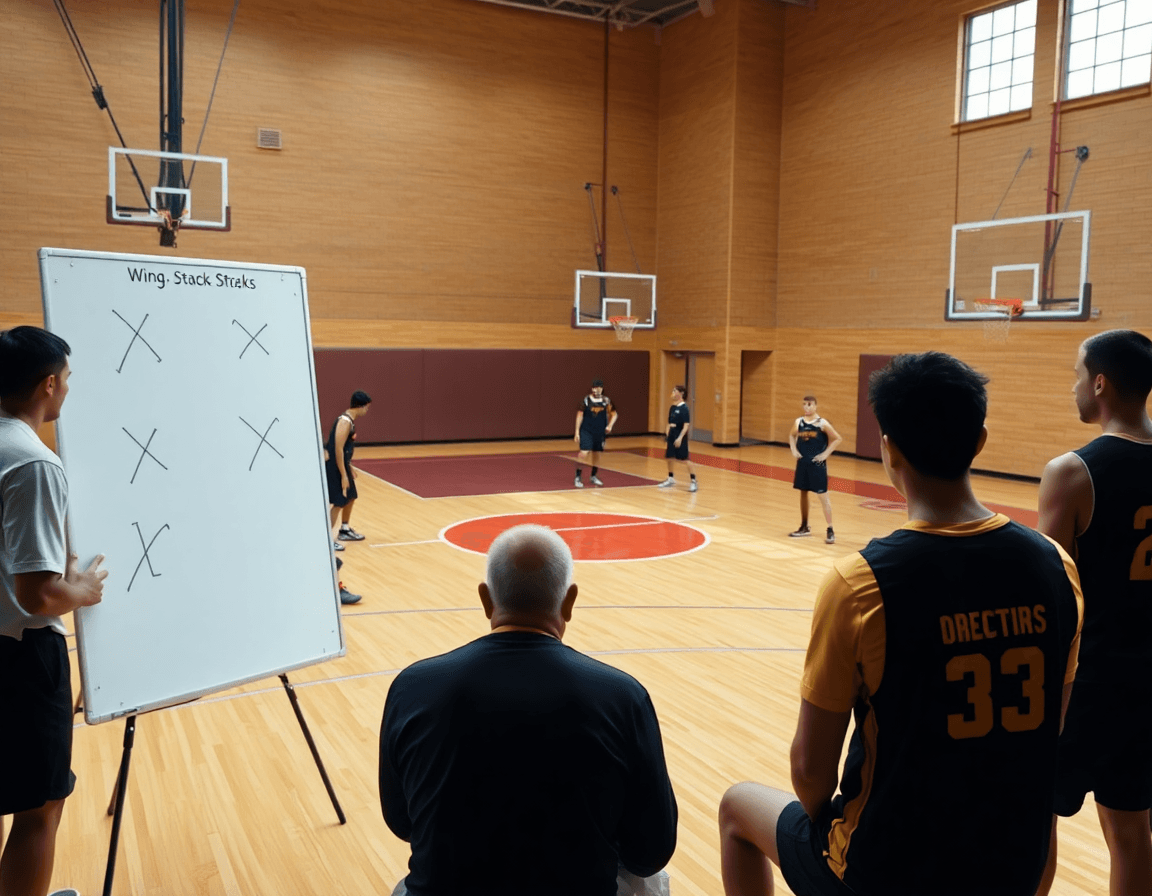
Entry options and alignment: wing, dribble, and post entries
At the start of the week, I map three entry options for the stack: wing entry stack offense, dribble entry stack offense, post entry stack offense. Each begins with a clean initial alignment: wings on the weak-side, the guard at the top, the post inside opposite the ball. In our structured practice plans, we block time for each entry and the reads that flow from them. The whiteboard becomes the week’s playbook—diagramming PnR/Blob/SLOB actions and the inbound sequence so assistants see the same path. After practice, I export the diagrams to PDF and drop them into the library for review.
Defensive looks drive how we align the stack. Wing entries adapt to pressure, dribble entries respond to aggressive help, and post entries hinge on size and help rotations. Our scouting reports guide these choices, noting tendencies like how a guard-heavy team defends the inbound or where a big lineup overhelps. We attach short video clips to illustrate the exact reads, tagging each clip under wing entry stack offense, dribble entry stack offense, and post entry stack offense. Players watch these on shareable playlists before the next session to keep language consistent.
West Coast variants come into play when spacing and quick ball movement matter. We lean on the West Coast Stack Offense concept, mixing entries to exploit strengths—fast guard reads, big screens, or a rim runner. For these weeks, tweaks focus on streamlining the inbound into the stack and giving wings more sprint options off the catch, reinforced through the weekly workflow.

Creating options: reads, screens, and ball reversals
Within a stack offense in basketball, you generate quick-hitting options by combining reads, screens, and ball reversals. In the weekly plan, I map these reads for each position and tag the best ball reversals to keep the defense guessing. On the whiteboard, we separate options near the rim from those on the perimeter, so if a defender disrupts one read, another is already in motion. This approach anchors the practice plan and the film work we’ll use this week.
Key screen sequences unlock space: pin down, Spain screen, backcuts, and ball reversals. We diagram these on the tactical board, then run them with the screener setting the tone and the ball handler timing the cut. We label the reads that follow each action so players understand the thread even when a defender overguesses. Mentioning the Spain screen stack offense and the pin down helps the crew remember the built-in misdirections that keep options alive.
Hard cuts are essential to conceal planned shooters and to prevent defenders from reading the sequence too early. We drill cuts off the ball, then counter with a quick ball reversal to reallocate attention and force late rotations. The goal is continuous, multiple reads in one trip—one action builds the next, and each thread remains live in the mind of the offense. Our scouting notes help identify defenses that overplay the edge and steer the team toward the appropriate stack sequence.
After a ball reversal, we reset angles and hunt new scoring opportunities—from wing-entry stack offense to a post-entry stack offense. We tag these scenarios in video clips and assemble shareable playlists so players can study the reads outside of practice. Scouting reports shape the week’s plan, helping you decide which stack option to deploy against a given defender look.
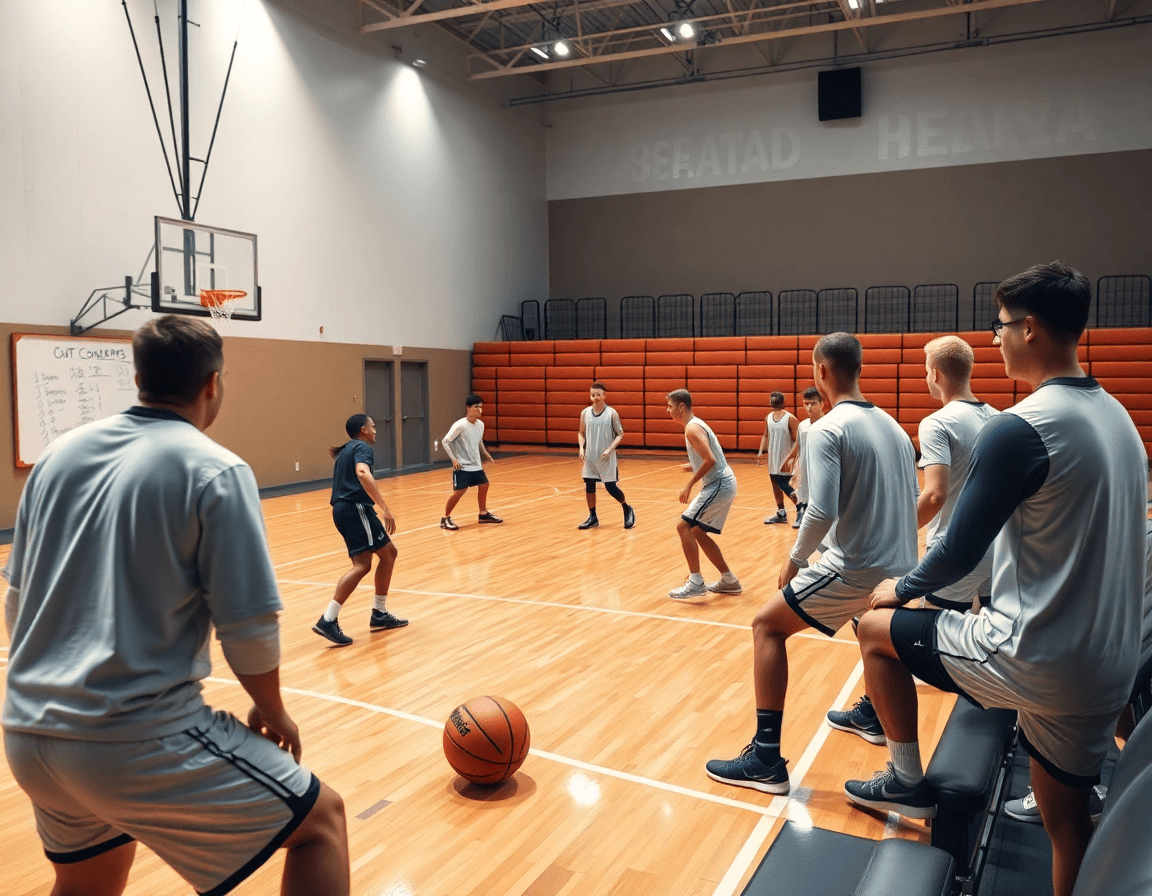
Defensive counters and adaptation: facing zone and pressure
Facing zone and pressure defenses changes the tempo of a week, but the Stack Offense in Basketball framework gives you actionable handles. In my weekly plan, I start with a zone-focused installment on the practice plans, then translate the reads into the whiteboard diagrams for PnR/SLOB actions. We chart which stack reads beat different zone gaps, use a 1-4 High Offense alignment as a reference, and how to run a wing entry or dribble entry stack offense when the defense overreacts to the ball. The goal is to build a repeatable sequence players can trust, not a one-off trick.
Against length and pass denial, we tighten spacing and emphasize quick ball reversals. I lean on the workflow: a short video clip showing how a stack reads a hedge or a denial, then a live drill focusing on timing and decision-making. We label options on the whiteboard—where to swing, where to slip, where to cut—so players feel comfortable with the decision tree even when the defense is pressing. The emphasis is on forces like deny-to-early-entry passes and running the stack reads with both man and zone looks.
To knit this with broader schemes, I align stack reads with common defensive pillars: man, zone, and the press. Our scouting notes flag tendencies like how a team rotates to a post entry stack offense or how they defend a screen the screener motion. I store these observations in scouting reports and tag corresponding plays as scout plays, so the next game you can pull up a plan that meshes with their tendencies and our stack concepts.
Finally, I reinforce the approach in practice through shareable playlists. Short video clips, annotated PDFs, and quick PDFs of zone misreads get fed to players so they can study on their own time. This is the rhythm that makes “zone offense against stack” feel like second nature—consistent, coached, repeatable.
Practical weekly workflow to implement stack offense
Coaches plan weekly, but a reliable workflow for a stack offense emerges when you embed it into your cadence. CourtSensei anchors the cycle in five pillars: structured practice plans, a whiteboard for diagramming PnR/SLOB/BLOB actions, video clips to tag and share stack reads, scouting reports, and shareable playlists. This section outlines a practical weekly workflow for stack offense in basketball.
Day-by-day plan: Start with a plan and diagram on the whiteboard, sketching the stack entries (1-4 stack, wing entry, dribble entry) and the reads in sequence. Run targeted drills to ingrain entry options and reading patterns, then film a quick session and lock the clips for review. The goal is a clean, repeatable rhythm you can carry from Monday through Friday.
Create a stack-focused practice plan with entry work and reading sequences. Begin with entry development—wing, dribble, post—and then layer in reads that tell you where to slip, how to misdirect the defense, and when to screen the screener. Progress the sequence from isolated reps to controlled team reps, so the team builds confidence before live reps.
Build scouting notes on defenses you’ll face and export PDFs for staff. Note tendencies you expect to see against the stack—fronts, drop schemes, and where help arrives. A concise PDF checklist keeps coaches aligned on assignments, rotations, and a plan to counter with the stack reads.
Generate and share playlists of stack clips for players to study. Short clips that demonstrate stack reads and reads off the inbound help reinforce learning after practice. Finish with a checklist for stack offense in weekly training to maintain consistency: spacing, entry timing, reads, and a quick film review before the next week begins.
Drills and practice prescriptions for stack plays
Drills to reinforce hard cuts, ball reversals, and reads off stack actions should anchor the weekly plan. We start with a simple shell: a stack at the high post, a guard entering from the wing, and a big stepping into the read. In the Practice Plan we lock in the progression—stationary prep, then live reads—while the Whiteboard diagrams the options from each entry. A quick Video Clip later reinforces timing and spacing.
As players master the entry, we push toward multi-option plays with reads. The target is the 1-4 stack offense in basketball, where a single entry can lead to several options depending on how the defense closes out. We script three reactions off each read: a quick reversal and drive, a kick to the wing for a shot, or a skip to the weak-side stack. Every variation gets a distinct note in the scouting report and a dedicated playlist for review.
Drills to practice specific sequences like pin-down entry with a shooter curling into the corner; Spain screen action with the guard reading the on-ball pressure; and staggered cuts that produce two clean lanes for either attack or reset. The emphasis is timing, spacing, and keeping the ball on the stack action.
Use video reviews to tighten execution. After each drill block, a short video review is added to the playlists for players to study. The coaching notes—captured in the scouting report—flag tendencies we expect from the upcoming opponent, so the team can anticipate defensive stacks and adjust reads on the fly.
If you build plans like this every week, CourtSensei keeps your drill library, whiteboard, and video clips in one place — try it free.
FAQ
What is stack offense in basketball, and why do coaches plan it weekly?
Stack offense in basketball is a read-based framework where players line up in a vertical stack to create multiple reads and scoring paths off ball reversals, passes, and ball screens. It forces defenses to choose rotations, opening options for cutters, shooters, or post entries. Variants like the 1-4 stack offense and the West Coast Stack Offense pop up. As coaches, we map reads, inbound options, and weave it into a weekly practice plan.
How do you run a stack play in basketball?
Running a stack play starts with a clean alignment: wings on the weak side, a guard at the top, and the post opposite. From there you execute a ball reversal and work the stack reads off the entry. Use wing, dribble, or post entry options, then label each read with simple inbound actions and quick film reinforcement so players stay in sync.
What are the entry options for West Coast Stack Offense?
The Wing, Dribble, and Post entries form the core entry options for the West Coast stack. Each starts with the same stack spine but adapts to pressure, help, and size. The West Coast Stack Offense emphasizes spacing, quick ball movement, and clean inbound sequences, so you can mix entry options while keeping a clear thread for players.
What is 1-4 Stack Offense, and when does it fit a team?
The 1-4 stack offense places shooters on the wings with a guard at the top and a lengthier post opposite. It creates maximum spacing and multiple reads when your roster includes reliable shooters and a quick two-guard style, or when you need space to drive and skip passes. Use it to exploit bigs who overhelp and to lift off-ball movement.
How does stack offense create shooting opportunities?
Stack reads combine with screens and ball reversals to open wing and corner looks. Pin downs, Spain screens, and backcuts reallocate attention while the screener sets the tone. Hard cuts keep reads alive, and a rapid reversal re-threads options after every action. Tag each read and keep clips ready so players study the timing and keep options flowing.
Can stack offense work against zone defenses, and how do you adapt?
Yes, stack can attack zone defenses, but you must keep spacing and movement crisp. Start with a zone-focused install, map which reads beat gaps, and reference a 1-4 High Offense alignment. Mix wing and dribble entries and tighten spacing to survive ball reversals. The aim is a repeatable sequence teammates trust and defenders struggle to rebalance.