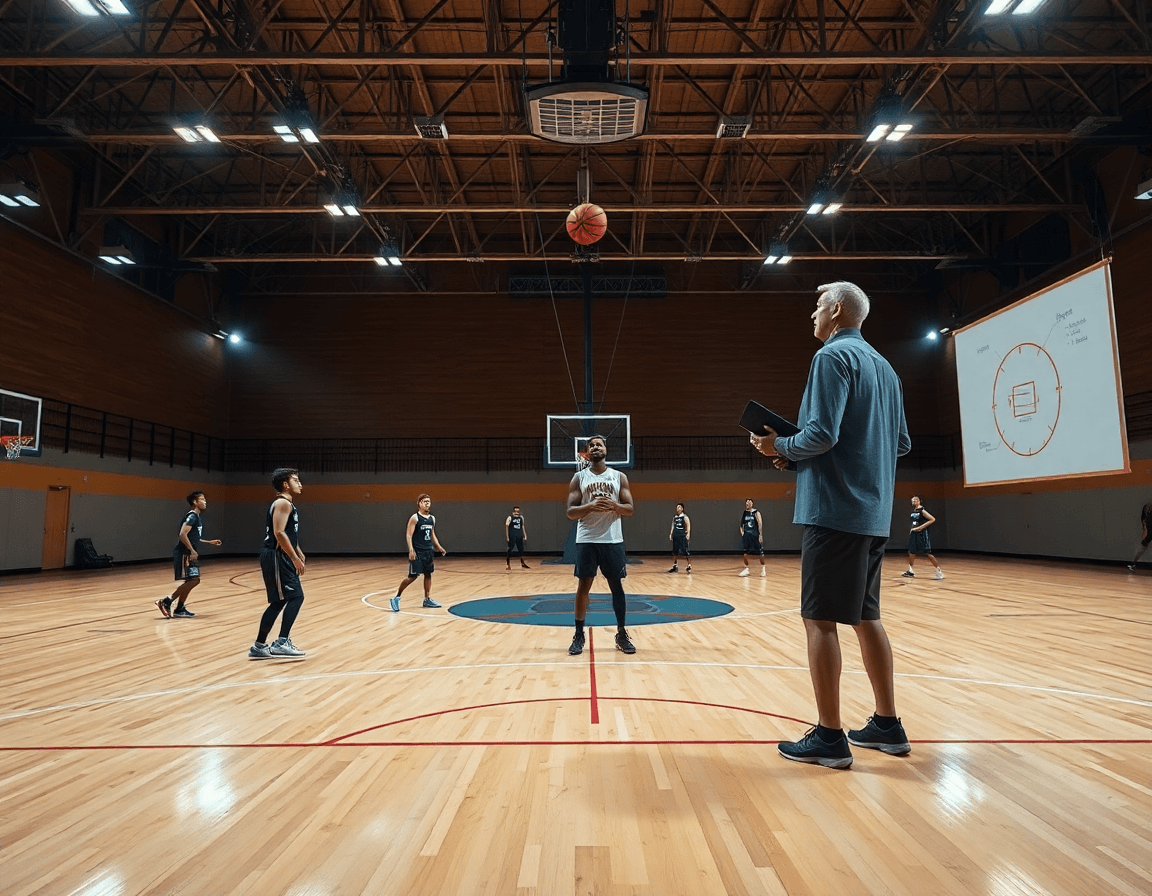
Mastering High Pick and Roll: A Weekly Coach’s Plan
Coaching weekly workflow to teach high pick and roll, using practice plans, whiteboard diagrams, video clips, and scouting reports to prep your team today.

Key takeaways
- Establish a weekly High Pick-and-Roll workflow with templates, whiteboard diagrams, and video to align reads.
- Teach a simple cue progression: Sprint, Set and Separate, then controlled reps before pace.
- Build reads against common coverages (drop, switch, hedge, blitz) with decision-tree drills.
- Stress spacing by keeping wings wide and guard above break to preserve options.
- Create a weekly counter plan: plan, board, video, scouting notes to adapt.
What is the High Pick and Roll and why it belongs in your weekly plan
A clear starting point is this: the high pick-and-roll is a ball screen action with a big at or above the three-point line. The set creates a decision point right at the point of the screen, forcing the defense to react and the offense to read. For a coach, that means a repeatable model we can drop into our weekly plan and drill with consistency.
The core of it lives in the ball handler reads. As the screen comes, the guard scans the equity of the help—drive, shoot, or swing. If the hedge is soft, you might attack the gap for a mid-range pull-up. If the helper shows early, you skip to the corner or hammer a skip pass to the weak side. When the defender hedges aggressively, the screener’s pop or roll becomes the immediate weapon. This is where your practice plans route through decision trees rather than one-size-fits-all moves.
Effective spacing concepts matter just as much as the screen itself. We want driving lanes and open kick-outs without collapsing the defense into the paint. That often means keeping wings wide, the point guard above the break, and the screener’s space managed so the ball handler has options after the screen. The right alignment stretches help, weak-side shooters, and bigs who can roll or slip depending on coverage.
Beyond scoring, the action boosts screen assists and team-wide spacing impact. It changes how the defense must rotate and where your teammates stand for weak-side exploits. That’s why this is a staple in a weekly plan for teams from HS to semi-pro—the high pick-and-roll scales with personnel, and it translates into a disciplined workflow: plan templates, a whiteboard for diagrams, and well-organized video that highlights reads, options, and coverage.
Teaching progression: from basics to advanced reads
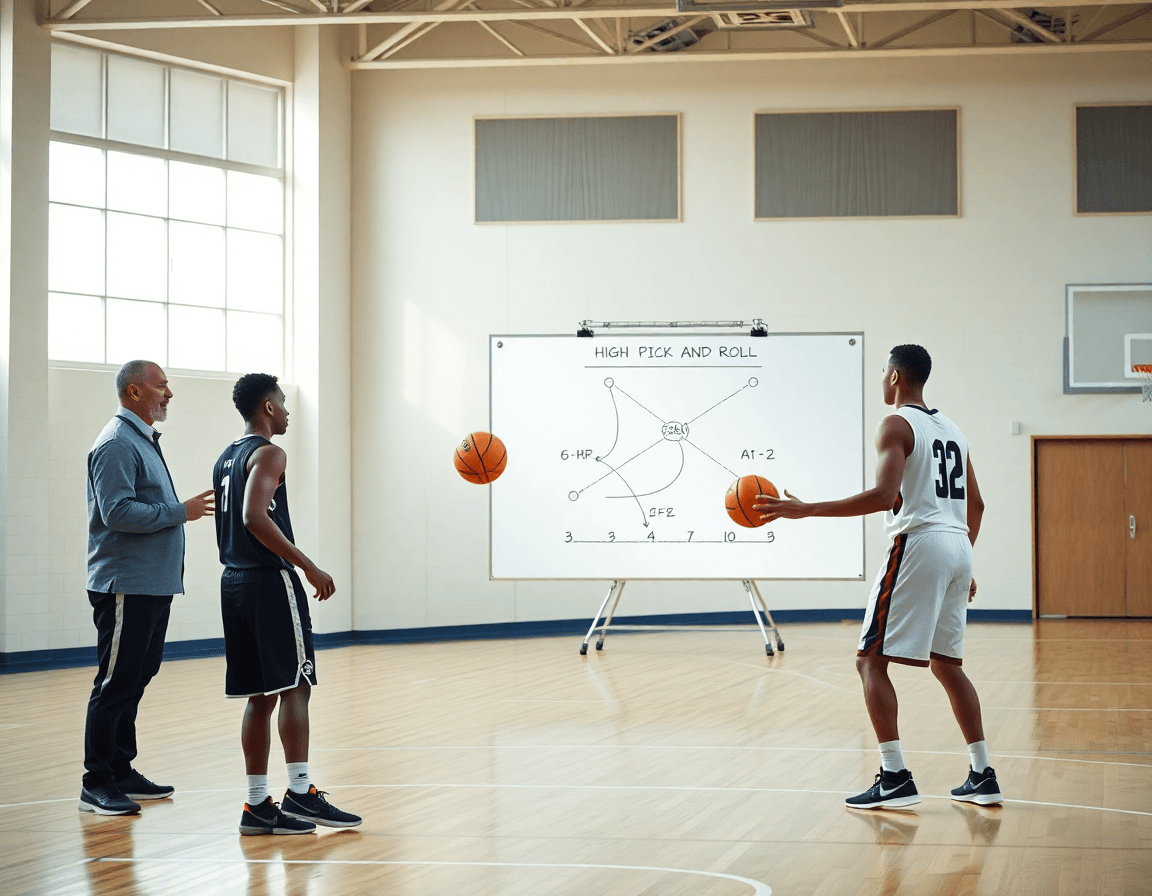
As a coach, I frame the high pick-and-roll with purpose, aligning it to our weekly workflow. Teaching cue progression: Sprint, Set and Separate. The ball handler accelerates into the screen, the screener plants a firm body, and both eyes stay on the defense for clues. In our plan templates, I lock in a short shell drill and a few controlled reps before we crank up pace. On the whiteboard, I diagram the high ball screen from the defender’s angle and label the common variations we’ll face—BLOB, SLOB, ATO, and PnR—so the staff is speaking the same language. A quick video clip after practice confirms we’re teaching the same rhythm.
Next comes the progression steps: basic screen, timing, reads (roll, pop, slip). We coach the ball handler to set up a standard read against our go-to defenses: hedge, hard show, and drop. The drill starts slow, then we increase tempo as the timing clicks; when that happens, the reads become decisions: roll to the rim, pop for the shooter, or slip if the defense overplays. Ball handler setup includes stance, ball protection, and eye discipline; spacing stays tight enough to keep options alive and decisions clean.
Screener responsibilities: decide ball handler reads and maintain spacing, choosing to roll, pop, or slip based on the help defense; keep the floor sculpted so the ball handler can read the defense and react. In practice we stage controlled reps with a defender presenting multiple looks, then review clips to highlight decision points. The goal is a repeatable rhythm that slots into the weekly workflow: plan, board, video, and scouting notes shaping how we teach high pick-and-roll each week.
Defending counters and how to attack them
Defensive coverages (drop, switch, hedge, blitz) change the geometry of your high ball screen and shape every read for the ball handler. A true drop protects the rim, but it can invite a slip or a quick pop to the jumper if the big is slow to recover. Switch forces a live-ball matchup, so your screener has to be ready for a guard on the ball and a wing in space. Hedge gives the big time to recover and can leave shooters open on the weak side. Blitz traps you early, turning every pass into a scramble. Each option shifts the spacing and the timing of your reads, so your plan must map out how to attack the counter before the ball is inbounded.
Reads for the ball handler against each coverage guide the next move. Against drop, the emphasis is on space and timing: look for a quick slip to the basket if the big undercuts, or pop for a jumper when the helper overplays the screen. Against switch, attack the smaller defender with decisive ball handling, then use the screen and roll to force help and create a kick-out opportunity. Against hedge, read the cover man’s angle off the screen and either drive, or slip back to the paint and then pop if the big stays with you. Against blitz, poise the ball, swing it to a shooter, and direct the attack into the counter pass to keep the defense off-balance. The core options—slip to the basket, pop for jumpers, kick-out passes—should be rehearsed so players know when to pull the trigger within the flow of the play.
Adjustments for personnel and game flow matter. If you have a ready shooter, you lean into the pop and the kick-out; if your big wields rim protection, you lean on slips and quick reads to keep the defense honest. In a slower, disciplined game, emphasize patient spacing and early decision-making to maximize the counter options and keep the offense ahead of the defense. This is where the weekly plan, the whiteboard diagrams, and the video clips come together to teach the exact triggers for your team.
Variations and reads: roll, pop, slip; spacing and decision making
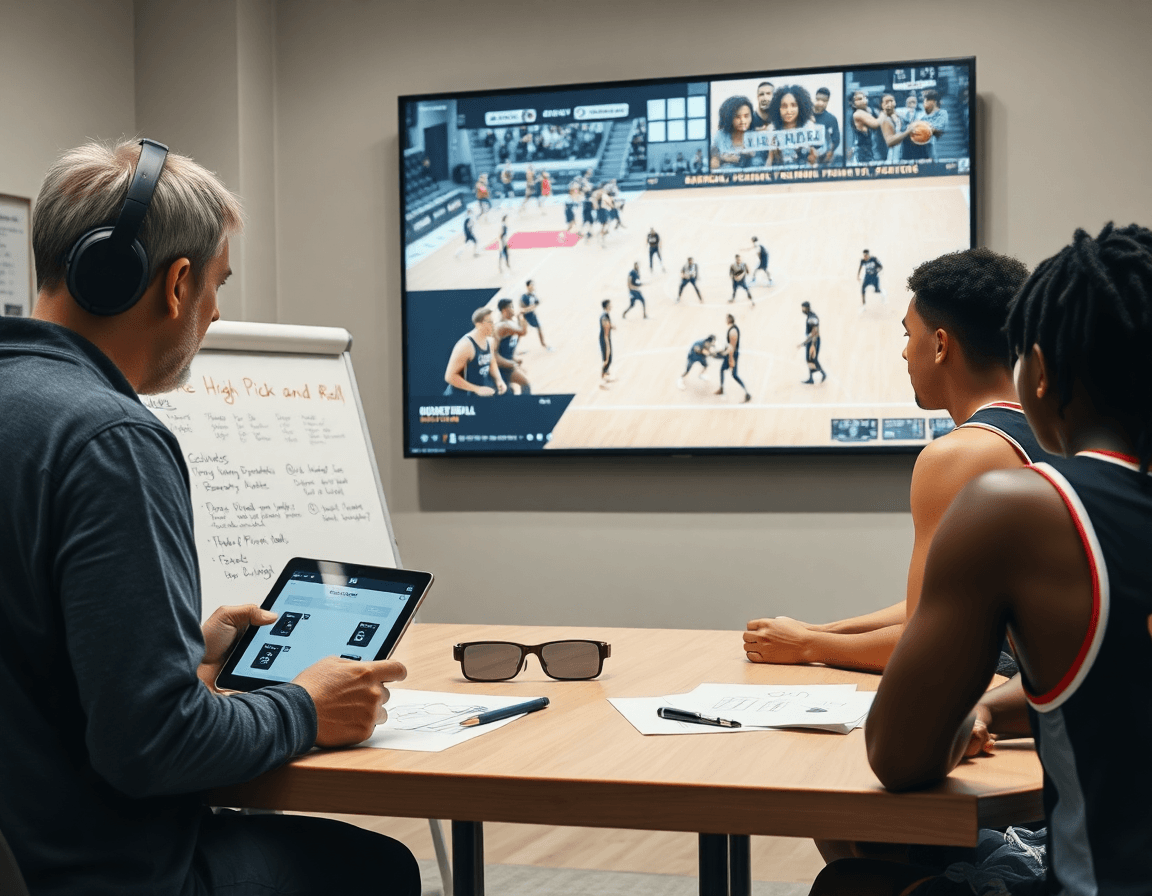
In the weekly plan, we dedicate a block to high pick and roll variations—the kind of decision trees that keep our offense adaptive. On the plan, I sketch the core reads for each option (roll, pop, slip) and map them to the whiteboard diagrams we’ll run in practice. We build a quick video clip library around each variation, so the staff can cue up a specific read during film review. The goal is to connect the plan, the diagram, and the clip so a young shooter or big can see exactly what to do when the ball handler runs a high ball screen.
Roll first. When the screener rolls hard to the rim, we’re banking on rim pressure and the weak-side spacing keeping the defense honest. If help defense collapses, the ball handler has a clean hit pass or can drop it to the screener for a layup. In our practice tempo, we simulate hedges and recoveries, then push to a quick finish at the rim. This is where our plan’s labeling—roll read, roll-to-pass—keeps the decision fresh in the game. We keep a short video clip of a successful roll and a back-side outlet for quick reference.
Pop and slip come next. A pop is about space creation: the shooter pops to the 3-point line to threaten a catch-and-shoot or to punish a closeout. A slip, by contrast, is your counter when the defender overplays the screen; the screener slips to the paint for a quick score or a kick-out to the weak side. The choice hinges on spacing: 3-out creates room for the drive and kick, while 4-out balances the weak side and opens up the screener’s read. Core reads stay consistent—shoot, pass to the screener, or punish the help—but the spacing tells you which read will come first. We label each scenario in the scouting notes and tag the corresponding clip in the video library for quick teaching moments.
Practical weekly workflow: planning, practice, film, scouting
Plan your High PNR week into a tight, coach-friendly blueprint. Draft a focused High PNR week in your practice plan and delegate tasks to assistants so everyone knows what to own. In a typical cycle: install reads on Monday, run targeted reps for the ball handler and screener, work on the screen and roll options, and finish with a 5-on-5 emphasis session. This is the backbone of your weekly workflow and practice plans—clear, repeatable steps that keep everyone aligned.
On the court, the whiteboard becomes your playbook for PNR flows (BLOB/SLOB/ATO/PnR). Map actions from the ball handler and screener through the screen and roll, with reads at each decision point. A concise ATO diagram helps practice spacing after the screen and keeps coaching consistent in drills and live reps.
Curate and reuse video clips to reinforce reads and decisions. Break film into short snippets showing how the ball handler makes the read off the screen, how the screener can slip or pop, and where spacing opens options. Use these clips to fuel quick, focused coaching moments during the week.
Build opponent scouting reports centered on PNR tendencies and counters. Note how the opponent defends high ball screens—hedge, drop, switch—and where their spacing gaps appear. Pair a couple of counter plays with your plan so players anticipate cues and react with confidence.
Create and distribute playlists for players to study clips remotely. Turn the week’s clips into shareable playlists so players can review reads outside practice—watch the high ball screen from different angles, study ball handler options, and understand how the screener’s roll impacts spacing.
Drills and sample progression you can implement this week
Here’s a practical week-one progression for high pick and roll that keeps your coaching clean and consistent. Start with starter drills for handler-screener timing and decision-making to establish the baseline. In your plan templates, dedicate 15-20 minutes to screening drills that challenge the ball handler under pressure and force swift reads. Use the whiteboard to diagram PNR patterns (BLOB/SLOB/ATO/PnR) you want players to recognize in live reps.
Next, scale up with a 2-on-2 to 5-on-5 progression that builds intentional reads into every rep. Start with two players handling the ball and one screener, then expand to full 5-on-5 with spacing and late-game decision windows. The goal is to translate those reads into real-time action on the floor.
Drill examples you can run this week include quick-hitter PNR to test timing, move-and-attack to punish over-commitment, and read-and-react sequences that force the ball handler to choose between pop, roll, or slip. Emphasize spacing and the screener’s options at each read.
Use video clips to reinforce drill decisions and outcomes. After every rep, pull a short clip showing the decision path: did the handler read the defender’s hedge and trigger the pass or drive? Show teams the contrast between a successful PNR read and a rushed misread, tying film to your drill decisions.
Finally, arrange your week to leverage these elements in the flow: plan templates outline the drill queue, the whiteboard anchors the diagrams, and shareable playlists circulate the best clips to players. This loop keeps every coach and player aligned on the path from screening to the PNR finish.
If you build plans like this every week, CourtSensei keeps your drill library, whiteboard, and video clips in one place — try it free.
FAQ
What is the high pick-and-roll and why should it be in your weekly plan?
The high pick-and-roll is a ball screen where the screener is near the top, around the three-point line. It creates an immediate decision point for the ball handler and a repeatable drill pattern you can weave into your weekly plan. The core is steady ball handler reads and crisp spacing concepts that keep driving lanes and kick options alive after the screen. Build it with plan templates, diagrams, and video feedback.
What advantages does the high pick-and-roll offer?
The high pick-and-roll creates a forced decision point that forces the defense to react, often collapsing the help and opening lanes for the ball handler. It offers multiple attack options - drive, pop for a jumper, or slip for a lay. It also boosts spacing by pulling defenders out, so shooters have space on the weak side and the screener can roll or slip without crowding the paint.
How should defenses counter the high pick-and-roll, and what counters should you train to beat it?
Defenses counter with drop and switch, hedge, or blitz. Train reads for the ball handler against each: against drop, emphasize space and quick slips; against switch, attack the smaller defender and use the screen-and-roll to force help; against hedge, read the recover and either drive or slip back; against blitz, reverse passes to keep the defense off-balance. Build drills that map counters to triggers in your weekly plan.
What reads should a ball handler use coming off the ball screen?
The ball handler reads the defense as the screen arrives: hedge angle, help depth, and recover speed. If the helper stays, you can attack the gap or swing to the screener. If the big aggressively drops, slip or pop becomes the best response. Against over-plays, use timing - drives on the catch, precise passes, and accurate spacing to keep options open.
What are common variations of the high pick-and-roll and how should you space for them?
The main variations are roll, pop, and slip. For a roll, the screener stays attached and finishes at the rim. For a pop, the screener pops for an open jumper on the perimeter. A slip uses quick interior movement when the defense overplays. Effective spacing keeps wings wide and the ball handler above the break, creating kick-out lanes and post-options after the screen. Build a short video library of reads for each.
Who should use the high pick-and-roll, and who should avoid it?
Teams with a good passer at the point, a big who can roll or pop, and shooters on the weak side benefit most from the high pick-and-roll. It suits balanced lineups and pace-based teams. Those lacking shooting, or with mismatched defenders at the top, should avoid forcing it. Always align with your personnel and your weekly plan.