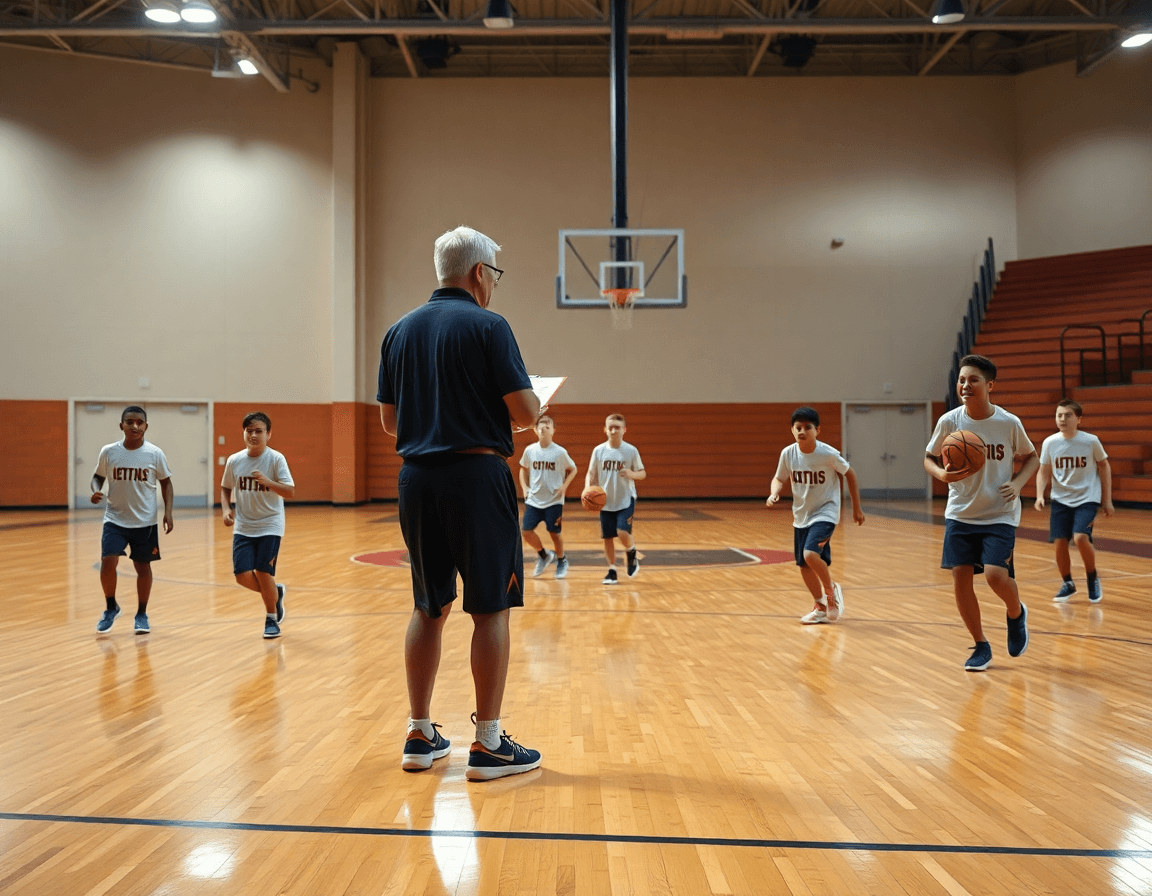
Youth Basketball Motion Offense Drills
Coach-focused guide to teaching youth motion offense drills: plan progressive drills, emphasize spacing and reads, and use video and a drills library.

Key takeaways
- Lock in a 5-out spacing foundation to maximize driving lanes and clean decisions.
- Build a drill library focused on spacing, passes, and cut timing; export PDFs for staff notes.
- Pair drills with on-court cues like attack space and 'read the helper' for quick internalization.
- Plan a four-week install: foundation, reads, actions, then game-like reps; keep it repeatable.
- Create a motion offense video library with reads, actions, and cue cards for staff.
Motion offense principles for youth teams
Begin with a simple 5-out foundation to maximize spacing and driving lanes. For youth teams, the goal is clean decisions over complex schemes. In your weekly workflow, lock spacing in as the backbone: keep ball reversals alive, emphasize passes to widening seams, and curtail dribble-drives to reduce congestion. In CourtSensei, plan drills around 5-out entries, build a drill library focused on spacing, passing and cut timing, and export a PDF summary to share with assistants.
The core reads stay straightforward: attack space, read helpers, then reverse for open shots. Use CourtSensei to draw and animate actions that illustrate where reads occur in each drill, attach these to your playbook, and create a reference PDF of the action for staff notes. Pair each drill with a quick on-court cue—“attack space” and “read the helper”—so players can internalize the sequence during a session.
Teach spacing and timing to prevent congestion and improve decision-making. In the weekly plan, group related drills into small progressions: spacing, timing of passes, ball reversals, and a simple screen away or screen down that supports moving the defense. Build a cohesive workflow by organizing a focused playlist of clips and scouting notes, so assistants and staff can quickly review what’s working and adjust on the fly.
Picture a mid-week session where a 5-out sequence unfolds: point guard hits the wing, the ball reverses, skip pass to the corner, and a read/drive opens a shot. Clip that drill, upload the short video clip into a dedicated playlist, and reference the scouting material in your coaching workspace to prep for the next practice. This keeps the motion offense install integrated into the weekly rhythm, with clear coaching cues and accessible references.
Practical weekly workflow for installing motion offense
To make a motion offense install practical, map a four-week plan into your weekly workflow. Week 1 is foundation, Week 2 reads, Week 3 actions, Week 4 game-like reps. Plan drills, schedule practice blocks, and assign clips for review. In CourtSensei, you build a library of drills and keep everything in a single coaching workspace: link drills, videos, PDFs, and notes. This keeps the install organized and repeatable for youth basketball programs, from high school to club.
Week 1 foundation: establish spacing with a 5-out motion, introduce basic pass-and-cut reads, and practice ball reversals. Plan two core drills, structure practice into 20-minute blocks, and assign clips for post-block review. Use the draw/animate tool to sketch the initial reads and save them as a reference in the playbook.
Week 2 reads: players learn which option to take as defenses push different gaps. Add reads off movement and counters, building a small library of clips that show reads in action. Attach PDFs with notes, and schedule a review block. In the workspace, link these reads to your drills so every staff member sees the same expectations.
Week 3 actions: turn reads into actions—pass and cut sequences, screen away, screen down, and ball reversals into synchronized cuts. Expand the drill library, draw/animate the action chains, and export PDFs for the team playbook. Upload fresh video clips and assemble a playlist for quick review.
Week 4 game-like reps and weekly review: simulate game tempo with controlled scrimmages, couple action chains, and real-time coaching cues. Review progress weekly and adjust the plan based on scouting feedback—note tendencies and tweak reads or actions accordingly. The coaching workspace ties drills, videos, PDFs, and scouting materials into one signal flow.
Drills library and progression to install motion
In the weekly coaching workflow, building a motion offense drills library is your anchor. Use CourtSensei to plan drills, assemble a progressive library, and connect actions to scouting notes—all inside the same coaching workspace. Think of it as a living playbook: you design the sequence, attach video clips, and export PDFs for staff room or gym wall review. This approach keeps your motion offense install organized and accessible, while you focus on coaching mechanics and game-day execution.
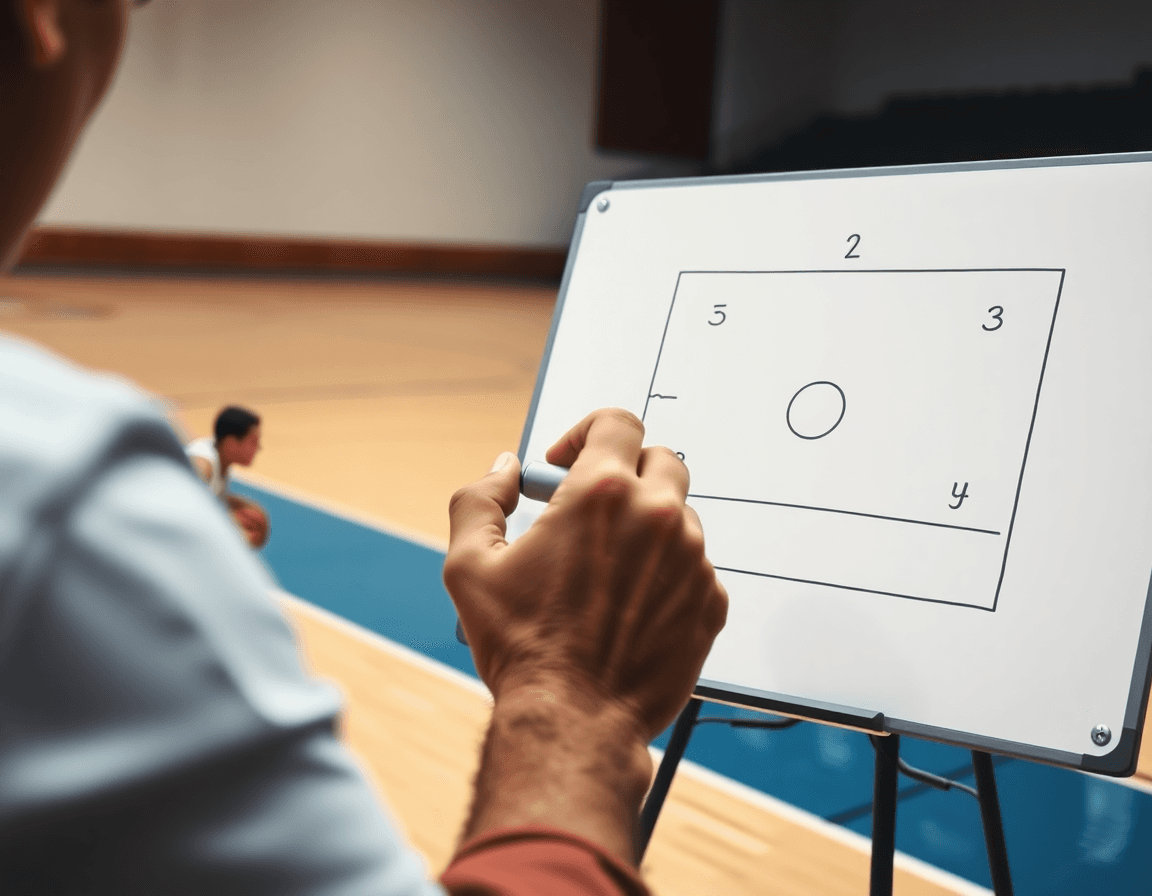
Phase 1 focuses on spacing and rapid ball reversals. Start with basic 5-out spacing and quick reversals to the weak side, emphasizing timing and decision speed. In the library, save a set of simple drills that reinforce proper spacing and fast ball movement. When you sketch these on the board, you can export a PDF, then attach a short clip from a practice to illustrate ideal ball reversals for your players. This sets the foundation for recognizing gaps and keeping defenders honest.
Phase 2 introduces pass-and-cut and simple reads. Add reads off the cut and patterns that direct the next action without overcomplicating reads. The drills library becomes a reference for coaches to show the read cues and to cue players to replace on the cut. Pair the drill plan with a short video clip and a cue card, so players learn the rhythm of passes, cuts, and reads before adding more complex actions.
Phase 3 adds actions like on-ball screens and dribble-at with spacing. Build a clean sequence: screen away, screen down, and a ball-handler who attacks with options. In your workspace, link each action to a corresponding clip, so you can replay the sequence in practice and adjust spacing in real time.
Phase 4 blends reads, actions, and live decision-making with defensive variations. Create game-like reps, then organize scouting notes and action trees into playlists. The result is a cohesive, repeatable progression for the youth motion offense, where a scalable drills progression becomes the backbone of your weekly plan, and the team learns to read and react together.
Using video and playlists to teach reads
To teach reads in youth basketball motion offense drills, assemble a motion offense video library of reads and actions—then build purposeful video playlists that demonstrate each read and action. In your weekly plan, include reads like spacing in a 5-out motion, ball reversals, and the pass-and-cut timing, with clear visuals for screen away and screen down. The goal is a quick, on-court reference you can pull up during practice, scouting, or meetings, all inside the coaching workspace.
Within each clip, attach precise coaching cues and timing in the clip annotations. For example, label the moment the ball reverses and a cutter reads the defense, so players know when to sprint into the next read. Clip annotations help you keep feedback tight and consistent across assistants, while highlighting where spacing or reads diverge from the plan.
Share video playlists with assistants and players via read-only links to gather feedback before practice. This setup supports a collaborative loop where the staff can confirm reads—like the next option off a ball reversal or the best timing for a screen away—before you implement it in drills.
Clip sequences and export them to PDF playbooks for distribution during meetings or pre-practice huddles. Keeping a portable reference ensures the new reads—5-out motion, pass and cut options, ball reversals, and spacing—are reinforced across the week, helping the team move through the motion offense install with clarity and consistency.
Common actions and teaching progressions (5-out)
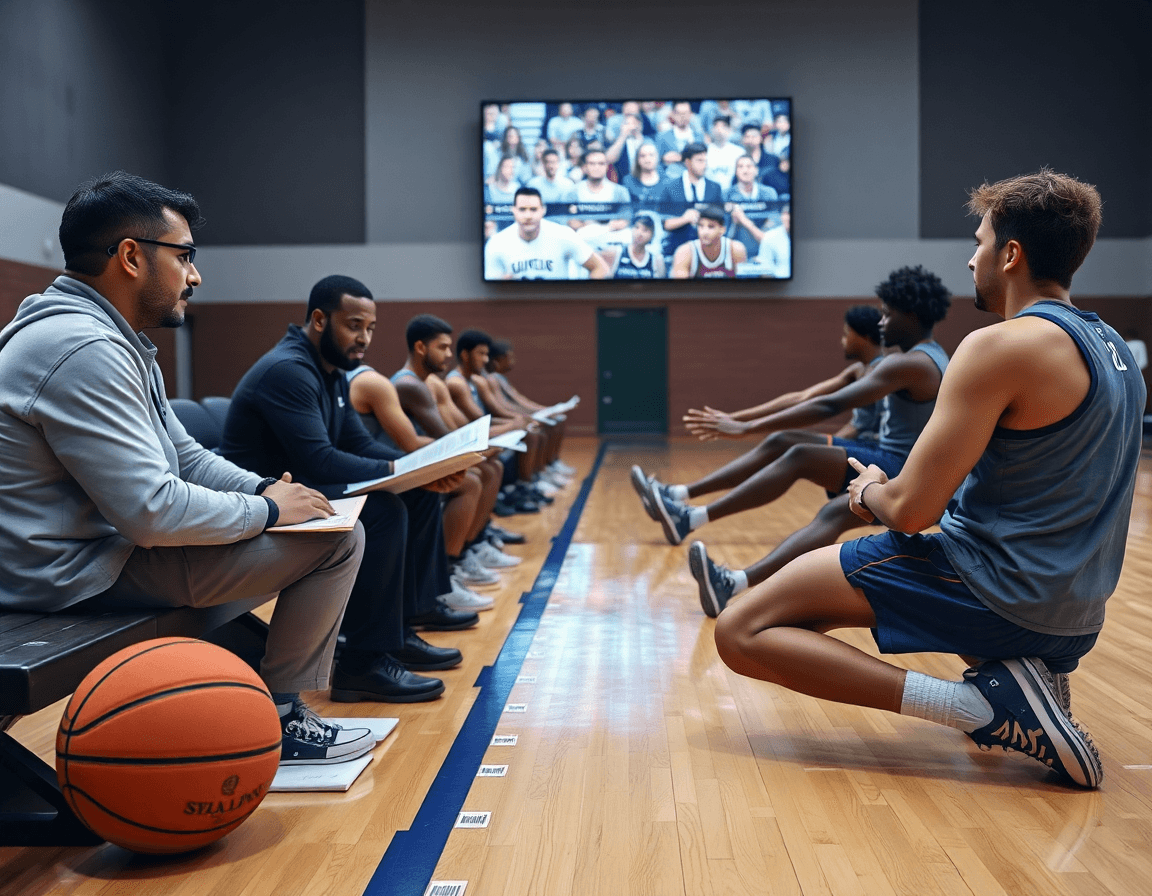
Common actions in a 5-out motion offense provide the foundation for smart spacing and reliable ball movement. Focus on the five actions: pass-and-cut, screen away, screen down, on-ball screen, and dribble-at. Each action creates a unique gap that feeds the offense and angles the reads, a core part of gap creation.
Teaching sequencing means you lead with the ball moving first, then players sprint into their next reads. In this context, a solid motion offense relies on spacing, with cutters and swing players timing cuts off passes. Progressions start with stationary reads and simple passes, then add live defense and tempo to simulate game pace.
Within your weekly plan, you build a library of drills for the 5-out actions, then use the board to draw and animate actions—helping players visualize reads. Export PDFs of plays for the staff, upload video clips, and assemble them into playlists so the group reviews the sequence on demand. All of this sits inside the coaching workspace alongside scouting materials.
On the floor, emphasize clean lanes and obvious passing angles to maintain spacing. Use cues like 'name the cutter, name the read' to reinforce the read after the pass. Short video clips after each drill help players connect the action to the tempo of the game.
Keep your weekly cycle tight: practice the actions, review clips, and update scouting materials to tailor to the opponent's tendencies. The end result is a repeatable, coach-friendly workflow that centers on 5-out actions, gap creation, and efficient ball movement.
Scouting and game prep for motion offense
In the weekly motion offense install, gathering opponent tendencies about how they defend space and reads is foundational. The coach tracks how defenses close out, who cheats to gaps, and where help comes on ball reversals and cuts. Those observations become concise scouting reports, with clear notes on spacing, reads, and which actions (pass-and-cut, 5-out motion, screen away) threaten their defensive cover. The aim is to reveal how space and discipline shape decision points in opponent schemes.
With those tendencies, plan adjustments to leverage spacing advantages and reads against specific defenses. For example, if a team overplays the ball reversal gap, script quick passes and timing on cuts to exploit openings. If they deny gaps on screen away, emphasize read-and-react options and ball movement to create windows. These motion offense adjustments integrate into the weekly drill plan and practice reps, not as a separate task.
Document game prep notes and scouting reports for staff review, attaching PDFs and video clips to the relevant sections of the playbook. Use shared workspaces to align practice plans with game strategy, so the next week's sessions rebalance drills around spacing and reads. The workflow keeps all data centralized—opponent tendencies, action libraries, and scouting material—so staff can reference it during prep and after games.
FAQ
What is a 5-out motion offense for youth basketball?
A 5-out motion offense for youth basketball is a spacing-based approach that keeps all players on the perimeter, creating driving lanes for passes, cuts, and ball reversals. The goal is clean decisions rather than complex schemes. Emphasize 5-out spacing, quick ball reversals, and ball movement to widen seams. In CourtSensei you can plan 5-out entries, build a drills library around spacing and cut timing, and export a PDF summary for staff notes.
How do you teach motion offense to youth players?
Start simple and build progressive habits. Emphasize strong spacing and fast ball reversals before adding complex reads. Use short progressions such as two on two or three on three to teach timing and decision speed, then add passes and cuts. Create a clear drills library around spacing, passing, and cut timing, and attach cue cards or PDFs for staff and players. Use simple cues like attack space and read the helper.
What are the core reads in a 5-out motion offense?
Core reads in a 5-out are straightforward: attack space, read the helper, and reverse the ball for an open shot. As defenses shift, players identify gaps quickly and choose the simplest option. Use your setup to diagram where reads occur in each drill, then attach those reads to the playbook for staff reference. Pair drills with quick on-court cues such as attack space and read the helper.
What spacing is recommended for 5-out in youth teams?
Spacing should keep wide lanes for driving and passing angles while avoiding congestion. Place players on the wings and corners with two to three steps between spots, ensuring easy ball reversals and open skip passes. Maintain consistent driving lanes to allow penetration and kick opportunities. Treat spacing as the install backbone to keep defenders honest and decisions clean.
What drills help teach motion offense (e.g., pass-and-cut, V-cut, give and go)?
Key drills include pass-and-cut, V-cut, give-and-go, and basic back cuts. Build a progressive drills library around spacing, passing timing, and cut timing, linking each drill to a clear read or action. Use sequences like reverse, cut, and fill to teach rhythm. Attach video clips and cue cards so players and staff rehearse the flow during practice.
How can video and scouting help install a 5-out motion offense?
Video and scouting help by exposing reads, actions, and timing to the staff. Create a video library of reads and actions, then build playlists for quick reviews. Attach PDFs with notes and link scouting findings to drills and sequences in your coaching workspace. This keeps staff aligned and speeds up the install during weekly practice cycles.