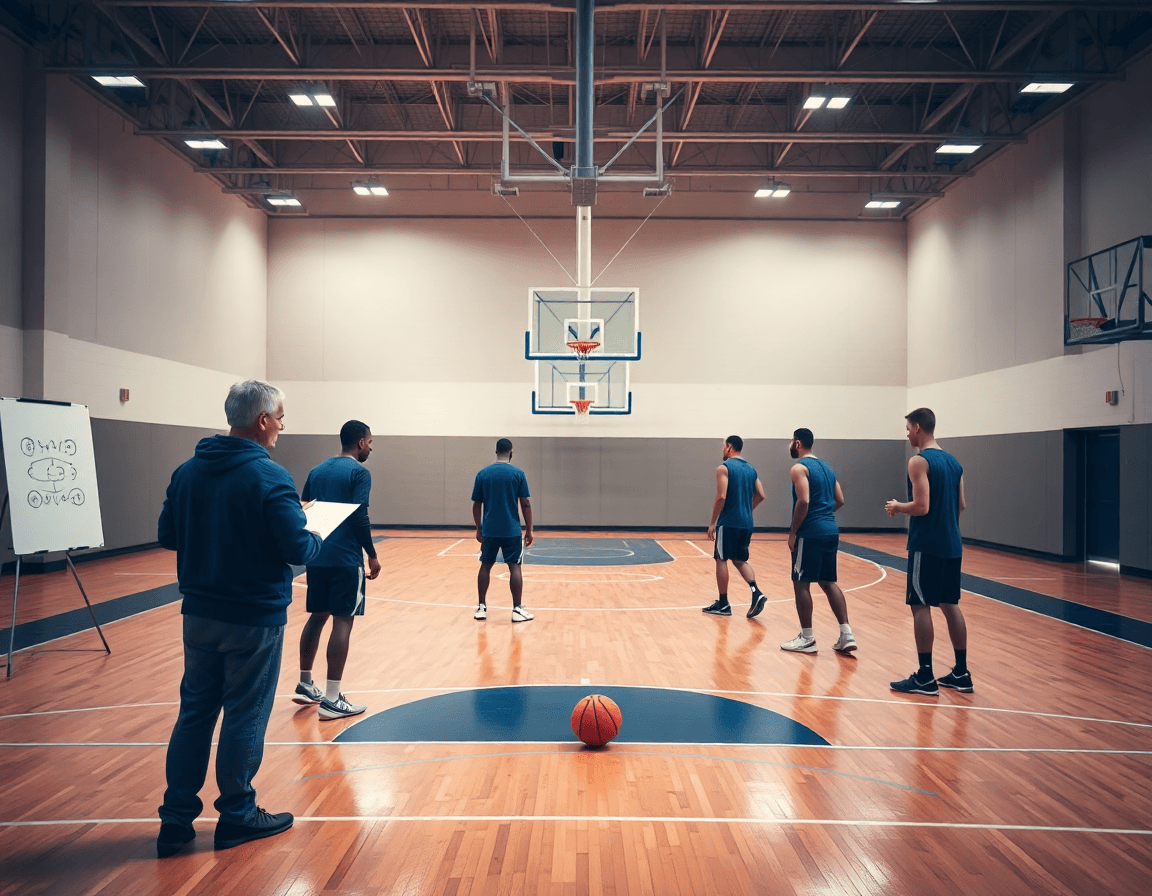
5 Out Motion Offense Drills: A Coach's Weekly Plan
A practical weekly workflow for teaching 5 out motion offense drills—spacing, reads, and progression-based practice plans with video clips and feedback for youth and HS teams.

Key takeaways
- Define a clear weekly cadence: start basics, add reads, then layer complexity.
- Emphasize spacing through the five spots to unlock reads and reversals consistently.
- Implement a four-stage progression: cutting, screening away, on-ball screen, dribble-at to build timing.
- Assign spots and roles to simplify decisions and speed reads in game-like scenarios.
- Create repeatable review loops: whiteboard diagrams, clips, and shareable playlists for players.
Why 5-out drills fit a weekly coaching rhythm
5 out motion offense drills fit a weekly coaching rhythm because they hinge on spacing and reads, which naturally ladder from week to week. When you run a 5-out look, players see clear lanes for cuts and passes, and you can elevate complexity as they master fundamentals. That clarity makes it easy to build a consistent weekly plan.
Each week, you can install a compact kit of actions—pass and cut, screening away, and ball reversals from the NBA three-point line—by design. Start with the basics at top/wing/corner spots, then layer in reads on when to swing the ball, when to slip, and how to read the defense. This modular approach keeps practices sharp and adjustable, so you can scale intensity up as players gain confidence.
Because every player has a touch, 5-out fosters shared decision-making and builds basketball IQ. For younger squads and high school teams, it keeps roles simple—one player or two move the ball, another spots up, and everyone has a read. This approach translates into more confident decisions late in games and steady improvement across the roster, with each player contributing to the flow.
From a workflow perspective, 5-out drills align with CourtSensei’s cadence: in the plan you map weekly drill blocks; on the whiteboard you diagram BLOB/SLOB/ATO/PnR options; after practice you clip 1-2 sequences from the scrimmage; you keep scouting notes for opponents’ tendencies; finally you create shareable video playlists for players to study. This cycle keeps every week productive and repeatable.
Progression roadmap: basic cutting to screening away to on-ball screen to dribble at
During a typical week, I map a four-stage progression for our five-out offense. The core idea of the five-out progression is to layer actions while preserving spacing, so reads and reactions feel natural rather than forced. Each day we start with basics, then add a wrinkle—until the action on the floor mirrors what we want in a game. Teach players to read defenders and react with timing and cuts.
Stage 1 is basic cutting. We drill pass-and-cut sequences from the top and wings to establish timing and trust. A cutter reads the defender, using a quick snap and an immediate cut to the ball. If the defender stays attached, they relocate to a spare spot; if the defender sags, they slip behind for a lay-in. This builds confidence in motion without crowding the floor.
Stage 2 introduces screening away. Off-ball screens free shooters from the top and wings, maintaining spacing as players occupy the top/wing/corner spots. A guard with the ball reads the screen, drags the defender into a close-out, then hits the shooter or attacker. We progress from a single screen to multiple reads, keeping the offense organized and live.
Stage 3 adds the on-ball screen. The ball handler uses a screen to create space, then reads help and defender recovery. We diagram a simple ball-screen into a drive to the elbow or top of the key, with the shooter rubbing out to a ready corner. This sets up read-and-react sequences that feed into the next level.
Stage 4 is the dribble-at option. After a screen or cut, the ball handler drives straight at the defense to collapse helpers. If help arrives, we kick out to shooters on the backside and continue motion. The aim is crisp timing so cuts and screens stay connected, not clumped.
In CourtSensei, you can map this progression in a weekly plan, diagram each stage on the whiteboard (BLOB/SLOB/ATO/PnR), clip relevant footage, and assemble shareable playlists for the squad.
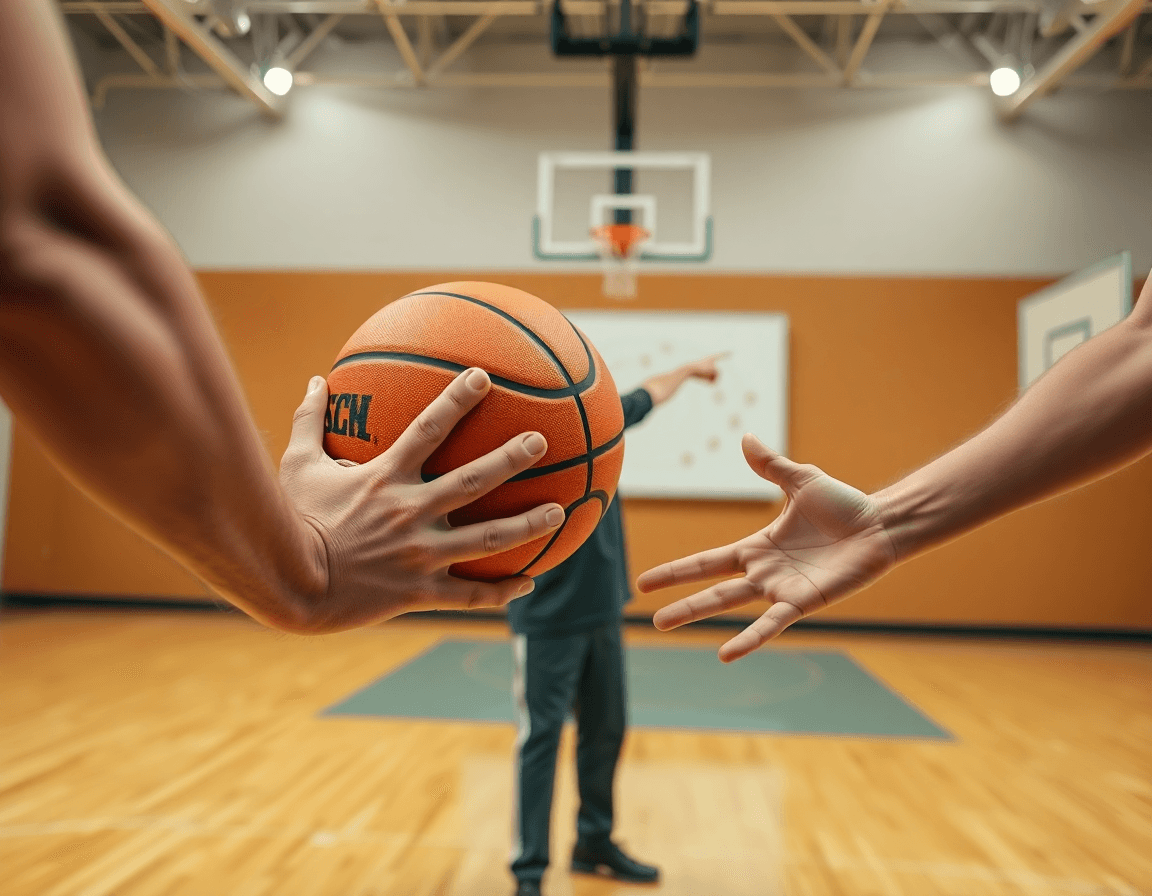
Spots and spacing: positioning left corner, left wing, top, right wing, right corner
During this week’s 5-out motion offense drills, I start by assigning five spots around the NBA three-point line: left corner, left wing, top, right wing, and right corner. This arrangement creates natural spacing that makes actions easier to read and defend. In a quick warm-up, players move between spots, communicating and syncing their timing as the ball progresses from one side to the other.
Five spots create the spacing that unlocks reads and keeps bodies from piling into the paint. When the defense overhelps at the top, players have clear options: reverse the ball, swing to the wings, or pop to a spaced corner. Spacing guides ball reversals and prevents crowding the paint, while teaching players how to read the defense and react decisively.
To simplify decisions, assign responsibilities for each spot. Left corner is the ready shooter and cut option; left wing is the primary handler when the top initiates; the top acts as the quarterback, scanning for reversals, skips, and gaps; right wing mirrors the left with a drive-and-kick option; right corner serves as the opposite shooter or dive option. With clear roles, players know where to go and what to do in every read.
In the plan, I drop this on the whiteboard as a straightforward sequence and save it as a template in CourtSensei. We diagram the sequence (BLOB/SLOB/ATO/PnR) and label each spot with responsibilities, then clip live reps and drop them into a shareable playlist for players. Our scouting notes capture how opponents defend these spots and feed back into the weekly practice plan, keeping the offense adaptable.
Drill library and weekly practice plan
Structure each session from warm-up to progression to live-action. For a solid week focused on the 5-out motion offense drills, your weekly plan should hinge on a tight progression and a robust drill library that keeps spacing tight and tempo honest. Start with a quick dynamic warm-up to unlock feet and hips, then move into a progression that nudges players into read-and-react decisions at the top, on the wings, and in the corners before you go live.
Use a drill library of core looks: pass-and-cut, cuts with replacements, and read-and-react. Begin with pass-and-cut to get the ball moving and players reading rotations; progress to cuts with replacements to simulate continuous action without stalls; finish with read-and-react looks where decisions come in the moment against pressure. Each drill should map to a spacing concept—think positionless movement, proper gaps along the NBA three-point line, and clean reads off screens.
Assign time blocks to each progression to build confidence and pacing. A practical template: 6 minutes for warm-up and footwork, three 7–8 minute blocks for station progression (top, wing, corner), and 6–8 minutes for a live-action 5-on-5 or 5-on-5 transition. This pacing keeps players processing and the defense honest, turning drills into feel and rhythm rather than just reps.
In CourtSensei, this workflow is tight and repeatable. Build the weekly plan, diagram plays on the whiteboard (BLOB/SLOB/ATO/PnR), clip game footage to emphasize decision points, organize scouting notes, and craft shareable video playlists for players. The result is a clean loop: practice plans, drill library, and a weekly plan that makes 5-out motion offense drills feel fluid and intentional.
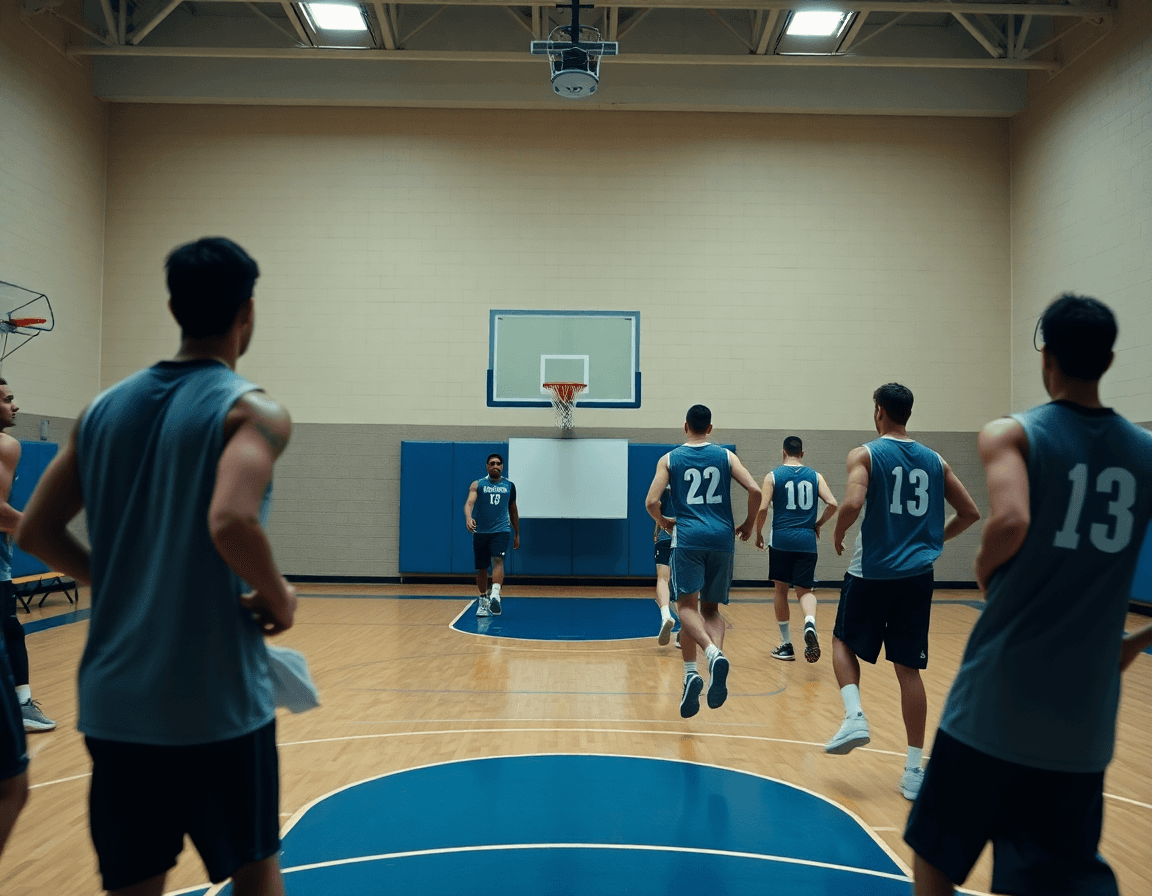
Video workflow: clips, feedback, and PDFs
I start with the film from our latest 5-out motion offense drills and pull a handful of clips that show spacing patterns and reads around the NBA three-point line. I’m looking for the quick decision points: who is open after a drive, where the pass-and-cut edges create the best kick-out, and how the top-to-wing spacing evolves under screens. I mark these with quick labels and export a set of concise video clips to show to the team in our next meeting.
Next, I annotate each clip with player-specific feedback and a downloadable PDF export. I jot reminders like “watch the drive-to-kick timing,” “notice the hesitations at the top,” or “read the corner gap earlier.” Those notes aren’t generic; they’re tied to each player’s role in our motion offense. The player feedback sits alongside a clean, shareable PDF that the kids can study on their own. It’s not just theory—it’s concrete takeaways they can apply in the next practice. The PDF export ensures a repeatable reference for the whole staff.
Then I build clip sharing playlists for players and assistants. I group the reads and spacing patterns into a logical sequence—ball reversals, passes and cuts, and screening away—so a player can watch the flow anytime. This is where video-based teaching really pays off: short, focused clips reinforce decisions without overwhelming with too much information at once. The playlists become the team’s ongoing reference, not a one-off review.
The workflow ties directly into the weekly plan: film analysis feeds the practice plan, the whiteboard diagrams reinforce the same reads, and the shareable clips keep everyone aligned between sessions. When we run 5-out motion offense drills, the team isn’t guessing—they’re following a clearly defined, video-supported path.
Scouting and opponent prep: tailoring 5-out to opponents
As a coach using CourtSensei, scouting reports become the backbone of the week. I pull up the latest scouting reports and convert them into clear action items for our 5-out motion offense drills. In the weekly plan, I map each observation to a specific drill, and I drop a quick note on the whiteboard about how reads should evolve when the opponent pressures our spacing.
When to emphasize reads versus attack options is guided by the opponent’s plan. If the defense shows aggressive closeouts and overhelps, we prioritize reads—skip passes, ball reversals, and decision points off the pass-and-cut flow. If they’re overreacting to drives, we shift to attack options—quick ball reversals, early screening away, and decisive cuts to keep our spacing intact. These choices come straight from the opponent scouting, then get built into our 5-out motion offense drills so players hear the game plan in real time.
Spacing and timing adjustments often hinge on umbrellas and help schemes. If the defense over-rotates at the top, we widen the NBA three-point line spacing and exploit top/wing/corner spots to create driving lanes. If they’ll overhelp in the paint, we tighten ball movement and lean on screening away to open kick-outs. Our drills cover these tweaks: positioning the top, wings, and corners, executing pass-and-cut actions, and reading the defense off those screens. It’s all about making 5-out feel like a positionless system that still respects defense.
The workflow ties it together: I attach the opponent scouting notes to the weekly plan, pull clips of their past games for quick teaching moments, and build a shareable video playlist for players. Linking scouting notes to specific drills keeps game planning tight and accountable.
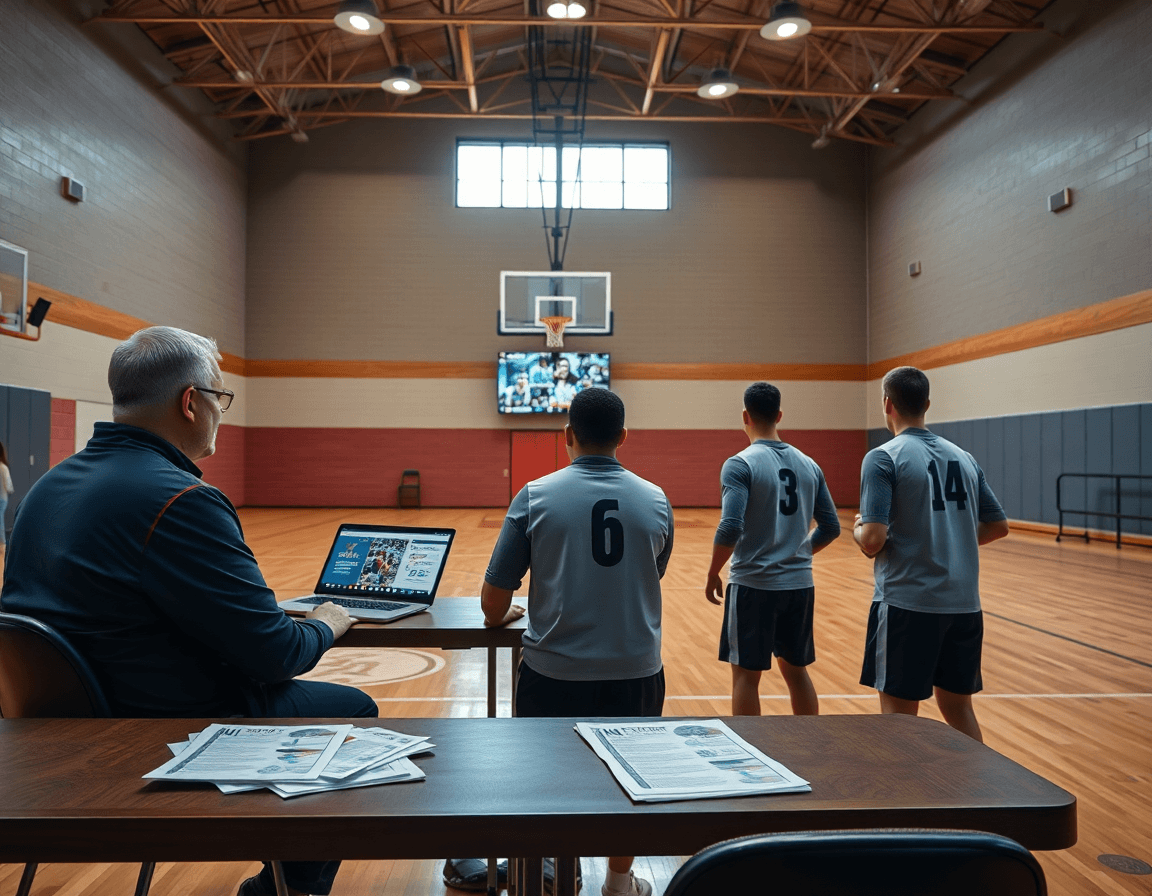
Practical weekly workflow for 5-out drills
Monday sets the tempo for a 5-out week. I install core cuts and spacing on the whiteboard, mapping our positionless attack from the top, wings, and corners. We run a controlled 4-on-4 to reinforce reads off action—pass and cut, flare, and reverse—so the offense stays patient yet aggressive. In the plan, I schedule the drills, diagram a few early looks (BLOB/SLOB/ATO/PnR, with a simple reset), and review a short clip from the previous game to highlight reads. The aim is a clean weekly rhythm and to sharpen pace and decision-making as players navigate space.
Wednesday escalates with on-ball screens and dribble-at options; we add dynamic spacing drills to stress gaps and timing. We diagram key actions on the whiteboard: screens away, spacing that pushes the defense, and the option to swing to the wing then attack the middle. We pull quick video clips to illustrate reads under pressure and keep the workflow tight: update the practice plan, save a new PDF for assistants, and keep scouting notes handy to adjust coverage.
Friday simulates live action with clock and score; we run through late-shot-clock sequences and end-game resets to mirror game tempo. We finish with a clip-based feedback session where players see their reads, cuts, and spacing in context. I pull a handful of game clips, annotate on the whiteboard, and share a playlist of teach clips for the next week. The routine becomes habitual: plan, diagram, clip, and share—all powered by the practice-planning tool to schedule, diagram, and export PDFs for assistants.
If you build plans like this every week, CourtSensei keeps your drill library, whiteboard, and video clips in one place — try it free.
FAQ
What is the 5-out motion offense?
The 5-out motion offense is a spacing-first approach where all five players operate around the three-point line, with no traditional post presence. The goal is to create clear lanes for cuts, reads, and ball reversals. With constant spacing, players read defenders in real time, decide quickly, and keep the floor balanced for drive-and-kick opportunities. It emphasizes shared decision-making and continuous motion.
What are the progression steps to teach 5-out motion offense?
Teach the offense in stages. Stage 1 is basic cutting to establish timing. Stage 2 adds screening away to free shooters while maintaining the top/wing/corner spacing. Stage 3 introduces the on-ball screen to create space for a drive and kick. Stage 4 uses a dribble-at option to collapse helpers. Stage 5 emphasizes read-and-react live reps against different defenses.
How do you teach 5-out motion offense to youth players?
Teach 5-out to youth by keeping roles simple and spacing consistent. Start with the top/wing/corner spots around the floor and assign clear responsibilities for each one. Use short progressions from pass-and-cut to reads, and limit reads at first to one option per rep. Emphasize quick decisions, simple alignment, and positive tempo to build confidence.
What are the benefits of the 5-out motion offense?
Benefits include cleaner spacing, more shared decision-making, and faster ball movement through reversals. With players always involved, teams develop higher basketball IQ and better reads on attacks. The setup also creates multiple kick-outs and driving options, keeping defenses honest and giving your squad a reliable framework late in games.
How should players be spaced in a 5-out offense?
Five spots around the NBA three-point line create natural spacing: left corner, left wing, top, right wing, and right corner. The top acts as quarterback, scanning for reversals while others occupy their zones. Use this layout to generate reads on cuts, reversals, and attacks, and reinforce it on film for consistency.
What drills are effective for teaching 5-out offense?
A drill library of core looks helps coaches teach 5-out efficiently. Build from pass-and-cut to read-and-react looks, then add screening away, on-ball screens, and dribble-at drives. Keep reps time-boxed, clip sequences for review, and ensure players study the patterns between sessions.