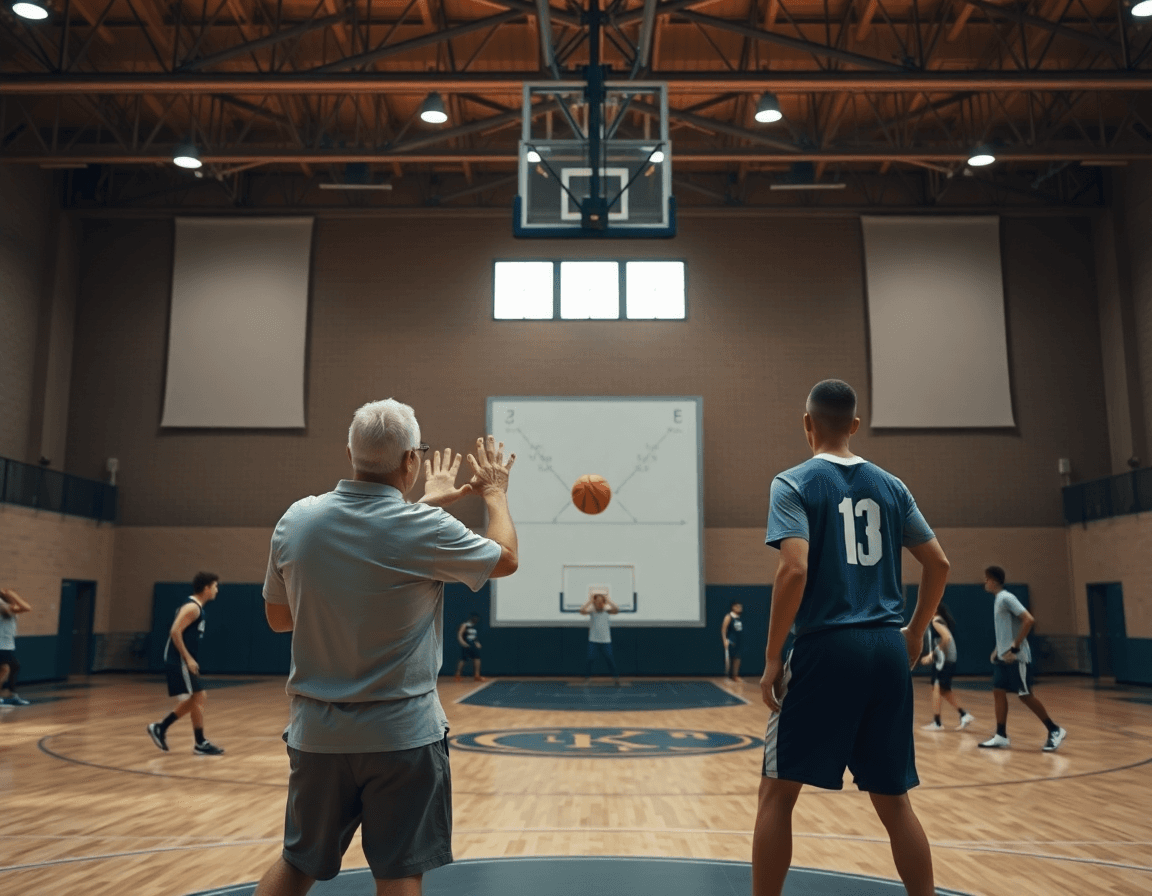
Pick and Roll Drills for Beginners
Coach-focused weekly plan for beginner pick-and-roll drills, with progression, reads, and guidance to organize video, plays, and scouting notes.

Key takeaways
- Define the two P&R roles early—ball handler and screener—and practice clear reads.
- Progress from 2v2 to 3v3 drills to build reads and communication consistently.
- Emphasize spacing and legal screening to create clear drive opportunities and reads.
- Use a weekly plan with film review to reinforce P&R concepts effectively.
- Tie actions to a shared language: ball screen, reads, and passes consistently.
Define the Beginner Pick and Roll: Roles and Goals
In its simplest form, the pick and roll is a two-player action designed to create separation and read the defense. For coaches wondering what is pick and roll, this beginner definition centers on two P&R roles. The two roles are the ball handler and the screener. The goal is to create space for a drive or a clean pass and to read the defense as it reacts.
With the ball at the screen, the ball handler reads hedge, switch, or drop scenarios. If the defender hedges aggressively, the ball handler can turn the corner or hit an open shooter off a pocket pass. If the defense stays attached, look for the screener’s roll or a skip pass to the weak side. Clear reads keep timing smooth in the plan.
On the other side, the screener must decide how to respond as the action unfolds. A hard roll to the rim creates early dunk opportunities; a pop back for spacing can open up the drive for the ball handler; a quick slip if the defense overplays can catch them out of rotation. Naming these options—roller, pop, slip—helps the team execute with predictable timing.
Frame the early sessions around establishing the core roles before adding reads or space tricks. In the first week, emphasize the basic spacing and the separation created by the screen. In the second week, introduce simple reads and decision points, and in the third week layer in options like rolling and popping. Track this in your weekly plan and pair it with film review to reinforce what each action communicates.
Progression: 2v2 to 3v3 for Read-Driven Drills
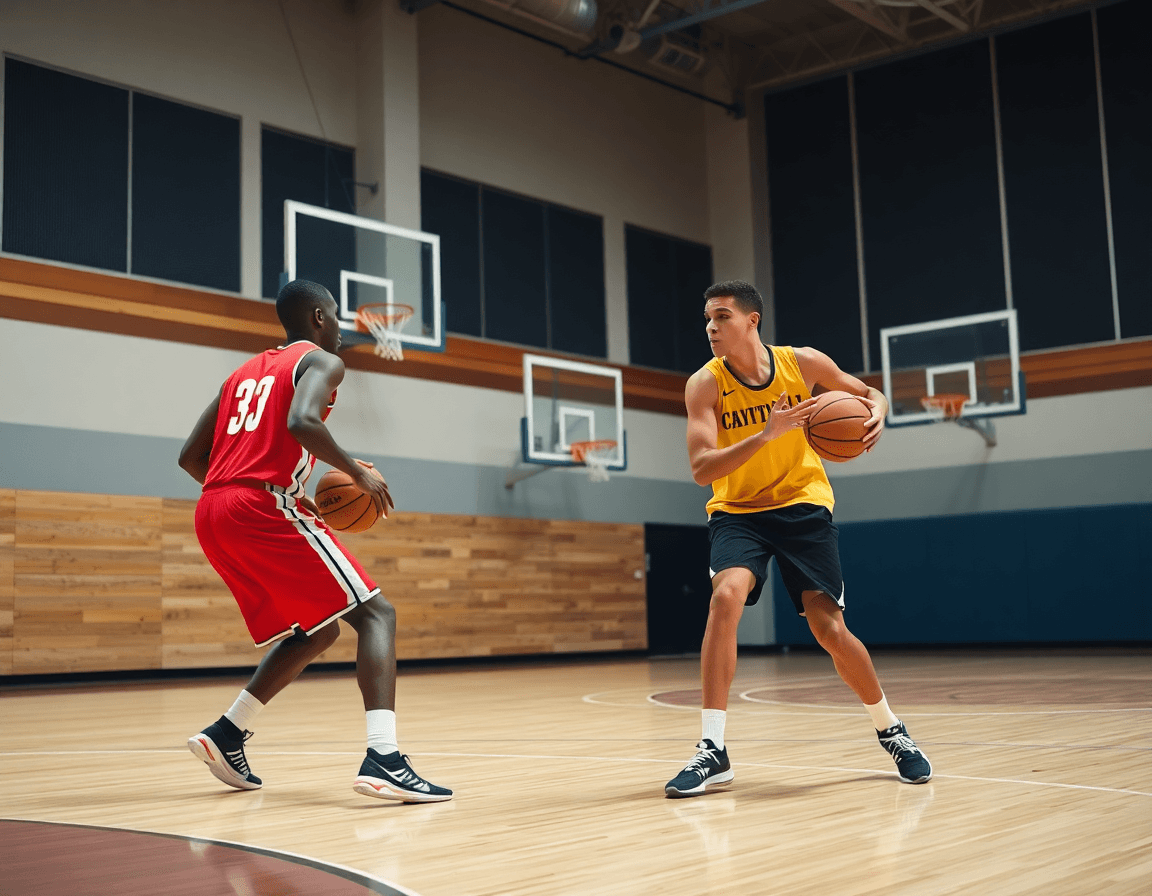
You start with 2v2 ball screen drills to build timing and decision-making between the ball handler and screener. Keep reads simple at first: the ball handler attacks off the screen, the screener rolls or pops based on the defense. Run quick, controlled reps to ingrain spacing and communication. In your weekly plan, carve out a solid block for these two-man reps before layering in more players.
Once timing is consistent, progress to 3v3 pick and roll drills to simulate more game-like reads and rotations. With an extra defender and a third option, the ball handler evaluates help, the screener communicates, and the roller reads the defense. Emphasize reads for the ball handler and screener, plus simple defensive adjustments (hedge, drop, switch). This keeps the drill area tight while expanding decision-making.
Focus on reads after the screen: the passer options pivot from a pocket pass to a skip pass as defenders react; the screener shows when to roll or pop based on stance. Encourage defenders to practice adjustments: push to slow the drive, recover, and switch when needed. Log these reads and adjustments in your scouting notes and drill log to track progress over the week.
Document progression in the coaching workspace: log observations, tweak timing, and attach short video clips for quick breakdowns. With CourtSensei, you tie actions, drills, clips, and scouting into a single weekly progression, and you can export the updated playbook as a PDF to share with staff. This keeps your P&R progression for beginners organized from plan through game-prep.
Spacing and Setup: Getting the Floor Mover and Screener Right
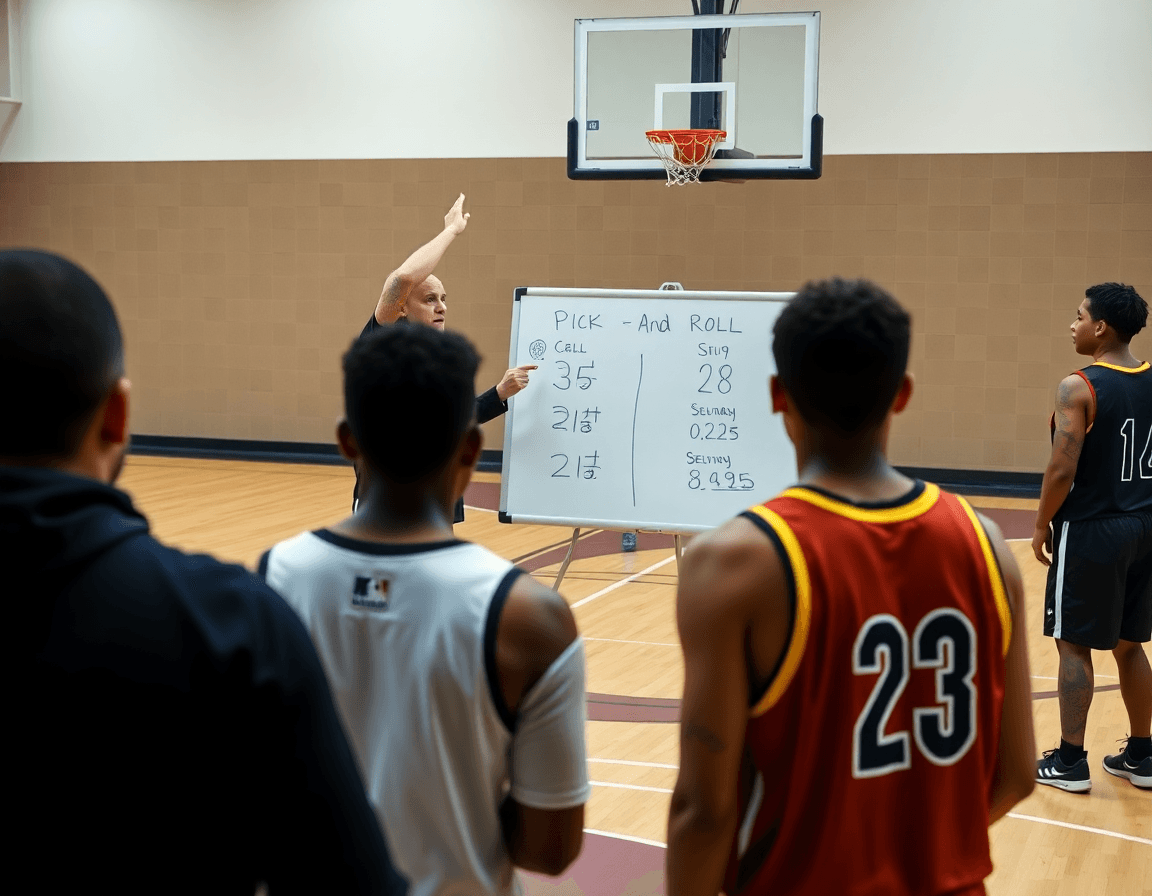
For coaches building the foundation, these pick and roll drills for beginners help establish core spacing and reads. Start with baseline spacing to open the ball-handler angle and give the handler clear options. The goal is a clean line to the roller and a potential skip to a shooter on the weak side. Keep the floor uncluttered, and use simple targets: a step or two of separation to create space for a pocket pass or a quick decision on a drive. This is where you tune the essential concept of spacing and reads.
Practice legal screens and proper screener positioning to ensure actions are teachable. Focus on the screener’s stance, footwork, and contact that stays legal, with hips open and feet underneath. The ball-handler should see the screen early, not fight through it, and the screener should set with inside leverage to prevent early confusion. Emphasize communication and timing so the ball screen leads to a smooth attack rather than a contested decision.
Explore variations (top, side, corner) and their impact on reads. Top-ball screens tend to compress angles and invite quick reads; side screens open different drive options; corner setups force defenders to react, often widening the passing lanes. Tie reads to action options like pocket passes to the roller or skip passes to a shooter on the auxiliary read. Include terms like ball screen, screen and roll, and screener to keep drilling tangible.
Connect spacing decisions to progression in the weekly workflow. In your plan, map each spacing cue to a specific drill from the library and a short video clip for breakdowns, then progress toward more complex reads. The weekly plan should align with your game-prep cycle, using a cohesive toolkit of actions, drills, and scouting notes to advance from foundational spacing to dynamic P&R reads. Bold terms here: weekly workflow, time-structured training plans.
Practical Weekly Workflow: Plan, Drill, Review
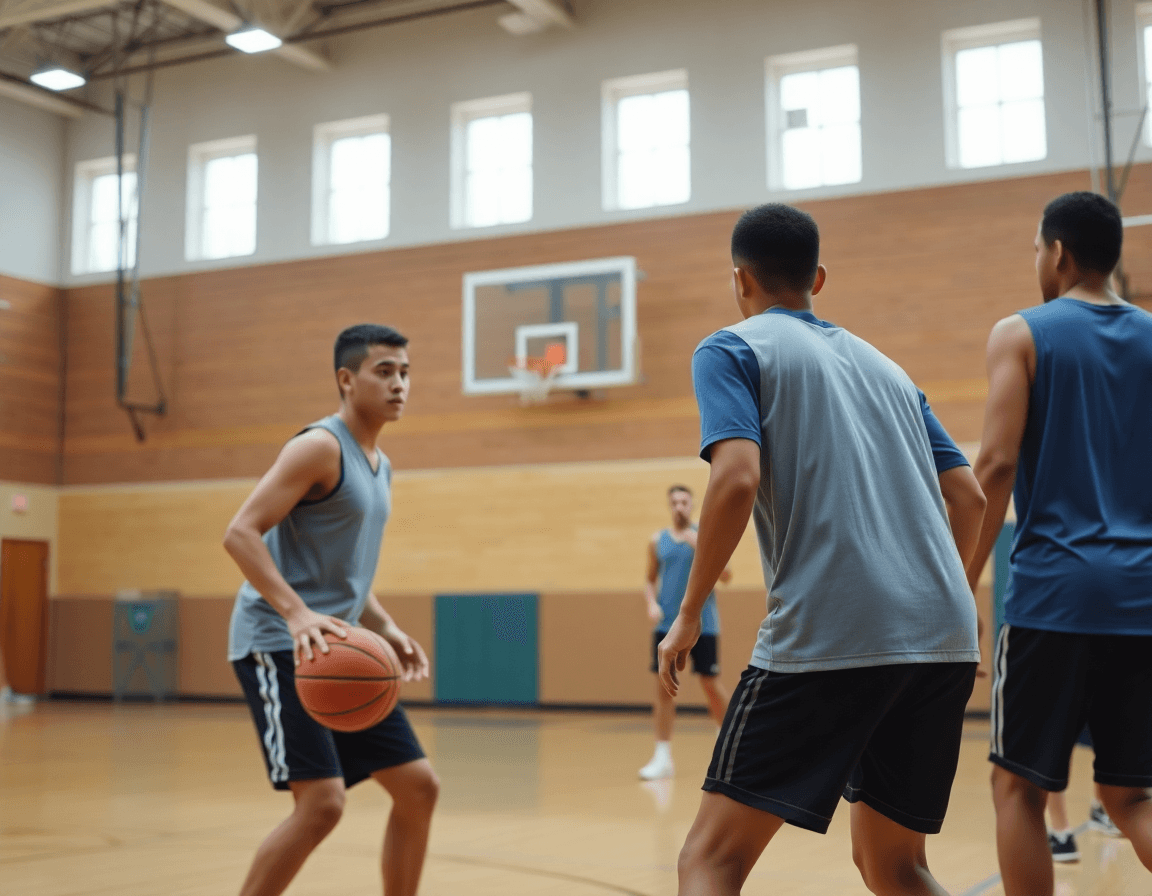
Kick off the week with a clear plan for the pick-and-roll (P&R). Use your time-structured training plans and the drill library to map out what you want the group to learn, from spacing to reads on the ball handler and screener. This weekly rhythm helps you stay intentional and progress steadily.
Your weekly P&R drill plan should map to a simple cadence: install core concepts, run focused drill blocks, review film, and test ideas in live reps. Build the P&R practice schedule so you progress from basic reads to more dynamic actions, ensuring the plan stays manageable with a consistent coaching workflow across days. Tie in terms like ball screen, screen and roll, and pocket pass so the squad builds a common language.
In practice, you can draw and animate pick-and-roll actions to show spacing and reads, then pair that with a short video clip to reinforce what the screener and ball handler should do. Use playlists to organize clips around specific reads or timings, and export PDFs of your playbooks to share with assistants or staff. This combination helps coaches teach the pocket pass, skip pass options, and decision points without clutter.
Don’t separate scouting from on-ccourt work. Incorporate scouting notes and game prep material into the same workspace so your late-week adjustments reflect what you’ll see in the next game. The goal is a repeatable, scalable workflow that you can apply to different teams and rosters, while keeping the focus on the fundamentals of the ball screen and the reads off it. CourtSensei ties together actions, drills, clips, and scouting into a single coaching workspace. It does not provide AI video analysis or automated metrics, so your judgment remains the driver of progress.
Using Video and Playbooks: From Clips to Game-Ready Plays
For coaches focusing on pick-and-roll drills for beginners, turning every rep into a shareable, game-ready resource starts with a solid video workflow and a clean playbook. Upload and clip footage of P&R reps to create a clear video library. Short clips spotlight spacing, reads, and where the screener sets up the defender. A pocket pass can be highlighted to illustrate decision points and improve quick decisions.
Within the coaching workspace, you can draw and animate pick-and-roll actions to teach spacing and reads, then create and export play diagrams, PDF export, and organized playbooks. Link drills to specific plays in the library and annotate the intended reads for the ball handler and roller. This linkage helps a staff move from a drill moment to a game-like sequence, so players experience the same cues during practice that they’ll face in game situations.
Leverage playlists to structure practice material and scouting clips. A weekly plan can weave together a few P&R drills for beginners with clip-based coaching cues, ensuring reps stay organized. Share read-only links with assistants or staff to review progression without altering the original library. In the end, the workflow ties actions, drills, clips, and scouting into a single coaching workspace—ready for weekly planning and game-prep.
Defending and Countering: Beginner-Friendly Reads
In the realm of pick and roll, defensive discipline matters more than flashy saves. For coaches focusing on pick and roll drills for beginners, start with three core coverages: drop, hedge, and switch. Each forces a distinct read for the ball handler and screener, and mastering them is the essence of defending pick and roll basics. On the floor, keep it simple: the ball handler eyeing the screen, the screener setting the pace, and the helper’s angle dictating how much room there is to operate. Remember, you’re teaching spacing and timing, not just technique.
Next, teach reads and reactions that translate to real game moments. Against a drop, the ball handler might probe the lane for a pocket pass or a quick drive; against a hedge, the screener can pop and the ball handler may zip a skip pass to the weak side. Against a switch, the decision is to split or re-space. Frame these as practical counter options—this is where P&R counters for beginners start taking shape. Have players verbalize cues: where the defender’s feet are, where the ball is, and what option is safest under pressure. Emphasize both the ball handler and the screener reading the defense.
Finally, weave counters into drills that build decision-making under pressure. Use a two-on-two setup with a defender’s call and the offense’s counter options, then rotate. Have everyone document reads and adjustments in film notes to create a living progression. The coaching workspace should tie together actions, drills, and clips, so weekly planning and game-prep stay aligned. This approach reinforces the habit of tracking reads, responses, and adjustments for next week’s practice.
FAQ
What is a pick and roll in basketball?
At its core, a pick and roll is a two-player action that creates space and forces reads from the defense. The roles are the ball handler and the screener. The goal: a clean drive or a sharp pass, guided by reads on hedge, switch, or drop. The ball handler attacks what the defense shows; the screener can roll, pop, or slip depending on coverage.
What is the difference between pick and roll and pick and pop?
The difference comes down to spacing and the screener’s path. In a pick and roll, the screener rolls to the rim or pops for a jumper based on the defense. Pick and pop sends the screener away for a long-range shot, widening the floor. The ball handler’s reads shift accordingly: attack the hedge or pivot to skip passes to shooters.
What are beginner-friendly pick and roll drills?
Start with two-player work (2v2) to build timing between the ball handler and the screener. Keep reads simple: attack off the screen or choose to roll or pop. Move to three-player work (3v3) to simulate rotations and help. Track timing, spacing, and communication, and log quick clips in your weekly plan for review.
How should I train ball handlers and screeners for the pick and roll?
Train ball handlers to read the defense and decide quickly—drive, pocket pass, or skip. Train screeners on stance, inside leverage, and a legal screen. Build from two-man to three-man reps, emphasizing communication and timing. In the coaching workspace, log observations and attach clips for quick breakdowns; export updates as needed to share with staff.
What spacing is best for a pick and roll?
Baseline spacing sets the table for the P&R. Give the ball handler a clear angle to the roller and a weak-side skip option. Keep lanes open, avoid crowding, and align spacing with your weekly plan so reads stay consistent across drills. Use a simple line to the roller to minimize early contact.
What are common variations of the pick and roll drills (slip, Spain, elevator)?
Variations like slip and Spain alter reads and timing. A slip accelerates action when the defense overplays the screen; Spain stacks two screens for multiple reads; elevator introduces a second screen before the ball handler decides. Introduce these gradually, tying each variation to a specific read in your drill log and plan.