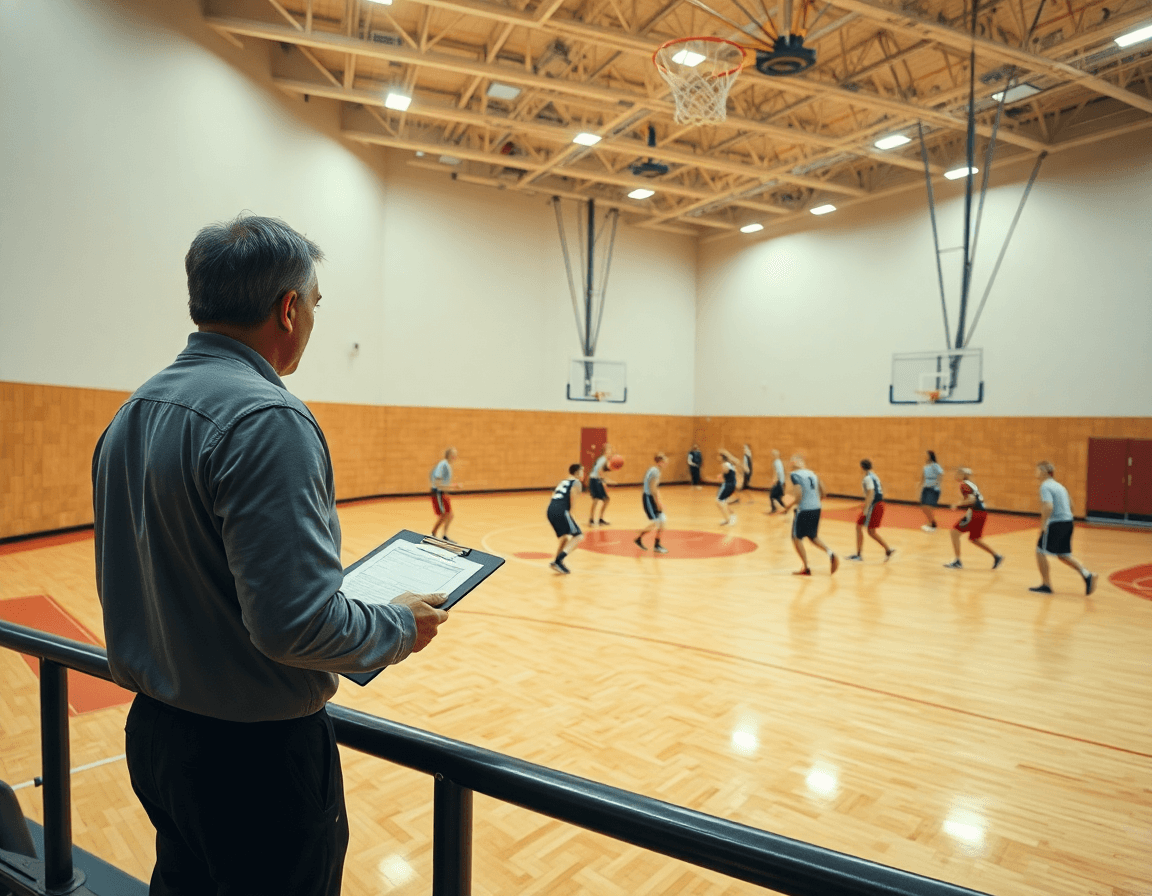
Motion Offense: Weekly Plan for Coaches
Practical weekly plan for coaches to teach motion offense: spacing, reads, ball movement, drills, scouting notes, and video workflows.

Key takeaways
- Anchor the week on spacing, reads, and purposeful movement to keep the offense flowing.
- Use a 4-out to install spacing, then layer reads and counters before advancing.
- Plan weekly drills around entry actions, screening, and backdoor reads to generate late reads.
- Use a consistent framework: plan, teach, review, adjust with CourtSensei workflows weekly.
- Progress variations by age gradually: 4-out, 5-out, then dribble-drive with timely reads.
What is motion offense and why it belongs in your weekly plan
Motion offense centers on rules-based player reads, spacing, and continuous ball movement rather than fixed sets. In practice, that means players know when to read the defense, where to position on the floor, and how to react with a pass, a cut, or a screen. The emphasis is on keeping the offense flowing and creating late reads off ball reversals, with backdoor cuts and pass-and-cut options surfacing as the defense overplays. It’s a living, decision-driven approach rather than a blueprint that never changes.
Typical age groups and levels benefit from a plan that builds decision-making and game-like reads week by week. Rather than forcing a single sequence, you scaffold options: if the defense sinks off, you swing and read for a quick ball reversal; if they jump to deny the post, you teach cutting and screening to create a two-man advantage. The result is practice habits that mirror the pace and decision density of a real game.
Anchor your weekly plan on core actions: spacing, reading the defense, and purposeful movement. When you frame the week around these actions, you give players a clear map for option choices, not just motions. It also keeps your teaching tight: emphasize how spacing creates driving gaps, how reading the defense opens pass-and-cut opportunities, and how purposeful movement keeps options alive even when pressure arrives.
That translates to a straightforward weekly workflow: plan, teach, review, and adjust using a consistent framework. In practice, you build the week in CourtSensei: in the plan you outline the focus (spacing, reads, cutting options); on the tactical whiteboard you diagram reads off a pass-and-cut or a backdoor cut; after practice you pull a short video clip to illustrate the read; you keep scouting notes and a playlist for players.
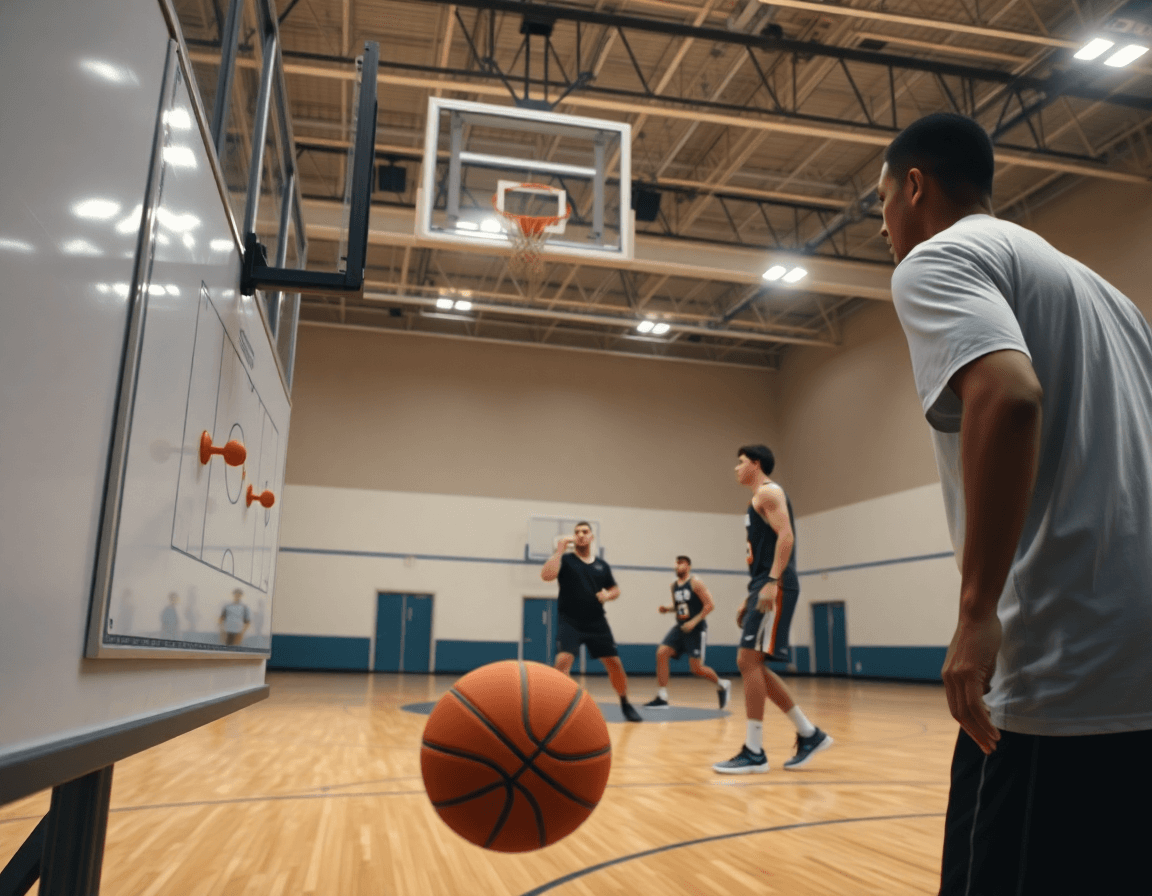
Core principles to anchor weekly practice design
When I map out a week of motion offense work, I anchor it to a small set of core principles that shape every drill, diagram, and decision on the floor. First: Spacing the floor and creating passing angles that encourage quick decision-making. Proper spacing opens passing lanes, creates drive-and-kick rhythm, and makes reads tangible rather than guesswork. In our plan, we layer these ideas into 2-on-2 and 3-on-3 drills, then build to longer sequences that stress flow and ball movement.
Second: Read the defense—prioritize meaningful cuts, screens, and ball movement over scripted sequences. Against a scout look, you teach players to pick spots where reactions beat timing. Our weekly plan uses the scouting notes to map opponent rotations, then we diagram reads on the tactical whiteboard so players see why a cut or screen matters. Short video clips highlight a clean read, while the rest of the practice reinforces the principle with ball movement as the default action.
Third: Move with purpose—every action should have a purpose tied to spacing and reads. In a motion offense, screening, backdoor options, and entry plays are treated as flowing actions rather than rigid sets. We script a few pass-and-cut sequences on the board, then let defenders force reactions so players practice reading help and staying patient. The result is a teachable flow that translates into live clips and shareable playlists for players, all organized within CourtSensei to streamline planning, teaching, and evaluation.
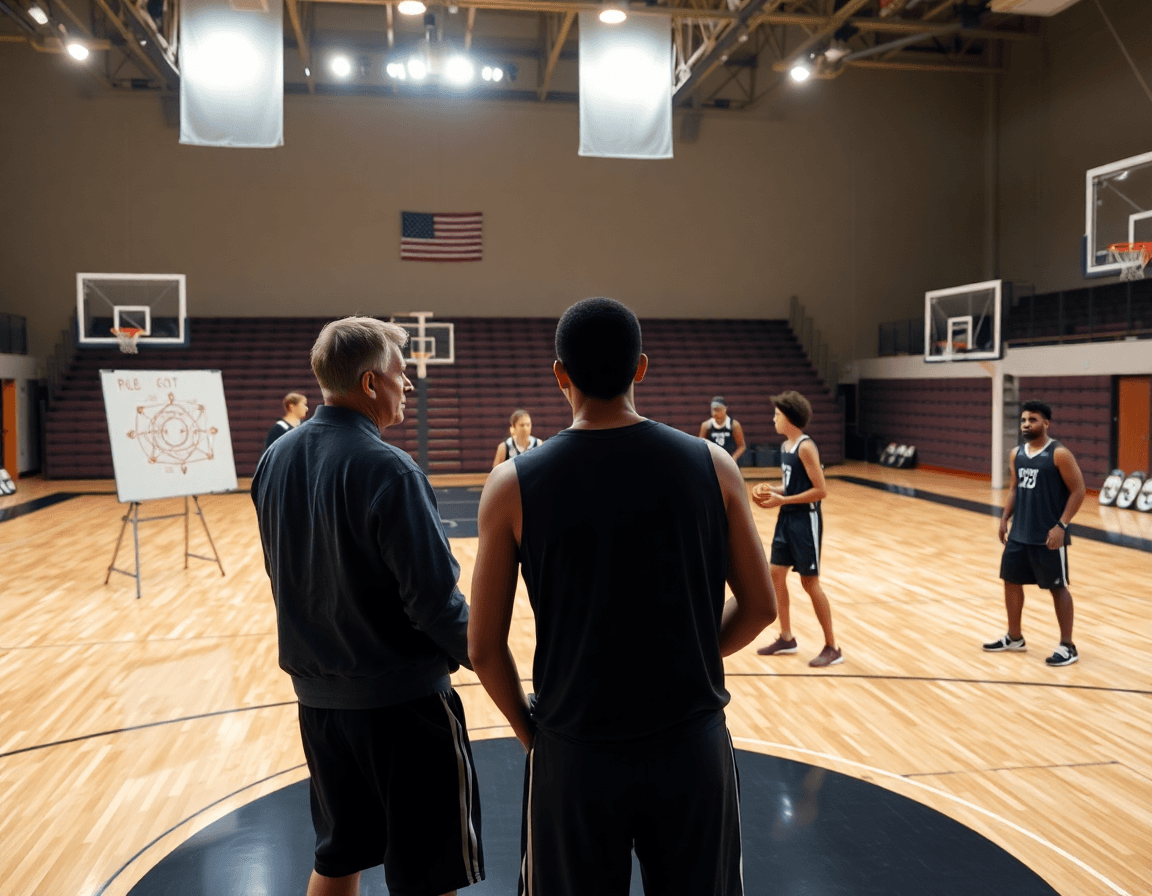
Variations and progression by age: 4-out, 5-out, dribble drive
Understanding motion offense variations is your weekly compass. The core concepts—4-out motion, 5-out motion, and the dribble-drive motion—shape how you space the floor, move the ball, and read the defense. In the plan, we map a cycle: install one variation, then layer reads and counters. On the tactical whiteboard, we sketch baseline alignments, cutting angles, screening actions, and the reads that trigger ball movement. A short video clip after practice shows a guard identifying the weak-side help and delivering the skip.
Progression from basic alignment to advanced reads means moving from simple shell work to game-like decision speed. Start with a 4-out shell that emphasizes solid spacing and quick decisions, then add 5-out with more off-ball movement and backdoor reads, and finally introduce dribble-drive reads—entry passes, split actions, and read-and-attack options. Each step ties to a specific drill and read: see the defense, swing the ball, or attack the rim. In your weekly plan, allocate blocks for each variation, then finish with a mixed scrimmage to test reads in tempo.
Adapt drills to fit HS, junior college, or semi-pro groups while preserving the core concepts. For HS, keep the pace controlled and emphasize fundamental spacing and ball movement. For junior colleges, introduce faster reads and more decision branches. For semi-pro, push the complexity with additional options and late-game decisions, all while maintaining the same motion concepts.
Tie the variations back to your workflow: plan, whiteboard diagrams, scouting notes, and video reviews. Use a concise playlist of clips to reinforce spacing and reads, and keep scouting notes focused on what defenses do against each variation. This keeps planning, teaching, and evaluation tightly aligned.
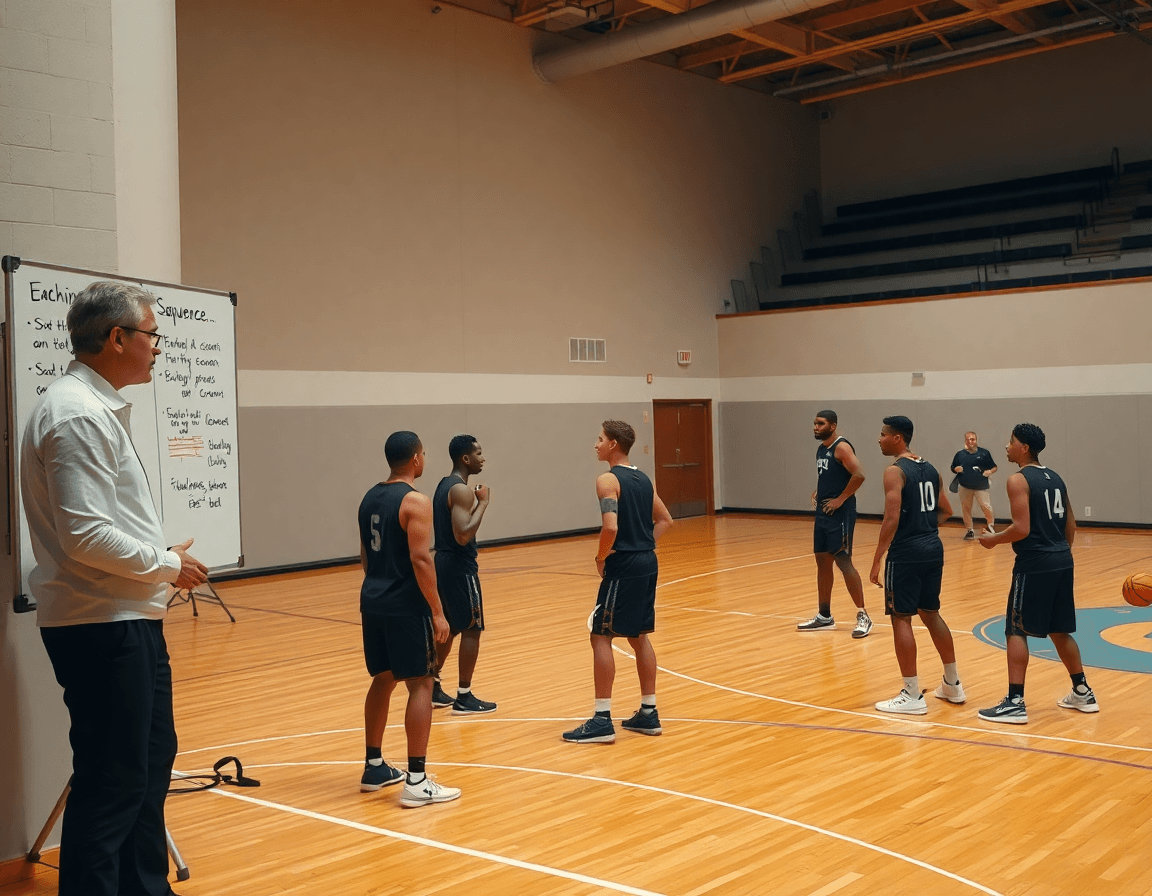
Teaching sequence: entry actions, screening, and backdoor reads
In a weekly motion offense plan, entry actions set the tone for the week. Start with simple pass-and-cut options and a basic dribble-entry to get early ball movement. The aim is spacing and clear reads, not a rigid script. In your plan, connect these entries to how players respond to pressure and where the defense tends to gap, then diagram these openings on the board so the team can see the flow.
Screening emerges from flow rather than a fixed sequence. In practice, emphasize screening actions—back screens, down screens, and flex reads—that fit the motion flow. Teach players how to set the screen, slip if needed, and read the defense for the next pass or drive. Keep the tempo steady, so ball movement remains crisp and defenders never know where the shot comes from.
Develop backdoor reads and off-ball movement as part of the daily progression. Emphasize the backdoor cut when the seam opens and the defense over-rotates. Pair it with disciplined off-ball movement—read who hedges, who denies, and how to space for the drive-and-kick. A daily clip—short and sharp—illustrates the read, then the team repeats it in a live shell.
Use a progressive teaching sequence in practice plans to build fluency and decision-making. Start with a simple entry, a single screening, and one backdoor read in a controlled drill. Add a second screening and a quick decision-making cue as players gain trust. This is where the workflow shines: you capture the progression in your plan, diagram it on the board, clip teaching moments, stash scouting notes, and roll out a shareable playlist for players to review.
Practical weekly workflow for implementing motion offense
Each week starts with defining weekly objectives for our motion offense, focused on spacing and reads. I map these into concrete targets: gaps to attack, passive screens to exploit, and quick ball movement to keep defenses honest. It’s about turning theory into practice on the floor, so our players know what to chase in every drill and live rep.
I design practice plans around motion concepts, leveraging the library of drills and progressions. That means pairing spacing drills with reads-off-cuts, and layering in progressions that push decision speed. We build in progression steps so a player advancing from a simple cut to a read-and-reaction feels like real growth, not a checklist.
Create and share whiteboard diagrams of key actions (BLOB/SLOB/ATO/PnR) to illustrate reads. On the tactical board, we sketch how a spacing pattern leads to a backdoor option or a pass-and-cut sequence, then annotate reads for ball handlers and wings. A quick diagram in a huddle can unlock a tough concept before we run it in shell drills.
Capture and curate video clips, build playlists, and assign to players for review. A short clip highlighting a misread in spacing goes to the appropriate guard, who watches it before the next practice. The goal is a steady drip of focused review, not a full game reel.
Use scouting notes for opponent tendencies to tailor the week’s reads and actions. If the scouting note says a team hedges on the weak-side, we emphasize reads that exploit that behavior in our motion sets. It keeps the weekly plan sharp and responsive.
Exportable PDFs of boards and shareable video clips help players study on their own time. The PDFs let a freshman review a diagram from home, while the clips populate a personal playlist for quick refreshers.
Common mistakes and troubleshooting for motion offense
In motion offense, the risk often hides in a single, favorite action. Over-rotating to that move leaves reads predictable and spacing fragile. In your weekly plan, watch for reps that funnel into one outcome and name it on the whiteboard as a bad read—then build a ladder of options (A, B, C) that force players to react to the defense. Use short video clips to illustrate each read, label them in your library, and loop them back during film sessions. Keeping the workflow tight—plan, diagram, clip, review—helps you stay on top of this, even when fatigue sets in.
Forgetting to read the defense is another quiet killer. When players move with purpose-less action, the offense stalls. Remedy it with purpose-driven reads tagged to every movement: “eyes up,” “check help,” “read the wing defender.” In practice, run game-like shells where each rotation comes with a clear defensive cue and a corresponding read. Capture those sequences on the whiteboard, then save them as reference clips players can study in their playlists. Use scouting notes to note defensive tendencies you’re teaching players to recognize.
Poor spacing in transition or after passes can derail timing in a heartbeat. Train immediate re-spacing drills—after every pass, players shift to a pre-determined spot so the floor never becomes crowded. In your plan, insert transition spacing reps and diagram the target positions on the board. Record the outcomes and clip the best transitions; share the clips to reinforce the exact spacing reads across your team, and keep a quick-reference library for assistants.
Insufficient repetition of reads in game-like drills is a common backslider. Favor decision-based practice and feedback loops: short, live reps with variable defenses, rapid post-drill feedback, and real-time adjustments. Build those into your weekly routine, then push players to review their reads in a dedicated playlist. Tie the drills back to your scouting notes and game footage so each player internalizes how to read the defense, not just execute.
If you build plans like this every week, CourtSensei keeps your drill library, whiteboard, and video clips in one place — try it free.
FAQ
What is motion offense in basketball and why should I add it to my weekly plan?
Motion offense is a reads-based approach to offense that emphasizes spacing, ball movement, and continuous decision-making rather than fixed plays. Players read the defense, choose passes, cuts, or screens on the fly, and the action stays alive under pressure. Use it weekly to build game-like reads and decision speed, adaptable to any age group or level.
What are the core principles to anchor motion offense practice?
Anchor your week around three principles: Spacing the floor to create passing angles, and Read the defense to decide when to pass, cut, or screen. Move with purpose and keep action flowing, not scripted sequences. Use shell drills (2-on-2, 3-on-3) that stress decision density, then layer in longer sequences as players improve.
What are the main motion offense variations (4-out, 5-out, 3-out 2-in, and dribble-drive)?
Core variations include 4-out motion, 5-out motion, and the 3-out 2-in setup, plus the dribble-drive variant. Each changes spacing and reads while preserving the decision-based framework. Start simple with a 4-out shell, add 5-out with more off-ball movement and backdoor reads, then introduce dribble-drive options. Cycle through and finish with mixed scrimmage.
How do you teach spacing and screening, and backdoor reads in a motion offense?
Teach Spacing through defined passing angles and cut lanes, starting in 2-on-2 and 3-on-3 drills to build flow. Screening should emerge from motion, not a fixed script— emphasize back screens and down screens and the reads they trigger. Introduce backdoor reads by showing how overplay on the perimeter creates openings for late cuts and pass-and-cut options.
What are common mistakes when running motion offense?
Common mistakes include forcing sequences instead of teaching reads, neglecting spacing, and over-dribbling. Coaches also skip scouting reads, fail to adapt to opponent rotations, or rush into backdoor attempts without proper entries. Keep a weekly plan with adjustable drills, rely on film for situational reads, and reinforce that ball movement, not hero plays, wins games.
How does motion offense help player development?
Motion offense accelerates development by improving decision-making and game-like reads under pressure. Players learn to read help, make quick passes, set solid screens, and recognize skip and backdoor options. The approach builds versatility and basketball IQ and scales with age as you layer more reads and options.
What is a backdoor cut and how is it used in motion offense?
A backdoor cut is a late cut behind the defender when the perimeter overplays the pass. In motion offense, it’s a timing read off a ball reversal or skip pass, designed to create a clean layup. Practice with read-and-cut sequences and keep spacing tight so the lane opens when the defense overreacts.