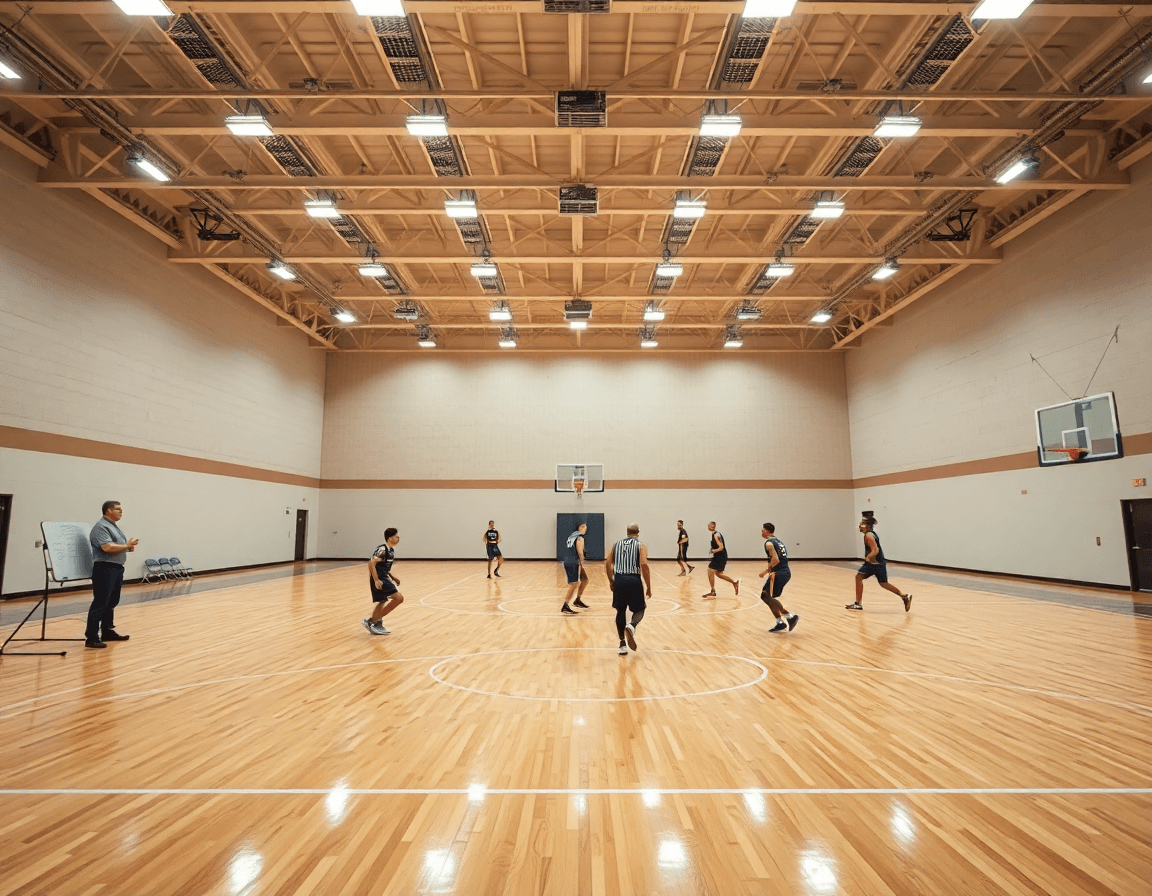
Duke Motion Offense: Weekly Coach’s Workflow
Coach-ready guide to implementing the Duke motion offense: a weekly plan with spacing, curl cuts, pindowns, screens, and drive-and-kick sequences.

Key takeaways
- Lock in base spacing: use 3-out/2-in with occasional 4-out shifts for driving lanes.
- Drive-and-kick focus: prioritize ball reversals and attacking gaps through quick reads, not stagnant iso.
- Master curl cuts, pindowns, and hi-lo reads; map routes on whiteboard and cue clips.
- From transition to half-court, keep motion alive with a drive-and-kick into kick-ahead reads.
- Build a repeatable weekly workflow: install 2–3 core actions, diagram on the whiteboard, and store clips for review.
- Create action playlists and scouting notes—share with assistants and players to align on game-night expectations.
Core Concepts and Spacing in the Duke Motion Offense
From a coach’s standpoint, the Duke motion offense thrives on structure that adapts to what the defense gives you. The Duke motion offense typically operates as a 3-out/2-in base with possible 4-out variations to widen spacing and open driving lanes. Spacing is the engine: it creates driving lanes and kick opportunities for open 3s. This system rewards reading the defense and making quick, decisive passes rather than grinding through iso sets. In my weekly plan, I map these base concepts first, so the team knows how the motion breathes.
Drive-and-kick philosophy prioritizes ball reversals and attacking gaps rather than static isolation. With movement ahead of the ball, we swing the defense and look for two-foot hits on the closeouts. When the floor is spaced correctly, a single pass can produce multiple driving lanes and kick opportunities. I tag these sequences as core actions in CourtSensei, then mirror them on the whiteboard to drill the decision points before practice.
Perimeter players pass-and-cut through the middle; post players screen for one another and facilitate high-low options. In the Duke read-and-react spine, the perimeter can trigger curl and the pindown to keep the ball moving and keep the defense guessing. Actions like the curl and the pindown become recurring options in our practice library, so players learn when to slip, when to pop, and how to read a help-side rotate. Our whiteboard diagrams map these reads to specific sequences.
Balance ball reversal with off-ball movement to sustain multiple scoring avenues. When we stay connected, the offense remains dangerous even as defenders switch. I keep a weekly playlist of these actions—drills and clips—that I share with assistants and players, so everyone knows what to review and what to expect on game nights. The concept is simple, but the execution is refined through repetition and feedback.
Key Actions to Master: Curl Cuts, Pindowns, Handoffs, and Hi-Lo
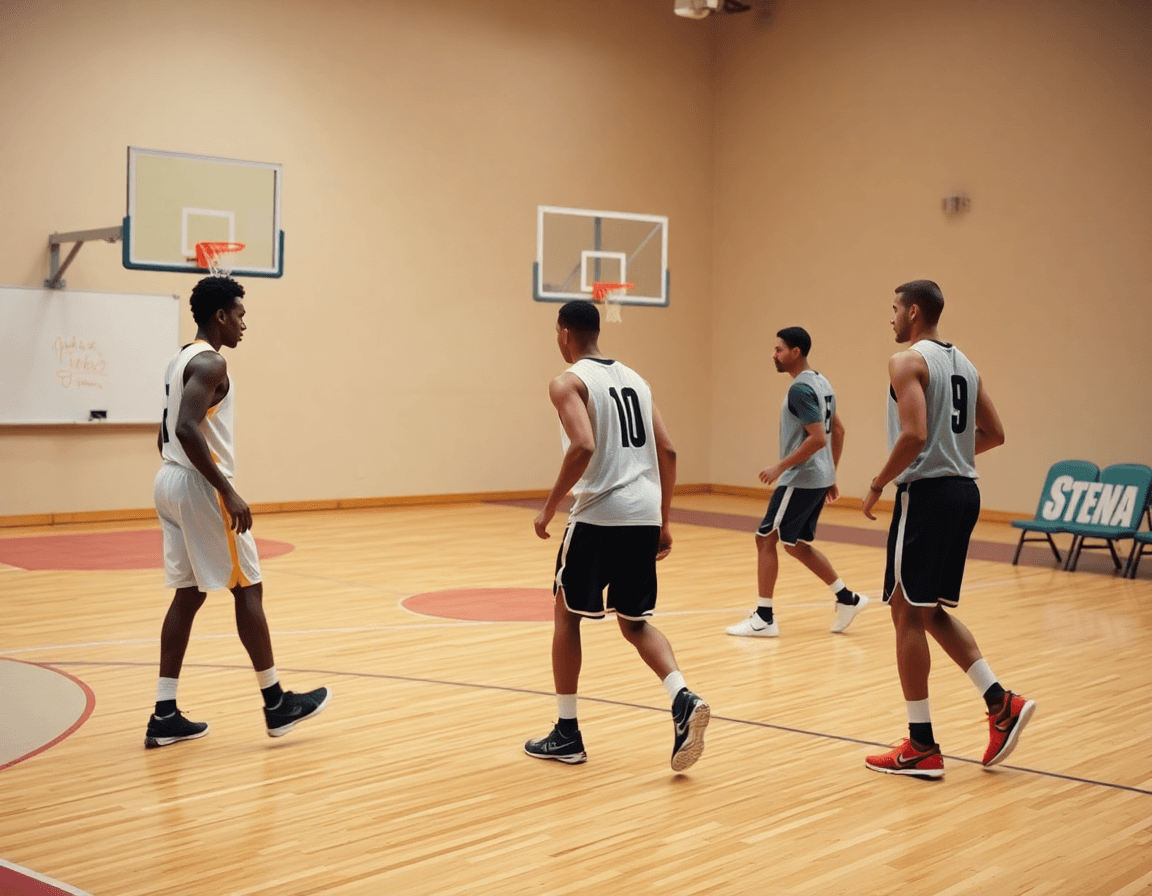
In my weekly motion-offense plan, I lock in the core actions that drive spacing and rhythm. Concepts like the Duke motion offense emphasize movement and reads off the ball. With CourtSensei, I build the plan, diagram actions on the whiteboard, and attach video clips to each action so assistants and I stay aligned. The core actions to master are curl cuts, pindowns, dribble handoffs, hi-lo, and multiple screen sets.
Curl cut turns a cutter into the middle for high-percentage looks. In our plan, I mark the arrival pass, the defender’s reaction, and the next read on the whiteboard, then pull a clean clip from a game to attach under that action. We drill reads and timing, moving from static to dynamic to ensure players anticipate gaps and sprint into space.
Dribble handoffs and pindowns create separation and open shots off the ball. I map these actions on the whiteboard, assign clips to each read, and build a montage that highlights timing from catch to move. A pindown—set with a strong backscreen—gives the shooter room to rise or slip. Clips go into a sharable playlist for assistants and players to study.
Hi-Lo actions leverage the post to generate inside options and reversals. The plan includes sets where the post passes out to the wings, then dives to the rim for a return pass or reverse to the weak side. On the whiteboard I diagram alignment and timing, then we grab clips showing clean hi-lo reads to reinforce the concept.
Finally, we layer in screens to keep defenders reacting and prevent stagnation. We mix 3-out/2-in and 4-out looks, then transition to drive and kick as gaps open. The weekly plan assigns drills that sequence from spacing to action, with clips and scouting notes ready to pull for film sessions. The end result is a clear, repeatable workflow: plan, diagram, clip, scout, and share.
From Transition to Half-Court: Maintaining Motion Principles
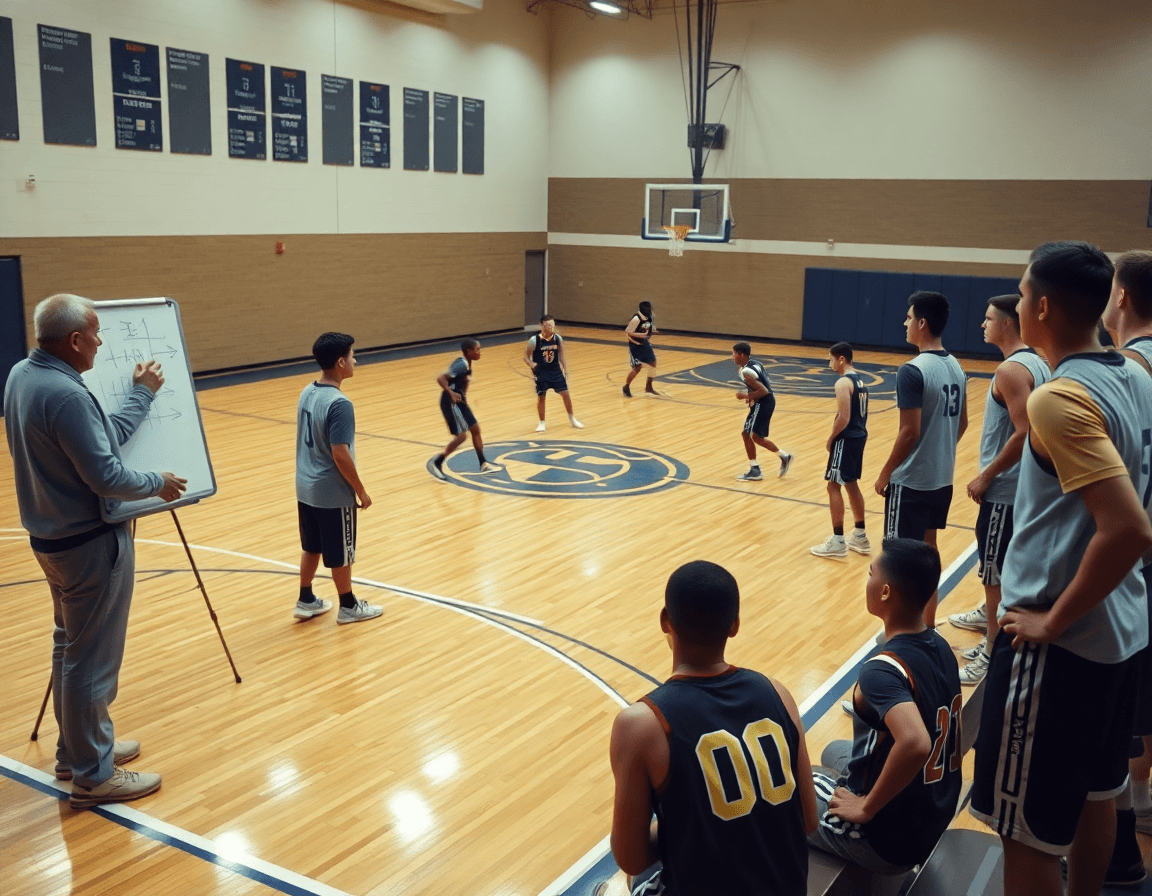
From transition into half-court, the Duke motion offense principles still guide spacing and timing. In my weekly plan, I start with transition offense concepts: O5 sprint to the lane line, wings wide, and the floor stretched to create options. When we glide into the half-court, that spacing carries over and keeps the motion alive, so reads stay clean and decisions stay fast. It sets the tone for the rest of the session.
Actions should flow into half-court reads rather than breaking motion too early. The drills and diagrams emphasize a natural progression: a drive-and-kick into a kick-ahead, a curl off a stagger, or a pindown to create mismatches. Each sequence is designed to stay in motion until a defender commits, then we attack the gaps.
Transition timing sets the stage for dribble-entry, kick-ahead passes, and quick hitters. In the early offense phase, we favor spacing patterns like 3-out/2-in or 4-out to maximize read-and-react options. The goal is to keep defenders guessing and create opportunities that feed cleanly into the half-court action.
Keep decision points open so players read the defense and exploit gaps. That’s where CourtSensei shines: build the weekly motion offense plan, diagram complex actions on the whiteboard, clip and organize game and practice sequences, compile scouting reports, and share action playlists with assistants and players. The result is a clear, adaptable workflow that turns transition reads into confident half-court attacks.

Practical Workflow Step: Build Your Week’s Motion Offense Plan
Think of this as the skeleton of your weekly motion offense workflow. Day 1 installs 2–3 core actions—curl and pindown—with spacing rules that fit your group (3-out/2-in, 4-out when needed). Save this into your duke motion offense module so it’s easy to pull up next week. On the whiteboard, diagram each action and its spacing trigger. Share the plan with assistants for quick feedback—this is your weekly practice plan in action.
Day 2 expands the plan with drive-and-kick sequences and introductory screening sets. Diagram options after a pass or a drive, and note where the ball reverses to shooters in rhythm. Keep it teachable: a couple of reads, a couple of counters, and a simple rotation that stays aligned with your spacing rules.
Day 3 adds transition concepts and decision points for middle penetration. Outline when to push, when to tempo down, and what reads trigger a skip pass or a pull-up. Put these on the board and assign brief reps in your practice plan to reinforce timing and decisions.
Day 4 is live and situational: live drills and situational reps that mirror late-game flow. Build a lean practice plan, run quick reps, and loop back to the plan with notes for assistants. The week ends with a quick review: pull clips, adjust the plan for roster realities, export PDFs, and prep scouting notes. Create a short video playlist for players and a longer one for staff to study the action.
Scouting and Opponent Adjustments for Motion Offense
Scouting for a motion offense week starts by identifying opponent defense tendencies. Look for patterns: weak help on drives, over-helps to the strong side, or sagging rotations against different looks. For a motion offense approach rooted in the Duke motion offense concepts, you want to know where the lanes open up and where spacing breaks down. Capture this in your scouting reports and map it to your weekly plan, so the team sees how decisions flow from the plan to actions on the floor.
With tendencies identified, tailor action emphasis to exploit matchup advantages: if the opponent over-helps to the strong side, emphasize curl and pindown actions to free shooters; if they close out hard on the wing, lean into drive and kick from 4-out sets. In our framework, adjust in practice by weaving more curl and pindown into your playlists and whiteboard diagrams, so the team internalizes where to attack and how to react when defenses shift.
Map scouting notes to your action library and decision trees for quick calls in games. Tag each action with the context (spacing, drive angles, screening type) and tie it to a decision tree that coaches can reference on the sideline. Use CourtSensei to assemble a weekly plan, attach these notes to the relevant drill or whiteboard diagram, and share action playlists with assistants and players so everyone trusts the read in a tense moment.
Progressive adjustments over the week help preserve momentum and spacing. Start with a baseline motion offense setup, then layer in opponent adjustments as you collect more data from practice clips and clips of flows. Each day, add a few responsive actions to your playlist and rotate which actions you diagram on the whiteboard. By week’s end, the team operates with spacing and rhythm, not guesswork.
Using Video Clips and Playlists to Teach and Reinforce
After a game or a tough practice, I start with a tidy set of video clips to reinforce the Duke motion offense. I capture moments like curl cuts, pindowns, handoffs, and hi-lo reads, and label each clip by action and read. I tag by defense and outcome so a quick search of video clips lands on the exact situation we want to drill next week. This becomes the core library for the week.
With the plan in mind, I map the clips to the weekly workflow on the whiteboard. I annotate actions: curl, pindown, handoff, and drive and kick, then highlight spacing options (3-out/2-in, 4-out). Pair each clip with the defense shown and the outcome, so assistants can pull the sequence in seconds. This is how you turn a motion offense into a repeatable practice plan.
Create playlists for players and staff to review decisions. A 'Guards – Decision Making' playlist and a 'Bigs – Screening Actions' playlist keep the group aligned. Shareable links let assistants skim the sequences, while the clips tagging system makes it easy to retrieve by action, defense, or outcome. This is where the weekly plan becomes a real on-court routine.
Integrate video reviews into practice to shorten the feedback loop. Start with a brief coaching video recap after warm-ups, then run a drill block that mirrors the clip taxonomy: curl reads, pindown options, and hi-lo reads. Rewatch segments between reps, call out mistakes, confirm the correct reads, and reinforce decisions. The result is faster retention and sharper execution in the Duke motion offense.
If you build plans like this every week, CourtSensei keeps your drill library, whiteboard, and video clips in one place — try it free.
FAQ
What is the Duke motion offense, and what’s its core idea?
The Duke motion offense is a read-and-react, spacing-driven system built to create quick decisions and open looks. It typically runs a base 3-out/2-in (with optional 4-out looks) to widen the floor. The core idea is to move the ball, read the defense, and attack gaps with timely passes, cuts, and simple screens rather than heavy isolation.
How does the Duke motion offense create spacing on the floor?
Spacing is everything. The offense relies on constant off-ball movement, ball reversals, and multiple shooting angles to pull defenders apart. By swinging the ball and using drive-and-kick sequences, players draw help and create 2–3 open reads on the next pass. When spacing holds, cutters and screens become options rather than afterthoughts.
What does 3-out/2-in mean in the Duke motion offense, and when is it used?
3-out/2-in means three players on the perimeter and two posts inside. It’s the base alignment that keeps floor balance, creates driving lanes, and gives read-and-react options. You can switch to 4-out to widen spacing when the defense overhelps. Use it early in practice to install reads, ball reversals, and the wing action that follows.
What is a curl cut and how is it used in Duke's motion offense?
Curl cut is when a cutter turns inside toward the lane for a high-percentage look. In the Duke motion, the arrival pass prompts a read as the defense reacts, and the cutter curls into space for a middle shot or a kick-out. We drill precise timing and spacing so reads stay crisp under pressure.
What is a pindown screen and how do you use it in Duke's system?
A pindown screen is a strong backscreen set for a shooter to free them along the baseline. In Duke motion, it creates separation, lets the shooter rise or slip, and keeps the ball moving. We diagram the angle, timing, and pair it with a drive option to keep defenses honest.
How does hi-lo action work in the Duke motion offense?
Hi-lo action uses the post to generate inside options and reversals. The post passes out to the wing, the wing attacks, and the post dives or reverses to the weak side. We map sequences, timing, and reads on the whiteboard and clip examples to reinforce the concept.