5 out motion offense basketball: Weekly plan for coaches
Coach-focused weekly guide to the 5 out motion offense basketball, with drills, spacing rules, and a plan to build practice plans, video clips, and scouting.

Key takeaways
- Define a weekly plan for the 5-out motion offense with install, practice, scout, review.
- Emphasize spacing along the NBA three-point line to create driving lanes and kicks.
- Progress foundational skills: Basic Cutting, Screening Away, On-ball Screen, and Dribble At.
- Incorporate backdoor reads and denial counters to keep offense flowing against defenses.
- Build scouting notes and clip libraries to tailor adjustments for each opponent.
Understanding the 5-out motion offense from a coach's weekly planning perspective
When I think of the 5-out motion offense, I see a positionless, spacing-driven system built around ball location and decision-making. It’s not about pounding the ball inside; it’s about reading the defense and exploiting gaps as soon as they appear. We emphasize this through spacing the floor, ball reversals, and timely cuts that keep everyone involved. The framework hinges on players understanding when to penetrate, when to relocate, and how to keep opponents guessing.
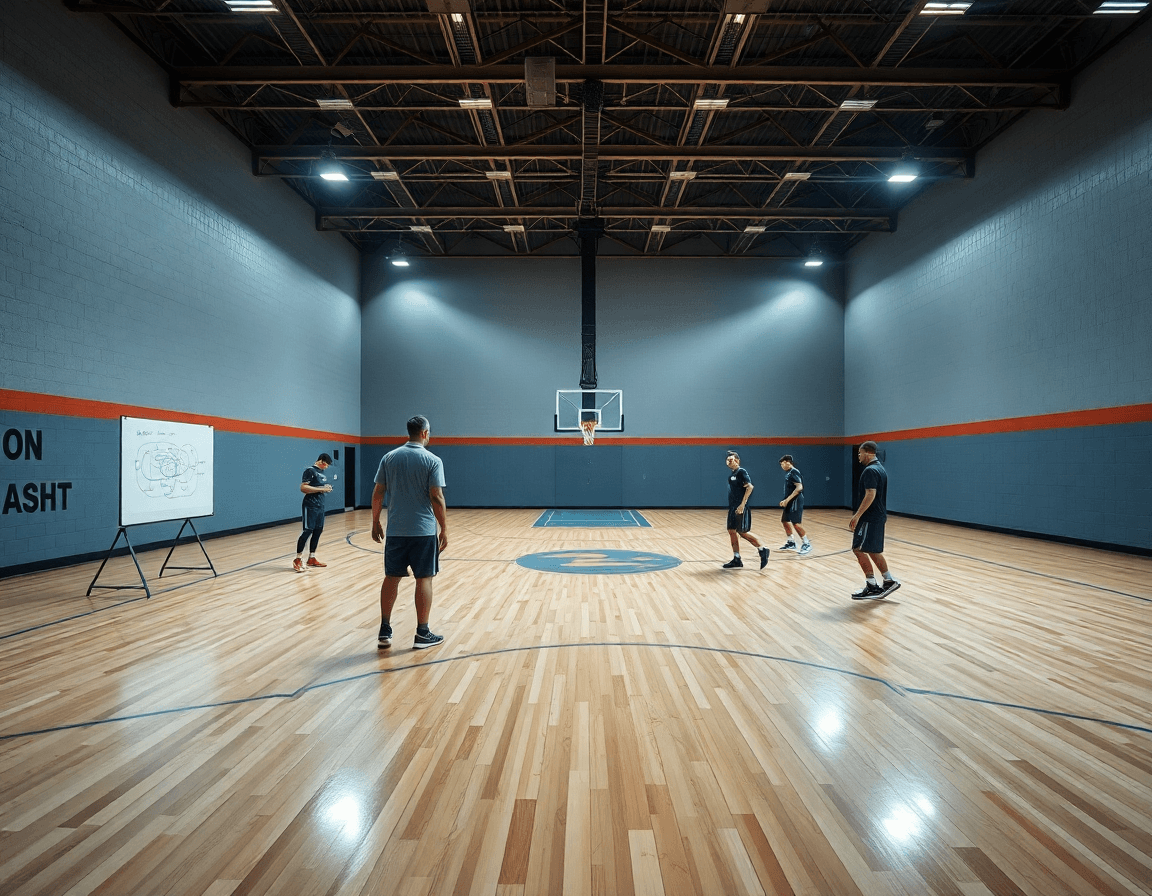
From a weekly planning perspective, it fits neatly into install, practice, scout, and review cycles. This is where CourtSensei shines: in the plan phase we draft a weekly plan for offensive system, assemble practice plans, diagram 5-out actions on the whiteboard, and pair that with short video clips for feedback. After we practice, we pull scouting notes to anticipate opponent reactions, then refine our player playlists to study the reads in the film.
Our core rules are simple: back-cut if denied, square up on catch, attack gaps, move with purpose, and maintain spacing along the floor. When players master the timing of reads and passes, the offense flows with rhythm rather than force.
Common pitfalls to watch: a fragile rhythm against zone defenses and over-reliance on a star. To counter, we design contingencies in the install phase—secondary reads, post options, and a quick open-post option if the defense overplays the perimeter. We document these adjustments in scouting notes and keep a few ready-to-go plays in the playlists for quick deployment.
In our workflow, the plan informs the drill design on the court, the diagrams on the tactical whiteboard, the clip library we build, and the scouting corroboration we share with assistants and players. When we walk into the gym, every 5-out action is a planned sequence, not a guess, and that consistency is what makes the offense repeatable.
Core progressions to teach in your weekly practice plan
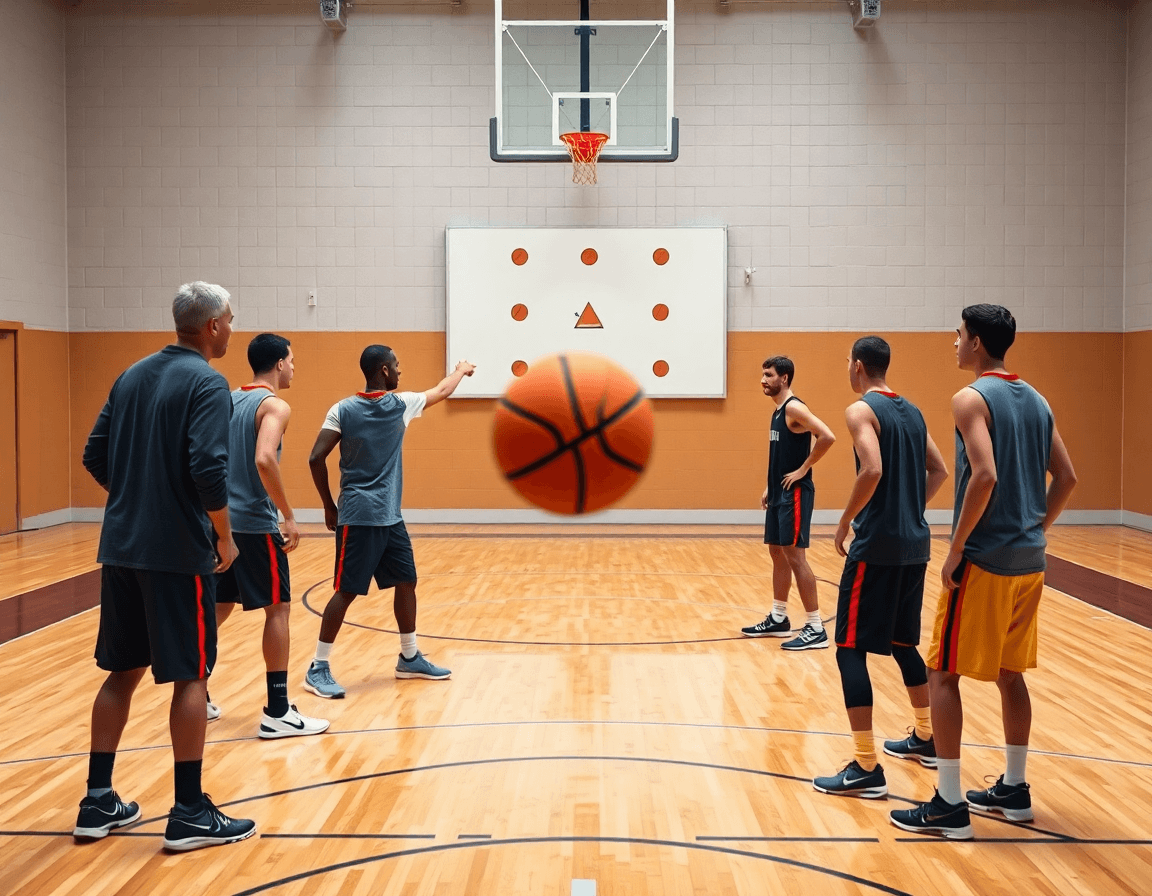
As you build your weekly plan around a 5-out motion offense basketball, the core progressions become your guide. Structure weeks to build from foundational cuts to full flow with screens and dribble actions. Think of four pillars you cycle through: Basic Cutting, Screening Away, On-ball Screen, and Dribble At. In CourtSensei, you map these into the practice plan, diagram each action on the whiteboard, clip key moments, and drop scouting notes to players and assistants.
Begin with Basic Cutting. The goal is compact spacing and crisp off-ball movement. Work on timing with the passer and reads off the defense. Emphasize spacing along the NBA 3-point line and incorporate backdoor cuts when the defense overhelps. Use a short video clip to show clean reads.
Then introduce Screening Away. Teach the away screen from the wing to free shooters, shaping actions for open looks. Focus on setting solid screens, using proper screening angles, and maintaining spacing the floor for open post offense and drive options. After a few reps, save a quick scouting note in CourtSensei to reference later.
Next, On-ball Screen. The ball handler uses the screen to turn the corner, drive, or pass to cutters. Emphasize legal screen angles, timing, and when to flip to the Dribble At with a drive. Build reps where the ball handler reads the defense and options behind the action; align each rep to your library goals so assistants can coach to a plan.
Finally, Dribble At. This progression teaches attacking gaps with purpose, collapsing the defense, and kicking to shooters. Pair it with backdoor cuts and the flex action progression to create multiple reads. Keep spacing along the wings and elbows, and challenge players to read coverages rather than forcing the first option.
Spacing rules and decision-making: a coach's rule sheet for the floor
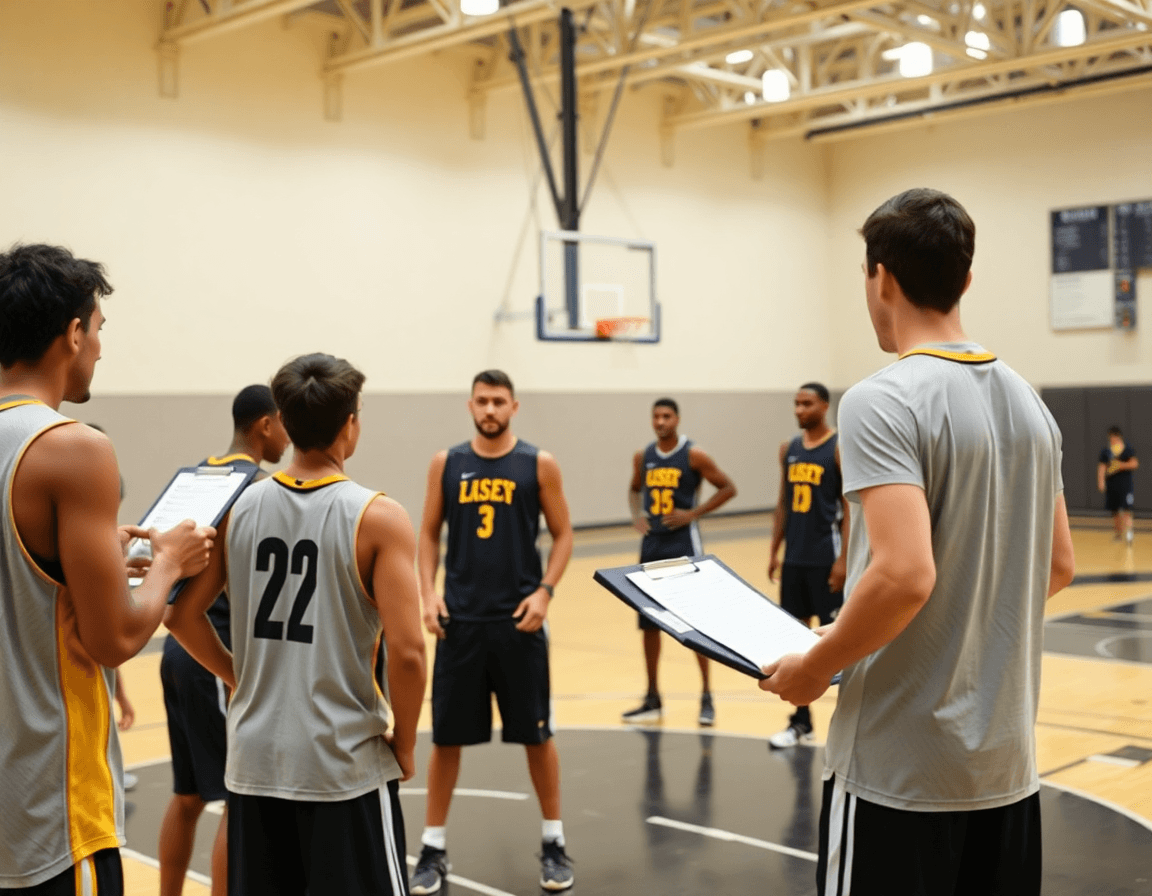
In a 5-out motion offense, spacing the floor along the NBA three-point line creates driving lanes and kick opportunities. In the weekly plan, we map this on the whiteboard: three-point shooters on the wings and corners, one player at the top, and a floor layout that leaves the paint clear for drives or reversals. It’s not a static setup; it’s a living diagram we reference every drill to keep the action connected.
Key decisions: when to attack, when to pass, and when to back-cut if denied. The rule sheet translates into quick, game-like reads for your players. If a helper slides over, attack the gap and kick to the open shooter; if the defense sinks, reverse the ball or hit a skip. This is where the cue to read the defense becomes actionable, guiding ball flow and shot timing rather than letting sequences stall.
Teach backdoor cuts and read-the-defense cues to trigger next actions. When a defender overplays the passer or hotter hands deny the trigger, a well-timed backdoor cut can unlock a layup or a high-quality shot. In 5-out, backdoor reads aren’t about chasing a post; they’re about exploiting a denial and converting it into immediate scoring threats. We drill reads that pair with the spacing, so the cut is a natural consequence of how the defense reacts.
Maintain discipline to prevent stagnant sequences and defend against zone looks. We practice quick ball reversals, shot-ready spacing, and decisive decisions to keep movements sharp. Against a zone, the same floor space becomes a tool to pull defenders and create gaps. The emphasis is on discipline—sticking to the rules of spacing the floor while reading defense cues and keeping the offense flexible enough to adapt.
Practical workflow: weekly drill sequence for 5-out
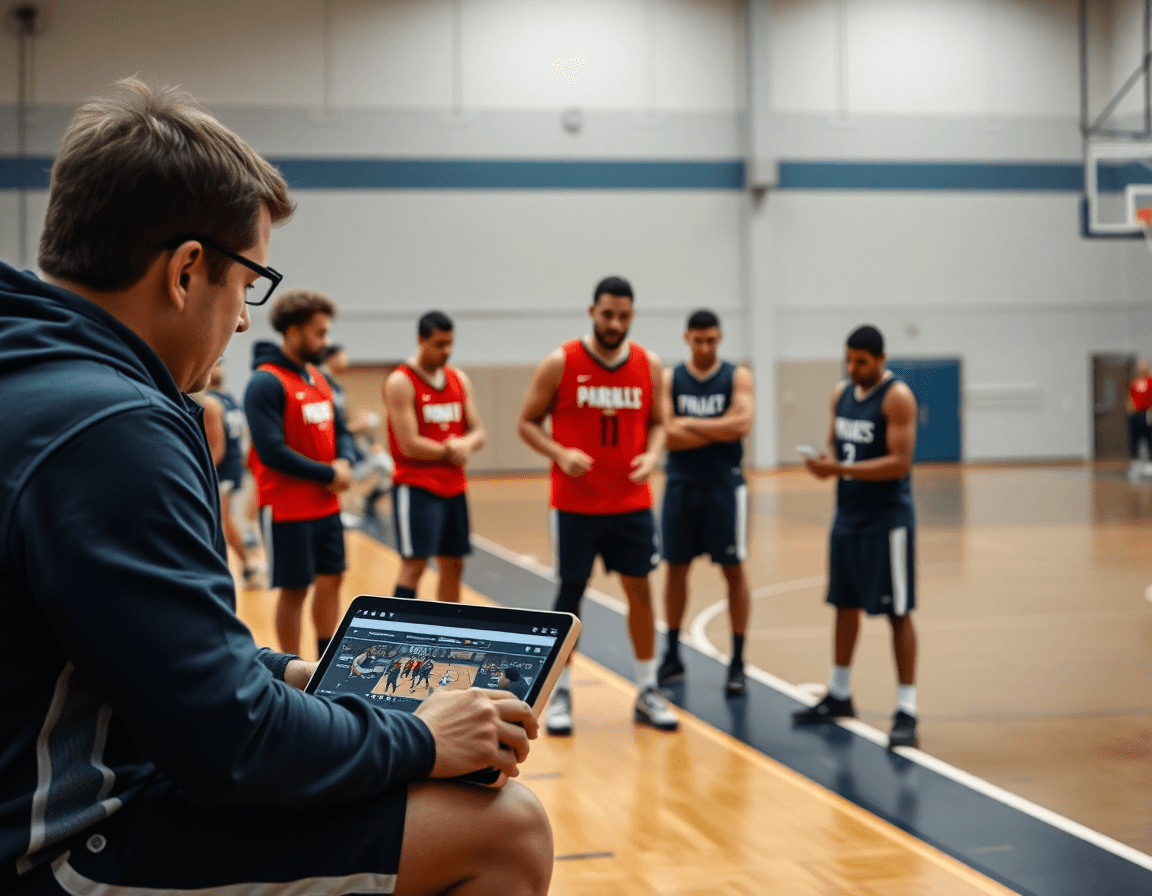
Here’s a practical workflow for implementing a 5-out motion offense in a single weekly cycle. As a head coach, you’ll see how the weekly drill sequence maps to your planning workflow: build practice plans, diagram 5-out actions on the whiteboard, clip and organize game footage, and compile scouting notes and player playlists for 5-out execution. Use PDF exports to share diagrams with assistants, and set up a video review block to track progress across the week.
Day 1 — warm-up and basics: start with ball-handling patterns and quick passes, then emphasize spacing the floor to create open looks in a 5-out layout. Keep the pace tight and finish with a read-and-react drill that mirrors early-season decisions. Document the session on the whiteboard and drop a PDF for the staff to reference during film study.
Day 2 — cutting: work on explosive cuts and timing reads. Use V-cuts, backdoor cuts, and straight cuts to simulate free lanes for kick-outs. Tie each cut to a defense cue and keep the language consistent on the floor. Log cues on the board and save a short video clip to illustrate proper timing.
Day 3 — screening away: teach away screens to free perimeter shooters; practice screening away into drags, slips, and spacing reads. Have players communicate and align screens with the next pass option. Save the diagrams and assign a review clip for quick feedback.
Day 4 — on-ball screen: execute solid on-ball screens and option reads off the screen. Practice spacing with the screen-and-swing options in a 5-out frame; capture the action on the whiteboard and export a quick guide for assistants.
Day 5 — dribble at: introduce dribble-at sequences to collapse the defense and open kick opportunities. Pair these with quick decision drills and edge-of-seat tempo. Build a short video review block so players can study the reads, and keep the coaching notes handy.
Day 6 — live 5-out reps: finish with live 5-out reps that test decision-making under clock and pressure. End with a game-like scrimmage to validate spacing and rotations, then pull a final video clip and scouting note to inform next week’s 5-out practice plan.
Using video clips and scouting to sharpen 5-out execution
Sharpening 5-out execution starts with a linked library of video clips that show cuts, screens, reads, and decision points. Create a library of video clips that illustrate spacing the floor, backdoor cuts, and the reads that trigger action. In CourtSensei, I organize these into a connected web so a single set of playlists can guide pre-practice walkthroughs and post-practice review. When the defense overplays the floor, you have a concrete sequence to show, not just a concept.
To keep the learning tight, I build playlists for each player and tag actions (BLOB/SLOB/ATO/PnR) for quick teaching moments. A typical session starts with a short video clip of a ball handler using space, then we drill the sequence on the floor that mirrors the clip. I’ll tag clips by action—open post offense, screen away, dribble at—so assistants can pull a single sequence and walk through decisions in real time.
Develop scouting reports on opponents’ defense to tailor 5-out options. In practice, I translate those reports into concrete actions: when the opponent overplays the ballhandler, we lean into dribble-at and skip passes. If a pack-line shows, we emphasize screen away or a backdoor cut. Those scouting notes feed our weekly planning and become a source for shareable video clips that illustrate counter-moves against each opponent.
Common challenges, counters, and roster considerations for 5-out
5-out motion offense basketball hinges on floor spacing and shooting. A roster with one dominant scorer will struggle when defenses collapse on the ball. You want 4-out, 1-in spacing, with at least two shooters on the floor to keep lanes open for drives and kick-outs. If your roster isn’t built for pure spacing, pair 5-out with an open post offense or a stretch big who can pop to the arc. In the weekly plan, we carve blocks for spacing the floor and open post actions, and we tag clips that show how quick ball reversals create open looks.
Defensive counters come fast. Zone defenses and pack-line pressure can clog passing lanes and force tough late-clock shots. Denial pressure can turn a clean drive into a contested pull-up. To counter, emphasize pace and clock management and occasionally slip in ball-screen heavy sets to force decision points. Use quick ball reversals to pull the shell and then drive-and-kick with disciplined on-ball screens.
Adjustments and roster planning: mix in ball-screen heavy sets to create mismatches, alter spacing to invite backdoor cuts, or insert delayed offense variants to manage pace. When thinking about the plan for the week, pull clips of open post offense and screen away actions, and build scouting notes on opponents’ zone and denial tendencies. Pair this with player playlists that reinforce movement and read-and-react actions so 5-out becomes second nature in practice and game.
If you build plans like this every week, CourtSensei keeps your drill library, whiteboard, and video clips in one place — try it free.
FAQ
What is the 5-out motion offense in basketball?
The 5-out motion offense is a spacing-driven, positionless system where all five players operate on the perimeter, prioritizing reads over post-ups. It relies on quick decision-making, ball reversals, and well-timed cuts to create open shots. As coaches, we build it through a weekly plan, practice progressions, and short video feedback to sharpen timing and discipline.
What are the advantages of the 5-out motion offense?
Advantages of the 5-out motion offense include spacing that opens driving lanes and consistent ball movement. It keeps all players involved and helps develop decision-making under pressure. With a solid weekly plan, you pace progressions, build timing, and force defenses to react rather than dictate, leading to higher-quality shots and more adaptable game plans.
What are the disadvantages of the 5-out motion offense?
Potential drawbacks include vulnerability to strong interior defense and rebounding challenges when shooters play outside. It can stall against physical zones and depend on multiple players making threes. Teams with elite interior finishers or poor shot selection can struggle. To counter, you add paint options, box-out drills, and quick counters in your scout notes.
What is an example of the initial formation for the 5-out motion offense?
Initial formation typically spaces players along the perimeter: top, wings, and corners, with the lane clear for drives. The starting layout aligns with the NBA 3-point line, granting immediate spacing and passing angles. Coaches diagram this on the whiteboard and drill early reads to ensure every player understands their entrance and exit routes.
What are the rules for players within the 5-out motion offense?
Rules for players center on timing and spacing: back-cut if denied, square up on catch, attack gaps, and move with purpose. Players must relocate after passes and maintain spacing to preserve driving lanes. When the ball reverses, reads and routes should adjust in real time, not as choreographed sequences.
What are examples of the basic options for the 5-out motion offense?
Basic options include drive-and-kick, passes to cutters, and read-the-defense reads behind the action. Use backdoor cuts when help overhelps, and keep shooters ready off skip passes. The goal is multiple reads from the same action, so players stay decision-ready and the defense stays uncertain.
What are examples of counters or quick hitters for the 5-out motion offense?
Quick hitters provide immediate punctuation to the 5-out flow: a well-timed quick hitter can produce a layup or wide-open three. Build counters with secondary reads and a simple open-post option. Have a couple of go-to sequences ready in your playlist so players can deploy them when defenses overplay the perimeter.