90 minute basketball practice plan: Weekly framework
Master a 90 minute basketball practice plan with a coach-focused framework—block times, drills, video review, scouting, and collaboration to drive progress.

Key takeaways
- Adopt the six-block weekly spine (10-20-20-20-10-5) to keep your practice consistent and scalable.
- Create a single source of truth: centralize the weekly plan, logs, clips, and PDFs for staff alignment.
- Link video clips and player playlists to each block to reinforce decisions and timing.
- Anchor drills to team concepts via a tactical whiteboard; map to BLOB/SLOB/ATO/PnR and export PDFs.
- Maintain cadence: Warm-up, Skill, Offense, Defense, Scrimmage, Cooldown; use 5-on-0 walkthroughs and log weekly progress.
Practical workflow: turn a 90-minute frame into a weekly plan
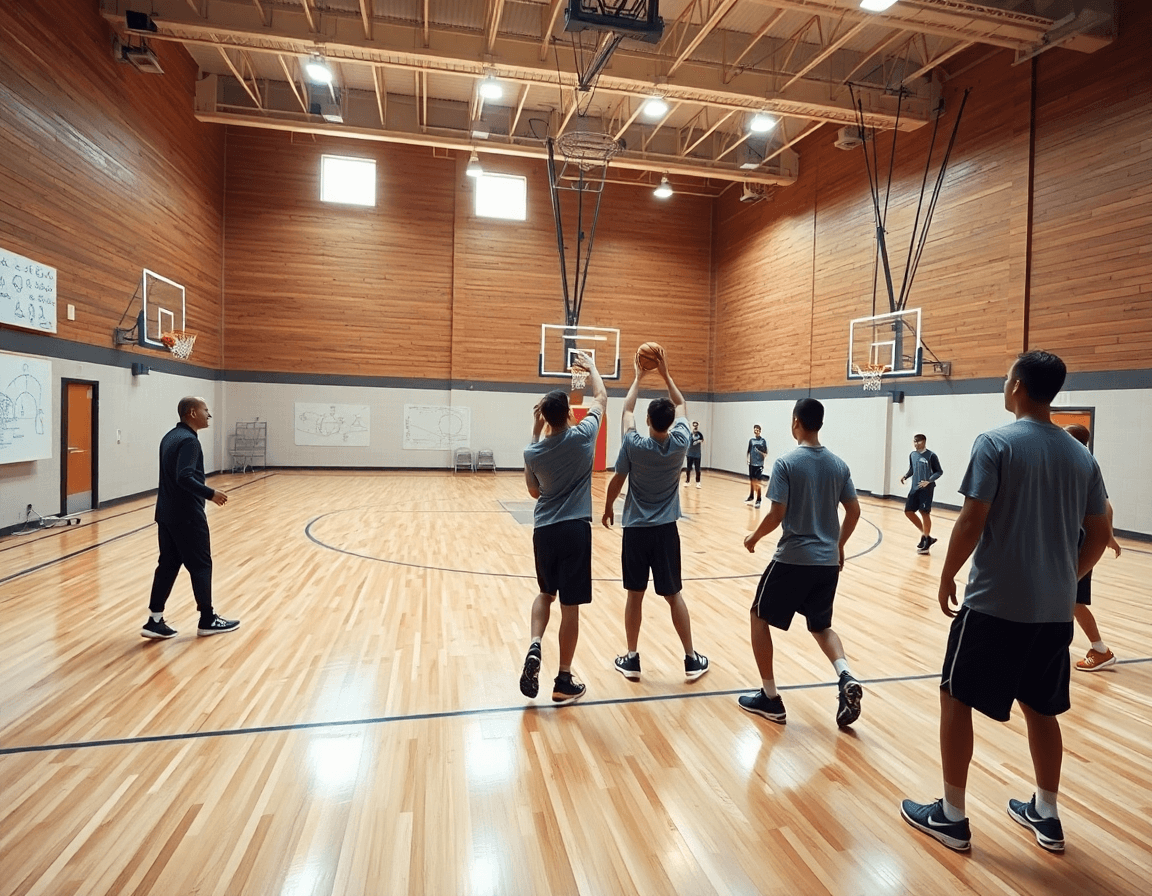
Turning a 90-minute frame into a weekly plan starts with the six-block structure—10-20-20-20-10-5—and mapping each block to core team concepts. Block 1 (10 minutes) is a dynamic warm-up paired with a quick 5-on-0 walkthrough to reinforce shell drill principles. Blocks 2, 3, and 4 break down skill development, team offense progression, and team defense/transition. Block 5 uses a short scrimmage to execute the week’s offensive set against live defense, and Block 6 closes with cooldown and a rapid film clip review. The cadence keeps players sharp and coaches focused on the same objectives all week.
All of this lives in a single source of truth that I share with assistants and annotate as we go. In CourtSensei, the master plan becomes the reference point: adjust timings, add progress notes, and tag tasks to block goals. This setup eliminates drift and gives the staff a clear, auditable weekly workflow to follow.
I connect the plan to whiteboard diagrams, PDFs, and staff notes so game-week clarity is immediate. We diagram plays (BLOB/SLOB/ATO/PnR) on the whiteboard, export a PDF of the relevant pages for the staff meeting, and leave notes on scouting tendencies. When the week rolls, everyone can review and align on the sequence for the days ahead.
Video clips and shareable playlists are the glue for learning. I drop targeted clips into the plan—like a 5-on-0 sequence or a shell drill rep—and build player playlists that they can watch in pre-practice huddles. The workflow tracks progress: mark clips watched, annotate improvements, and adjust the next block’s emphasis.
Putting this into weekly rhythm means a proven order: warm-up, skill work, offense, defense, scrimmage, cooldown. The framework scales from junior high to semi-pro, with the same structure, and centers the planning around a clear, repeatable workflow.
Block-by-block breakdown: warm-up to cooldown
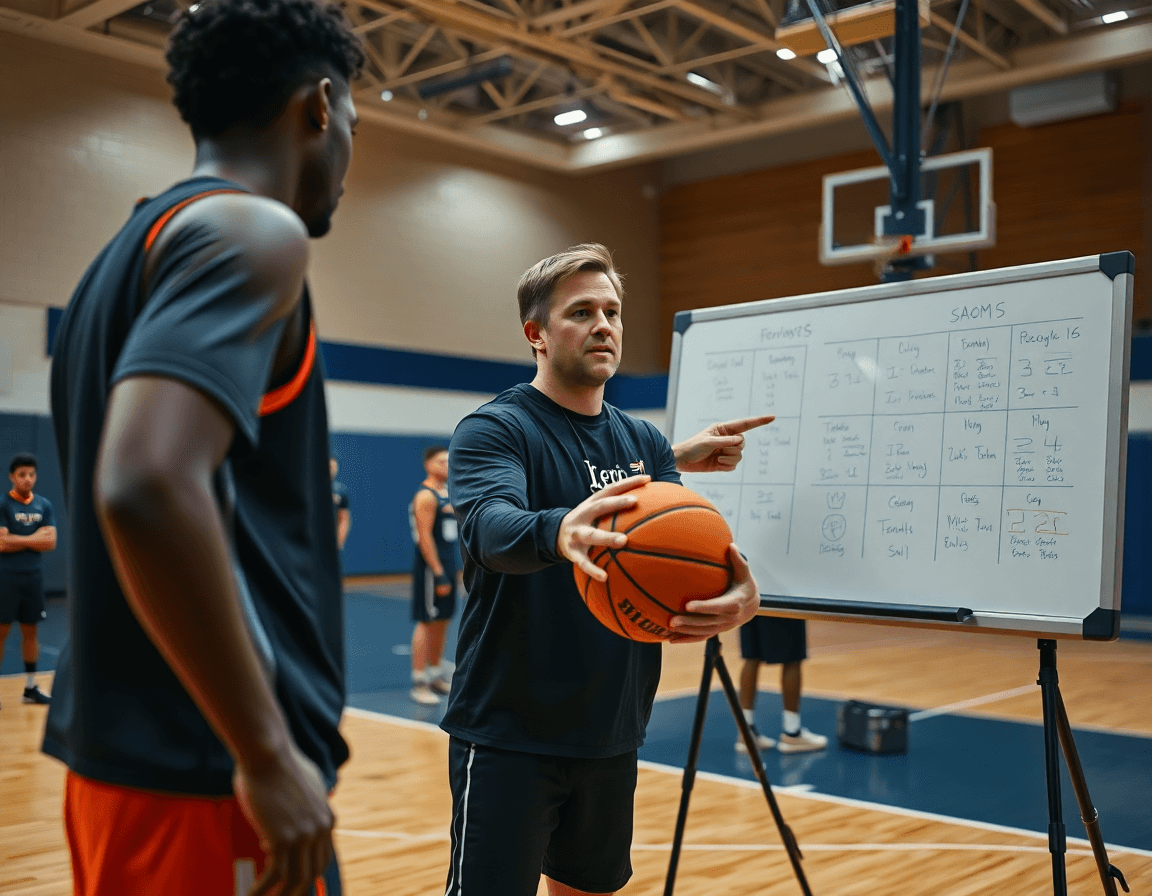
Think of a 90 minute practice as six blocks that thread together into a single plan. With CourtSensei, you lay out the blocks, draw on the whiteboard, drop a short video clip, and attach scouting notes and shareable playlists for staff. The framework aligns with 90 minute practice plan blocks: a 6-block practice plan — Warm-up 10, Skill Development 20–25, Team Offense 20–25, Team Defense 15–20, Scrimmage 10, Cooldown 5.
Warm-up (10) sets the tone. Use the dynamic warm-up timing to prime hips and ankles while you reset touch and pace. Think mobility, defensive slides, and a short ball-handling circuit. Write the block goal in the plan (injury prevention, movement quality) and log progress for weekly review.
Skill Development (20–25) builds technique under pressure. Include a two-ball handling ladder, finishing at the rim, and a quick spacing drill. Use a short video clip to reinforce form and a cue to keep players connected to spacing. Record outcomes in the plan so you can track gains week to week.
Team Offense (20–25) and Team Defense (15–20) run in sequence. Start with a shell drill to establish spacing and communication, then move to reads against a live defense. End with a quick 5-on-0 walkthrough before 5-on-5 live. Log block results and coaching notes for later staff review.
Scrimmage (10) tests execution under game tempo, followed by a cooldown (5) with a short clip for feedback. The plan keeps block goals and progress in one place for the weekly check-in, and the staff can reference the attached playlists when players review film.
Align drills to team concepts with a tactical whiteboard
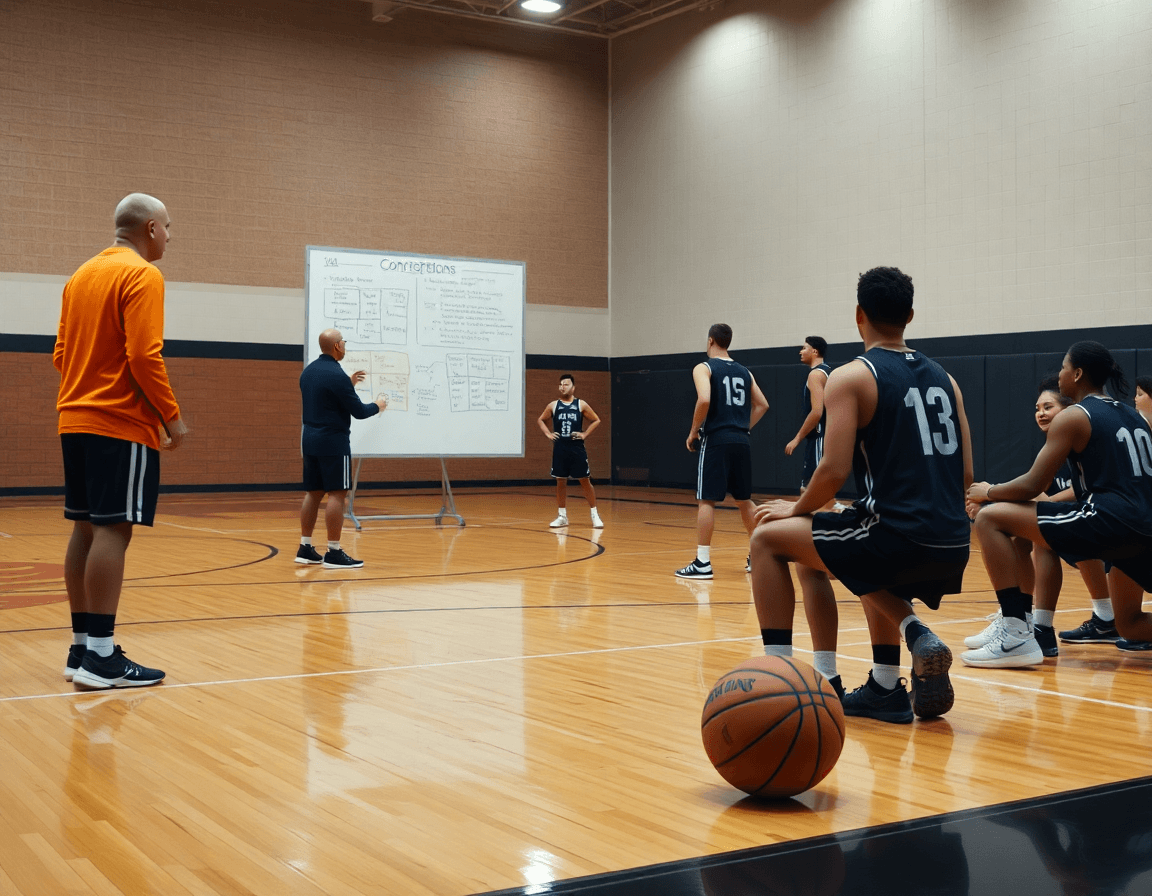
As a coach building a weekly framework, I start by tying every drill to our core team concepts using a tactical whiteboard. The goal is to move from isolated skill reps to concept-driven practice. I label drills by purpose—spacing, decision points, and rotations—so that every block reinforces a single objective in our team concepts drills. This approach creates clarity at the start of the plan and keeps momentum rolling through the session.
Next, I connect each drill to offensive/defensive concepts (BLOB/SLOB/ATO/PnR) and plan live reps right on the board. After that, I create and export whiteboard diagrams as PDFs for staff reference. The visuals let assistants and managers see rotations, trigger points, and responsibilities during live reps.
In a 90-minute frame, I structure blocks around the practice phases: a dynamic warm-up to prep bodies, skill development to sharpen technique, and then team offense/defense to apply concepts. The plan includes a 5-on-0 walkthrough to ingrain spacing and timing, a set of constraint drills to stress decisions, and then 5-on-5 reps to simulate live play. The shell drill often slots into this block to reinforce rotations.
The workflow is simple: the playbook on the board links to video clips for quick refreshers and playlists to guide players outside practice. With everything centralized, you can reuse the same plan next week, tweaking concepts or add-ons as needed. When you export the PDFs, staff has a stable reference while players review material on their own time via those playlists.
Using video clips to reinforce learning in the plan
In a typical 90-minute plan, I anchor learning with select video clips for every block. For dynamic warm-up and skill development, I pull clips that demonstrate the decision-making we want—where to plant, when to sprint, how to read a defender. For shell drill and team offense, I grab clips that illustrate spacing, ball movement, and rotations. One or two clips per block keeps it focused and actionable. I tag each clip with the key decision so it’s easy to pull up during planning.
Attach video links to the plan notes and share with players for review. I include a simple, shareable playlist for each block so players can rewatch the exact moments that matter—before, during, or after practice. That way, the plan becomes a living reference, not a one-off demonstration. The player-facing clips reinforce the plan without turning practice into a screenshow.
Track improvement by linking clips to outcomes in practice notes. After each block, I annotate what happened in the outcomes section and reference the clip that guided the action. If a rotation holds in two reps, I tag that success to the clip and capture the progress in the notes. The result is a clear feedback loop you can measure week over week.
Example flow in a 90-minute session: start with dynamic warm-up and a quick 5-on-0 walkthrough clip showing proper pivot and pass timing. Move to shell drill with a defender rotation clip, then to team offense with a spacing clip, followed by a focused scrimmage clip to cue transition defense. End with cooldown and a short video review in the player playlists.
Scouting integration: tailor weekly objectives and drills
As a coach running a 90-minute practice plan, I anchor the week to opponent scouting in practice. The plan’s block-based layout keeps the flow tight while I translate scouting into concrete drills—dynamic warm-up, skill development, team offense, team defense, and a 5-on-0 walkthrough or shell drill to lock in concepts. I annotate the scouting focus in the plan and set weekly objectives for each block so assistants and players know what to expect.
Within the planning tool, you can annotate scouting notes directly in the plan and export PDFs for staff distribution. The workflow is plan in the plan view, reference scouting notes on the whiteboard diagrams of actions, and attach a short video clip that highlights opponent tendencies. This keeps everyone aligned and reinforces the concepts in the same space.
For example, if the scouting report flags heavy pick-and-roll actions and corner shooters, you lean into more shell drill and a 5-on-0 walkthrough for hedging and recovery. You adjust the block emphasis to emphasize team defense in the plan while keeping the rest of the cadence intact for consistency. The 90-minute window remains a stable framework, with tweaks guided by the opponent tendencies.
At the end of the week, this scouting integration helps a coach keep the weekly objectives aligned with scouting for practice plan and practice plan customization, without losing sight of the core rhythm: dynamic warm-up, skill development, and live decision-making in scrimmage. The resulting PDFs, diagrams on the whiteboard, and a set of shareable playlists give staff and players one cohesive reference.
Practical checklist + quick-start template
Practical checklist + quick-start template
Pre-practice: set goals, assign roles, load your plan and video playlists.
- Define the week’s X focus (e.g., dynamic warm-up efficiency, tight ball-screen defense, or quick ball movement for the next opponent).
- Assign roles: one coach to run warm-ups, one to manage the whiteboard, one to cue video clips, one to track scouting notes.
- Load the 90 minute plan template into your centralized planner and attach relevant video playlists and scouting notes so everything is one click away.
- Create a simple PDF of the coming week’s plan to share with assistants and managers.
During practice: execute blocks, capture notes, and adjust on the fly.
- Block 1: dynamic warm-up + 5-on-0 walkthrough (0-10 minutes). Use a short video clip to illustrate a key movement pattern, then run a shell drill to reinforce spacing.
- Block 2: skill development station rotations (10-30 minutes). Focus on one or two goals (ball handling, finishing, or footwork). Capture quick notes on players’ progress in the scouting section.
- Block 3: team offense + team defense (30-60 minutes). Translate diagrams from the whiteboard into on-court execution; reference a quick clip if a concept isn’t clicking.
- Block 4: shell drill + 5-on-5 transition (60-75 minutes) and short scrimmage (75-85). Stop for coaching points and reset with a crisp PDF reminder for next week.
- Throughout: use short video clips to reinforce corrections, jot down notes, and adjust the plan on the fly as players respond.
Post-practice: update progress, share PDFs and playlists for next week.
- Transfer notes to the scouting section; mark progress toward the weekly goals.
- Export a clean PDF of the practice plan and update player playlists with any new clips.
- Share updated materials as a link for next week’s routine and the 90 minute plan template to keep weekly planning for basketball practice tight and consistent.
This structure supports a steady flow of dynamic warm-up, skill development, team offense/defense, and live scrimmage, all while keeping your playbook and video clips in reach.
If you build plans like this every week, CourtSensei keeps your drill library, whiteboard, and video clips in one place — try it free.
FAQ
What is a basketball practice plan, and why is a 90-minute frame useful?
This is a mapped, time-stamped plan that ties every drill to your team's goals. A 90-minute frame keeps focus, reduces drift, and gives your staff a repeatable rhythm. Use a six-block structure: Warm-up, Skill Development, Team Offense, Team Defense/Transition, Scrimmage, Cooldown. Block 1 is a dynamic warm-up with a quick 5-on-0 walkthrough to reinforce shell principles.
What are the essential elements of a basketball practice plan?
An effective plan nails the essentials: clear block goals, direct ties to team concepts, a progression from technique to application, live reps with brief walk-throughs, and a central whiteboard diagrams log that you can audit. It also includes video clips, staff notes, and a weekly review. Everything lives in a single source of truth for consistency.
How long should a basketball practice last, and how should you pace a 90-minute frame?
How long should it last? A 90-minute frame works when you pace six blocks: Warm-up 10, Skill Development 20–25, Team Offense 20–25, Team Defense 15–20, Scrimmage 10, Cooldown 5. Maintain a steady cadence so players know what to expect and coaches can compare weekly progress. Treat each block as a repeatable unit, not a rumor.
How do you structure a 90-minute practice for youth?
For youth, simplify the framework but keep the core cadence. Use shorter progressions, plenty of reps, and quick feedback. Keep a 6-block rhythm but with shorter Skill Development and fewer complex reads. Emphasize dynamic warm-up and shell drill to teach spacing and communication.
What drills should you include in a 90-minute practice?
Drills to include: ball-handling ladder, finishing at the rim, spacing drills, and a steady shell drill sequence, followed by reads against live defense and a short 5-on-0 walkthrough before 5-on-5. This ensures technique, decision-making, and team concepts translate to game tempo. Track outcomes so adjustments are data-driven.
How do you balance offense and defense in a 90-minute practice?
Balancing offense and defense comes from structure and reinforcement. Start with a shell drill to teach spacing, then reads against live defense, then a short 5-on-0 walkthrough, followed by 5-on-5 reps. Rotate emphasis across days to keep both sides sharp. Use film clips and playlists to reinforce both sides equally.