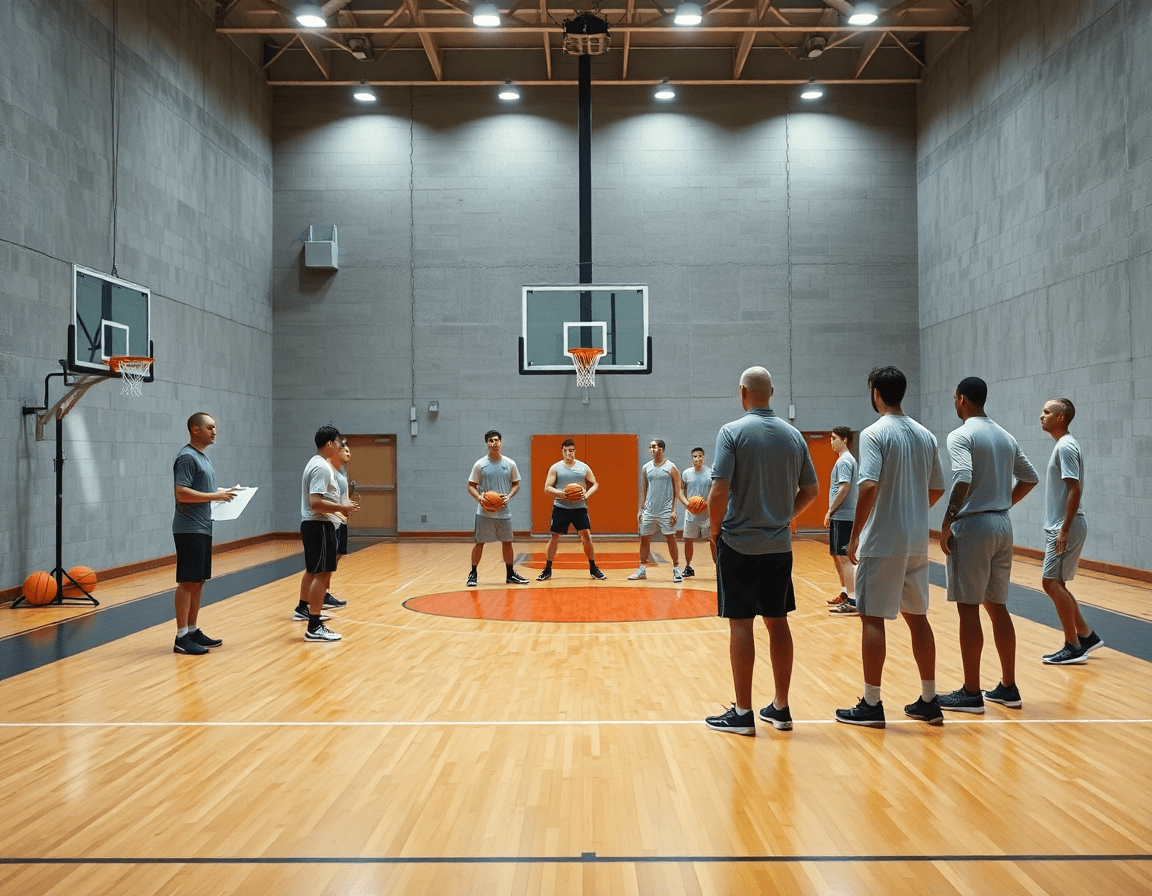
Basketball Best Defense: Weekly Plan for Coaches
Coach-focused guide to building basketball best defense with a weekly plan: stance, rotations, video analysis, and scouting for HS to college teams.

Key takeaways
- Set weekly, opponent-driven goals tied to scouting trends and on-ball defense strengths for consistency.
- Translate goals into concrete practice plans and drills with clear progressions and consistent terminology.
- Standardize defensive language with cues like BLOB, SLOB, ATO, and PnR for rapid recall.
- Track progress with clips and quick assessments to guide next week's refinements.
- Maintain a weekly rhythm: design, annotate, clip, and share playlists for reinforcement.
What basketball best defense means in a weekly plan
What basketball best defense means in a weekly plan
In a weekly plan, the baseline for basketball best defense starts with clear, opponent-driven goals. You map those goals to tendencies you’ve seen in scouting reports and to your team’s strengths—size, length, communication. The idea is to have a concrete target for the week: slow the ball, contest every shot, and force tougher decisions for the opponent. Keep the focus on sustainable habits that you can lock in across practice and games.
Translate goals into concrete Practice Plans and drills. If the aim is on-ball pressure, you build drills that jam the ball handler, deny easy entry passes, and force early clocking of decisions. For deny defense, work on closing angles, body positioning, and keeping players in predictable lanes. For your rotations, design sequences that reinforce help, recover, and wall up without over-committing. In the plan, these emerge as specific drills, with progression from stance and footwork to live-action reps. The language stays consistent so players hear “defensive stance,” “closeout,” and “rotations” like second nature.
Standardized defensive language matters. Use a common vocabulary so cues land fast in the heat of a game. When you label actions on the taktical whiteboard—BLOB, SLOB, ATO, PnR—your players know exactly what to react to without student-level explanation. That consistency helps in practice, where quick bursts of energy become real game habits. Pair the language with simple, repeatable cues during every drill and transition.
Track progress with clips and quick assessments to inform next week’s tweaks. At the end of the week, you pull short video clips that highlight on-ball pressure, denial moments, and rotations. Quick head-to-head assessments tell you what clicked and what didn’t, guiding the next Practice Plan. The feedback loop—plan, execute, clip, adjust—keeps your defensive fundamentals sharp and aligned with your opponents.
Designing a weekly plan: on-ball, help, and rotations
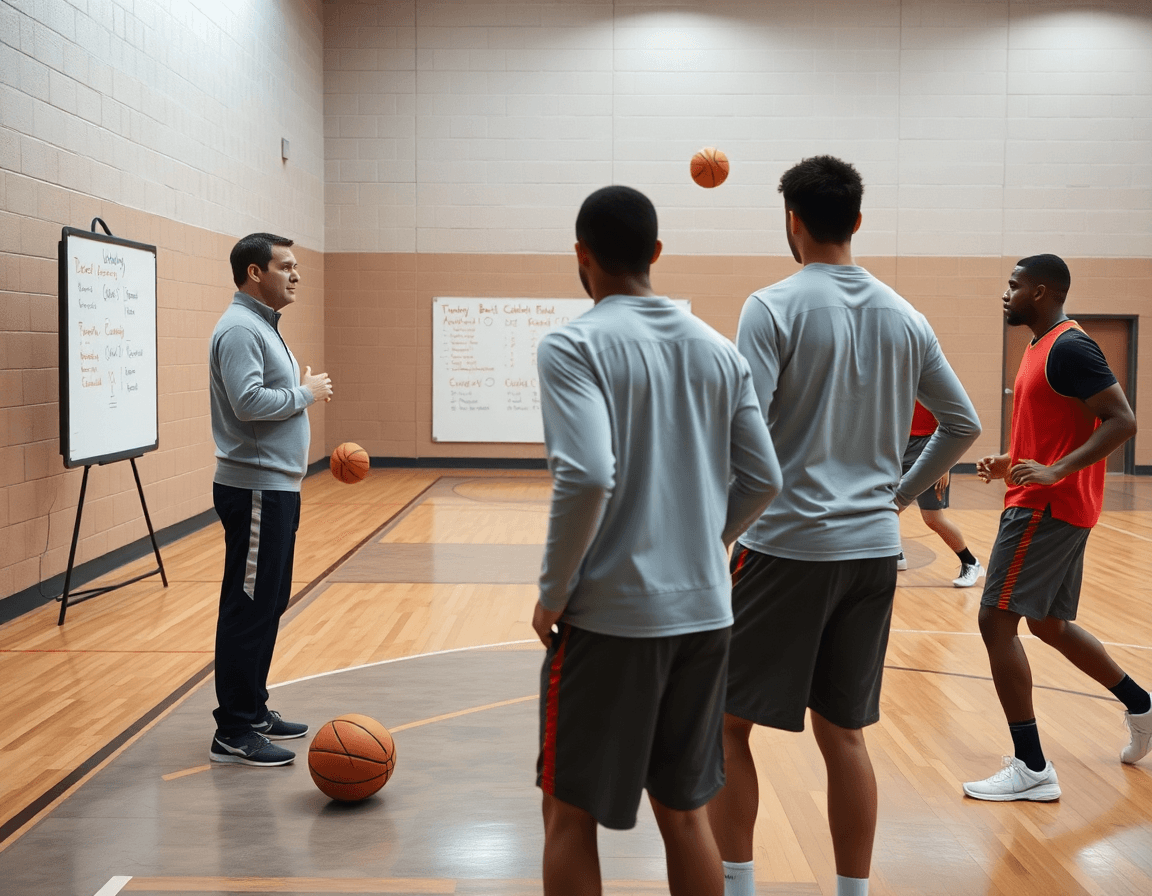
Designing a weekly plan starts with clear objectives for the week. For us, that means sharpening on-ball defense — pressing the ball, denying passes, and closing driving lanes with drive-denying gaps. In the Practice Plan, you spell out those objectives drill by drill and assign each role to a coach or assistant. CourtSensei lets you create and share these Practice Plans, tag the drills, and attach clips so players see the exact expectations for the coming days.
Next, define help defense rules and rotation responsibilities to protect driving lanes and passing lanes. You map who slides to the ball, who eyes the corners, and how the guard-forward combos stay gap-secure. On the whiteboard, you diagram the schemes using BLOB/SLOB/ATO/PnR, then export to PDF for the staff and scout team. This clarity keeps players aligned when the ball moves.
Outline rotations patterns for top-of-key drives, wings, and corners to maintain gaps. Specify how the defense rotates after a flare, when to hook-and-recover, and how to close out on shooters. Map drills and progressions to each role and track improvements with clip decks and playlists so the team can watch and learn on their own time. Each rotation becomes a little chain in your practice plans, with real-time feedback from the assistants.
That workflow shows up in the weekly rhythm: you design the plan, annotate the floor with diagrams during practice, pull short video clips to illustrate both correct and incorrect reads, and share a player playlist so individuals can reinforce concepts on their own time.
Stance, footwork, and closeouts: drills for your defense
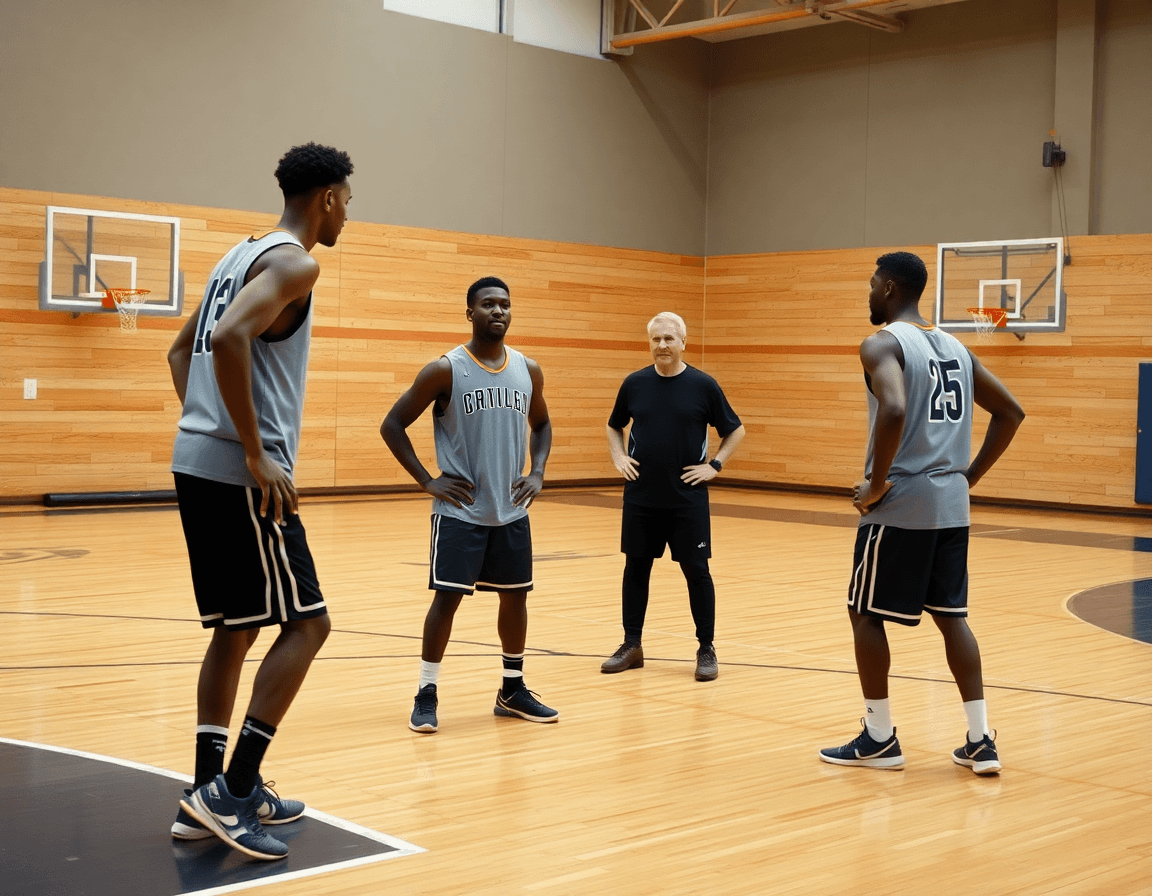
To start the week, I build every drill around a solid defensive stance. Feet shoulder-width, knees bent, hips low, eyes on the ball. We run quick stance holds and then slide patterns—shuffle to the right, back to center, explode to the left—before adding a ball. On the whiteboard I diagram baseline on-ball positions and early rotations for both man and zone looks, so assistants can run the same reps and reinforce defensive footwork through every rep.
Closeouts are where you win or lose a possession. We teach proper closeouts to contest shots without fouling and to redirect attackers toward help. The drill starts with a pop-out, hands high, feet under control, then a controlled sprint to close out with a choppy base. If the shooter goes up, we sprint into a quick box-out to finish the sequence and transition into the next shell.
Ladder drills: progressive ladder drills to improve agility, lateral movement, and balance. We stagger two lines and call “step, shuffle, drop, recover” sequences, increasing tempo, with emphasis on staying low and keeping hips square. These feed into our rotations and help players stay in front in both on-ball defense and zone looks. On the whiteboard I diagram rotations and help angles for common ball screens (PnR) and mismatches.
Between sessions we assign targeted videos and drills to players to reinforce technique. Build playlists with clips on defensive stance breakdowns, closeouts, and on-ball defense; share them as short video clips that sit in a player's plan. Using CourtSensei, I attach a few drill videos to each player, so when they watch at home the technique threads back into the plan and the next scouting note.
Video and scouting: turning data into defensive adjustments
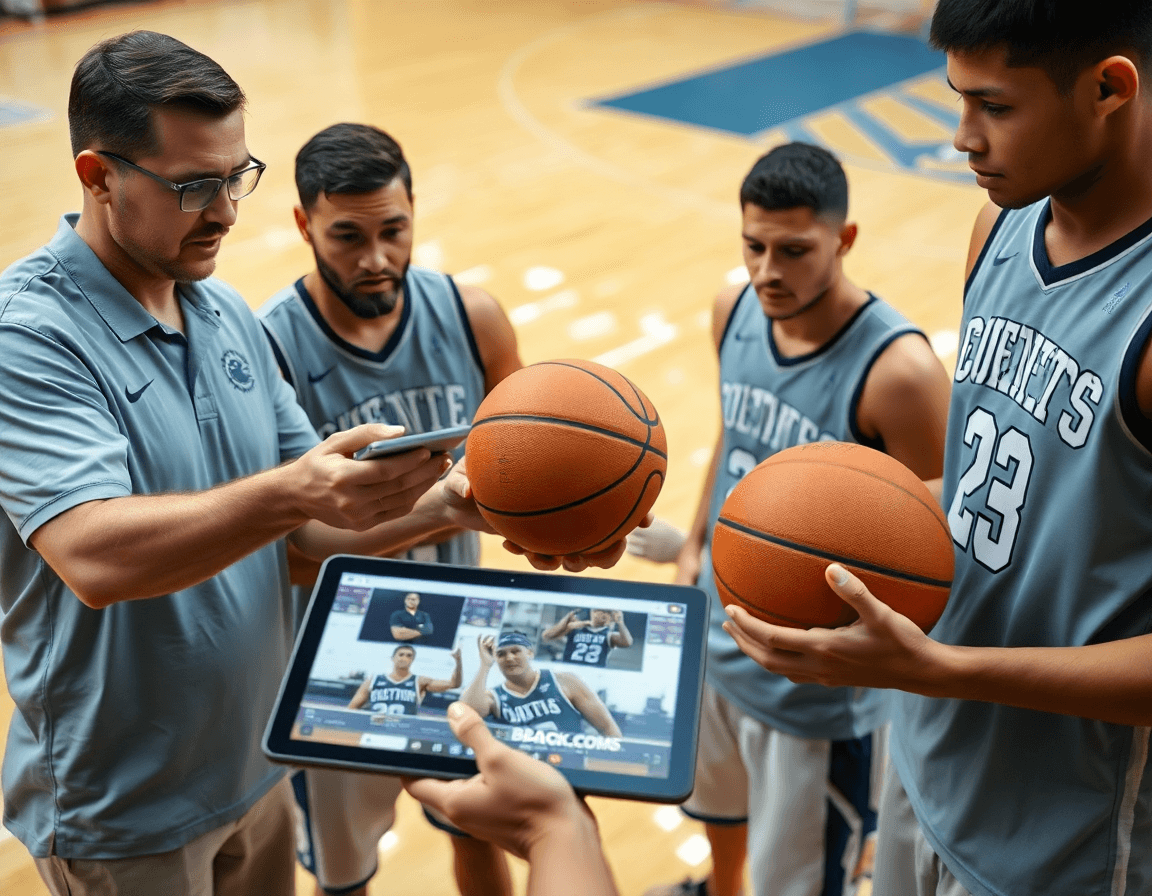
Video and scouting start with focused clips of opponent sets. We pull clips from the last few games, zeroing in on ball-screen actions, off-ball rotations, and late closeouts. From those sequences we spot patterns that repeat under pressure: spacing slips, ball reversals, and weak-side attacks. This is where video analysis becomes our workshop, revealing the exact spots where our defensive adjustments will matter most. We schedule a quick clip session before practice and a longer review with the defense on the whiteboard to map how we respond to what we saw on film.
From the film, we build scouting reports that translate tendencies into clear duties for our players. We call out sets, primary ball-handlers, and where they attempt their looks against our coverages. Then we draft actionable defense plans: on-ball denial angles, preferred zone looks, and rotations against ball screens. Keep it practical with matchups, triggers for help, and the exact responsibilities each teammate should own in crunch minutes.
Teachable clips turn insight into instruction. We package the findings into short video segments—one clip for each problem area—tagged by concept like "closeout" or "rotations." We assign them via playlists so players see a tailored list, not a generic library. In practice, we run a quick drill that mirrors the clip's scenario and pause to reinforce the correct stance and footwork. This workflow—clip, assign, review—keeps our players locked into the defensive stance and on-ball defense.
Finally, we export concise PDFs or summaries for staff meetings and game prep. The file lays out the key clips, scouting notes, and drill ideas in a shareable format. This keeps assistants aligned for late-week film sessions and helps coaches walk through adjustments with the head coach. When video, scouting, and playlists fuse here, we convert data into actionable defensive adjustments that support the basketball best defense for the week.
Defensive playbooks: man-to-man, zone, and hybrids
As a head coach, I decide where to deploy man-to-man defense, zone defense, or hybrid looks based on opponent tendencies and game context. In this week’s plan I map the defensive priorities and attach drills, scouting notes, and short video clips to each scheme. The result is a cohesive defensive playbook that can be shared with assistants and players during practice. Keeping these options clear in the Practice Plans helps us stay adaptable without losing focus.
On the tactical whiteboard, we diagram rotations and ball-pressure patterns to communicate intent. For man-to-man, we sketch on-ball challenges, help lines, and which defender climbs over screens. For zone or hybrid looks, we show how gaps shift and who anchors the backside. The key is a quick, repeatable sequence that tells players exactly where to slide, whom to deny, and how to recover when the ball moves.
Document special coverages—like a box-and-one—and the rotations and deny rules that accompany them. We talk through defensive stance, defensive footwork, and closeouts so each player knows how to stay compact without breaking balance. We use scouting notes to decide when a box-out becomes essential after a stop. Each element lives in the plan and on the whiteboard, then gets a quick video clip to reinforce the habit.
At the end of the week we generate a sharable PDF playbook of defensive schemes for staff and players. This archive links to rotations and the corresponding diagrams, plus short video clips that illustrate transitions from offense to defense. It’s a living document: as we learn from scouting reports and game clips, we update the playbook and push the updated PDF to the team.
Practical weekly workflow: step-by-step routine you can implement today
Monday is scouting day. I review opponent scouting reports and lock in basketball best defense goals for the week: deny, rotate, protect the paint, and sprint to rebounds. Then I populate Practice Plans, assigning tasks in the plan—on-ball pressure drills, closeouts, and rotations. The assistant coach gets a copy, and we keep the plan synced with the clip library for quick reference.
Tuesday emphasizes on-ball defense and closeouts. We run drills to reinforce denial and the help rotations, and I record clips during live reps to capture both breakdowns and triumphs. The whiteboard gets busy with rotations and ATO steps, so the team can visualize the sequence before each rep. A brisk, focused session keeps our defensive stance and footwork sharp.
Wednesday is film day. We pull labeled clips from the clip library, highlighting solid defensive stance and problematic rotations. I adjust the plan based on what we see—maybe swap in a lighter man-to-man pressure or add a zone look—and we annotate changes so players know what to expect in Thursday’s practice.
Thursday is team defense practice. We work on rotations and scheme reps, stressing box out and help defense while looping back to the whiteboard for quick diagrams of two or three live sequences. The emphasis is consistent communication and tempo—getting our feet under rhythm and keeping the ball in front.
Friday is the final walkthrough. We export PDFs of the defense plan and share with players through playlists, plus a final assignment to review a specific on-ball defense clip. It’s a clean, repeatable finish to the week that keeps the team locked in defensively going into the weekend.
Throughout the week, the whiteboard remains a constant, the clip library reinforces key actions, and scouting reports guide game prep for the next opponent. This is how you maintain a steady defensive routine and push toward basketball best defense all season.
If you build plans like this every week, CourtSensei keeps your drill library, whiteboard, and video clips in one place — try it free.
FAQ
What’s the difference between man-to-man and zone defense in basketball?
Man-to-man defense assigns each defender to a specific opponent, chasing cutters, contesting every dribble, and switching on ball screens. Zone defense guards space instead of people, filling gaps and protecting the rim with area coverage. The choice depends on scouting, opponent tendencies, and your personnel. Man pressure can pace the game; zones clog driving lanes but require sharper rotations and clearer communication. Both demand discipline, balance, and consistent cues from the bench.
How can I improve my defensive stance and footwork?
To improve your defensive stance and footwork, start with a stance that's low, balanced, and ready. Feet shoulder-width, knees bent, hips under, eyes on the ball. Do short stance holds, then progress to slides and reversals—shuffle right, center, explode left. Add a ball to reinforce closeouts and posture. Rehearse these cues every rep so players hear the terms as second nature.
What are common defensive strategies teams use?
Teams rely on several core strategies: on-ball pressure to disrupt the handler, deny ball reversals to slow passes, and help defense to protect driving lanes. Rotations must be crisp after ball screens, with recoveries to shooters. Mix zone looks or special looks when you need a wrinkle. The key is matching schemes to personnel while keeping a consistent vocabulary.
What is a full-court press, and when should we use it?
A full-court press is extended pressure across the court aimed at forcing mistakes, speeding up decisions, and triggering trap opportunities. It's most effective when you want tempo, after turnovers, or against a true speed mismatch. It wears teams down and can backfire with foul trouble or gaps if not backed by solid half-court defense. Use smart variations and clear stop-points to transition back to your base look.
How do teams rotate on defense to stop dribble penetration?
Defensive rotations live on the ball-side and weak-side. When a driver penetrates, the nearest helper slides over, while others fill gaps and deny kick passes. Communicate quickly: 'help', 'weak side', 'ball-side'. Goal is to wall off driving lanes, recover to shooters, and keep gaps intact. Practice this with live drives and feedback clips to lock in the timing.
How should players communicate on defense and handle help defense?
Clear, concise communication wins games on defense. Callouts like 'I got ball', 'help', 'weak side', and 'screen left' keep everyone aligned. Your help defense should be ready to funnel toward the middle, then recover to your assignment. Emphasize positive, tactical cues rather than shouting. Short, consistent phrases keep players from over-communicating and breaking coverage.
What drills train defenders to maintain deny pressure and prevent face cuts?
Train deny pressure with drills that emphasize staying between ball and rim, closing gaps, and keeping hands active. Use face cuts prevention drills, closeout patterns, and shell reps to reinforce positioning. Tie drills to the weekly plan, with quick clips to show perfect reads and common mistakes. Finish with live-shell reps so players apply deny pressure under fatigue.