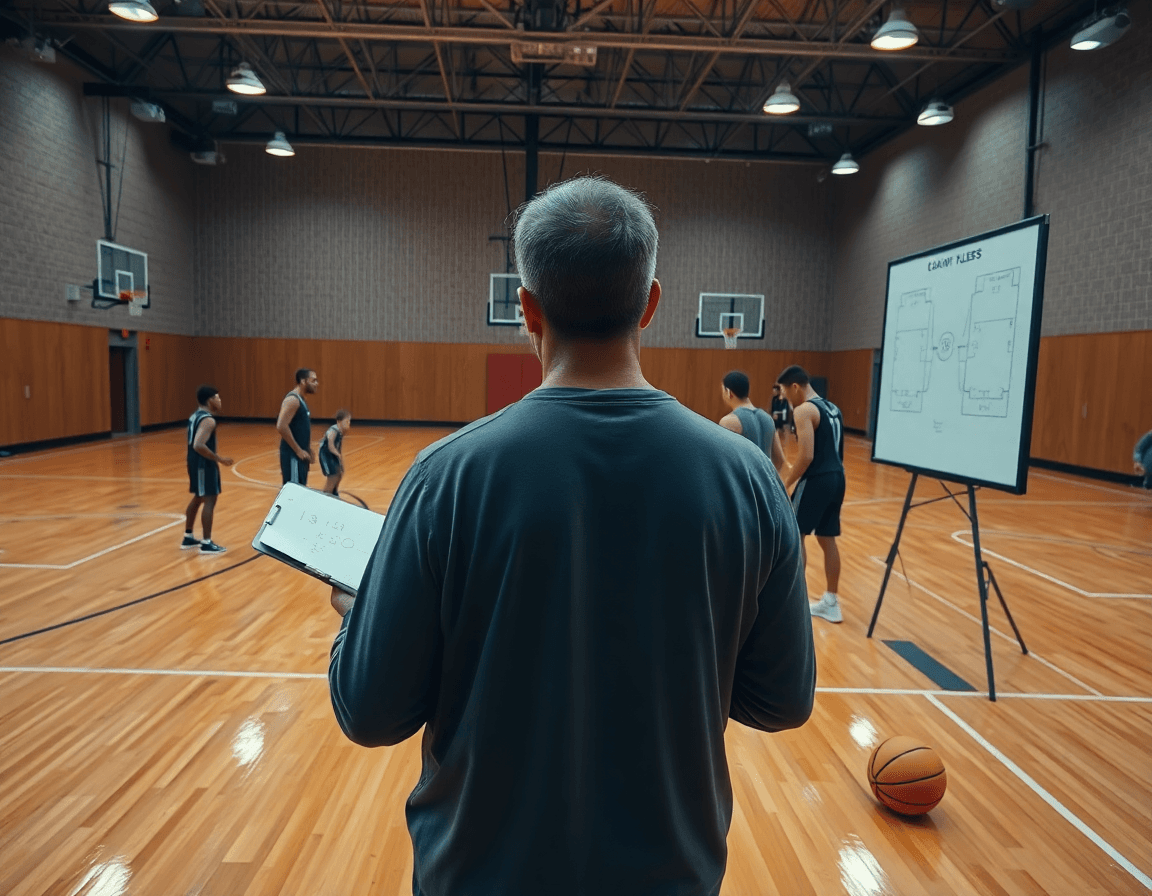
Basketball Blob Plays: Weekly Inbound Setup for Coaches
Master weekly basketball blob plays: install BLOB/SLOB inbound sets with diagrams, cues, and video breakdowns to spark quick scoring against zone defenses.

Key takeaways
- Integrate BLOB/SLOB inbound sequences into the weekly plan with clear roles and reads.
- Use whiteboard diagrams to map entry, lanes, and elevator screens, then translate to practice.
- Progress from slow timing to game-speed reps, including brief resets to sharpen decisions.
- Layer video clips and playlists to reinforce exact reads, cues, and inbound passes.
- Adjust weekly BLOB options based on scouting reports to stay adaptable and consistent.
Why BLOB Plays Belong in Your Weekly Plan
Basketball blob plays are built for possessions after a boundary restart. Define BLOB (baseline out-of-bounds) and SLOB (sideline out-of-bounds) as the core inbound patterns you can fold into your weekly plan. These setups lean on simple reads, clean spacing, and quick actions—perfect for early-season installs and late-game execution. With a handful of reliable options—cuts, screens, and clear cues—your players can execute without overthinking.
Benefits include quick scoring opportunities, zone looks counters, and simple, coachable actions suitable from youth to high school. When you keep the actions tight—ball in, rapid movement, and a reliable read—the inbound sequence becomes a trusted tool rather than a guessing game. A well-taught BLOB/SLOB package also keeps your bench engaged and ready to adapt during tense moments.
Integrate BLOB plays with your Practice Plans and Whiteboard diagrams to ensure repeatable execution. In the plan, assign inbound sequences alongside shooting drills and defense rotations, so players practice reads on the fly. On the Whiteboard, sketch the baseline or sideline entry, lanes for cutters, and the elevator screens that set up the read. After practice, drop a quick video clip showing the exact action to teach, and review with the team during video sessions.
From there, pair scouting notes with your inbound sequences to tailor each BLOB/SLOB setup against the opponent. A quick sheet on baseline coverage or an opponent’s press can shift reads one step closer to success. Then generate a playlist of clip links to share with players and assistants, reinforcing the inbound plays within your weekly plan.

From Diagram to Action: Designing BLOB/SLOB Plays
When I map a weekly plan, I start with the inbound sequence. On the whiteboard diagrams, I lay out positions, where screens will set, and the reads that trigger the pass. For basketball blob plays, the diagram is the first layer of understanding—before any movement starts, players know their job and the timing. If the inbounder sees a two-man trap, the reads shift to option passes to the post or to the wing shooter.
Next, I assign roles for inbound plays: inbounder, post, shooters. I keep cues simple—“catch, seal, and read” or “shoot if open”—so the sequence stays coachable. With clarity, the inbounder becomes the anchor of the play and the weekly routine, and the whole staff moves with a shared tempo.
Within the plan, highlight common BLOB actions (seal, flex, pick-and-roll options) to create immediate scoring angles. Think of it as the playbook turning into live decision points: the seal opens a short pop for the post, the flex screen creates a spacing shift, and a quick pick-and-roll option keeps the defense guessing. When you map these on the board, you’re giving players clear reads they can trust in the moment.
From there, connect to the baseline inbound options and the elevator screen to free a shooter. Calls like “seal and replace” or “flare to 3” land in the notes and on the board, so your inbound plays translate to rhythm in practice. This is where the weekly workflow clicks: diagram, assign, rehearse, and then clip the exact actions to reinforce—so the blob plays become second nature when the inbound pass arrives.
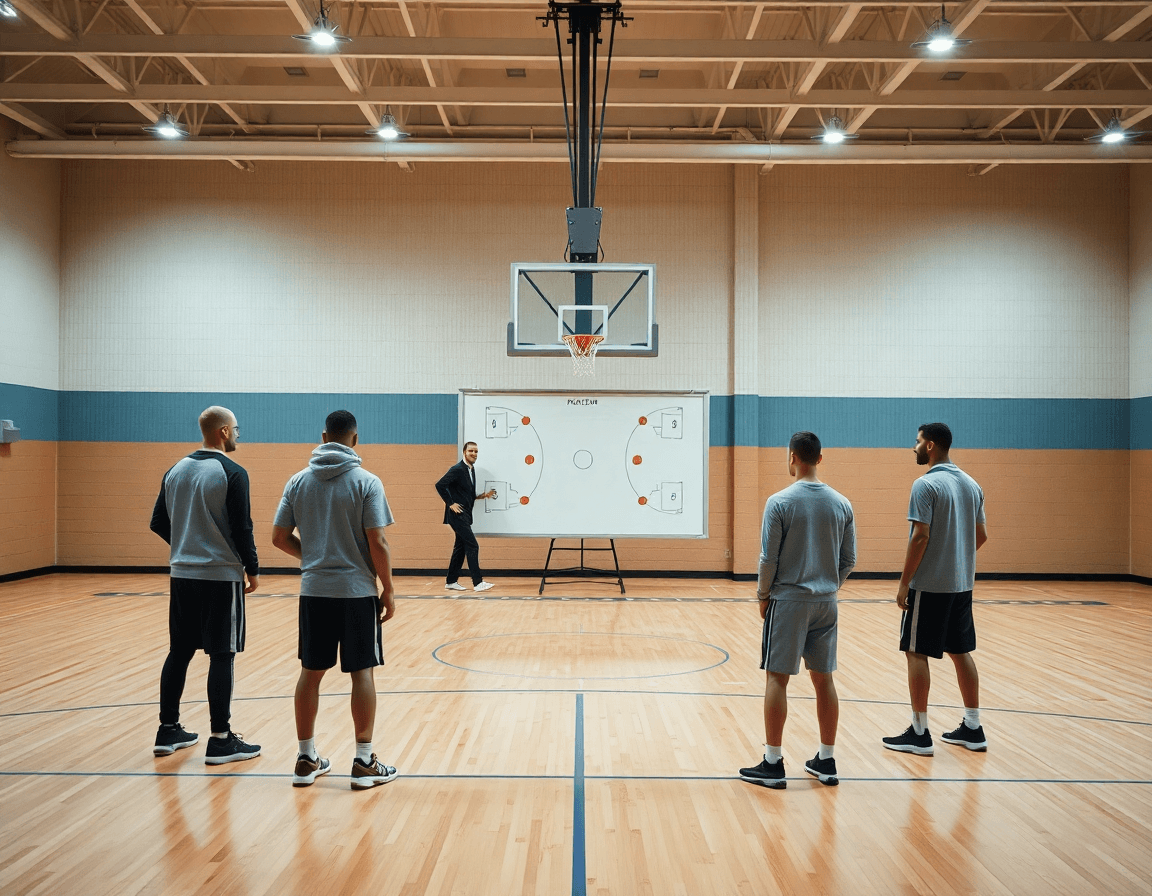
Practical workflow: Weekly BLOB Inbound Installation
Step 1: Add a couple of reliable BLOB options to your weekly Practice Plan. Pick two baseline inbound setups that cover typical baseline inbound and baseline out of bounds scenarios. Keep a flexible option like a flex screen or elevator screen ready to counter a stubborn defense.
Step 2: Diagram the actions on the whiteboard and assign inbounder responsibilities. Map out who makes the initial decision, who fills the reads, and where the passer eyes the rim. Label reads and cues so the whole staff can coach the sequence—from the first inbound pass to the setup on the cut.
Step 3: Run inbound sequences in short blocks, progressing to game-speed reps. Start slow to lock in timing, then push toward game-speed reps as players gain confidence with reads and handoffs. Use a couple of quick resets between looks to stress decision-making without breaking rhythm.
Step 4: Clip and review the sequences with players after practice. Pull a short Video Clips clip, annotate the key reads and cues, and share through a playlist of clip links with players and assistants. A quick post-practice review helps reinforce the exact actions you diagrammed on the board and ensures everyone sees the same reads.
Step 5: Adjust based on opponent scouting and season progress. Use scouting reports to tailor inbound plays to the opponent’s pressure and gaps. Revisit baseline inbound and BLOB options weekly, and evolve your inbound sequences as the season progresses. The goal is a cohesive flow that adapts without losing core reads.
Using Video to Teach BLOB Plays
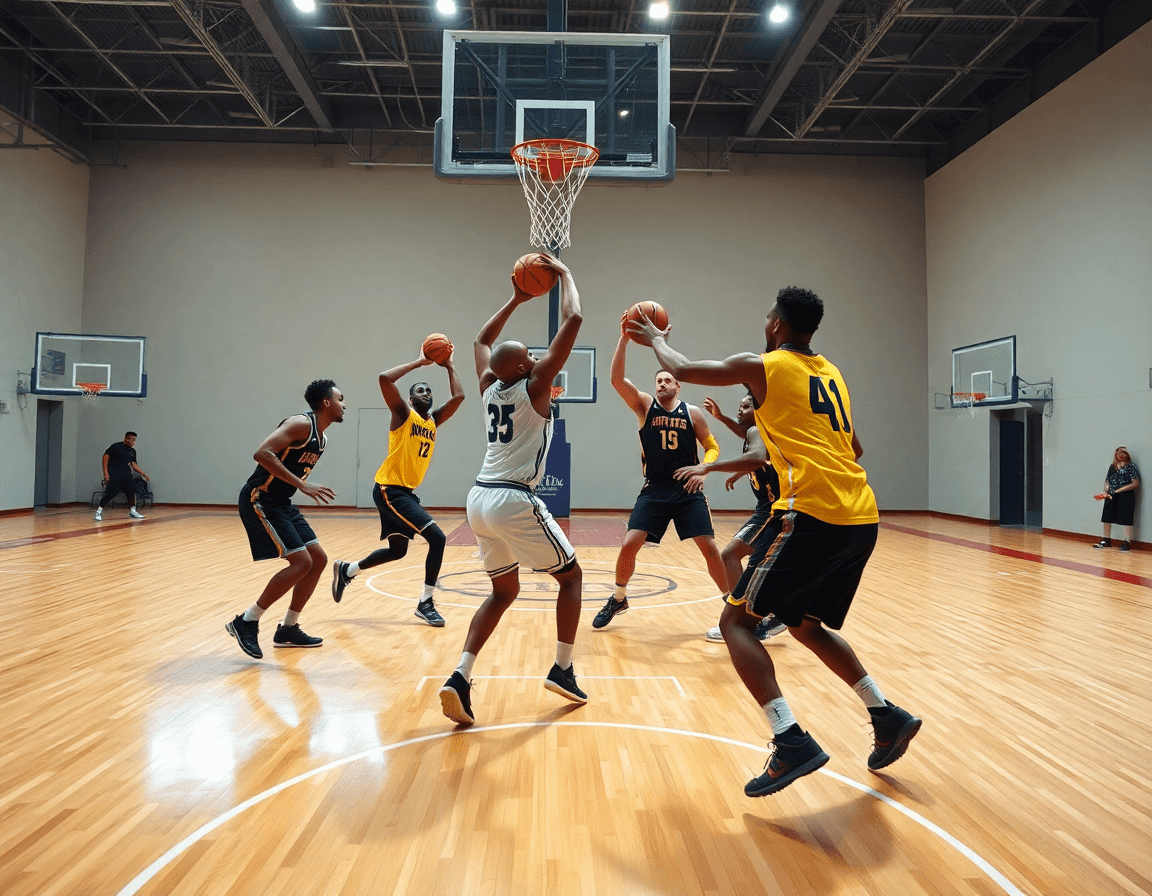
As I map out this week’s BLOB/SLOB inbound sequences, I start with game tape and scrimmages to pull the most instructional inbound passes. I break those moments into concise video clips that clearly show the passer’s setup, the initial read from teammates, and where space opens up for the inbound. This dedicated clip breakdown becomes the backbone of our practice plan, letting me turn a single inbound sequence into multiple teaching moments across the week.
On the whiteboard, I annotate decisions, cues, and spacing directly over the clip so players can visualize what to do in real time. I call out the reads for the inbound pass, the timing for baseline inbound entries, and how BLOB or SLOB actions set up the first option. If a flex or elevator screen helps clear space, I mark it with simple arrows and notes so the team can execute the reads with confidence in the next drill.
Finally, I build a shareable playlist of clip links for players and assistants, so we can review quickly in the locker room or during off days. Short, targeted clips—paired with the notes from the breakdown—keep our inbound plays sharp, and they travel with the team through practice and games. It’s all about a steady rhythm: plan, review, and execute, edge by edge.
Countering Zone Defenses with BLOB Plays
When the 2-3 zone shows up, your weekly inbound plan should pivot to basketball blob plays that push the ball quickly, pierce the defense, and space shooters. In this setup, we script quick entry passes from the baseline into BLOB actions that pull the top defender out of position, then fire to the weak side for immediate shots. On the whiteboard, I sketch reads like “ball-side wing flash,” “back-cut option,” and a window pass, so assistants know what to rep. After practice, we convert these into a short video clip for teaching, and drop the play into a playlist shared with players and assistants to reinforce the timing.
Use scouting reports to anticipate zone patterns and adjust reads and screens. For example, against a 2-3, expect pressure from the middle and wings; our baseline inbound option uses a flex screen to free a shooter with a clean look. We diagram elevator and flex screens on the board, then assign a clear cue: “baseline inbound, read the top defender.” This is where the staff leans on the notes to tailor the reads to the opponent and the game situation, keeping the action aligned with the inbound plays you’ve planned for the week.
Keep the action simple so players can execute under pressure and with limited practice time. In a late-clock inbound against a zone, the starter delivers a sharp inbound pass to the wing, followed by a quick swing and a look for a shooter ready to catch-and-shoot. We pull a concise clip to teach tempo and decision-making, and put it in a playlist you can share with players and assistants. The scouting reports drive the reads, while the whiteboard keeps the team locked in on the baseline inbound options.
Quick-Start Checklist for the Week
Kick off the week by dialing in basketball blob plays and making sure the basics are dialed in. Confirm inbounder readiness, inbound routes, and screen setups. In my weekly workflow, I walk the inbounder through the baseline inbound and 2-3 secondary routes we’ll rely on, while the post and wings work on reads. If the defense overplays the lane, we switch to an elevator screen or a flex screen read. The objective is a clean entry and predictable reads for the catch, so the passer and the cutter know where the ball will end up for an open shot.
Lock in 2-3 BLOB/SLOB options in your Practice Plan and align them with the week’s schedule. Map each option to a specific day and game situation—baseline inbound, a quick read after the pass, or a late-clock setup. On the Whiteboard, I sketch the action with clear reads and cues so assistants can coach the routes without slowing the group. This keeps our workflow tight across drills, short video clips, and live reps, all while reinforcing the same baseline inbound concepts.
Prepare concise cue cards and diagrams for the Whiteboard and PDF handouts, making it easy for players to study on their own. I include the inbound pass path, the screen setups (baseline inbound with flex or elevator actions), and the reads that lead to a steady open shot. Finally, add the sequences to a sharable video playlist for players and assistants, so they can review the exact actions outside of practice and come in ready to execute.
If you build plans like this every week, CourtSensei keeps your drill library, whiteboard, and video clips in one place — try it free.
FAQ
What is a BLOB in basketball and when should you use it?
BLOB (Baseline Out-of-Bounds) is a designed inbound sequence used after the ball goes out of bounds at the baseline. The counterpart is SLOB (Sideline Out-of-Bounds). These sets rely on simple reads, tight spacing, and quick actions to generate a quality look right after the restart. They’re coachable from youth through high school and help you counter pressure or clock concerns.
What does BLOB stand for in basketball?
BLOB stands for Baseline Out-of-Bounds. It describes a family of inbound plays started from the baseline, with SLOB as the sideline version. Teams install BLOBs to create reliable reads and fast, organized options after the restart, giving you predictable action when the clock is ticking.
How do you run a Middle Split BLOB inbound play?
Begin with a baseline entry, inbounder at the line, a post, and two wings. In a BLOB with a Middle Split, the post seals and the wings cut toward the middle, creating two viable options. The inbounder reads and passes to the first open spot, or hits the wing shooter if the defense overplays the primary read. Keep it simple and repeatable.
What is an Arizona Flat Flex BLOB?
An Arizona Flat Flex BLOB uses a flat flex action from the baseline, spacing width-wise and delivering a quick read to the wing or post. The inbounder engages a short pop or a post seal, exploiting space created by the flat alignment. It’s a clean, quick option when you want an inside-out attack.
How can youth teams practice BLOB inbound plays efficiently?
Keep the routine simple and repeatable. Start with two baseline options, diagram positions on the whiteboard, and assign inbound responsibilities. Run short, game-speed blocks and drop quick video clips for review. Build a playlist of clips for players and assistants to reinforce reads and cues between sessions.
When should you use a BLOB play in a game?
Use a BLOB after a baseline restart when you need a clean, organized look—against pressure, late in the game, or to shift tempo. Have a couple reads ready and be prepared to switch to SLOB if the defense overplays the first option. Train the inbounder to trust the sequence under game pressure.