Open Gym Basketball Drills for Weekly Sessions
Coaching guide to open gym basketball drills: structure a weekly session flow, maximize ball-handling and shooting, and adapt drills for limited hoops.

Key takeaways
- Define a clear weekly objective by naming 3-5 core skills and a unifying theme.
- Set up stations and balance hoops to create a repeatable, coach-friendly open gym agenda.
- Maintain a practical weekly workflow: warm-up, station work, pressure reps, small-sided games, cooldown.
- Build a robust drill library and station templates to drive repeatable weekly sessions.
- Leverage video, playbooks, and playlists to organize a cohesive coaching workspace and reference clips.
Define the weekly objective for open gym
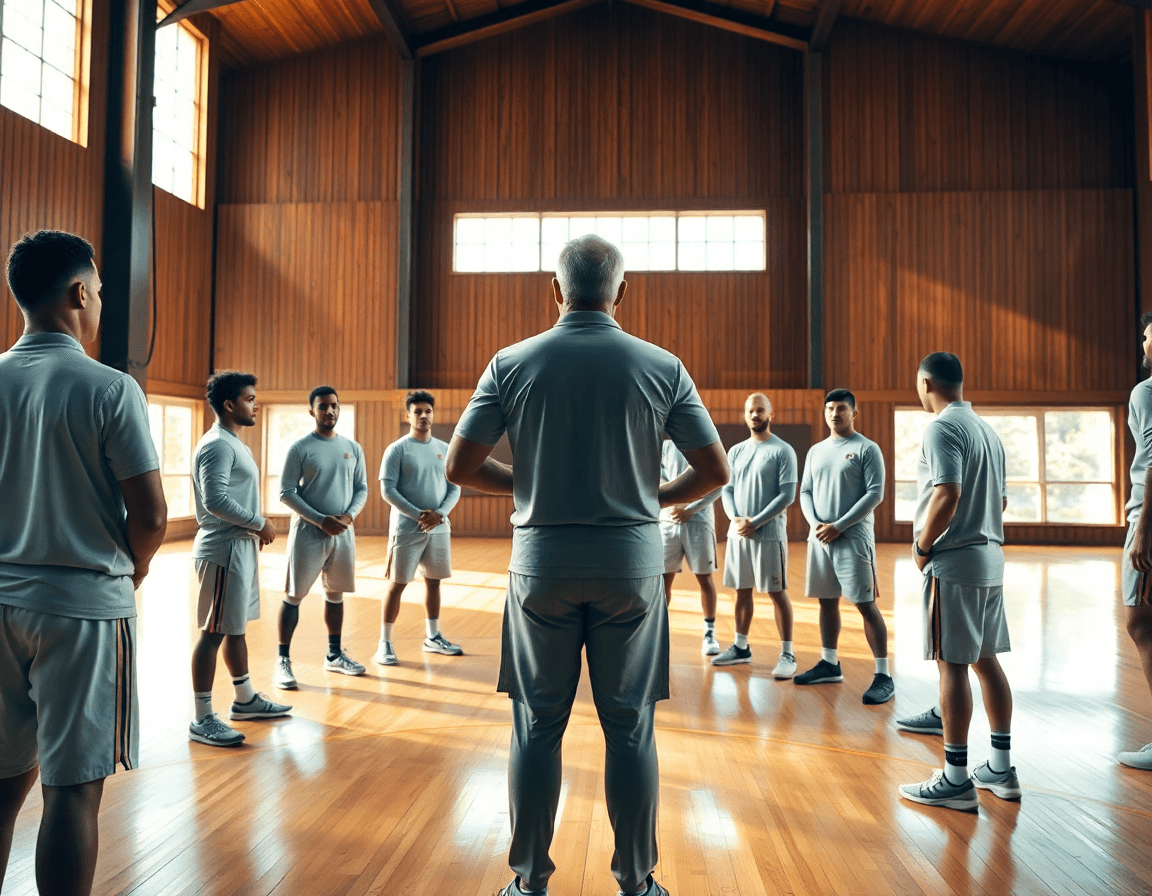
For an effective system of open gym basketball drills, define the weekly objective by naming 3–5 core skills to develop and selecting a unifying theme. You might target ball-handling, shooting, transitions, defense, and finishing, then anchor the week with a theme like pressure shooting or 1v1 decision-making. This keeps the focus clear as players arrive and you build the drills with purpose. The weekly objective also guides what becomes your open gym agenda for the session, so every drill has a reason and a smooth flow. You can start with a quick warm-up & ball-handling sequence before the main blocks.
Decide how many hoops and stations you need to balance space and flow. Map out stations with targeted drills at each lane—for example, ball-handling drills at one, shooting and finishing at another, transitions mixed with small-sided games at a third. When you store this in CourtSensei, you get a repeatable layout you can reuse weekly and a practice plan template that travels with the team. Keeping everything in a single coaching workspace makes it easy to adjust on the fly if numbers change or players arrive late.
Finally, store the plan in a shared coaching workspace for reference during sessions. This makes it easy to pull the right clip or scouting notes to remind players of the objective, like a quick warm-up & ball-handling sequence before the main drill blocks. The weekly objective should align with your scouting notes and the action sequences annotated for later review. By keeping everything tied to the objective, you ensure consistency across the week and make it simple to measure what gets done in the gym.
A practical weekly workflow for open gym sessions
A practical weekly workflow for open gym sessions
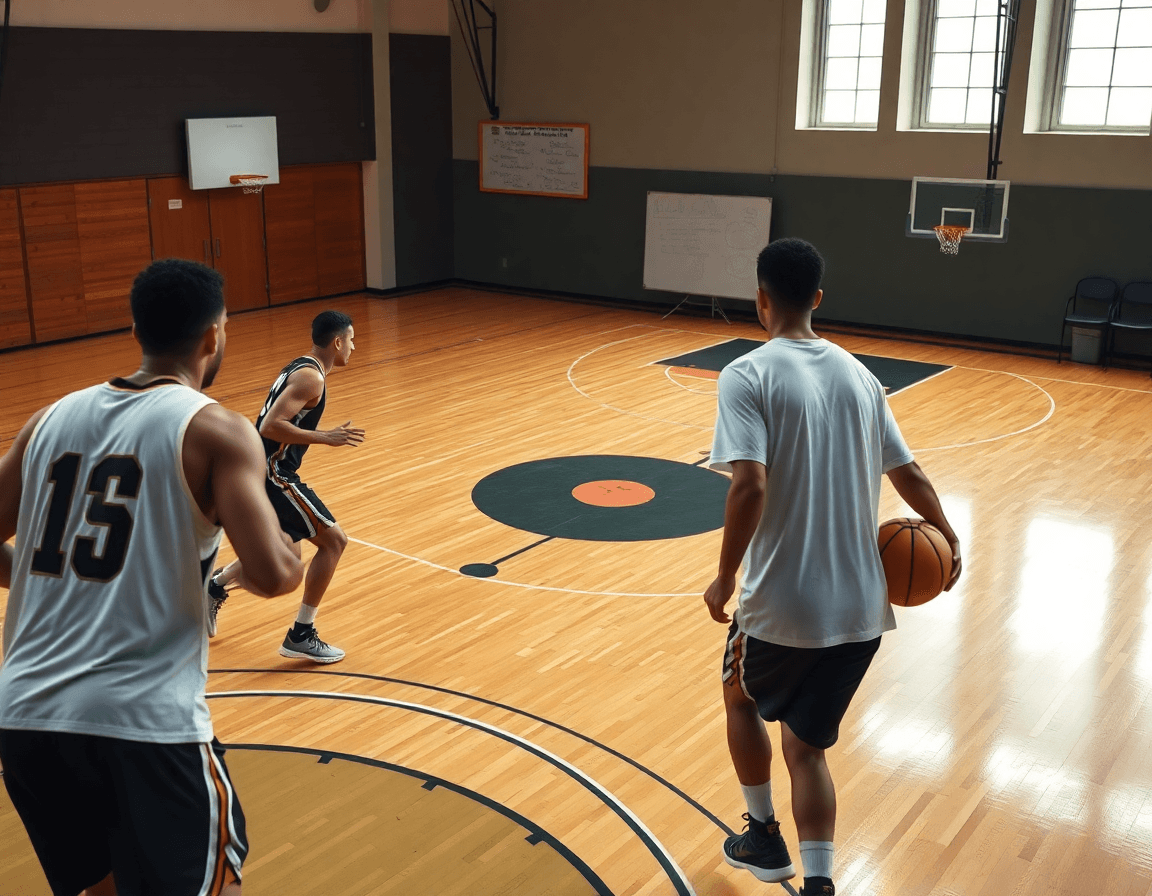
Block 1: Warm-up & ball-handling (10–15 min). A tight opening sequence primes legs and hands for the session ahead. Include dynamic moves, then ball-handling drills that emphasize change of pace and control. In your coaching workspace, you can pull a warm-up set from the drill library, annotate coaching cues, and attach a short PDF with a quick checklist for players. This makes the open gym agenda predictable and easy to execute every week, even when the court time is tight.
Block 2: Station work (20–30 min) with 3–4 drills, rotating groups. Set up 3–4 stations that cover ball-handling, finishing, shooting, and decision-making. Use the term stations / drill stations as your structure guide, and populate each station with vetted entries from the drill library. Coaches circulate to provide targeted cues, while playlists and annotated action sequences keep everyone aligned. A clear station flow helps you maximize reps, especially when hoops are limited.
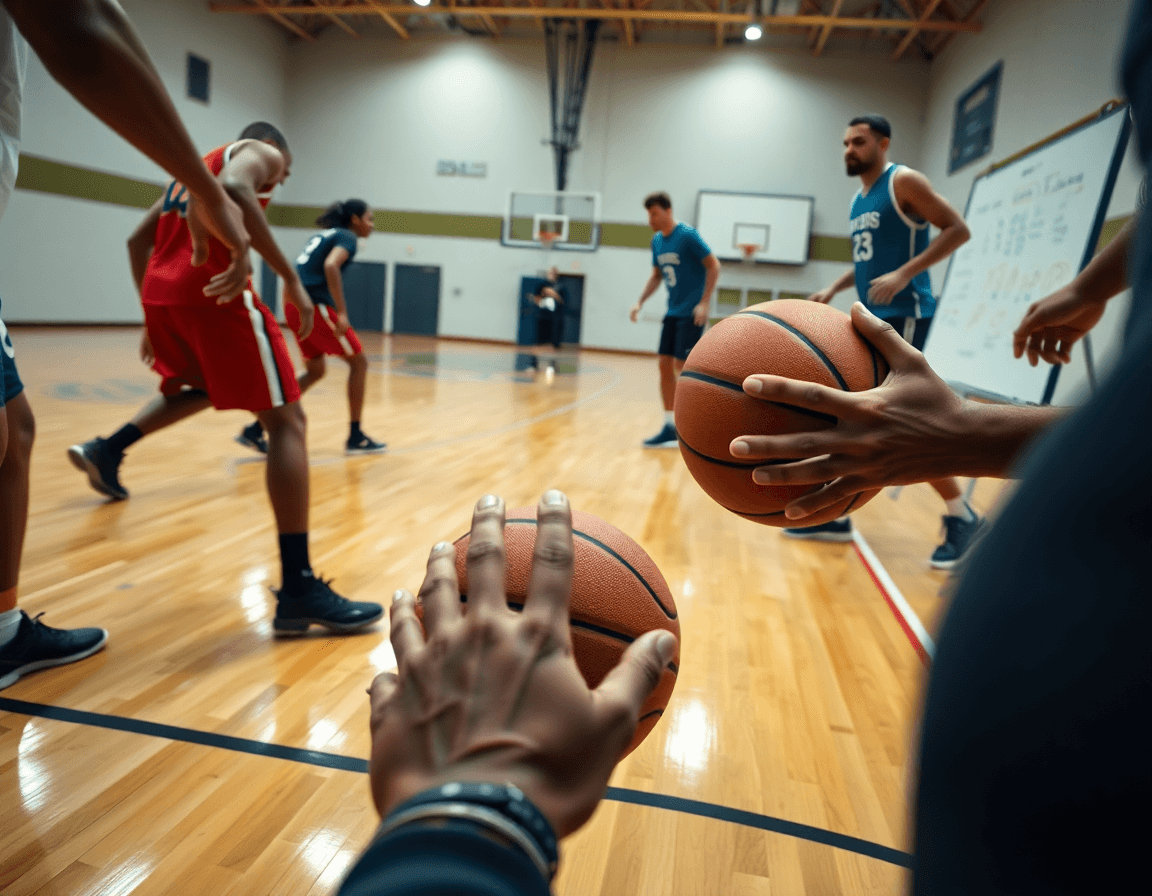
Block 3: Skill under pressure (10–15 min) with pressure-filled reps. Add situational reps that force decisions and quick reads—ball-screen reads, late-clock options, and finish through contact. A short video clip from this block can be saved in the coaching workspace for quick feedback, ensuring players feel the pressure while staying under control. Keep the emphasis on quality reps and crisp execution during the pressure phase.
Block 4: Small-sided game or 2v2 continuous (15–20 min). Transition to live ball actions that test spacing, timing, and read-and-react skills. If court space is constrained, lean into 2v2 or continuous formats to preserve touches and decision opportunities. For limited hoops, emphasize stations and non-hoop touches to maximize reps while still building game-like rhythm.
Block 5: Cool-down and quick review (5–10 min). Finish with mobility, a quick team review, and a few takeaway goals tied to weekly objectives. Tie scouting notes into the plan—capture observations on tendencies and targeted adjustments—and export a concise PDF of the week’s open gym drills for assistants or future sessions. This cadence keeps the week cohesive and forward-looking.
Build a drill library and station templates
Think of the drill library as the engine behind open gym basketball drills. You organize by category: ball-handling, shooting, defense, transition, and small-sided games. Each drill lists purpose, duration, and progression, so your weekly plan becomes a repeatable routine rather than a scramble. With a time-structured approach, you can pull a sequence from the library, drop it into the plan, and know it fits the session window.
Create station templates to quickly assemble weekly sessions. Each template lays out stations for ball-handling, shooting, and defense, with suggested time on each, progressions, and a quick evaluation note. This lets you run open gym drills in a predictable cadence: warm-up & ball-handling at one station, skill work at another, live rep at the third. The templates also make it easy to reuse the same framework across different age groups or skill levels.
Tag drills for quick filtering when building a plan, so you can pull from the library to emphasize certain goals. You might tag a cluster as “ball-handling drills” one week and “transitions drills” the next, which keeps your plan crisp and adaptable. Filters speed up the process of matching a drill to your weekly objectives and the session’s pace.
Export or share playbooks (PDF) to players as needed. You can also generate a practice plan template directly from your drill library, ensuring every week’s sessions stay organized, repeatable, and aligned with objectives. This keeps open gym sessions efficient and coach-friendly, with clear progression from warm-up through station work to game-like reps.
Leverage video, playbooks, and playlists to organize open gym
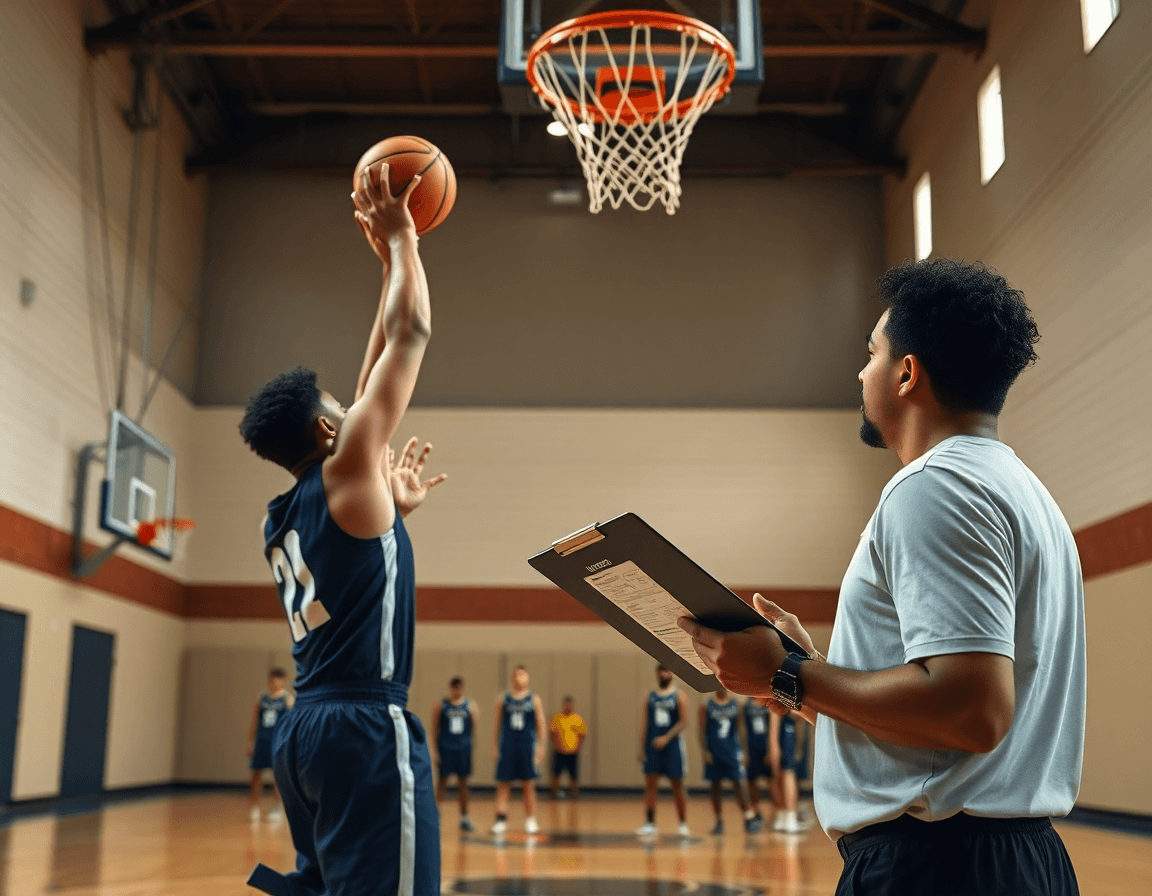
During an open gym session, the goal is to move from warm-up to skill blocks with clarity. With video, playbooks, and playlists in a single coaching workspace, you can map a weekly open gym agenda around your objectives. Upload drill videos for reference and teaching moments, annotate action sequences on a timeline, and reuse them in future sessions. This approach keeps open gym basketball drills organized and repeatable, even when you’re juggling multiple weeks.
Create playlists for different session blocks or weeks: warm-up and ball-handling, transitions, small-sided games, and shooting. A well-structured playlist becomes the spine of your practice plan template, guiding players through a consistent rhythm without scrambling for drills. When you want a concrete on-court example, drop in a quick clip and label it by objective—ball-handling, shooting, or decision-making.
Link playbooks and PDFs to drills and sessions for easy distribution. Handouts travel with the session so assistants and staff are aligned when reviewing diagrams during rotations or on the sideline. For unstructured open gym or station-based setups, attach the coaching notes and progressions right next to the corresponding drill, making it simple to reference mid-session.
Keep scouting notes and game-prep materials accessible within the same workspace, so you can adjust the open gym agenda on the fly based on opponent tendencies. With video excerpts, annotated plays, and a linked library of drills, you can quickly assemble a scout-relevant sequence—like a quick transitions drill followed by a small-sided game—without leaving your coaching space. This streamlines how you manage open gym drills, playlists, and playbooks in one place.
Scouting notes and game-prep in open gym format
Attach opponent tendencies and game-prep notes to the session plan. In CourtSensei, you tie scouting notes directly to the upcoming week’s sessions, so the plan isn’t a generic list of drills but a focused open gym workflow. This approach keeps the coaching staff aligned: the open gym drills you run, the shell principles you emphasize, and the adjustments you’ve flagged for that opponent all live in one place. A centralized plan, clear objectives, repeatable format.
Adapt drill selections based on scouting insights (e.g., emphasize shell defense against ball handlers). If the scouting notes flag a tendency to over-help, dial up ball-handling drills and quick decision points under pressure. Use a small-sided game in stations to mirror game tempo, link video clips of similar sequences, and ensure the open gym drills stay purposeful rather than random.
Maintain a centralized workspace to bridge open gym work with upcoming opponents. You can attach scouting notes and game-prep to a session, link video clips from prior sessions, and export PDFs for staff meetings. This workflow keeps you from chasing notes in separate files and ensures your weekly objectives—decision-making, spacing, and shot selection—remain aligned across drills, playlists, and scouting reports.
Practical week plan: sample drill roster
Turn your open gym into a repeatable rhythm with a practical week plan. This open gym agenda is a ready-to-use practice plan template that keeps objectives clear and players focused. In your coaching workspace, you can map each day to a set of game-like drills, tie them to the drill library, and attach short video clips for quick coaching cues. The result is consistency across sessions.
Mon: Ball-handling and finishing drills lead the warm-up, followed by 2v2 continuous sequences to build on-ball decisions. Use the drill library to sequence actions, and pull up a quick video clips review to reinforce the keys. This is your chance to rehearse transitions from ball-handling to finishing under pressure.
Wed: Shooting under pressure with transition drills, then a small-sided game to emphasize spacing. The pace should mirror live game reads, so toggle between shooting drills and transition work to keep players engaged. Use a clear open gym agenda to time each segment and note adjustments in the scouting section for future reference.
Fri: Full station rotations keep bodies fresh and minds sharp. Organize stations / drill stations around ball movement, transition, and defensive shell work, culminating in live 1v1. Capture every rep with short clips and annotate the action sequences for later review. This setup creates a steady rhythm that aligns with weekly objectives.
Sun: Quick recap and adjust the plan based on weekly outcomes. Rebuild as a template for the next cycle, so you can reuse the sequence with different personnel. In your coaching workspace, store the plan as PDFs and links for easy access during future sessions, ensuring your open gym drills stay aligned with the week’s goals.
FAQ
What is open gym basketball and how does a weekly objective guide it?
Open gym basketball is a flexible, self-driven session where players work on fundamentals under a clear weekly objective. A coach names 3–5 core skills and a unifying theme, then builds the agenda around those targets. In CourtSensei terms, you pull drills from the drill library, set up station templates, and keep notes in a shared coaching workspace so everyone stays aligned.
How long should a basketball training session be during open gym?
Aim for roughly 60–90 minutes, with a clear session duration broken into practical time blocks. Typical open gym runs warm-up and ball-handling (10–15), station work (20–30), skill under pressure (10–15), small-sided games (15–20), and cool-down (5–10). Document this in the open gym agenda so the flow stays consistent and easy to repeat.
How do you run a basketball session with limited hoops?
With limited hoops, run a 3–4 station layout to maximize space and touches. Place stations for ball-handling, finishing, shooting, and decision-making, and lean on non-hoop touches when needed. Coaches circulate to cue and correct, while playlists and annotated action sequences keep players moving. Save a quick clip in the coaching workspace for feedback.
What should a basketball practice plan include for open gym?
A solid plan starts with a weekly objective, then a drill library-driven sequence, followed by station templates and playlists. Include scouting notes to track tendencies and a plan for review. Export PDFs for assistants or future sessions, and store everything in a shared coaching workspace so the team can reference the plan during sessions.
Are organized drills allowed during Open Gym?
Yes, as long as they support the current weekly objective. Organized drills from the drill library keep sessions efficient, while the open gym agenda remains flexible. Coaches use the workspace to pull clips, notes, and PDFs that reinforce goals without turning the session into a rigid schedule.
Is open gym self-directed or structured?
Open gym blends structured elements with choice. A coach sets a weekly objective, then players operate within stations or blocks to build skills and decision-making. The plan sits in a coaching workspace with scouting notes, making it easy to adjust on the fly while staying aligned with the objective.