Shooting Drills Basketball by Yourself
Coach-focused weekly plan for shooting drills basketball by yourself, with form-based solo routines, progression, and a practical weekly workflow.

Key takeaways
- Integrate solo shooting drills into a weekly plan, using purposeful blocks to align rhythm and form.
- Anchor sessions with form shooting, progress to wall form shooting, then extend to mid-range.
- Use BEEF (Balance, Eyes, Elbow, Follow-through) to lock repeatable motion in every rep.
- Standardize sessions with a wall-based library and a printable plan coaches can reuse weekly.
- Structure a 60-minute flow and progressive phases from form to game-speed shots.
Why solo shooting drills belong in a weekly plan
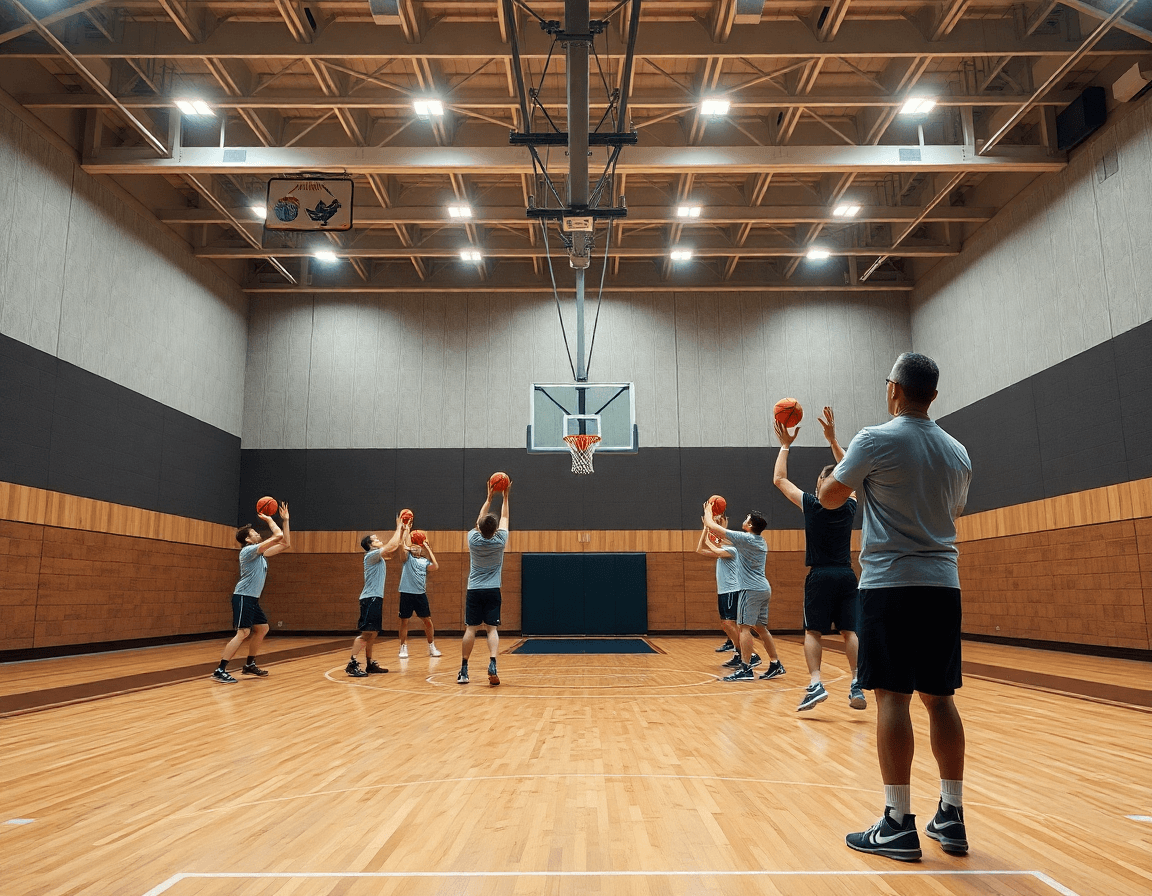
For a coach mapping every week, solo shooting drills belong in a weekly plan. If you’re evaluating shooting drills basketball by yourself, a weekly plan helps rhythm, consistency, and form stay aligned with weekly objectives. It isn’t about endless reps in isolation; it’s about purposeful blocks that fit into the overall schedule. With a plan, players know what to do, when to do it, and how it supports the team’s pace and spacing.
Near-rim work ingrains mechanics, with progression toward mid-range and longer shots. In a weekly solo routine, anchor sessions with form shooting—start close, use wall form shooting to build consistency, then back out as accuracy improves. Emphasize BEEF (Balance, Eyes, Elbow, Follow-through) so each shot has a repeatable motion. This approach keeps the technique clean before introducing catch-and-shoot or off-the-dribble variations.
To standardize these sessions across weeks, rely on a training-plan builder. It lets you assemble a wall-shot library, attach technique videos, and build playlists that match the week’s objectives. As you compile, you export a printable plan coaches can reuse each week, ensuring the same rhythm from Monday through Saturday. When practice starts, players can work through a predictable ladder of reps—one-hand form shooting, five-spot catch-and-shoot, and off-the-dribble sequences—without guessing what comes next.
Structure a weekly solo shooting routine that sticks
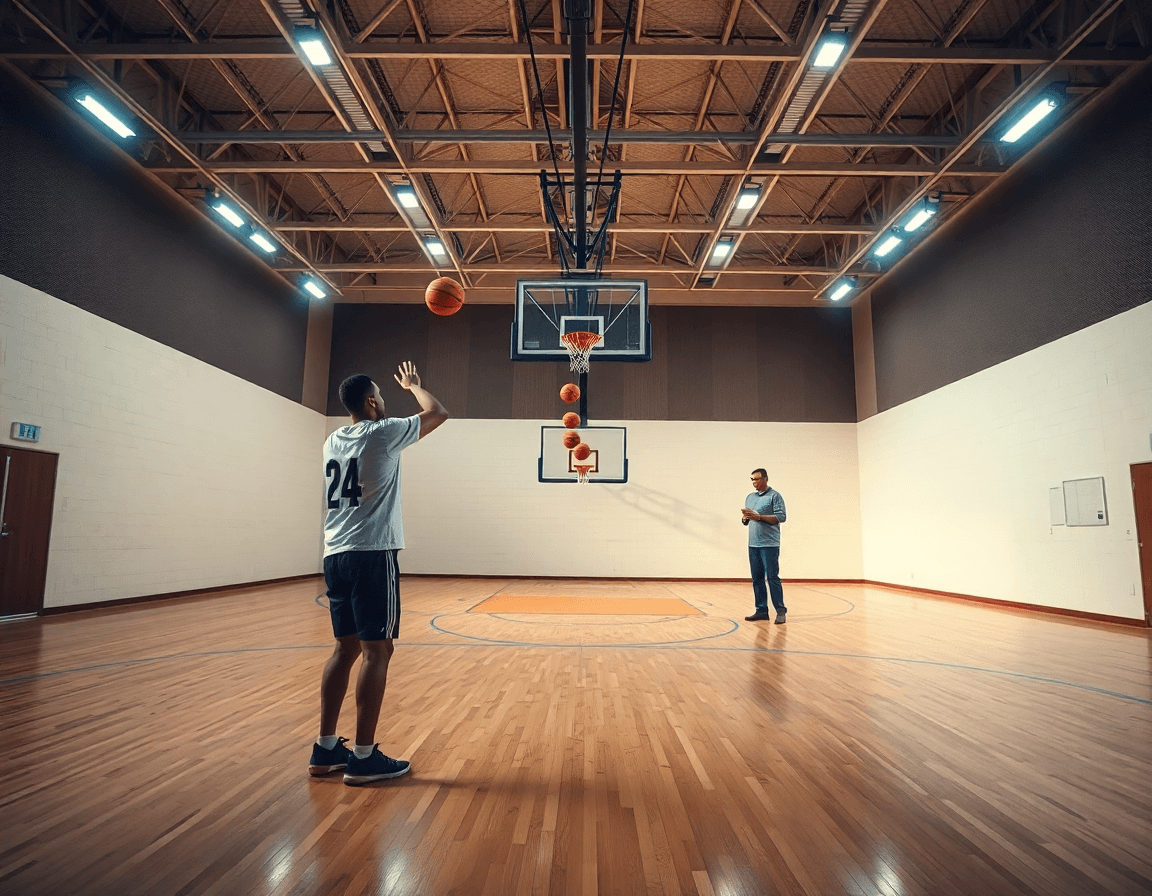
This structure relies on a 60-minute flow that you can repeat every week. Start with a dynamic warm-up to prep hips, ankles, and calves, then move into form shooting—short, controlled reps that emphasize technique. If you're chasing shooting drills basketball by yourself, this weekly structure keeps you organized. From there, layer in stationary and movement shooting, and close with a quick cooldown. Keeping a steady cadence helps you hit the reps and repetitions target while tracking progress. This creates a reliable shooting routine you can reuse weekly.
Divide the hour into blocks: form block, catch-and-shoot, off-the-dribble, and tempo-based shooting. In the form block, chase clean mechanics—form shooting with tight elbows and a straight follow-through—while using BEEF cues (Balance, Eyes, Elbow, Follow-through) to keep your technique sharp. In catch-and-shoot, simulate quick reads and releases, and in off-the-dribble, mix drives and pull-ups for variety.
Use a wall for space-efficient drills and immediate technique cues. Wall form shooting—steady footwork, two-hand to one-hand reps—lets you feel balance and rhythm in every shot. Try a five-spot catch-and-shoot progression along the wall, then a one-hand form shooting variation to rebuild touch.
This structure can be wired into CourtSensei's training-plan builder to attach technique videos, assemble playlists, and export a printable plan that coaches can reuse each week. Build in plan templates and video clips, plus a cohesive playlist to guide each session.
Progression paths: from form to game-speed shots
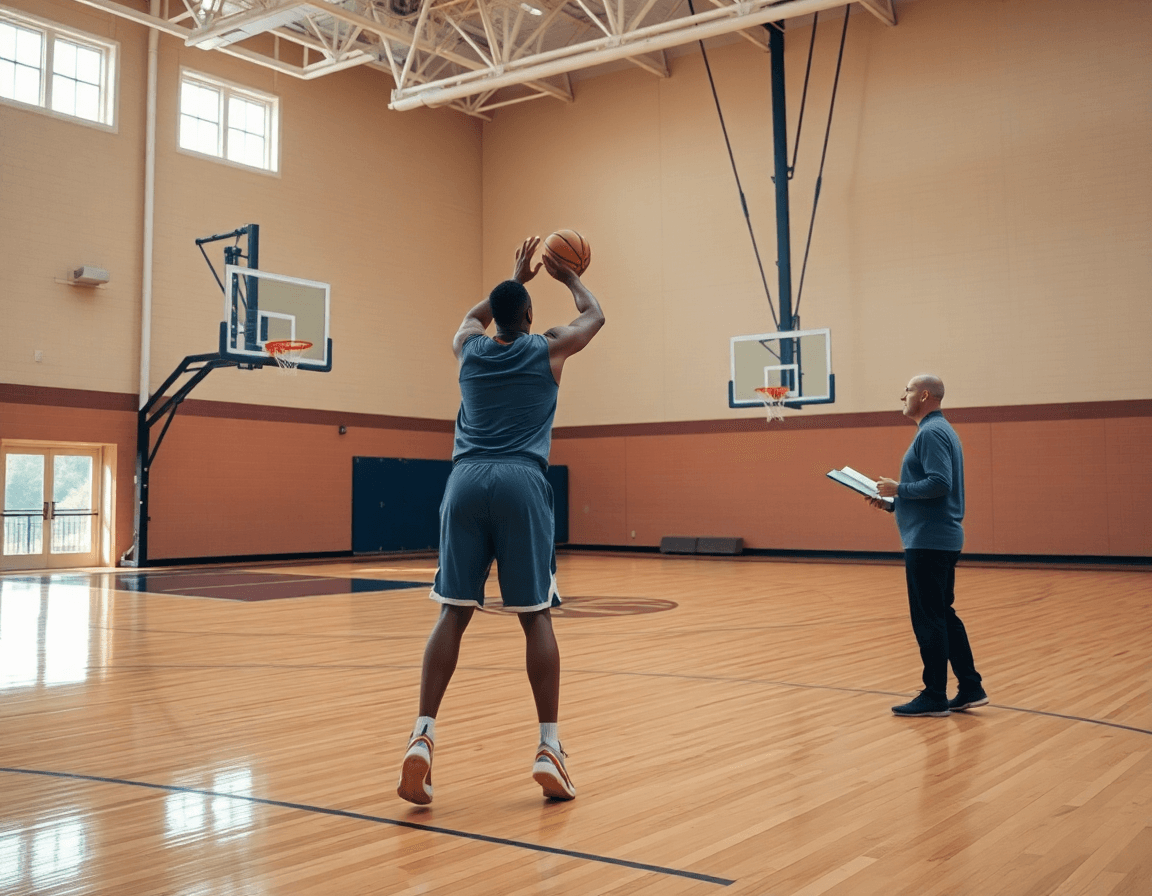
For coaches planning shooting drills basketball by yourself, a clear progression keeps players focused and paced. Start with form shooting, then wall form shooting, advance to spot shooting, and finally add off-the-dribble sequences. This cadence builds rhythm without pressure, so reps stay crisp. In CourtSensei, you can map this tempo-based progression into a weekly plan: each phase gets its own cadence, a wall-shot library to pull from, and attached technique videos. Export a printable plan coaches can reuse each week, providing a reliable framework for your solo sessions.
During each phase, anchor reps with BEEF (Balance, Eyes, Elbow, Follow-through). Balance is about a solid stance and posture, Eyes stay locked on the target, Elbow stays in line with the shot, and the Follow-through finishes high. When you pair these cues with wall form shooting or spot shooting, the focus shifts from numbers to technique. The plan can label every rep by tempo—slower for form shooting, steadier for wall shooting, then game-speed for off-the-dribble—so players feel the progression rather than chase results.
Keep reps centered on technique cues rather than outcomes; that means teaching with deliberate pauses, tactile cues, and a quick reset after each miss. In the weekly plan, attach technique videos, build a wall-shot library, and organize a few playlists tied to each phase. The result is a progressive, reusable solo routine that stays true to form, fits tempo-based shooting, and can be exported as a printable resource for your staff.
Build a wall-based library: near rim to longer spots
To start your weekly solo shooting plan, build a wall-based library that runs from near rim to longer spots. The training-plan builder lets you place form shots at close range, then layer in wall form shooting and spot-based work as you move out. This is where your rhythm begins.
Near rim / close-range practice shines first. Use a simple progression: two sets of 5 form shots with BEEF (Balance, Eyes, Elbow, Follow-through) emphasized on each rep. Add a one-hand form shooting variation for feel, then return to two-hand technique to sharpen consistency.
Expand with longer spots: five-spot catch-and-shoot around the wall for quick release. Label this as “five-spot catch-and-shoot” and build a wall-shot library with different tempos and objectives.
Attach technique videos to each drill, assemble playlists, and export a printable plan that coaches can reuse each week. The ability to attach videos and create playlists helps you build a clear, repeatable workflow for the entire squad.
Set up a wall-based library with form shots, wall form shooting, and spot-based work. Label drills by space to enable quick planning. Use library features to organize and reuse drills in future weeks.
Video, playlists, and feedback: turning clips into improvement
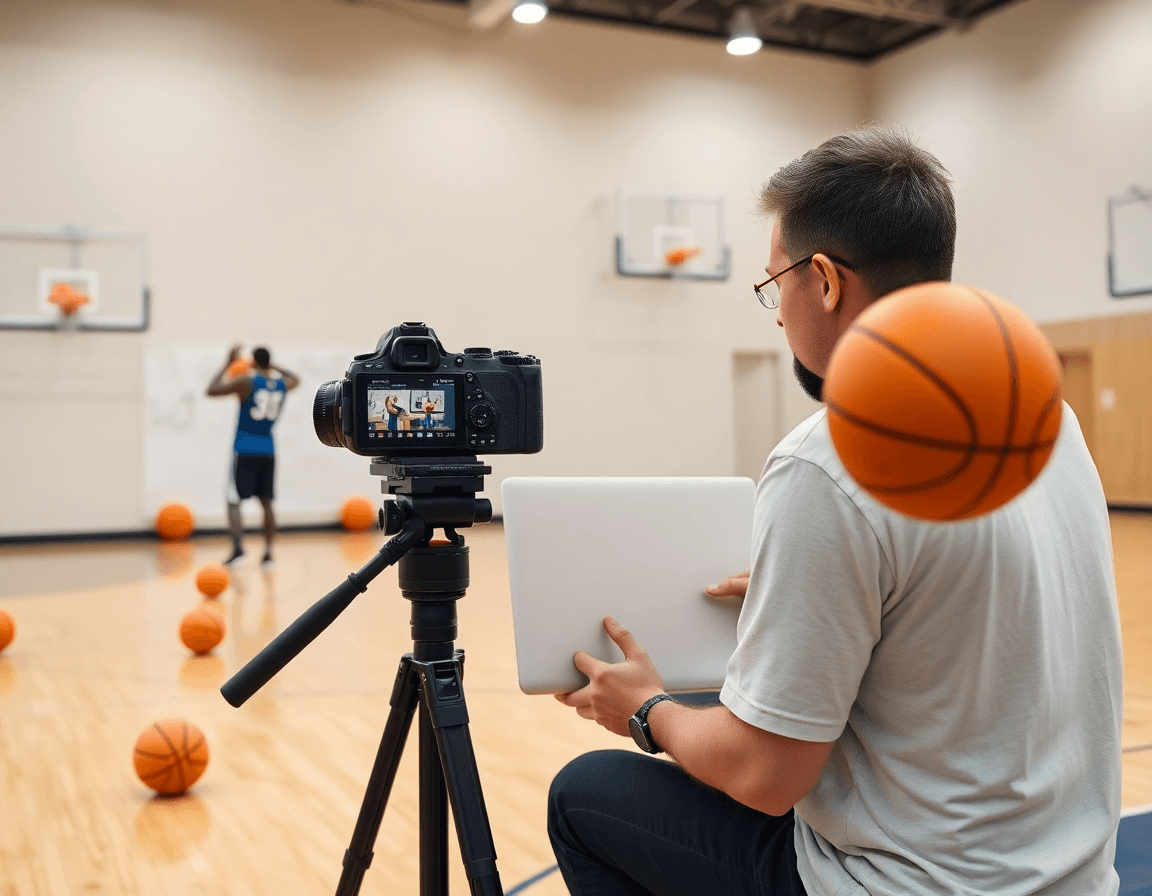
Video clips become your weekly coaching notebook for solo shooting. You upload clips from wall work and form shooting, clip highlights, and assemble a focused library of drills. Use the clip and store workflow to keep everything in one place so a quick review shows what needs refinement before the next session. In the plan, a short video clip anchors your weekly focus—whether it’s a tighter release, better balance, or cleaner follow-through. This cycle feeds video feedback you can act on.
Attach technique cues and reference videos for weekly focus. For example, you might anchor a week on form shooting and wall form shooting, using cues from the BEEF framework—Balance, Eyes, Elbow, Follow-through—and practicing catch-and-shoot from the five-spot. Build playlists that cluster drills around a weekly theme, so every session stacks toward a clear objective rather than random reps. When you link to quick reference videos, you create a repeatable routine you can trust during solo practice.
Share your plan via read-only links to assistants or staff for alignment, ensuring they can review the setup without altering the content. This keeps everyone on the same page as you iterate on filming and the feedback loop, and makes it easy to reference decisions later for weekly planning. This approach preserves a history of video feedback and keeps the workflow transparent for the whole coaching staff.
Practical workflow: a 60-minute solo shooting session you can export
To make a solo shooting routine repeatable and coach-ready, use the training-plan builder to craft a weekly plan, attach technique videos, and assemble a playlist that guides you from warm-up to debrief. The workflow ends with a printable plan you can reuse every week. A wall-shot library and clear progression keep the tempo-based shooting consistent, while the PDF export gives you a portable plan to share with your team.
Minute-by-minute example: 0:00–6:00 Warm-up with dynamic movement and a quick ankle routine; 6:00–18:00 Form shots using wall form shooting to reinforce BEEF; start close, then progress to one-hand form shooting as you feel comfortable. 18:00–36:00 Spot shooting at a five-spot wall, with catch-and-shoot from each location and tempo-based shooting to mirror game pace; 36:00–54:00 Movement shooting off the dribble and through quick reads into shots from wing to arc; 54:00–60:00 Debrief and progression notes to lock in takeaways and tweaks for next session. The wall spots provide a concrete path for progression, and the sequence emphasizes steady reps and deliberate technique.
Export the plan as a PDF and share as a read-only link for the team so players can study the progression and visuals at home, while you keep the master schedule centralized. This approach makes a weekly, solo shooting routine easy to execute, with a clear path from wall form shooting through to off-the-dribble shooting and a concise debrief.
FAQ
How can I structure solo shooting practice in a weekly plan?
Think of solo shooting as a weekly rhythm. Start with near rim anchor with form shooting and progress to wall form shooting to build balance and touch. Use the CourtSensei training-plan builder to assemble a wall-shot library, attach technique videos, and export a printable plan.
What is form shooting, and how does wall form shooting fit in?
Form shooting is close-range, controlled reps that emphasize mechanics. Wall form shooting uses a wall as your target to develop balance and rhythm away from a live defender. Both build consistency: keep your elbows in, eyes on the target, and a smooth follow-through. Use them as the foundation before adding catch-and-shoot or off-the-dribble work.
How long should a solo shooting practice last?
This is a short one: plan for a 60-minute flow you can repeat weekly. Start with a dynamic warm-up, then a form block focused on mechanics, followed by stationary and movement shooting, and finish with a cooldown. The cadence helps you hit the reps without overloading players.
How do I progress from form shooting to game-speed shots?
For progression, start with form shooting, then wall form shooting, advance to spot shooting, and finally add off-the-dribble sequences. Treat each phase with its own cadence so reps stay crisp rather than rushed. Map this tempo into a weekly plan with attached technique videos and a wall-shot library, then export a printable plan.
Can I build a wall-based library of drills for solo practice?
Yes—build a wall-based library of drills for solo practice. Use CourtSensei's training-plan builder to attach technique videos, create playlists, and export a printable plan that guides each week from near rim to longer spots.
How many shots should I make per drill?
Shot targets vary by drill, but a simple ladder works. Use a ladder of reps like 2 sets of 5 form shots, then a five-spot catch-and-shoot around the wall. Keep a steady progression and track progress in your plan. The idea is to build technique cues rather than chasing numbers.
Can you practice basketball at home without a hoop?
Yes, you can practice at home without a hoop by focusing on form, footwork, and wall drills. A hoop is ideal for game-speed rhythm, but you can build timing by simulating reads and releasing on a wall or target. When a hoop is available, you can add live shooting reps to finish the session.