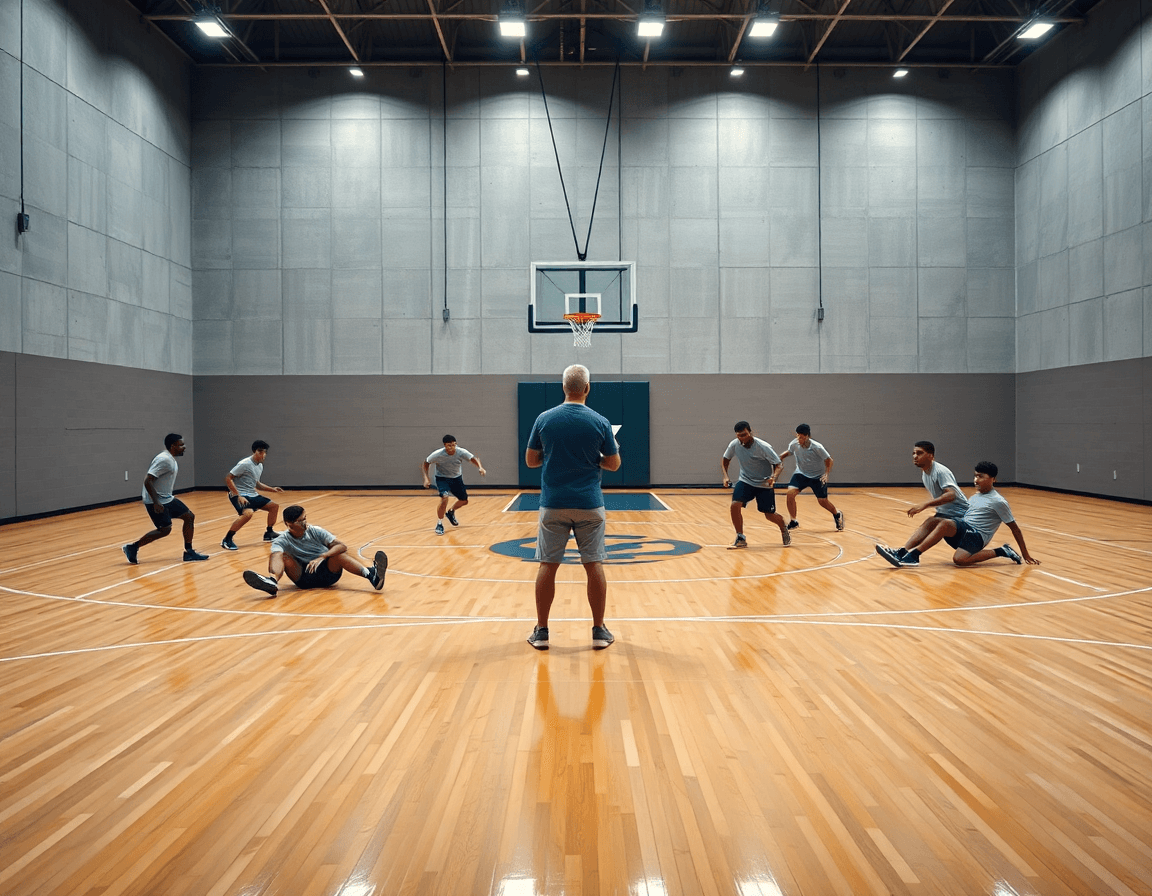
Basketball Defense Drills for Weekly Practice Plans
Plan a defense-first week with structured basketball drills for defense, focusing on on-ball defense, footwork, and rotations to build a cohesive unit.

Key takeaways
- Align your defensive plan with game scouting; set clear weekly targets for defense.
- Select 3–4 core drills from the Practice Plans library, emphasizing on-ball defense and closeouts.
- Assign drills to blocks and assistants; export PDFs and clips to standardize language and references.
- Track execution and feedback in the drill library; adjust rotations when breakdowns appear.
- Make weekly adjustments using scouting notes; keep the structure repeatable for opponents.
Framework: Build a Defense-First Weekly Plan
Think of the week as a defense-first engine. Start by aligning your defensive plan with the game plan and the opponent tendencies you’ve captured in scouting notes. A clear, coach-driven direction keeps your decisions focused and fits the goals of your weekly practice plans.
Pull from the Practice Plans library to select 3–4 core drills that stress on-ball defense, closeouts, and rotations. Confirm the age- and level-appropriate difficulty, then assign the drills to blocks in the schedule. On the Whiteboard, sketch BLOB/SLOB/ATO/PnR to mirror what you’ll run in each station. A quick clip after practice reinforces the technique.
Assign drills to assistants and schedule exact practice blocks; track execution and feedback in the drill library. Use that record to note where the defensive rotations broke down and who locked in on the closeouts and the stance. A quick check-in after blocks keeps you honest and ready to pivot next week.
Export or share a PDF export of the weekly plan with staff and players to ensure clarity and consistency. This gives everyone a reference for the defensive plan, the sequence, and the expectations for each session. Include a short video clip of a sample on-ball rep and a couple of mirror drills so players can study before the next practice.
Each week, adjust the plan by week, keeping the structure repeatable for future opponents. Lean on scouting notes to update tendencies and tailor the plan for upcoming matchups, while preserving the core defensive plan and the weekly rhythm.
Essential Drills for On-Ball Defense and Closeouts
In this week’s defense plan, I anchor the session around on-ball defense and the first line of defense: closeouts. In Practice Plans I lay out 1-on-1 Continuous to sustain pressure, followed by quick rotations. On the Whiteboard, I diagram BLOB/SLOB/ATO/PnR so assistants know where to slide and when to stunt. I export PDFs for the staff and subs.
4-Point Closeouts give players five spots around the arc and a consistent set of cues. It’s about balance and defensive footwork, not speed. Each player starts at a point, closes out to a shooter, reads the pass, then resets. This is a classic close-out drill that we assign in the playlist and review via clips.
Defensive Specialist and Mass Sliding push the group through closeouts, then slides, back-pedals, and full sprint transitions. The drill scales by age and skill, with coaches calling cues like “shimmy, hip square, chin up.” We map the progression in the Whiteboard and track reps as a team, so the defensive rotations look coordinated when the opponent moves.
Pass Denial rounds out the package by sharpening position and off-ball reaction. I pair it with scouting notes—preparing to deny passes to the hot wing or the skip pass from the corner. We clip standout pass-denial reps, assemble them into Video Clips, and share the targeted sequences with players through Playlists.
Structure the week with age/skill progression and coach cues, then assign each drill to players via Playlists for review. The goal is to turn a weekly defensive plan into repeatable routines your squad can execute under pressure, with PDFs, clips, and scouting reports tying it all together.
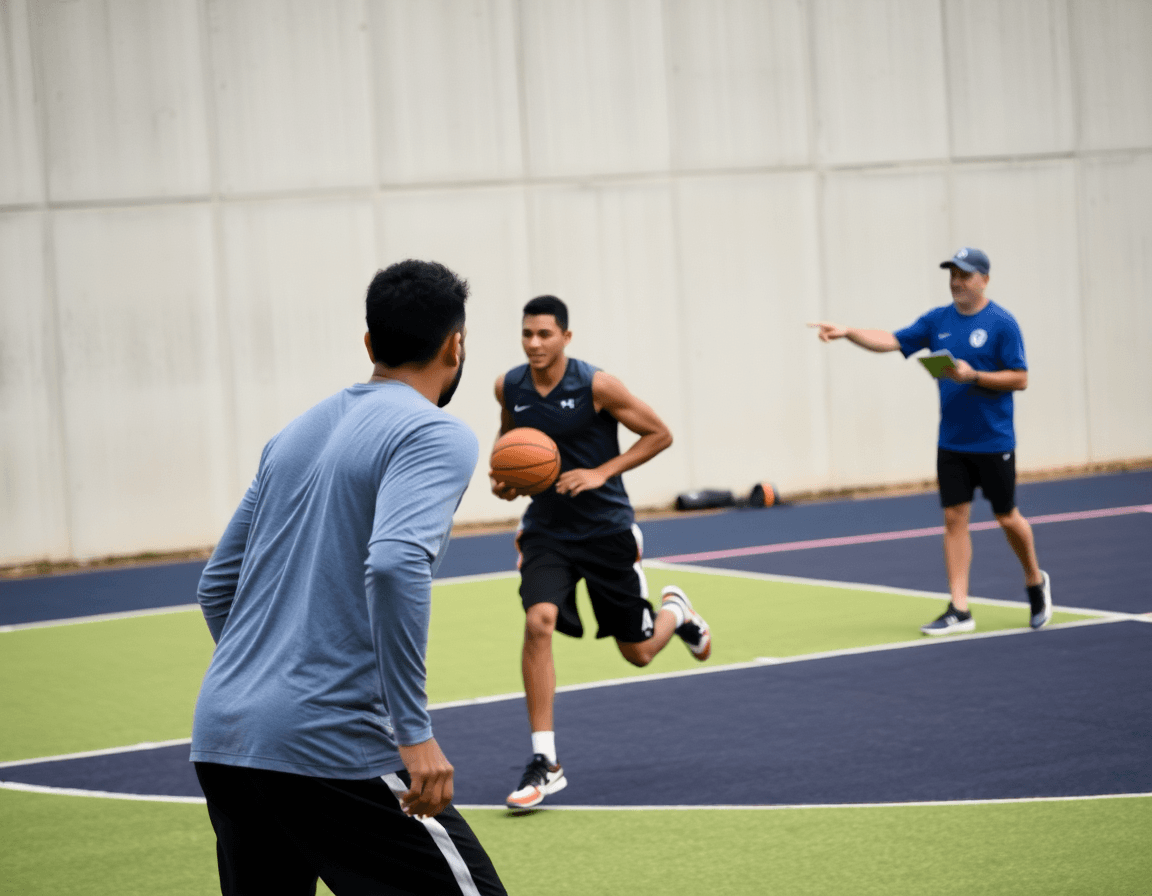
Footwork Progressions to Stay in Front
Footwork is the backbone of any weekly defensive plan. These are basketball drills for defense—practical, coach-driven routines that start with footwork. When I map the week, I start with defensive footwork—lateral movement, stance width, hip rotation, and balance—because the rest of the defense hinges on getting in front quickly. In CourtSensei, I sketch the path on the whiteboard for closeouts, on-ball pressure, and recovery angles, then export a PDF so assistants can prep same language across drills. I pull clips from recent games to show clean stance and cadence, and I log a scouting note for the opponent’s primary ball handlers. This foundation guides every drill.
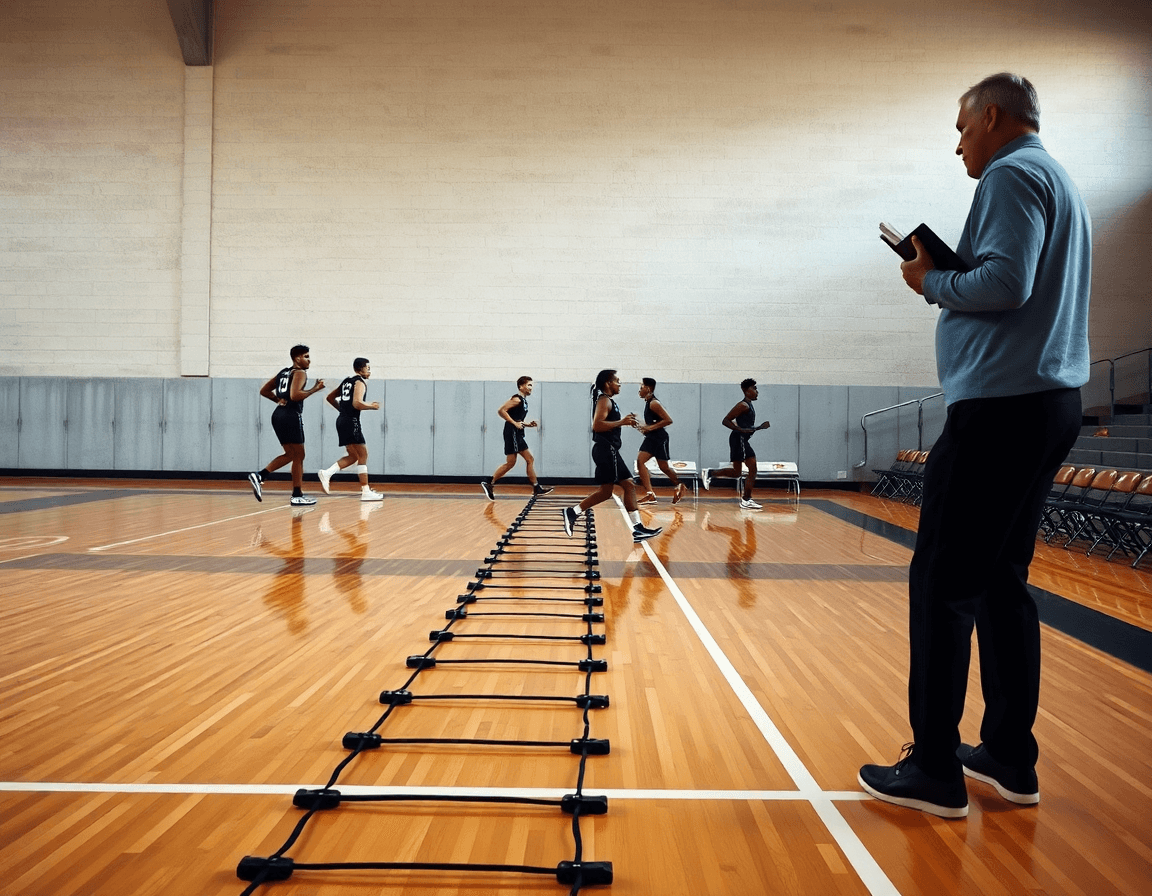
Week by week, I build the progression from simpler to game-like reps with specific drills: first the cone agility drill to enforce angles and balance; then the ladder drill to sharpen foot speed and rhythm; a box drill reinforces two-foot separation under pressure. We run these in the early defensive segment and pair them with a short video clip that highlights proper footwork. On the whiteboard, I diagram a defender moving from a low stance to a compact shuffle, and we keep a quick scouting note about which actions the drill defends best—closeouts, rotations, and the initial denies.
To cement technique, I weave in mirror drill and shadow drill moments that sharpen positioning without contact, then layer in reaction drills and sprint/decelerate drills to mirror game speeds. The cue is simple: stay in front, slide with purpose, and mirror the ball handler’s hips without over-rotating. We store these reps in a playlist and use PDF exports to review transitions back into a defensive stance. The goal is a scalable progression that moves players from beginner to game-speed reps, so each week the plan builds toward more decisive, confident defense.
Diagramming Rotations: From Shell to Rotations
In the plan for the week, I map our defensive rotations on the whiteboard, starting with a solid shell and layering in rotations as the ball moves. We diagram BLOB/SLOB/ATO/PnR so assistants and I can see how help concepts flow from stance to recovery. The aim is a clean communication rhythm and consistent defensive footwork across the group. A quick mirror drill helps lock in the defensive stance before we ever guard live passes.
Once the rotations are set, I export the diagrams to PDF and share them with staff and players. The PDF becomes the quick reference during practice, a real-time pocket guide for cues like “close-out,” “drop,” or “recover.” It’s not a lecture handout—it’s a living blueprint that keeps our shell-to-rotation sequence tight across drills. That clarity reduces chaos when we switch from shell drills to more dynamic moments in defensive sets.
Linking rotations to drill cues keeps the flow practical: the close-out drill tightens on-ball defense, while help defense leads into the proper hedge or recover sequence. We reuse the same skeleton for defensive reactions—fitting in the mirror drill to reinforce lateral movement and can quickly adapt the stance as players learn to read ball actions. It’s about turning a plan into repeatable routines, not one-off solutions.
We also keep a simple playbook in the library for quick access during sessions. If the scouting report flags a specific action from the opponent, I pull the corresponding diagram and drop a targeted cue into the week’s practice. That alignment—shell to rotations, PDF reference, and drill cues—makes weekly defense plans more actionable for every player.
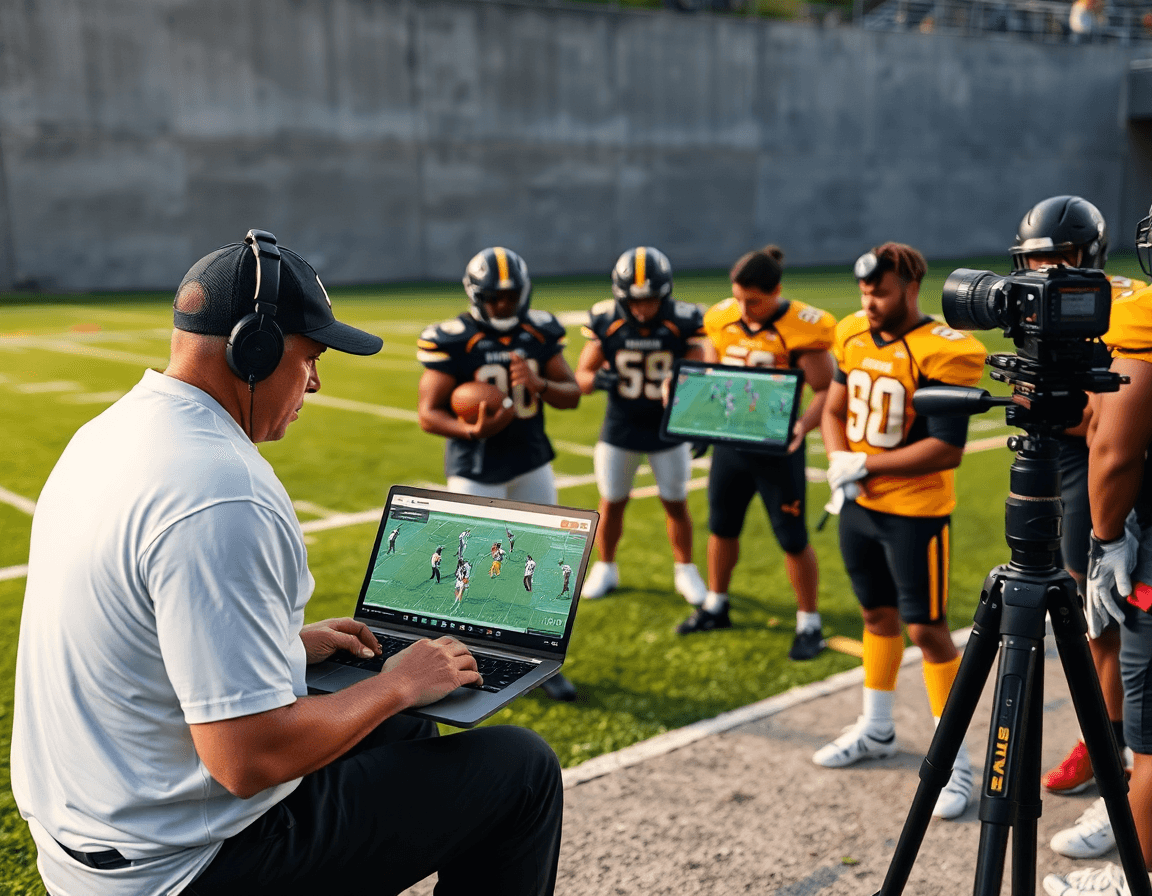
Video Workflow: Clip, Tag, and Share Defensive Reps
Video Clips, in our weekly defense workflow, act like a living reel of your coaching notes. Clip game or training footage to isolate defensive sequences—on-ball pressure, closeouts, rotations. A snappy clip of a hard deny near the top of the arc, or a quick recovery to help after a hedge, becomes a teaching moment you can reuse next week. The goal is to build a repository of clips that illustrate how your players should move and communicate in real time, reinforcing the core ideas of defensive stance and lateral movement.
Next step is tagging. Tag clips by drill or rotation so players can review specific concepts without sifting through hours of footage. A clip from a close-out drill tagged “close-out drill” links to that drill’s technique, while a rotation clip tagged “defensive rotations” maps to your help-and-recover rules. This makes it easy to pull a focused sequence when you’re planning a practice or preparing for a scout.
Then build player-specific playlists. Create playlists that target individual needs—footwork under pressure, reading ball handlers, or mirror drill responses—so each shooter or ball-handler scenario lands on a player’s radar. A well-constructed playlist becomes a repeatable tool for reinforcing defensive technique and decision-making, with a clear line from practice clip to on-court action.
Finally, deliver targeted feedback in-chat or via notes linked to each clip. Quick notes on posture, hand position, or timing—along with a reminder to rewatch a particular clip—keep guidance actionable. In short, clip, tag, and share defensive reps to turn video into a persistent, coach-driven loop in your weekly plan.
Scouting and Opponent Prep: Turn Tendencies into Practice
On Sunday, I translate opponent tendencies into drill emphasis. My scouting reports flag where teams attack—drives to weak spots, misdirection in PnR reads, and preferred counters. That data becomes the backbone of our weekly defense plan: a focused close-out drill for shooters, sharpening on-ball defense, and disciplined help defense. In Plan mode, I link each drill to a scouting line so the staff sees exactly how our weekly prep translates to practice. The Whiteboard diagrams (BLOB/SLOB/ATO/PnR) export to PDF and travel with the plan to the gym.
Next, I preload counter-attack sequences into Practice Plans and rotations diagrams. After a stop, we simulate the outlet, sprint to the lane, and push into a transition sequence. The rotations diagrams guide who slides to the ball, who anchors the help, and how we recover to balance. We rehearse a quick mirror drill for defensive footwork and lateral movement—keeping players in a ready stance as they sprint to close out and mirror the ballhandler.
From there, scouting data informs player assignments and defensive responsibilities. A team with a rapid drive threat might require a tighter on-ball defense and smarter help rotations, while a perimeter-heavy squad calls for quicker defensive footwork and stronger close-outs. We assign players to roles that fit their strengths—on-ball defense on the primary ballhandler, help defense at the weak side, and explicit defensive rotations in late-clock scenarios. The result is a plan that blends these elements into live reps, not just drill work.
Finally, we build a library of scout plays and related drills for quick access in weekly planning. The scout plays section threads opponent tendencies with drill progressions, so you can pull a matching sequence in minutes. We create Playlists of targeted clips to share with players—short clips that illustrate the defensive stance, close-out, and how to mirror the shooter. When game week arrives, you already have the framework to plug into the plan and the PDF-ready diagrams for the whiteboard.
Practical Weekly Defense Workflow Step
This practical weekly defense workflow is built for coaches who rely on CourtSensei to turn basketball drills for defense into repeatable routines. Start Sunday by reviewing opponent scouting, setting defensive goals, and assembling 3–4 core drills in your Practice Plans. This is where the week begins, and your plan should feel tight, repeatable, and coach-driven.
On Monday, install the core drills with your staff, assign roles, and export the plan as a PDF for the team. The flow here keeps everyone aligned—you can reference the Whiteboard diagrams (BLOB/SLOB/ATO/PnR) while the PDFs travel to assistants and players. It’s about clarity in the plan and consistency in execution.
Tuesday zeroes in on on-ball defense and closeouts, with short blocks that layer in defensive footwork progression. Think in bite-sized drills: man-to-man posture, lateral movement, and the mirror drill to reinforce stance and reaction time. Integrate these into the plan so players feel a steady progression, not a pile of random reps.
Wednesday is a video day. Review Video Clips, deliver targeted feedback, and adjust drills as needed. Clip the exact moments where defenders clinch the lane or recover to help defense, and push notes back into the Practice Plans for the next cycle.
Thursday runs shell rotations and defensive schemes, with diagrams and clips cueing every transition. Use the Whiteboard to diagram rotations and the Clips playlist to show the movement, so players hear and see the cues in rhythm.
Friday simulates live defense against scout plays, using Playlists for rapid review and reinforcement. Saturday is for reflection—score the week’s execution, identify gaps in defensive rotations, and refine the upcoming week’s plan. This cycle keeps your defensive rhythm polished, from stance and footwork to rotations and communication.
If you build plans like this every week, CourtSensei keeps your drill library, whiteboard, and video clips in one place — try it free.
FAQ
What are the best defense drills for a weekly basketball practice plan?
Structure your week around 3–4 core drills that stress on-ball defense and rotations, plus solid closeouts. Start with a clear defensive plan aligned to scouting notes, then map drills into blocks in the schedule. Use BLOB/SLOB/ATO/PnR diagrams on the whiteboard and track reps in the drill library to spot breakdowns. Finish with a quick clip for reinforcement.
How can I improve my defensive footwork?
Build it as a scalable progression: start with defensive footwork basics—stability in a low stance, balanced shuffle, and proper hip rotation. Add lateral movement drills (cone, ladder) to sharpen angles and recovery. Pair with mirror or shadow drills to reinforce positioning without contact, then layer reaction and sprint-to-stop reps for game speed. Log progress in your playlists for accountability.
What is a close-out drill in basketball defense?
A classic close-out drill starts with a shooter at the arc and a defender breaking down into a balanced, square defensive stance. Close out with hands up, read the pass, and reset to your stance. Use cues like 'shimmy, hips square, chin up' to keep the flow. Track reps in the drill library and review clips to fix foot placement.
How do you guard ball handlers effectively?
Guarding ball handlers effectively starts with solid on-ball pressure and a stance that covers space without over-committing. Keep hips low, hands active, and move your feet to force baseline or collapse angles. Read the ballhandler’s hips, communicate switches, and recover quickly to your gap. Blend pressure with smart rotations to deny skip passes.
What is a shell drill in basketball defense?
In basketball defense, the shell drill builds awareness and helps with rotations. Start with a basic 4–5 player shell drill, communicate switches, and mirror ball movement to prevent easy passes. Emphasize proper spacing and help angles, then progress to shell rotations where help comes from weak side and recovery is immediate. Clip standout reps and share them for coaching targets.
How can I improve lateral quickness for defense?
Prioritize a quick, repeatable ladder and cone regimen to boost lateral quickness. Pair ladder drills with rapid, controlled shuffles and two-foot stops to build symmetry in your steps. Add two-point and backpedal sequences to replicate game transitions. Track improvements in your playlists and adjust intensity weekly to keep reps meaningful, not exhausting.