Basketball drills for 3 4 year olds: a weekly coach plan
Coaches guide: weekly basketball drills for 3 4 year olds—safe, fun activities to build motor skills and coordination, with a simple practice plan for coaches.

Key takeaways
- Prioritize safety with kid-friendly equipment and soft balls, lowering nets to reduce risk.
- Set goals focused on development and basic motor milestones, not competition, in short sessions.
- Structure with kid-friendly stations of 6–8 minutes each, clear objectives, and simple progress cues.
- Use a simple whiteboard with kid-friendly diagrams; assign clear roles to assistants.
- Capture progress with quick notes, plus a video clips playlist and safety-focused notes for assistants.
Plan safe, age-appropriate goals for 3-4 year olds
Plan safe, age-appropriate goals for 3-4 year olds. In the weekly plan, I start with safety first: kid-friendly equipment, soft balls, and lowered nets or mini hoops to reduce risk. The goals stay focused on development, not competition, and are designed to be attainable in our short sessions. We target basic motor milestones—dribbling with two hands, catching and passing to a target, and maintaining balance—so kids feel success early. The plan also outlines assistants roles so transitions between stations stay smooth.
Focus on motor skills and coordination through simple, repeatable work: a kid-friendly obstacle course, two-handed dribbling, and catching to a target. We use a soft ball so grip and control come first, then small, controlled passes. Short, 3- to 5-minute cycles prevent fatigue and keep smiles high while kids learn where to place their feet and hands.
Each week’s objectives tie to the practice plan and your assistants. In a 45-minute session, I balance a quick warm-up, two kid-friendly blocks, and a short group activity. The plan clearly assigns which coach runs which station—dribbling/handling, catching/passing, movement drills—so kids stay engaged and progress safely.
On the whiteboard, I sketch simple diagrams—footprints for movement, circles for targets, arrows for routes. The visuals keep the flow intuitive for the assistants and give an at-a-glance plan for the group. After practice, I stitch a short video clips playlist that captures the best reps and safety cues, so we can review and adjust the next week.
Draft a weekly plan: warm-up to skill blocks
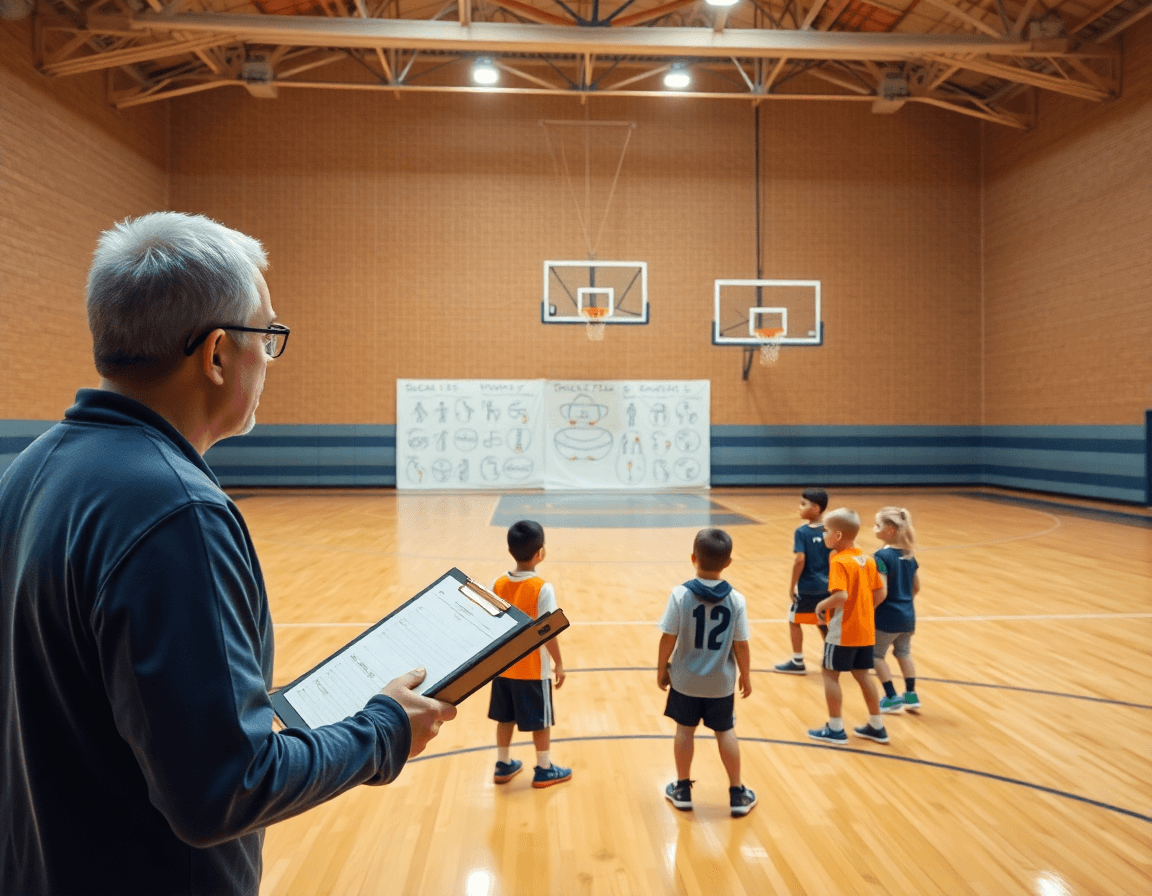
Drafting a weekly plan starts with a 60-minute session skeleton. My plan runs from a quick, age-appropriate warm-up to 2–3 skill blocks and a short game to close. This keeps the tempo up and sets the tone for learning without overloading any one segment.
In practice, I run short, stations-based blocks to keep engagement high for 3- to 4-year-olds. Each block lasts about 6–8 minutes, with a clear objective and a simple progress cue. The idea is momentum: kids move, explore, and return to the next station ready to try something a bit different.
I group drills by objective: dribbling, catching/passing, and basic shooting with mini hoops. Each station builds a tiny, tangible skill—think low dribble ladders, soft passes with foam balls, and a friendly layup from close range. The mix is designed for quick wins and steady confidence, with cues that a first-time coach can repeat without slowing the drill down.
To keep it cohesive, I link drills to a simple practice plan that assistants can follow and expand on. In CourtSensei, I draft the weekly flow in the plan, sketch kid-friendly diagrams on the whiteboard, and attach short video clips to each station for teaching cues. The format supports safety, progression, and clear communication with helpers, while still feeling like a natural, kid-focused practice routine.
Practical workflow: a 60-minute toddler session
On a typical 60-minute session for 3- to 4-year-olds, safety guides the plan. Step 1 is a quick safety check + kid-friendly briefing (2–3 minutes). Nets lowered, ball sized right, and a simple demo on the whiteboard set expectations and confidence before we move.
Step 2: a low-pressure warm-up with simple movements. We keep it age-appropriate, running a short obstacle course with cones and low nets, a quick follow-the-leader sequence, and a couple of easy ball-handling drills—dribbling and catching with two hands. Mini hoops give soft targets for success. This fits into my weekly workflow: plan, teach, and review.
Step 3: two short skill blocks focusing on one objective each. Block A targets dribbling—low stance, eyes up, ball under control. Block B works on catch and pass—short, soft passes to a partner, emphasizing gentle catches and quick releases. Each block stays short and age-appropriate, with quick praise and easy progressions.
Step 4: game-like, non-competitive activity to apply skills. A simple relay or "dribble-to-pass" drill keeps pace light, using the obstacle course and low nets but no scorekeeping. The aim is transfer of technique from the blocks into a familiar, playful context.
Step 5: quick review with players and a notes-for-assistants wrap-up. In a two-minute huddle, we highlight progress and adjust plans for assistants. I tag a few quick video clips into a playlist for later review, and capture coaching notes on safety, progression, and communication.
Whiteboard diagrams for kid-friendly drills
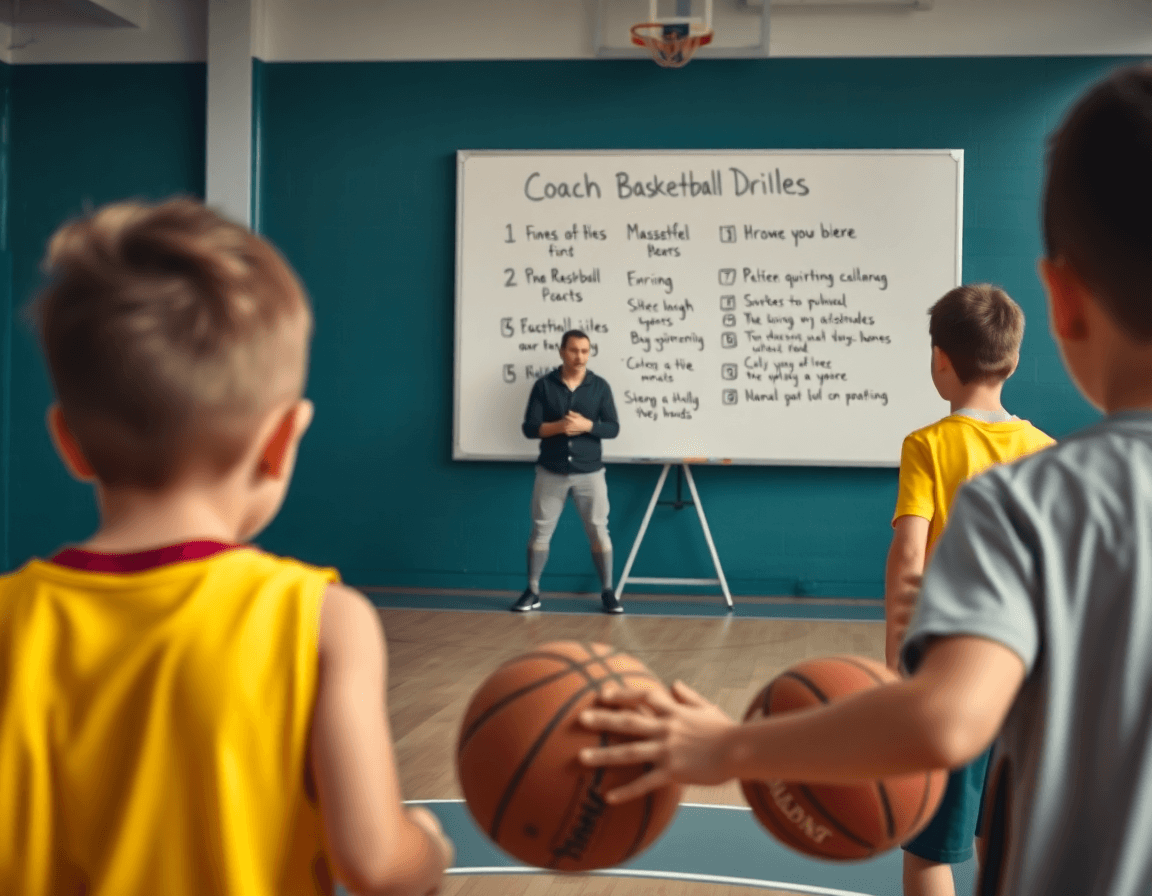
On a typical week, the whiteboard becomes the first touchpoint for mapping structure. For basketball drills for 3 4 year olds, I lay out five stations that map to the core skills: dribbling, passing, catching, and moving in lanes. I keep it visual: a simple dribble path from the half to the paint with a short cone line, a passing arc to a partner across a widened lane, and a mini hoop as the target. An obstacle course with cones gives them a quick, safe route and a chance to practice coordination with lowered nets making the rim visible but reachable. I label these visuals as clear, diagrams that guide the kids through each action.
Annotating with kid-friendly terms and visual cues helps a lot. I label paths with simple phrases like “slide and go,” “catch and pass,” and “follow the leader” and use color dots for lanes. Arrows indicate direction, and the cues sit next to the real-life action so players can see how their bodies move. This keeps the drills age-appropriate and keeps a 45-minute session moving smoothly.
After each session, I export to PDF to share with assistants or substitute coaches who will run Station C while I loop through the gym. The PDF becomes a practical set of lesson diagrams that tie directly to the plan: a safe progression, clear safety checks, and a quick reference for feedback. Reuse of the same diagrams in video playlists helps with review and keeps everyone on the same page.
Video clips: capture, clip, and share progress
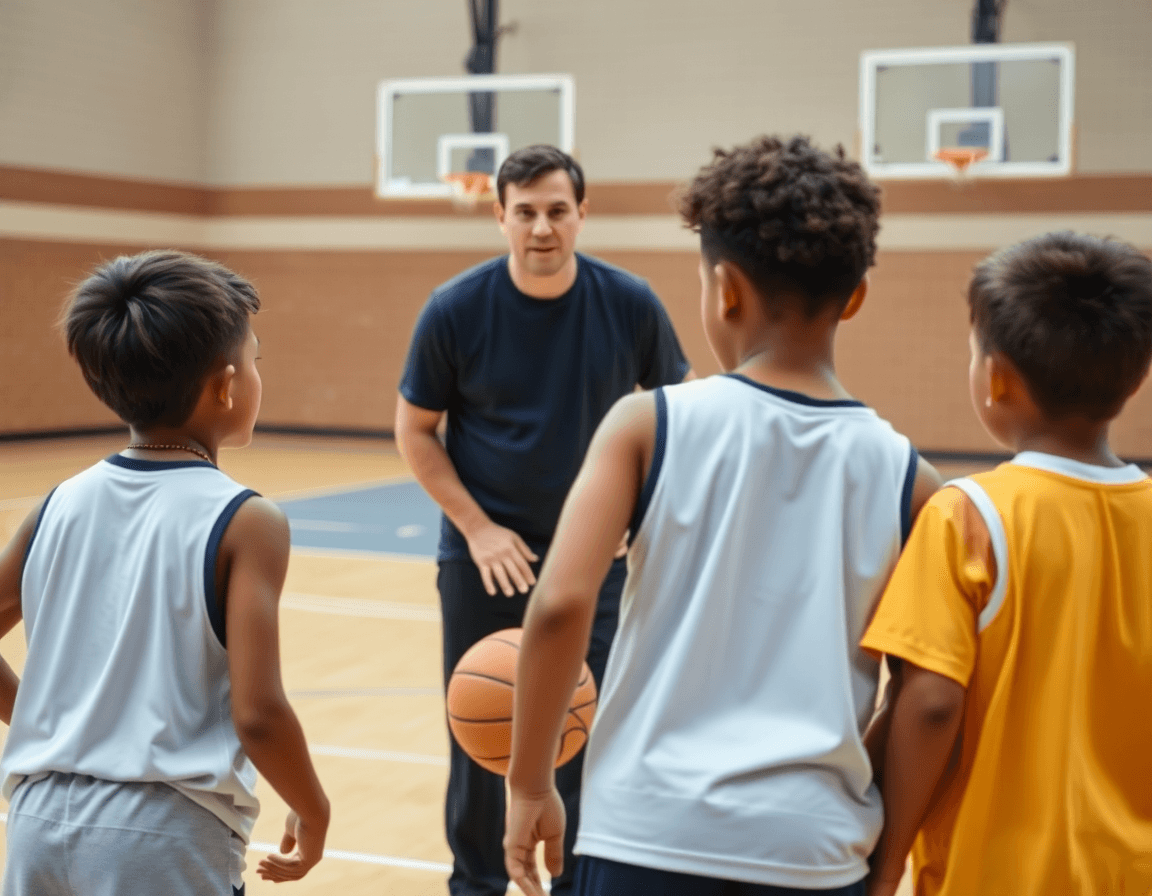
During each practice segment, I grab short video clips of the kids working through our age-appropriate drills. These clips let me review technique with players and loop in the assistants for quick feedback. For example, at a dribbling station with mini hoops and a simple obstacle course, I’ll capture 10- to 15-second moments—a clean crossover, a two-hand catch, or a soft finish at the rim. Having that footage ready beats guessing, and it keeps our coaching decisions concrete.
Create playlists to group clips by drill type (dribbling, passing, shooting). I tag each clip with a couple of age-appropriate cues—“catch and pass,” “follow the leader”—so we can pull the right video when we review the plan on the whiteboard. This keeps the library kid-friendly and scalable as our sessions shift from stations to small-sided challenges, like a quick dribble-and-shoot sequence or an obstacle course progression. We lean on the concept of clip sharing to move clips between devices and people without friction, which helps keep our tempo steady and our focus sharp.
With one-click shareable links, I push the clips to the team group and to each assistant’s tablet. That setup supports progress tracking by letting everyone see improvements or recurring gaps after each week. If a kid shows steady growth in dribbling or catching, we pull a representative clip into the next planning block and reference it on the board during the review. The loop—record, organize, share—keeps our weekly workflow tight, safety-centered, and easy to scale across age-appropriate goals, from 45-minute sessions to quick drop-ins with lowered nets.
Drill ideas: toddler-friendly progressions
During the planning week, we open with a simple, age-appropriate entry point for 3- to 4-year-olds: light, controlled dribbling with a single hand, then both hands. In the plan, I lock this as a core goal for the first 15 minutes and sketch a kid-friendly diagram on the whiteboard. Real focus: keeping speed comfortable, space to breathe, and constant supervision.
Next, we layer in Catch and Pass at short distances using soft balls. The progression is two stations: partner tosses underhand while kids focus on catching and returning quickly. The plan notes a simple cue: “hands ready, eyes on the ball.” On the board, I map the sequence and circulate encouragement to keep the flow calm and fun.
Obstacle Course: set up gentle stations—cone weave, mini ladder steps, and a low hurdle. Kids move with balance and agility, not sprinting. In the plan, this is a 10-minute rotation. I show a quick demo on the whiteboard: path, pace, postures. Encourage safe landings; emphasize balance.
Follow the Leader: players imitate coach or a peer's movements—short hops, side shuffles, and tempo changes to teach rhythm and control.
Mini hoops: set up a kid-sized basket at a very low height. The goal isn’t to swish yet, but to develop a repeatable release and aim. We keep 45-minute sessions and lowered nets to reduce frustration, with emphasis on form and follow-through. A short video clip helps the assistants review and reinforce what was taught on the floor.
Weekly readiness checklist
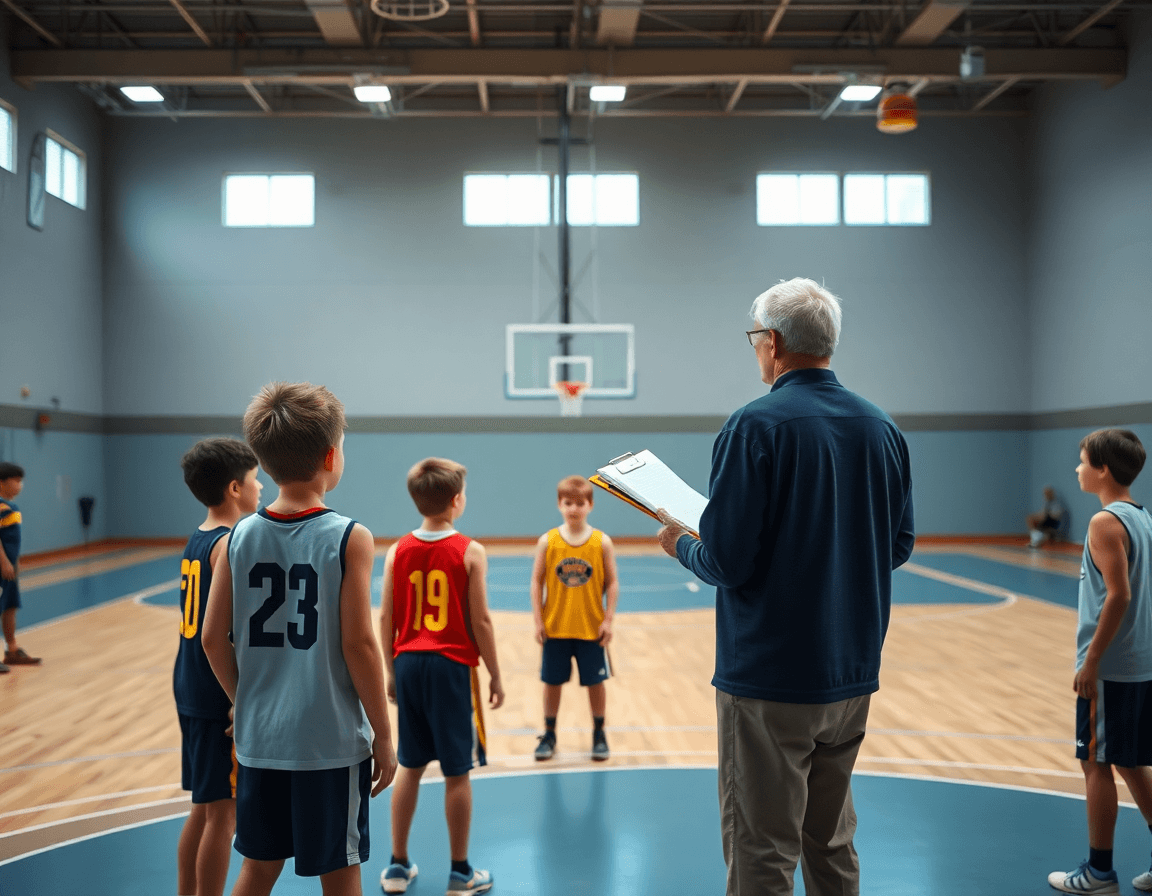
On Sunday evening I run through the weekly readiness checklist to set up the week of basketball drills for 3- to 4-year-olds. First, I confirm Equipment availability—lowered nets, kid-sized balls, cones, and a couple of mini hoops for progression. Then I run Safety checks and surface conditions: floor clean and dry, mats in place, and a clear path for stations. This quick check feeds into plan alignment for the 45-minute sessions I’ll run all week, keeping transitions smooth and injury risk low.
Next, I share the week’s plan with assistants and confirm roles. I publish the plan in CourtSensei, assign station leaders (dribbling, catch and pass, obstacle course), and line up how we’ll communicate during drills. A brief pre-game huddle helps everyone know who handles safety reminders, who runs flow between stations, and who records quick notes for the whiteboard diagrams. The result is a coordinated workflow that fits neatly into the kid-friendly tempo of each 45-minute block.
Finally, I prep pre-approved video clips and playlists to support coaching points. Short, age-appropriate clips illustrate core ideas—dribbling with control, catch and pass at close range, and follow the leader through a simple obstacle course. The clips pair with cues that match the plan and are easy to review after each station. With CourtSensei, I can quickly adjust a playlist as needed and share it with assistants to reinforce the week’s plan alignment.
If you build plans like this every week, CourtSensei keeps your drill library, whiteboard, and video clips in one place — try it free.
FAQ
Why are dribbling drills important for 4-year-olds?
Dribbling drills build foundational motor skills and coordination essential for later basketball. For 3–4 year olds, focus on dribbling with two hands, a low stance, and eyes up. Use a soft ball and short, safe cycles so kids experience success quickly. Keep cues simple and celebrate small wins to build confidence and lay groundwork for future technique.
How can you make dribbling exercises more fun for toddlers?
Turn drills into short, game-like blocks that feel like play. Try follow-the-leader, red-light/green-light dribbling, and kid-friendly obstacle courses. Let them choose ball color and celebrate effort with high fives. Keep each block 3–6 minutes, use a soft ball, and avoid pressure. The result is steady engagement and natural skill growth.
What is the benefit of using different surfaces for dribbling with 3- and 4-year-olds?
Using different surfaces challenges balance and feel, helping kids adapt to a real court later. Start on carpet or mats, then progress to hardwood with close supervision. Quick surface switches keep attention and prevent fatigue, while reinforcing safe stance and ball control.
What are mini hoops used for in basketball drills for 4-year-olds?
Mini hoops provide reachable targets that boost confidence and aim. With lowered nets and a soft hoop, kids practice basic shots from close range and feel successful early. Use simple cues like steps to the side and eyes on the ball, so technique forms with positive experiences.
How can you make mini hoop sessions more engaging?
To keep sessions engaging, mix formats and keep tasks short. Quick relays, choice-based challenges, and positive reinforcement work well. Rotate players so everyone gets turns, celebrate every make, and narrate small successes. Short, lively segments sustain attention and make practice feel like play.
How does the Catch and Pass drill benefit young players?
The Catch and Pass drill helps young players develop catching technique, timing, and accuracy, while keeping drills safe and simple. Encourage two-handed catches, gentle passes to a target, and quick releases. Short, low-pressure reps build confidence, teamwork, and a foundation for more advanced plays.