Basketball Practice Plan Sample for Coaches: Weekly Workflow
Basketball practice plan sample for coaches: a practical weekly workflow with time blocks, drills, scrimmage, and cooldown—plan, track, and adjust for your team for on-court use.

Key takeaways
- Use a repeatable weekly workflow with clear blocks: warm-up and skill work drive consistency.
- Tailor age-appropriate progression: emphasize fundamentals for younger players, decision-making for older teams.
- Plan 60-minute layouts or 90-minute variants; fill with precise drills and reps.
- Create a printable template for staff to annotate adjustments during the week.
- Export plans as PDFs, capture coaching points, and review clips for next session.
What a basketball practice plan sample should cover
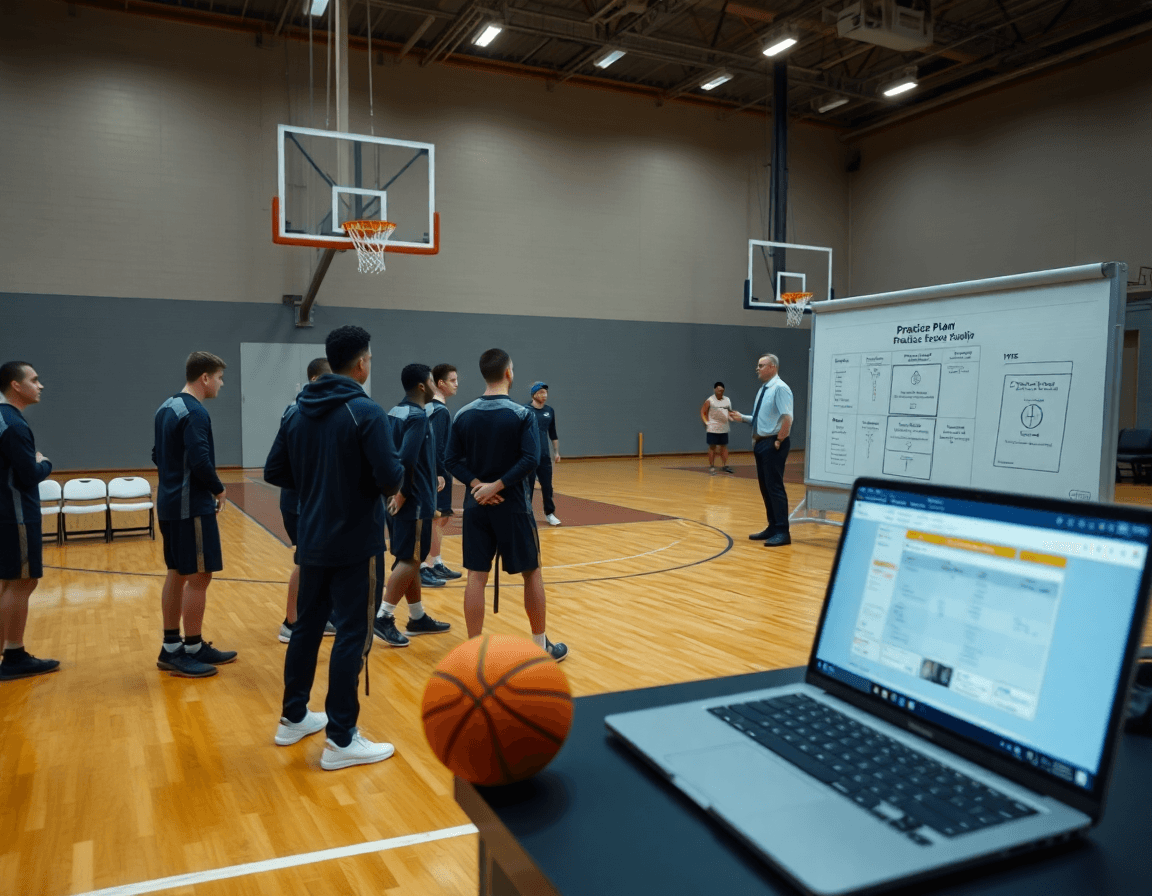
A solid basketball practice plan sample is the backbone of a repeatable weekly workflow. It should outline the core blocks that frame each session: warm-up, skill work, team drills, scrimmage, cooldown. Beyond naming the blocks, I include the intent for each: readiness, ball handling under pressure, spacing, and communication. When transitions feel smooth, players know what’s coming next, and the session runs with purpose.
Age-appropriate progression matters. For younger groups, I scale down the volume and emphasize fundamentals—footwork, passing, and basic reads. For older players, I layer in decision-making, tempo, and game-like reps. Each week’s focus should align with the players’ development stage, so the plan isn’t just a checklist but a clear ladder of growth.
A good basketball practice plan sample includes a printable template or PDF you can share with assistants. A simple, printable format helps the staff stay on the same page, annotate adjustments, and keep the cadence consistent across gyms or locations. In CourtSensei, you can draft the plan in the plan module and export a clean PDF for the staff binder or locker room wall.
Finally, map the blocks to your weekly routine and game concepts. Tie each segment to what you want to emphasize on offense or defense that week, and leave room for quick scouting notes or situational reps. Think of it as a living document that supports your time blocks, a short video clip for later review, and a plan that players can clearly follow—from warm-up through cooldown. This is the essence of a practical basketball practice plan sample.
Structuring time blocks for weekly efficiency
Structuring your week starts with locking distinct time blocks for efficiency. A clean basketball practice plan sample uses five blocks: warm-up, skill work, team drills, scrimmage, and cooldown. When you map these blocks in CourtSensei, transitions become smoother, and you can sustain intensity from start to finish. Choose durations that fit your schedule and your players' attention spans—60-minute plans or 90-minute plans.
For a typical 60-minute plan, start with a brisk dynamic warm-up for 6-8 minutes to raise core temperature and wake up hips and ankles. Then allocate about 20-22 minutes to skill work—pull-up jumpers, finishing at the rim, and handling patterns. Move into 12-15 minutes of team drills—spacing, screens, and quick tempo passing. Conclude with a compact 10-minute scrimmage to rep concepts under light pressure, followed by a 4- to 5-minute cooldown. In CourtSensei, you can snapshot this as a practice plan template and share it with assistants.
Enlarging to a 90-minute plan gives you runway for more reps and heavier repetition of the plays you diagram on the tactical whiteboard (BLOB/SLOB/ATO/PnR). Start with a 15-minute warm-up, followed by 30 minutes of skill work, 25 minutes of team drills, a 15-minute scrimmage, and a 5-minute cooldown. The extra time also makes it practical to pull short video clips for quick review during transitions and to jot scouting notes that you can reference in the next session.
To weave this into a repeatable weekly workflow, treat each block as a module in your practice plan template. Build and save a base layout, then adjust duration and content as opponents shift. Stick to your time blocks as the backbone of the week, diagram plays on the whiteboard during the team drills, and assemble playlists of clips for players to study ahead of the next scouting note.
Practical workflow: from plan to on-court execution
Starting the week with a solid basketball practice plan sample in Practice Plans sets the tone for the days ahead. Draft the weekly plan and export a PDF for staff so assistants and managers can follow along without questions. I block out warm-up and dynamic warm-up, then fill in time blocks for skill work, team drills, and a controlled scrimmage, finishing with a crisp cool-down. The aim is a repeatable weekly workflow that keeps everyone on the same page.
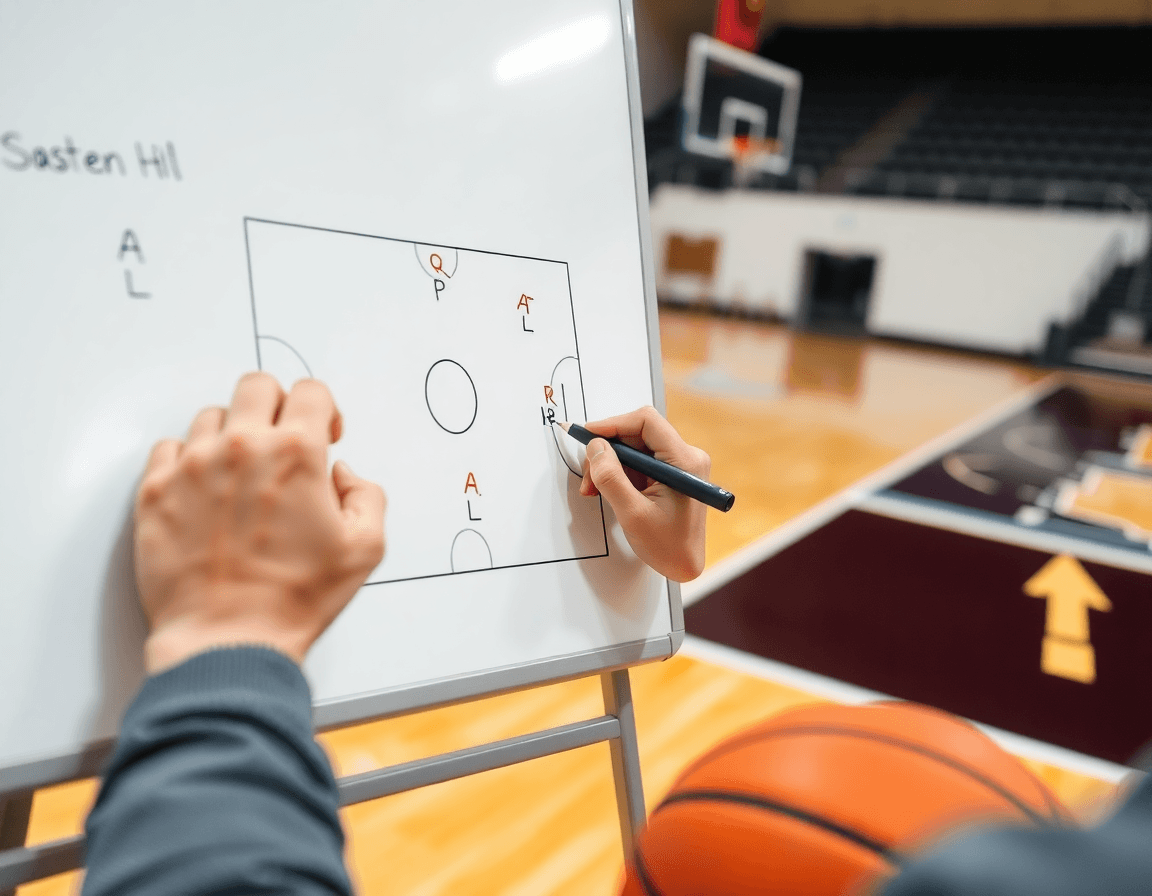
With the plan locked, I walk to the floor and load the on-court diagram and coaching points into the whiteboard during practice. The diagrams map out the break, the reads, and the timing we’ll talk through between reps, sharpening on-court execution.
During the session, I pull relevant video clips to demonstrate drills or game situations, pulling from recent scenarios and tagging them by drill type so players can review later in a film session or on their own.
After practice, I collect quick feedback from assistants and players, then adjust the plan for next session. This quick loop keeps the weekly workflow tight and aligned with team goals, letting me tweak warm-up intensity, adjust a shell drill, or add an extra rep for ball handling without tearing apart the whole plan.
Translating your plan into a tactical whiteboard
Translating your plan into a tactical whiteboard begins with pulling your weekly basketball practice plan sample and mapping it to a sequence of diagrams. On the tactical whiteboard, draw each set from the plan—BLOB/SLOB/ATO/PnR entries for baseline and sideline actions, plus a quick situational diagram for late-game setups. Clear visuals give assistants a quick reference during team drills and the scrimmage.
Next, annotate coaching points and player roles next to each diagram. This is where the plan really comes alive: beside each Xs-and-Os sketch, jot compact notes on spacing, footwork, decision timing, and assign responsibilities for wings, guards, and bigs. It becomes a lean, memory-friendly guide that keeps your practice plan template and time blocks intact through dynamic warm-up and skill work.
Finally, you can Export or print the whiteboard sheets to distribute to staff and players so everyone stays aligned as the week unfolds. A clean PDF of the diagrams—complete with coaching points and player roles—travels to the film sessions and scouting notes you’ll reference during the next practice. This step ties the weekly workflow together, from warm-up through team drills, scrimmage, and cool-down.
Using video clips to reinforce the plan
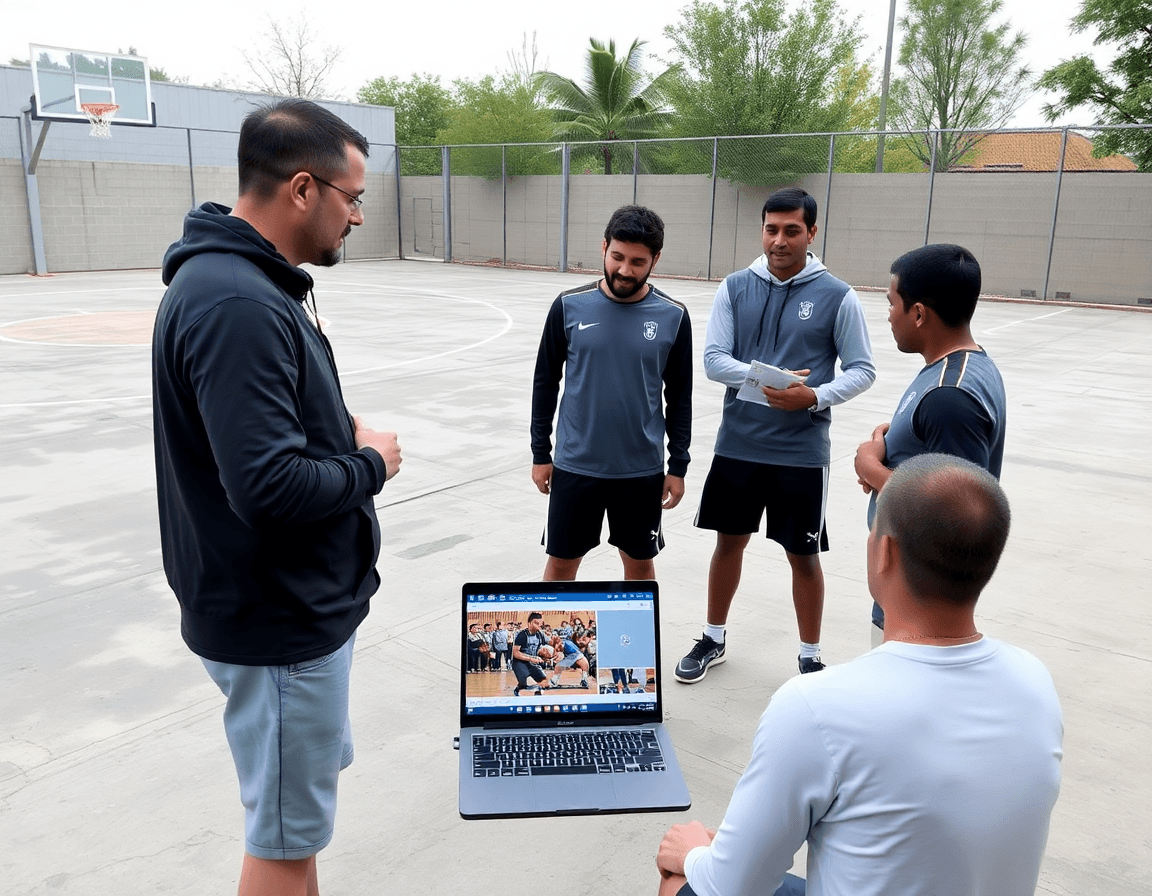
As I map out a basketball practice plan sample for the week, video clips anchor the focus. I pull from the clip library the best examples of the team’s target actions—ball movement against help, spacing in the pick-and-roll, and the weak-side rotations—so the plan has concrete visuals. I keep a tight set of clips for the warm-up and the skill work blocks, then mark them by time blocks. A couple of clips illustrate correct technique; one shows a common breakdown to address in drills.
Next, I assemble playlists tailored to each player group—perimeter shooters, facilitators, and post players—so the week’s plan is reinforced through targeted clips. Each playlist links to a few minutes of footage that highlights the keys we’re chasing, plus a quick note on what to watch for in drills. When the clips are ready, I generate shareable links for the coaching staff and for players to review during film sessions, before practice, or on off days.
We start every session with a short clip-driven warm-up: 60 seconds of video clips that show a hinge move or an instance we want replicated, followed by 10 minutes of dynamic warm-up and skill work. After practice, I pull clips from the scrimmage or drill work to fuel player feedback—short notes paired with the clip that address what went well and what to fix. This approach keeps the plan cohesive and connects the tape to drills like team drills and scrimmage, making it easy for players to study the game tape on their own time.
Incorporating scouting reports for opponent prep
Here's a basketball practice plan sample that shows how to fold scouting into weekly prep. I keep a dedicated scouting notes section in the practice plan template so the whole staff has context each day. On the tactical whiteboard we map opponent tendencies and flags to watch, turning raw data into concrete moves for opponent prep. The result supports season planning and keeps every week’s approach sharp.
Identify tendencies and translate them into drill progressions that sit in the time blocks of practice: from a quick walk-through of the scout report to a dynamic warm-up, through focused skill work and team drills. If the opponent overplays passing lanes, we build a sequence of ball-handling, passing angle, and decision drills into the plan. A short video clip of a scout moment can be added after the session for players to study on their own, reinforcing what to watch for when we see it live.
To avoid overload, the scouting notes feed the weekly plan with crisp cues, not pages of data. I reserve one scouting-focused drill segment in the week’s time blocks, then let players digest through scrimmage and a solid cool-down. The goal is to keep the opponent prep visible on the whiteboard and in a quick video recap, so the team is prepared without becoming overwhelmed.
Templates and deliverables you can reuse weekly
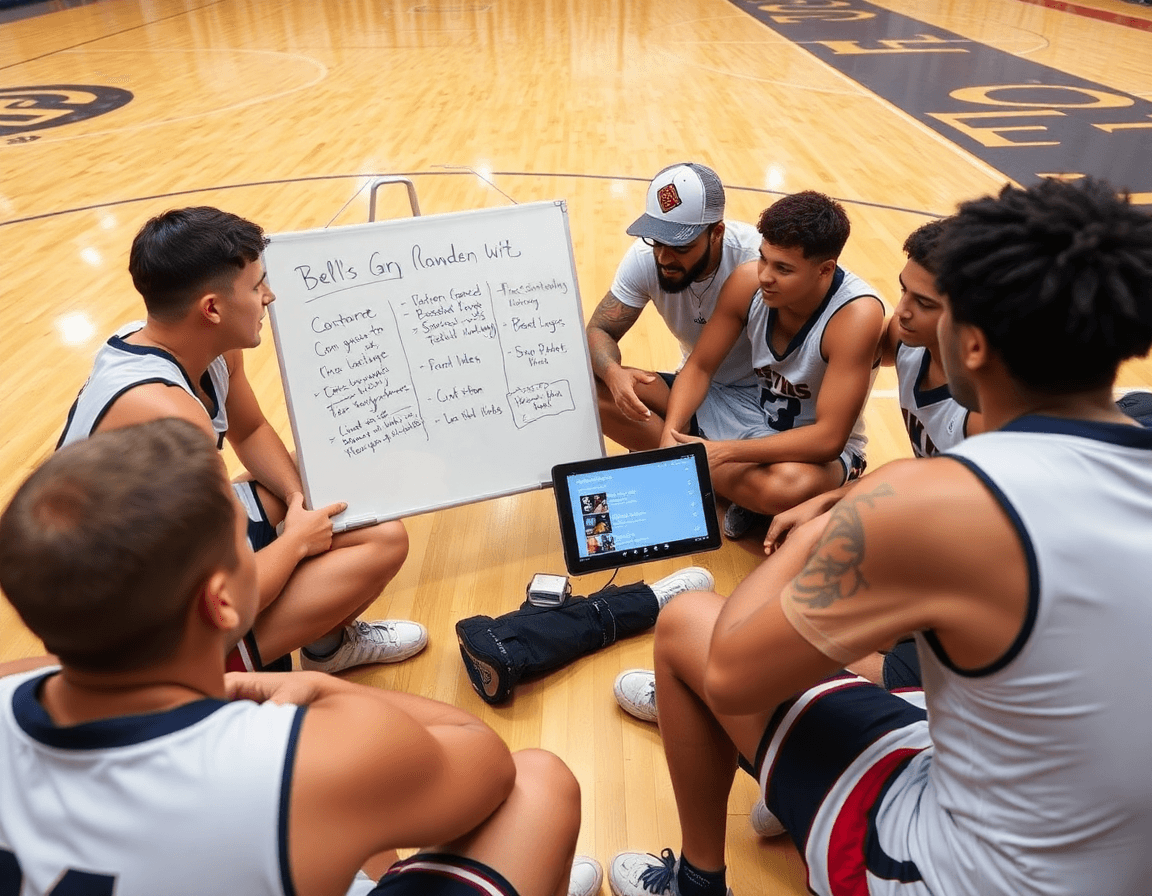
This basketball practice plan sample is built for coaches who want a repeatable weekly workflow. Start by pulling up your printable template—the backbone of the plan. In the time blocks, you’ll map out a Tuesday or Thursday session like this: dynamic warm-up to prep movement, skill work in stations, team drills that mirror your game plan, a controlled scrimmage to test concepts, and a cool-down to finish. The structure keeps you in control even when games slip in or adjustments are needed. When you’re ready, export the plan as a PDF download for staff updates and quick sharing.
All assets live in a centralized library, so your plan, diagrams, and video clips stay organized week after week. That makes it easy to pull a practice plan template for a new group or share a short clip with players about adjustments. When scouting notes feed into the week, you can attach a reference diagram on the whiteboard and link to the relevant video clip, all within the same system. Keeping everything together helps maintain a smooth weekly rhythm.
A consistent format across weeks drives season planning and makes it simple to swap in offense/defense notes without rethinking the layout. Use the same headings for warm-up, skill work, team drills, and scrimmage so assistants know where to look, and players experience a predictable flow from week to week. This approach builds familiarity, accelerates prep, and supports a truly repeatable weekly workflow.
If you build plans like this every week, CourtSensei keeps your drill library, whiteboard, and video clips in one place — try it free.
FAQ
What should a solid basketball practice plan include?
A solid basketball practice plan should cover the core blocks that frame every session: warm-up and skill work, plus deeper components like team drills, scrimmage, and cooldown. In addition to naming the blocks, specify the intent for each (readiness, ball handling under pressure, spacing, communication). With a clear ladder of growth, the plan stays focused and gives players a predictable rhythm during practice.
How long should a basketball practice last?
For a typical 60-minute plan, start with a brisk dynamic warm-up for 6-8 minutes to raise core temperature. Then allocate about 20-22 minutes to skill work—shooting patterns, finishing at the rim, and ball handling. Move into 12-15 minutes of team drills—spacing and tempo. End with a tight 10-minute scrimmage and a 4-5 minute cooldown, keeping transitions sharp.
What is the 80/20 rule in basketball practice?
Apply the 80/20 rule by focusing most of your reps on the fundamentals that drive wins. About 80% of your practice should come from the top drills that improve ball handling, shooting, decision-making, and spacing, while 20% covers advanced concepts or situational stuff. Use quick audits to identify those core drills and protect time blocks for them.
Where can I find free basketball practice plan templates?
Look for free templates or printable PDFs from coaches resources, league sites, and workflow tools. A solid template gives you the five blocks, suggested durations, and space to insert your plays. If you use a digital plan, export a clean PDF for staff and lockers. Start with a simple base layout and customize weekly based on opponents.
How do you structure a youth basketball practice?
For youth-focused sessions, keep blocks shorter and pace-friendly. Prioritize fundamentals and positive repetition, with short blocks of work and frequent feedback. Mix in games and light competition to keep engagement high. A 60-minute youth plan might split into a 10-minute warm-up, 20 minutes of basic ball-handling and passing, 15 minutes of tiny-team drills, 10 minutes of scrimmage, and 5 minutes cooldown.
How do you plan for offense and defense in a practice?
Structure your practice with a weekly focus on offense and defense. Map blocks to concepts you want each week (spacing, reading help, rotations). Run drills that mirror game situations, then finish with controlled scrimmage to test decisions. Use quick scouting notes and short video clips to reinforce learning between reps, so players apply what they practiced on both ends.