
Diamond Passing Drill Basketball: Weekly Coach Workflow
Coaching-focused guide to diamond passing drill basketball with a practical weekly workflow, setup variations, video feedback, and scouting-ready planning.

Key takeaways
- Embed the Diamond Passing Drill Basketball in 60-minute sessions to build fast decisions and tempo.
- Use a four-cone diamond setup with two balls to sustain nonstop action.
- Progress drills with two balls, one-touch options, and dribble-before-receive to challenge reads.
- Link practice to the weekly plan with whiteboard diagrams and a sharable video playlist.
- Track scouting notes and player reads to align assistants and sustain cycle into next session.
Why this drill fits your weekly plan
This warm-up is a staple in my weekly plan—the diamond passing drill basketball—because it generates rapid ball movement and decision making. It works at the start or end of a block, when players are fresh or just starting to read routes under light pressure. We get 8-12 crisp reps, then shift into a more complex skill block without losing tempo. It’s simple to dial up or pull back based on time, and it primes decision makers for the next unit.
Into the weekly framework, I drop this into a 10- to 12-minute segment within the practice plan. I diagram the diamond on the tactical whiteboard, using BLOB/SLOB/ATO/PnR visuals to map spacing and timing. The four cones form the diamond, with two balls and two middle players handling the one-two passing sequence. This setup maps cleanly to the plan and makes it easy for assistants to pick up the flow from the shared library of drills.
After the session, I clip a handful of video clips, label the footage, and assemble a shareable playlist for players and assistants. I attach scouting notes for the opponent prep—fronts and rotations we expect—so the team sees the intent behind the diamonds. This is where the weekly workflow shines: plan in the practice plan, visualize on the whiteboard, drop in quick video clips, and share the playlist. It scales from small groups to larger squads week to week, and keeps everyone on the same page.
Setup and scalable variations for different levels
Setup: Core setup uses four cones arranged in a diamond and 6-16 players with two balls to keep action nonstop. The idea is simple: players at each cone pass to the next point around the diamond while two middle players handle relays or redirects. Keep the rotation steady so everyone touches the ball. This drill fits into a warm-up block or a skill segment and scales as you add more players. When you plan it, sketch the lanes on the tactical whiteboard with clear BLOB/SLOB visuals to lock in timing and spacing.
Variations stretch decision-making and pace. With two balls, you create parallel passing lanes and ramp up communication. Switch to one-touch vs two-touch to test accuracy under pressure. Try passes kept in the air for a quick exchange, or add a dribble-before-receiving progression that has players attack the next cone before receiving. Each swap reshapes tempo while keeping the core diamond passing drill basketball vibe.
To boost game-like flow, add a runner who receives and redirects passes, with a clean rotation so everyone touches. The runner models off-ball movement and helps cover fatigue, making this suitable for a longer warm-up or the tail end of skill work. This setup scales from a quick partner drill to full-group work without losing control, and everything—from plan to video clips to scouting notes—stays organized in your weekly workflow.
Coaching cues and progressions you can use this week
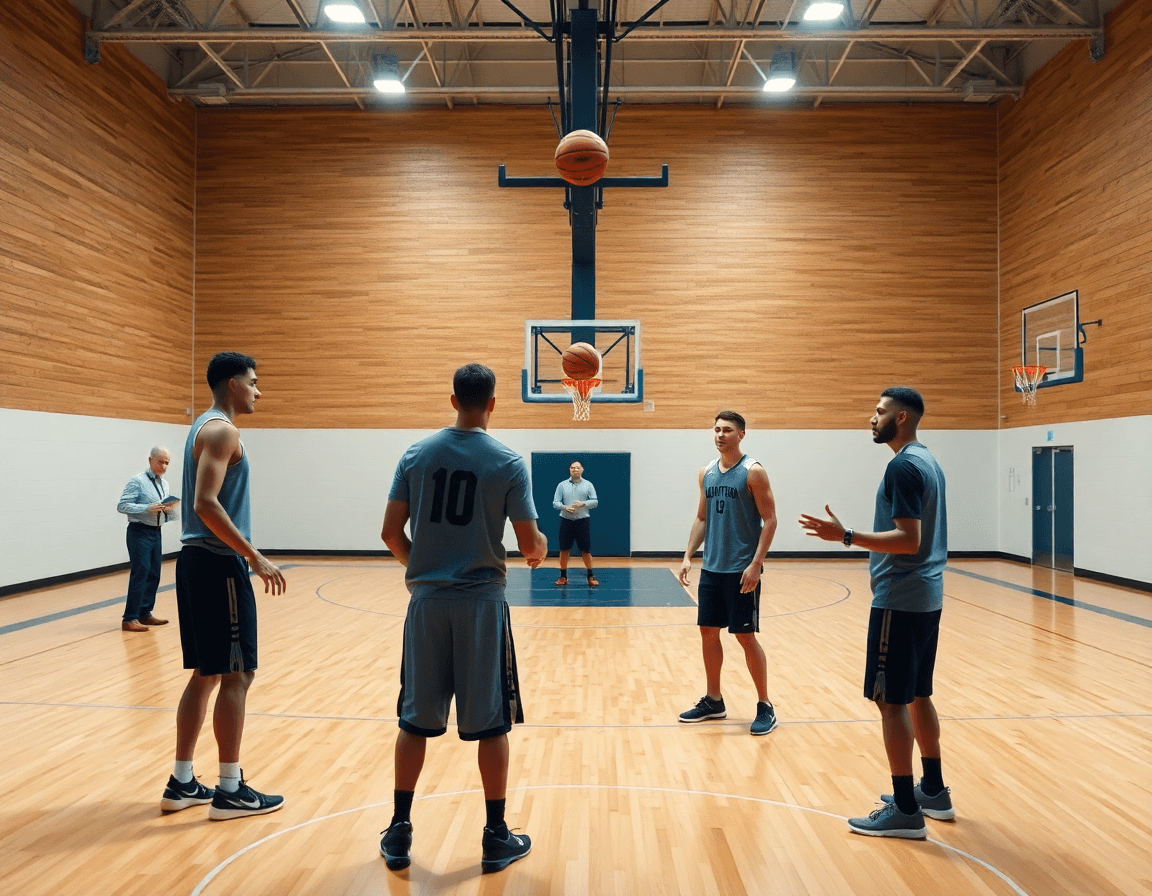
Diamond passing drill basketball is a dependable warm-up that primes quick decision-making and accurate passing. Set up a diamond with four cones and have two middle players stationed at the left and right points. Two balls circulate to keep pace and force proper angles. When you cue players, emphasize light on your toes, keeping eyes up, and communication by name as passes are delivered. As the action rotates, players read the rotation of the diamond and adjust spacing. In the weekly plan, I lock this into the skill block and assign assistants to run it while I supervise the diagram on the tactical whiteboard.
Progressions: start with crisp passes, then add a bounce passes to the opposite cone, followed by a no-look passes from the passer to the receiver. Elevate difficulty by having the dribbler-to-receiver sequence move in one direction around the diamond, forcing players to adjust angles and timing, or have players dribble to the next cone before delivering, creating a quick one-two passing sequence. Link progressions to player development goals and track improvement in a scouting note for each player’s decision speed, accuracy, and off-ball communication.
To embed this into the weekly workflow, drop a short video clip into the practice playlist showing the diamond rotation and timing. Attach a scouting note that tracks progress on communication and the players’ reads of the diamond. This keeps assistants aligned and lets you pull the same drill into warm-ups or skill blocks with a small tweak in the whiteboard diagram for the next session.
Workflow: 60-minute Diamond Drill Session
In my weekly workflow, I anchor the Diamond Drill as a core warm-up/skill block. I plan it in Practice Plans and diagram it on the tactical whiteboard, using BLOB/SLOB/ATO/PnR visuals to map passing lanes and spacing. If we’re prepping for a specific opponent, I attach a quick scouting note beside the plan. For 0-5 minutes we run a dynamic warm-up and a quick touch-drill in the diamond to prime passing.
From 5-20 minutes we run basic two-ball diamond passing with rotations, focusing on timing and footwork. Players rotate through positions, keep the tempo, and tally reps as each connection snaps to the next cone. The drill stays clean because the spacing is fixed, and the rhythm teaches players to anticipate cuts and passes through the corners.
From 20-35 minutes we add one-touch or two-touch variations; rotate roles and keep the pace high. The emphasis shifts to faster reads—the passer leads with a quicker pocket pass, the recipient snaps to a new spot, and the next passer starts immediately. This keeps defenders honest and tests decision-making under fatigue.
From 35-50 minutes we introduce dribble-before-receive and one-two progressions; add a runner for feedback so players get live cues on reach and timing. A guard might slip the ball and arc to the next relay, while the big steps into the lane. The runner’s presence enhances communication and keeps the group moving through lines.
From 50-60 minutes we review key takeaways, log progress clips, and assign follow-ups for assistants and players. I pull a few crisp clips to illustrate what good rotation and accurate passes looked like, attach them to the Practice Plan, and share a playlist for the team. The Diamond Drill becomes a measurable loop: plan, diagram, execute, review, adjust.
Video as a teaching tool: capture, annotate, and share
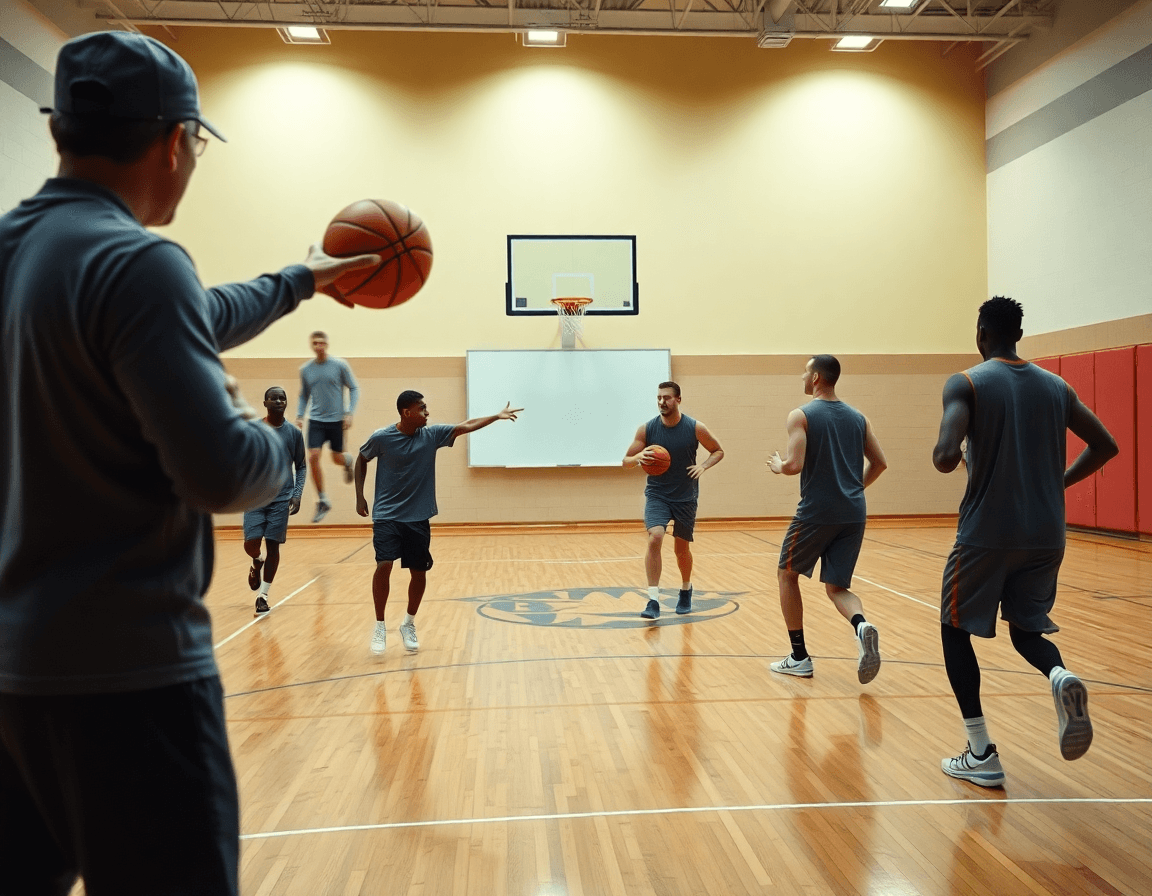
As a coach keeping a weekly workflow, I capture the diamond passing drill basketball from a consistent angle to highlight timing, spacing, and decision making. The drill sits in the plan as a warm-up and skill block, with the diamond defined by four cones and two middle players orchestrating distribution. We start with one-two passing while dribbling to the next cone, then layer in a second ball for pace. The goal is clean reps that translate to game tempo, so I treat this as a core part of the reps block and tag variations for later video review.
After practice, I cut and organize clips by drill variation: baseline flow, no-look options, and timing under pressure. I assemble a learning playlist and share it with players and assistants. A typical clip shows a no-look pass from the two middle players after dribbling to the next cone, illustrating timing and spacing under pressure. This playlist becomes the go-to resource during pre-game film and warm-ups.
I annotate on the whiteboard or with on-screen arrows to reinforce patterns and corrections. I map the diamond shape and use arrows to trace passes, labeling options like BLOB/SLOB/ATO/PnR so players connect what they see on tape with what we diagram in the plan. Quick annotation helps players internalize decision trees and reinforces the drill’s patterns.
Finally, the video workflow ties back to scouting notes for upcoming opponents. By tagging clips to specific scenarios—defenders overloading the strong side, gaps at the next passer, or a deny-and-recover sequence—we create targeted clips that fit into a weekly scout report.
Scouting and opponent prep using this drill
Whenever you run the diamond passing drill basketball as part of the weekly plan, you’re not just teaching passes—you’re building scouting-ready habits. Set four cones in a diamond, two balls circulating, with two middle players facilitating. In your practice plans you tag this as a 15-minute block, then diagram the diamond on the tactical whiteboard (BLOB/SLOB/ATO/PnR visuals) so assistants know the alignment. The drill doubles as a live check on how your team communicates under pressure and reads defender rotations.
While you run the drill, watch for opponent-like movements: a defender shade to the ball, a runner cutting through the lane, or a trap on the weak side. Note reactions in the scouting notes: who cues the pass, who calls for the skip, and where gaps open when two middle players shuffle. Treat this like rehearsal for the scouting report and capture it as you go.
Create a playbook entry for counter-motions you anticipate and how your players should respond: if the defense overplays the strong pass, slip to the weak side, or reverse the ball to reset the diamond. Attach this to the drill variations so every player knows the response during a game—this is where the drill translates to real game decisions. Highlight counter-motions in the notes.
Store the scouting comments alongside drill variations for quick reference during games. For example, your notes might pair with a diamond drill variation where you emphasize the one-two passing and dribbling to the next cone. When the opponent tries a similar sequence, you’ve got your counter-motions ready and can communicate them clearly to the staff and players in a huddle.
Starter checklist you can copy for your week
This starter checklist is a practical, copy-paste guide you can run through in your weekly routine with the diamond passing drill basketball in mind. It plugs right into the plan you already keep in your practice plans, your whiteboard visuals, and your media workflow.
Define drill objective. Start with a clear outcome for the week—e.g., improve two-ball timing or decision speed in tight spaces. This sets the focus for the rest of the cycle and keeps you honest about progress. (Keywords: checklist for X in weekly training, two balls.)
Choose setup. Decide on the concrete layout: number of players, balls, and a diamond-shaped arrangement of cones. A standard four-cone diamond with two middle players is a solid baseline to practice spacing and timing, and it pairs well with the diamond passing drill basketball concept.
Select variations. Tailor the drill to your team level and goals. Use two balls to challenge pace, or emphasize one-two passing to speed up decisions. Add or remove dribbles to the next cone to dial in your players’ reads.
Plan coaching cues and progressions for the week. Write simple callouts and a progression that grows from static to dynamic. Plan how you’ll use the tactical whiteboard to diagram the moves (BLOB/SLOB/ATO/PnR visuals) and how you’ll pace the timing from warm-up into the skill block.
Prepare video plan. Decide what to film, how you’ll annotate it, and who reviews. Create a short video clip plan and a note on tagging key moments; assemble a shareable playlist for players and assistants.
Assign post-practice review tasks. Give scouts’ notes to the right people and assign follow-ups to assistants and players, so learning sticks after each session. Attach to the week’s scouting notes and video plan for easy reference.
If you build plans like this every week, CourtSensei keeps your drill library, whiteboard, and video clips in one place — try it free.
FAQ
What is the Diamond Passing Drill in basketball?
The Diamond Passing Drill is a four-cone setup arranged in a diamond shape with four players at the corners and two players in the middle handling relays. Two balls keep action moving around the ring, forcing quick decisions. It builds fast decision-making, accurate passing, and clear on-court communication. Use it as a warm-up or a skill block, focusing on eyes up, light feet, and steady rotations.
How many players are needed for a Diamond Shape Passing Drill?
A minimum of four players is required, but you can scale to 6-16 with two balls. The setup uses four cones arranged in a diamond and keeps two balls circulating around the cone circle while two middle players relay passes. More players mean crisper reps and steadier tempo. Keep the lanes diagrammed on the whiteboard so assistants can step in quickly.
What are common variations of the Diamond Passing Drill?
Common variations include two balls to create parallel lanes, alternating between one-touch and two-touch passes, and adding a progression where players dribble before receiving. You can also bring in a runner to feed and redirect passes, extending the drill into a longer warm-up. Each change shifts tempo and decision speed while keeping the diamond layout intact.
Can the Diamond Drill be used as a warm-up?
Yes. The Diamond Drill can serve as a reliable warm-up by priming quick decision-making and steady ball movement with light pressure. Use it at the start or end of a block in a 10-minute segment, and tweak intensity with variations. Diagram lanes on the whiteboard, run steady rotations, and capture short clips to reinforce pace and spacing for the next unit.
How do you set up a Diamond Shape Passing Drill?
Setting it up: place four cones in a diamond and assign two middle players. Two balls circulate around the cone circle while corner players make the next pass. Keep spacing consistent and rotate so everyone touches. Diagram the lanes on the whiteboard with clear visuals to lock timing, and scale the setup from small groups to larger squads.
What is the role of a runner in the Diamond Reaction Passing Drill?
Role of a runner: the runner receives and redirects passes, models off-ball movement, and keeps the flow when fatigue rises. They help cover longer warm-ups, feed the next relay, and reinforce spacing. With a steady runner, you maintain pace and clear communication across the diamond, even as you extend the block.