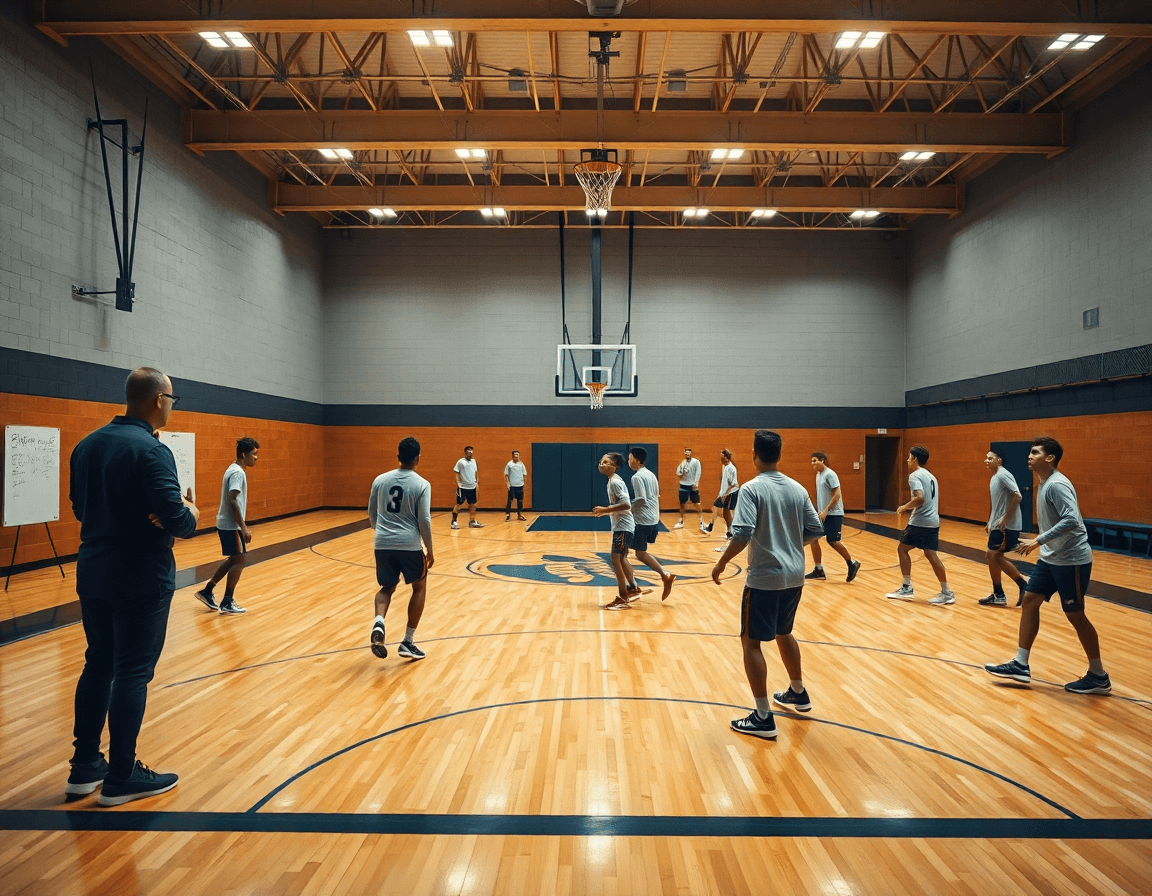
Basketball Practice Plan for High School: Weekly System
Craft a basketball practice plan high school coaches can rely on weekly: structured blocks, film review, opponent scouting, and shareable video playlists.

Key takeaways
- Design a season-driven weekly flow with five blocks: warm-up, skill work, team concepts, scrimmage, and review.
- Assign exact time slots and label blocks on whiteboard for discipline and consistency.
- Use scalable templates to fit varsity or JV rosters while preserving the flow.
- Incorporate film and scouting as built-in parts with clips linked to drills.
- Plan progression 1v1 → 2v2 → 3v3 → 5v5 to balance technique and timing.
Define the weekly block structure for high school practice
Define a season-driven weekly plan that anchors your practice rhythm. In a typical HS cycle, the week flows through five blocks: warm-up, skill work, team concepts, scrimmage, and review. Start the block with a dynamic warm-up that loosens hips and shoulders and sets a clear purpose for ball handling and shooting drills later. This cadence keeps the roster moving in sync.
Assign exact time slots for each block to maintain discipline and consistency. A practical layout might be: 15-20 minutes for warm-up, 25-30 minutes for skill work, 20-25 minutes on team concepts, 10-15 minutes on scrimmage, and 10-15 minutes for the review and cooldown. Keep the team aligned by labeling the blocks on the whiteboard and in the plan itself.
Leverage templates to map these blocks to your roster size and school schedule. A template helps you scale blocks for a larger varsity squad or a smaller JV roster while preserving the overall flow. Use the plan to tag the key elements—ball handling, shooting drills, and the defense shell—so players know what to expect in each segment.
Export the plan as a PDF for staff alignment and print-ready reference. Reserve a block for scouting input—opponent tendencies and adjustments—so notes travel with the plan. If you attach a short video clip in the review or link to a scouting playlist, the learning sticks once everyone sits down for the cooldown. This is where the weekly workflow starts to feel like a system.
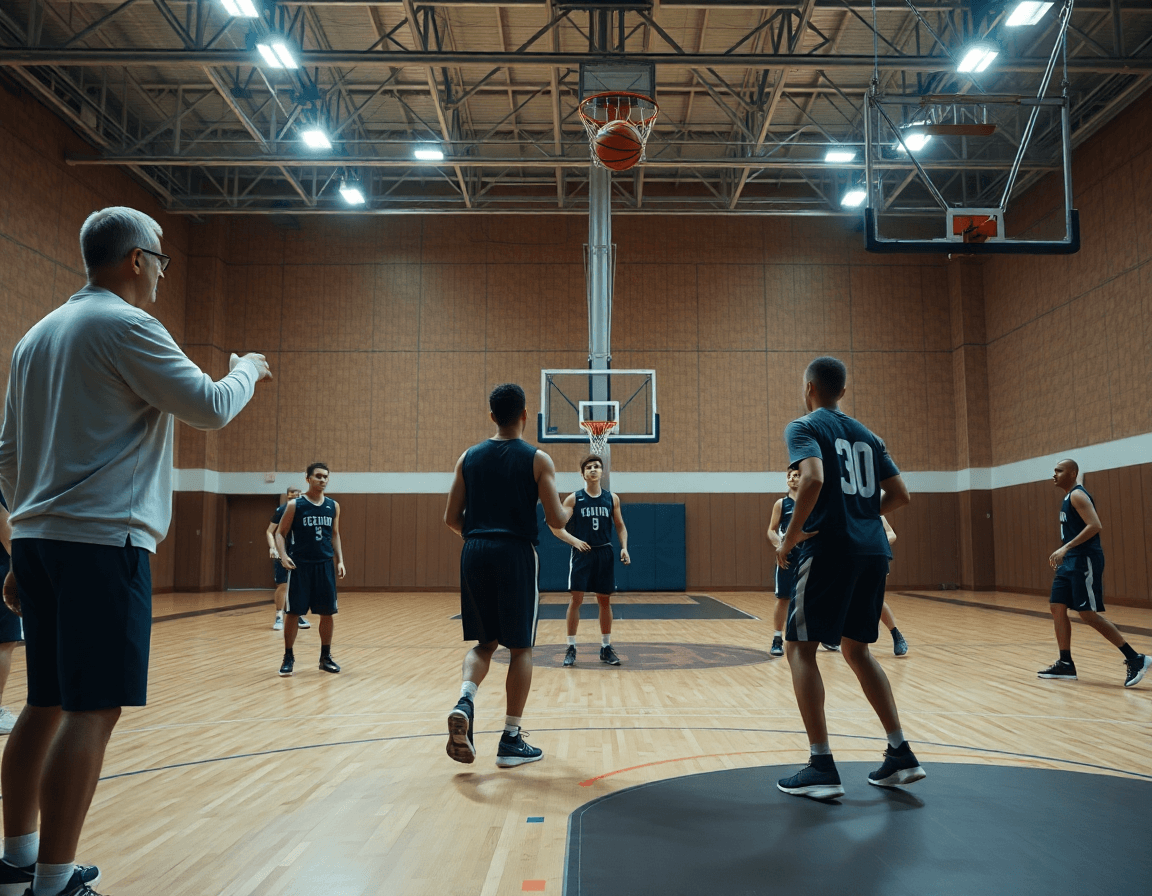
Incorporating film and scouting into weekly practice
Incorporating film and scouting into weekly practice
When I map the week, film review becomes a built-in part of the routine—not a separate afterthought. Each block starts with a short dynamic warm-up and a purposeful warm-up, then I roll into a drill with a matching clip attached for quick, targeted feedback. After a ball-handling progression or a shooting drill, I pull up a short video clip that shows the exact footwork or decision so players can compare their reps to the template. That immediate reference keeps coaching points concrete and actionable, even in the middle of practice. We’re using clips to reinforce fundamentals without slowing the pace: think of short clips linked to the drill or play for a fast, mental check.
I also build playlists for both players and assistants to study remotely. A set of clips labeled for each position group—ball-handling, shooting drills, defense shell—lets us review film review content on rest days or before film sessions. The goal is consistency: players see the same cues in the same language, whether they’re in the gym or watching from home. And when we face an opponent, I convert those opponent scouting notes into practical weekly adjustments—shift a defensive shell, tweak a ball-screen action, or tighten rotation on late-game situations. The playlists become the mobile study guide for the week’s team concepts and scouting priorities.
On the whiteboard, I diagram those adjustments and map progress across the week. We outline tweaks to BLOB/SLOB/ATO plays, then track what’s working during scrimmage and live runs. By week’s end, we’ve got a clear record of what moved the needle, tied back to specific clips and scouting notes, and ready for the next cycle.
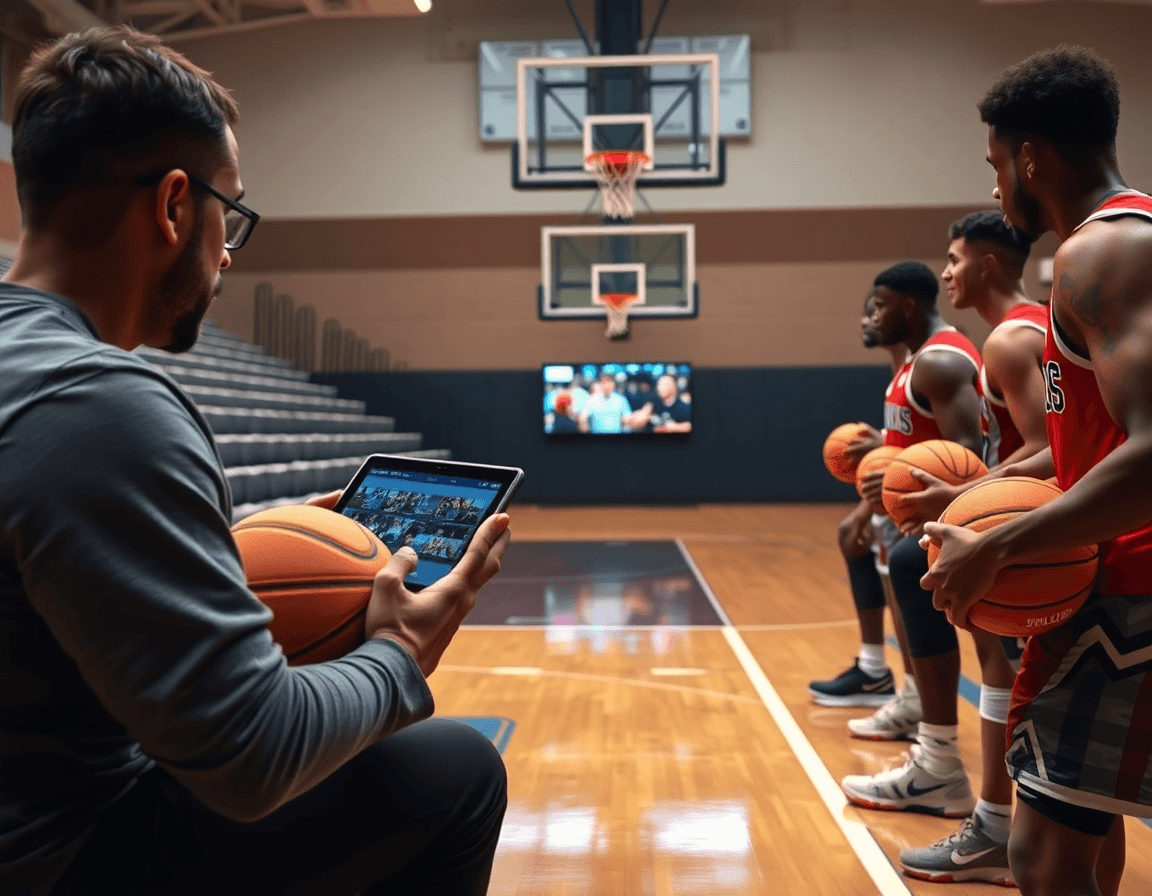
Plan templates and progression: from 60 to 90 minutes
As a HS coach, your weekly rhythm comes down to two core templates: the 60-minute plan and the 90-minute plan. In a 60-minute session, I start with a dynamic warm-up that wakes up hips and feet, then move into ball handling and focused shooting drills. Next comes a compact defense shell, followed by a quick block for team concepts—spacing, screening, and decision-making. I reserve a short scrimmage segment and a cool-down.
With a 90-minute plan, I extend each block and insert extra reps. Expect a longer dynamic warm-up, deeper ball handling progressions, more shooting reps, and a fuller defense shell with rotations. The extra time lets you simulate late-game situations, enforce pace, and still finish with a controlled scrimmage. You’ll also fit in small-area games that reinforce reads while keeping the clock honest.
Progress from simple to complex with a build: 1v1 → 2v2 → 3v3 → 5v5. In the plan, I script a clear path for each progression: start with 1v1 ball work to polish footwork, add reads in 2v2, expand to 3v3 with off-ball movement, and finally integrate into a 5v5 shell with spacing and decision points. It’s a balance of technique and timing, and the blocks flow into live play during scrimmage to test what’s learned in drills.
Balance individual skills with team concepts within your time frame: allocate early reps for dynamic warm-up and ball handling, then segment a mid-block for shooting and defense shell, and cap with team concepts and controlled scrimmage. This is where the weekly workflow comes together: plan the blocks, diagram a couple of plays on the whiteboard, attach video clips for review, and keep scouting notes synced. The result is a cohesive routine that respects high school timings and keeps players progressing without losing sight of fundamentals.
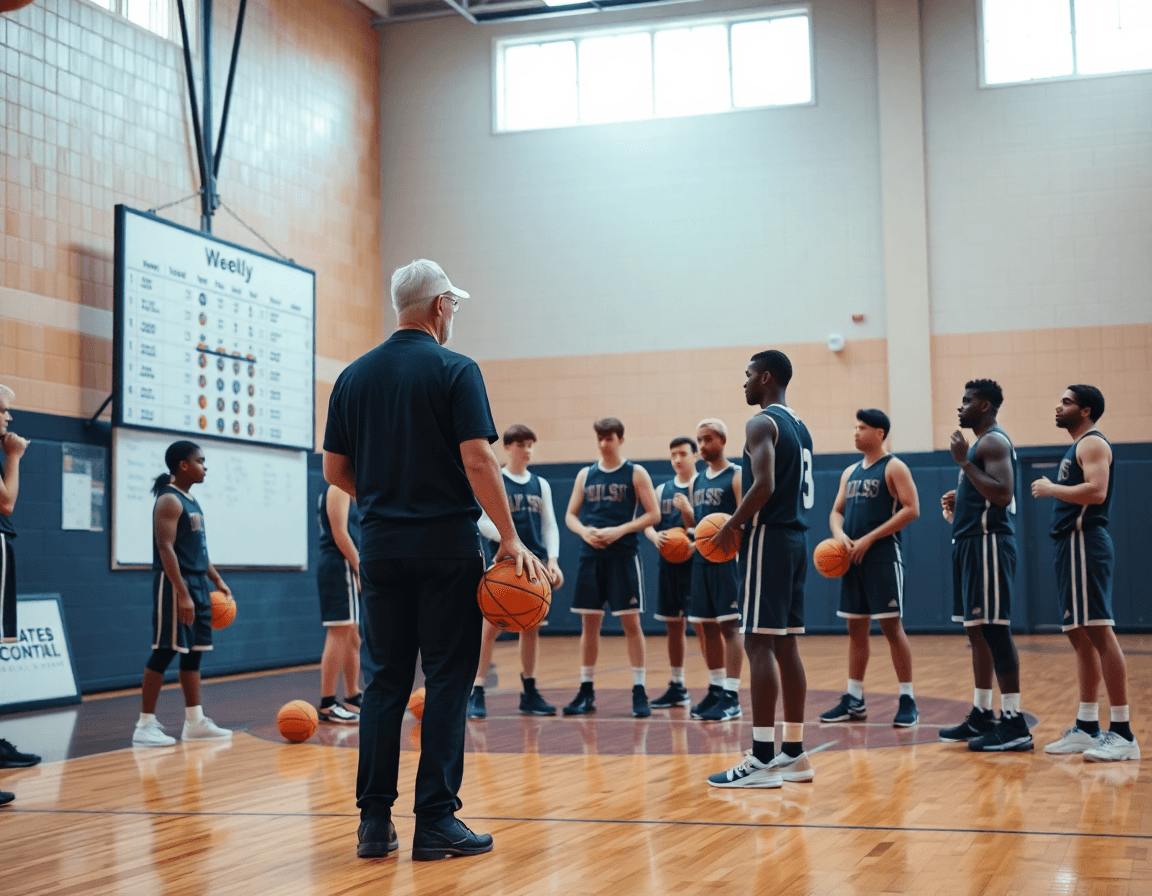
The 5-phase practice framework for high school
The five-phase framework keeps a high school weekly cycle tight and predictable. Start with a tight, purposeful Warm-up with purpose—a dynamic warm-up that primes hips, ankles, and hands while you set the week’s intent. Your cue for the group: move with purpose, then lock in the first block. The idea is to establish tempo before you start tactical work.
After the warm-up, the Skill block follows. Break it into short, focused drills that cover ball handling, finishing at the rim, and footwork off the pick. Follow with a concise shooting progression so shooters feel the rhythm early. Rotations stay tight, so every player gets reps within the block. A clean skill block makes the rest of the week smoother.
Next is the Concept block. This is where you layer in team concepts: spacing, shell defense, and a couple of action sets. Use the whiteboard to diagram plays and lock in alignment and responsibilities. When players see the picture, they execute with less hesitation—reads and passes become instinctive, not guesswork.
The Decision block is about making reads under pressure. Put players into 3v3 or 4v4 reps with time or scoring constraints to force decisions—when to drive, when to skip, when to pull it out. Use coaching cues like “read, decide, execute” and let feedback come fast so players adjust on the fly. This is where cognitive speed meets skill.
Competitive finish wraps the week with a closing sprint and a cool-down. End with a controlled scrimmage or a 4-on-4 finish that stresses defense and transition. Finish with a purposeful cool-down that reinforces recovery and reflection, and capture quick notes for the scouting log and video recap.
Practical workflow step: build and share a weekly plan
As a HS coach, I start Sunday evening by selecting a coming week and building a clean, repeatable weekly plan. I map out the blocks: dynamic warm-up with purpose, ball-handling and footwork, shooting drills, team concepts, and a defense shell that leads into a controlled scrimmage. Each block gets a rough time and a clear objective, so the staff knows what to execute and when to adjust. This is the backbone of our basketball practice plan for high school, and it keeps everyone aligned.
I pull drills from the library, assign them to the blocks, and tailor them to the roster. I add short video clips to illustrate form, then diagram key plays on the whiteboard to visualize spacing and timing. The flow stays tight: warm-up, skill work, team concepts, and a quick scrimmage to test the adjustments. With a solid practice plan template, you can swap in new drills without breaking the rhythm.
I attach scouting notes for our opponent and link them to the weekly plan. The notes cover opponent tendencies, defensive concepts to attack, and scout plays we want to rep during the week. I also assign roles for the week—who leads the warm-up, who runs the defensive shell, who tracks rebounding and transition—so the group functions as a unit.
Finally, I generate a shareable link or printable PDF for assistants and players, and I assign roles in the plan. This weekly workflow gives us consistent access and accountability. The weekly optimization checklist: review last week, set goals, and confirm access for staff and players—keeps performance moving forward.
Measuring practice effectiveness and adjusting
Weekly tempo starts with a clear lens on decisions and outcomes. In my basketball practice plan high school workflow, I focus on measure practice effectiveness by watching on-court decisions unfold and by logging quick notes in the plan. The flow spans from a dynamic warm-up to the first skill blocks—ball handling and shooting drills—before we lock into the defense shell and team concepts on the half court.
Set your weekly goals with intention, then treat them as a north star for every drill block. I anchor three to five weekly goals—for example, improve ball handling against pressure, raise mid-range shooting, and tighten help defense during shell work. Track progress in real time as players move through shooting drills, ball handling, and the scrimmage, using the progress tracking features in the plan.
At the end of each week, run a simple end-of-week reflection with the staff and a few players. Compare the weekly goals to what actually happened, note what worked in practice blocks and what didn’t in the scrimmage, and capture a handful of video clips to back the assessment. This reflection informs the adjustments you’ll push into the next cycle.
Finally, iterate practice design based on player feedback, scouting results, and observed progress. If the scouting results reveal a pattern on ball pressure, you can add emphasis on ball handling and decision timing in the next cycle. Update the practice plan, revise drill sequences, and share a fresh video clip playlist so players can study the changes before the first full-team run.
If you build plans like this every week, CourtSensei keeps your drill library, whiteboard, and video clips in one place — try it free.
FAQ
How do you create a basketball practice plan?
To build a basketball practice plan, start with a clear weekly block structure and time-box every segment. Map blocks to your roster and season goals, then rely on templates to scale for varsity or JV without losing flow. Include a staff-friendly outline, a scouting note, and a printable PDF. Add short video clips tied to drills so learning points land quickly.
What should be included in a high school basketball practice plan?
Your high school plan should cover five core parts: a purposeful warm-up, skill work (ball handling, finishing, footwork), a shooting progression, a defense shell, and team concepts like spacing and decision-making. Add scrimmage time and a quick review, plus notes on scouting or film. Keep rotations tight and make the plan staff-accessible with clear cues for players.
How long should a typical high school basketball practice last?
Most teams run a 60-minute plan or a 90-minute plan weekly. A 60-minute plan starts with a dynamic warm-up, then ball-handling and shooting reps, a concise defense shell, and a short team concepts block, finishing with a controlled scrimmage and cooldown. The 90-minute plan adds extra reps, a fuller shell, and late-game scenario work, while keeping the pace intentional.
Can I share a basketball practice plan with my assistants via a link?
Yes. Use cloud templates or a shared drive so assistants access the current plan via a shareable link. Keep a single source of truth, and export to a staff-friendly PDF. Attach relevant video playlists so everyone cites the same cues. Regularly update notes and manage access to prevent version mix-ups.
Are free basketball practice plan templates available?
Yes. There are free templates you can customize to your roster and season. They provide a solid structure you can export as a PDF and adjust blocks for varsity or JV. Use them to jump-start planning, then layer in scouting notes and clips to keep things actionable.
How can I reuse past practices to save planning time?
Create a practice library of recurring blocks and drills. Tag each item by skill, phase, and objective, then copy or tweak for new weeks. Reuse the progression 1v1 → 2v2 → 3v3 → 5v5 to build reads, pace, and decision-making. Link to clips so players see the exact cues and track impact.