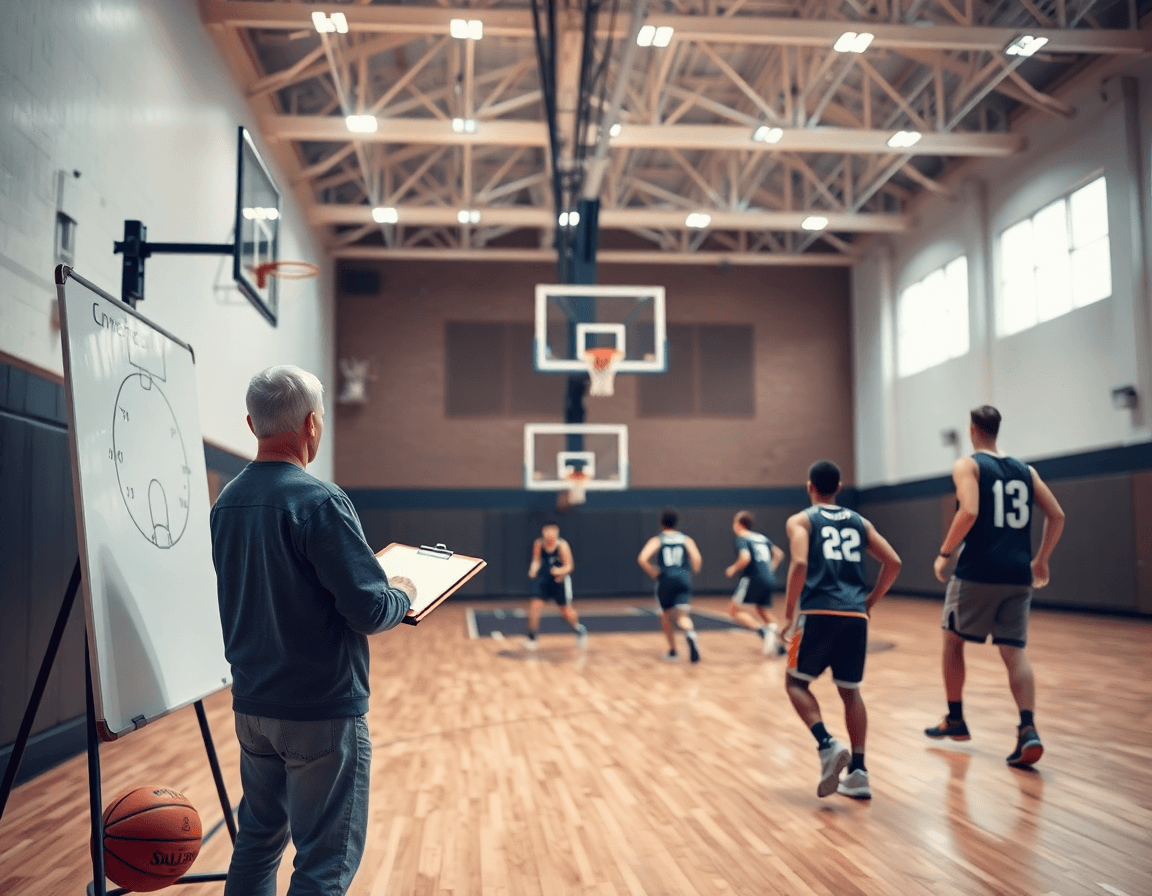
Basketball Drills and Workouts: A Weekly Coach Plan
A coach-focused weekly guide to basketball drills and workouts, blending practice planning, skill progression, and a scalable system for video, whiteboard diagrams, and scouting.

Key takeaways
- Structure each week around the game and conditioning goals with a clear weekly cycle and practice plan.
- Embrace a repeatable template with warm-ups, skill blocks and game reps to streamline sessions.
- Assign duties to assistants with clear, shared practice plans and a synchronized workflow across the whiteboard, video clips, and scouting notes.
- Anchor drills to video examples to illustrate technique and tempo, publishing playlists for later review.
- Track progress with a simple weekly checklist aligned to team goals and reviewed weekly.
- Build a scalable drills library with reusable drills across weeks and seasons for consistency.
Weekly blueprint for drills and workouts
Structure each week around the upcoming game or league schedule and targeted conditioning goals. In CourtSensei, that weekly cycle starts with a clear practice plan you can share with assistants and players. I pull the opponent tendencies, fitness targets, and court time constraints into one printable frame that shapes every session. Bold: weekly cycle, practice plan.
Use a repeatable template: warm-up, skill blocks (dribbling, shooting, footwork, defensive drills, rebounding drills), game-rep scenarios, conditioning, and review. Organize these into your drills library and assign each block to a time slot. Keep the focus tight with drills like ball-handling circuits, shooting drills, and post moves. Bold: repeatable template, skill blocks.
Assign duties to assistants with clear, shared practice plans. One coach runs the dribbling and ball-handling block, another oversees shooting and footwork, and a third handles conditioning and recovery. The goal is a synchronized workflow across the whiteboard, video clips, and scouting notes. Bold: shared practice plans, whiteboard.
Anchor drills to video examples to illustrate technique and tempo. A short video clip embedded in the plan shows proper form, then on the board we diagram the sequence—transition, spacing, and read of the defense. This ties the plan to real-time execution during practice. Publish playlists for players to review later. Bold: video examples, playlists.
Track progress with a simple weekly checklist aligned to team goals. Attendance, effort, shot quality, turnovers, and defensive stops are logged, then reviewed before the next week. That weekly ritual keeps basketball drills and workouts weekly practical and measurable. Bold: weekly checklist, team goals.
Build a scalable drill library
In my weekly plan, I start by building a scalable drills library. I categorize drills by skill areas—dribbling and ball handling, shooting, and footwork—plus conditioning and situational needs. This structure lets me map a Monday-through-Saturday sequence with clear objectives on the whiteboard and in the plan.
Next, I tag drills by difficulty, duration, and required equipment. That’s where drill categorization pays off, letting me pull a precise set of options when we’re short on time or need a specific focus. A quick search in the library surfaces options for ball handling work, quick footwork ladders, or post moves without starting from scratch.
A big win is reusable drills across sessions and seasons. When a drill proves effective, I slot it into multiple weeks and variations, maintaining consistency in teaching cues and outcomes. For example, a simple ball-handling sequence can evolve from a basic crossover drill to a more advanced change-of-pace sequence as players mature.
Leverage a centralized library to export PDFs or shareable links for staff. On plan day, I export a clean drill sequence as a PDF for assistants, or generate a shareable link to send to specialist coaches. It keeps everyone aligned, whether at practice, on the road, or in scouting meetings, and ties directly into the weekly workflow of planning, diagramming on the whiteboard, and reviewing video clips later.
Ultimately, this approach fuels a smooth weekly cycle: categorize, tag, reuse, and share. A well-structured drills library is the backbone of efficient, coach-led practice design and helps ensure every session builds toward the team’s goals.
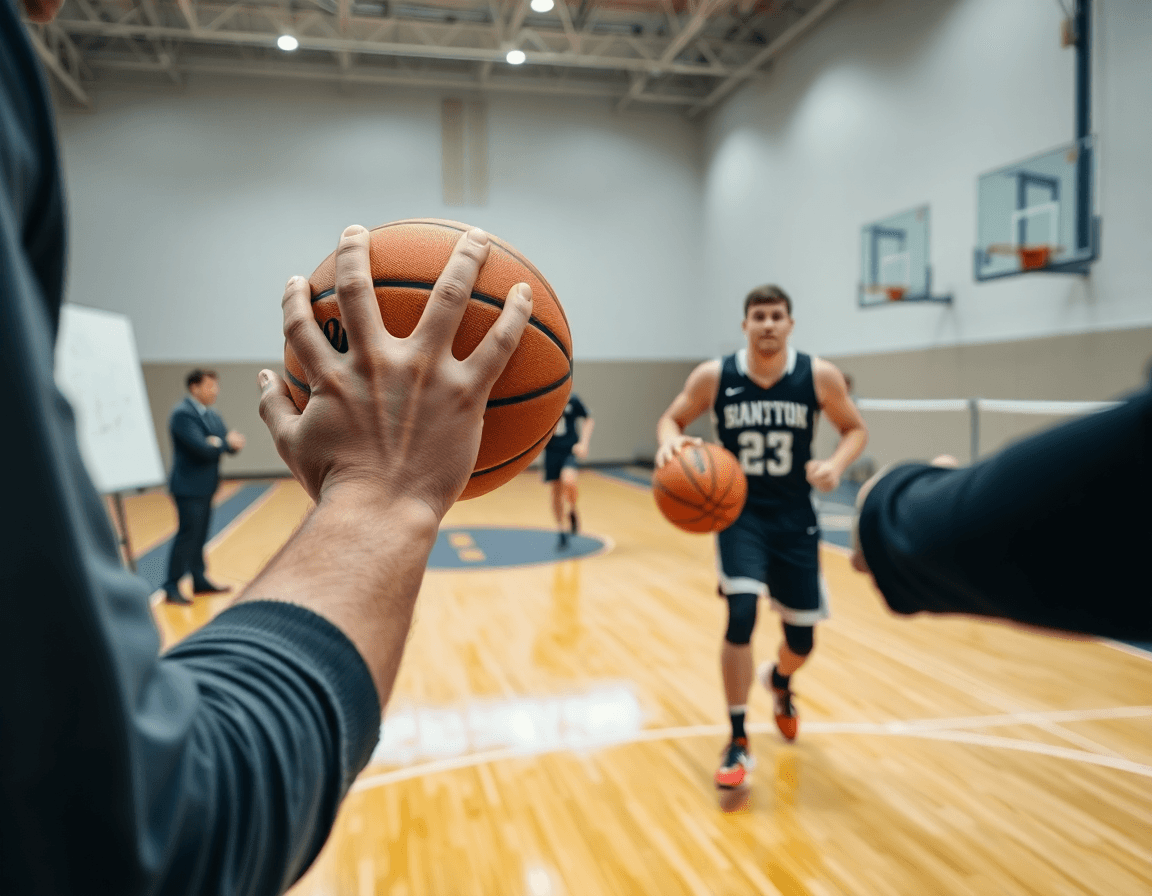
Whiteboard diagrams: from BLOB to PnR
In the weekly plan, the tactics board becomes the trainer’s map: I translate the week’s actions into clear diagrams so assistants and players can follow the flow. On the whiteboard I diagram basketball plays, breaking sequences into bite-sized steps. This helps everyone see where to be and when to rotate, even as the ball moves from one side of the court to the other. The goal is to reduce hesitation and speed up decision-making during practice clips and scrimmages.
Take a BLOB inbound as an example: baseline out of bounds, entry to the guard at the top, a shooter flashing to the corner. I sketch crisp arrows for the entry, the reads, and the cutter timing. For SLOB, we start from the sideline with a similar sequence but a different passer and a staggered screen to create space. ATO actions come alive with a quick backscreen and a big rolling to the rim after a timeout. Then we diagram a PnR option: guard uses the screen, big pops to the elbow, and the wing spacing behind the arc. I keep color-coding and callouts consistent so the whole staff and the players can digest the action in a single glance.
After finalizing, I export the diagrams as PDFs to embed in scouting reports or weekly practice plans. The PDFs slip into scouting notes and plan documents, serving as a precise reference during film sessions and on-court walkthroughs. It’s the bridge that connects the plan, the board, and the players’ understanding across drills like dribbling, ball handling, and post moves.
Video workflow: clip, label, share, and track progress
After practice, I open the video tool and start slicing footage into meaningful segments: drills, sets, defense, and transitions. This is where the week begins to crystallize. By creating clean video clips, I build a quick-start library for the drills library and give players focused angles for study. The goal is to translate what happened on the floor into actionable takeaways that feed directly into the weekly plan.
Label clips with skill tags and contextual notes for coaching feedback. Tag clips with items like 'dribbling drills', 'ball handling', 'shooting drills', 'defensive drills', or 'post moves' and attach a sentence about the decision-making you want to see. If you’re tracking scouting notes on an opponent, drop a quick link to relevant clips so your assistants can chase the same lines in prep.
Create player playlists and shareable links for individual study and team review. A guard might have a playlist with ball-handling and shooting drills clips, plus short video tutorials for drill progression. Those links let assistants and players watch at their own pace and come back ready to discuss in team meetings.
Include video feedback in post-practice sessions and one-on-one meetings. Bring the best clips to the whiteboard on the big screen, pause on key moments, and let players explain their decisions. This is where progress tracking becomes real: you see who’s engaging with the clips, who’s applying the feedback, and you adjust the next week’s plan accordingly.
Scouting reports and opponent prep
Scouting reports become the blueprint for the week. I start with opponent prep—documenting tendencies, preferred actions, and where they crack under pressure. Those notes translate into weekly adjustments for practice emphasis. I record counters and exploits to guide drill design, and keep the scouting notes in CourtSensei so the staff stays aligned. If the opponent leans on heavy ball screens, we push for stronger ball handling and tighter rotations in our defensive drills.
Scout plays become the spine of our practice blocks. I diagram the set on the whiteboard and run it against our scout team to simulate real-game sequences. Defenders work the counters we noted, while the offense rehearses the exploit so players feel the rhythm. I pull from the drills library to cover the essentials: dribbling drills, ball handling, shooting drills, defensive drills, and rebounding drills that mirror the opposition’s approach. This is where situational awareness turns into practiced reaction.
To close the loop, I pair a short video clip with the plan and publish a position-specific playlist for the players. This keeps them connected to what the scouting notes show and gives coaches a quick reference for opponent prep in the huddle. If new tendencies pop up, we adjust the practice plan on the fly and drop updated scout plays into the workflow for Friday walkthroughs. By keeping scouting notes tight and integrated with the weekly cycle, we turn every opponent prep into actionable, game-ready prep.
Playlists and shareable links for players
After practice, I pull the best clips and build focused playlists that mirror our weekly goals. This is where basketball drills and workouts turn into something players can own off the floor. I categorize clips by areas like dribbling drills, ball handling, shooting drills, post moves, defensive drills, and rebounding, then string together a 15–20 minute sequence that reinforces what we worked on today. I publish these as shareable links so players can review them on their phones or laptops anytime. When the playlist lands in a player's hands, the on-court work has a clear, repeatable path to improvement.
During the weekly cycle, I attach the playlist to the plan and drop in a PDF of the week’s goals. I also include clip links that highlight the work to be completed before the next session. Sharing these as shareable links makes it easy for players to review on their own devices, and the approach supports player development by turning video into deliberate practice. The playlist, PDFs, and plan sit in our system as one cohesive workflow, keeping everyone aligned with the weekly goals.
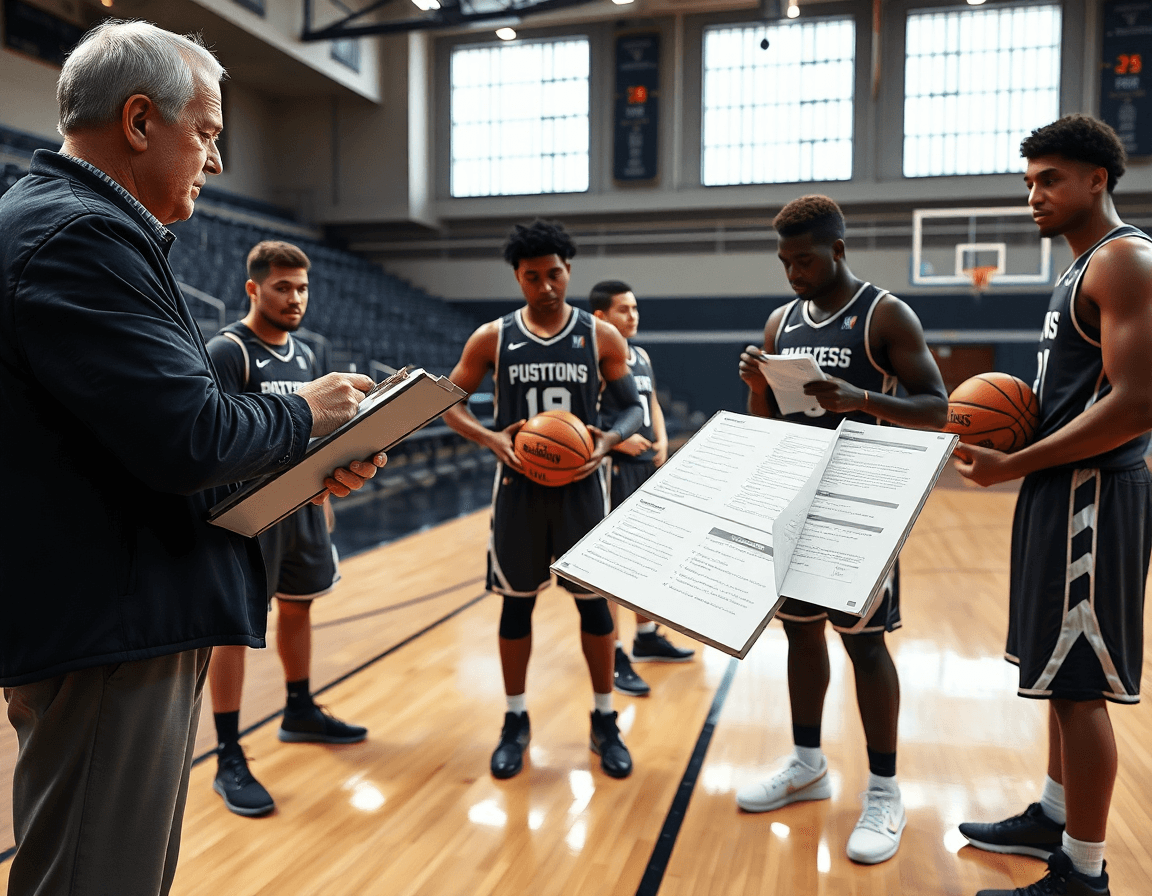
Practical workflow: 5-step weekly setup
Step 1: Outline the week around games and rest days, aligning with your team goals. Start with the weekly training checklist to map out which drills fit your roster’s rhythm and where the best rest days land. This anchors every decision in the plan for the week, so you’re not scrambling on Tuesday.
Step 2: Build or customize a drills library for your roster and level. Pull from categories like dribbling drills, ball handling, shooting drills, and defensive/rebounding drills, then tailor reps and durations. When you lock in a few go-to sequences, you’ll save minutes on every upcoming plan.
Step 3: Diagram plays and actions on the whiteboard for quick reference. Map out sets and actions (BLOB/SLOB/ATO/PnR) so assistants and players can follow in real time. Save a PDF export and attach it to the plan so the team sees it on the whiteboard and in print.
Step 4: Clip and organize relevant game and training footage for feedback. Chop video into short video clips, tag them by drill or situation, and assemble a concise library for quick review. Share the clips with players so they can study the reads during film sessions.
Step 5: Create and share player playlists and scouting notes to close the loop. Generate player playlists that pair clips with assignments, and build scouting notes on opponents to guide next week’s prep. Send out a single link to the staff and players, and your weekly cycle is complete. This is the blueprint for a true basketball drills and workouts cadence.
If you build plans like this every week, CourtSensei keeps your drill library, whiteboard, and video clips in one place — try it free.
FAQ
What basketball drills are best for beginners and how should I start?
For beginners, start with a simple, beginner-friendly trio: stationary ball-handling, close-range form shooting, and basic footwork patterns. Keep reps steady and focus on clean technique rather than speed. Build a short progression week by week: two-ball dribbles, a short form shooting routine, and ladder-like footwork. This keeps your drills library accessible and scalable as players improve.
How often should I practice basketball drills to see progress?
To see progress, aim for steady frequency rather than sheer volume. Practice 2-4 times per week, with one longer session and one focused midweek session. Build a weekly plan that balances skill blocks, game reps, and conditioning. Track rest and effort so players stay fresh. The rule remains: quality over quantity.
Can I do these workouts at home, and what setup is ideal?
Yes. At home, you can run these workouts with a ball, a wall, and a few cones or markers. Keep drills space-conscious and adapt to smaller areas. Use a backboard or wall for form shooting; swap air-time for static reps when space is tight. A home-friendly setup helps consistency and momentum.
What equipment do I need for basketball training?
Basic gear gets you far: a reliable basketball, a hoop or backboard, and a few markers or cones. Optional items like a jump rope, resistance bands, or a ladder add variety, but you can start with the essentials. Focus on consistency rather than chasing gear. The right equipment sets the tone for professional drills and steady progress.
How can I quickly improve my dribbling and ball handling?
Fast dribbling gains come from deliberate sequences: quick crossover, change-of-pace, and momentum control. Practice with your head up and eyes on the target, not the ball. Start slow, then raise speed while preserving form. Use short, repeatable circuits so you can measure improvement week to week. Steady dribbling progress beats flashy moves.
Are these drills suitable for youth players, and how should they be scaled?
Youth-friendly drills scale to age and ability. Start with fundamentals and lower the intensity, then add complexity as players mature. Include age-appropriate goals, short attention spans, and positive feedback. Supervise closely and emphasize fundamentals like stance and catch-and-pass. When you adjust, tag drills for progress and safety for youth players.
Do the workouts include video instructions?
Tracking progress keeps the plan tangible. Use a simple weekly checklist and note attendance, effort, and key outcomes. Pair it with short video clips to review technique and decision-making. Create player playlists and shareable links so coaches and players stay aligned. If you add video, label clips by skill and context to speed up feedback.