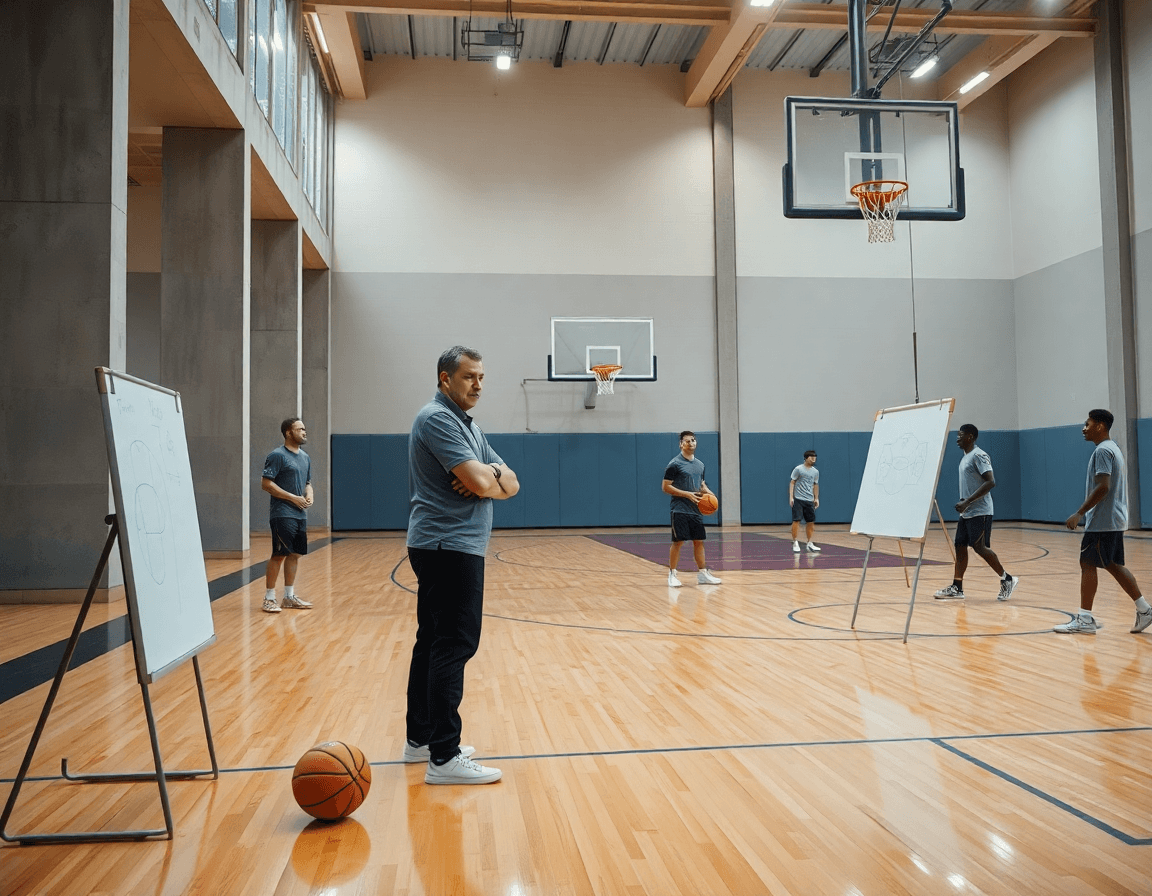
Basketball Drills by Yourself: A Coach's Weekly Solo-Drill Plan
Coaches: design a weekly solo-drill routine for basketball drills by yourself. Plan, track progress, and refine ball-handling, shooting, and footwork in small spaces.

Key takeaways
- Align weekly macro goals with season objectives; translate targets into focused, purposeful drills.
- Map drills to core areas: ball-handling, shooting, footwork, conditioning; assign primary focus per week.
- Create a library of drills; export a PDF; share with staff for alignment.
- Design a tight sequence on a whiteboard; visualize flow for solo sessions.
- Clip and organize video for feedback; build playlists for players; use tagging to link clips.
Frame a weekly solo-drill plan for your team
As a coach who runs a weekly cycle of solo work, I frame a weekly solo-drill plan by starting with weekly macro goals aligned to the team's season objectives. That means translating big-picture targets into a focused set of weekly tasks—things like making decisions faster with the ball, improving balance in late-game situations, or elevating finishing at the rim. When those macro goals drive the plan, every drill has a purpose.
Next, I map drills to core areas: ball-handling, shooting, footwork, and conditioning. If a drill checks multiple boxes, great; otherwise I assign a primary focus and a secondary cue for the week. For coaches doing a Basketball drills by yourself weekly plan, this step ensures the right balance and that each session stacks toward the biggest weekly aim.
From there I build the plan from a library of drills and assign to assistants; export a PDF for staff so everyone knows what to run and when. This is where the workflow shines: a clean practice plan, consistent cues, and a shareable reference that keeps the group aligned even when bodies are spread out.
Once the plan is drafted, I drop the sequences on the whiteboard to visualize a flow, clip relevant game footage to illustrate technique, and assemble playlists to send to players and assistants. The weekly solo-drill plan then becomes the backbone of our independent work—a predictable rhythm that feeds the team sessions, scouting notes, and in-game adjustments.
Select and structure drills for core skill areas
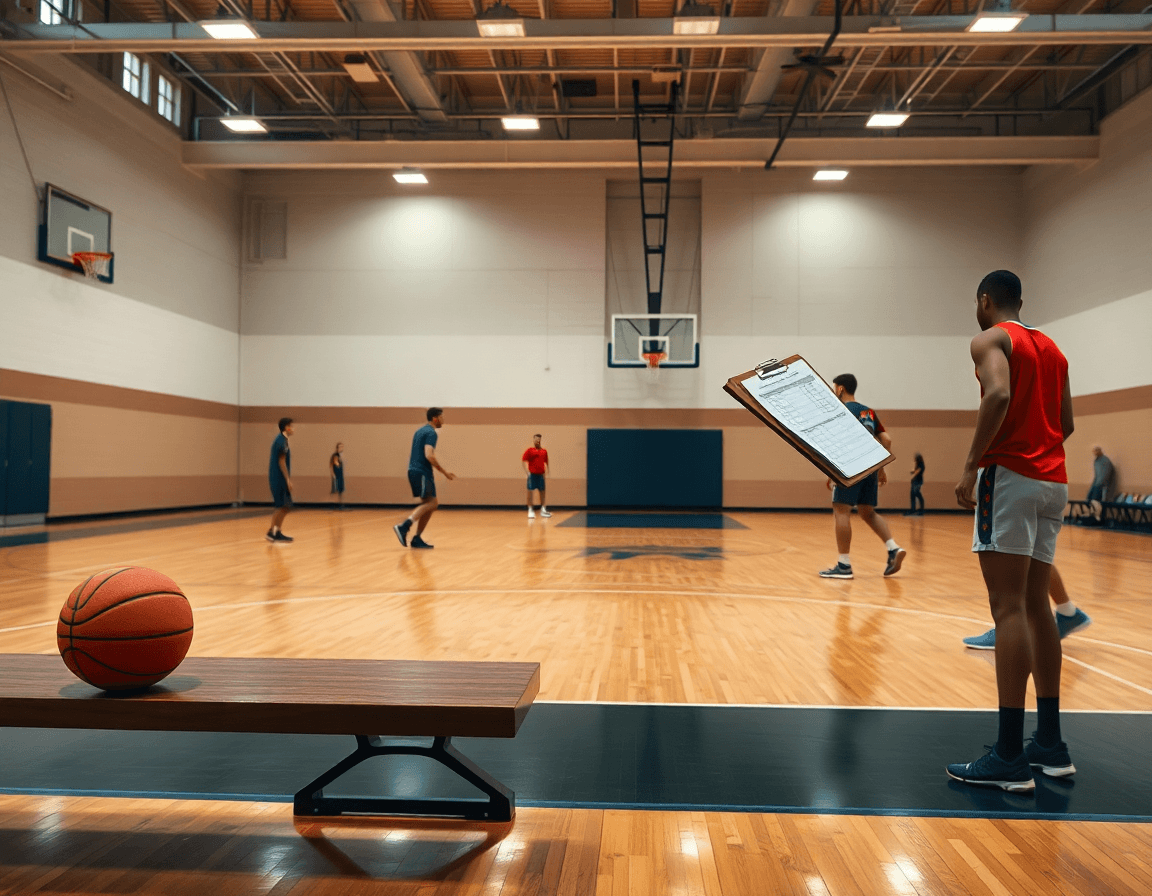
At the start of the week, I map drills to four core skill blocks: ball-handling, shooting, passing, and footwork. This keeps basketball drills by yourself purposeful and repeatable, not a random grind. In the plan, each block has a tight objective—handle under pressure, refine touch, improve timing, and sharpen footwork angles. I label each block and set a simple progression so I know what to upgrade next week.
Choose drills that fit space and gear: a wall, a few cones, and a ball. Solo drills work great when you lean on a surface and some simple markers. For ball-handling, pound dribbles and the figure-8 dribble against the wall build grip and control in a compact area. For passing and footwork, wall passing drills and cone patterns force quick feet and precise angles. For shooting, form shots close to the rim followed by a tempo-based catch-and-release from different spots—solo, no partner, but with real rhythm. Keeping it at-home friendly means you can consistently work on the core skills without extra gear.
Tiering drills by difficulty helps you steadily push the ceiling and track where you are. I tag each drill in the plan with a difficulty level and log reps, tempo, and outcomes. That data then informs next week’s rotation—more challenging variations or a lengthened tempo block as confidence grows. The goal is a clear path from one week to the next, so the plan stays scalable and coaches can see tangible progress.
In practice, I design a tight sequence: two ball-handling drills, two shooting drills solo, one passing/one footwork drill, all within a 30–40 minute window. I sketch the sequence on the whiteboard, then pull a few relevant clips from prior sessions to illustrate the technique. After each session, I drop the best moments into a playlist for the assistants and players, so everyone sees the exact moves and tempo we’re chasing. This is how you keep a steady, self-directed improvement cycle without losing cohesion across the week.
Design a tactical sequence with a whiteboard for solo practice
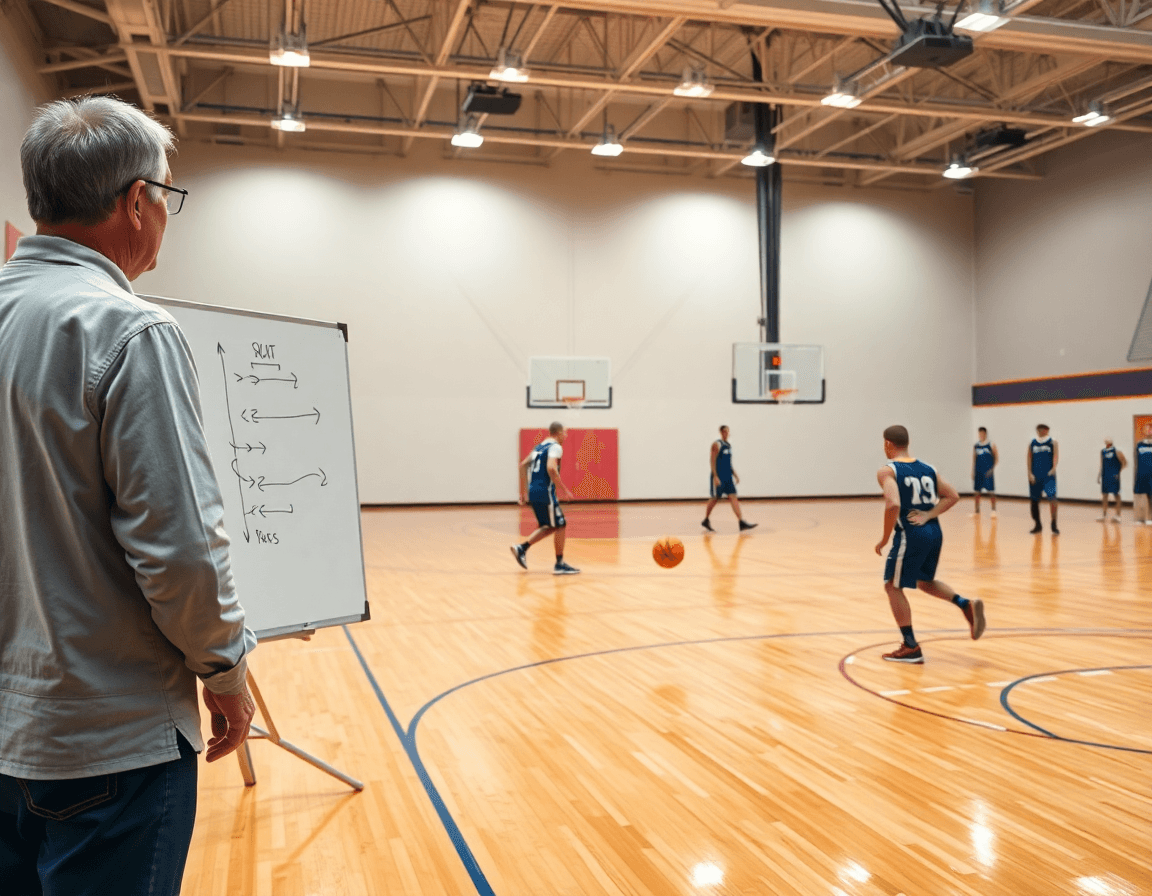
Designing a tactical sequence for solo practice starts on the tactical whiteboard. I draft a scenario that mirrors a live BLOB/SLOB/ATO/PnR action, then map each decision point and cut. On a typical week, this is the backbone of my plan: diagram the sequence, adjust spacing, and prep a step-by-step flow the player can follow during a solo session.
I label positions, draw the inbound path, and annotate with notes like “attack first step,” “dribble toward the middle,” and “read defender.” I also add a defensive reaction and a quick reset option. The flow should read like: start with a ball-handling sequence, then a pass-and-cut, then a decision at the rim. This is the essence of a drill progression that the solo player can practice with minimal gear.
For solo drills, I translate that diagram into a practical routine: wall-rebound passes, wall-shoots, pound dribbles, figure-8 dribble, dribbling drills without a partner, wall passing drills, and finishing with a shot. Each phase is tight and repeatable, so the player can work through it with at-home basketball drills while staying faithful to the sequence.
At the end, I export the sequence as a PDF to share with assistants and players, preserving the exact flow and notation for the week’s training.
Clip and organize video for feedback during solo sessions
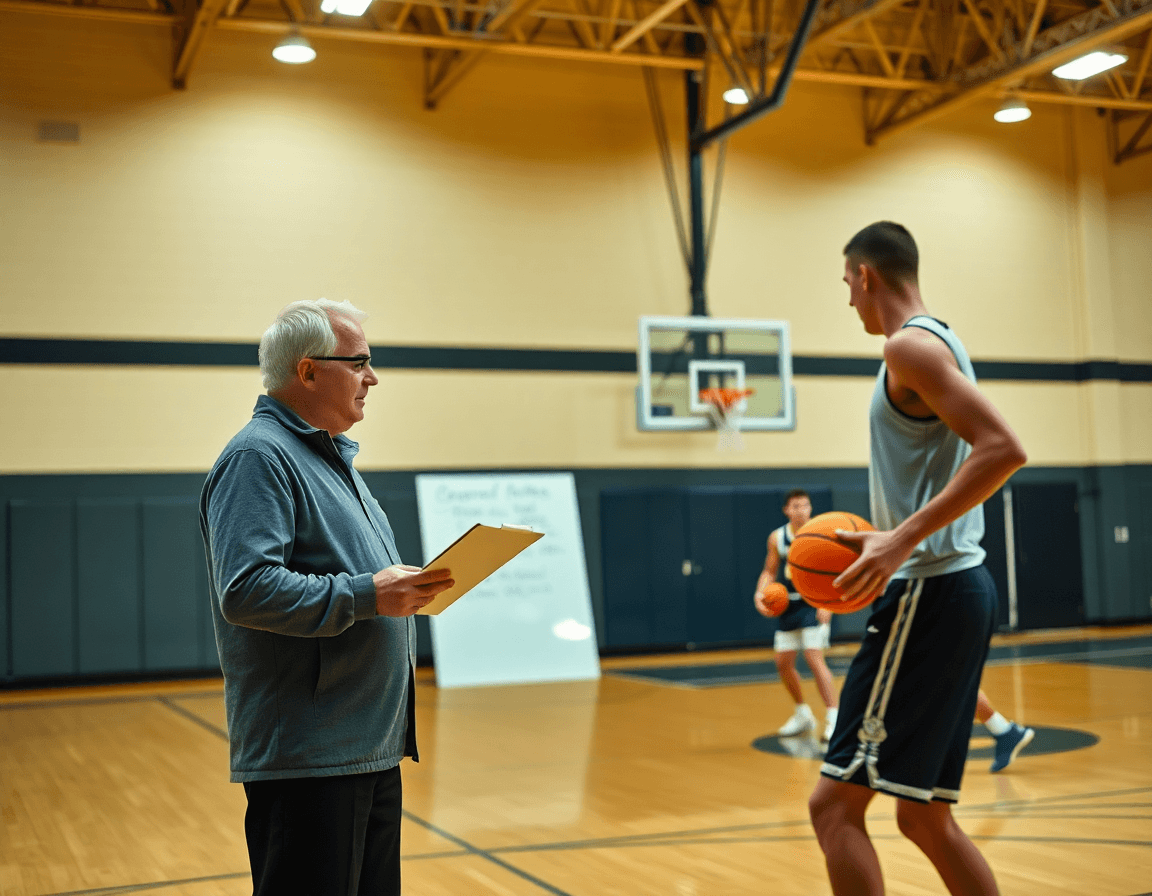
After practice, I capture relevant game or practice footage and cut it into drill-ready segments. I keep the cuts tight—one clip shows a drive-and-kick, another isolates a ball-handling sequence, and a third highlights the shooting rhythm from the catch. I label each clip by the drill it informs and drop them into a folder for solo basketball drills. These clips become my video clips for practice evaluation and serve as a quick reference on the floor.
Next, I tag each clip to the corresponding drill and build playlists for players. For example, a clip of a tight crossover into a pull-up gets tagged to ball-handling drills like pound dribbles and figure-8 dribble; another sequence from a drive-and-kick belongs to shooting drills solo and wall passing drills. I assemble these into playlists for video clips that I can drop into a quick link for the team; this makes solo basketball drills easy to repeat from home or the gym.
During the solo sessions, I pull up the playlist and watch with the player, pausing where technique breaks down and noting what to fix on the next drill. This is where video feedback does real work: we compare the clip to the plan on the whiteboard, tweak stance, tempo, and spacing, and re-run the drill until it's cleaner. I log progress week by week so we can clearly see measure improvement and adjust the upcoming practice plan accordingly.
Create scouting-informed solo drills for upcoming opponents
Pull scouting notes to tailor drills to anticipated opponent actions. For a given week, I start with the scouting for weekly plan and pull trends from the film and notes: where they pressure, how they rotate off ball, and where their gaps show up in transition. Those observations become the backbone of my solo drills block. I’ll annotate the whiteboard with opponent-oriented sequences and map them into a logical progression for the week.
Incorporate opponent tendencies into drill design (e.g., pressure handling, off-ball cuts). If the opponent likes to trap after a screen, I design ball-handling drills solo that simulate that pressure: pound dribbles into a quick escape, figure-8 dribbles to bait the defender, and rapid change-of-speed moves. I mix in at-home basketball drills when off-court time is limited—drills like shooting drills solo or wall passing drills to keep touch sharp. I also sequence dribbling drills without a partner that force decision-making under noisy screens, so players learn to read pressure without a second body in the drill.
Document adjustments in your practice plan for accountability. Each scouting update gets logged into the plan, and I export the diagrammed sequences to a PDF to share with assistants. I create a playlist of clips from game footage that highlight the opponent’s tendencies and pair them with the corresponding solo drills. This keeps the weekly routine tight: plan, diagram on the whiteboard, clip-and-organize drills, and share the playlist with the team. When a player repeats a pound dribble or figure-8 drill and then sees the film example, the connection between scouting and practice becomes clear, and the plan stays football-field clear rather than abstract.
Practical 60-minute workflow: from plan to execution
In my weekly routine, the 60-minute solo drill workflow is where I turn a plan into execution. The one-hour solo practice plan keeps things tight and repeatable: 5–10 minutes of warm-up, 20–25 minutes of solo drills, 15–20 minutes of movement and shooting sequences, then a 5–10 minute debrief with quick video notes. It’s the backbone of a week that builds skills without needing a partner, while still aligning with the broader game plan I’m developing.
We start with a solid warm-up: 5–10 minutes of dynamic movement, light sprints, and core ball-handling drills like pound dribbles and the figure-8 dribble. These touches wake up hands and feet and prime the body for the work ahead. I keep the drill flow clean and measurable, so players can feel progress as the clock ticks down.
The 20–25 minute skill block is all about solo drills that translate to game reps: ball-handling under pressure, wall passing drills when a partner isn’t available, and at-home basketball drills that mimic game rhythm. Shooting drills solo—focusing on form, footwork, and release—round out this block. I pull the exact sequences from the plan and, when needed, flip between drills using pre-built playlists to keep the numbers and reps accurate.
The 15–20 minute sequence with movement and shooting ties it together: staggered cuts, drive-and-kick into a shot, quick footwork combos, and finishing at the rim. I diagram these sequences on the whiteboard first, then run them on the floor, capturing clips for later review. This is where the choreography of movement really shows up on the court.
Finally, 5–10 minutes for debrief and video review: I pull representative reps from the session, annotate improvements, and drop a quick playlist for the next week. The playlists let me switch between drills fast and track numbers for the assistants. Notes for the staff outline who handles clip tagging and what to emphasize in the following week’s plan.
If you build plans like this every week, CourtSensei keeps your drill library, whiteboard, and video clips in one place — try it free.
FAQ
What are the best basketball drills you can do alone?
Think of a lean, repeatable solo plan: two ball-handling moves, two shooting drills, one footwork sequence, and a short conditioning block. Use a wall or rebound surface to create rebounds. Focus on rhythm and control: pound dribbles, figure-8 patterns, form shots, catch-and-release from a few spots, and cone pivots. Keep it purposeful and measurable.
How can I practice ball-handling without a teammate?
Practice starts with wall work and controlled moves. Use a wall to simulate defenders: perform stationary ball-handling dribbles, crossovers, and figure-8s, then add moving patterns along a line. Keep eyes up, shoulders square, and tempo steady. If you have access to two balls, add two-ball dribbles. Treat every rep as a game read, not just a drill.
What shooting drills can I do at home?
Build a solid routine around form shots and rhythm. Start close to the rim with steady form to build touch, then progress to catch-and-release from multiple spots. Add a tempo block: shoot on a set rhythm, track makes per minute, and finish with a game-like pattern (drive-and-pull-up) if space allows. Use a wall or chair as a defender cue, if needed.
Do solo drills help improve game performance?
Absolutely. Consistency builds muscle memory, improves decision speed, and sharpens footwork under pressure. A weekly solo plan translates to faster reads, better balance in late-game situations, and cleaner finishes. Track reps, tempo, and outcomes to guide progression to tougher drills. Solo work won’t replace game reps, but it tightens the gaps between practices and games.
Can you practice basketball at home without a hoop?
Yes. You can still train with a wall, markers, and imagination. Do wall passes, quick wall catches, and footwork patterns along lines or cones. Work on finishing near the rim with a chair as a defender stand-in, and rehearse quick resets. If you later add a hoop, the same sequences transfer directly.
What are some at-home drills for beginners?
Start simple: stance, balance, two-handed dribbles, and close-range form shots. Add basic footwork patterns and cone shuffles to build control. Keep sessions short (15–25 minutes) and repeatable, then layer in a few progressions each week. Track comfort level and reps to ensure steady growth; consistency beats intensity for beginners.