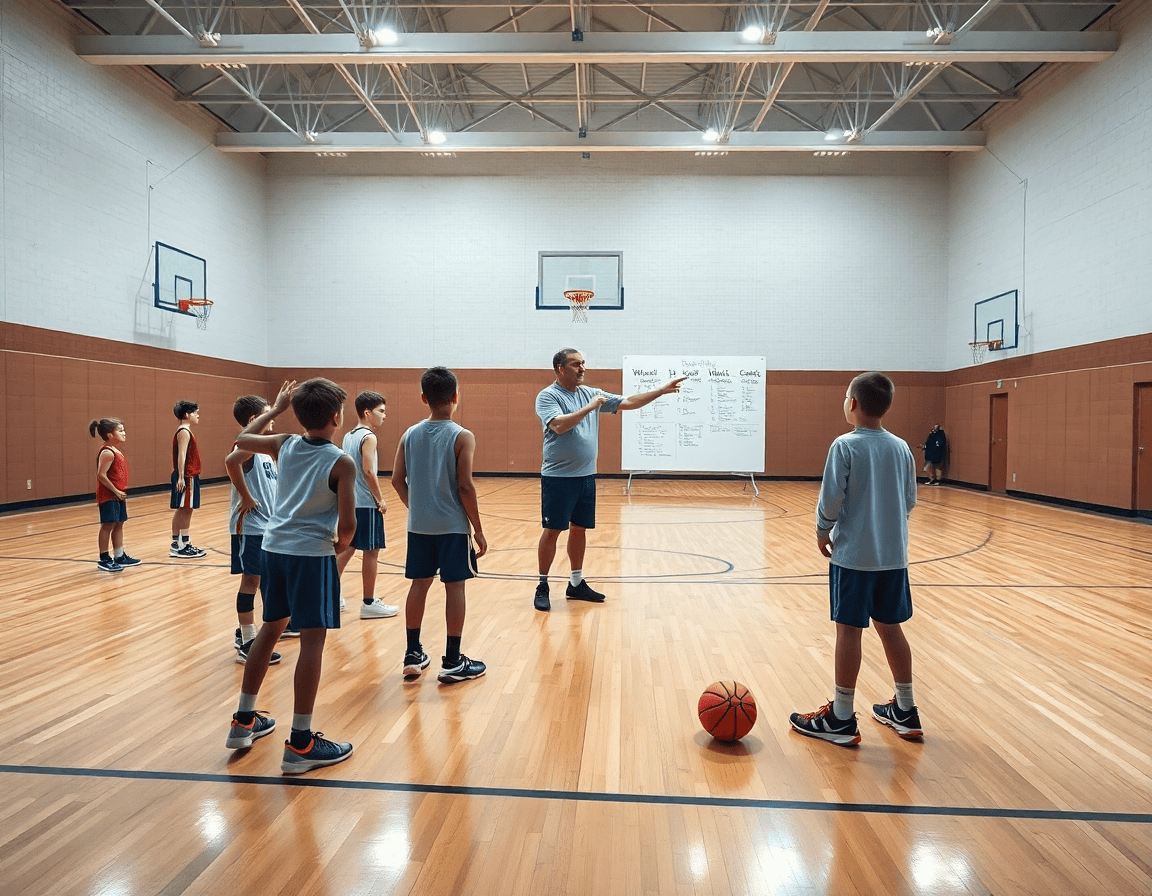
Basketball Drills for 6-7 Year Olds: Weekly Coach Plan
Coach-focused weekly guide: basketball drills for 6-7 year olds with short, fun progressions, plus using video, whiteboard, and playlists to build fundamentals.

Key takeaways
- Keep sessions tight (15-20 min) with 4-5 stations covering handling, passing, shooting, footwork.
- Start with ball handling, then passing, shooting, footwork; finish with a quick game-like drill.
- Use kid-friendly cues like eyes up and soft hands to build durable habits.
- Use a size-4 ball and 8-foot rim to reinforce form, balance, and confidence.
- Capture progress with short video clips and concise notes to tailor next week's plan.
Weekly structure for 6-7 year olds
With basketball drills for 6-7 year olds, keep sessions tight and playful. Build a weekly plan around 15-20 minutes total, and split the time into 4-5 stations: ball handling, passing, shooting, and footwork/defense, plus a game-like drill at the end to reinforce learning. Each station should use age-appropriate drills with clear cues that you can rinse and repeat all week.
Flow matters. Start with ball handling to warm them up, then move into passing, then shooting, then footwork/defense, finishing with a quick game-like drill to keep it fun. Use simple tempo cues like “eyes up” and “soft hands” so kids stay engaged and pick up good habits early. You’re prioritizing consistency over volume, so transitions should feel like a mini-game rather than a grind.
For the hands-on work, use targeted setups. At ball-handling, do dribbling drills using a size 4 basketball and an 8-foot rim, emphasizing head-up dribbling. Circle passing around two lines, and finish with a target pass drill. In shooting, include a backboard bank shot to reinforce touch. For defense and footwork, run a cone-to-cone pattern with quick shuffles, then cap it with a short, game-like sequence that mimics the pace of a real possession.
Workflow-wise, map this into your Practice Plans: 3-4 minutes per station, plus a short end game. On the whiteboard, diagram the moves and ball flow; export a PDF to share with assistants. After practice, drop a short video clip into a Playlist for players to watch, and log a scouting note to tailor next week’s drills. This keeps your weekly plan responsive and kid-friendly while staying practical for HS or club teams.
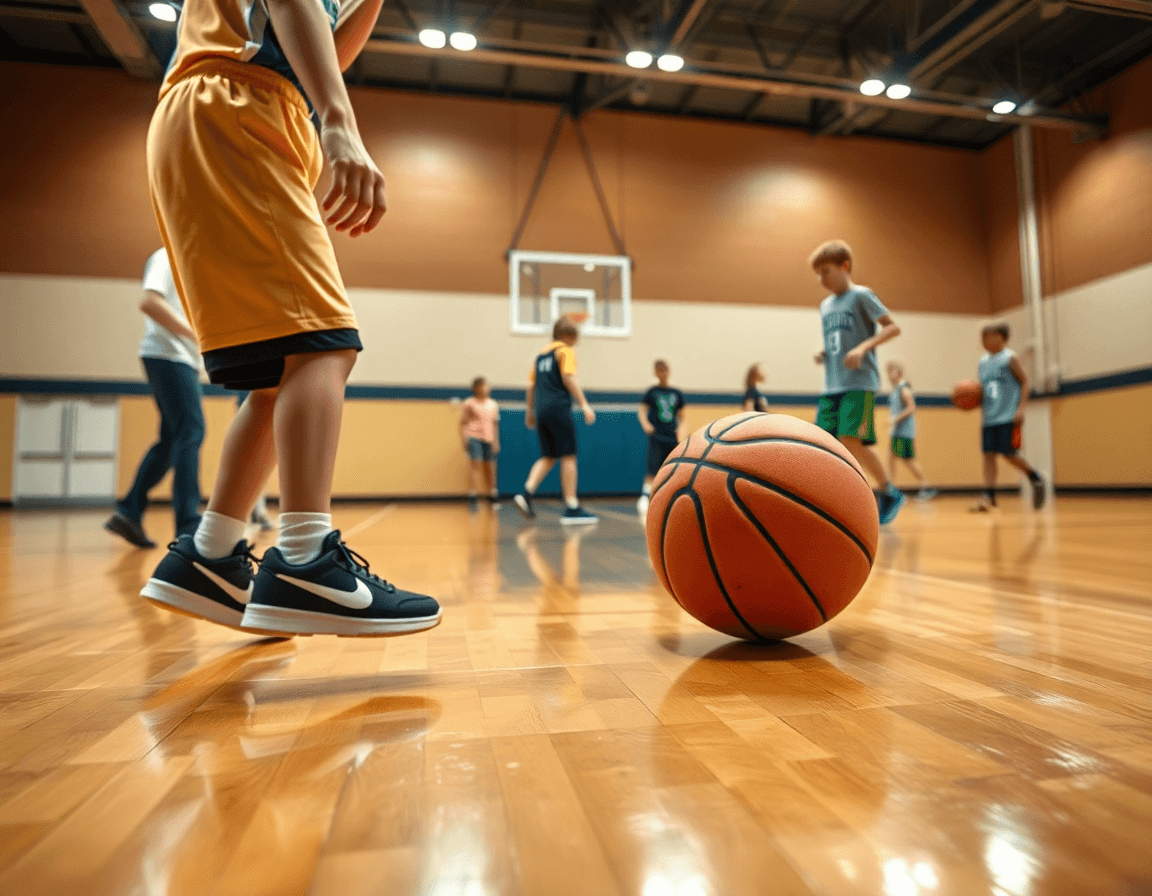
Progression blueprint: dribbling, passing, shooting, footwork
Progression blueprint for dribbling begins with basic ball handling; progress to head-up dribbling as players gain comfort. In the plan, we start with dribbling drills that keep the ball in sight and the eyes up. A simple first drill: players line up, dribble to the top of the key with both hands, then switch hands while keeping the head up. Once comfortable, add a cone or two to force changes of direction without looking down. For our younger crew, we use a size 4 basketball and, when available, an 8-foot rim to reinforce proper form. We log progress in the Practice Plan and drop a short video clip for assistants to review, then adjust the next day’s work on the whiteboard.
Next up is passing progression: teach chest and bounce passes; include simple target passes. In our weekly flow, we weave in target pass and circle passing to build accuracy and timing. Start with chest passes from chest to chest, then move to bounce passes to a partner moving laterally. Use a wall target or cone to give a concrete aim. Keep scouting notes handy to tailor the week—if defenders force earlier ball reversals, we adjust the sequence and tempo. A quick video clip can highlight when eyes stay down versus when head-up distribution improves.
Shooting emphasis centers on form with lower rims, building confidence through close-range shots. Focus on the fundamentals: solid stance, elbow alignment, and a smooth follow-through. With a 6–7-year-old crew, close-range reps matter more than distance, so repeat shots at a reachable arc, and celebrate clean swishes on the short bank if a backboard shot is part of the plan. Record a brief form clip for the plan library and keep the rim accessible for consistency.
Finally, footwork drills to support pivots and stance round out the week. Quick feet, proper pivots, and balance on catches translate to every drill above. We chart pivots and steps on the whiteboard, attach a short video clip showing the correct mechanics, and route the notes into scouting for next week. The result is a smooth, kid-friendly progression that keeps 6- to 7-year-olds engaged and growing.
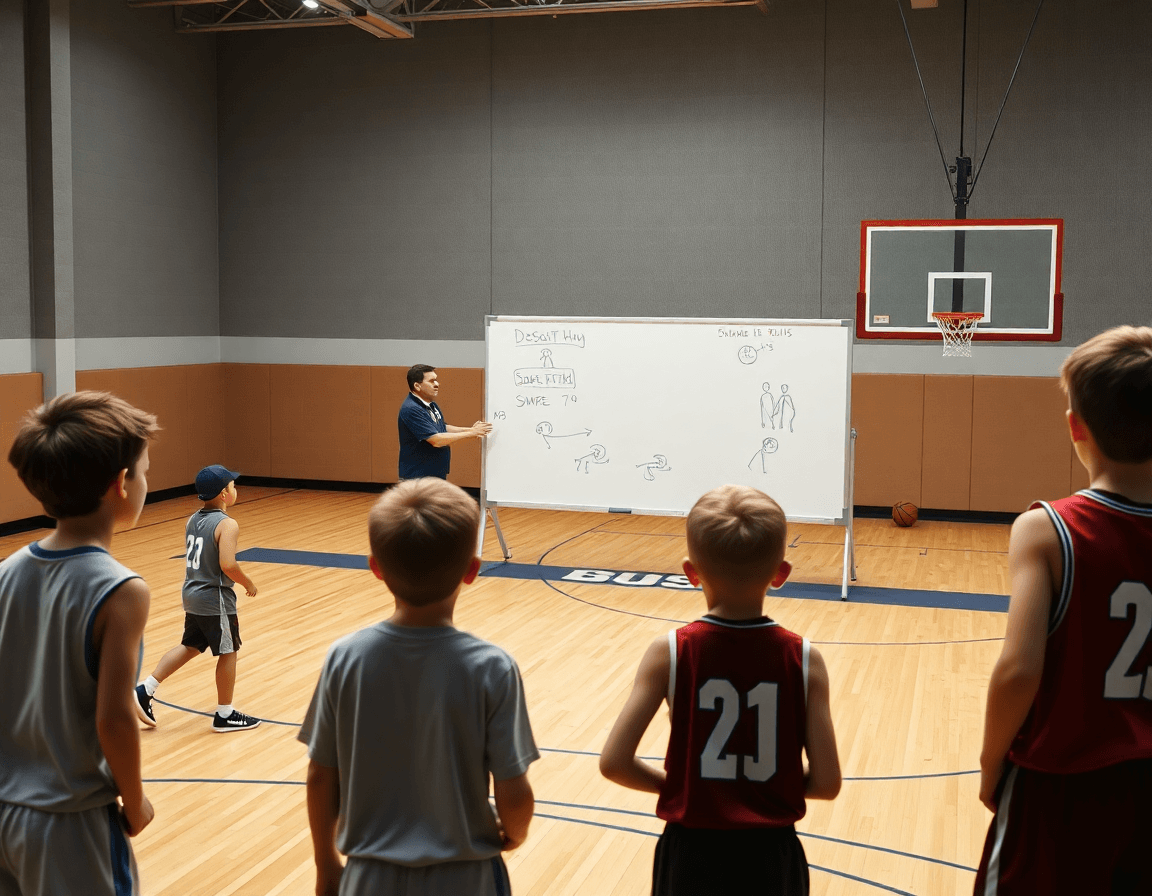
Using the whiteboard to teach and track
On a Monday, I clear the whiteboard and map the week’s flow. I diagram each station sequence and outline transitions from drill to drill. Those whiteboard diagrams become our practice plan visualization, and I export a pdf export for assistants to follow. The aim is consistency, so every group starts the same, moves at the same pace, and ends with a clear takeaway.
Labeling matters. I use kid-friendly terms that players can grasp and I show progression and reads so the staff knows when to advance the drill. A simple legend stays on the edge of the board: “ball in front, eyes up, move,” with arrows that point toward the next action. This makes the weekly plan feel like a real game, not a string of disconnected drills.
Diagrams become a teaching tool for every action: where to move, when to pass, and how to position for defense. For our younger players, I map a quick sequence with head-up dribbling at the core, then a quick pass to a moving target. We run a circle passing pattern to emphasize spacing, read angles, and timing—without slowing the pace.
We tailor the visuals to the court we’re on. I place an 8-foot rim and a size 4 basketball on the board to reflect real constraints, and I sketch a simple path from drive to finish, including a backboard bank shot option and a quick target pass. The result is a kid-friendly, repeatable flow that partners perfectly with short video clips and a focused scouting note for the week.
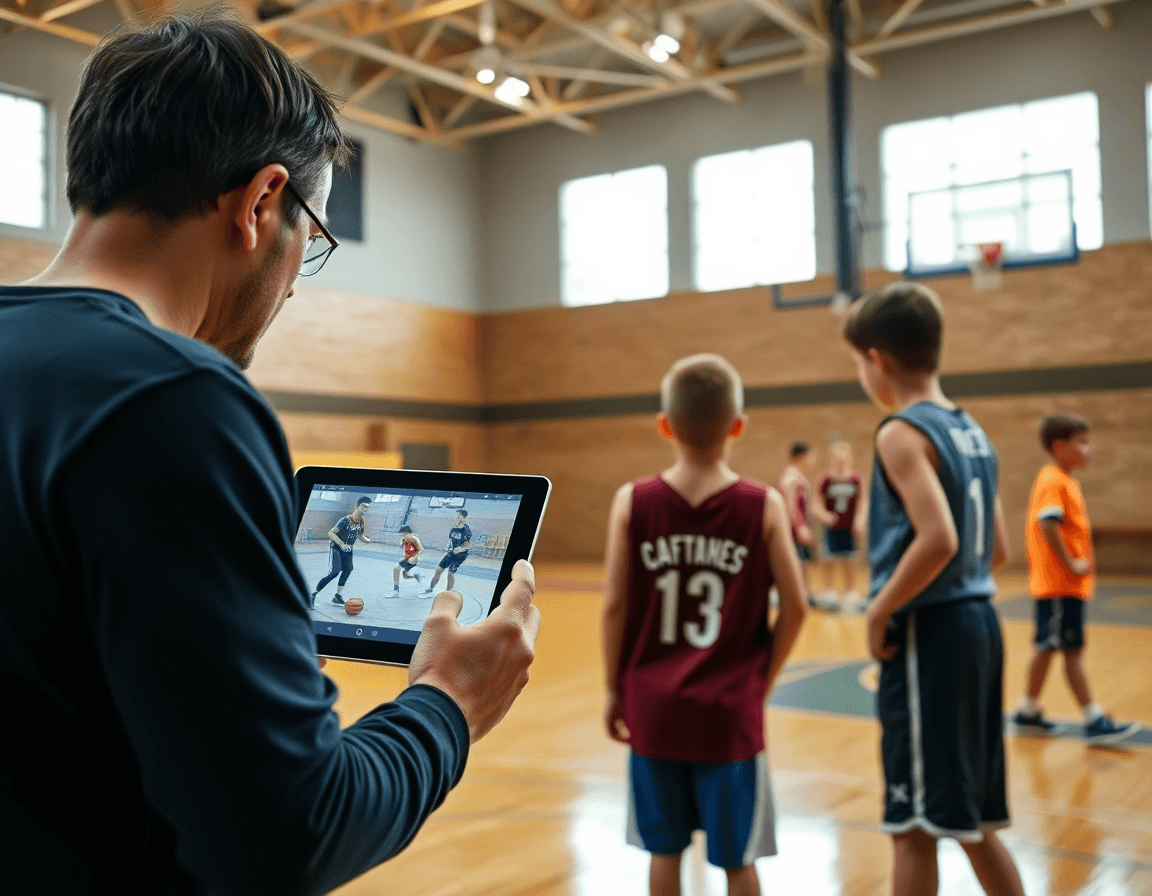
Video clips: reinforce and monitor progress
Video clips are the fastest way to anchor fundamentals for six-to-seven-year-olds. In our weekly plan, I grab short clips that show the cues we emphasize on the floor—stable stance, soft hands, and especially head-up dribbling. Clip segments illustrate the proper dribble with a size 4 basketball at an 8-foot rim, followed by a quick, controlled finish at the backboard for balance and confidence. I assign these clips to individual players so they can review during warm-ups or downtime, reinforcing what we covered in the plan without dragging the session. The goal is consistency: see it, copy it, repeat it.
Playlists help turn those clips into a practical routine. Create playlists for different skill blocks—ball handling drills, head-up dribbling, passing progression, and finishing. Each playlist holds a handful of clips from recent practices and is shared with the team so players can revisit targets on their own. During the week, I drop a short clip into the ball-handling block and another into the passing block; the kids know exactly where to look. The result is a smooth workflow: in the plan, on the court, a quick video clip, then a focused rep.
At week's end, we review the clips with the staff and log scouting notes to tailor next week's drills. Who is moving toward head-up dribbling? Who still struggles with keeping the ball high and eyes up? Those notes feed updates to the playlists and shape the next cycle of dribbling drills and ball handling drills. If a kid clearly benefits from circle passing or target pass drills, I add a short clip to the appropriate block and adjust the plan. It’s a feedback loop that keeps the youngest players moving forward.
Scouting and game-like practice: prep for opponents
In this week’s scouting notes, I keep it light and actionable. After the last game, I jot a quick scouting report focused on opponent tendencies that matter for our 6-7 year olds: how they defend the ball in the backcourt, whether they trap or sag, and any transition habits we can attack with simple cues. I log these in CourtSensei under the scouting reports so every coach on the floor can see them, and I translate them into kid-friendly targets for our practice plan. This is where game-like practice begins—turning real-game cues into short, repeatable steps for the gym.
From those notes, I tailor two or three drills for the week. If the opponent pressure is real, we lean on ball handling drills and head-up dribbling during full-court sequences, with emphasis on keeping eyes up for a quick target pass and a safe outlet. If transition is being exploited, we add a fast-break sequence with circle passing to practice decision-making on the move. We keep the setups simple: a size 4 basketball, an 8-foot rim, and a few minutes of dribbling drills that reinforce control and ball security. We’ll show clips of proper technique and quick reads from our Video Clips library, then lock the drills into the Practice Plan so assistants can run them in a smooth, repetitive groove.
We close the week by recording outcomes and adjusting the plan accordingly. Did the players handle dribbling under light pressure? Were the kids able to execute the target pass in a small-sided game? I log these results as a short scouting note and compare them to last week’s data. If we saw gains, we keep the drills; if not, we tweak tempo or pairings and tweak the playlists for next week. The cycle stays tight: scouting notes drive two to three drills, which feed into game-like practice, and then we measure what sticks.
Practical workflow: 5-step weekly routine
As a coach using CourtSensei, I lean on a practical work flow built around a simple, repeatable weekly routine for basketball drills for 6-7 year olds. The goal is consistency over complexity. Step 1: pull 4-6 drills from the library that map to our weekly goals and slot them into the practice plan as the backbone of the session. When the sequence is clear, assistants know what to run while I coach players.
Step 2 is to block 15-20 minutes into stations with clear cues. At this age I typically run four stations: dribbling with head up (using a size 4 ball on an 8-foot rim), ball-handling, circle passing, and a simple target pass. The cues stay short: eyes up, soft hands, and quick passes. Kids rotate so everyone touches the ball and builds confidence, and I watch for tiny improvements—like steadier ball control or better spacing.
In the plan, I diagram each sequence on the whiteboard and export a PDF for assistants. A typical sequence for this age might be a drive-and-pass into a quick finish at the rim, with the path drawn clearly so a rookie assistant can run it while I circulate. Keeping it visual helps with retention and lets us verify that the fundamentals stay intact through the week.
Next, I build short Video Clips playlists from the week’s clips and share them with players. We label the playlists by drill family (dribbling, ball handling) and assign a couple of clips to each player for review during the week. A quick watch before practice saves time and aligns everyone on the target skills.
Finally, we review outcomes and log scouting notes to tailor next week’s drills. After each session I jot quick notes—who’s improving with head-up dribbling, who needs more time with the circle passing. Use those notes to tweak the plan in the next cycle and adjust the work flow for the following week.
If you build plans like this every week, CourtSensei keeps your drill library, whiteboard, and video clips in one place — try it free.
FAQ
What are good basketball drills for 6-year-olds?
Keep sessions short, playful, and focused on basics. Try a simple progression: head-up dribbling with a size-4 ball, an 8-foot rim if possible, then circle passing around two lines and a simple target pass drill. Add a backboard bank shot for touch. Use cues like 'eyes up' and 'soft hands' to reinforce good habits. Plan 4-5 stations and rotate every 3-4 minutes, ending with a game-like drill.
What size basketball should a 6-year-old use?
For six-year-olds, a size-4 basketball is ideal; it's easier to grip and control. If needed, keep a lower rim height to encourage success on close-range shots and adjust as skills grow. This setup reduces frustration, boosts confidence, and lays solid technique foundations for the years ahead.
What is the appropriate rim height for 6-7 year olds?
Aim for an 8-foot rim for most 6-7 year olds. If finishing is tough, temporarily lower the rim height to reinforce proper form, then raise as they improve. The goal is clean mechanics and confidence, not distance.
How long should drills last for 6-year-olds?
Total 15-20 minutes, split into 4-5 stations. Plan 3-4 minutes per station, plus a short end-game. This keeps attention and prevents burnout. End with a quick game-like drill so kids walk away with a win and motivation.
How do you coach 6-year-olds in basketball?
Coaching 6-year-olds means keeping it tight and playful. Use simple cues like 'eyes up' and 'soft hands' and keep transitions smooth so every group starts together. Use a whiteboard with kid-friendly terms and short video clips to illustrate concepts. Celebrate effort and progress, not perfection.
How can I make basketball practice fun for 6-7 year olds?
Make practice feel like a quick game: short stations, bright visuals, and quick wins. Plan a final game-like drill, use simple targets, and celebrate clean technique. Keep tempo fast, expectations clear, and emphasize fun and teamwork to boost engagement and retention.