Basketball drills for coaches: weekly practice workflow
Master a weekly workflow of basketball drills for coaches: plan with a drill library, run game-like practice blocks, review video, and tailor drills with scouting.

Key takeaways
- Define weekly objectives aligned to team goals and craft a concise practice plan for consistency.
- Use the drill library to select categorized drills and build a cohesive sequence by category.
- Design game-like drills with progression from drill to small-sided games to full-team scenarios.
- Structure practice into four blocks: warm-up, skill block, team reps, and scrimmage with reviews.
- Incorporate video clips for quick review, tagging by drills and sharing playlists for players.
- Publish a clear weekly cycle with time blocks and roles so assistants stay aligned.
Set up your weekly drill plan
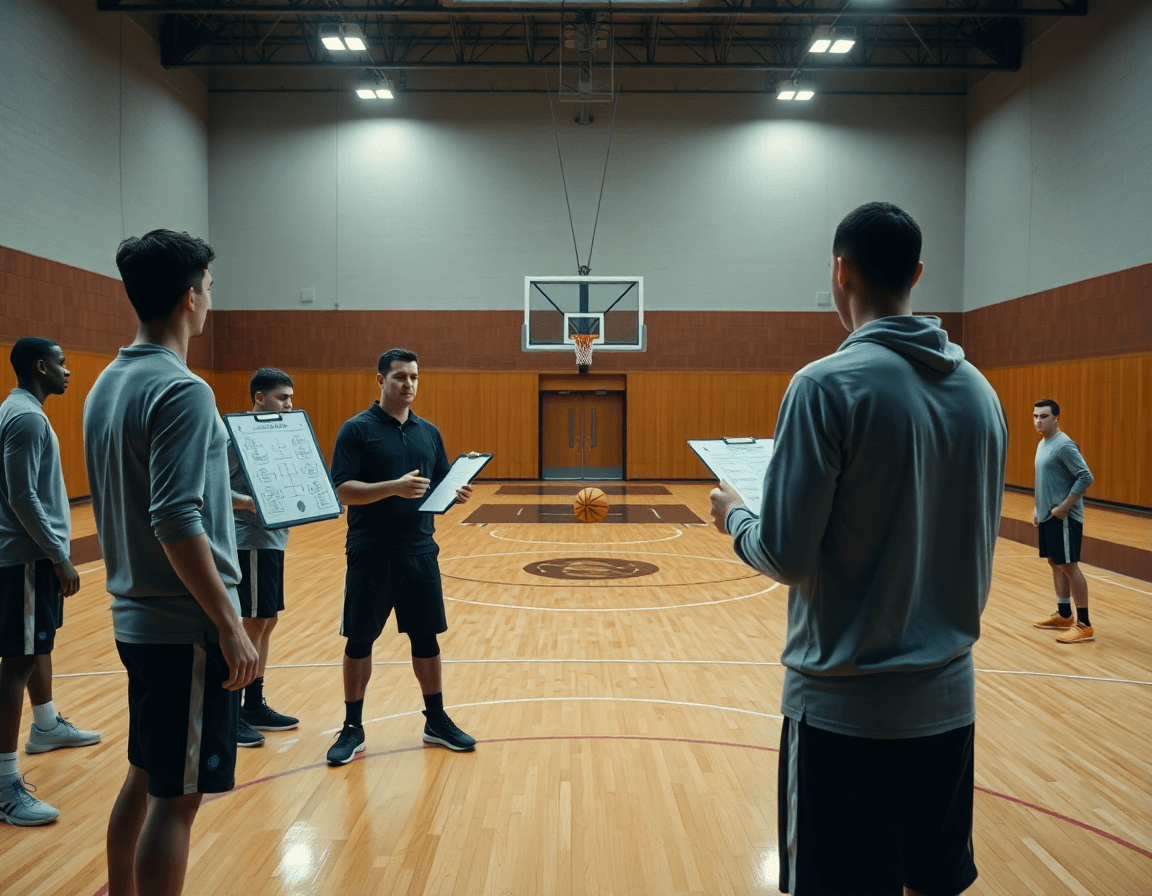
Identify weekly objectives aligned to team goals—spacing, pace, execution, and transitions. These guide which items land in your drill library and how you shape your planning. Turn those into a concise practice plan that you share with assistants (exportable PDF). Your focus here is not novelty; it’s consistency. When you write down the targets, you can measure progress at mid-week check-ins and adjust the rest of the week accordingly. This is where the weekly routine for basketball drills for coaches starts—clear aims, visible alignment, and shared expectations.
Curate drills from categorized options (offense/defense, ball handling, shooting, passing, defense) via the drill library. Then arrange them into a cohesive sequence that matches your weekly objectives by category (drills by category). Use the grouping to balance reps and workload across practice blocks. When you publish the plan, assistants can print or view the same outline, so everyone runs the same plays and reads from the same page.
Map drills into a single practice plan with time blocks and share with assistants. On Monday you might run a 10-minute ball-handling warm-up, 15 minutes of spacing, 15 minutes of transition work, then a short 5-minute wrap-up. That cadence mirrors the on-court flow you’ll see in games and helps you move players from the drill library to game-like reps. It’s a practical way to connect your planning to execution across the week and to keep your coaching staff aligned.
Design game-like drills with clear progressions
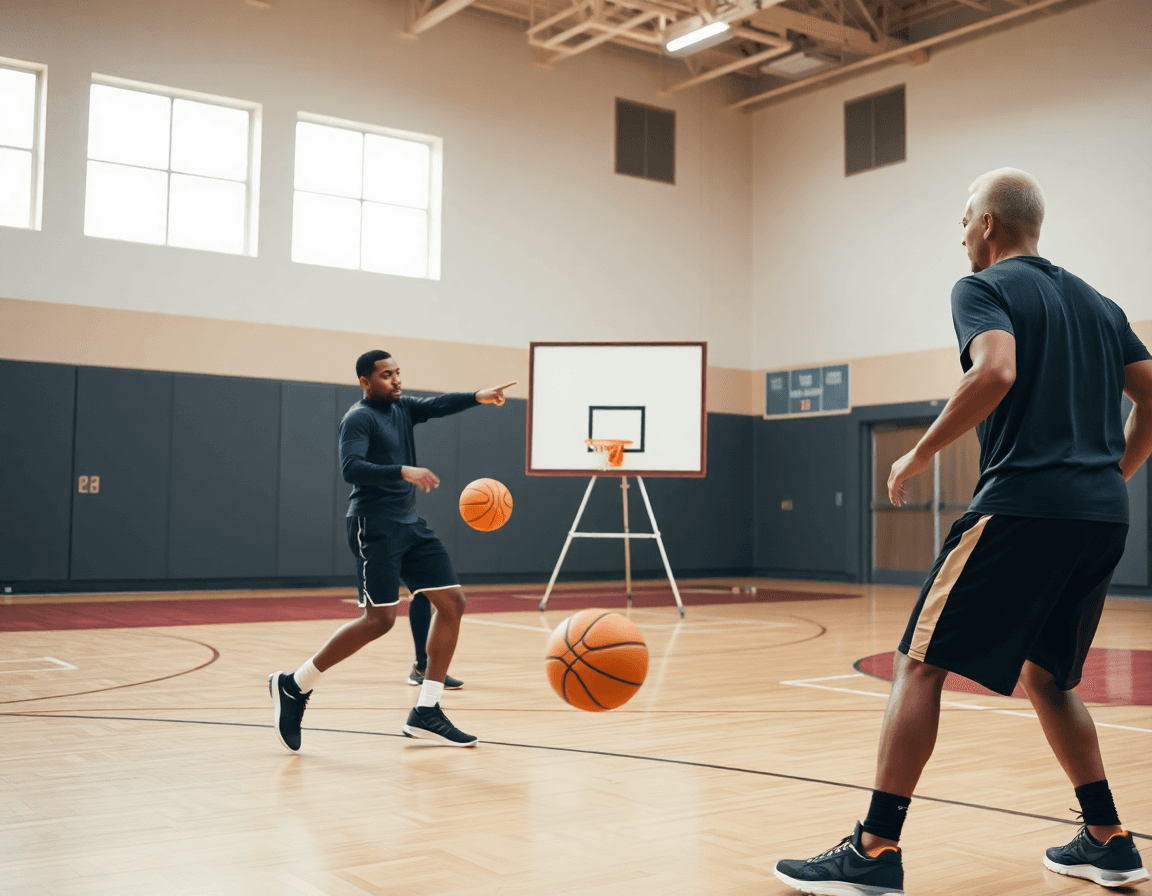
As coaches, we want game-like drills that force players to think, react, and communicate under pressure. When I design a week, I start with a couple of core drills—dribble-drive sequences with spacing and a pick-and-roll progression—that map to our opponent scouting and our offense install. In CourtSensei, these belong in the drill library and can be labeled as offensive drills or defensive drills by category, so I can pull them up fast for any session. The key is to build realism: defenders simulate pressure, closeouts, and help, while we require decision-making at every step.
Progressions give players a clear path: drill → small-sided game → full-team scenario. In a weekly plan, I lay out the ladder in the Practice Plans: first we rehearse the action at 75% speed, then we add constraints, then we simulate the game tempo. I jot cues in the notes: “read the defender, dump to the roll, hit the corner shooter” and record expected outcomes like two passes per possession or no dribbles beyond three seconds. I diagram the play on the Whiteboard and export to PDFs for reference for assistants and players.
Workflow matters: plan in Practice Plans, diagram and annotate on the Whiteboard, film a short clip, save to Video Clips, and assemble a playlist for players to review. For scouting weeks, I can pair game-like drills with defensive schemes we’ll face and keep a running scouting note. When we share, players access a shareable link from the Playlists; it keeps everyone aligned. The result is a cohesive weekly cycle where drills by category stay crisp, and we move from practice to game-ready execution.
Structure practice for maximum transfer
Structure begins with four consistent blocks that map cleanly to a weekly rhythm. In the plan, I lock in a 5–7 minute dynamic warm-up with warm-up drills, then a focused 20–30 minutes on skills. We pull options from our drill library and lean on quick footwork patterns that translate to game tempo. The aim is a clean start and steady engagement.
During the skill block, we narrow to 2–3 drills that cover the core categories: ball handling, shooting drills, and a sharpened decision-making routine. The idea is quality reps, not volume—so we rotate players through stations to keep intensity high and minimize downtime. Everything sits in the weekly workflow alongside our practice plans and small-group progress notes.
Next up is team reps, 10–15 minutes of execution with tight time blocks. We script 2–3 plays or align to a game plan—ATO, PnR, or a shell progression—on the whiteboard before we lift to live reps. Quick rotations maintain effort and accountability; players see the connections between drills by category and by position.
End with scrimmage and a built-in review loop. A 5–10 minute scrimmage reinforces decision-making in a game-like context; we cap it with a quick reset, then film key moments for review in the same weekly cycle. The clips go into playlists, and we share concise takeaways with players in their devices, looping back to the plan for the next week. This closed loop keeps the weekly rhythm tight and the transfer to games tangible. All of this sits in CourtSensei, tying together practice plans, whiteboard diagrams, video clips, scouting notes, and shareable playlists into one weekly cycle.
Utilize video to teach and track progress
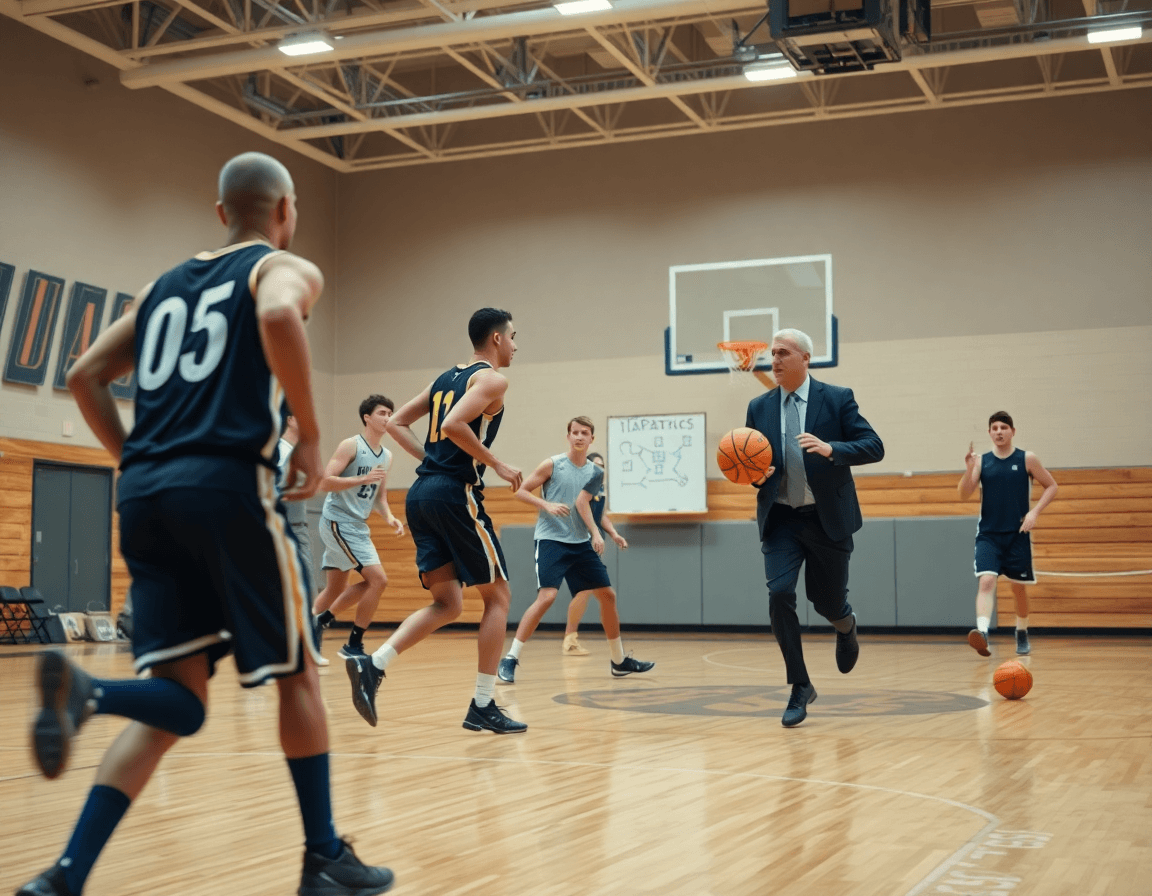
Video becomes your on-court mentor in the weekly practice workflow. I start by clipping and tagging drill-specific footage from both practice and games, then build shareable video clips that pinpoint the exact concepts we’re teaching. For example, after a ball-handling drill, I pull a tight 15-second clip, tag it under drills by category, and drop it into a playlist for the guards. These shareable video clips let players see the mechanics and decisions in action, even between sessions.
On the plan, I pair these clips with the executions we’re dialing in on the whiteboard. We annotate outcomes, reads, and spacing directly on the diagram to illustrate decisions in motion, then export the diagrams for players and assistants to review later — a clean PDF that travels with the scouting notes and practice plan. Export PDFs from the whiteboard are a quick way to ensure everyone, from varsity to junior varisty, is on the same page when we break into positions or run through a scouting report’s scenario.
Progress tracking comes into play as a weekly ritual. After each session, I review the week’s clips against last week’s results to identify where we’ve gained ground and where we still need work. If the pace of our offensive sets or the decision-making in ball-handling isn’t translating, I adjust the drill emphasis in the plan and re-stack the playlists to emphasize the new focus. This week-over-week lens keeps the drill library fresh and aligned with game-ready reads, while keeping players accountable through consistent feedback and accessible video references.
Scouting-informed drill selection
On Monday I start with the opponent scouting reports to pull out actionable tendencies. The patterns reveal where they overextend in transition, where their wings help from, and how they defend the ball screen. From there I translate those notes into targeted drills by category—ball-handling pressure, defensive rotations, and quick-passing options off the catch. These insights anchor my plan and keep us aligned with opp prep as we populate the drill library for the week.
With the game plan shaped, I head to the floor with scout plays queued. We prep scout plays designed to replicate the opponent’s looks, then run them in controlled reps so players feel the tempo. After each sequence I log the outcome in the weekly plan and capture a quick video clip to reference later. That real-time feedback helps me decide which drills by category to amplify in the next session, ensuring every rep nudges us closer to the game plan.
Finally, I document adjustments in the weekly plan and loop in assistants for feedback. We annotate changes in the plan, drop a couple of clips in the group chat, and highlight key cues for the room. This keeps the coaching staff aligned—from the head coach to the assistants—and ensures scouting-informed drill selection translates into tangible game improvements.
Practical workflow: a 5-day drill cycle
In the Practical workflow, Day 1 is all about installing new drills and concepts into the drill library and lining them up with the week’s practice plans. You map the ideas on the floor with quick whiteboard diagrams to show spacing, timing, and decision points. A simple start-of-week checklist helps you stay on track: install new drills and concepts; review the week’s goals; pull baseline video; assign clips to players via shareable links.
Day 2 is about reinforcement. You run reps across the focus areas, dialing up tempo and coaching cues from the video clips library to keep technique clean while you track progress in the plan. The goal is consistency across the drills by category—ball handling, shooting, and decision-making—so players feel repetition rather than novelty. The steady rhythm lets you transition smoothly from installation to execution, and you can start building a cohesive week of drills that dovetails with your scouting notes.
Day 3 through Day 5 shift toward application. Day 3 brings situational and transition drills; Day 4 is for film, feedback, and adjustments; Day 5 applies it all in a controlled scrimmage. The pace mirrors game tempo, with short, tight sequences that build decision speed under pressure. Keep the cycle aligned to the drill library, whiteboard diagrams, and scouting inputs, then translate what you learned into a ready-to-share playlist of clips for your players. This approach closes the loop between planning, diagrams, and game-ready execution.
If you build plans like this every week, CourtSensei keeps your drill library, whiteboard, and video clips in one place — try it free.
FAQ
How do I choose drills for my team's age and skill level?
Start by defining your weekly objectives and team goals, then pick 2–3 core drills that fit your players’ age and skill. Use your drill library to filter options by category (ball handling, shooting, defense) and map each drill to a concrete outcome. Save the plan as a shareable practice plan for assistants so everyone stays aligned.
What makes a drill game-like and transferable to real games?
Look for drills that force players to read, decide, and communicate under pressure. Build realism by adding defenders, closeouts, and time constraints. Use a ladder: drill → small-sided game → full-team scenario. Small-sided games accelerate transfer because players must execute with spacing and tempo similar to games.
How should I structure a basketball practice using drills and scrimmage?
Structure your week into four blocks: 5–7 minutes of warm-up drills, 20–30 minutes on core skills from the drill library, 10–15 minutes of team reps tied to a game plan, and a 5–10 minute scrimmage with a quick review. Finish with concise notes and film clips for the next session. This keeps your plan tight and transferable.
Where can I find free basketball drills for coaches?
Start with your drill library and look for reputable, free resources online. Save categorized options (offense/defense, ball handling, shooting, defense) and download printable practice plans. Share links with your staff so everyone can access the same content and worksheets—this keeps your program budget-friendly.
What are the main categories of basketball drills coaches should use?
Organize your practice around core categories: ball handling, shooting, passing, defense, and offense. Rotating between stations helps players get reps, stay engaged, and develop decision-making. A balanced mix across categories is essential for steady improvement and better game transfer.
How many drills should you run in a typical practice?
Aim for 2–3 core drills in the skills block and 2–3 plays or progressions in team reps, keeping rest tight and transitions smooth. The goal is quality over quantity, with clear cues and measurable outcomes. Capture progress in your practice plan and adjust mid-week as needed.