Basketball Drills for Guards: Weekly Planning Guide
Coach-focused guide to basketball drills for guards: weekly planning, progressions, and game-like drills with video reviews and scouting.

Key takeaways
- Structure a 5-day guard drill cycle that balances ball handling, finishing, footwork, and decision-making.
- Assign assistants to stations and curate a ready-to-run drill library for quick access.
- Design a 5-day cycle that optimizes rest and includes daily guard-focused progressions.
- Implement progression notes and video clips linked to scouts so staff and players stay synced.
- Track weekly progress with a simple checklist and pull top guard drills from the library.
Structuring guard drills into a weekly plan
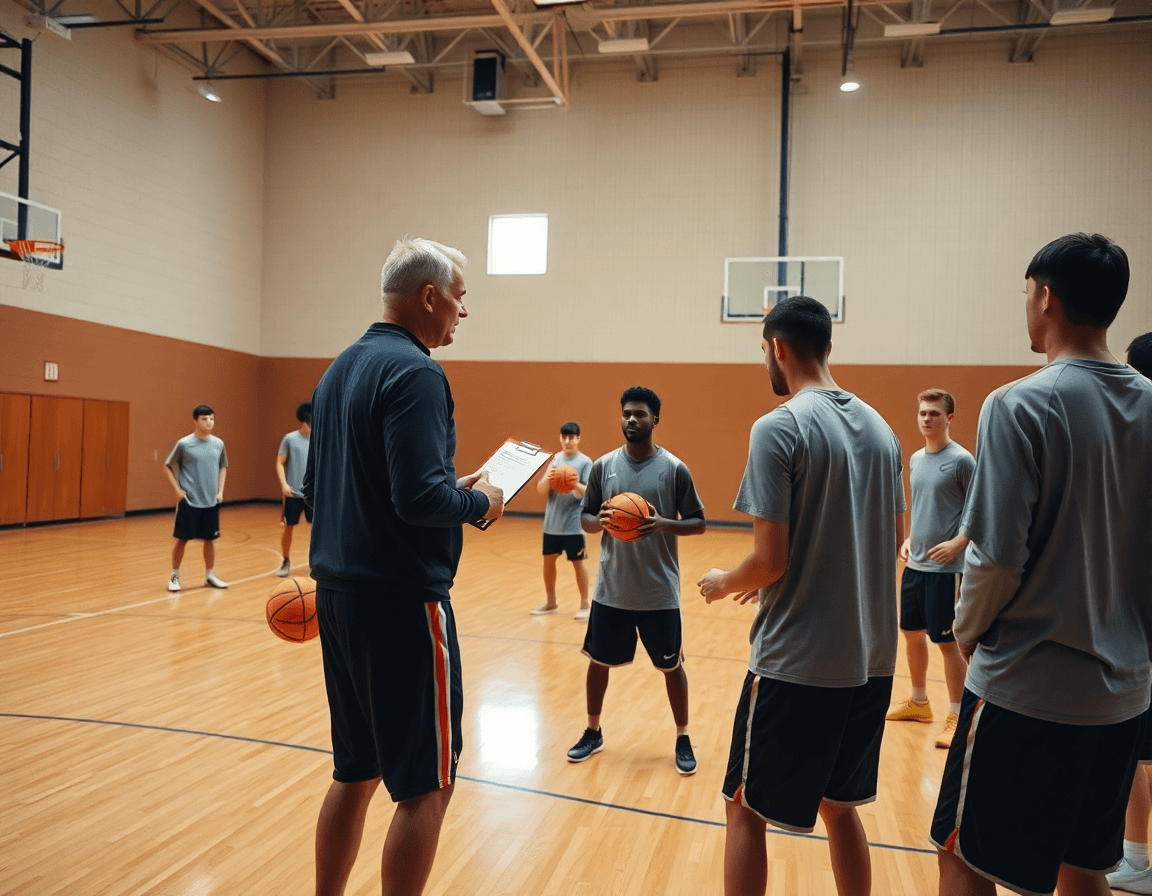
As a coach who has embraced CourtSensei, I block the week with 4–6 guard-focused drills that touch on ball handling, finishing, footwork, and decision-making. The aim is a compact menu that keeps guards sharp without burning them out. I label each drill by category (ball handling drills, finishing moves, footwork patterns, decision-making scenarios) and slot them into a weekly plan so our staff knows what’s coming every practice. When players arrive, the flow is obvious: warm-up, then targeted guard drills that align with the week’s goals. This is the idea behind basketball drills for guards—structure a guard-focused week instead of one-off sets.
Using Practice Plans, I group the chosen guard drills, assign assistants to stations, and drop a ready-to-run drill library into the plan for quick access. If we decide to swap in a crossover drill or figure 8 drill midweek, a couple of taps updates everyone’s to-do list and keeps video, whiteboard diagrams, and scouting notes in sync. The library also houses ball handling drills that feature different paces and angles, so we can tailor to our guards’ style.
Designing the 5-day cycle means balancing intensity with rest and building in a quick review. Example: Day 1 centers on ball handling drills and decision-making; Day 2 emphasizes finishing moves and footwork; Day 3 folds in two-ball dribbling and a guard drills sequence like the crossover drill; Day 4 runs the around the world drill and elbow pull-ups; Day 5 is lighter, with a scouting-note review and a short video clip. You’ll track weekly progress with a simple checklist and pull the best guard drills from your library to reinforce the week’s options.
Progression paths: from beginner to advanced guard drills
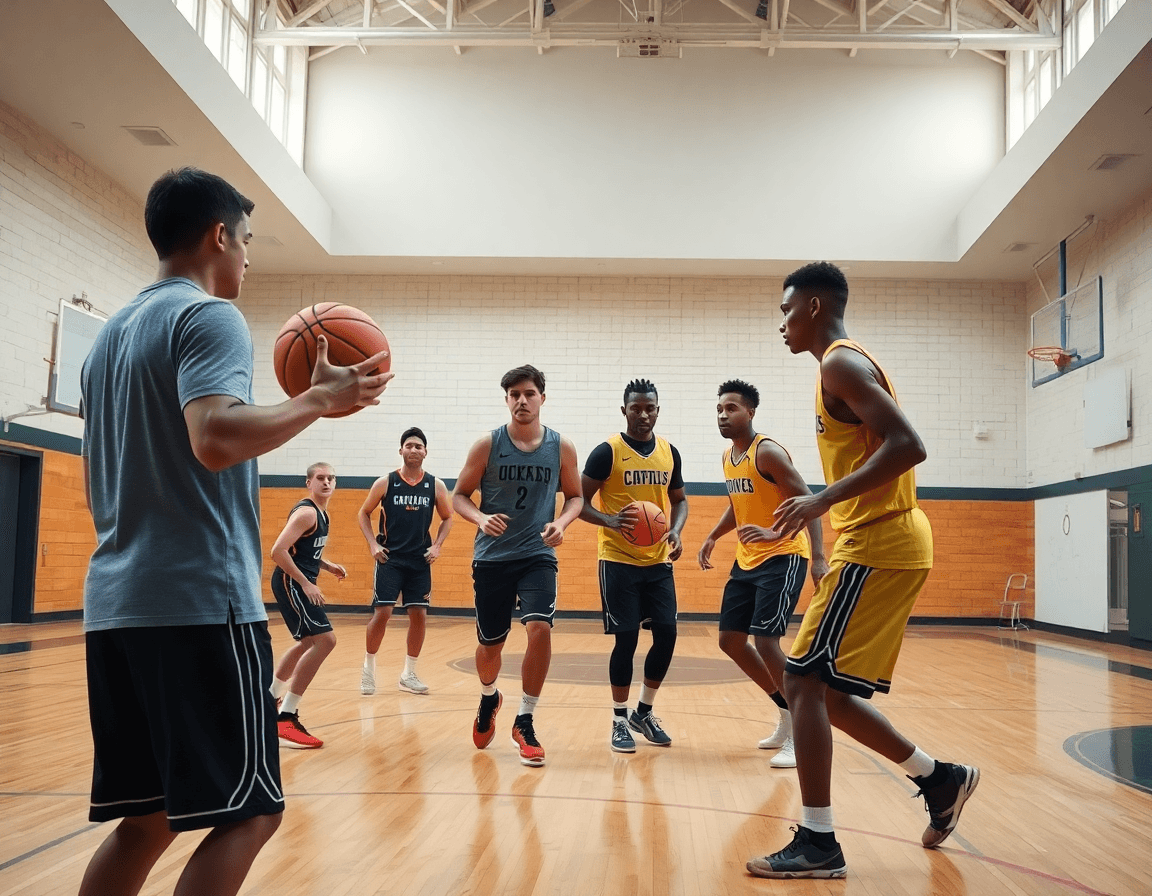
To move a guard from consistent handling to game-ready decision-making, start with the core drills: two-ball dribbling, the figure 8, crossover, and around the world. These are the staples that translate to pressure in real games. In CourtSensei, you lock these into the Practice Plans and attach a short video clip so assistants and players see the exact mechanics before you layer on complexity.
Layer in complexity with dribble limits, varied starting spots, and scoring rules. For younger players, enforce one- or two-dribble limits and start from the wing or baseline. For older or more advanced guards, push to the logo with tighter time constraints and two-plus dribbles, and reward progress with a simple scoring system. This approach keeps the drill challenging yet trackable on the whiteboard diagrams and in your short video reviews.
Build a reusable drill library with progression notes in your Practice Plans so growth is consistent week to week. Tag each drill with guard drills and ball handling drills, and attach a scouting note if you’ve faced a similar defensive stance before. Players can access shareable playlists of guard-specific drills to stay sharp on off days, and coaches can quickly deploy updated progressions to the squad.
In a typical week, you’ll run the two-ball dribble progression, move to the figure 8 drill, then transition to the crossover, finishing with the around the world drill and even a finishing pattern like elbow pull-ups. Diagram the angles on the whiteboard, then review a clip with the team to lock in the technique. The progression notes in your plan let you tailor sessions for each opponent.
Game-like guard drills that translate to decisions
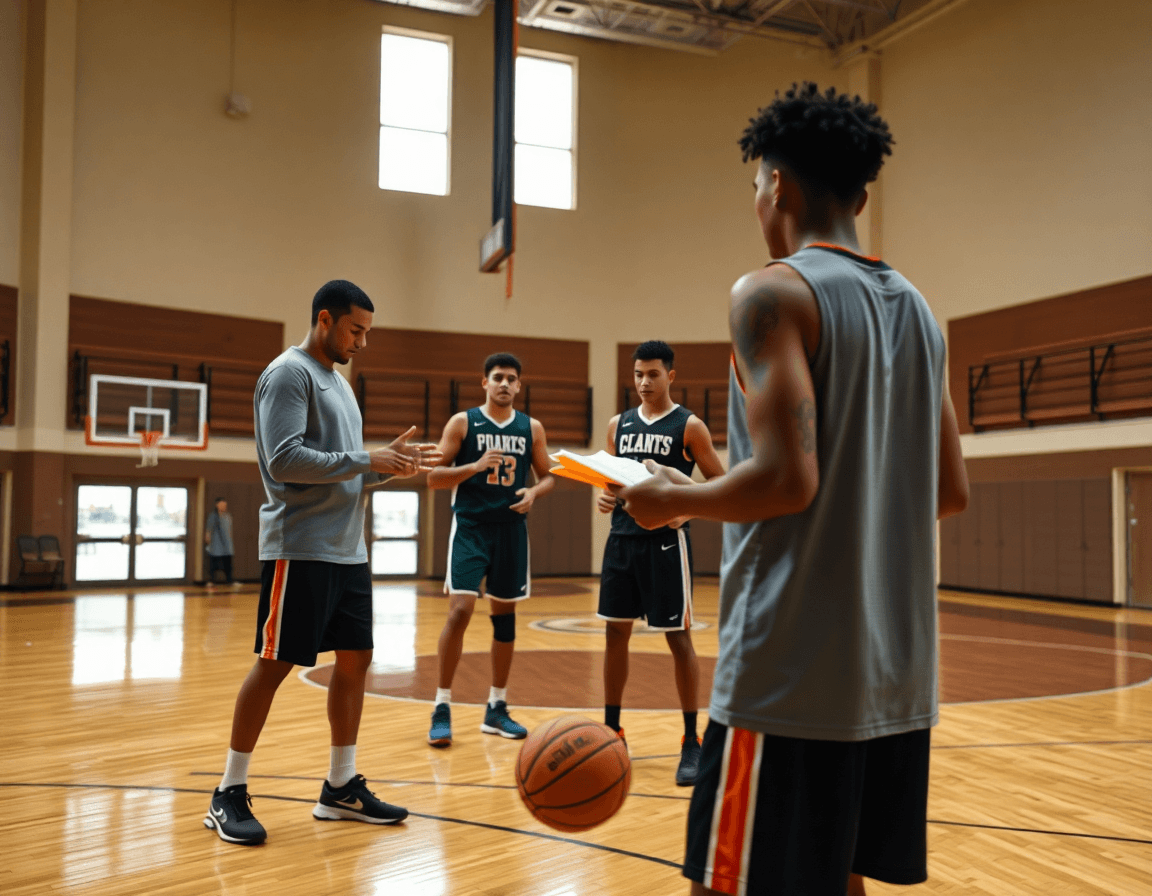
As a guard, you can’t practice in a vacuum. In the weekly plan, I bake game tempo into every drill—pulling from different dribbling moves and finishing under pressure. This is why I frame these sessions as part of basketball drills for guards, not just ball-handling work. We start with fast reads off the bounce, then attack gaps with decisive drives, pull-ups, and smart passes.
On-ball reads come next. We practice on-ball moves to bend space, then quick reads that end in finish or dish. For guards, the variety comes from two-ball dribbling sequences that force pocket control and decision speed. A well-chosen mix keeps players honest and mirrors the pace of a real game. You’ll see progress in the arc of the jumper and the pace of the pass.
Then we layer in ball-screen reads and PnR options. Before we touch the court, I sketch sequence paths on the whiteboard—previewing BLOB/SLOB/ATO setups so players know the decision path as soon as the whistle blows. The goal is crisp court vision: know when to turn the corner, when to reverse, and when to pull for the elbow jumper or thread a precise entry pass. This is where guard drills get real.
To tie it together, I run short, high-rep blocks that blend finishing under pressure with finishing options: floater finishing, Mikan drill, elbow pull-ups. This keeps the reads honest under fatigue. A concrete sequence: catch, attack off a ball screen, execute a figure 8 drill to re-kill the angle, then finish with a floater. After the session, I pull a quick video clip and drop it into the playlists for players to review, closing the loop with a scouting note for the next week.
Video workflow: clip, annotate, and share guard drills
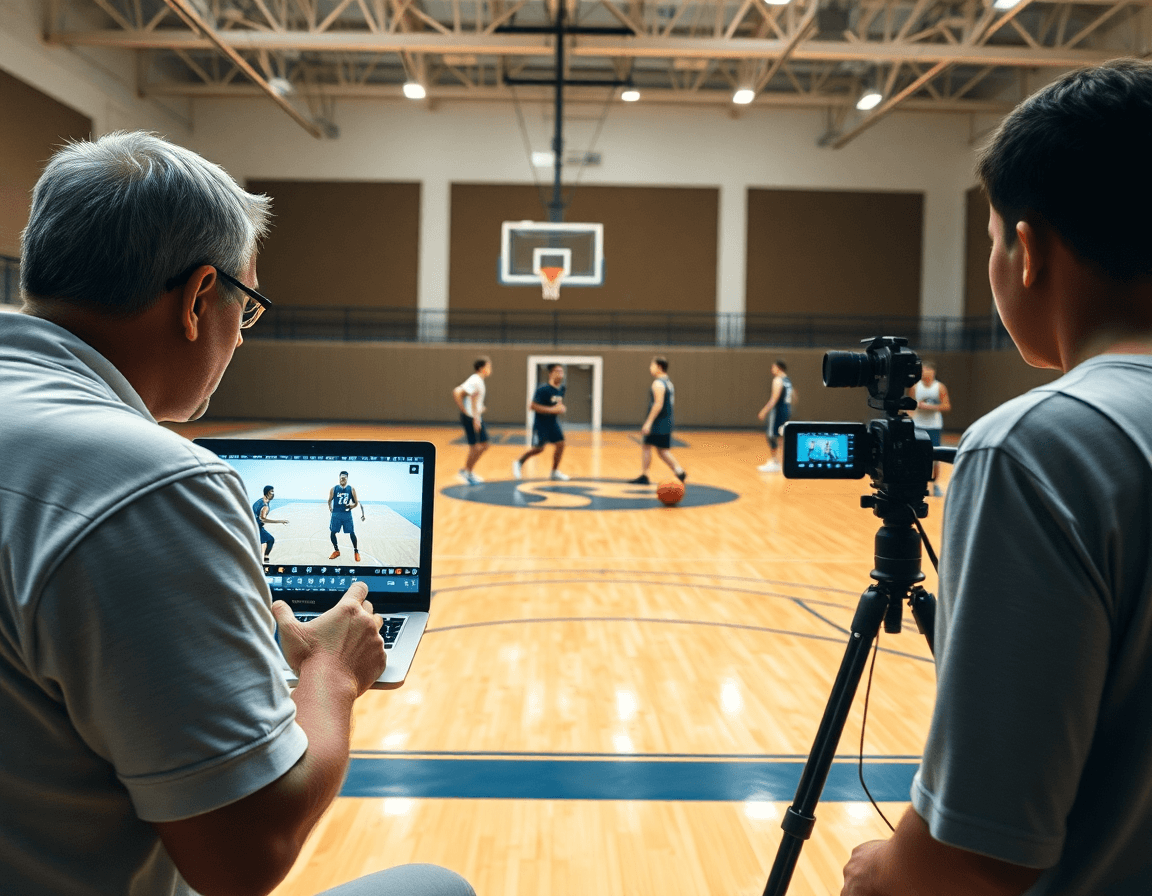
In this week’s plan, video clips are the engine behind improving guard play. I pull clips from practices or games to spotlight decisions and finishes—drives into gaps, reads on closeouts, and finishes through contact. I use clip editing to trim to 8–12 seconds that isolate the moment: the crossover when the defender overplays, the pull-up at the elbow, the finish with the opposite hand. I also tie the clips to scouting notes on opponent guard tendencies so we know what to emphasize. When you see those moments in the context of the weekly plan, the drills for guards—ball handling, dribble moves, and finish sessions—start to line up with what you actually coach on the floor.
From there, I build player playlists around those clips and share them with the guards for independent study and feedback. Each playlist curates a sequence—whether it's a crossover drill, figure 8 drill, or around the world drill—so players can loop the guard drills at their own pace and return with questions. I also generate shareable links so assistants can comment and players can track progress. This turns film into a concrete learning loop rather than a one-off viewing session.
Finally, I export the whiteboard diagrams and practice plans as whiteboard export to PDFs for halftime sessions and staff reviews. Those PDFs give the staff a quick, visual reference to spacing, reads, and finish options we want guards to execute. It’s a clean handoff: clip-driven decisions, annotated diagrams, and a ready-made document you can pull up in the locker room or on the sideline.
Scouting-driven guard drill design
As you map out the week for guards, translating scouting reports into weekly guard drills tailored to tendencies (pressure, help, gaps) is the core work. Pull the scouting reports, identify pressure indices and gaps, and draft guard drills—ball-handling drills, crossover moves, and the figure-8 sequence—that counter what the opponent runs. The plan, the whiteboard diagrams, and a short video clip spell out the purpose for your assistants and players, so everyone understands the why behind each rep.
From there, you document the opponent tendencies in scouting notes and link them to your practice plans—the drills you’ve mapped on the board become direct counters to what you expect. For example, a report noting heavy wing pressure leads to ball-handling drills that simulate pressure releases, paired with two-ball dribbling to build control under contact. After the on-court work, a quick review on the whiteboard and a clip or two keeps the thread alive for the rest of the week.
To keep everyone aligned, export a concise PDF or digital sheet that links each guard drill to the relevant scouting notes and opponent tendencies. The PDF export makes it easy to share with staff and players before matchups, ensuring adjustments are clear and actionable. If helpful, attach a shareable playlist of short video clips that demonstrate the guard’s technique before running it in live drills.
On game week, the workflow is simple: plan in the weekly document, diagram on the whiteboard, review with a few quick video clips, and push the PDF export for staff. That loop keeps guard drills tightly aligned with opponent tendencies and translates scouting into action in practice.
Practical guard drill workflow for a 5-day week
Day 1 sets the tone: Ball handling and pace control. I lock in tight handles and rapid change of direction, then layer in guard drills like the Figure 8 and a two-ball dribbling sequence. Players work under tempo, breaking to short videos for the clips library. In the plan, I annotate how each move feeds our read on pace, and I drop scouting notes on who breaks down under pressure first. The goal is a clean flow from drill to diagram to review.
Day 2 moves us to Finishing under pressure. Floater, reverse finishes, and Mikan finishes populate the shell of the session. We diagram angles on the whiteboard to anticipate rim pressure and help players read defenders. After each rep, a quick video clip circulates to highlight touch and balance. The scouting notes capture which finishes look repeatable in game situations and which require extra reps.
Day 3 centers on Footwork and transitions. We stress shuffle steps, lateral movement, and quick stops, building to seamless drives into the next action. A couple of guard-specific twists—Around the World drills and sharp cross-step sequences—keep feet active. I map these on the board and pull a short video clip to show proper knee bend and recovery. This keeps the plan cohesive across the week as players bounce between drills and diagrams.
Day 4 targets Decision-making and passing under pressure. Catch-and-pass, skip passes, and reads against pressure are the focus. We use scouting notes to highlight how defenders deny certain lanes, then mirror that in a quick diagram of passing angles. Short clips illustrate decision speed, which we share in a playlist for the guards to study.
Day 5 wraps with Scrimmage and video review. We run a controlled scrimmage, then build player playlists from practice clips to reinforce guard drills and dribble reads. The daily workflow—Practice Plans, whiteboard diagrams, and scouting notes—keeps the week aligned from warmup to game time.
If you build plans like this every week, CourtSensei keeps your drill library, whiteboard, and video clips in one place — try it free.
FAQ
How can I become a better basketball guard?
Start with core guard drills—two-ball dribbling, figure 8, crossover, around-the-world—and embed them in a consistent weekly plan. Build a 5-day cycle that balances intensity and rest, then pair each drill with a decision-making task. Use quick video clips to lock in mechanics, and track progress with a simple checklist. This steady progression translates to game speed.
What guard-specific skills should I develop for the court?
Prioritize four pillars: ball handling, finishing, footwork, and decision-making. Build from core patterns—two-ball dribbles, crossover, figure 8—into game-like reads that end in a finish or a dish. Attach short video clips so coaches and players see the exact mechanics, and keep a reusable drill library with guard tags and scouting notes to track growth.
How do you train a point guard effectively?
Train a point guard by running a tight system: use Practice Plans to group 4–6 guard drills, assign assistants, and keep a ready-to-run drill library. Build a 5-day cycle with game-like tempo—reads off the bounce, ball-screen reads, and PnR options. Add video reviews and scouting notes so players see the decision path before the whistle.
What agility and conditioning drills are best for guards?
Guard work hinges on agility and pace, not long sprints. Use short, high-repetition blocks: guard drills with varied starting spots, quick directional changes, and tempo shifts that mirror game reads. Keep rests light and gradually raise dribble limits and time pressure. Pair these with a consistent weekly plan so conditioning grows alongside skill.
What are some guard-specific dribbling drills I should practice?
Start with guard staples: two-ball dribbling, the figure 8 drill, crossover, and around the world. Introduce limits (one- or two-dribble) and different starting spots to pressure decision speed. Build a progression into game-like sequences and tag drills to guard-specific flow so players stay sharp on off days.
Which shooting drills should guards practice?
Guard shooting work should mirror game options under pressure. Include elbow pull-ups and the Mikan drill for finish reps, plus catch-and-shoot and pull-up opportunities that mirror guard reads. Add finishing options like floaters and late-angle finishes, then review clips to lock in timing.