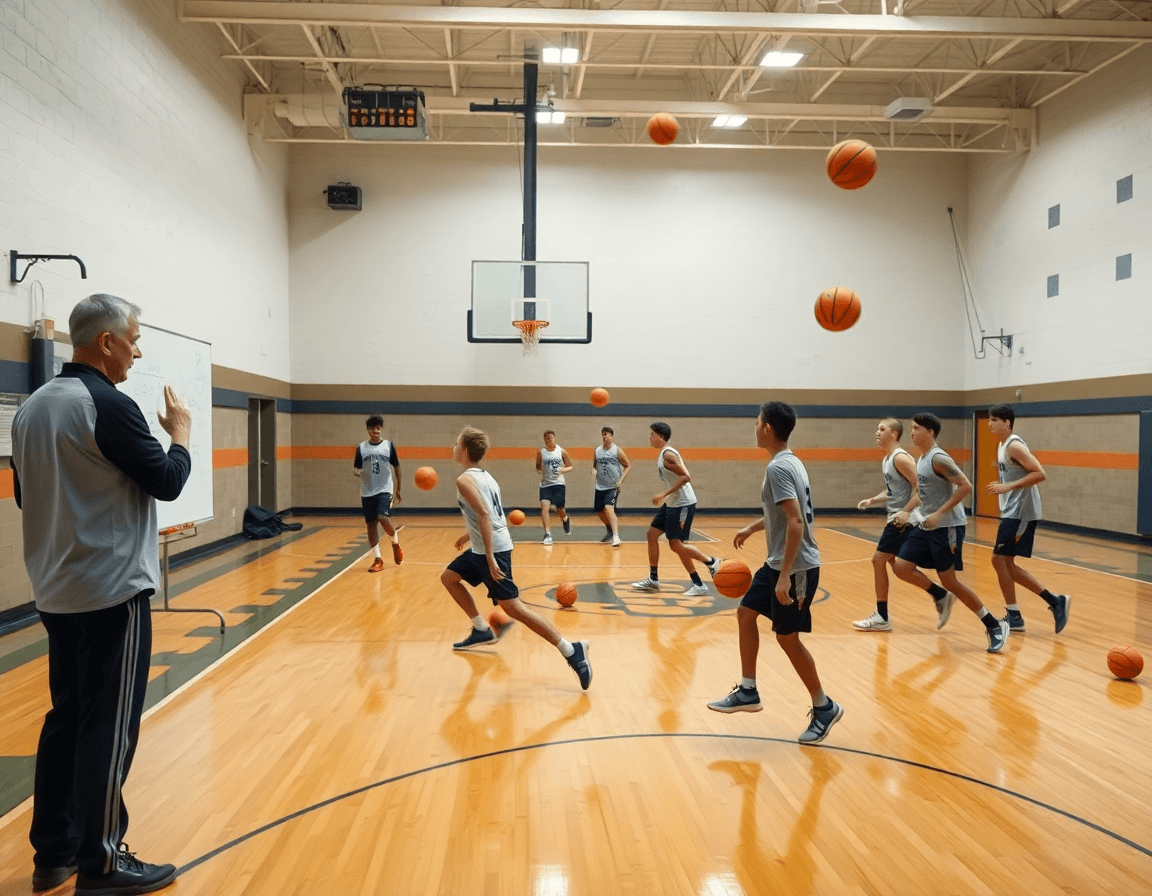
Basketball drills for high school tryouts: weekly prep plan
Coach-focused weekly framework of basketball drills for high school tryouts—conditioning, ball handling, shooting, and defense, plus planning, video review, and scouting.

Key takeaways
- Structure weekly blocks around ball handling, defense, shooting, and decisions to ensure high-value reps.
- Adopt a three-phase drill progression—Phase 1 fundamentals, Phase 2 reads under fatigue, Phase 3 game-speed.
- Capture clips and circulate a concise video recap for players and staff to dissect, aligned with scouting notes.
- Keep a clean 5-7 day rotation; trim volume when fatigue spikes to preserve freshness.
- Share drill playlists and opponent-specific clips to keep assistants aligned and players accountable.
Understanding what coaches evaluate in tryouts
During tryouts, coaches aren’t chasing highlight plays; we’re evaluating what a player can actually do when the clock is counting down. The primary skill areas to watch are ball handling, defense, shooting, and decision-making. In my weekly prep, I map these into drills so nothing slips through the cracks.
On ball handling, we look for control under pressure, tight handles, and decisive finishes. I run a ladder of ball-handling circuits and 1v1 drills that force moves in traffic and finishes at the rim or into a kick-out. We place these in the plan as the early, high-value reps.
Shooting is about rhythm, form, and smart shot selection under fatigue. We cycle through shooting drills that simulate game moments—catch-and-shoot, quick pull-ups, and contested looks. For tryouts, the focus isn’t just make percentage but how the stroke holds up when players are tired; that matters.
Defensive effort, posture, and rotations separate players who guard at high school speeds. We run defensive drills that test on-ball pressure, help rotations, and communication. In the plan, we’re looking for quick feet, discipline, and a willingness to rotate with the team.
Decision-making and game sense show up in two-second choices—pass, drive, or reset. We watch sequences in 2v2 and 3v3, and document these in scouting notes. The workflow with CourtSensei keeps us aligned: in the plan, on the tactical board we diagram quick-action plays, and we circulate short video clips via shareable links for players and assistants.
Three-phase drill progression for prep
Three-phase drill progression for prep is how I translate a week into tangible improvement. In my plan, I segment sessions into Phase 1, Phase 2, Phase 3—a deliberate drill progression that keeps players sharp for basketball tryouts. This framework ensures we hit fundamentals, reads, and game-speed in order, so by the end of the week the team feels ready. Our weekly workflow links to scouting notes and a quick video recap, but the engine is the drill progression I rely on in the plan, on the whiteboard, and in the clip library I circulate to assistants.
Phase 1 — fundamentals and conditioning — is where I start every week. We run ball-handling drills that demand control with both hands, then shooting drills from catch-and-shoot and off the dribble to steady form. Footwork patterns get reinforced with ladder work and pivots, all tied to conditioning for tryouts through short, crisp sprint blocks. On the whiteboard I diagram a simple drive-and-kick sequence (BLOB) and a couple of reads; then a quick clip from the last practice lands in the drill library for review. The goal is to leave Phase 1 with cleaner technique and a ready-to-work body.
Phase 2 — reads under fatigue — focuses on decision-making when players are tired. We push through jam-packed sequences: 2v2 and 3v3 with shot clocks, where players must choose passes, reads off-ball movement, and closeouts under pressure. We mix in a few defensively oriented drills, like shell progressions to sharpen rotations while the body is taxed. After the session, we pull clips that highlight reads under fatigue and match them to a scouting report on opponents, then drop a concise video recap into a shared playlist for the team and staff to dissect.
Phase 3 — game-speed/peaking for tryouts — is where everything comes together. We short-cut weeks' work into crisp, game-like reps: a handful of sets (PnR, action-to-action) with defenders closing out at full speed, tight reads, and quick decision-making. We elevate tempo, then dial it back for precision. The plan includes a targeted video clip for each player, plus a playlist of drills and a few opponent-specific scout notes to frame what to emphasize in warm-ups. Sharing those drill playlists via links keeps assistants aligned and players accountable as we shift from preparation to performance.
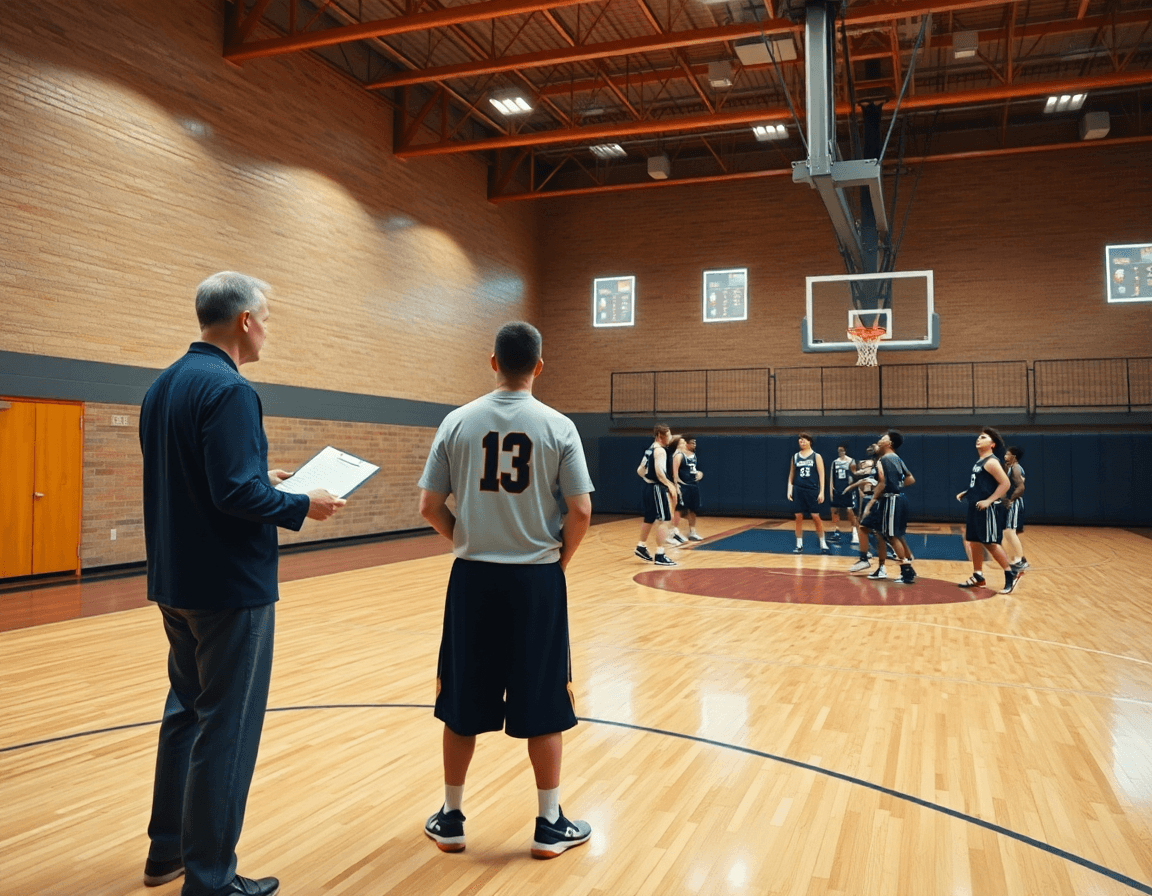
Weekly drill rotation (practical workflow step)
As a head coach prepping for high school basketball tryouts, I rely on a clean, 5-7 day rotation that fits inside a single practice plan. The aim is to cover ball handling, shooting rhythm, defense, and quick decision-making without burning guys out, all aligned to tryout day goals. With CourtSensei, I map this weekly workflow, assign roles to assistants, and keep it tight and repeatable.
Day-by-day, the rotation stays practical and focused. Start with ball handling drills and shooting drills to build comfort with the ball and your shooting rhythm. Move into 1v1 scenarios to stress decision-making in real-time. Then layer in 3v3 offense/defense to sharpen reading cues and spacing. Include conditioning for tryouts to ensure pace and effort hold up, finish with a situational scrimmage to simulate late-game decisions, and cap the week with rest or light skills to recover. The goal is to hit core categories each week—ball handling, shooting, defensive drills, and conditioning for tryouts—with enough variety to keep players fresh but still teachable.
Workflow matters as much as the drills themselves. In the plan I pin together, I use the whiteboard to diagram BLOB/SLOB/ATO/PnR sequences and show how each drill fits into the bigger picture. I clip and organize game-traceable video from practice to reinforce correct technique, while scouting notes shape how we tailor reps to the next opponent. I circulate drill playlists and clips through shareable links for players and assistants, so everyone stays on the same page without hunting for files.
Keep it tight and repeatable. If fatigue shows up, I trim volume and lean on quick, high-intensity blocks to preserve freshness. The weekly rotation is a scaffold—flexible enough to adapt, sturdy enough to rely on during the chaos of tryouts.
Integrating video and clips into the prep
For basketball drills for high school tryouts, I anchor video into a weekly prep. I pull clips from recent practices and scrimmages that spotlight ball handling, 1v1 decisions, 3v3 flow, and the reads we’ll see in a real tryout. I clip practice footage into short video clips and build playlists for fast review. In the plan, I pull a quick video clip to illustrate a cue and map the action on the whiteboard, then we run the corresponding drill block with coaching cues, including conditioning for tryouts to keep the pace sharp.
From there, I tailor targeted playlists for each player, pairing clips of their ball-handling drills and shooting drills with notes on what to fix. I share these playlists with players and assistants via a simple link, so they can review before the next session or at home. In the huddle, a quick video clip illustrates a corrective cue, then the related drill blocks into the plan—like focused 1v1 or team defense in 3v3—so the learning sticks.
Close the loop with a quick staff-player review session built on curated video clips and the scouting notes for the next opponent. We pull clips from scrimmages to show how our schemes held up and where players need to tighten ball handling and defensive angles—critical in basketball tryouts. The aim is a clear path: the clips show what to replicate, the notes align every drill block in the plan with real-game context.
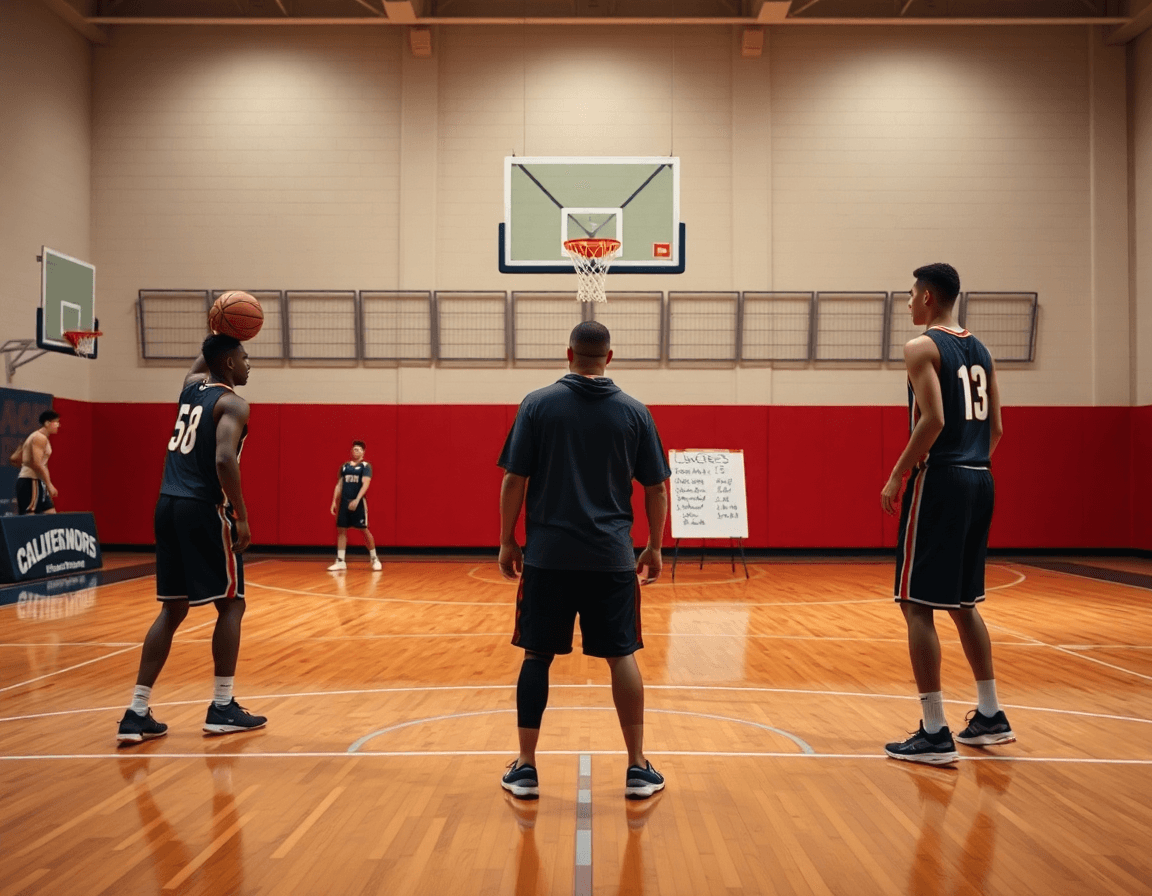
Tactics and scouting prep for tryouts
During weekly prep for basketball tryouts, I start with scouting reports for each opponent. We pull tape, note opponent tendencies, and translate those into a lean plan for our players. The goal is a two-minute read that highlights 2–3 tendencies—how they guard ball screens, where their pressure breaks down, and which players initiate action. I keep this in a shared file and circulate drill playlists and clips for assistants and players to study before we hit the floor.
On the floor, the whiteboard diagrams become our surgical tool. We sketch BLOB/SLOB/ATO/PnR looks and annotate the reads players should make when they see those cues. If a team pressures full-court, we diagram the outlet, the skip pass, and the corner shooter. The diagrams give a quick visual language that translates scouting into action, so during tryouts players can react with confidence rather than guesswork.
To link it to practice, I pair the scouting with drills that force the reads: ball handling drills to handle pressure, 1v1 and 3v3 drills to sharpen decision making, and tight defensive drills to mirror opponent attack. We also clip and organize game-traceable video from the last scrimmage and circulate shareable links for players and assistants to review after sessions. When a player implements a tweak, we update the scouting reports and adjust reads for the next workout.
A sample 7-day plan for week of tryouts
For basketball drills for high school tryouts, this seven-day frame keeps your weekly prep tight and coach-ready. In CourtSensei you map the week in the plan, diagram sets on the whiteboard, clip game moments, and circulate drill playlists so assistants and players stay aligned through the tryout week.
Days 1-3 center on fundamentals and conditioning. Start with ball-handling stations—two-ball dribbles, change-of-direction moves, and cone work—then move to form shooting from mid-range and finish-at-the-rim reps. Add short sprint intervals and light to moderate conditioning to prime legs for the long week. Each block ends with a quick check-in in the scouting note, so you’ve got a read on who’s picking up technique fastest.
Day 4 shifts to reads and decision-making. Use the whiteboard to diagram reads off screens and ball reversals, and sketch BLOB/SLOB/ATO/PnR sequences you’ll test in live reps. After practice, drop a short video clip into the player playlist and leave a couple of notes for assistants. A focused scouting note on the opponent’s tendencies helps you tailor decision-making drills for the tryout week.
Day 5 brings game-speed drills. Run 3v3 and 2v2 at tempo, add transition sequences, and pressure players to accelerate decision-making. Export the most telling clips to a playlist and share the links with players; they can study cues on their own time and come ready to react.
Day 6 zeroes in on transition and sprinting. Work full-court pushes, sprint-to-rebound drills, and rapid decision-making in open floor. Capture a few reps on video and place them in the clip library for quick review before the next session.
Day 7 is rest and review. Light recovery and mobility, then a thorough look at video and scouting notes from the week. Use the insights to tune your week plan and keep the focus sharp for the next phase of evaluation.
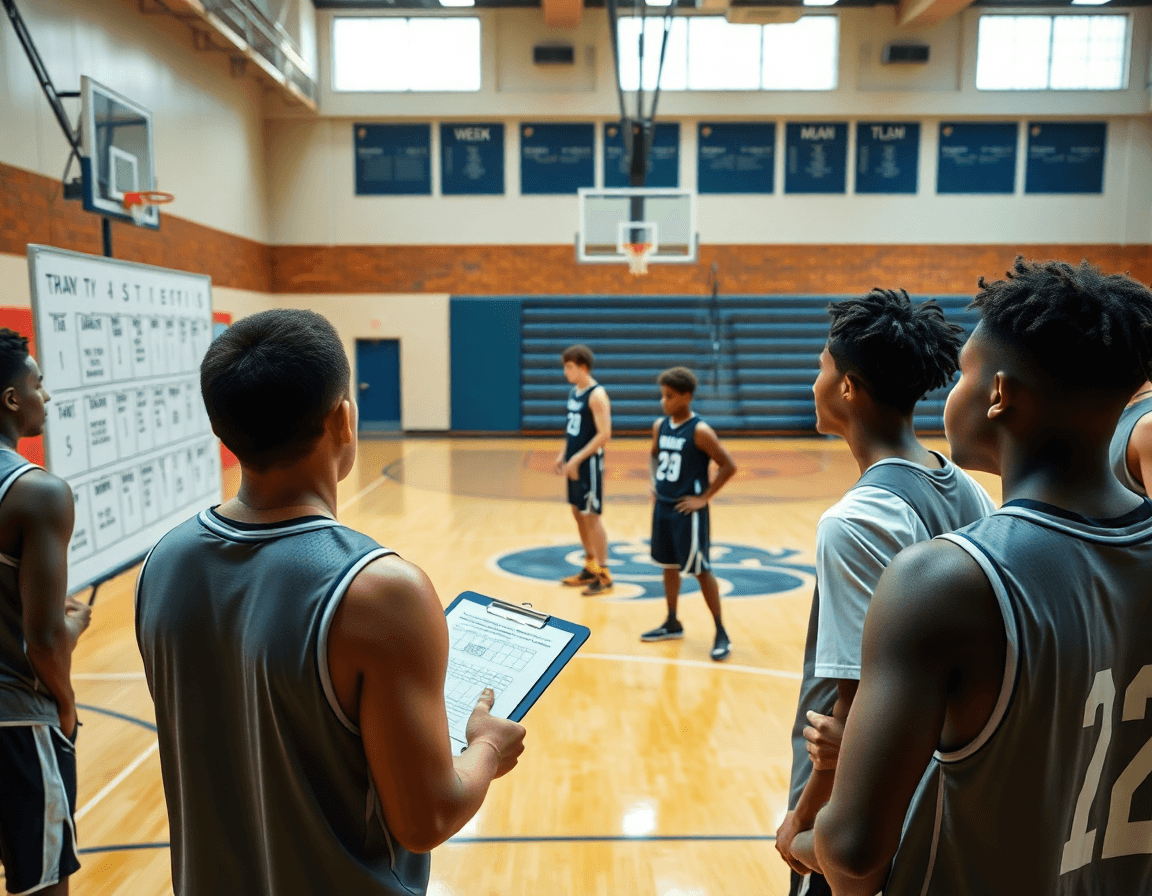
Export, share, and track progress (checklist)
At the end of the week, I lock in the plan for basketball drills for high school tryouts. The weekly plan ties together drill categories—ball handling drills, shooting drills, defensive drills, conditioning for tryouts, plus 1v1 and 3v3 formats—mapping them to a realistic tempo. I export PDF so the staff has a clean, portable document for walkthroughs. Then I share with assistants so everyone is aligned on order, time blocks, and which coach runs which station. The plan lives in the library, but the PDF keeps us honest during shootarounds and early-week walkthroughs.
During practice, the video workflow locks in tight: short video clips from last game or the scrimmage are clipped and organized for quick viewing. I assign these clips via playlists to players and assistants, so everyone sees the same sequence—ball-handling timing, shot reads, or defensive rotations. It’s not about endless film; it’s about targeted feedback that fits into the plan we built in the plan. The clips reinforce learning even when the tempo is fast on the court.
At week’s end, you’ll see what worked and what didn’t. You can monitor progress and adjust as needed as players run the ball-handling, shooting, and defensive sequences you mapped out. CourtSensei surfaces a simple read: who watched which clips, who completed the conditioning blocks, and which groups moved through the plan on schedule. Use that data to tweak next week’s drills—maybe swap in a quicker 1v1 drill for ball pressure or add a 3v3 rotation to sharpen decision-making. It’s not glamorous, but it’s how you stay on track for basketball drills for high school tryouts.
If you build plans like this every week, CourtSensei keeps your drill library, whiteboard, and video clips in one place — try it free.
FAQ
What do coaches look for at basketball tryouts?
During tryouts, coaches are looking for what you can actually do under game pressure. Key areas: ball handling under duress, solid defense with proper stance and rotations, reliable shooting with consistent form under fatigue, and quick, smart decision-making in live sequences. My weekly prep maps drills to reveal these habits, track progress, and flag teachable improvements.
How long should a basketball tryout drill last?
Keep reps clear and movements tight. Aim for 30-60 seconds per station, with 15-30 seconds rest. Full circuits run 5-8 minutes, then a brief break before the next block. This preserves game tempo, yields clean reads and shots, and prevents burnout. If technique slips, shorten the interval or extend rest to maintain quality.
How many weeks before tryouts should I start training?
Start about 4-6 weeks out for focused prep. Use a three-phase plan: Phase 1 fundamentals and conditioning, Phase 2 reads under fatigue, Phase 3 game-speed reps and peaking. Train 4 days a week, with one lighter day for mobility. The progression mirrors tryout demands so you show growth on day one.
Can tryout prep be done at home?
Absolutely. Build a home routine around ball handling ladders, close-range form shooting, and feetwork with cones or tape. Add body-weight conditioning and wall passes to simulate touches. Film your sessions for critique, and if space is tight, split drills into quick, high-intensity blocks followed by 3v3 decision practice.
How should you structure your tryout drill progression?
Use a three-phase progression: Phase 1 fundamentals and conditioning; Phase 2 reads under fatigue; Phase 3 game-speed/peaking for tryouts. Tie drills to milestones, use short video clips for review, and diagram sequences on a whiteboard. Sharing clips with the team keeps everyone aligned and accountable.
What drills should be included in high school tryouts?
Include a core mix: ball-handling circuits (cone work, two-ball drills), shooting (catch-and-shoot and off-the-dribble), reads and decision drills (1v1, 2v2, 3v3), and shell defense with closeouts. Add footwork ladders and conditioning blocks to sustain pace, then finish with a situational scrimmage to test flow and competitiveness.
How can I stand out at high school basketball tryouts?
Stand out with high energy, consistent effort, and a coachable attitude. Communicate on defense, hustle for every ball, and make quick, smart reads. Stay within the system, take good shots, rotate effectively, and show you can handle pressure and adapt. Seek feedback after drills and implement it quickly.