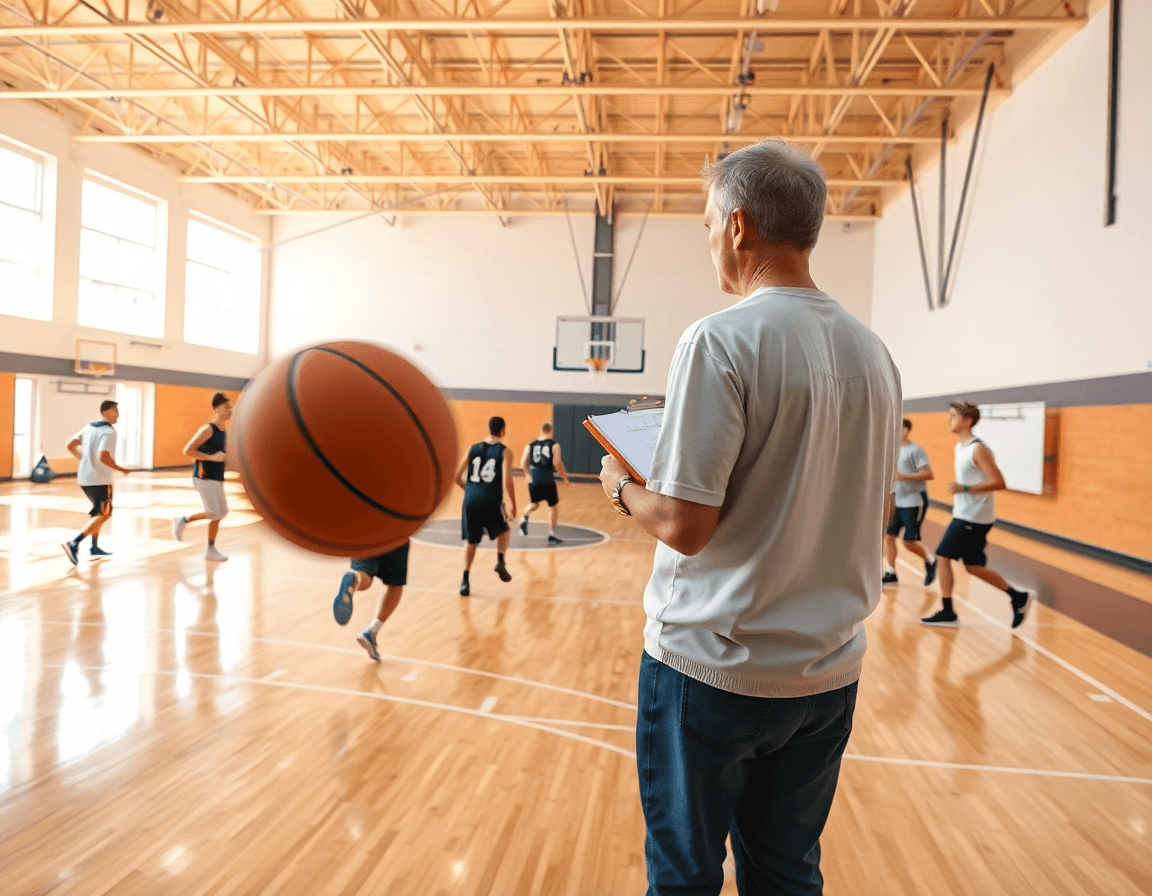
Best Basketball Practice Plan for Workouts
Craft a weekly best basketball practice plan blending skill work, team concepts, and game-like drills. A coach-focused workflow with blocks.

Key takeaways
- Establish a 90-minute cadence as the weekly backbone--warm-up through cooldown--shared as a single source of truth.
- Treat the plan as a single source of truth and share with assistants to ensure alignment across personnel.
- Progressive blocks emphasize ball handling and cone dribbling; set milestones and attach quick video clips to playlists.
- Translate concepts into action with 3-on-3 for spacing then scale to 5-on-5; pair drills with shell-led rotations.
- Link drills to plays by tagging concepts and using paired video and PDFs; follow a structured warm-up–play progression.
Practical Weekly Workflow: A 90-Minute Cadence
A practical weekly rhythm starts with a predictable 90-minute cadence that keeps players fresh and concepts tight: Warm-up, Skill Development, Team Offense, Team Defense, Scrimmage, and Cooldown. You set the pace, and the plan stays in a single place that everyone on the staff can trust. Use this cadence to anchor your week and guarantee that your plan is a reliable path rather than a floating idea.
Treat the plan as a single source of truth and share it with assistants to ensure alignment. When everyone reviews the same document, you reduce miscommunications on-court and keep lineups, timing, and emphasis consistent. Map drills to core team concepts and progressive skill development, so each block builds toward the next—and you can see how today’s ball-handling or cone dribbling work translates into tomorrow’s team offense. The drill library becomes your backbone, maximizing repetition and relevance across weeks.
Incorporate whiteboard diagrams and PDF exports to communicate the plan clearly on-court. A quick sketch before a drill sequence helps players lock in positions and reads, while a clean PDF export lets you share the same plan with substitutes or coordinators during away games. Create a video-review loop by linking clips into playlists aligned with planned blocks for targeted feedback. Short clips tied to the day’s objectives give you a concise, repeatable feedback loop that reinforces progress and keeps the team moving in one direction.
Within this workflow, scouting notes live alongside drills, clips, and playlists in the shared coaching workspace, enabling quick adjustments to the weekly cadence as the season unfolds. The result is a cohesive, coach-centric approach to the best basketball practice plan.
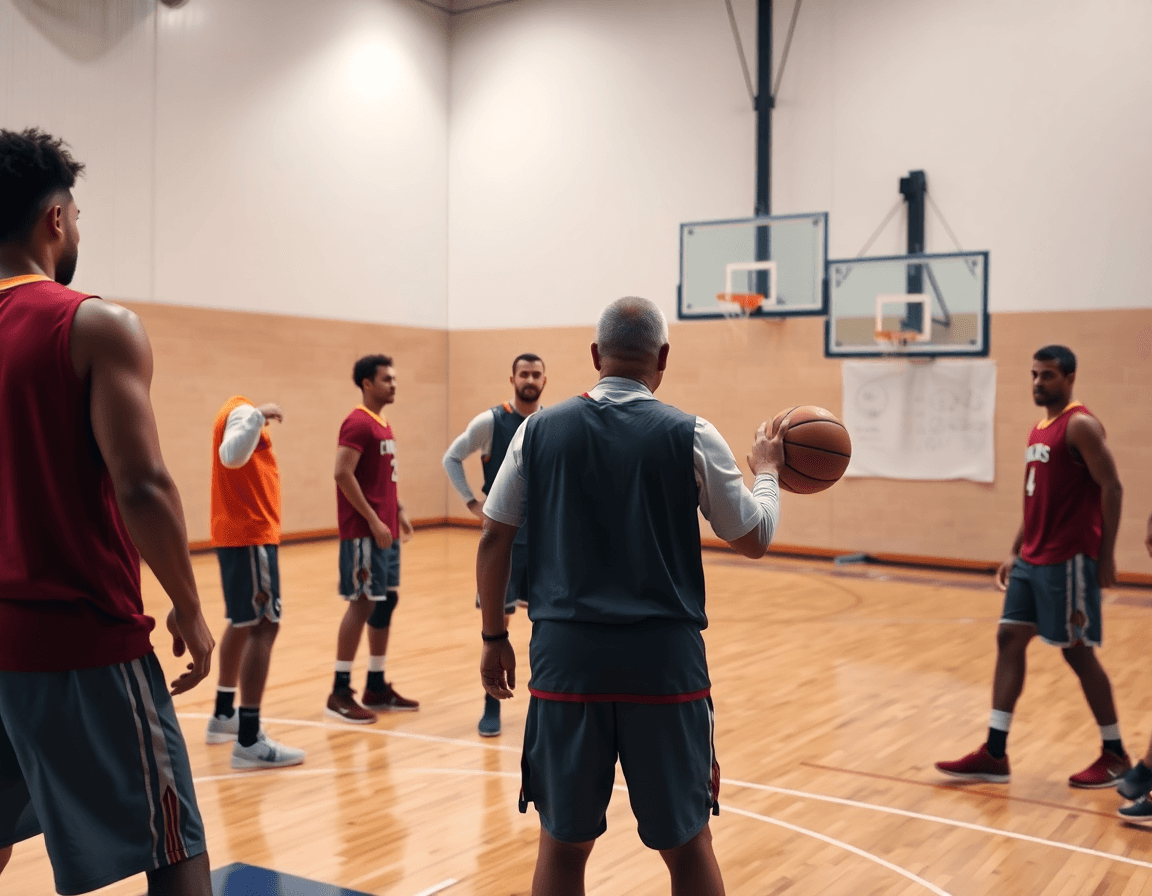
Skill Development: Ball Handling to Shooting Progressions
Kick off skill development with a sharp warm-up and dynamic movement to wake the body. In this block, the emphasis is on ball handling: stance and posture, eyes up, and fingertip control that keeps the ball on a taut, quiet dribble. Introduce progressive dribbling challenges that ramp up pressure without breaking form—low and high dribbles, between-the-legs, and read-and-react spins. Use cone dribbling variations to build rhythm and decision speed, weaving through cones with a defender’s stance in mind. The goal is clean catches, confident finishes, and a ready view of the court for the next action.
Move into shooting progression: start with form shooting as a confidence-builder, then spots from defined spots, and finally game-shot attempts under light pressure. Use milestones: a target number of reps, a shooting percentage goal, and a controlled finish. This is where shooting progression comes into play—clear steps that map to your plan’s time block. Tie these drills to spacing and decision-making in transition: a quick drive and kick, a catch-and-shoot from the wing, and a reverse-angle shot after a dribble hesitation. Pair these drills with adjacent group drills to sustain tempo and keep players engaged.
Finally, align with the weekly workflow: after this block, drop a concise video clip into the plan and organize it into playlists for different roles. Link drills to larger concepts like spacing and transition decision-making, so every rep mirrors on-court needs. Keep a compact scouting notes section attached to the drill library, so coaches can quickly reference tendencies during game prep. This approach fits neatly into a shared coaching workspace, and enables easy export of PDFs for fast communication with staff.
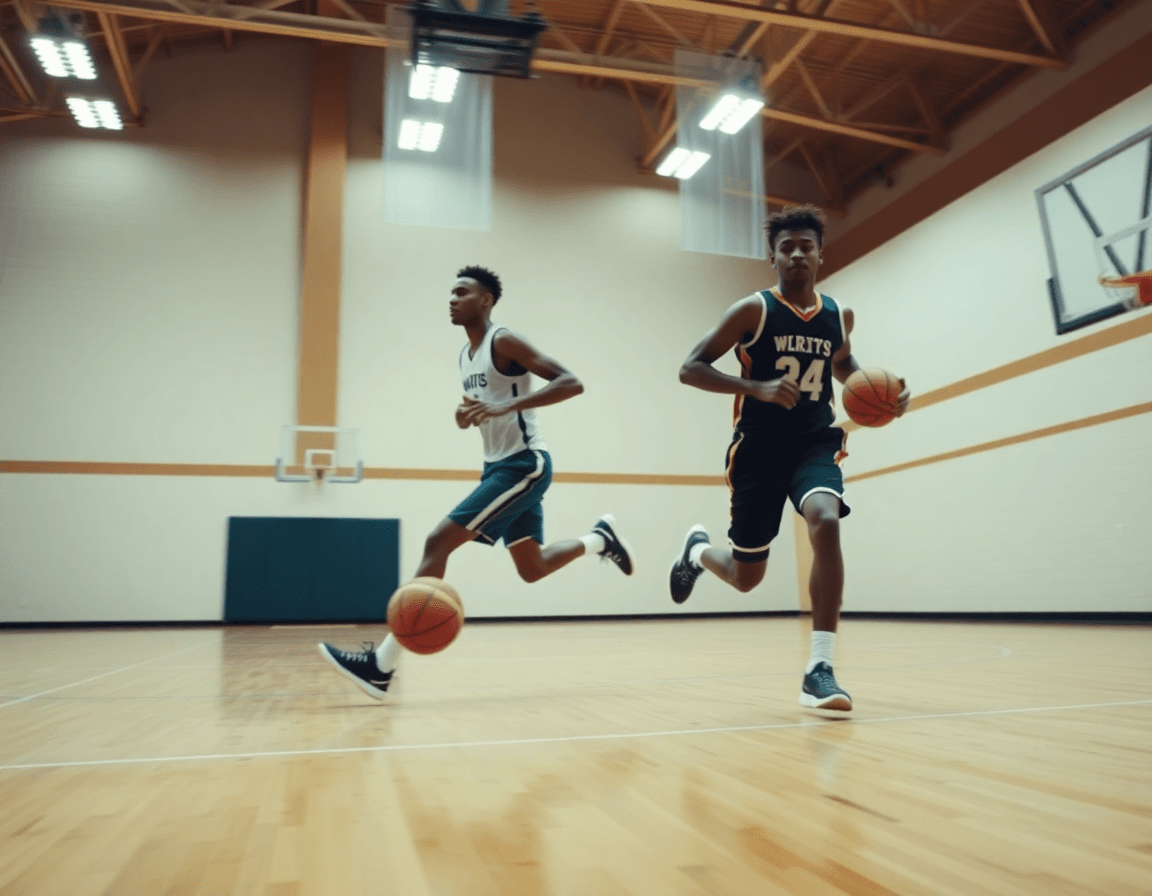
Team Concepts: Offense, Defense, and Small-Sided Progressions
Kick off the weekly plan by translating team concepts into actions players can feel on the floor. Begin with 3-on-3 to teach spacing, decision-making, and tempo before scaling to 5-on-5. In your drill library, pull reps that map directly to the offensive concepts you want to install, then pair them with a focused warm-up and dynamic movement to wake up feet and hands (ball handling, cone dribbling). This keeps practice tight and concept-driven, so every rep has a purpose instead of drifting into drill-for-drill mode.
Next, run Shell drills to develop defensive rotations and communication. The shell creates rhythm for how players slide, call out angles, and recover to shooters. Progress from 5-on-0 walkthroughs to live 5-on-5 to reinforce concepts in a game-like context, then thread in quick offensive sets and transitions to build a realistic practice flow. Keep emphasis on transition timing and rotation reads as you move through the reps.
During scrimmages, keep the dialogue constant—coaches cue, players adjust, and adjustments flow with the tempo. This is where you link drills to team concepts and tie the day into your playbook workflow: export PDFs of the sequences, organize video playlists for each concept, and drop scouting notes into the shared coaching workspace. The result is a coach-centric rhythm that cycles from warm-up through shooting progression and form shooting, always circling back to offense, defense, and small-sided progressions within one plan.
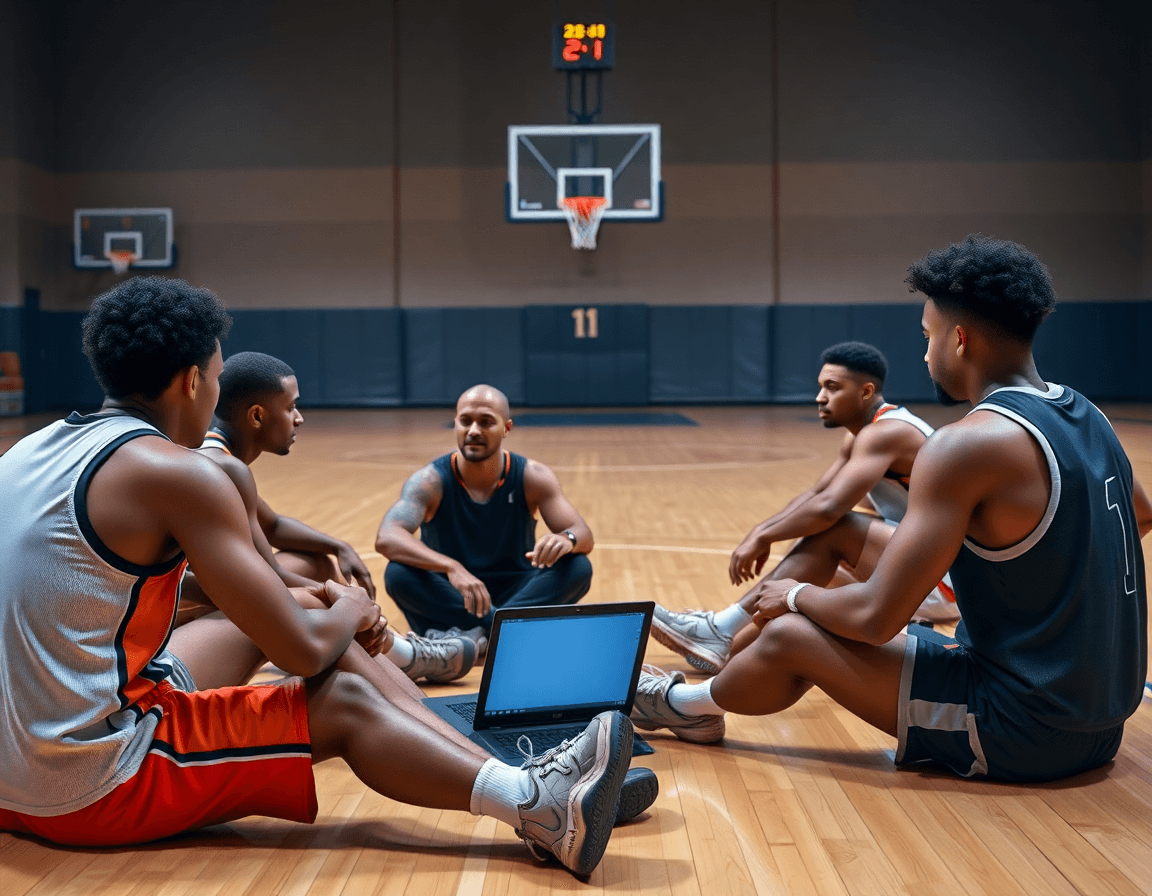
Link Drills to Plays: Building a Simple Playbook
Design drills that mirror actions in your play concepts to reinforce execution under pressure. For example, a 3-on-3 progression can mirror a ball-screen action, then transition into a 5-on-5 flow you expect on game night. Use a shell drill to lock in spacing and reactive decision-making on cuts and ball reversals. In your drill library, tag each drill with the linked concepts—ball-screen reads, flare actions, or kick-out sequences—so you can assemble a tight, teachable play sequence fast. A concise video clip paired with a PDF diagram makes the on-court teaching crystal clear.
Take a structured progression to translate drills into gameplay scenarios. Start with a warm-up and dynamic movement to prime footwork, then move into ball handling and cone dribbling before the Pound Pass Drill and Slip Pass Drill to sharpen passing windows. Progress from 3-on-3 to 5-on-5 reps that replicate the exact reads you want from your plays. This builds repetition in a controlled setting and reduces the cognitive load when the game tempo rises.
Keep a concise set of plays that you can teach, practice, and recall under game-like conditions. Document each play with clear diagrams or PDFs to support on-court teaching and clipboard use. Link plays to your drill library so the same actions appear in both practice and scouting notes within your shared coaching workspace. This workflow—play diagrams, linked drills, and organized video playlists—forms the backbone of a true best basketball practice plan.
Video-Driven Feedback: Clips, Playlists, and Reviews
Video review becomes a repeatable feedback loop in your weekly plan. You capture key moments from warm-up, dynamic movement, ball handling, cone dribbling, pound pass drill, slip pass drill, form shooting, and shooting progression. Then you organize them into topic-specific playlists aligned with your blocks. By linking clips to the time-blocked plan, you can pull up relevant video review during drills or in post-practice discussions with the squad. This keeps the focus on team concepts rather than isolated plays, and it makes the footage actionable for future sessions.
After practice, use clips for targeted feedback during post-practice reviews. Point to a clip of a drive-and-kick in a scrimmage to illustrate decision-making, or a form-shooting sequence that needs rhythm. Provide actionable cues tied to each drill and to game-situational outcomes (for example, what to read off a ball screen during a scrimmage). Keep the feedback concise—the playlist viewer is your classroom. You can drop quick notes into the shared coaching workspace so players see the exact cue next time they run the cone dribbling or the pound pass drill.
Leverage clip-based feedback to guide future drill selection and progression within the playbook workflow. If a subset of players shows improvement in ball handling under pressure after the cone dribbling and pound pass drills, slot that progression earlier in the next week’s plan and emphasize corresponding scrimmage reps. The clips and notes live in your shared coaching workspace, where you can attach actionable cues to each drill and export a PDF of the week’s plan for staff.
Opponent Scouting and Weekly Adjustments
Opponent scouting informs the weekly plan. You start by distilling scouting notes into a time-blocked schedule, then map them to the drill library. Each drill links to a team concept, so defenders understand why they’re guarding a specific action and the offense knows what to attack. The week begins with a warm-up and dynamic movement, then ball handling and cone dribbling, followed by form shooting and a shooting progression. Use the PDF export to share the plan with staff, and keep plan sharing enabled so assistants can prep scouting-facing material.
From there, translate scouting findings into practice actions: adjust defensive rotations and offensive priorities based on what was seen in scouting notes. If an opponent leans into ball screens, emphasize hedging and quick recoveries; if they exploit weak-side shooters, tailor drill reps to space and decision-making in that area. Tie these adjustments to the playbook workflow and the shared coaching workspace, so every session builds toward the weekly goal while retaining clear links to drills and videos in your playlists.
Keep the plan sharing steady so assistants can prepare scouting-facing material and recommendations. Use scouting notes within the shared coaching workspace to attach context to each drill and session. Maintain a consistent framework to translate insights into practice-level actions: connect notes to specific blocks in the time plan, attach video playlists for quick clips, and export a final weekly plan that supports efficient Saturday walk-throughs.
FAQ
What is a basketball practice plan?
A basketball practice plan is a time-structured guide for the week that keeps concepts tight. It follows a predictable cadence: Warm-up, Skill Development, Team Offense, Team Defense, Scrimmage, and Cooldown. It’s a single source of truth your staff can trust, built from a growing drill library and a linked video workflow to align on-court actions.
What are the essential elements of a basketball practice plan?
The essential elements are a predictable cadence, a drill library mapped to core team concepts, a progression from individual to team actions, a video loop for targeted feedback, scouting notes, PDF exports for sharing, and a shared coaching workspace for alignment.
How long should a basketball practice last?
A practical duration is about 90 minutes, though you adapt for age and goals. Structure the time into clear blocks—Warm-up, Skill Development, Team Offense, Team Defense, Scrimmage, and Cooldown. Keeping the plan as a single source of truth helps ensure a consistent cadence across staff.
How do you structure your practice for youth?
Structure for youth starts with a clear weekly cadence and a focus on fundamentals. In Skill Development, drive with progressive drills; then move to team concepts. Use youth-friendly formats like 3-on-3 before 5-on-5, and keep everyone aligned via a shared coaching workspace. Tie drills to play concepts and use video playlists for quick feedback.
What drills should be included in a basketball practice?
Include a ramped warm-up, a ball handling progression, a shooting progression, cone dribbling for rhythm, and spacing/transition work. Add 3-on-3 and shell drills to teach decision-making before a full 5-on-5 scrimmage. Tie drills to play concepts and export PDFs or build video playlists for review.
How do you balance offense and defense in practice?
Use a cadence that alternates offensive and defensive blocks. Start with 3-on-3 or shell drills to build defensive rotations and communication, then progress to 5-on-5 to simulate game flow. Emphasize transitions and reads, tie each block to play concepts, and reinforce with PDFs and video playlists.
How can video review improve practice planning?
Video review helps tighten planning by linking clips to the day’s blocks in focused playlists. Attach scouting notes to the plan and export PDFs for staff sharing. Short clips tied to daily objectives provide concise feedback that reinforces progress and keeps the team aligned in the same workspace.