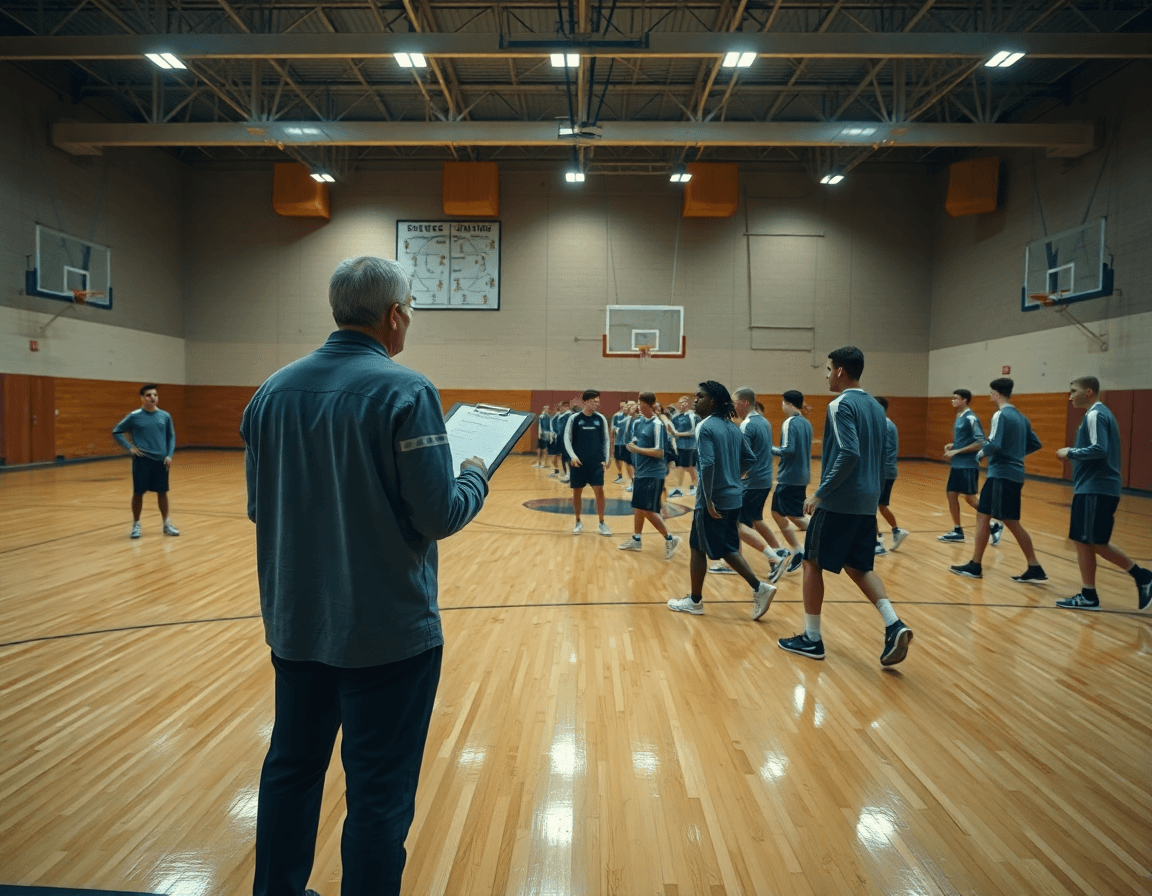
Basketball Practice Plan: Weekly Coach Workflow
Coach-focused guide to a weekly basketball practice plan—from warm-up to cooldown—integrating drills, team concepts, and video review with planning, whiteboard, and playlists.

Key takeaways
- Set up a 90-minute block schedule as your weekly backbone, with a single source of truth, shared by assistants.
- Create Plans to tailor, share via link or PDF, and keep sessions deliberate rather than improvised.
- Incorporate drills from your library and map each drill to team concepts to reinforce game-ready habits.
- Use Whiteboard diagrams, export PDFs, and link diagrams to drills to ensure alignment and execution.
- Turn opponent scouting into targeted weekly objectives and practical practice plan adjustments.
Workflow-driven weekly practice plan (90-minute blocks)
Set your weekly basketball practice plan around a 90-minute block schedule: Warm-up (10), Skill Development (20–25), Team Offense (20–25), Team Defense (15–20), Scrimmage/Competition (10), and Cooldown/Wrap (5). This cadence helps players lock into routines and keeps coaches focused. Translate blocks into a cohesive plan using a single source of truth that assistants can access and annotate. When you start from this framework, every session feels deliberate rather than improvised.
As you build the week, use the Plans feature to create, customize, and share the basketball practice plan with assistants and players via a link or PDF export.
Incorporate drills from your library and map each drill to team concepts (offense/defense) to reinforce game-ready habits. For the block, a typical Skill Development sequence might start with a warm-up focusing on dynamic movement, then ball handling and passing, then finishing with shooting drills and form shooting. This keeps the flow tight and lets you chase the exact reps your squad needs.
During Team Offense and Team Defense, the Whiteboard lets you diagram moves and actions and export to PDF to share a clean plan with staff. A quick sketch of a set, labeled actions, and a printable take-away can make the week’s work feel tangible for everyone in the gym.
Turn your film into learning: clips, playlists, and feedback
After a game or practice, I turn film into learning by pulling concise video clips that capture the moments we need to fix this week. I look for key sequences—drives, ball-handling under pressure, and defensive rotations—and tag them for quick reference later. In the basketball practice plan I’m building for the week, these clips live under the relevant blocks so the staff can reference a concrete moment during on-court work. A drive that ends with a kick-out becomes a teaching moment in our early offense block; a misstep in rotating to cover a backside trailer becomes a correction in transition defense. This is where film turns into immediate instruction on the floor.
Create player- or team-specific playlists to deliver focused feedback and reinforce decisions shown in clips. A guard-focused playlist can emphasize control in ball handling and decision-making under pressure; a post player playlist can pair feed reads with finishing drills. The idea is to map video to drills—dribbling, passing, shooting drills, form shooting, spot shooting—so players understand the why behind each choice. When a clip shows hesitation in a pick-and-roll read, the playlist lines up a sequence of drills that target that exact decision and builds confidence on game day.
Sharing is how film becomes accountability. I send shareable links to players and staff, and use CourtSensei to track who watches what. This keeps film from being a one-and-done moment and turns it into a resource players revisit in the locker room, during warm-ups, or between sessions. It’s not about the highlight reel; it’s about ensuring the material drives real improvement and informed choices at practice and in games.
Finally, I attach relevant clips to your practice plan blocks to show concrete examples during instruction. Before a shooting drill, I pull a form shooting clip to illustrate mechanics; during a ball-handling segment, a quick crossover clip helps demonstrate decision-making under pressure. The flow—clips, playlists, sharing, and plan blocks—keeps the weekly routine tight and coach-driven.
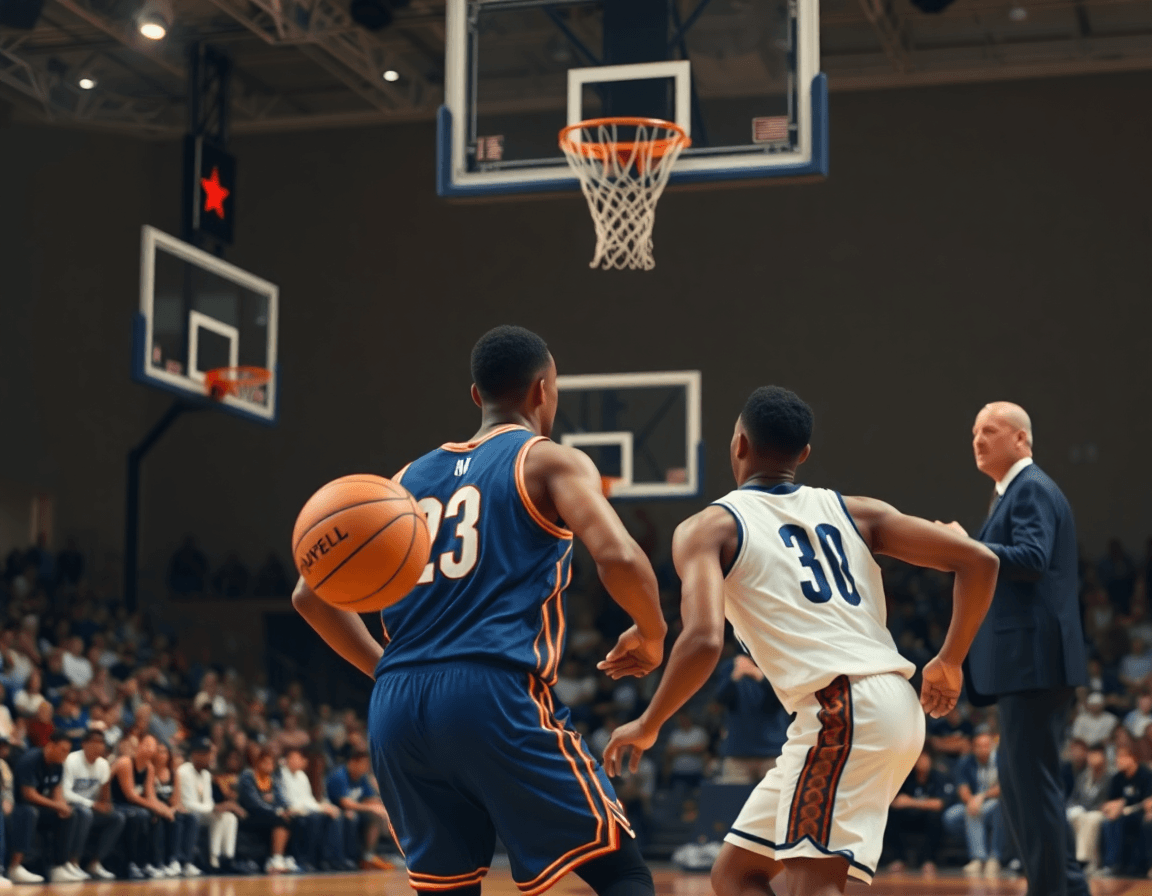
Whiteboard plays for on-court execution: diagramming and exporting
On a typical weekly basketball practice plan, I rely on the whiteboard to sketch motion actions for BLOB/SLOB/ATO/PnR. During warm-ups and early drills, the diagrams give players a quick visual of spacing, cuts, and read reactions, from dynamic movement to ball handling. I annotate with arrows for ball flow, screen timing, and defender angles, keeping the pace practical and directly tied to what we’ll execute on the floor.
Once a diagram set is solid, I use the export to PDF to embed in the practice plan or distribute to staff and players for review. The PDF becomes a reference you can pull up in the huddle, during breakdown, or in team film sessions, so everyone stays aligned on assignments and timing across drills and scrimmage reps.
Link each diagram to its corresponding drill in your plan so every concept has a practical drill. In practice, I connect the on-court sequence from the whiteboard to a warm-up progression, then to ball-handling and passing drills, finishing with spacing and shooting pockets. When players see the flow mapped to a drill app, learning accelerates.
Use color-coding and clear labels to accelerate learning and on-court execution during practice. I assign red paths for ball handlers and strong-angled cuts, blue for spacing and space-related actions, and green for finishing moves. Clear labels like "Screen" or "Weak-Side Flash" cut down reaction time and help players execute without hesitation.
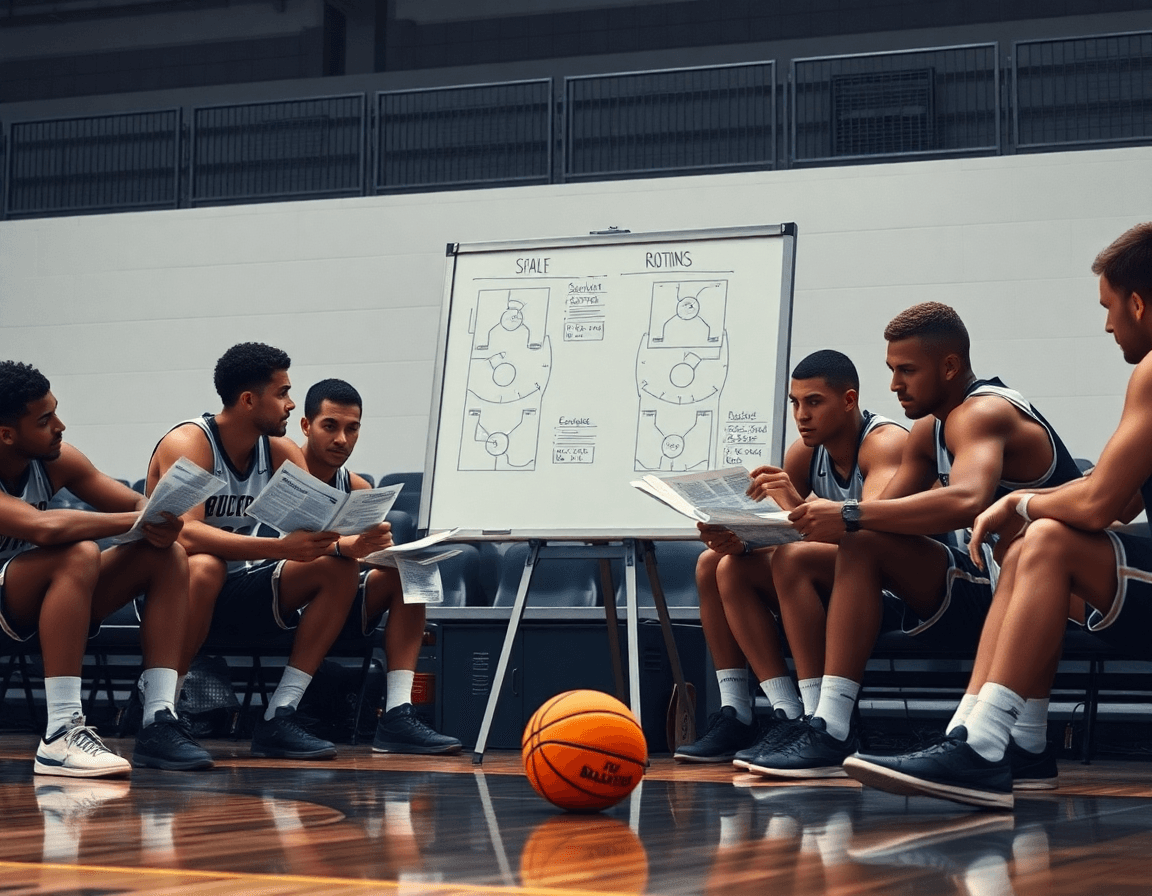
Opponent scouting reports shape practice design
On Monday I start with the latest scouting reports and translate them into actionable targets. The focus is on opponent tendencies—what they do in late-clock situations, how they defend ball screens, where their help comes from. Those insights set the week’s objectives and steer our warm-up and dynamic movement toward exploiting weaknesses and neutralizing their strengths.
With those targets in mind, I drop in scout-driven plays into the weekly plan. Using Plans, I craft the weekly layout and share it with assistants so everyone’s on the same page. In the Whiteboard I diagram BLOB/SLOB/ATO/PnR to mirror how we’ll attack the tendencies, and I export a PDF for the staff huddle. This keeps our on-court actions aligned with the game plan before we hit the floor.
I document opponent tendencies in a concise briefing for assistants and players, tying in a few targeted adjustments and a couple of scout plays for quick reference. I pull clips into a Playlist so players can study the specific sequences they’ll face, then reference the notes in the plan during film time or pre-practice talks. The goal is immediate clarity: a clear path from scouting to practice labels (warm-up, dynamic movement, ball handling, passing, shooting drills) to on-court execution.
Finally, I revise the game plan weekly to reflect updated scouting updates and keep the plan relevant. I tweak the warm-up and drill selections, adjust the Whiteboard diagrams, and re-export the PDF for the staff. The loop stays tight: scouting informs practice design, practice drives improvement, and the weekly cadence keeps us ahead of every opponent.
Practical workflow step: Sunday to Saturday—a coach’s 7-step weekly routine
Sunday kicks off with a hard look at the opponent scouting and last week’s results. I pull the scouting reports, note tendencies, and mark what we must defend or force in transition. With the workflow in mind, I map those insights into our defensive and transition aims and pull a few video clips for quick review with the staff. This is where Scouting Reports + Scout Plays really prove their value for a clean, draft-ready plan.
Next, I define the weekly team goals—defense, offense, and transition—so every drill serves a purpose. We talk through how we’ll close out possessions, push pace, and improve spacing. The planning isn’t abstract; it becomes a checklist I’ll translate into practice blocks for the week.
From there I select 4–6 core drills that map to those goals. Think dynamic warm-up, focused ball handling and passing stations, and shooting progressions that include form shooting and spot shooting. Each drill links to a weekly objective, so the workout stays tight and purposeful, not a carousel of random tasks.
Then I build the practice plan with clear block timings and transitions. I outline a 90-minute window, with a starter warm-up, a middle third on the core skills, and a finishing segment that ties into our weekly plays. Plans to create and share these blocks keep everyone aligned and ready to roll.
I prepare whiteboard diagrams for the week’s key plays, diagramming BLOB/SLOB/ATO/PnR and exporting PDFs for the staff huddle. A quick rehearsal on the whiteboard reduces confusion on court and speeds up implementation.
I assemble video clips and playlists to reinforce learning, tagging clips to the drills and plays we’ll run. Short, targeted clips become the quick reference players get in their playlists—easy to access and easy to review during video review sessions.
Finally, I assign roles to assistants and confirm all materials are accessible before practice. Shared links, printable PDFs, and the draft plan sit in a ready state so we don’t waste precious warm-up time hunting for assets. This last step closes the loop on preparation.
Templates and customization for different levels
Every basketball practice plan starts with a foundation. I kick off the week with a base practice template that runs 60–90 minutes, then tailor block lengths for youth versus varsity. Shorter blocks keep younger minds engaged; longer segments let varsity teams work through reads and spacing. This approach makes the week predictable and adaptable, which is crucial when travel and games tighten the schedule.
Customization is the backbone. I apply customization to tailor drills and concepts based on players’ current skill level and our team system. For youth, we lean into fundamentals—ball handling, passing, and shooting drills with emphasis on form shooting and spot shooting. For varsity, we add decision points, spacing, and more advanced reads. The result is a plan that fits the players, not a one-size-fits-all workout.
Workflow in a typical week: in the plan, I pull together the Plays for the week and share with assistants. On the Whiteboard, I diagram BLOB/SLOB/ATO/PnR and export to PDF for the staff. After practice, I clip a short video and build a Playlist players can access on their devices. Scouting Reports feed into Scout Plays to prep for opponents, and progress tracking helps me measure improvement across the season.
Templates become living tools. Save your customized templates for repeated use each week and tweak based on feedback. This iterative loop—plan, diagram, clip, review—keeps the basketball practice plan aligned with the season, and it helps you demonstrate progress to the staff and players alike.
If you build plans like this every week, CourtSensei keeps your drill library, whiteboard, and video clips in one place — try it free.
FAQ
What is a basketball practice plan?
A basketball practice plan is a structured roadmap for a session or week that aligns drills, pacing, and game goals. It follows a predictable cadence—warm-up, skill development, team offense, team defense, scrimmage, cooldown—so players build game-ready habits. It also functions as a single source of truth that coaches and assistants can access and annotate, keeping sessions deliberate rather than improvisational.
What are the essential elements of a basketball practice plan?
The essential elements include clear weekly objectives, a consistent cadence, and templates for on-court work and review. Use a 90-minute block cadence: warm-up, skill work, team offense, team defense, scrimmage, cooldown, plus notes on rotations and progress. Tie clips and feedback to each block so learning sticks and players see the real link between drills and game play.
How long should a basketball practice last?
Most teams run 60–90 minutes per session, with 90-minute blocks ideal for building mechanics and game intention. Youth programs often start around 60 minutes and gradually lengthen. Use a timer to keep each segment honest—warm-up, skill work, team concepts, and scrimmage—so players stay engaged and coaches stay focused.
How do you structure a basketball practice for youth?
For youth players, structure shorter blocks (15–20 minutes) with high reps and clear progressions. Prioritize fun, fundamentals, and simple cues. Use age-appropriate drills that cover ball handling and shooting, then mix in light competition. Keep transitions quick and provide frequent breaks to maintain energy and focus.
What drills should be included in a basketball practice?
Include a mix of ball-handling and passing drills, shooting progressions, finishing at the rim, and defense footwork with stance and closeouts. Add rebounding and transition work to connect concepts. Map each drill to a team concept (offense or defense) so reps reinforce game actions and decision-making.
How do you balance offense and defense in practice?
Balance by alternating blocks for offense and defense, ensuring equal reps and clear flow between concepts. Integrate both into drills (e.g., offensive sets with defensive rotations) and use scouting insights to target weaknesses. End with a controlled scrimmage to apply patterns under game-like pressure and reinforce learning.