Basketball Plays Offense: Weekly Planning for Coaches
A coach-focused weekly workflow to design and deploy basketball plays offense with planning, whiteboard diagrams, video clips, and scouting tools for your team.

Key takeaways
- Adopt a weekly planning cycle: pull plays, assign days, and link reads to opposition tendencies.
- Install day emphasizes motion offense and reads with live reps; diagram BLOB/SLOB/ATO/PnR on whiteboard.
- Video-driven refinement uses video clips paired with scouting reports to target decision points and adjust the plan.
- Build a call-sheet with consistent nomenclature; map XOX and Y-cut language to single, repeatable cues.
- Leverage a library of diagrams; pull pre-built sets and tailor on the fly.
Weekly offense planning framework for coaches
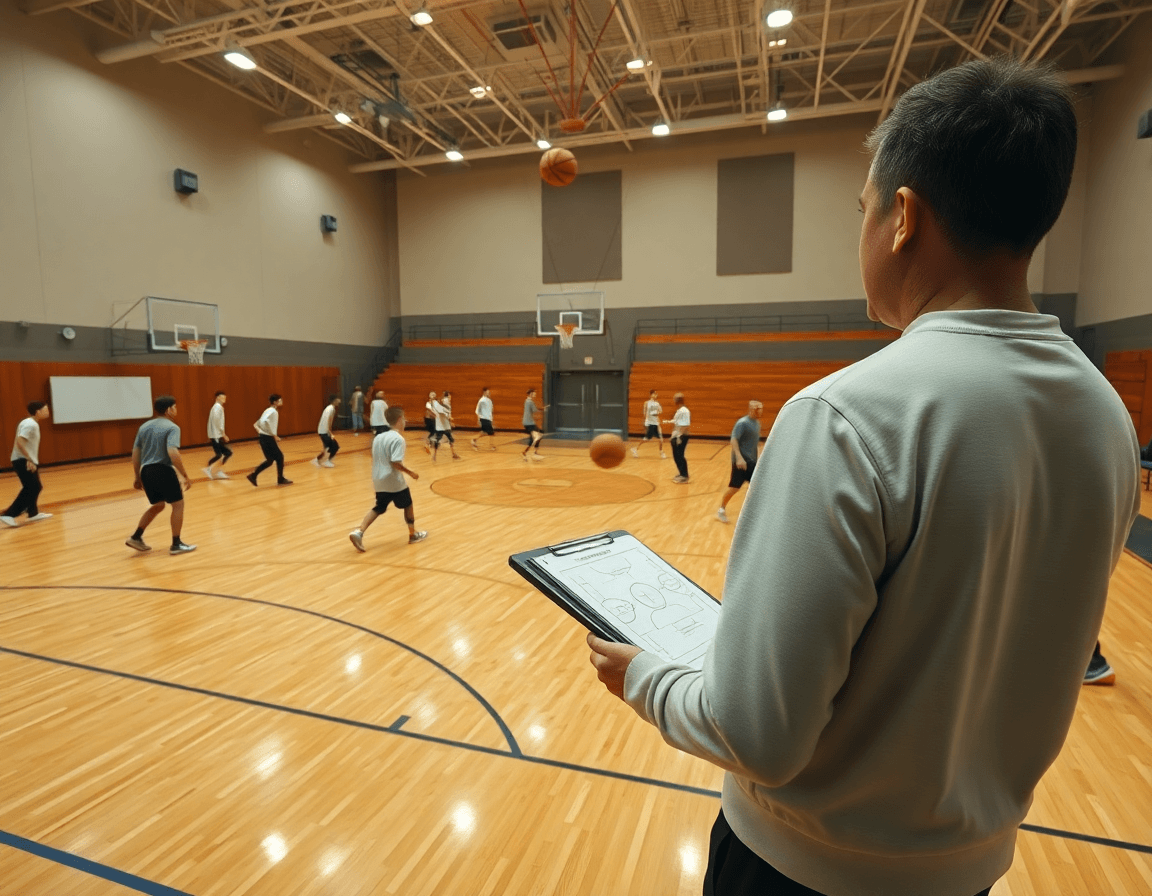
Monday starts the weekly planning cycle for offense. Pull plays from your library—half-court sets, box, horns, plus a few motion concepts—that fit your personnel. In CourtSensei, drop them into the plan builder, assign days, and link reads and spacing to opponent tendencies from scouting notes. The result is a clear install your staff and players can follow all week.
Tuesday is for the install: run the plays against different looks, emphasizing the motion offense and solid reads and spacing. Use the whiteboard to diagram BLOB/SLOB/ATO/PnR, then run live reps. Focus on dribble handoffs, backdoor cuts, and continuity ball screens. Tie repetition to the plan so actions are practiced with specific defenders in mind.
Wednesday turns to video clip-driven refinement. Pull a short clip from recent minutes that shows installed actions—how spacing shifts with zone looks or a PnR switch. Pair it with scouting reports to highlight opponent tendencies and reads. Use the clip to coach decision points and adjust the offense plan for the rest of the week.
Thursday wraps with a final tune-up. Update scouting notes, finalize the practice plan, and create shareable clip playlists for players to study. The aim is crisp installation, clean execution, and a path for iteration next week.
Installing plays with a whiteboard and diagrams
Installing plays with a whiteboard and diagrams
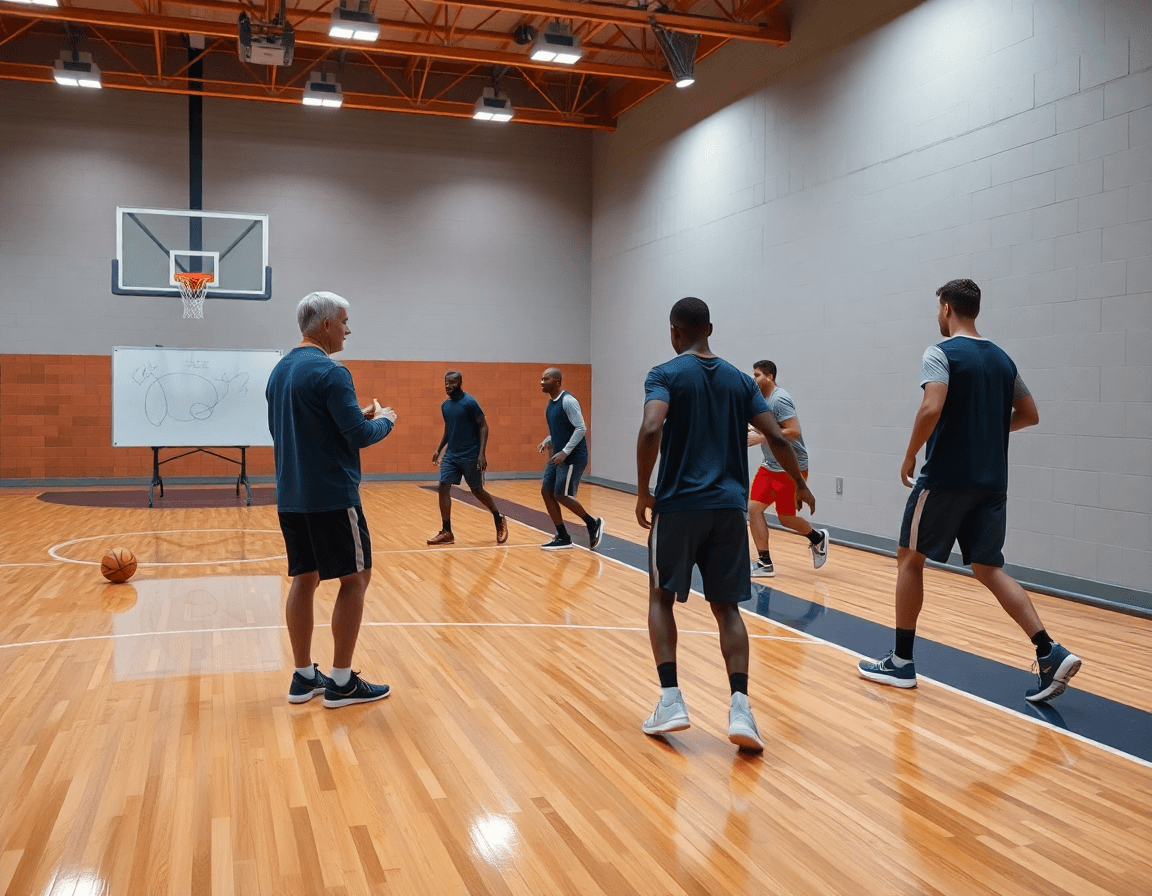
You start the week by pulling up the whiteboard in CourtSensei and drawing a clean PnR at the top, with the ball-handler reading the screen and the roller slipping to the rim. Add an off-ball action—like a backdoor cut or a curl into the action—and label the lines so the route is obvious to every player. When the diagram is locked, export it to a PDF for assistants or for the clip library to pair with the drill. That PDF becomes a quick reference during practice and a crisp install sheet for the next scout or substitute.
Develop a consistent call-sheet nomenclature so everyone on the floor is reading from the same page. Think in terms of XOX and Y-cut language rather than coach-specific shorthand. For example, “X1 ball-screen at the top, O1 uses a dribble handoff into a pick-and-roll” gives you a single, repeatable cue. This saves time during timeouts and transitions and keeps the team in rhythm as you move through different offense sets.
Store diagrams in a sharable library built into the plan. When you’re addressing half-court offense sets, motion offense, or zone offense, you’ll want to pull up a pre-built diagram and tailor it on the fly. A quick drag-and-drop of a ball screen, a dribble handoff, or a backdoor cut keeps the practice moving and ensures your players and assistants are aligned with the weekly cycle.
Using video clips to teach, rehearse, and adjust plays
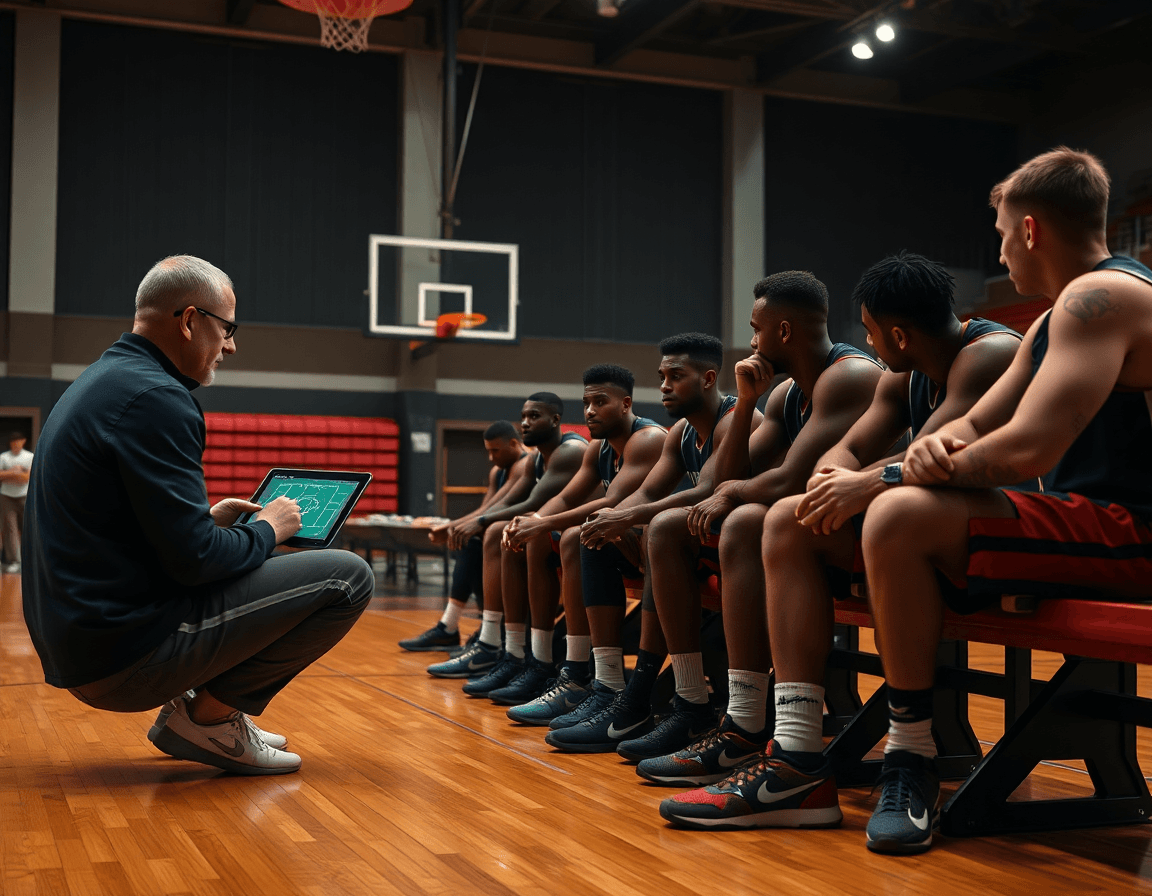
Video clips are the engine for teaching, rehearsing, and adjusting plays in a weekly cycle. In CourtSensei, I clip and categorize game footage by play type—set plays, motion, flex—so we can quickly pull up a framework for review. We map clips to common concepts like half-court offense sets, motion offense, and zone offense, making it easy to compare how our actions play out against different defenses. This is where the real work happens: the team watches and the plan becomes a teachable moment, not a bonus highlight reel. This is our go-to for play review.
Provide players with personalized playlists highlighting role-specific reads and spacing. Each player gets a curated collection that translates offense concepts into their own responsibilities—a wing reading a backdoor cut versus a strong-side pass, a big finding the right spacing in a continuity ball screen, or a guard reading a dribble handoff into a quick decision. Using playlists helps players internalize reads and timing before they step onto the floor, and it gives us a clear path for individual improvement without stalling team practice. It’s not just clips; it’s a learning map tied to our weekly goals.
Use clips to reinforce timing, spacing, and defender reactions during drills. For example, during a shell drill focused on a turnover-prone dribble handoff sequence, I pull clips showing how timing changes when a defender cheats up, and we pause to map the exact spacing on the whiteboard. Then we run the drill with those adjustments in mind, iterating on offense concepts until the action feels second nature. The workflow—clip review in the plan, diagrams on the board, and quick video resets mid-practice—keeps our offense sharp and adaptable, from pick and roll to backdoor cuts and beyond.
Scouting and game prep: tailoring plays to opponents
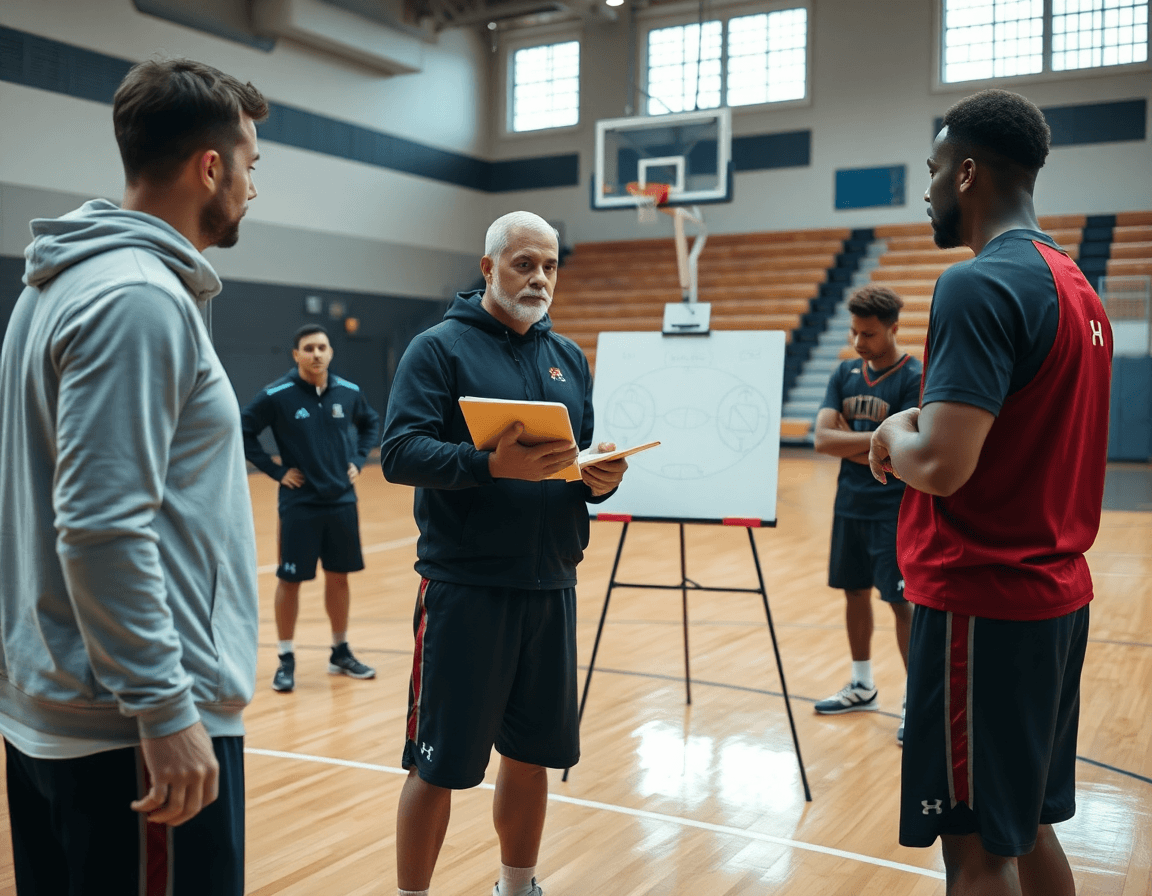
Each week starts with a clear read on the opponent. I pull our scouting reports and highlight opponent tendencies—how they defend ball screens, where they rotate after a drive, and which players drift into gaps late in the clock. Those notes frame our basketball plays offense for the week. In the planning cycle, we translate those insights into a scout-informed plan that ties into our practice schedule. On the whiteboard, I diagram the critical sets and adjustments, and I attach a short video clip that shows the defense in action so players see the read before they run it.
With those insights, we tailor scout-specific plays and counter-sets for anticipated coverages. If they jump into a hard trap after ball screens, we install counter-plays built from our half-court offense sets and motion offense that reverse pressure and create clean looks. Against a zone offense, we script specific entries and pace the action with a few dribble handoffs and backdoor cuts. Each plan item is labeled as counter-plays in the playbook, and the accompanying video helps the staff teach the read.
During practice, those findings become the backbone of the session. We hook the plan into the weekly practice plan and assign player roles that reflect the expected rotations—who initiates the pick-and-roll, who keys the backside cut, who slips for the backdoor. After reps, I export a short video clip and share a clip playlist with the squad for review. The workflow—scouting findings → practice plan → whiteboard diagram → video clip—lets us iterate on basketball plays offense each week and stay sharp against the next opponent.
Simple, repeatable concepts for youth and high school
Simple, repeatable concepts win at the youth and HS levels. In your weekly plan, lock in 2-3 core plays and build the rest around spacing, reads, and timing. Use CourtSensei to store the plays in your practice plans, diagram the actions on the whiteboard (BLOB/SLOB/ATO), and script a quick drill for each read. Then record a short video clip that shows the first option and the primary counter. Share the clip playlists with the team for review before the next session.
Motion offense concepts help players learn reads and spacing without overloading them with options. Start with a basic motion sequence, then move into 5-out offense or 4-out offense as personnel allow. Include options like dribble handoff, backdoor cut, and continuity ball screen to keep players reading the defense. Use scouting notes to decide when to lean into motion concepts versus tighter sets. A quick weekly check-in on the whiteboard keeps actions aligned with what you saw in film and scouting.
Install simple sets first—horns offense and box-set give you easy entry points for early offense and early reads. Each install gets a day in the plan, paired with a short clip showing a clean entry and a simple read. Track progress in scouting notes and prune or add actions based on who’s on the floor. As players improve, layer in more actions from those sets or blend in pick-and-roll options. The goal is a reliable, repeatable framework you can tweak in the next cycle.
Zone offense concepts add another layer for matchup-specific runs and situational adjustments. Use scout reports to determine where to attack a zone and how to adjust spacing for gaps. Build a dedicated zone attack playlist that highlights backdoor cuts and quick ball reversals, then rehearse it in practice. The weekly loop—plan, diagram, clip, assign, evaluate—keeps your offense fresh while staying grounded in simple, repeatable principles.
Practical workflow: Step-by-step weekly routine
Day 1: Review last week’s film and notes; identify 2 priority plays. In my weekly workflow, offense review starts with the scouting notes and a quick staff read of outcomes. We pick two plays that fit our personnel and the opponent’s tendencies—one from our motion/half-court offense and one that counters their pressure. I jot quick cues for reads and counters so the staff and players know what to watch for in Day 2.
Day 2: Diagram and install those plays in your practice plan. On the whiteboard, I diagram each action—entries, cuts, screens, and reads—within our half-court offense sets and pick-and-roll options. I lay out the steps in our practice planning so assistants can run the install without guesswork. The result is a clean, ship-it-ready sequence for the week.
Day 3: Rehearse with decision-making reads; incorporate scouting insights. We run the plays through drill sequencing: 2-on-2, 3-on-3, then 5-on-5, emphasizing when to attack, when to skip, and how to react to different looks. Scouting notes guide which reads get emphasis and where spacing needs tightening. The crew feels the rhythm of the reads under pressure.
Day 4: Simulate live defense vs those plays; adjust spacing and reads. We simulate real-time denial—man, zone, and traps—to test spacing and reads under stress. Adjustments come fast: tweak entry timing, widen or pinch positions, and simplify reads so players stay decisive against a zone offense.
Day 5: Clip and assign playlists; review in team meeting. I pull short video clips of the best reps and assemble shareable clip playlists for players to study. In the meeting, we review the installs, confirm what stuck, and set the quick tweaks for next week’s plan with clear action items.
If you build plans like this every week, CourtSensei keeps your drill library, whiteboard, and video clips in one place — try it free.
FAQ
What is a basketball set play, and how do you install it in your weekly offense plan?
A basketball set play is a designed sequence from a fixed formation with specific cuts and reads. In a weekly plan, pick a few that fit your personnel, diagram them, and assign them to practice days. Lock in timing, spacing, and recognition so players can execute confidently against different defenses.
What defines a motion offense in basketball, and how do you coach it across a weekly cycle?
A motion offense is a framework built on movement, spacing, and reads rather than fixed plays. In a weekly cycle, you install concepts first, then rep actions against multiple looks. Emphasize spacing and decision-making so players develop options off cutters, screens, and ball reversals.
How does the pick-and-roll work, and what are coaching points you include in practice?
The pick-and-roll is a two-man action: ball-handler uses a screen, while the screener rolls toward the rim. Teach reads like hedge, drop, slip, and flare. In practice, reps against drop and switch coverages, plus variations such as a dribble handoff out of the action.
What is the flex offense, and when does it fit best with certain personnel?
The flex offense is a patterned sequence built on off-ball screening and sharp cuts designed to create zone rotations and mismatches. It fits teams with reliable cutters and strong screeners. Install it with a few sets, emphasize timing, spacing, and ball movement, then add counters against common defenses.
What is the 5-out offense, and how would you install it in a week?
The 5-out offense spaces five players around the arc to maximize spacing and drive-and-kick opportunities. It can simplify ball movement and create driving lanes, but it requires good spacing discipline and decision making. Introduce it gradually in a week, pair with simple reads, and track reaction to defenders.
When should you use set plays versus motion offenses, and how should that decision shape your weekly plan?
Use set plays when you need a quick hitter against a known defense, late clock, or specific matchup. Use motion offenses to generate looks through action and reads. Balance both in your weekly plan by assigning days for installation, reps, and video review so the team sees both fixed and flexible options.