Basketball Drills Passing: Weekly Plan for Precision
Coach-focused weekly guide to basketball drills passing: plan, progressions, and review to boost accuracy, tempo, and decision-making in practice sessions.

Key takeaways
- Plan a tight 3–4 drill progression focusing on Chest Pass and Bounce Pass; vary tempo and angles.
- Capture routes on the whiteboard, embed into the weekly plan, and export PDFs for staff use.
- Focus on types of basketball passes and finish with a crisp chest pass; add baseball pass for longer outlets.
- Use game-like progressions from 2-on-1 to 3-on-2 to sharpen reads and decisions.
- Include two pressure blocks: live defense and trap counters; tag options (BLOB/SLOB/ATO) and review in playlists.
Planning your weekly passing drills
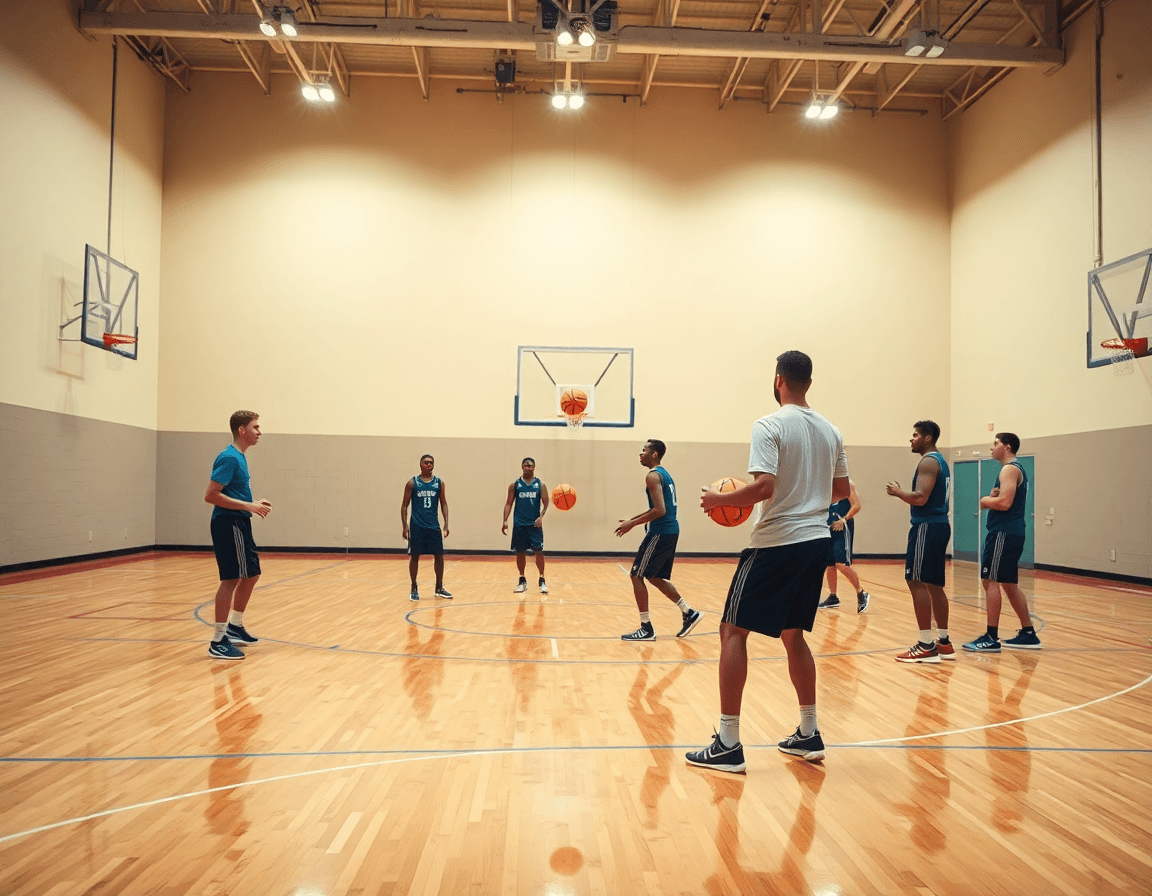
As a coach using CourtSensei, the weekly plan starts with the planning phase. I map a 3–4 drill progression centered on chest passes, bounce passes, and overhead passes. The goal is to vary tempo and angles so we aren’t doing the same look every day. I sketch it on the whiteboard first, then drop it into the practice plan for the week. This is how to plan basketball passing drills, week to week, and it becomes a solid weekly passing drill plan.
Drill 1 centers on the Chest Pass—start stationary, then move laterally while delivering crisp passes to a moving target. Objective: maintain accuracy under light pressure and build trust in the passer-receiver timing. Drill 2 shifts to the Bounce Pass, threading passes through windows around cones to a cutting teammate; objective: improve decision-making in congested lanes and keep passes low and on target. Drill 3 introduces the Overhead Pass in a quick-transition scenario, focusing on reach and speed to hit teammates breaking to the rim. Drill 4 ties it together with a 3-Man Weave, emphasizing exchange timing and reading the defense to choose the right pass at speed.
Each drill carries an objective that ties directly to in-game decision-making. For example, you’ll rely on Chest Pass when a helper rotates, use Bounce Pass to skip over a closing defender, and loft an Overhead Pass to hit trailing shooters in transition. Those decision points become the emphasis in the short video clips you attach to each drill and in the playlists that organize clips by drill type. The flow stays intentional and scalable as you change defenses and pace.
Once the plan is built, I publish it in CourtSensei and share with assistants and players. The workflow is simple: the plan, the whiteboard diagram, the short video clips, and the playlists that group clips by drill. I export to PDFs for staff use, so everyone has the same map at meetings and on road trips.
Core passing techniques to include
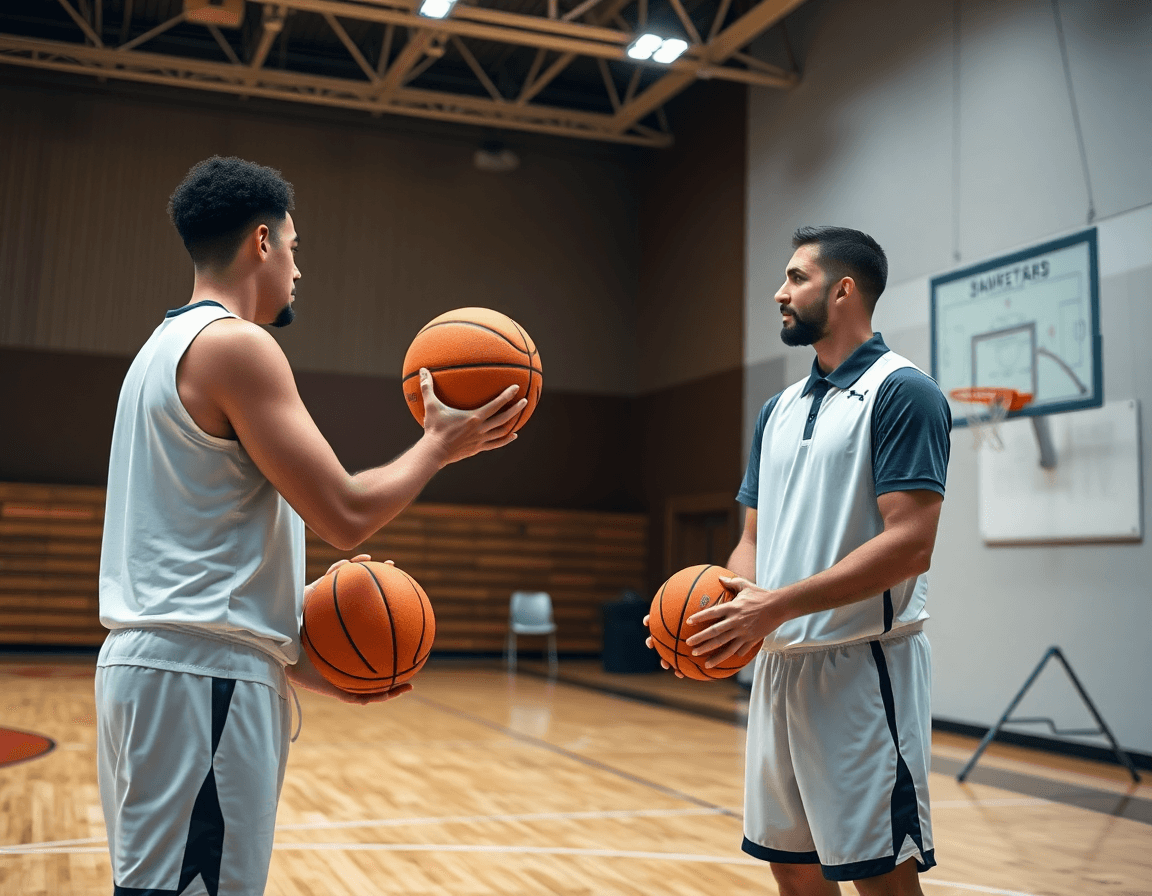
In this week’s basketball passing plan, the core techniques you’ll install move the ball with purpose and keep spacing clean. Focus on the types of basketball passes that teams rely on every trip down the floor: chest passes, bounce passes, overhead passes, and the one-hand push pass. We also chart longer outlets with baseball passes and the occasional behind-the-back for wrinkles when appropriate. This structure fits neatly into a weekly practice, the whiteboard diagrams, and the video playlists you’ll share with assistants and players. Bold terms: types of basketball passes and chest passes.
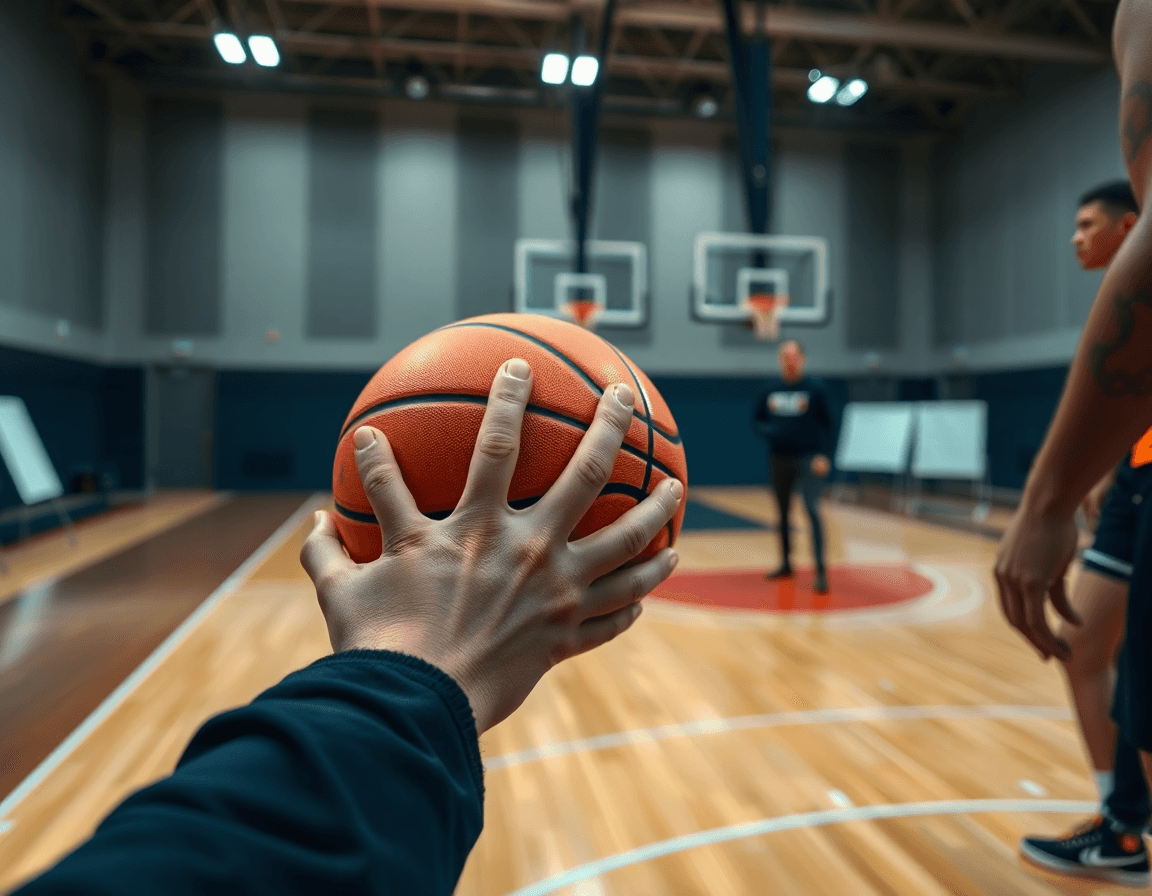
Begin with a Chest pass drill in static lines, focusing on grip, thumb alignment, and target entry. Cue the pass: step into it, rotate hips, and snap the wrists, finishing with a crisp arc into the teammate’s chest. Use wall passing to dry-run accuracy before you add movement.
Move to a bounce pass drill at mid-range. Emphasize a soft catch, proper bounce distance (roughly knee height), and a quick follow-through to the target’s waist. Progress to a 3-man weave to link passes with movement, spacing, and timing; finish with a quick outlet to simulate transition.
Layer in the overhead pass drill for outlets and press-breaks, teaching two-handed snap and a clean target line. Add the baseball pass for longer outlets when the court opens up, and reserve the occasional behind-the-back pass for a well-timed seam read. Remind players to read angles and keep throws compact in traffic.
Progress from static to moving passes to mirror in-game flow. In the plan, capture a short video clip of reps, diagram the routes on the whiteboard, and assemble a playlists that you can share with coaches and players. The routine tightens timing, accuracy, and decision-making across assistants and players.
Game-like progressions to build decision-making
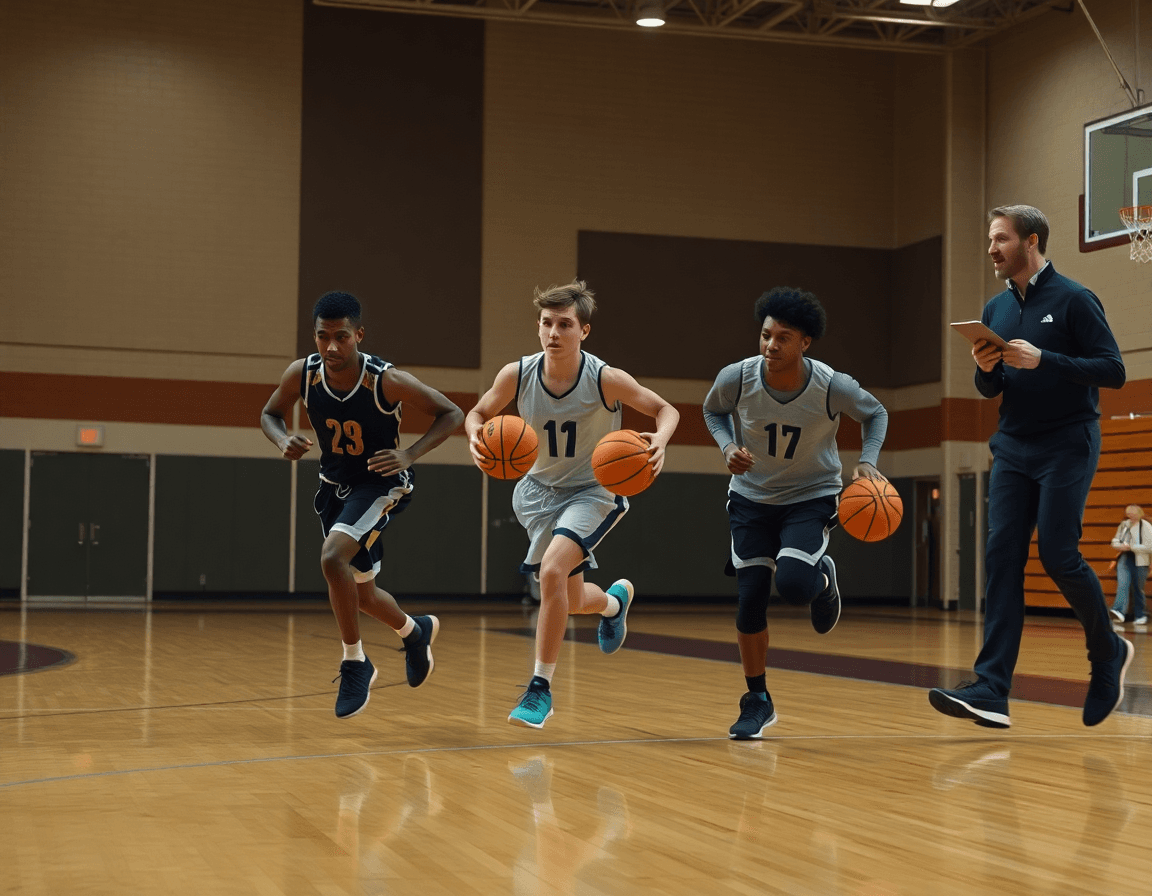
game-like passing drills form the backbone of our weekly plan for basketball drills passing. We start stationary, then move to on-the-move, then defender-in-range scenarios (2-on-1, 3-on-2). This progression forces players to read-and-react—turning angles, gaps, and pace into decisions. On the whiteboard, we diagram the routes, then translate them into quick video clips for review.
These are drills for decision-making in basketball passing. We stage live-action passing drills by varying the defender's angles and pace, so players must decide in real time. Our progression moves from 2-on-1 into 3-on-2, with drive-and-kick patterns and skips to mirror in-game decision points. The emphasis is not just the pass, but the read before it.
On-court, we vary passes: start with chest pass and bounce pass in the early 2-on-1 reps, then expand to overhead pass and quick one-hand push passes in the 3-on-2. Reads come from defenders' angles; if they shade to the ball, use a drive-and-kick pattern, or a skip to the weak side. We even include wall passing to keep timing sharp when spacing breaks down.
After the reps, we grab a short video clip of sequences and drop it into the season's playlists. The clip serves as the teaching point for the next cycle—assistants tag the read decisions, players note what they saw, and we loop back in the plan for the next week. The structure keeps our weekly practice planning tight and aligned across assistants and players.
Passing under pressure: scenarios and counters
Passing under pressure is the heartbeat of a week’s worth of basketball drills passing. In my weekly plan I carve two blocks for live pressure: a defender in the lane passing and a trap-and-pass counter. These scenarios force reading angles and staying patient when help-side closes. On the tactical whiteboard I diagram passing lanes, swings, and exits, labeling options (BLOB/SLOB/ATO) so assistants see the exact flow. After practice, I pull a short clip from the session and drop it into a playlist for players and coaches to review before the next drill block.
To lock in tempo, we run a 5-second passing drill. Two lines circulate around the horn; every passer has five seconds to deliver, with the defender closing out to simulate real-time pressure. If a pass is late or forced, we reset with a quick reset-ball cue and restart. This builds both speed and accuracy, and it trains you to use a pocket pass when angles are tight.
Countering pressure means teaching patience and the right reads. When facing a defender in the lane passing, keep eyes up, scan for cutters, and pick the safest option—often a chest pass for control or a quick bounce pass to a moving target. We also mix in release variety: an overhead pass to skip across the court, a one-hand push pass to snap a pivot, or even a baseball pass to stretch the floor. A final wall passing drill reinforces catch-and-pass under contact.
Afterward, clips get tagged with terms like “trap-and-pass” and “defender in the lane passing” and organized into playlists for quick review. This isn’t just drill work; it’s a repeatable workflow that sharpens every decision in pressure moments.
Using video and playlists to teach and track improvement
In the weekly plan, I carve out time for video work: video-based basketball passing drills that mirror what we want to see on game night. We record sequences from practice—the 3-man weave, wall passing, and those quick pocket passes during shell work—and clip the moments where reads and timing sing or break down. Then I build player-specific playlists for review, so each guard can study their own clips between drills. While annotating, we mark proper form, decision points, and errors, labeling types of passes like chest pass, bounce pass, overhead pass, one-hand push pass, and even baseball passes when the drill calls for them. This creates a living library you can actually study.
Using the clips is where the learning sticks. After practice, I export the clips and share a clean link to player-specific playlists for review. Annotated notes next to the clip remind them what to fix, what to watch for in reads, and where the decision points show up in a real game. We use these playlists to reinforce the weekly plan in the next session, pulling up a couple clips on the tactical whiteboard and walking through the reads with the group. It’s practical, repeatable, and keeps the focus on improving passing drills video analysis.
Practical workflow: from plan to practice to review
A practical workflow to keep your passing drills tight from plan to practice to review. Think of the week as Mon for planning, Tue/Thu for practice, Wed/Fri for review, and Sun for adjustments. In CourtSensei, you design the weekly plan in the Plan tab, drop in whiteboard diagrams for every drill to show exact angles and targets, attach the corresponding video clips, and assign drills to assistants. This approach keeps your coaching decisions visible and shareable across staff and players.
On Monday, design the plan around 3–4 passing drills that cover the core types: chest pass, bounce pass, overhead pass, and one specialty like the one-hand push pass. Use diagrams to map passing lanes, receiver positioning, and decision points. Attach a short clip that demonstrates the technique and place it in a playlist players can open on their devices. This is your setup for the weekly workflow for basketball passing drills—start with stationary passes, then move to on-the-move targets, then add a bit of pressure to ramp the difficulty.
Practice days Tuesday and Thursday execute the plan with stations and clear rotations. Keep the plan live on the whiteboard, and use a quick feedback loop—one sentence to players, one quick demo with a clip. Create a simple checklist to ensure the plan translates to execution and progression: - Did we cover chest, bounce, overhead, and at least one non-traditional pass? - Are passes arriving on target times and angles? - Are clips shared via a clean playlist for easy access? - Did assistants execute the rotation as designed?
Wednesday and Friday shift to review: watch clips, note adjustments, and tighten the diagrams for next week. Update the drill library with refinements, and ensure players have access to the latest versions through shareable links. This is how you structure passing drills in practice week to week, keeping your system tight and progressive.
If you build plans like this every week, CourtSensei keeps your drill library, whiteboard, and video clips in one place — try it free.
FAQ
What are the basic basketball passing drills?
Start with the core passes: a crisp Chest Pass, a safe Bounce Pass, and an overhead variant. Practice static lines, then add movement. Keep the pass to a moving target, and dry-run with Wall Passing to sharpen aim. Build a simple 3–4 drill progression in your weekly plan to cover accuracy, tempo, and decision timing.
How can I improve passing accuracy in basketball?
Focus on Grip, stance, and timing to improve accuracy. Have players step into passes, rotate hips, and snap the wrists toward a clean target entry. Start with static Chest Passes, progress to moving sequences, and attach short video clips to a shared playlist for review.
What is a 3-man weave drill?
The 3-Man Weave is a pacing gem. Three players pass and weave in a tight pattern, building rhythm, spacing, and reads. Finish with a quick outlet pass to simulate transition. Use it to link movement and exchange timing under game tempo.
How do you practice passes under pressure?
Under pressure, run two blocks: lane defense pressure and a trap-and-pass scenario. Teach players to read angles, keep spacing, and stay patient for a clean pass. Diagram routes on the whiteboard, then film reps for a playlist you review with the team.
What are the different types of basketball passes?
The core options include Chest Pass, Bounce Pass, Overhead Pass, and the one-hand Push Pass. Add longer outlets with Baseball Passes and occasional Behind-the-Back wrinkles. Teach each pass’s ideal target and timing so possessions stay clean and predictable.
How do you teach pass fakes?
Teach pass fakes to freeze defenders and create space. Use head fakes and shoulder fakes, then pair them with a quick, decisive release. Integrate fakes into 2-on-1 and 3-on-2 progressions so players learn when to pump the fake and when to drive.
What is wall passing?
Wall Passing is a dry-run drill to improve accuracy and timing without defenders. Throw against a wall, watch the rebound, and refine entry, arc, and catch timing. It’s a great warmup or solo practice element to build consistent touches before on-court work.