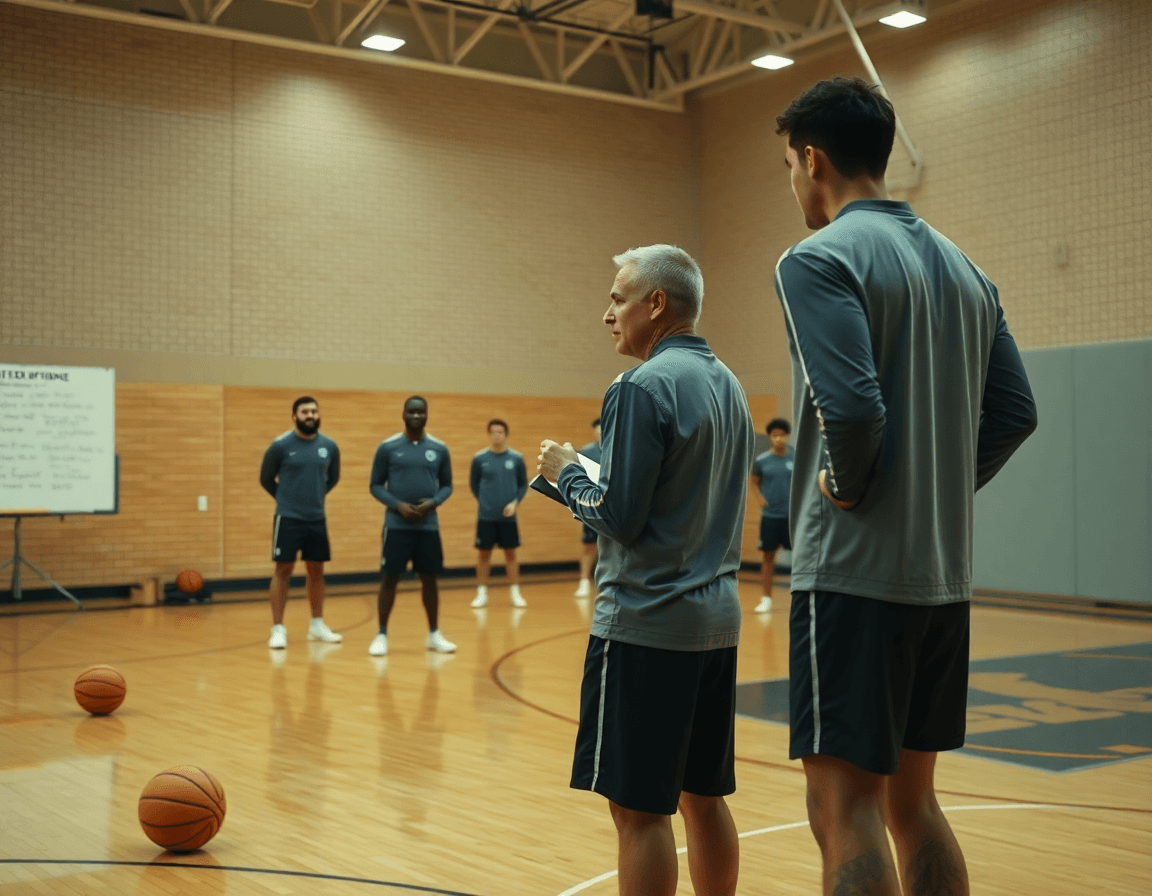
Weekly Plan for the Basketball Flex Offense
Coach-focused weekly workflow to install the basketball flex offense: plan practices, diagram actions, clip games, run scouting reports, and share clips with players.

Key takeaways
- Adopt a weekly, flex offense that emphasizes spacing, timing, and continuous motion.
- Structure the week with practice, scout days, and film, using templates, diagrams, and clips.
- Prioritize man-to-man reads and quick adjustments when hedge or trap pressure sits in.
- Master core actions: flex cut, down screen, and screen-the-screener for reversals early week.
- Integrate ball reversal sequences and spacing for consistent reads, not hero plays.
What the basketball flex offense delivers for a weekly plan
Think of the basketball flex offense as a pattern-based, continuity-driven approach that relies on constant motion and screening. It’s not a single trick play—it's a package of reads that keeps players connected through spacing and timing. In short, this is a system built for flow, where body movement and ball movement create consistent options.
Within a typical weekly plan, you split time for practice, scout days, and film. Our workflow anchors this: planning templates shape the session, whiteboard diagrams map each action, video clips isolate clean reads, and scouting notes flag tendencies. A shareable playlist lets players review clips from home, reinforcing what we install early in the week.
When to lean on flex actions? Emphasize man-to-man execution, with quick adjustments if the opponent is switching or playing zone. Focus on flex cut, down screen, and screen-the-screener sequences to create ball reversals and push tempo. If teams hedge or trap, you layer in UCLA cut variations or other ball-screen actions as needed.
Every player has a role in spacing, ball movement, and decision-making. From the wing who spaces to the post who reads help, the system rewards anticipation and tempo, not hero plays. That means a quick pass, a decisive drive, and clear reads on ball reversal to keep the defense off balance—consistency over flash.
Early in the week, introduce core concepts: ball movement with a couple of simple flex cuts and a basic down screen. Mid-week, layer in variations—flex cut into a stagger or a screen-the-screener sequence, plus some UCLA cut options. By late week, practice counters to what the defense did well. The weekly install is not a single play—it’s a living flex offense overview that ties planning templates, diagrams, clips, and playlists into a real-season cycle.
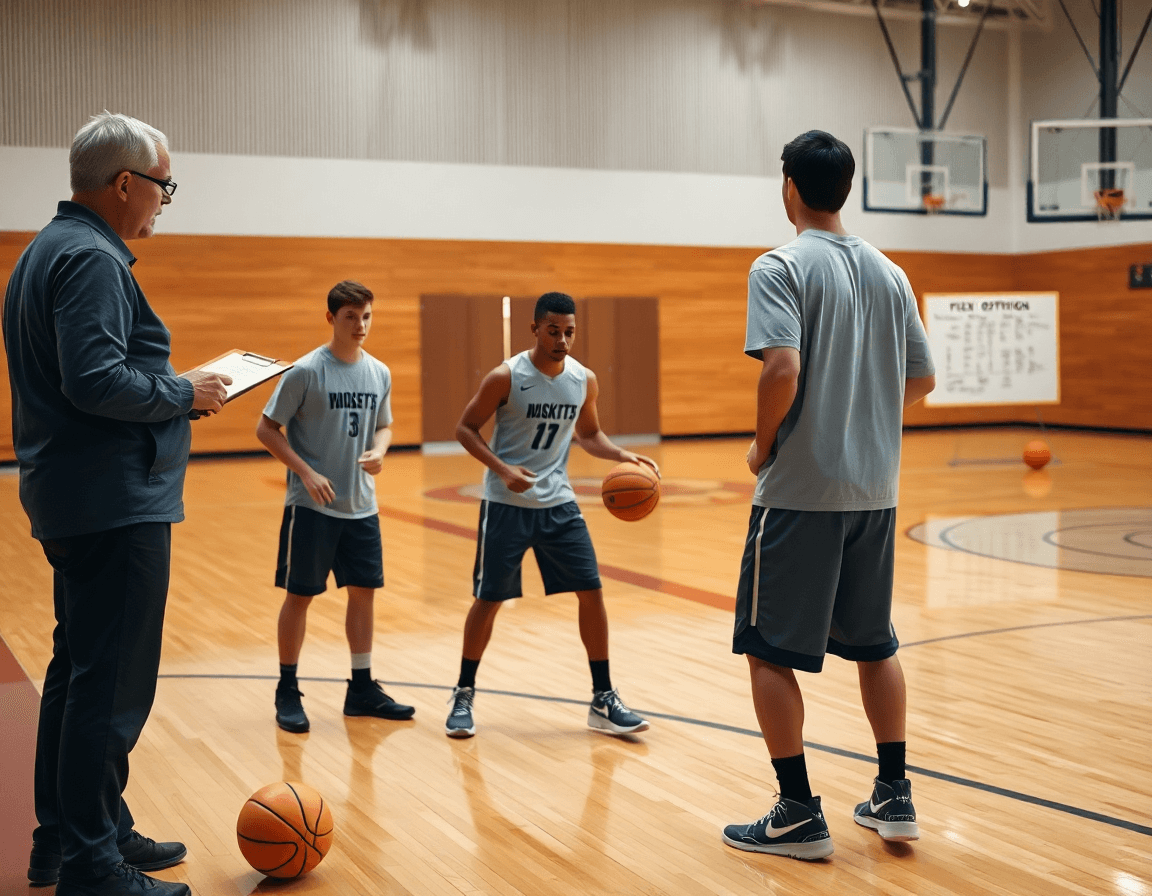
Core actions and spacing you must master
Flex cut fundamentals: timing, handoffs, and reading the defense.
In the weekly install, the flex cut is our timing-driven trigger. The cutter meets the ball at the right moment; the handoff is crisp, or we read the defense and slip or pop accordingly. When timing is on, the cutter drags a helper and opens the weak side. We script two variants: a quick handoff into a drive and a back-cut if the help overreacts. On the whiteboard we diagram the path from wing to elbow and back, then pull a short video clip to lock in the reads.
Down screen and screen-the-screener sequence to create reverse-pivot opportunities.
The down screen action frees a shooter on the weak side; the screener becomes the catalyst, setting the ball handler up for a reversal or reverse pivot. The screen-the-screener sequence is our antidote to deny, allowing a quick reversal and a drive or kick. In practice we choreograph reads: if the screen is late, we reverse the ball; if the defense overplays, we hit the screener as a passer.
Ball reversal to keep defenses reacting and open shooters ready.
Keep defenses honest with crisp ball reversals—skip passes, quick taps, and the rotations that follow. This is how we sustain spacing and get shooters warm. The cycle treats it as a mini-continuity offense within the set, moving through passes and cuts until a clean look appears.
Spacing principles: proper floor balance, elbow/weak-side spacing, and cutting angles.
Floor balance means two players on the ball side, two on the weak side, with a third in the middle to guide reads. Elbow/weak-side spacing keeps cutters and shooters available for kick-outs. Cutting angles matter: drives splitting the gap and cuts angling toward the rim, reading the defense as rotations occur. In our plan we drill spacing with guard-to-guard reversals and wing-to-elbow cuts.
Common counters to keep the offense unpredictable (and how to practice them).
When teams pressure us with man-to-man, we counter with a quick UCLA cut, flare options, and back-screen reads to free rhythm shots. Against zone, we tempo the sequence and use overloads to stretch the floor. We store these counters in scouting notes and create short video playlists for players to study, then test them in controlled scrimmages.
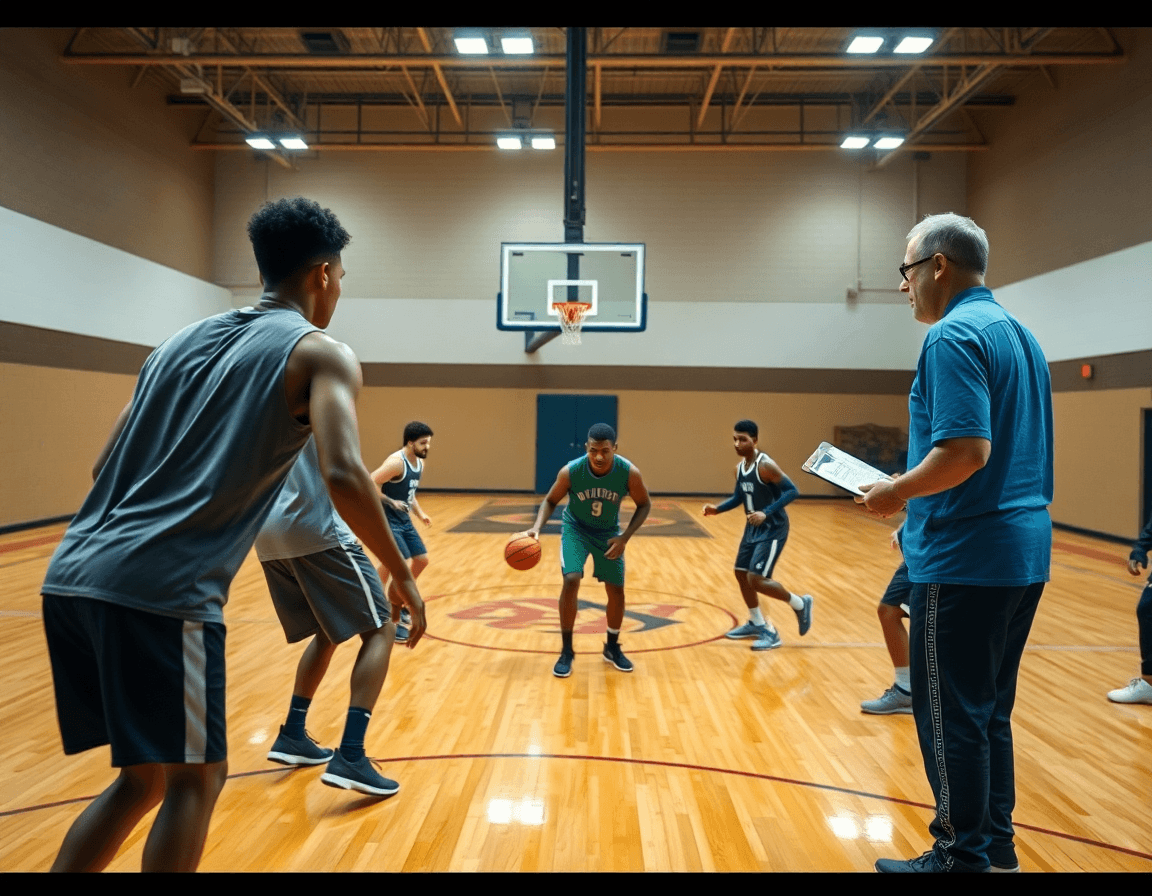
Getting into the flex: entry points and continuity options
Three options for the entry into flex offense anchor the week: a low 1-4 to pull the defense down, a box entry to generate immediate movement, and a high 1-4 that hides the ball and invites a quick reversal. In the plan, I attach diagrams on the whiteboard and pair them with a short video clip so assistants and players can study the timing. This setup keeps everyone aligned, from the floor to the monitor, as we approach practice with confidence.
Versus 4-out vs 5-man flex: we decide early which alignment fits the scout report and our personnel. In a 4-out look, spacing threads around the wings and bigs cutting to the elbows; in a 5-man flex, movement is more continuous and roles shift each rep. We rotate players into the primary roles—initiator, screeners, finishers—so they live the variations, not just talk about them. Our library includes terms like the flex cut, down screen, and screen-the-screener, so the team hears the same language in the drill, the board, and the clips.
Continuity while introducing counters: we keep the baseline continuity offense intact while layering in wrinkles. If a defender overplays on the entry, we stack a counter—like a quick UCLA cut or a ball reversal across the floor—to keep the motion alive. We use scouting notes to anticipate whether the opponent will hedge on the entry or switch, then show the counter in a short video clip and on the whiteboard. The goal is to preserve rhythm and decision-making under pressure.
Alignment for spacing and ball movement: the setup drives spacing—wings at the arc, elbows pop, bigs keep the cutter ready. We stress quick ball reversal after a solid flex cut to flip the defense and open driving lanes. Against man-to-man or zone, we have a plan for re-spacing and timely screen actions, and we capture it all in shareable playlists for players to review before their next session. This is how you lock in the flex rhythm week after week.
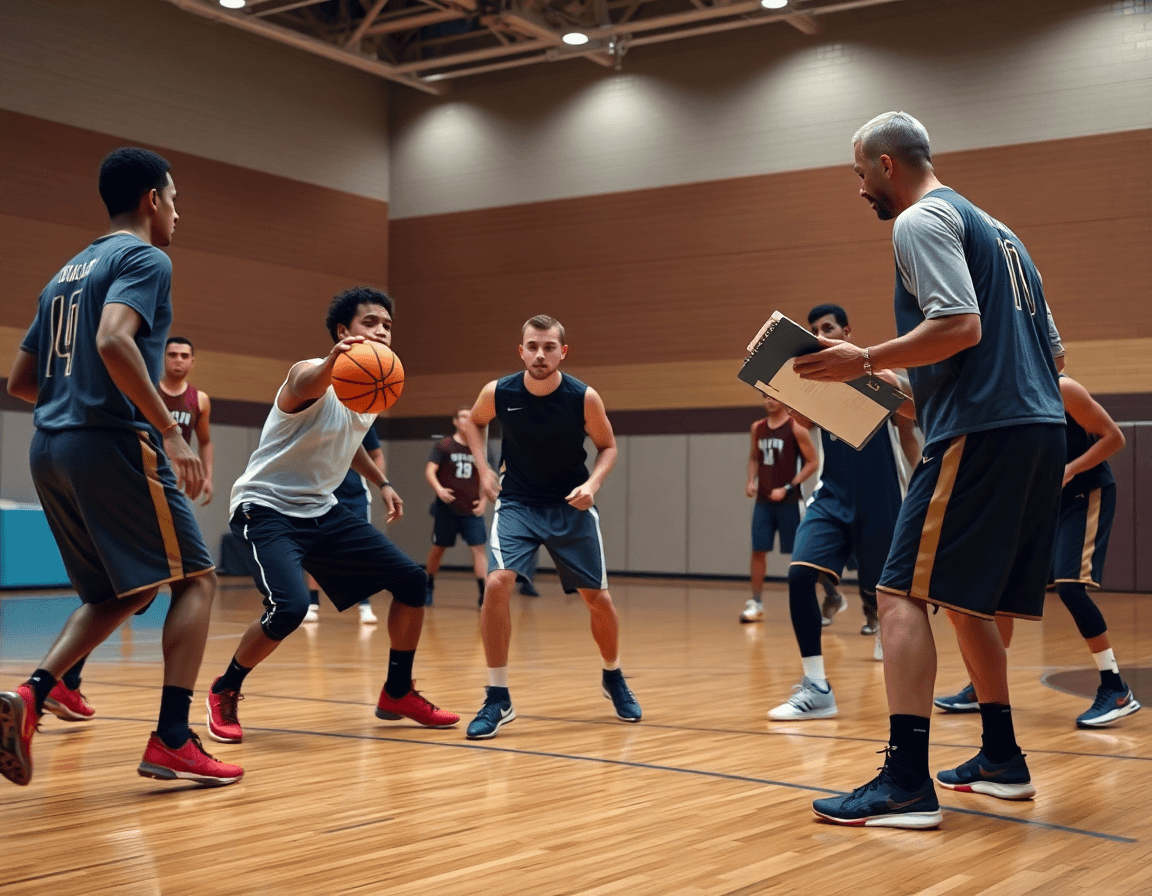
Defensive counters and how to adjust
Facing a sturdy basketball flex offense against a disciplined defense, you’ll need clear counters that you can install in a week without slowing the flow. In our weekly plan, the focus is on making the offense adaptable—without losing rhythm. I drop a few defensive counter diagrams on the whiteboard and thread them through our scouting notes, then turn them into shareable playlists for the players to study.
Against a snug man-to-man defense, the aim is to generate clean ball reversals and favorable mismatches. We practice quick passes into the post, then hit quick triggers like a flex cut or UCLA cut to pull a defender out of position. We pair a down screen with a screen-the-screener action to free a shooter on the weak side, transforming a chasing closeout into a driving lane. Our video clips highlight smart reads and illustrate how a mismatched guard can attack the paint or a bigger wing can be drawn away from help. This is where the planning templates and scouting notes pay off, linking what we see to what we run in practice.
Against zone defenses, the tempo changes. We emphasize ball reversal and skip passes to stretch the gaps, then flood the seam with a UCLA cut to keep the action flowing. A well-timed flex cut against a 2-3 or a ball reversal into the high post forces gears to grind less. The goal is to keep the offense moving and to prevent stalling.
Common vulnerabilities—like screen switches—get countered with option plays: a quick backside ball reversal, a ball screen switch counter, or a dribble handoff into a different action. We add 1–2 counters at a time and test them in live reps, updating the whiteboard with new diagrams and tagging the footage in a dedicated scouting clip.
To introduce counters, we roll through a staged progression in practice: walk-throughs, then controlled seven-on-seven, then live scrimmage with defensive choices randomized. A short video snippet, a couple of verified reads, and a practical drill set the tempo. The result is a flex offense that keeps defenders guessing and players confident—precisely what we aim for in a real-season cycle, all connected through our planning templates, whiteboard diagrams, and player playlists.
Practical weekly workflow to install the flex offense
This practical weekly workflow to install the basketball flex offense keeps us on pace all season. In the plan for the week, I map out the install timeline and the practice blocks that drive the process. We use a simple planning template: one block for fundamentals, one for sequencing, one for review. On the whiteboard we keep a compact diagram of the core actions so every assistant can reference it. The goal is for players to own the basics of the flex cut, the down screen, and the UCLA cut by the end of the week. This is how I optimize the weekly workflow and the install flex offense, without burning everyone out.
Step 2 and Step 3 live in sequence. First, I diagram core flex actions on the whiteboard for every player to study—diagramming flex actions becomes a quick mental cue during practice. Then we switch to video, clipping and categorizing game and training footage illustrating each action—short video clips for flex that we drop into practice planning and review. The handoff from board to video keeps the team aligned: players see the action, then see it in real speed, then drill it live in the plan.
Step 4 anchors our scouting. I build scouting notes focused on how teams defend flex and where to attack. The notes cover different looks like man-to-man defense and zone defense, with specific references to how opponents guard the flex and where our advantages show up. We flag tendencies on ball reversal timing and how to set up the screening actions against common defenses.
Step 5 ties it together. Create and share player playlists with exemplar clips and progression cues. In the plan, I assemble playlists that move from basics to game-ready reads, and shareable links let players study on their own. This is where the weekly workflow becomes real: the clips, the notes, and the whiteboard converge so the flex offense lands in a real-season cycle.
Measuring progress and optimizing over time
Measuring progress in the flex offense isn’t a single moment; it’s a weekly check-in that feeds the next install. Define practical metrics: rep counts for core actions (flex cut, UCLA cut, ball reversal, down screen), decision accuracy on reads, and the success rate of each flex action in practice. I keep these in our plan for the week and translate them into concrete targets in the drill script and whiteboard diagrams. It’s not vanity metrics—these numbers guide how we pace the install and where we push tempo or spacing.
Use video reviews to reinforce correct reads and timing. After practice, I pull a short video clip that shows a handful of sequences in context—say, a ball reversal into a setup for the flex cut. We highlight clean reads, proper timing, and where the defense forced a decision. A quick, labeled clip in the player playlist makes it easy for every guard to study the same sequence. When players see the reads and timing in motion, the connection between the plan on the whiteboard and what happens on the floor becomes obvious.
Track adjustments made from scouting reports and game feedback. Each week I note what the opponent did—how they played man-to-man or zone, how their help side collapsed on the flex action—and I translate that into scouting updates and tweaks to our counters. The changes are reflected on the board, in the clip library, and in the update notes we share with the team.
Iterate weekly: refine entries, counters, and spacing based on player development and opponent data. We test new reads in live reps, adjust spacing around the flex cut and ball reversal, and add fresh clips to a new entry in the playlist. It’s a continuous loop—practice tracking feeding video review, scouting updates driving plan changes, and weekly iteration sharpening our flex offense metrics.
If you build plans like this every week, CourtSensei keeps your drill library, whiteboard, and video clips in one place — try it free.
FAQ
What is the basketball flex offense?
The flex offense is a pattern-based, continuity-driven system built on constant motion and screening. It isn’t a single trick play—it’s a package of reads that relies on spacing and timing. It prioritizes flow, where body movement and ball movement create reliable options. In practice, you’ll see templates, whiteboard diagrams, clips, and a playlist to reinforce early installs.
How does the flex offense work?
How it works: players execute flex cut, down screens, and the screen-the-screener sequences to generate ball reversals and keep the defense off balance. It’s a continuity system, so reads and timing drive every rep. We layer in counters for hedge or trap, adjusting pace to beat pressure without forcing plays.
Who started the flex offense?
There isn’t a single inventor. The origin of the flex offense is collective, evolving across decades in high school and college programs. Teams refined core actions like the flex cut, down screen, and screening sets and built a shared language around reads and spacing. It’s a family of actions, not a lone founder.
What are the main actions in flex offense?
Core actions are the flex cut, a down screen, and the screen-the-screener sequence. These create ball reversals and open shots through timing and reads. Spacing, timing, and decision-making drive every rep, with reads that push the defense to rotate and respond.
Is the flex offense good for youth basketball?
Yes. The flex offense teaches spacing and decision-making without relying on one hero. For youth basketball, simplify reads, emphasize passing and cutting, and keep pace manageable. The system builds teamwork and ball movement while preserving structure and tempo for developing players.
How do you defend the flex offense?
Defending the flex requires discipline and smart communication. Stay glued to reads, deny quick ball reversals, hedge or switch screens as needed, and help when rotations occur. Against zone, slow the sequence and use overloads. The aim is to disrupt reads without breaking spacing.
What are common variations of the flex offense?
Common variations include a simple entry into flex via a low 1-4, a box entry, or a high 1-4 to spark movement. Decide early between 4-out and 5-man flex. Layer in UCLA cut options, staggered screens, and flare looks, and keep a counter library for scouting notes to stay unpredictable.