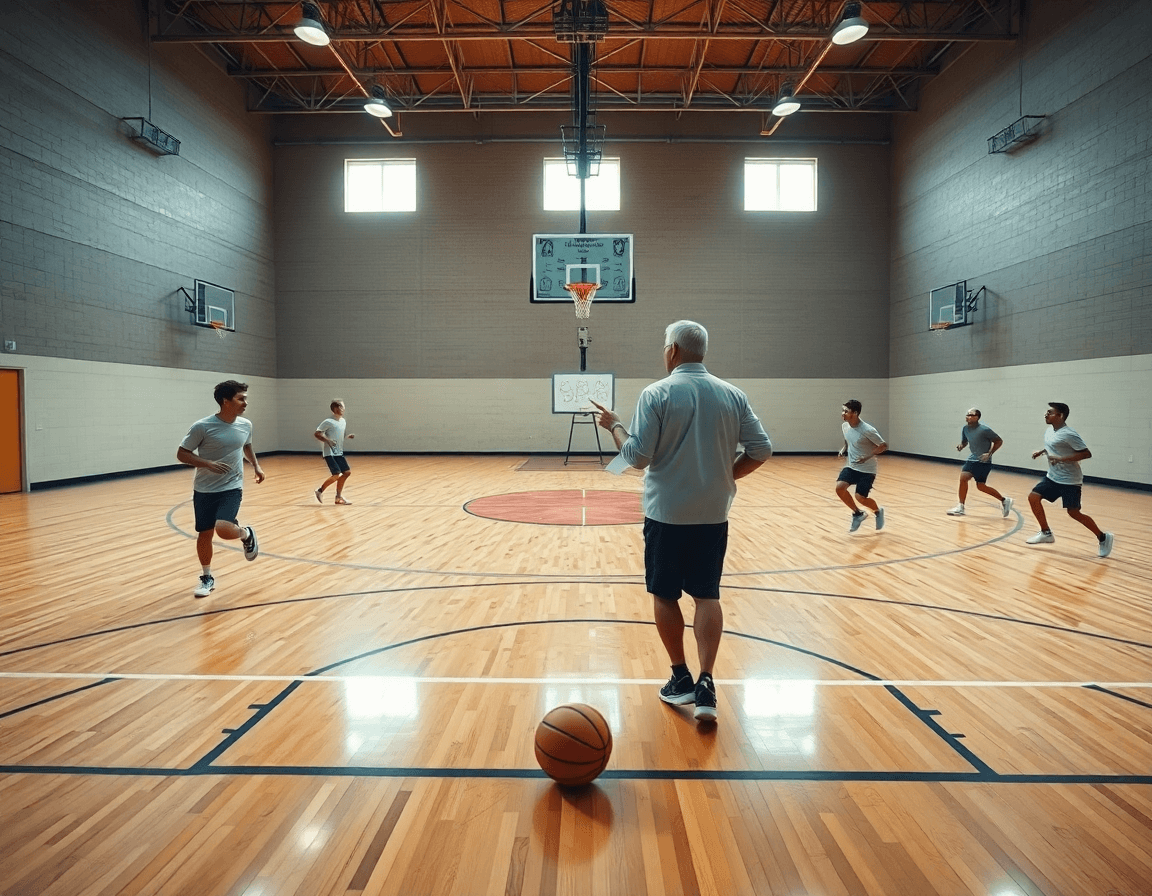
Basketball Practice Plan for 3rd Graders: Weekly Framework
Coach-focused guide to a basketball practice plan for 3rd graders—weekly workflow, fundamentals, and game-like small-sided drills to build skill and game sense.

Key takeaways
- Prioritize a fundamentals-first weekly plan focused on dribbling and shooting form to build confidence early.
- Lean into small-sided games to teach spacing and decision-making under pressure, with clear on-court cues.
- Structure enables a clear workflow from plan to court, with concise diagrams guiding stations.
- Capture quick video clips and organize them into player playlists for review.
- Log quick scouting notes and align with assistants to keep weekly tweaks practical and focused on fundamentals.
Why a fundamentals-first weekly plan works for 3rd graders
3rd graders thrive on a fundamentals-first plan that centers around core skills—dribbling, passing, shooting, and basic defense—before we install more complex plays. With CourtSensei, you can pull a weekly fundamentals-first plan from the plan library and tailor it to your roster. Translate the plan into simple on-court cues and quick feedback to keep players engaged from drill to drill.
Make transitions count and keep players engaged with frequent changes of pace. Start with a dynamic warm-up to wake up feet and hands, then move through stations focused on ball handling and shooting form. In short, run small-sided games (1v1, 2v2, 3v3) to teach spacing, decision-making, and a real game feel—with lots of touches for every player.
Keep concepts simple—think motion offense concepts or basic spacing—so 3rd graders can read and react rather than memorize a playbook. When you sketch it on the whiteboard, translate it into one or two on-court cues that players can process quickly. The result is a clear path from drill to decision in the game.
Structure your week so you can translate the plan into on-court cues and quick feedback. In practice, you map drills to a workflow: pull the week’s drills for 3rd graders from the plan library, sketch diagrams on the whiteboard for quick walkthroughs, and clip and organize short footage into player playlists for feedback. Capture scouting notes after games and fold them into the next cycle—this keeps you aligned with assistants and steadily sharper.
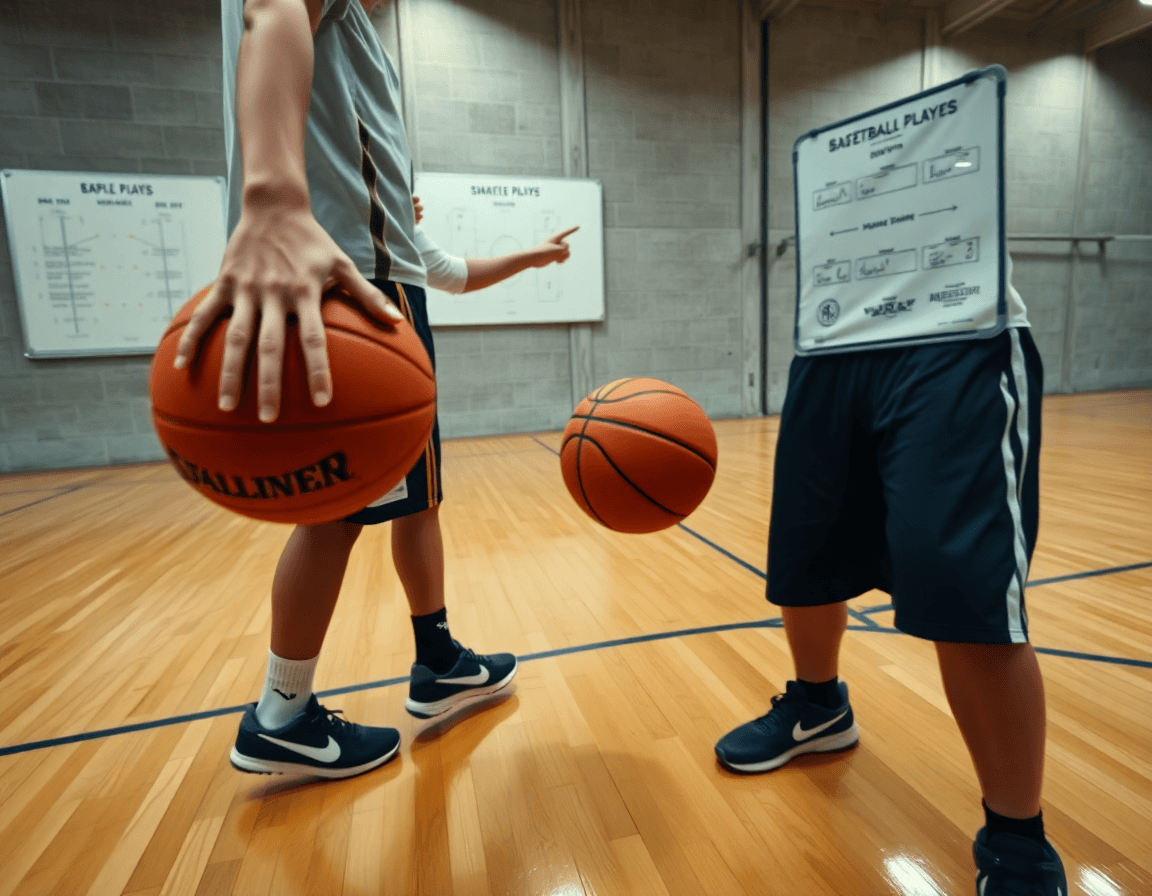
60-minute weekly template for 3rd-grade teams
Each week starts with a 60-minute template built around a dynamic warm-up (5–8 minutes) to prep movement patterns and accountability. In CourtSensei, I pull a fundamentals-first plan from the plan library, tweak it for our 3rd-grade group, and drop a quick diagram on the whiteboard to show the day’s flow. This setup keeps practice structured, so assistants know what to run and kids know what’s coming.
Skill work (15–20 minutes) centers on dribbling and drill duration, with heavy emphasis on form—shooting layups with proper footwork and passing mechanics. We rotate through short stations, each with a clear cue scribbled on the board. I pull short video clips from our library to illustrate a correct layup grip and an efficient ball-handling stance, so kids can visualize the targets before trying them.
Applied practice (15–20 minutes) uses 1v1/2v2/3v3 formats to reinforce concepts in game-like contexts. We’ll call this our small-sided games block, which makes reads and spacing feel natural under pressure. The whiteboard diagrams show where to space, when to pressure, and how to rotate passes. The plan library keeps us aligned with the week’s core objectives so we don’t drift into complexity too quickly.
Mini-scrimmage or situational play (10–15 minutes) ties skills to decision-making in a live setting. I keep a quick scouting notes update during breaks—what defenses showed, which actions our players missed—and log these for next week. Afterward, we reset with a quick whistle and a reminder of the main learning point.
Cool down and quick feedback (5 minutes) wraps up the session. We pull a couple of takeaways, then drop a few clips into each player’s playlists for later review. The workflow—from plan to whiteboard to video—helps players own the grind and coaches track progress week to week.
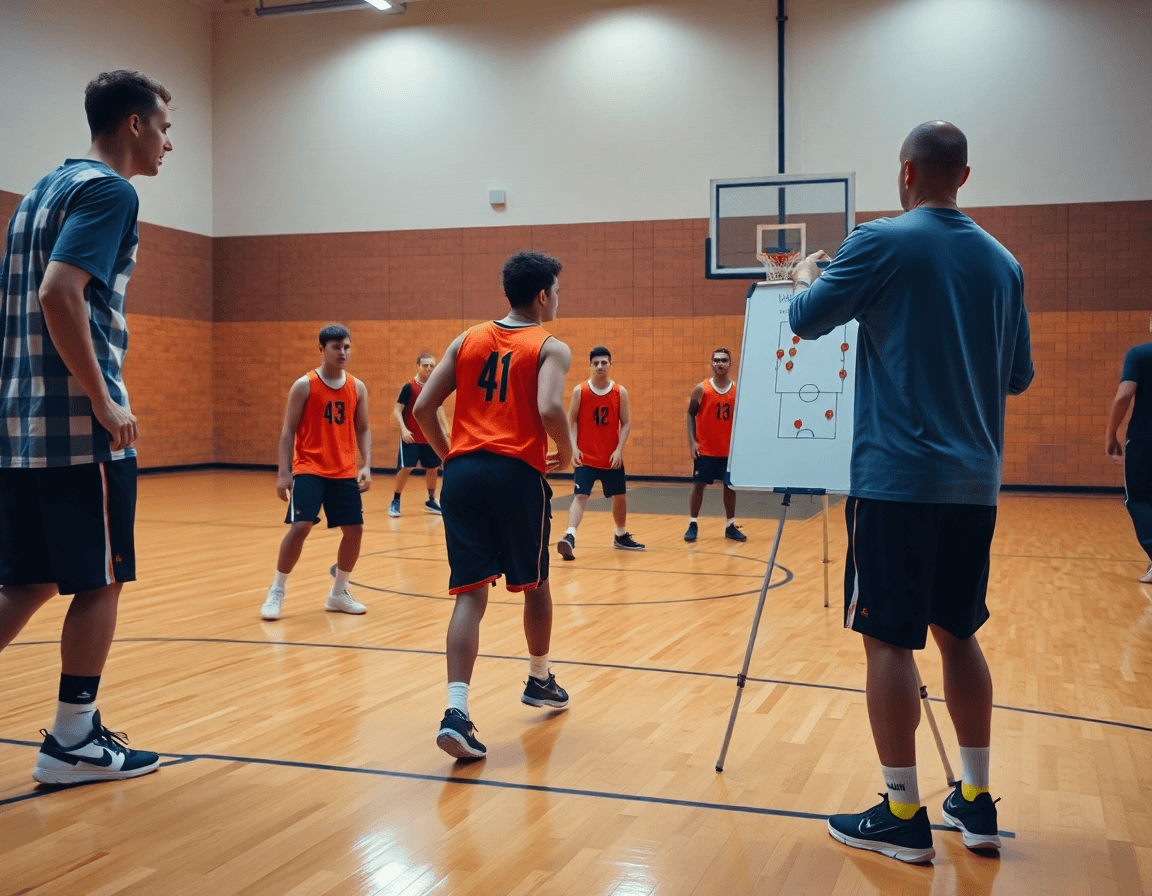
Practical workflow: from plan to on-court execution
As a coach, building a basketball practice plan for 3rd graders starts with a fundamentals-first frame. I build the weekly plan by selecting 1–2 core concepts—things like ball handling and shooting form—and a handful of age-appropriate drills pulled from the plan library. The goal is simple, repeatable progress: dynamic warm-up, ball handling, passing, and finishing at the rim. With young players, fewer concepts done well beat more ideas spread thin, and this structure lets me adjust as the season evolves.
On the floor, I translate the plan into on-court steps using clean whiteboard diagrams for each station. I export the plan to PDF and share with assistants, attaching a simple run-of-show for each drill on the whiteboard so everyone can cue the same expectations. The diagrams keep cues concise—eyes up, knees bent, soft hands—so we move quickly between groups without bogging down the drill flow.
Between sessions, I curate short video clips and assemble them into player playlists to reinforce technique. A quick clip of a proper layup or a crisp bounce pass sits in a playlist that players can revisit on off days. I also keep scouting notes from games to guide what to emphasize in the next practice—these notes help tailor the plan for the 3rd graders’ pace and attention span.
When the week arrives, I run the plan, gather quick feedback from players and assistants, and note what to adjust for next week. The weekly workflow—pulling from the plan library, sketching on the whiteboard, clipping and organizing video, and logging scouting notes—keeps the development steady and tangible.
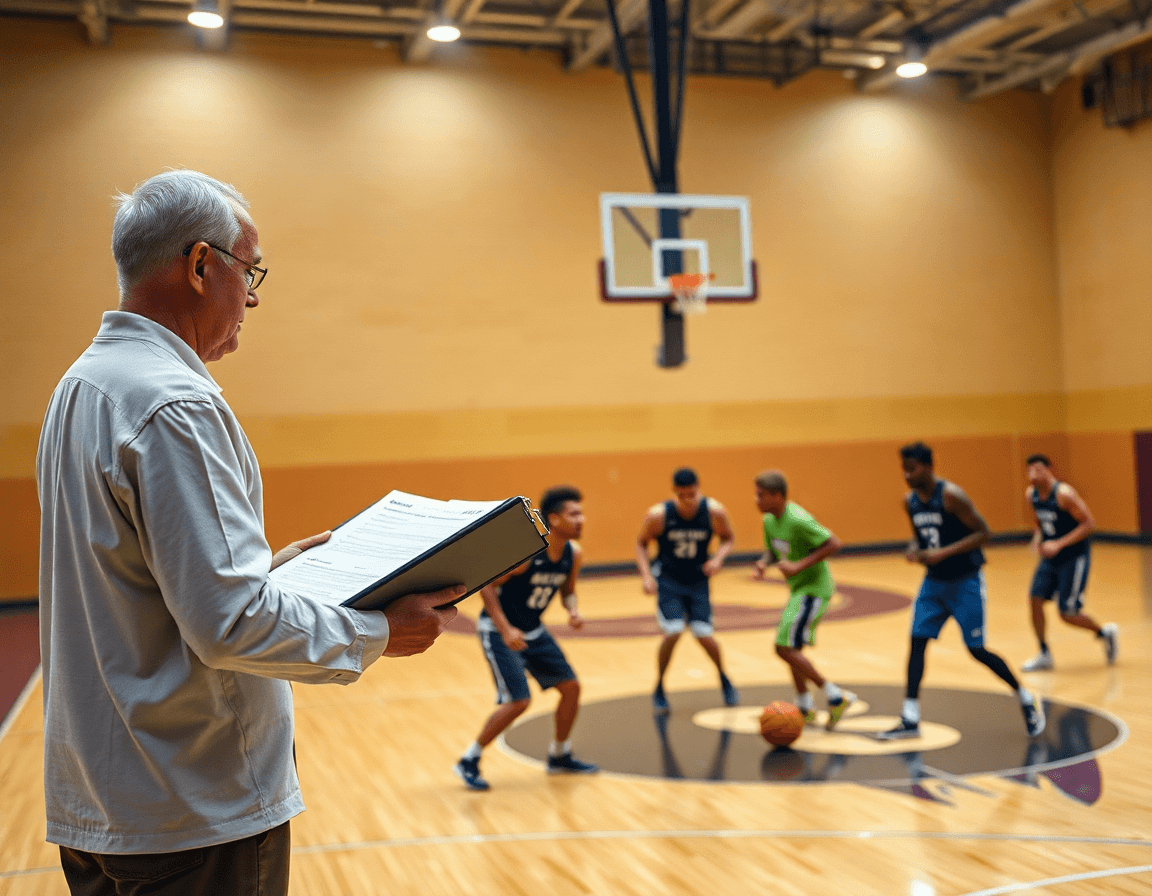
Maximizing touches with small-sided formats
Maximizing touches with small-sided games is a staple for third-graders. In a weekly fundamentals-first plan, we lean into 1v1, 2v2, and 3v3 to ensure every player gets meaningful ball touches and makes quick decisions under pressure. When you shape drills around game application, you see faster improvement in ball handling, passing angles, and finishing in tight spaces—whether it’s on the drive or catching in traffic. Start with a short dynamic warm-up to prime footwork before you rotate into stations.
Keep lines short and players moving between stations. A typical week uses four stations: dribble-drive to the cone, passing angles to the target, finishing at the rim in tight spaces, and a quick transition defense drill. Each station prioritizes ball handling and finishing under pressure, with a quick cue to emphasize correct footwork and spacing.
On the plan, you sketch the 1v1 and 2v2 shapes on the whiteboard, then run the drill while a short video clip is captured for the player playlists. After practice, collect clips that highlight clean passes, smart decision points, and finishes. Those clips feed your library for the next session and reinforce the game application you want teammates to feel during the week.
We layer concepts each week to build game sense: Week 1 centers on dribbling and passing; Week 2 adds finishing; Week 3 introduces simple defense basics to protect the ball and create space.
Keep quick scouting notes during sessions—the observations that shape your next plan. Note who thrives with two-dribble pockets or who needs more space to shoot from the wings. Those observations feed your drill library and reinforce game application you want repeated in the plan, on the whiteboard, and in player playlists.
Scouting and feedback loop for early-stage teams
After each game or practice, I keep a simple scouting framework, zeroing in on 1–2 opponent tendencies that tie directly to this week’s concepts. For a squad focused on defense basics and a motion offense look, I watch for how aggressively they close out shooters and how the ball moves through secondary cuts. In CourtSensei, that becomes a compact scouting report you can share with the assistants and reference during warm-ups.
Record quick notes right after the session: 60‑second observations on one takeaway and a single adjustment. Examples: if opponents love skip passes and we didn’t rotate, note the misdirection and plan a quick drill. Keep these as short entries so they fit into the weekly plan and can be scanned during our next practice. Use the note as a guide to adjustments and to shape our next on-court focus.
Translate those insights into drill selections and emphasis areas for the next practice. In the plan library, pull drills that reinforce entry passes, ball handling, and shooting form, then feature them in a player playlist. Tie the actions to the week’s concepts—defense basics against motion offense—so small-sided games stress the same reads we saw in the scouting. This keeps training cohesive and intentional, with every rep building toward the same goals.
Keep the feedback constructive, player-friendly, and aligned with the core week’s objectives. Frame notes to players as simple goals (what to do, where to be, when to switch). Share a quick clip or whiteboard sketch from the scouting notes to illustrate the point, then move on to the next drill. A clear loop—scouting reports, quick notes, targeted drills, and concise feedback—is how early-stage teams build consistency week to week.
Weekly kickoff checklist and starter drill library
Starting each week, I lock in 2–3 core objectives for the basketball practice plan for 3rd graders. Think improving ball-handling under pressure, reducing turnovers, and finishing at the rim. I pull these from the plan library to keep the week fundamentals-first, then map them to a simple on-court rhythm so assistants and players know what we’re chasing.
With objectives set, I select 6–8 drills that align with them and fit within 60 minutes. Think of it as a checklist for X in weekly training—2–3 objectives, 6–8 drills, and a 60-minute frame. I group child-friendly options for dribbling, passing, shooting form, and layups, keeping drill duration tight so a young team stays engaged. I begin with a quick dynamic warm-up to wake up feet and set the pace before the first station.
For each drill, I prepare a quick-start whiteboard diagram and a short video clip that show the setup and the cue. The diagram stays simple—one or two arrows pointing to where players move, a reminder of the ball-handling or finishing emphasis. The clip is a 10–15 second demo so a coach can reset quickly during the station.
Then I create a simple player playlist with clips demonstrating proper technique and clear cues. Each clip reinforces the key action—dribble with control, pass with underhand accuracy, finish through contact. The playlist travels with the team on our devices, so players can review a cue between stations or after practice.
At the end, I review the plan with the assistants and players to ensure clarity and buy-in. We confirm who runs which drill, what we expect to see in the weekly performance, and we jot quick scouting notes for next week so the plan can adapt.
If you build plans like this every week, CourtSensei keeps your drill library, whiteboard, and video clips in one place — try it free.
FAQ
What is a good length for a 3rd-grade basketball practice?
Aim for about 60 minutes per session. Structure it into a dynamic warm-up (5–8 minutes), 15–20 minutes of skill work focused on form, 15–20 minutes of applied play in small groups, 10–15 minutes of mini-scrimmage or situational play, and a 5-minute cooldown. Keep transitions tight and keep drills to 2–3 minutes max.
What drills are best for 3rd graders learning basketball?
Center drills on the basics: dribbling with eyes up, proper passing technique, and close-to-basket shooting form. Use short, clearly cued stations and rotate often. Mix 1v1 to 3v3 to teach spacing and decision-making while keeping success rates high.
How should I structure a youth basketball practice for 3rd graders?
Use a fundamentals-first weekly plan. Start with a dynamic warm-up, move into short skill stations, run a block of small-sided games to apply concepts, finish with a quick situational scrimmage and cooldown. Keep cues simple on the whiteboard and shift quickly between stations.
What is small-sided play and why is it used with 3rd graders?
Small-sided play means 1v1, 2v2, or 3v3 on smaller spaces. It maximizes touches, speeds up learning, and lowers cognitive load, helping kids read spacing and make plays under pressure.
How can I teach dribbling to 3rd grade players?
Start with the basics: stance, palm-down dribble, eyes up, soft hands. Use cone-path drills, then progress to speed changes and simple moves. Use quick feedback and short video clips to illustrate a good handle.
Should 3rd graders learn plays or focus on fundamentals?
Fundamentals first. Teach simple motion concepts and spacing instead of complex plays. When players can read and react, you can add light plays that reinforce movement without overloading.
What is a motion offense for young players?
A motion offense for kids focuses on space, ball movement, and reading the defense, not memorizing plays. Keep it visual and simple—two to three on-court cues—and let players react.