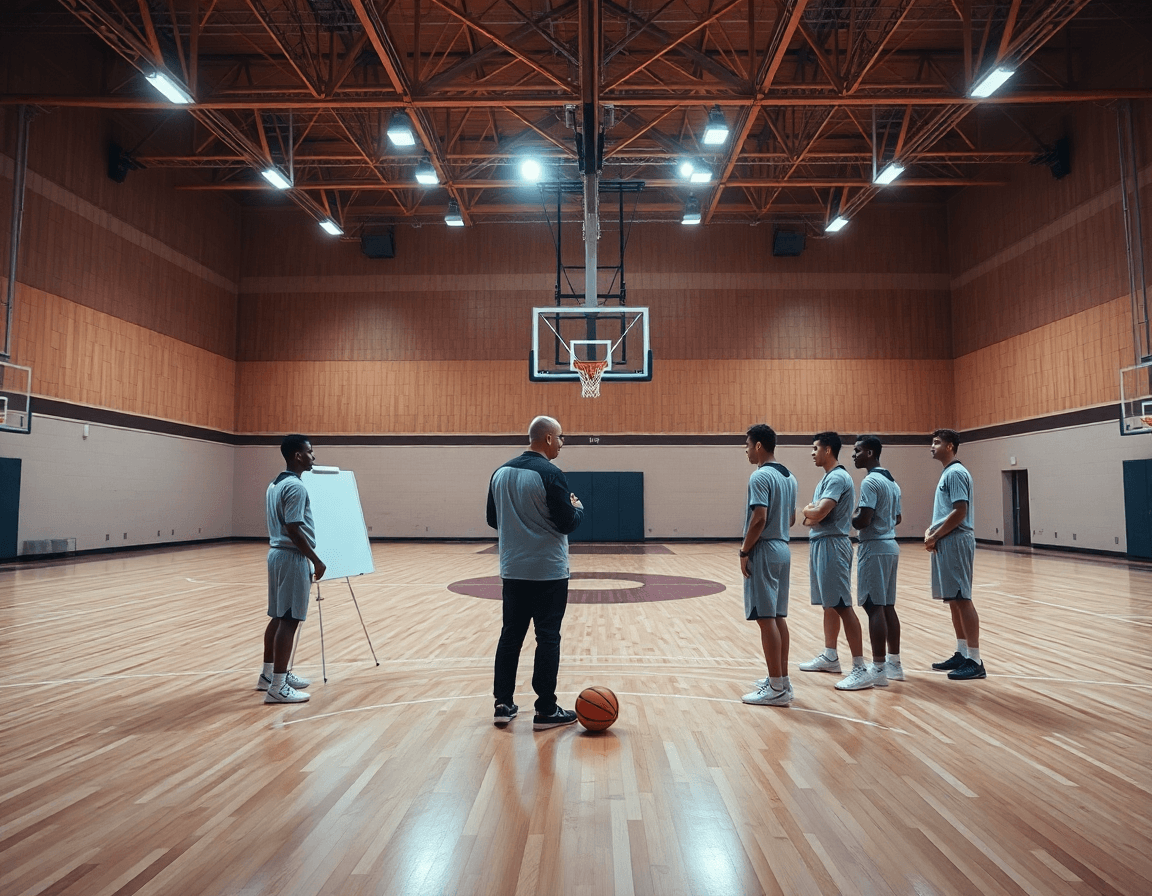
Basketball End of Game Plays: Weekly Coach Workflow
Master basketball end of game plays with a coach-focused weekly workflow: plan, diagram, practice under clock, scout opponents, and share video clips.

Key takeaways
- Define late-game situations clearly, tagging as lead, deficit, or tie to guide library selections.
- Curate a compact library with entry points and counters for quick decisions under pressure.
- Diagram BLOB/SLOB/ATO/PnR on the tactical whiteboard and export clean PDFs for sidelines.
- Attach scouting notes to plays and share with assistants for synchronized run-throughs.
- Practice end-of-game reps under clock constraints, reinforcing decisive calls and clear hand signals.
Create a core end-of-game plays library for weekly use
As a coach mapping the week, I start by defining late-game situations to drive end-of-game plays. The clock and score dictate the options; a two-point deficit with 20 seconds left is not the same as a one-point lead with 4 seconds. I tag each scenario as lead, deficit, or tie, plus time left, so play selection remains consistent when the gym gets loud. With CourtSensei I build a core end-of-game plays library I can pull into any Practice Plan.
Curate a small library of end-of-game plays with entry points and counters. Each play has a clear entry—sideline inbound, baseline inbound, or a late clock reset—and a counter to the defense's adjustments. I organize them by situation, entry, and counter to speed call-and-response under pressure. The library then lives inside Practice Plans and is easy to share with assistants for quick run-throughs.
Organize plays by situation and call-and-response to speed decisions under pressure. By labeling every option, you create a predictable rhythm for late-game moments, even when substitutions roll in. We diagram the flow on the tactical whiteboard (BLOB/SLOB/ATO/PnR) so players know what to expect and coaches know which counter they’re calling for in the huddle.
Link plays to Practice Plans and assign responsibilities to assistants. This weekly workflow keeps the end-of-game library fresh, and I attach scouting notes to relevant late-game scenarios so decisions reflect opponent tendencies. The cycle—plan, diagram, clip, and review—stays tight, ensuring we’re ready when the clock hits crunch time.
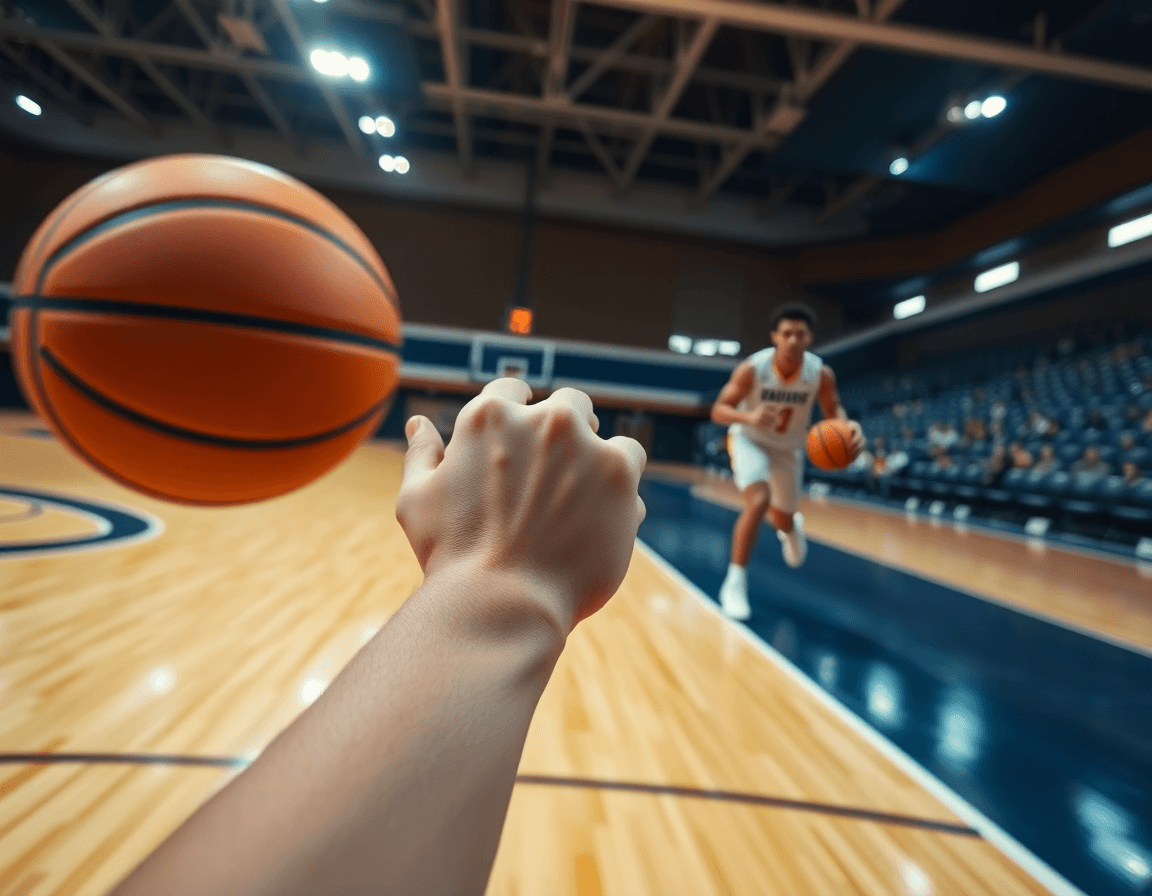
Diagram and export plays quickly with a tactical whiteboard
During the week, when I’m building the end of game plays library in Practice Plans, I start with the tactical whiteboard. I diagram BLOB and SLOB setups, including ATO and PnR variations, with clear player roles: primary ball handler, primary shooter, a screener, and the cutter in the weak side. Space and timing are the keys, especially in late game or last-second plays. I label decisions so a guard can read the call and execute without hesitation, even if the defense is switching or pressuring the ball. Having these diagrams ready behind the scenes keeps our workflow tight when the clock is ticking.
Once the diagram is dialed in, I export it to PDF for sideline handouts and scouting reports. The PDF keeps the formation, assignments, and contingencies visible in a single page that assistants and coaches can reference during timeouts. I also drop a quick note on matchups or alternatives, so players know what to expect if the defense changes. This makes it easier to communicate end of game plays across the staff and ensures the team sticks with a proven plan when pressure mounts.
To prevent misreads, we use a consistent terminology across play diagrams and PDFs. The same call names appear in the whiteboard, the plan notes, and the scouting report. That reduces confusion in a charged moment and helps players react confidently to inbound plays, out-of-bounds sets, and late-in-game adjustments.
All of this feeds the weekly workflow, giving you a reliable backbone for basketball end of game plays.
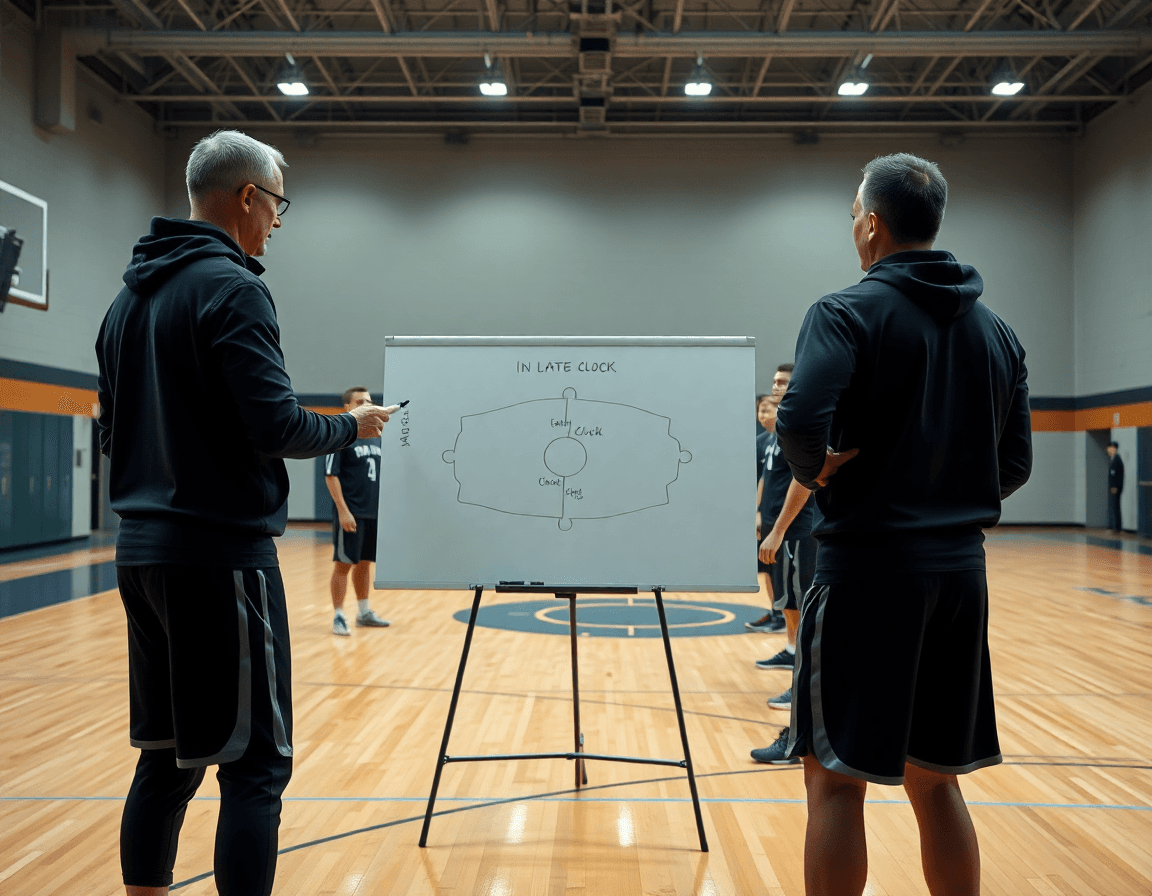
Practice end-of-game plays with a repeatable workflow
To practice basketball end-of-game plays, I lean on a repeatable weekly workflow inside Practice Plans. I build an end-of-game plays library that I can share with assistants, and I tag each entry for late-game situations. Diagrams for BLOB/SLOB/ATO/PnR live on the tactical whiteboard, and I export them as PDFs to clear, repeatable guides for players. I pair every diagram with a short video clip from recent games so players see the exact spacing and timing.
Clock-worn drill cycle: warm-up, run, decision, review. In the warm-up we simulate inbound and late-game pressure; the run phase cycles through two or three end-of-game plays; the decision phase forces choices under countdowns; in the review we recap decisions and adjust timing. This cadence keeps the practice authentic for end-of-game situations while sharpening clock management and building confidence under pressure.
Assign each play to a specific player or pairing (entry and counters). For example, an inbound set is run by the primary handler with a wing pairing, while counter options are diagrammed on the board for quick substitutions. I assign players in Practice Plans and keep a quick-reference PDF of who handles which inbound or sideline play. After practice, I drop updated playlists of video clips into each player's library so they can study the exact reads.
Use Practice Plans to simulate end-of-quarter and end-of-game time constraints. I set a short clock, introduce a defensive look, and push players to execute the chosen end-of-game plays under pressure. The scouting reports attached to each play help tailor decisions to what we expect in late-game situations, keeping our calls purposeful and adaptable.
Reinforce communication and decisiveness through quick-transition drills. Players practice immediate callouts, concise routes, and clear hand signals as we shift from the run to the decision phase, reinforcing the workflow that makes our late-game decisions feel practiced, not improvised.
Inbound and late-clock options: run the baselines and sidelines
From a coach’s lens, inbound and late-clock options start with design from the baselines and sidelines. In our weekly end-of-game plays workflow, I catalog these setups in Practice Plans and lock them into a library I can share with assistants. On the tactical whiteboard I diagram the sequences (BLOB/SLOB/ATO/PnR) and export a PDF for the scout feed. This framework keeps late-game decisions crisp when the clock is tight and the defense is switching.
When I build the inbound look, I design both sideline inbound and baseline inbound plays for different clock scenarios. For sideline inbound, I create a quick ball reversal that buys space and lets a guard create a clean entry into the play. For baseline inbound, I pair a staggered action across the lane with a ramp to the corner. Each package is tagged as inbound plays, with clear variations for sideline inbound and baseline inbound so I can pull the right option fast when the situation changes.
Incorporate 2-for-1 and other late-clock concepts to maximize scoring chances. A typical setup uses the first look to draw a defender and free a secondary option before the next possession begins, then flips to a high-percentage shot as the clock ticks. We practice lob options, skip-entry patterns, and quick misdirection to reduce hesitation and force a decision. The goal is a clean, executable sequence that can survive pressure from the defense and still deliver a quality look at the rim.
As the week unfolds, I load the final inbound plays into the end-of-game library and attach tailored scouting notes to each scenario. A short video clip accompanies the diagram, so players know what to read and where to attack. This keeps late-game decisions grounded in game-ready reads and reduces guesswork when it matters most.
Tailor end-of-game plans with scouting reports
Tailor end-of-game plans with scouting reports
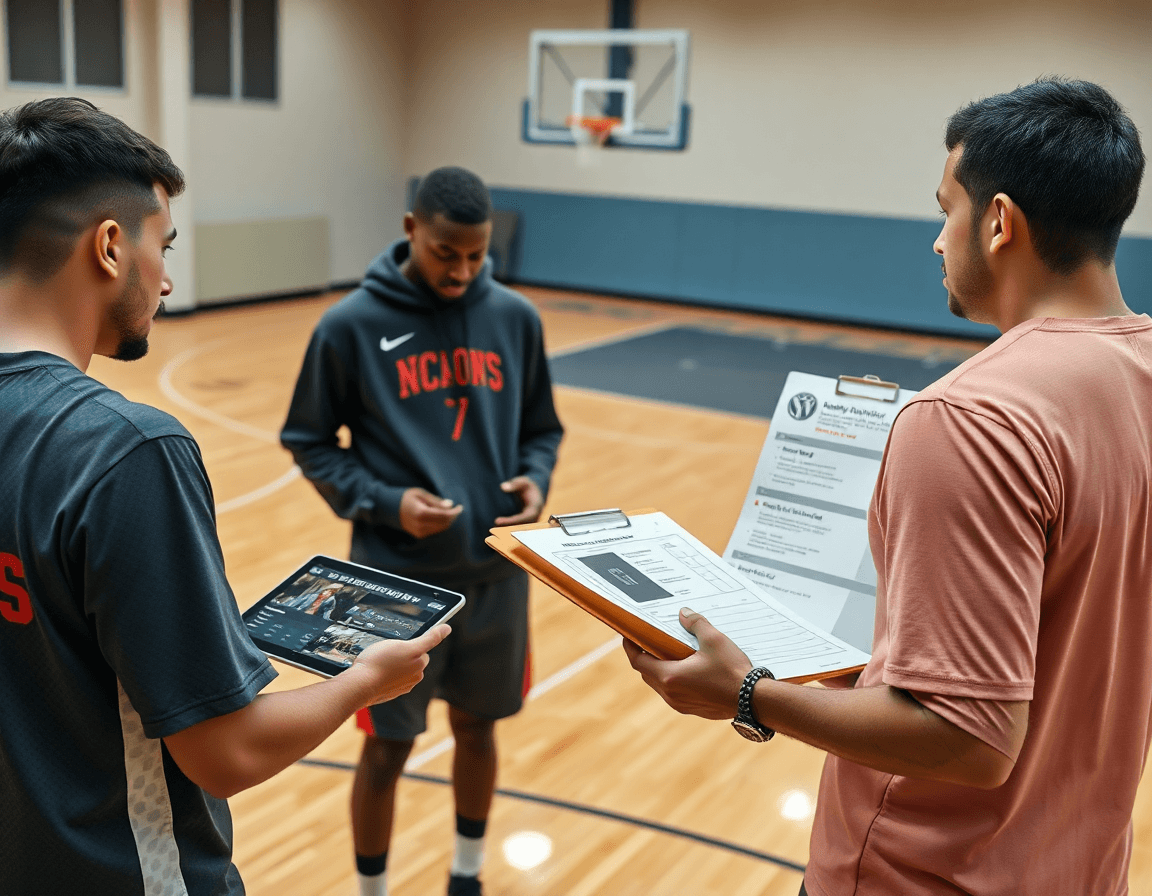
I start each week by building a focused set of scouting reports that zero in on opponent late-game tendencies—how they pressure, whether they trap, and how they switch under the final minutes. This isn’t a generic note dump; it’s a concise read on what tends to show up in end-of-game situations and how it might shift our call order. In my Practice Plans library, I keep a dedicated folder for end-of-game plays, and I attach the relevant scouting details so the staff can reference them during the week.
Next, I attach relevant scout plays to the end-of-game library for quick recall. If the opponent leans into pressure, we’ve got inbound plays and sideline inbound options ready to deploy. If they switch late, I pull scout plays specifically designed for those matchups. I also tag scenarios like out-of-bounds and after timeout plays so we aren’t hunting for the right clip in a rush. The goal is that, when the clock is winding down, we can pull the exact sequence from our library and run it without fumbling through folders.
Finally, I use video to verify opponent tendencies and refine our call orders. Short clips show where pressure collapses the floor, how traps form, and which rotations leave a gap we can exploit. I curate playlists for players, pairing each scout play with the sequence we want to see in action. When the late game arrives, everyone knows which end-of-game play to run, and why, based on what the opponent has shown—the result is faster decisions and cleaner execution.
Video clips and playlists: teach, practice, and execute
In the video phase of my weekly workflow, I pull video clips that illustrate end of game plays and end of game situations. I start with a quick pass-through of the last two minutes from our practice plans’ clips library, tagging clips that show inbound options, sideline inbound plays, and the pressure of late game decisions. Clip selection should map to the plays in your library and practice plans. I export a few sequences that demonstrate execution on the tactical whiteboard, then save them for quick on-floor review before the next drill block.
Next, I assemble playlists that mix teaching clips with game footage. A teaching playlist keeps clips short and focused—read, react, and finish for options like last second plays and out-of-bounds setups. A game-clip playlist lets players watch the actual sequences and see how the decision points unfold in real time. Shareable links let players open the material on any device, boosting player engagement and accountability for the late-game decisions.
After the game, I review outcomes with the staff and update the playbook accordingly. We annotate what worked in end of game plays, what didn’t, and what adjustments are needed for late game decisions. The end of game plays library gets a refreshed clip and a revised option for after timeout plays, inbound plays, and sideline inbound plays, so the next week starts with a sharper playbook and sharper execution.
If you build plans like this every week, CourtSensei keeps your drill library, whiteboard, and video clips in one place — try it free.
FAQ
What are typical end-of-game plays in basketball and when should you use them?
Typical end-of-game plays in basketball center on clean entries and clear decision paths. In practice, we keep a tight library: BLOB/SLOB sets, sideline and baseline inbound options, late-clock reversals, and purposeful screens. Use them based on clock, score, and opponent tendencies; a two-for-one sequence may require a different option.
How do you design end-of-game plays for late-game scenarios?
Designing late-game end-of-game plays starts with a clear map of scenarios: lead, deficit, or tie, plus time left. Label each option by entry (sideline, baseline, or reset) and a counters to the defense's adjustments. Build a flexible library with counters to common adjustments and a simple call hierarchy so staff can call the right option under noise.
How does a 2-for-1 situation work and how should you run it?
Using a 2-for-1 is a clock-smart way to secure two chances in the final minute. The first possession should yield a quality look; the second must be a high-probability attempt regardless of the result. Practice spacing, quick ball reversals, screen reads, and a clean exit. Keep your primary handler and shooter in rhythm under pressure.
What are after-timeout plays (ATO) and when should you use them?
ATO plays are designed after a timeout to counter a defense's setup. Use them when you want to re-space the floor, create a specific matchup, or force a favorable look. Keep the call simple with clear reads for the shooter or driver. Tie the play to scouting notes so you exploit tendencies.
How do you design inbound plays for end-of-game situations, sideline vs baseline?
Design inbound sequences for sideline and baseline ends to keep the clock moving. Label options by entry and target, with quick releases and clean routes. A baseline inbound can free a shooter; a sideline set can put the ball in your primary handler's hands. Export PDFs and diagrams for quick reference.
How does the Elam Ending impact late-game strategy?
The Elam Ending reshapes late-game timing by setting a target score rather than running down the clock, changing when to foul, shoot, or collapse into a slower possession. Rehearse both with and without the rule, keeping calls concise and players calm. Tie practice to your overall strategy.