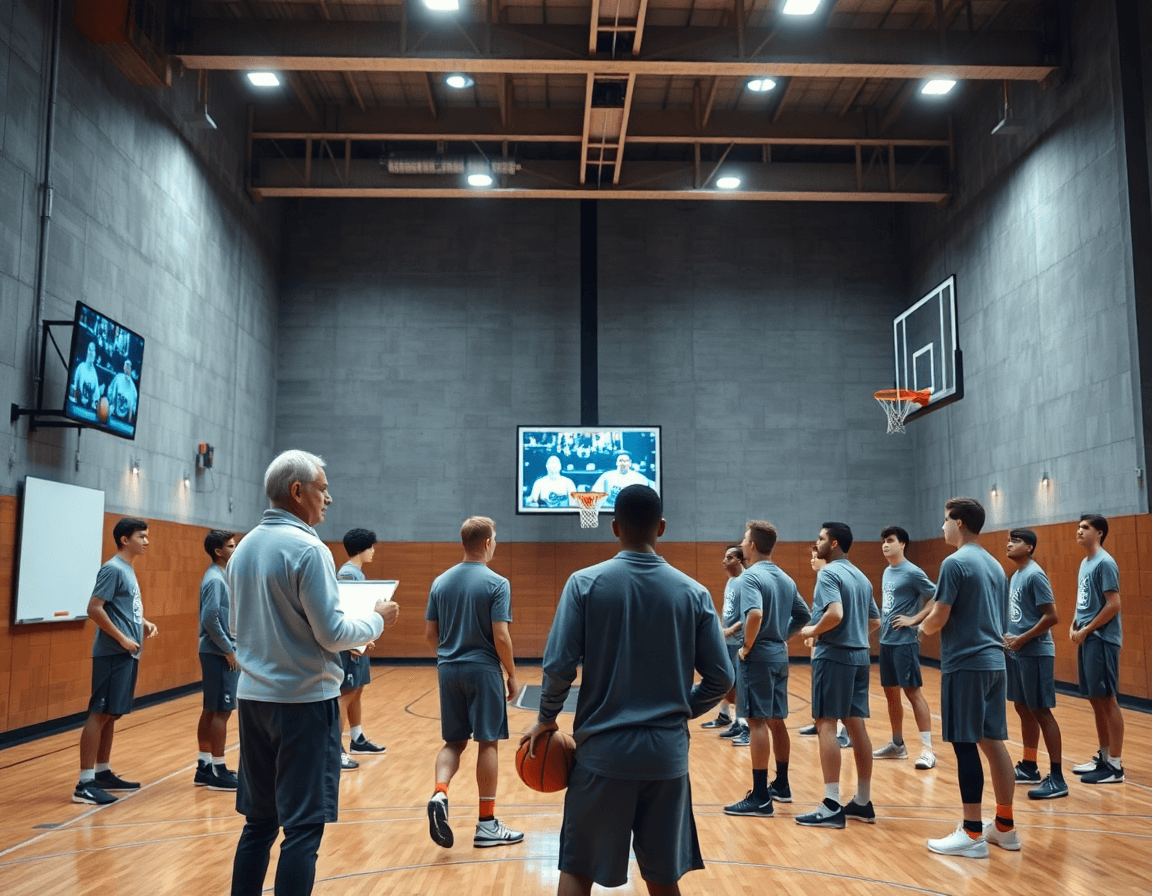
Basketball Film Study: A Weekly Coach Workflow
Master basketball film study with a coach-focused weekly workflow: turn clips into actionable practice plans, scouting insights, and player development.

Key takeaways
- Anchor your week with a focused basketball film study and 2–3 core themes matched to PPP or defensive stops.
- Tag clips by action types (BLOB/SLOB/ATO/PnR) and link them to specific drills.
- Build concise video playlists that map each clip to weekly practice objectives.
- Create annotated whiteboard diagrams and shared language so players execute late-clock sequences confidently.
- End the week with a recap and export notes to the practice plan library.
Why film study should anchor your weekly plan
Your best weeks start with a basketball film study anchored at the center of your plan. This focused session sets up your weekly workflow by connecting scouting, planning, and player development. On Fridays we pull clips, tag the most impactful moments, and map them to the Saturday practice plan. The result? A tighter flow from video to drill reps to game-day adjustments. This is where the plan truly becomes executable.
Start by picking 2–3 core themes for the week. These become your practice objectives and gate for the offense and defense. Tie each theme to a measurable target—PPP (points per possession) or defensive stops—so you can track progress midweek. The beauty of this approach is the scouting integration: you pull opponent tendencies from scouting reports, validate them with film clips, and assign drills that pressure those tendencies in practice.
Use annotated clips and whiteboard diagrams to create a shared language for assistants and players. We tag clips to specific action types (BLOB/SLOB/ATO/PnR) and sketch routes on the board that reflect the plan. The goal is that everyone—from assistants to players—walks out with the same understanding of a late-clock sequence. This is when video becomes a teaching tool, not a reference file.
From there, the week moves from insight to action by tapping into your library of drills and plays to craft practice components that address the week's themes. Create concise clips and build video playlists so players see their role in the plan. Share scouting reports and opponent prep clips with the staff to keep everyone aligned, and loop those inputs back into your plan for the next cycle.
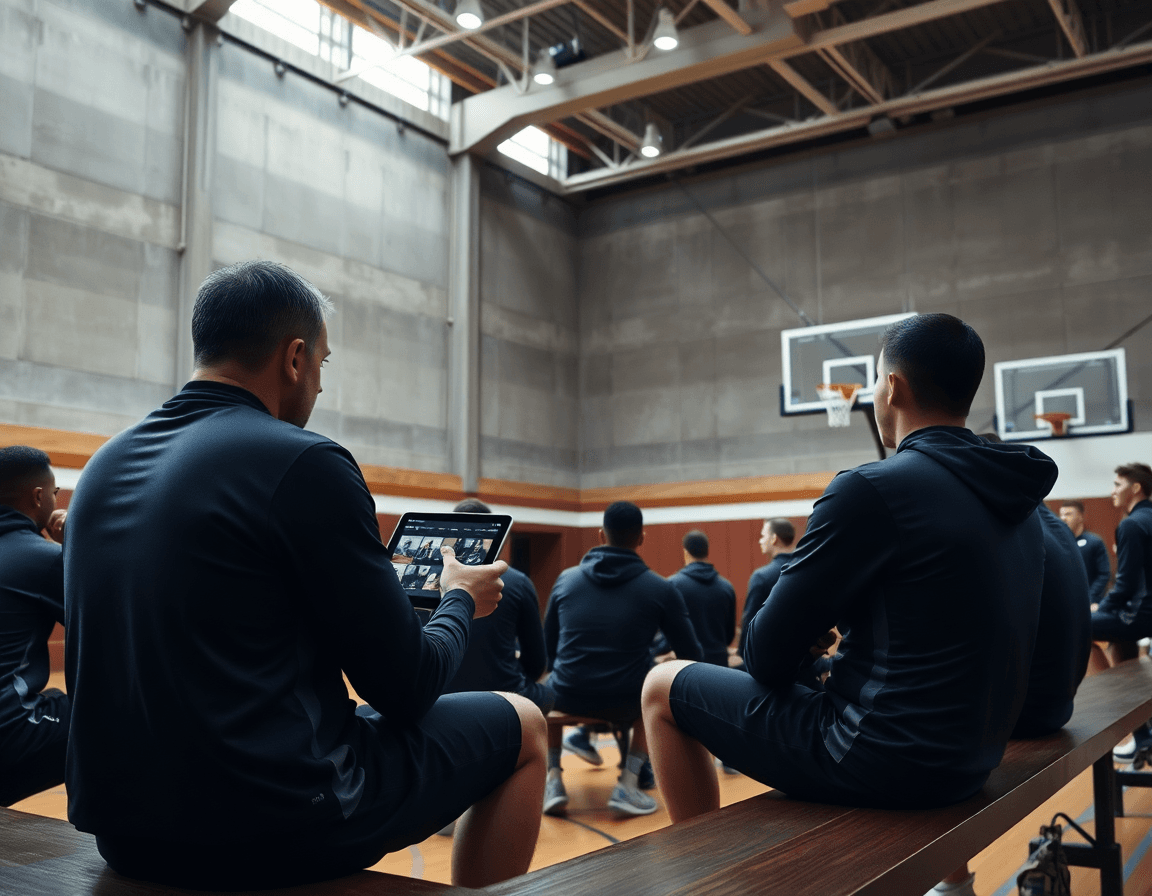
Practical workflow: a 60-minute weekly film session
In our weekly film session, we kick off with 5 minutes to align on goals and themes for the week. I pull from scouting reports and opponent prep, then map them into the practice plan. This is how basketball film study becomes a repeatable weekly routine: which decision points, spacing, and execution we want to sharpen to win small battles on game night. That quick alignment sets the tone for the rest of the hour.
Next, we spend 15–20 minutes on clip selection, choosing 3–5 clips that illustrate those themes—moments of decision, spacing, and execution. I tag each clip with the exact lens: PPP (points per possession) impact, and how it ties to our plan. The clips live in the library and are ready to compare side-by-side during planning in the plan room.
During 20–15 minutes, we annotate with whiteboard diagrams on the board or digital board: BLOB/SLOB/ATO/PnR. Each diagram links to a specific practice task in the plan (for example, a sequence to work on ball screens in a shell drill or spacing adjustments in a 4-out set). We connect the action to drills for players and prep the related scout plays for the opponent.
Then 5–10 minutes to build player playlists and assign clips for review; prep assistant coaches to handle follow-ups. Each playlist tightens a progression: a quick clip in a pre-practice review, then a clip that targets a decision point from the week’s action. Sharing these through CourtSensei keeps everyone on the same page before the next session.
End with a concise recap and export notes to the practice plan library. The notes summarize the decisions, clips, and tasks tied to the week, turning basketball film study into a repeatable workflow that fuels planning, diagramming, and player development.
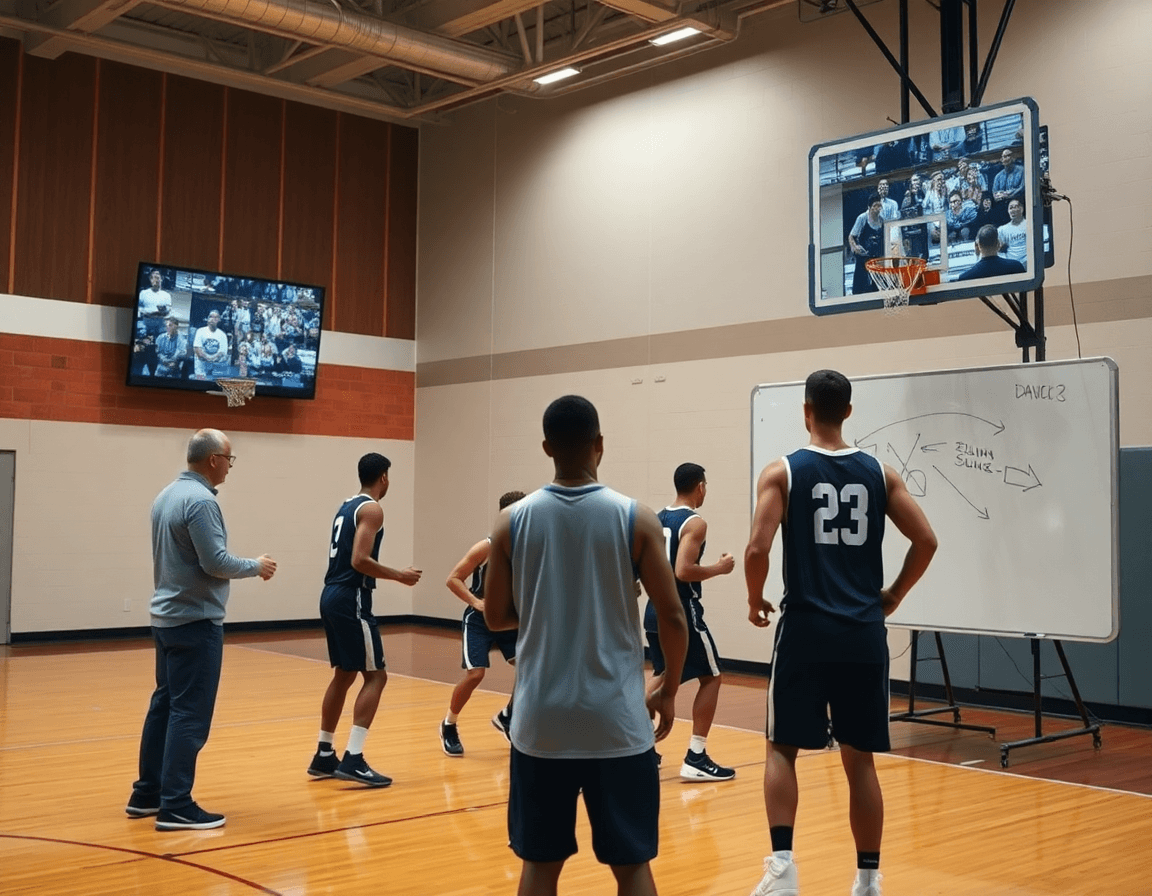
From clip to plan: translating films into practice plans
Each week starts with basketball film study that feeds 2–3 teaching points from the latest clips. Pick these insights and map them into a few drills or sequences in your plan—the clip to plan workflow that anchors the week. Then, you connect those points to the kinds of situations your team will face, so the practice plan becomes a natural extension of what you saw on the tape.
On the tactical whiteboard, link each teaching point to a specific scheme (transition sets, quick ball movement, spacing). If the clips show BLOB/SLOB/ATO timing, draw the action and annotate the decisions players should make in those moments. This is where you translate film into on-floor pressure, so your players feel the same cues you called out in the stands or on the sideline.
Create a printable plan for assistants and a digital version for players. In CourtSensei, attach the clips to the corresponding drills and build video playlists that players can watch between sessions. The goal is to keep film study tightly integrated with your weekly practice planning and player development, so every clip has a concrete drill and a measurable outcome.
Finish with concrete takeaways for each player or group (by position, role, or matchup). Attach a decision-making cue they can carry into the game and practice, then gauge impact with PPP (points per possession) to see if the film-driven plan improved efficiency. The weekly rhythm stays simple: select clips, build the plan, run the drills, review the outcomes, repeat.
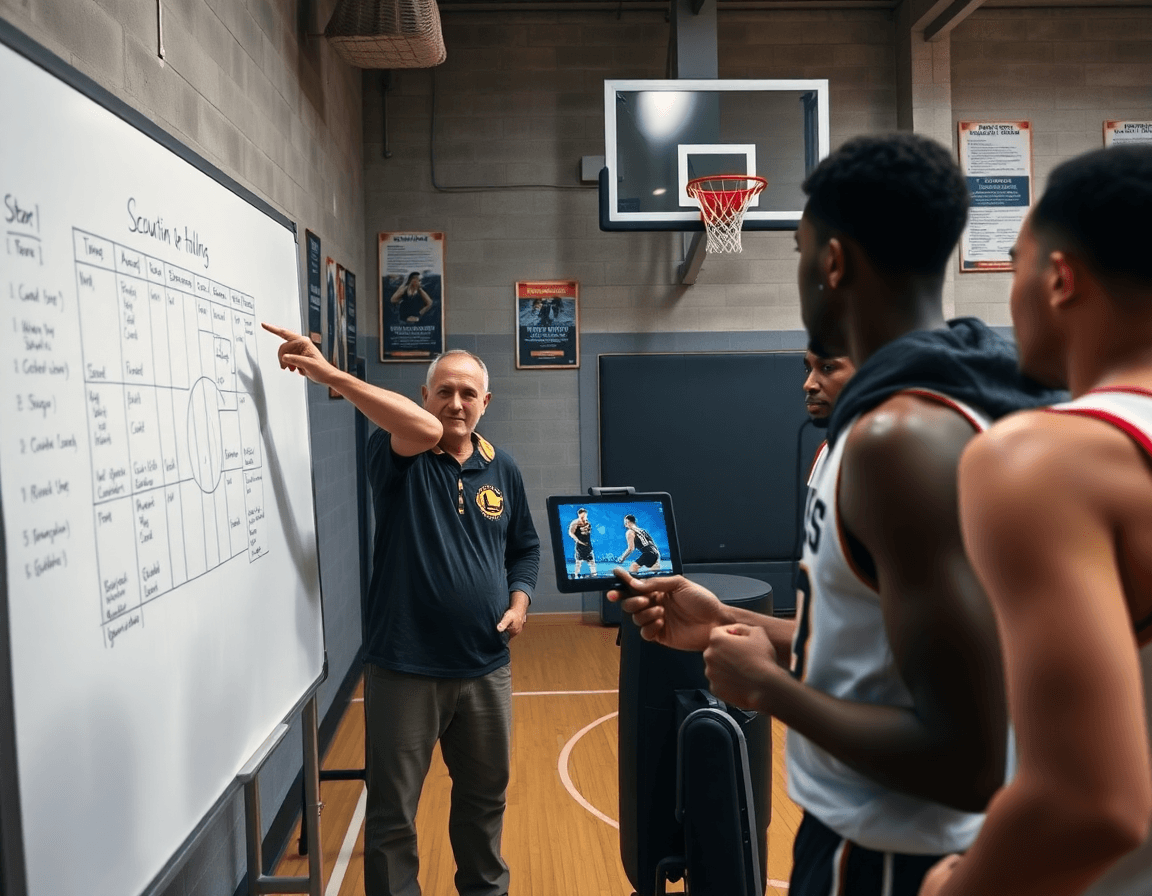
Building targeted playlists and shareable clips for players
During a typical weekly cycle, basketball film study informs my plan for practice. I pull 1–2 minute clips that highlight key decision points—when to attack gaps, when to swing the ball, how to contest a late clock—and note the outcomes. These clips become the backbone of targeted learning and are organized into video playlists that the staff can thumb through during meetings and on the floor. I link each clip to the week’s practice plan and the related scouting notes, so insights flow from film to plan to drill.
Organize clips into position-specific playlists for quick review. When a guard needs to study spacing in ball-screen actions, we point them to that playlist. Each clip is tagged with context—opponent defense, PPP context, timecode, and the scouting report it informs—so a later review becomes a tight, repeatable drill. After practice, I add new clips to the library and share them with the team using clip sharing links, keeping the workflow smooth from the court to the classroom.
Shareable links enable players to watch at home and come ready to discuss in meetings. In post-practice feedback, I walk through a clip with the player, highlighting clear player feedback and focusing on the decision and the PPP outcome. In pre-practice briefings, a quick clip signals what we’ll emphasize today—what to sustain on offense and how to read the opponent’s adjustments—so the whole unit starts with a shared picture. This is how basketball film study translates into repeatable weekly routines that connect directly to planning, diagramming, and player development.
Opponent prep: incorporating scouting reports from film
Opponent prep in our weekly workflow starts with film study for scouting. Use the clips to identify opponent tendencies—switches on ball screens, traps in the traps-and-rotations moments, ball movement patterns, and post-entry actions. The aim is to spot repeatable cues we can train against. When you finish the initial pass, mark the key reads and decision points in your scouting notes so the rest of the week has a clear target.
Build concise scouting reports with diagrams and tie them to your game plan. On the whiteboard, sketch the opponent’s defensive shells and their preferred trap angles; pair that with offensive counters you want to emphasize in practice. Export a clean scouting PDF for assistants and coordinators, and drop the diagrams into the plan so everything stays aligned with your weekly objectives. The better you align the report with your game plan, the faster your team can react in real time.
Translate scouting findings into practice tasks that prepare players to react correctly. Take the top three action triggers you identified—ball-screen switches, rapid ball reversals, and post-entry reads—and turn them into short, repeatable drills. Tie these drills to live decision points in your practice plan, and track progress using PPP benchmarks to see how often players meet the desired read. This makes film insights actionable and measurable.
Create opponent-focused playlists to reinforce adjustments in team and individual sessions. Assemble clips that demonstrate the correct reads and reactions, then share them as clip analysis and video playlists for the squad. Reinforce the same adjustments during film time, in drills, and in quick-group walkthroughs—so players internalize the adjustments and execute them under pressure when game night arrives.
Metrics that matter: measuring impact of film study
Basketball film study isn't just watching clips; it's a framework of metrics that translate to weekly action. The centerpiece is PPP, or points per possession, but we also measure how film-driven decisions change drills in the plan and shots in live play. With CourtSensei, the week starts in the planning phase: craft the practice plan, annotate the whiteboard, assemble video playlists for players, and note scouting targets for the opponent. This is real coaching analytics in motion.
Track PPP as it climbs when film-driven decisions drive drills. After a weekend of clip analysis, we drop a targeted drill into the plan that mirrors a decision from the film—attacking a specific defensive coverage, or a quicker ball reversal. We connect that drill to a short on-court sequence and assign clips to players in the video playlists so they study their choices during downtime.
Monitor improvements in decision speed and shot selection after film-oriented practice. In a midweek session we highlight reads from the film and translate them into a whiteboard diagram and a drill. By the next scrimmage, players are making faster reads and getting higher quality shots—fewer forced looks, more rhythm in the offense. The coaching analytics flow into the rotation and the plan.
Set weekly goals and review outcomes to refine next week’s clips and plans. We lock PPP targets, pull a couple solid scouting reports, and track progress in the plan. Friday reviews feed into opponent prep and update the film library for the next week, ensuring the clips we pull matter in practice planning.
Use analytics to connect film study to on-court performance and player development. The numbers tell a story: PPP climbs after targeted clips, decision speed quickens, and shot selection sharpens. We close the loop by updating player playlists and the upcoming plan, so every film session feeds a concrete improvement in the next week’s practice, diagram, and development targets.
If you build plans like this every week, CourtSensei keeps your drill library, whiteboard, and video clips in one place — try it free.
FAQ
How long should a basketball film session last for maximum effectiveness?
Goal: a focused 60-minute weekly session. Start with 5 minutes aligning goals, 15–20 minutes selecting 3–5 clips, 20–15 minutes annotating with a whiteboard, and 5–10 minutes building player playlists and a recap. This cadence keeps your basketball film study anchored in a practical weekly workflow and ensures clips translate into practice.
What type of metrics should coaches track during film study?
Metrics to track during film study: Core endpoints are PPP (points per possession) and defensive stops. Also measure decision quality, spacing decisions, and execution under pressure. Log trends midweek to verify that the film-driven plan improves efficiency. Use simple dashboards so assistants and players see progress at a glance.
How can film study directly improve player development?
Film study should directly touch development: map each clip to a drill or sequence in the practice plan, then create 2–3 playlists that target players' roles. Emphasize decision cues (when to attack, spacing) and require players to review the clips between sessions. This creates a concrete growth loop.
What is the most valuable action coaches should highlight on film?
The most valuable action is the decision points—the moments of attack, spacing, and timing. Show the reads that lead to a decisive move, then pair with drills that reinforce those cues. By focusing on these decisions, you turn tape into actionable coaching and measurable improvement.
How can analytics and film be combined to gain a strategic edge?
Analytics + film = edge: fuse scouting data with annotated clips that reveal opponent tendencies. Build whiteboard diagrams and labeled playlists that connect to plan decisions. This creates a clear, shareable language for staff and players and helps you anticipate counter-moves before the game.
Should film study be connected to practice routines?
Yes—film study should feed practice. Translate insights into 2–3 teaching points, add corresponding drills, and attach clips to those drills in your practice plan. Use video playlists between sessions so players revisit cues. The result: tighter integration from tape to drills to game-day execution.