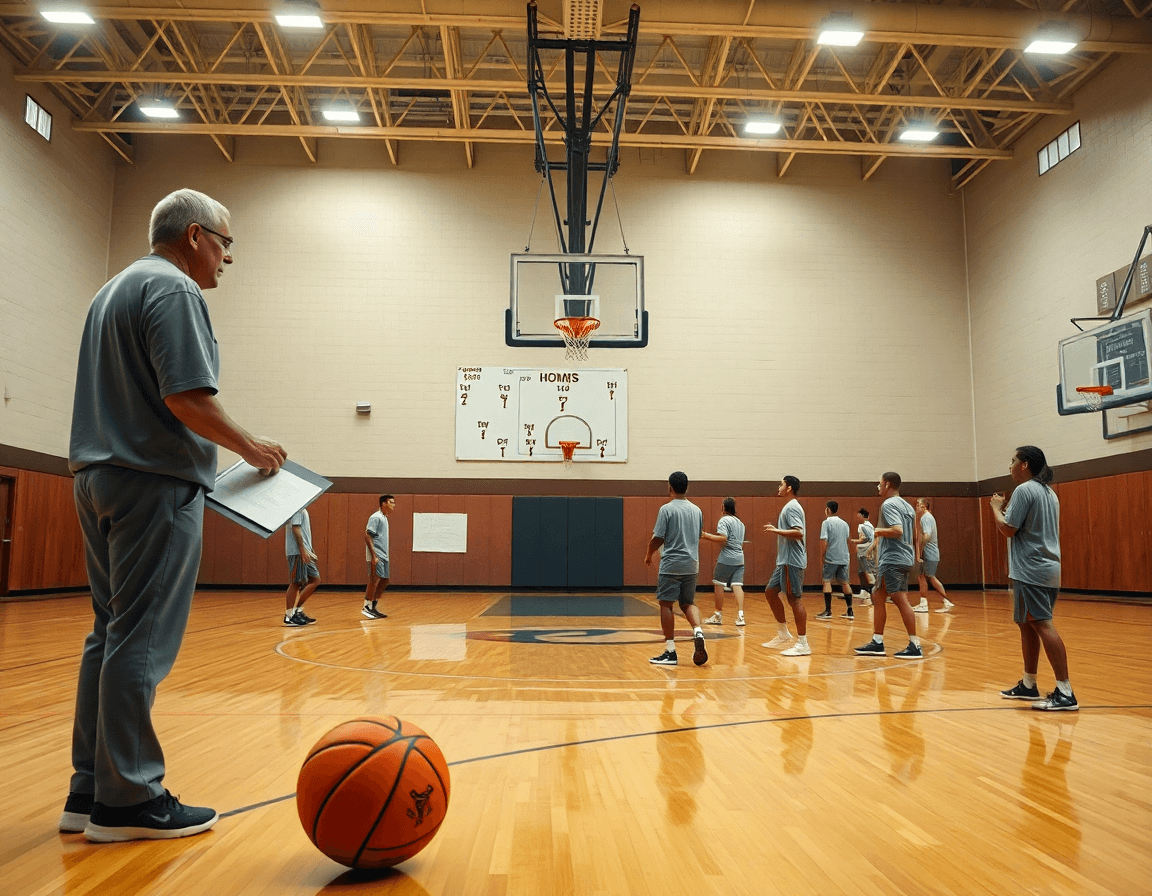
Basketball Horns Set: Weekly Plan for Coaches
Coaching guide to running basketball horns set in a weekly plan. Learn drills, diagrams, video clips, scouting, and shareable playlists to teach Horns actions.

Key takeaways
- Adopt a weekly Horns cycle as the backbone: install, reads, and video reviews.
- Lock in core actions: Horns Chest and Turn Zoom as recurring anchors in drills.
- Use Spain pick and roll reads to guide decision points; pair scouting notes with clip playlists.
- Structure Phase 1–4: spacing install, Chest/Turn Zoom progression, counters, and game-tempo 5-on-5.
- Keep a scouting note and a video playlist; track progress toward game-ready execution.
Why the basketball horns set fits a weekly coaching plan
From a coaching standpoint, the basketball horns set is a reliable backbone for a weekly plan. Its spacing—two elbows and two corners—creates room for reads and keeps the ball popping. When you run it, players learn to read the defense, recognize coverages, and align without overdrawing the play. With a clear weekly flow, horns set can be installed and stacked with other actions in your practice plan.
Plan-wise, a Monday–Saturday cycle fits perfectly. Start the week by installing the basics: spacing, entry options, and the core reads off the elbow. Tuesday builds reads and options off the elbow and high post; Wednesday adds actions like the A-Set and early ball-screen reads. Thursday sharpens the BLOB/SLOB and flare adjustments; Friday uses scouting notes to tailor plays against the opponent’s defense; Saturday is a quick walk-through and short video clip review to lock in the rhythm. This is where your planning tool, the tactical whiteboard diagrams, and a few playlists for quick clips come together to accelerate learning and game-ready execution.
Roster fit matters. The horns offense suits multiple positions and roles, and it scales from a high school squad to semi-pro rosters. Guards can sprint into the elbow reads; bigs can anchor the post entries and set the screen actions without breaking tempo. The system naturally accommodates different lineups—you can layer high-post reads, elbow entries, and double ball screens in the same week, then flip the focus based on scouting.
How to organize your week: outline drills, rep ranges, and progression for Horns actions. For example, allocate two sessions to install entry options, two to build reads and reaction triggers, and one to situational work like a late-clock horn set sequence. Keep a running scouting note in your plan and pull a short video clip from the latest game to illustrate a specific call. The weekly cycle becomes a repeatable engine that shortens the path from install to game-ready execution, faster than you think.
Core actions and reads to master from Horns set
From the Horns set, the core actions you must master pulse through every weekly cycle. We lock in the backbone: Horns Chest and Turn Zoom. In the plan I build drills that feed these actions, then I translate them to the whiteboard with clean diagrams and reads. A short video clip later, and the timing starts to feel second nature.
Primary reads guide every decision. Shooters in the corners demand spacing; the guard attacks off ball-screen; the post entry options give you immediate counters if the ball goes inside. When we run the Spain pick and roll, the ball handler looks to the elbow, reads the hedge or switch, and decides whether to dive into a high post entry or spray the ball to an open shooter. These reads keep the offense patient while forcing defenders to react.
Variants to practice: Horns Twist, Horns Flare, Horns Zoom, and high-low action. I map each variant to a block in the weekly plan, drop a quick diagram on the tactical board, and pull a 60-second clip from a recent game to reinforce the read. A scouting note highlights how the opponent defends these actions, and a playlist of clips goes to players so they can study the timing on their own.
Spacing and disguise to beat switches and create open looks sit at the center of the week. We drill it in live reps with active defenders pressing the ball and denying easy angles. In the scouting report I log tendencies—over-hedges, immediate switches—and pair that with targeted clips in a follow-along playlist. That workflow—plan, board, video, scouting, playlist—keeps the Horns action crisp in practice.
Practical workflow to install Horns in your weekly routine
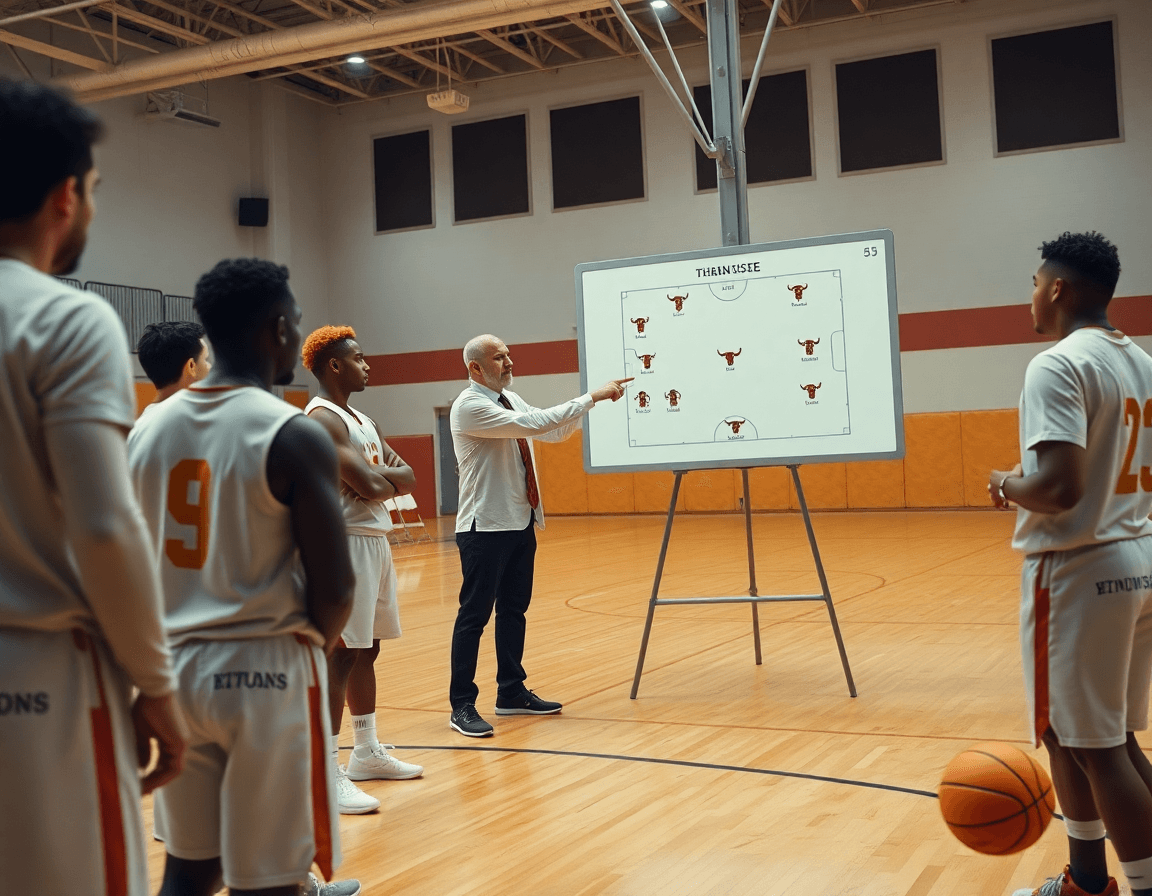
Phase 1: install spacing and primary reads (1–2 drills, 20–30 mins). In your weekly workflow, start with a tight Horns install block in the Practice Plan. On the whiteboard, lock in the base spacing: big in the high post, wings at the elbows, and guards to the corners. Run 1–2 drills that emphasize the elbow-entry read and a quick ball reversal into a simple pick-and-roll. After reps, pull a short clip from your video library and drop it into a shared playlist so players can study the read between sessions.
Phase 2: add two actions (Chest, Turn Zoom) with reps and constraints. Diagram these on the board as extensions to the base look, and run them in focused blocks. Keep reps tight: 6–8 per action, with clear constraints like limited dribbles or mandatory passes before shooting. Use Chest to feed into a quick post-entry or drive-and-kick, then Turn Zoom to reorient the defense and open a secondary option. Build a couple of clips for each action and embed them in the players’ playlists so the film reinforces the feel of the reads.
Phase 3: add counter actions and opponent adjustments (drill variety). The next layer is counters and adjustments. If the defense overplays the elbow, branch into Horns Flare or a back-side flare; if they switch, bring in deliberate counter reads from A-Set or a spaced double ball screen. Add drill variety: alternate pace, vary the entry timing, and mix in different reads from the same look. Use whiteboard diagrams to map the counters and stitch in clips from your scouting library so players see how to attack multiple looks.
Phase 4: simulate game tempo in a controlled 5-on-5 half court scenario. Elevate the tempo with a clock-driven, half-court 5-on-5 that mirrors real shifts, defensive pressure, and shot-clock constraints. This is where the weekly plan comes alive: execute from the Horns set install, call out sequences in the moment, then capture the flow as a new set of clips for the playlists. Use scouting data to tweak start sets and prefer reads tailored to the opponent—lean into Horns Offense adjustments, like a sharper high-post entry or a quicker flare to create a clean look for your shooters.
Planning drills, whiteboard diagrams, and drills that translate to games
I start every week with intentional planning drills for the Horns Offense. In the plan, I tag key Horns actions—Chest, Cross-Screen Hi-Lo, Spain PNR—so assistants prep faster. I build a library of Horns drills in the practice plan for quick reuse; when scouting notes shift, I can swap in a drill without losing flow. This workflow—from plan to floor—keeps us game-ready.
On the whiteboard diagrams, I sketch the Horns actions and run-through sequences like Chest isolation, Cross-Screen Hi-Lo, and Spain PNR. I also label setups we want to read—double ball screens, elbow entries, or early high-post alignments—so the staff sees the reads. Those diagrams become teaching moments for spacing and timing, and they translate quickly when we move to the floor for 4-on-4 games emphasizing Horns actions. I also tag actions and sequences to match game scenarios.
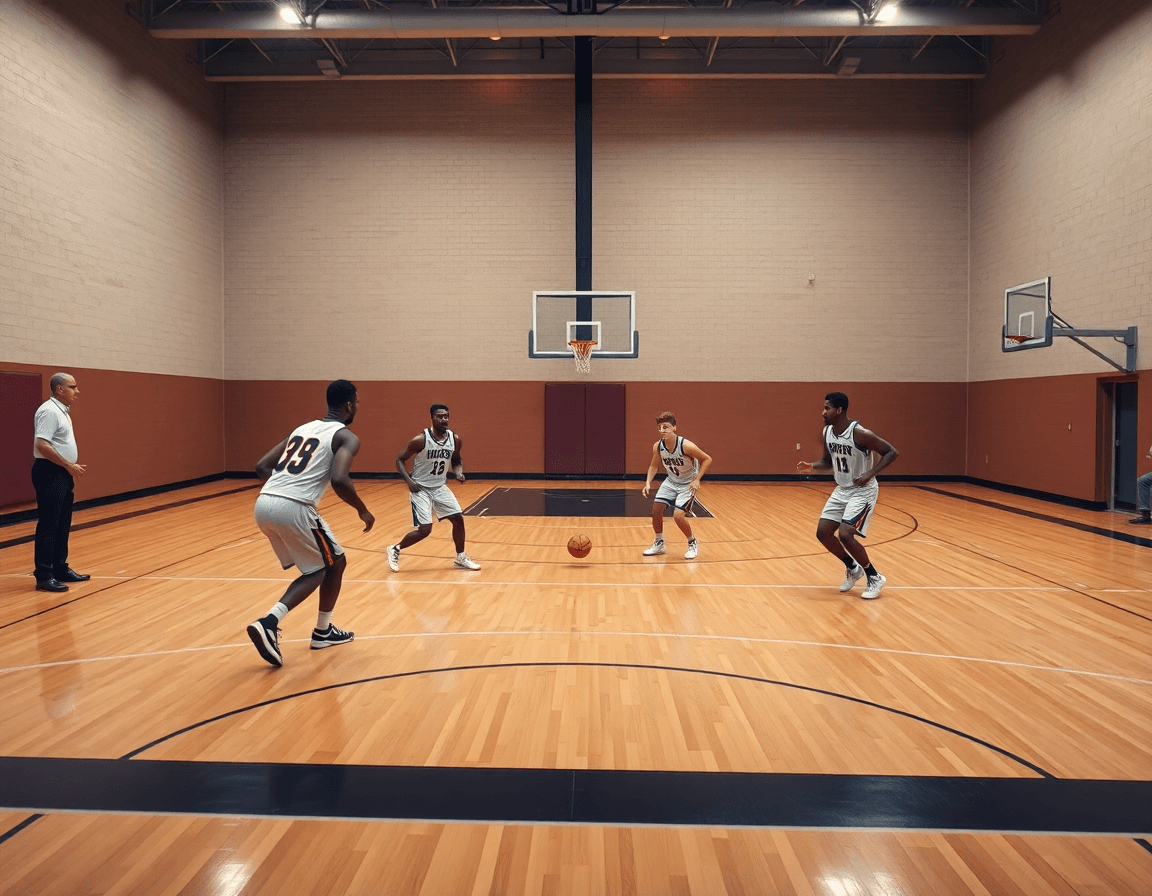
Drills that translate to games start with spacing drills, read options off the screens, and 4-on-4 work that emphasizes Horns action. I run spacing drills that force players to read the Cross-Screen Hi-Lo and the Spain PNR from different angles, then finish with a quick pick-and-roll decision. We watch a short video clip to consolidate the read, then sprint into live defense to see who can adjust on the fly, and build a quick playlist of clips for players to review.
Video workflow: cutting, organizing, and teaching Horns actions
In our weekly routine built around the basketball horns set, the video workflow is where planning meets action. I pull clips from practice and games, trim them to key moments, and line them up with our tactical diagrams in the plan for the week. This keeps the Horns Offense crisp, repeatable, and coachable. When an assistant hops on, they can see exactly what we’re emphasizing in the Horns set.
I clip Horns sequences from practice and game footage and label each clip by action—Chest, Turn Zoom, Spain PNR. Short video clips like these make it easy to show how each option creates spacing and reads the defense. A simple tag system helps us find the exact moment we want to show in a team meeting or on the board.
I build playlists showing best looks and teaching clips, then share them with the team. The playlists let a guard study the A-Set options and a big study of the Horns Flare from multiple angles, so the rhythm of the action becomes second nature. It’s not just watching—it’s deliberate study of timing and spacing.
Use video to reinforce spacing and timing; after a session, assign clips as homework. A quick 60–90 second clip focusing on the sequence can drive home the read for the next practice. Short assignments keep players accountable and accelerate mastery of the Horns Offense without overloading the meeting.
Exportable references for assistants and players—shareable links and curated clips—keep everyone aligned. These references sit alongside our practice plans and the whiteboard diagrams, so the Horns actions (Chest reads, Elbow entry, Pick and Roll, Horns Flare) stay consistent across coaches and players.
Scouting and opponent adjustments against Horns
In the weekly plan, I start with scouting horns and how opponents try to disrupt Horns timing. I pull clips that show teams hedging at the elbow, swapping on ball reversals, or switching into a zone to clog the entry. On the whiteboard, I tag the defensive packages we’re likely to see—man-to-man with aggressive hedges, 2-3 looks, or drop schemes—and map the triggers that slow our action. A quick, short video clip of each scenario helps the staff visualize the read and reaction, so the week isn’t guessing when we step on the floor.
Your scouting reports should spell out horn-friendly counters and the reads we want players to trust. Include concise diagrams and a clear preferred option for each defensive look. For example, against a high-level hedge, the elbow entry into the A-Set can keep the offense in rhythm while forcing late rotations. Note how defenses adjust to our A-Set counters, and where the ball should go next—whether it’s into a quick pick-and-roll or a flare sequence. Highlight options like the double ball screen and the Horns Flare as late-game answers, with a short checklist coaches can reference in the huddle.
Plan adjustments for man vs. zone defenses and matchups are essential. If the opponent switches into zone, we plan who slides to the high post, who eyes the elbow entry, and how to exploit the gaps with a read-and-react flow. Matchups matter, so we outline which players handle the ball in the Horns Offense and who can knife into the gaps for a quick kick to the wing.
Finally, fold Horns into scout plays for late-game adjustments. Build a few late-clock sequences into your playlists and share them with the team as a quick video collection. When a defense tightens, we already know which read to trust and which counter to deploy, keeping the Horns offense sharp under pressure.
Player development through shareable playlists and feedback loops
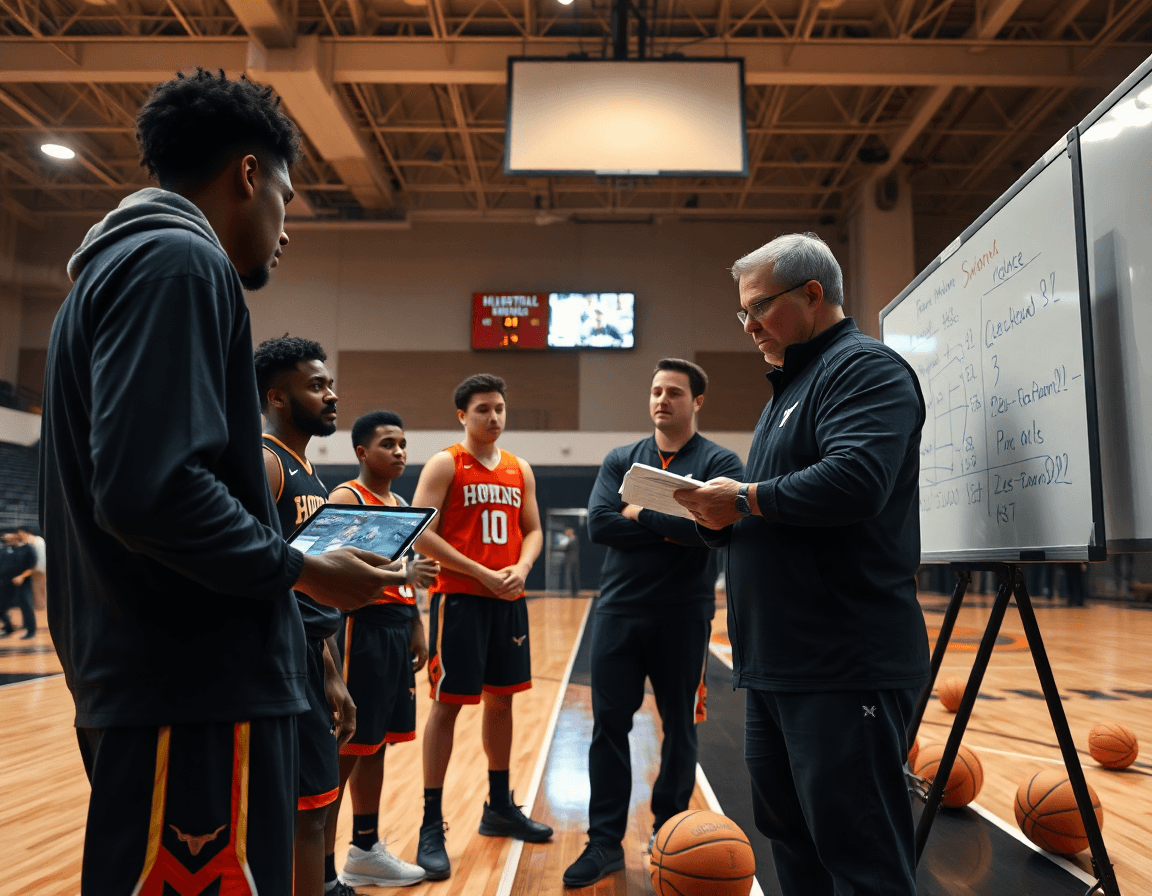
During a typical week, I build player-specific Horns playlists that live in our planning tool as shareable links. Off-days become focused study sessions: clips that teach reads in the Horns Offense, from A-Set actions to the elbow entry and the various options off a pick-and-roll. I tag each clip with the exact action and a short caption, so a player understands what to watch and why. The playlists slip into the weekly plan, and assistants can add or adjust them on the fly.
Feedback loops are fast and specific. After practice, I assign two drills and two clips tied to tangible goals, then players return with a short video clip and a one-line reflection. We annotate the clips on the whiteboard—showing a double ball screen read or a Horns Flare read—and compare them to the plan. That quick feedback closes the gap between watching and doing.
Progress is tracked and the weekly plan is adjusted accordingly. We log decision speed on Horns actions, shot quality off the Horns series, and which reads—high post, elbow entry, or flare—were most effective. When a trend emerges, we shift the plan: swap in a new clip, tweak the playlist, or emphasize a different option like Horns Flare or a selective PnR read. The goal is seamless evolution from planning to execution.
Encourage assistants to contribute to the Horns library and assign tasks. Each helper can add clips, create new playlists for players, and tag them to the weekly plan. This shared workload keeps the Horns toolkit fresh and coaches accountable for player development through shareable playlists and feedback loops.
If you build plans like this every week, CourtSensei keeps your drill library, whiteboard, and video clips in one place — try it free.
FAQ
What is the Horns offense in basketball, and why do coaches use it?
The Horns set is a spacing-based offense that places players on two elbows and two corners. It creates read-and-react options, steady ball movement, and multiple counters off defenses. It is flexible for different rosters and can be stacked with other actions. By focusing on reads rather than a single call, your team develops decision skills and tempo, making the offense reliable week to week.
How do you run the Horns set in a practice session?
Start with the base spacing (two elbows and two corners) and teach elbow-entry reads with quick ball reversals into a simple pick-and-roll. Then add two actions like Chest and Turn Zoom in focused blocks, 6-8 reps apiece, with clear constraints (limited dribbles, catch-and-shoot only). Use whiteboard diagrams and short clips in a shared playlist to reinforce reads between sessions.
What actions are common from the Horns offense?
Core actions to drill include Horns Chest and Turn Zoom, plus Horns Twist and Flare. Each action ties to base reads: spacing on the corners, post feeds, and guard attacks off ball screens. Build a weekly sequence so players see how reads flow from one option to the next and how defenses react to each cue.
What is the Horns Chest action?
Horns Chest is the post-entry option that feeds the ball into the high post or into the post, then prompts immediate choices: drive-and-kick, quick post-entry, or a skip pass to shooters. It creates rhythm and opens lanes for other actions. Mastery comes from repetition with footwork and timing so reads feel natural.
What is Turn Zoom in the Horns offense?
Turn Zoom is the read that reorients the defense after an elbow action, forcing hedge or switch and then exposing a secondary option. Used at the right moment, it creates clean looks for shooters or a drive opportunity. Train timing with spacing so the defense can't overcommit, and keep the pace under control.
How can I coach Horns offense to youth players?
Coaching youth players starts with fundamentals: install the base spacing, teach two simple reads, then add one action at a time. Use short drills (6-8 reps), live defense, and lots of reps. Give players quick clips and whiteboard notes so they can study reads on their own. Keep language simple and emphasize passing, movement, and spacing.
Why does spacing matter in Horns offense?
Spacing matters because it creates driving lanes, passing windows, and keeps defenders from overloading a single area. Proper spacing lets elbow-to-corner reads breathe, supports high-post options, and reduces clogging. Train consistent spacing and adjust based on opponent tendencies, then reinforce with short video clips that show successful reads in action.