Basketball pick up lines for weekly coaching workflow
Turn basketball pick up lines into a weekly coaching workflow—using practice plans, whiteboard diagrams, video clips, scouting, and shareable playlists to teach and execute.

Key takeaways
- Replace 'basketball pick up lines' with executable plays, linking weekly objectives to concrete actions.
- Map every line to a drill sequence, assigning roles and timing for early install and reinforcement.
- Create a shareable plan with PDFs, playlists, and onboarding clips to accelerate buy-in.
- Use video clips to anchor reads and timing, labeling by line for quick coaching.
- Track progress weekly and translate language from whiteboard to court for consistent execution.
Reframing 'basketball pick up lines' into weekly pick-up plays
Here's the shift I use with my staff: replace the idea of "basketball pick up lines" with concise, executable play calls—the action sequences we install every week. Lines become set plays, spacing cues, and ball-screen reactions you can diagram, rehearse, and trust on game night. Each line ties to a weekly objective—install, improve spacing, or counter the opponent's tendencies. A line like a three-pointer line or a pick-and-roll line is a concrete sequence, not a casual remark.
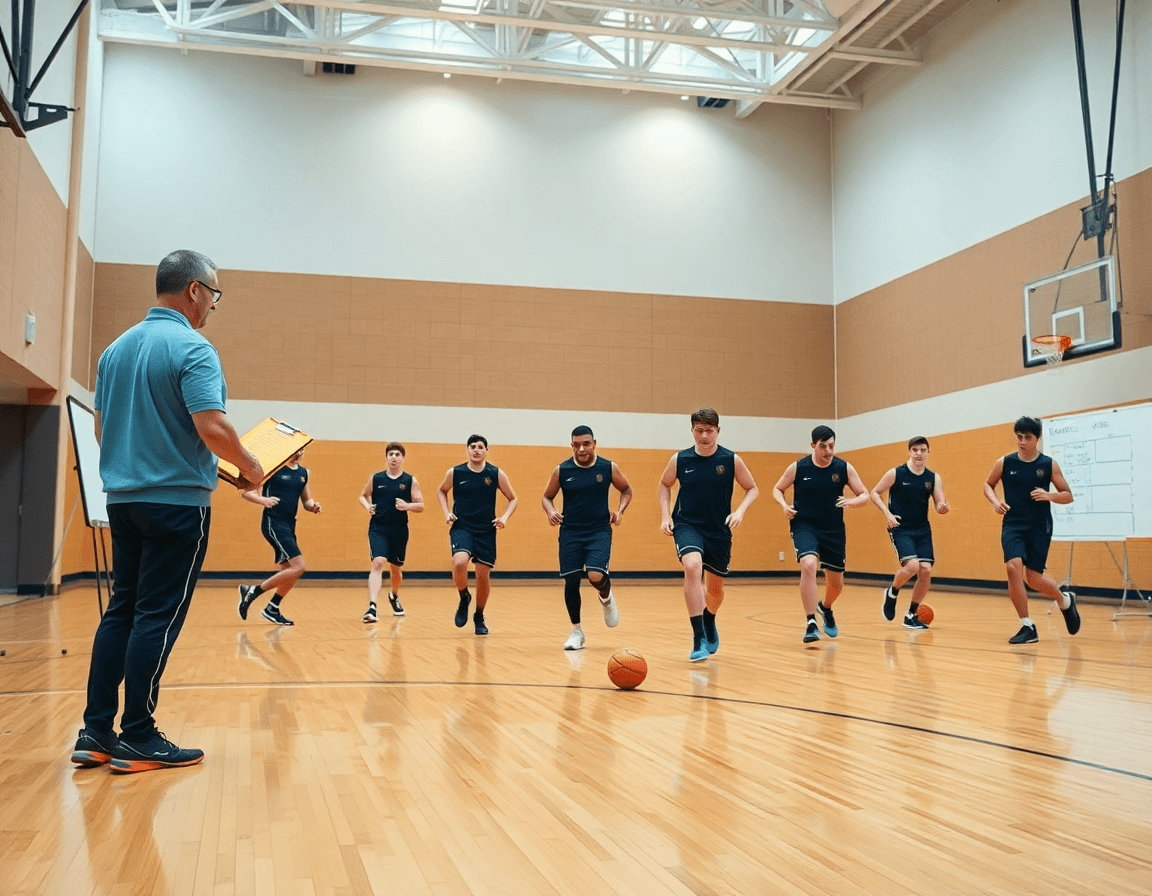
In the plan, we map every line to a drill sequence and on-court responsibilities. Start with a quick install, then progress to spacing reps and reads vs the scout look. The workflow: assign roles, time-box reps, and advance to live-action reps. The result is a repeatable rhythm where players anticipate the line and read the defense.
On the whiteboard, we diagram BLOB/SLOB/ATO/PnR for each line—where spacing sets up rhythm, where to pop to the corner, where the screener slips. We export the diagram to PDF for assistants and players. This tactile map keeps the line visible in practice and aligns the team on responsibilities.
Video clips amplify the concept. A short clip of the line in action becomes a teaching moment; we tag it with scouting notes that highlight counter tendencies. Players buy-in when they see themselves executing the MVP line under pressure; the clip reinforces decision-making and timing.
Finally, playlists and shareable links distribute the clips and drills for the week. A quick package of clips labeled with the line names—three-pointer line, pick and roll line, MVP line—goes to players, with a concise checklist in the plan. The workflow becomes a steady weekly cycle rather than a one-off session.
Practical workflow step: convert lines to executable practice plans
Think of basketball pick up lines as concise, executable play calls you install this week. In CourtSensei, you translate those lines into a repeatable workflow that tightens offensive rhythm and speeds up decision-making. This section shows how to turn a handful of lines into ready-to-run practice plans with clear timing and real accountability. The result is buy-in—when players hear a line and see it in the plan, they own the action. This is weekly planning in motion and the creation of execution lines.
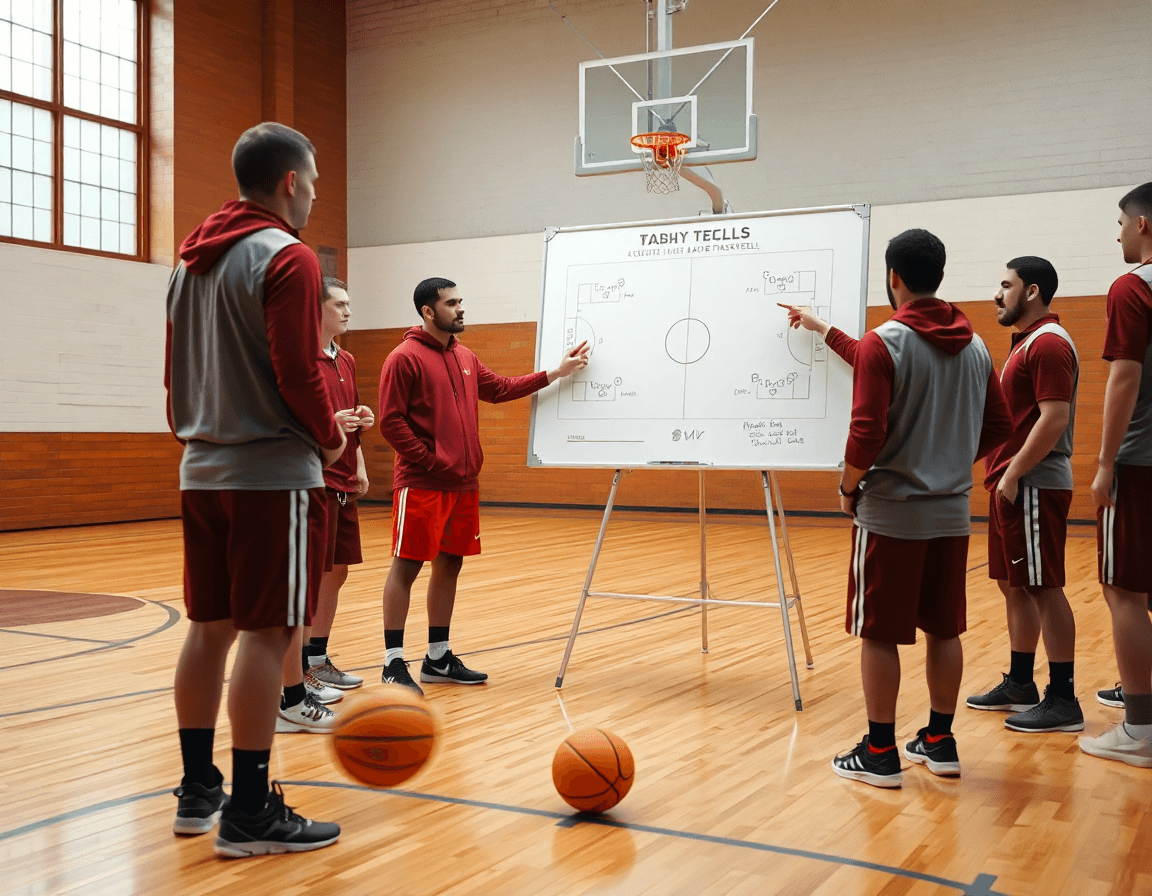
Step one: capture 4–6 core lines you want to install this week and annotate expected timing (early install, mid-week reinforcement, Friday polish). Use your planning tool to lock these lines into the schedule and tag related videos and diagrams. In practice, I jot each line on the whiteboard and attach a short video clip that demonstrates the read or action, so assistants know exactly what to coach. It’s scripting the week so lines surface under pressure.
Step two: create drill progressions that mirror each line (entry, action, finish) and assign roles for players and assistants. Build the diagrams on the whiteboard, pair them with video clips, and keep a running scouting report to anticipate how the line plays against the opponent’s defense. The flow makes decisions crisp when the ball arrives in your offense.
Step three: publish a shareable plan and track progress across practice sessions using your planning tool. Share the plan with assistants and players via links, then watch the language translate from the whiteboard to the court. Use playlists to send short clips to players for review, so the execution lines feel familiar and repeatable by Friday polish.
Draw it up: using the tactical whiteboard for lines and action
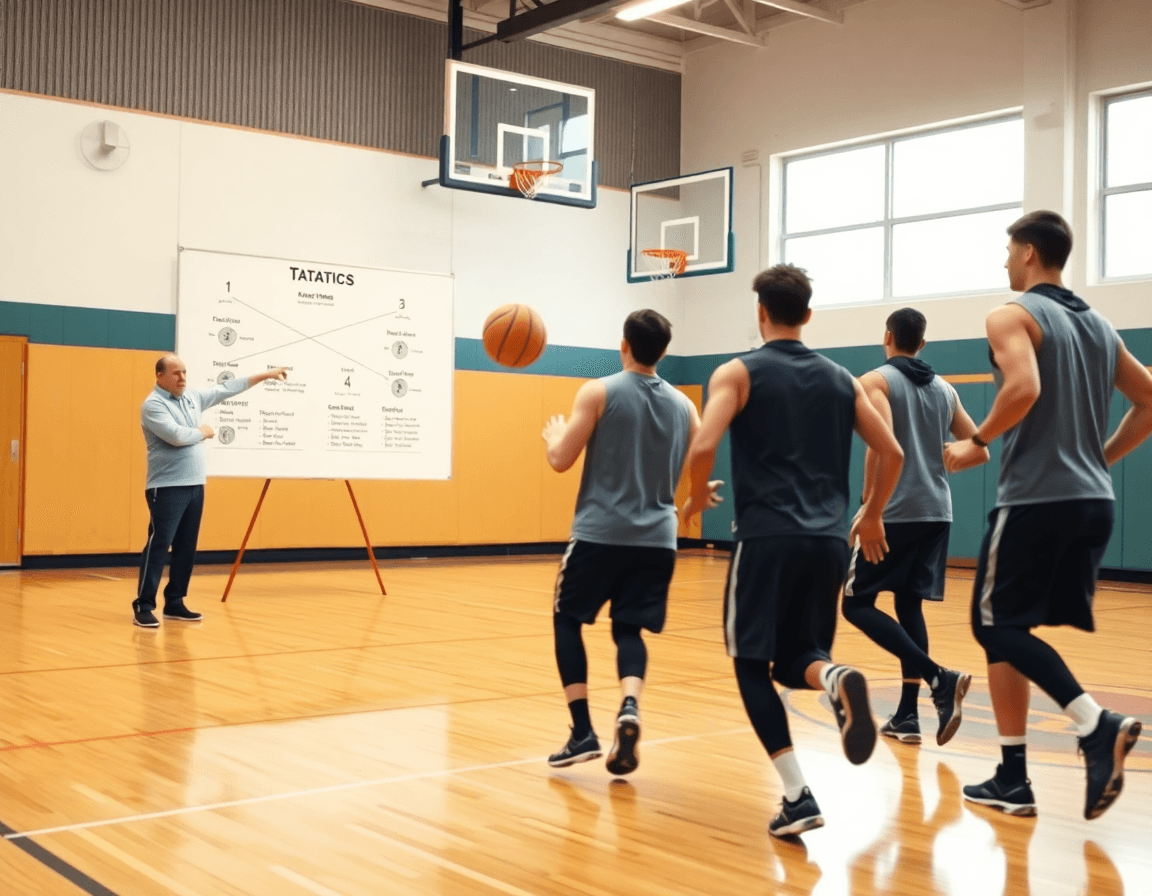
In our weekly coaching workflow, I treat basketball pick up lines as concise, executable play calls. The plan starts in the training plan: we pick a line, for example a three-pointer line, that keeps our spacing tight and speeds up decision-making. On the whiteboard, I diagram the action from entry to finish, with timestamps and clear reads: where to screen, who to read, when to cut. The goal is a repeatable rhythm that players can anticipate before the ball even crosses half court.
To keep the visuals crystal clear, I label every action explicitly: BLOB, SLOB, ATO, and PnR. That labeling translates into quick comprehension during drills, so when the line says “set the screen at 0:12 and read the wing at 0:18,” the players know exactly what to do. A practical example: a BLOB entry out of bounds transitions into a flare screen at 0:10, with a pocket pass read at 0:22 as the ball moves to the shooter. It’s not fluff—it’s a drillable sequence that mirrors real possessions.
Exporting the diagrams as PDFs for player handouts is the bridge to pre-practice review. The PDFs sit with a short video clip in our playlist, so players can study the line in the locker room and on the bus home. That workflow—plan, whiteboard, short video clip, scouting note, and a shareable link to the drill—lets the offense train the rhythm, while defense adjusts in real-time. The result is sharper reads, steadier timing, and stronger buy-in from the team.

Film and teach: using video clips to teach and reinforce lines
In my weekly workflow, I treat each basketball pick up line as a concise play call our offense should execute. To make it tangible, I clip game footage or practice reps that show the line in action: a quick feed-and-cut, a read off the ball screen, a backdoor timing with solid spacing. Clip after clip, players see the movement, hear the language, and connect the line to real choices. This is where video clips meet our basketball pick up lines—the bridge from concept to on-court action.
Keep each clip tight: 30–60 seconds, focused on one line and the decision it requires. Add a simple on-screen cue, like a curved arrow for spacing or a quick caption naming the line. Label the clip by the line and the situational context (early offense, decision window, read-and-react). These short clips are the vehicle for the week, and keeping them within the 30–60 seconds window helps players digest quickly.
Drop the clips into each player’s playlist so they can rewatch on the bus, in study hall, or between drills. I track who watches, how many times, and any questions that pop up in practice. That data guides the next pass of teaching, ensuring the lines stay fresh and the players stay engaged. The result is a living library of clips that supports the weekly plan via player playlists and helps measure engagement.
During a film session in the gym, you pull a clip showing a pick-and-roll read that leads to a quick kick-out for a shot. You pause, let players weigh the decision, then annotate the line on the whiteboard, and finally run the sequence in practice. Buy-in follows quickly when players see the line play out and feel the rhythm it creates.
Scouting and counter-lines: building a game-plan from opponent lines
Opponent tendencies become our tactical language. After every scouting report, I translate those trends into concise, executable lines—our counter-lines for the week. The notes reveal pace, how they guard ball screens, and where help comes from in late-clock situations. The goal is clear: pull out lines that disrupt their rhythm without overloading our players with data. Think of these as basketball pick up lines—short, direct adjustments that keep the offense moving. They belong in the plan, on the whiteboard, and in a short video clip library so the team can feel the intent before they act.
From scouting note to on-court action, the workflow is tight. We drop each line into a Counter-Line matrix and label it for quick recall: Counter-Line 1 for aggressive ball pressure, Counter-Line 2 for soft hedges, Counter-Line 3 for late-clock mismatches. Each line gets a diagram on the taktička tabla (whiteboard) that shows spacing, timing, and the exact read to trigger the action. A related short video clip demonstrates the read in a real sequence, so players can study the movement without decoding jargon. In the plan, we assign reps that mirror game scenarios—ball-handlers navigating screens, wings swinging the ball to the opposite side, bigs sealing the help. The aim is a repeatable, teachable response that players can call in the moment.
We also tailor counter-lines to common defenses—be it a relentless pressure, a drop—then script the adjustments in the practice plan and the diagrams. The scouting notes become sharable, bite-sized play calls, ready to insert into a quick playlist for players to watch. When the team sees these lines in action—on the whiteboard, in a short clip, and in live reps—the offense gains rhythm, decisions tighten, and buy-in follows. These counter-lines become a core part of our weekly routine, feeding into every phase of planning, diagramming, and review.
Drive engagement with shareable playlists: keep players aligned
In my weekly plan, I treat concise play calls as “basketball pick up lines”—short cues coaches deploy to nudge decision-making. I build player-specific playlists with clips that reinforce those lines and clarify roles. This isn’t random; it’s repeatable. For a wing, a line like "space, pin, drive" is supported by a 12-second clip showing spacing, the screen, and the drive. The playlists live in the plan, tagged to the weekly lines so the whole staff stays aligned.
To keep everyone on the same page, I share a single shareable link for each playlist. Every player, assistant, and manager taps the same set of cues before practice—and we review them in cooldown. On the whiteboard, we map the line into our offense and then run quick clips for a refresher. Those clips reinforce the action and speed up buy-in, turning a new line into second-nature decision-making.
After practice, I track engagement with the playlists and gather feedback from players and assistants. If a line isn’t landing, I swap in a new clip or tweak the cue. This library stays living: update playlists weekly, align with scouting notes, and keep players bought-in.
If you build plans like this every week, CourtSensei keeps your drill library, whiteboard, and video clips in one place — try it free.
FAQ
What are basketball pick up lines, and how can they fit into a weekly coaching workflow?
Think of basketball pick up lines as concise, executable play calls you install this week within a weekly coaching workflow. They map to 4–6 core lines, each tied to a drill progression, a spacing read, and a counter-reaction. Diagram them on the whiteboard, export PDFs, and reinforce with short video clips until the team executes under pressure.
Can basketball pick up lines be used on dating apps?
Yes, as a concept, you can apply the same discipline to dating apps, but keep it professional and respectful. Think of it as a short, clear line that signals intent and rhythm—and then move to substance. On court, that mirrors a quick read and a clean option. In practice: test a respectful opener, then follow with genuine conversation and avoid gimmicks in any setting.
Are these basketball pick up lines family-friendly?
Yes. In coaching, these lines are about clarity, spacing, and timing, not flirtation. Keep every opener and cue family-friendly and inclusive, with professional language that fits every age group. If you wouldn't say it to a rookie in practice, don't say it on a date or in public spaces. The goal is buy-in, not shock value, using clean, actionable cues.
Do basketball pick up lines actually work?
They work when treated as structured ingredients in a game plan, not gimmicks. If you install 4–6 core lines and pair them with clear drill progressions, players learn to read the defense and execute under pressure. The payoff comes from a repeatable rhythm: timing, language, and feedback loop that translates from the whiteboard to the court. Without practice, the lines stay concepts; with practice, they become second nature.
How many basketball pick up lines are in this list?
Typically 4–6 core lines win in a week. Start there; you can expand later, but keep it tight for consistency. Each line should map to an install, reinforcement, and polish phase, with video clips and diagrams to keep everyone aligned. In practice, count the lines on the whiteboard, then follow up with a short clip for review.
When should you use basketball pick up lines?
Use them on a weekly cycle: start with an early install, reinforce through mid-week drills, and finish with a Friday polish session. Implement during practice reps, not in the middle of a game when the defense changes. Align with scouting notes and counter tendencies to keep the lines relevant and actionable.
How do you deliver a basketball pick up line naturally?
Deliver with economy: start with a faint cue, then let the read drive the response. Use a natural cadence, eye contact, and the same on-court language you use in drills. Tie the line to the read and the defense—no flashy hand signals. Practice with a mirror or video, then deliver in-game only as part of a controlled drill context.