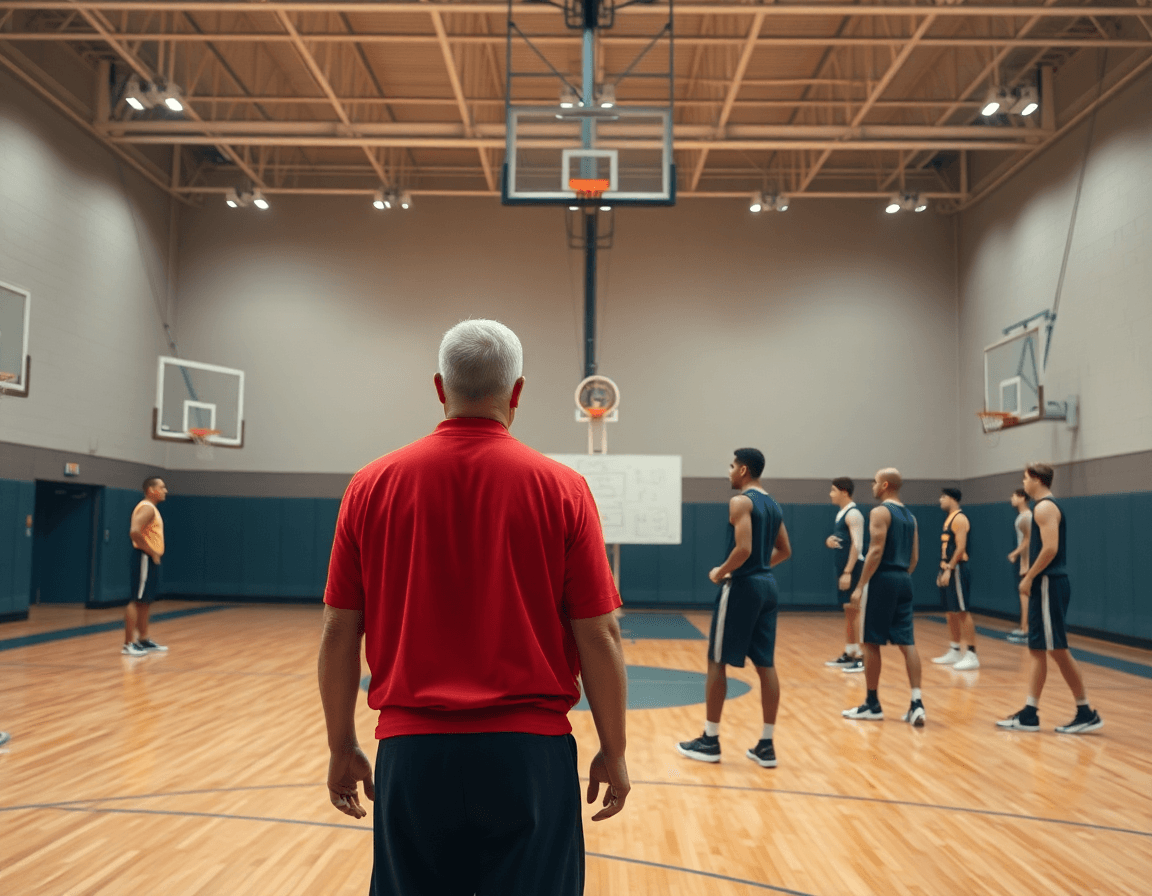
Simple Basketball Plays: Weekly Plan for Coaches
Learn how to weave simple basketball plays into your weekly plan with a practical workflow: plan, diagram, video, and scout to maximize youth development.

Key takeaways
- Keep 2–3 core plays central to weekly planning, to reduce cognitive load.
- Pair box-formation actions with a simple 3-on-3 variation to reinforce spacing and reads.
- Link plays to a shared library and scouting notes for quick onboarding.
- Provide concise teaching cues and 2–3 keys per action to simplify execution.
- Export PDFs, diagrams, and video playlists to keep plan, board, and scouting aligned.
Why simple plays matter for your weekly plan
Simple basketball plays establish reliable base actions that beginners can grasp quickly, freeing up practice time for execution and reading the floor. When your week centers on a few solid options, you reduce cognitive load, let players feel confident in their roles, and you stay focused on reading passing angles and pressure from the defense. As you grid out the week, each session builds on those base actions, reinforcing habit rather than overloading with new concepts. That approach translates to a smoother transition for new players and a steadier pace across drills, shells, and team reps.
Centered on 2–3 core plays, your weekly plan builds spacing, decision-making, and the finish at the rim without overwhelming players. Pick plays that translate to both a box formation setup and a simple 3-on-3 option so your team can rotate to multiple looks without teaching from scratch every week. The idea is to make the reads obvious—where to slip, how to screen, when to attack—so your assistants aren’t guessing and players stay in rhythm.
Link these plays to your library and scouting insights to create a repeatable on-ramp for new roster additions. Draft a couple of quick PDFs from the whiteboard diagrams for assistants, and build short video playlists for players that mirror what they’ll see in games. When you walk into the gym on Monday, a 20-minute review of the chosen plays and the opponent scouting notes keeps the team aligned and ready to execute.
Quick, easy options you can teach this week
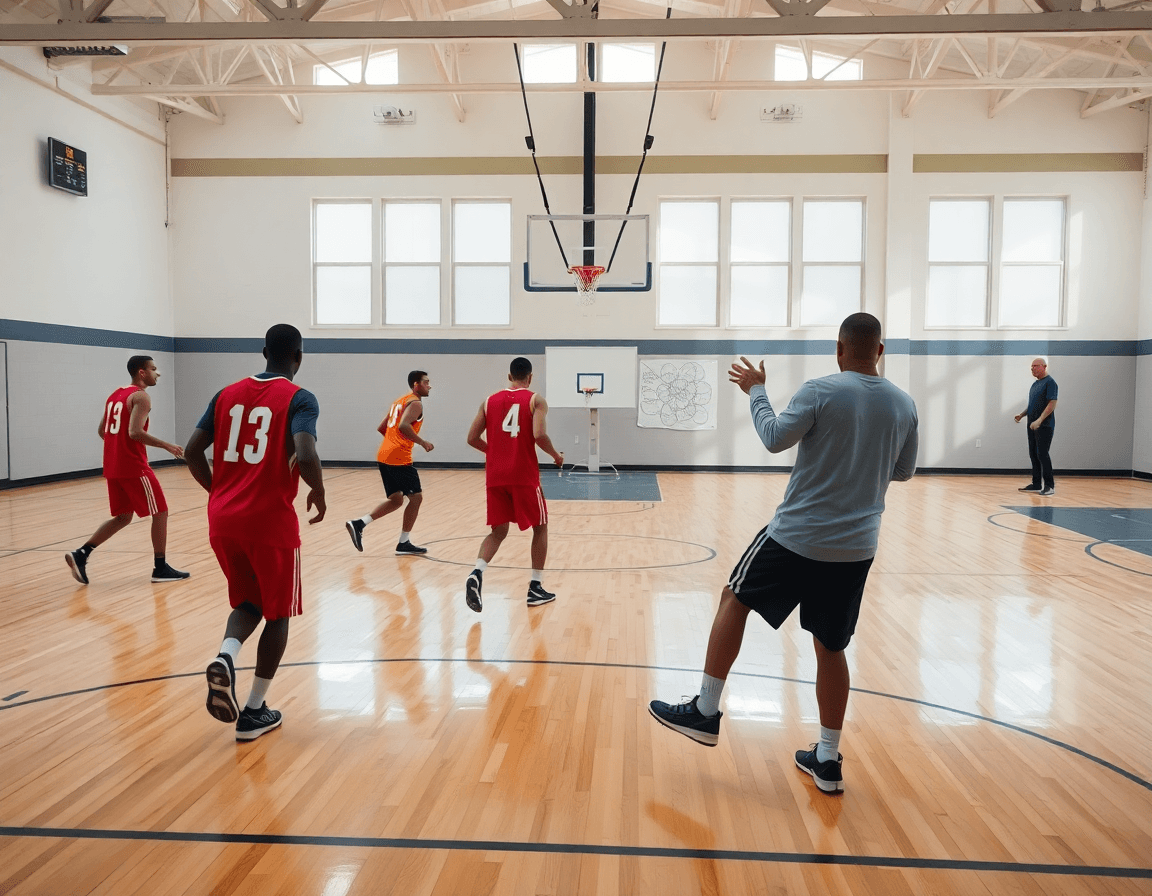
Quick, easy starter for this week: Identify 2–3 box-formation actions (Yo-Yo, Cross BLOB, Cross SLOB) and 1 outbound/entry option to run in practice. These form the backbone of our simple basketball plays for the week. Choose actions that fit your roster and emphasize clean handoffs, reliable reads, and predictable spacing. Having a go-to inbound option keeps early possessions crisp and gives you a steady baseline.
For each play, define simple teaching cues, spacing, and primary reads to minimize complexity for players. With Yo-Yo, keep the guard on the ball side and space the wings at a 15-foot line; Cross BLOB requires a strong screen near the elbow and a clear decision point. Outline a couple of cues, like 'read the big on the top' or 'hit the open shooter.' Keep it concise—2–3 keys per action. This is where the plan lives in the practice plan and on the whiteboard.
Add a basic 3-on-3 variation to reinforce spacing and decision-making in live reps. Use a 3-on-3 setup to simulate late-clock decisions, with 1) a simple Five Out Pass and Cut or 2) a Ghost Screen option to teach reads off movement. This keeps players engaged and translates the box-formation actions into live-action reads. Save a quick progression for each day to reinforce the habit.
Workflow ties the week together: diagram each play on the whiteboard and export PDFs for assistants, assemble a short video clip playlist for players, and attach scouting notes to tailor reads to the opponent. The goal is consistency across plan, diagram, video, and scouting insights, with the play selection guiding your weekly practice plan. A few tweaks here and there—like adjusting inbound timing or adding a Ghost Screen look—keep it fresh without overhauling the base plays.
Build and organize a simple plays library
Building a simple plays library starts with a handful of core options you can pull from every week. I create a single library of core plays with categorized diagrams, roles, and run-through steps. Each entry includes position-specific responsibilities and a one-minute run-through to lock in the timing. I label by formation and offense type so assistants can grab the exact cue they need, then we test it in a 10-minute walk-through. For our program, that means a baseline box formation play, a box vs. spread option, and a concise inbound set that can be run into both zones and man defenses.
Label plays by formation and offense type for quick access by assistants. Each entry gets a short description, the primary roles, the run-through steps, and the typical sideline cue. In the library I'll tag inbound plays (BLOB/SLOB) separately from box formation options, so we can pull the exact look in the drill. Other common tags are Five Out Pass and Cut, Ghost Screen, and Zone Offense, plus 3-on-3 plays for late-game or small-ball lineups. This labeling keeps our weekly plan tidy and makes on-court decisions faster. Scouting notes from last week feed these labels, helping us tailor the plays to the upcoming opponent.
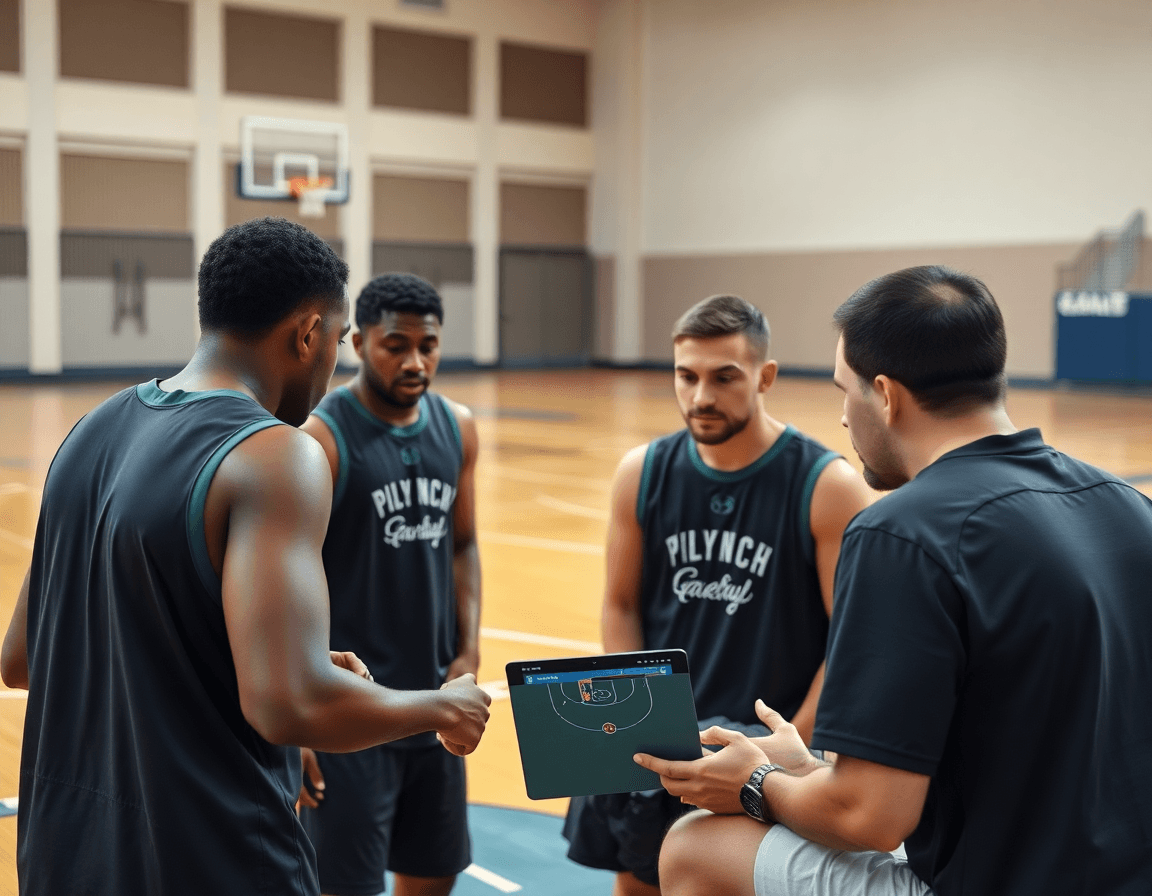
Export PDFs and diagrams for printable coaching points and quick on-court references. When prep time is tight, I export clean PDFs and diagrams that coaches can tape to the clipboard or print for the sideline. A short, shareable run-through guide sits next to the court whiteboard, and a playlist of run-through clips can be assigned to players to study tonight. This is how we keep the plan, the board, and the video in lockstep across the week.
Diagramming and coaching cues: from whiteboard to on-court
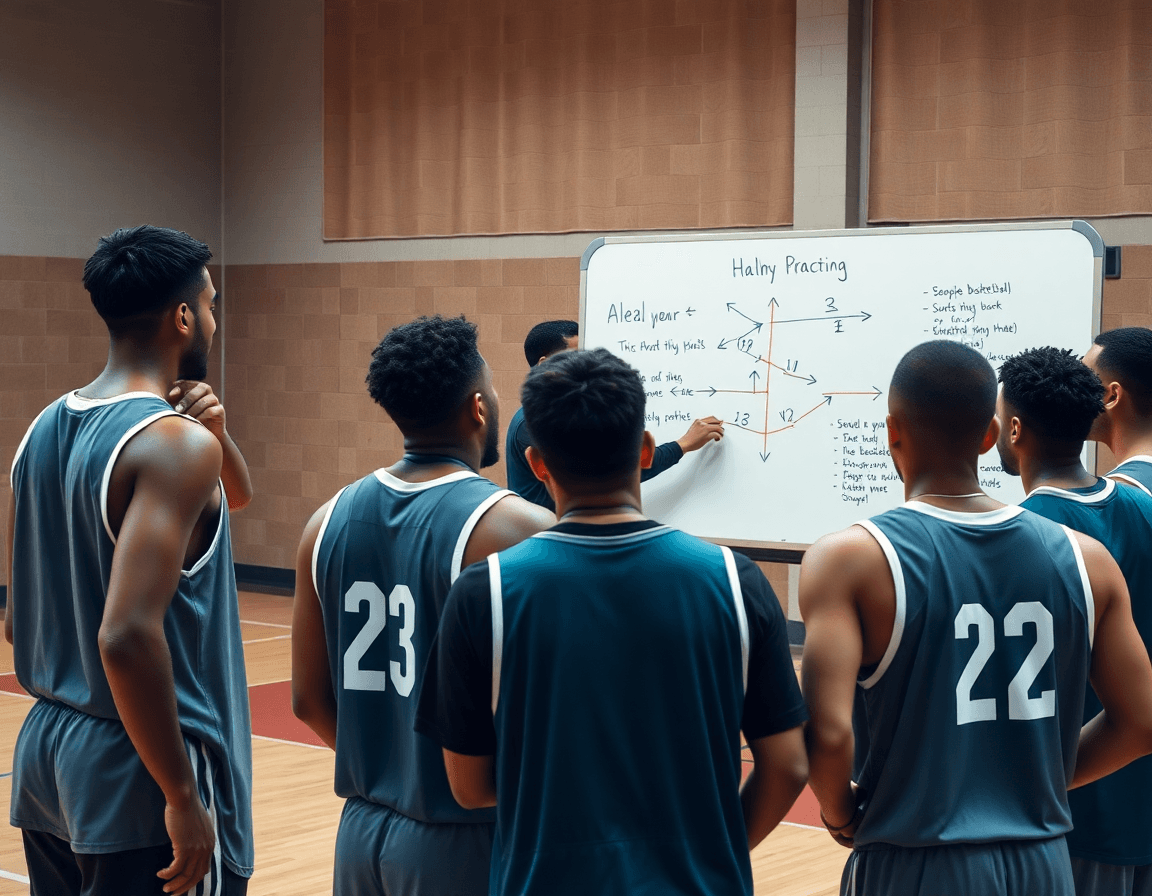
On the whiteboard, I start by diagramming plays: clear passes, cuts, screens, and reads that translate directly into drills. Whether we’re dialing in a box formation or a 3-on-3 option, I lay out the sequence step by step, then connect each action to a specific drill in the plan. The goal is a tight thread from the Xs on the board to live reps on the court, with a consistent rhythm across practice plans, diagrams, and video clips.
Incorporating inbound action is non-negotiable. I sketch out BLOB/SLOB setups and the essential screen reads that create clean lanes for the ball to initiate. From sideline inbound to baseline out of bounds, the diagrams show where reads must occur and where spacing opens teammates. These visuals become the backbone for teaching the rhythm of inbound plays and the quick decision points you want from your guards.
Capture coaching cues for screen angles, spacing, and finishing at the rim to keep reps consistent. I note exact angles for screens (down-screen, back-screen, ghost screen where relevant), how wide spacing should look at different positions, and the finish shots we want after the screen. These cues—short, repeatable phrases—are what coaches shout from the sideline and what players internalize when the drill cycles run.
From diagram to on-court, the workflow is deliberate: export PDFs of whiteboard diagrams for assistants, assemble short video clips showing each read, and couple them with scouting insights to tailor the core plays to opponents. This is how you build a reliable library of simple plays—box formation-based and 3-on-3 options—that stay clear from one week to the next, with a shared language across plan, board, and court.
Video clips and playlists to reinforce simple plays
Video clips are how you turn a handful of simple basketball plays into a concrete week. I isolate each inbound play and the variations off a box formation, then tag the clips so they map to our plan. A few concise cuts—screen-and-roll in 3-on-3, a Five Out Pass and Cut, or a ghost screen out of Five Out—let us see the options clearly. Build a core library of clips that line up with our practice goals, and assemble them into logical sequences.
From there, I create player-specific playlists to reinforce responsibilities and progressions. Each playlist hones a role—ball handler in a 3-on-3 sequence, or the spacing and timing from a box-formation setup. The aim is consistency: a guard repeats the inbound-to-entry flow, a wing recognizes the read after the pass, and a post finishes through the cut. Variations like a ghost screen or a Five Out Pass and Cut sit as separate clips so we dial in decisions without muddying the basics.
Shareable video links make review easy between sessions. I drop clickable clips into a playlist and send links to each player and assistant, so we standardize what we discuss in practice—whether we’re reviewing inbound plays in a hallway huddle or on the bus home. The links let us jump to the exact moment in a clean, mobile-friendly format, and I keep a master archive labeled by play type (box formation, 3-on-3, zone offense) for quick access.
Linking video to scouting notes helps tailor simple plays to opponents. If scouting notes flag a team overhelp on the weak side, we annotate the clips and adjust the progression in our weekly training plan. The workflow—plan in the weekly training plan, diagram on the whiteboard, a short video clip, then assemble a playlist for players—keeps the staff aligned and the players confident as we move into the next session.
Practical weekly workflow to implement simple plays
Getting the weekly work right starts with a clean, repeatable workflow. For me, the core library of simple plays—box formation-based and 3-on-3 options—drives every decision. With CourtSensei, this becomes a core library and a one platform for clarity and consistency across the practice plan, the whiteboard diagrams, and the player playlists.
Day 1: Plan — I select 2–3 core plays that address our scouting notes and developmental goals, then add them to the practice plan library. I assign roles to assistants and players, and I export a quick PDF for staff reference. This gives us a clear checklist for weekly practice.
Day 2: Diagram — I translate each play into whiteboard diagrams and export PDFs for assistants. We label reads and cues (box actions, SLOB/ATO options, reads off screens) and keep a simple diagram format for quick reference.
Day 3: Install — we run walkthroughs and shell drills, emphasizing cues and reads. The goal is to install the play into muscle memory without full-speed chaos; players feel the movement, not just the words.
Day 4: Rehearse — practice plays in controlled scrimmages with quick feedback. We keep the tempo low early, rotate through 2–3 plays, and pause to confirm the reads. A short video clip can capture a clean read or a miscue for later review.
Day 5: Review & Scout — we pull a video recap and adjust for opponent-specific changes. Our scouting notes guide tweaks to the core plays, and we assemble clips into shareable playlists for players.
Day 6: Reflect — after the last session, we revise the play library and coaching points for next week. The library grows smarter with each week, and the team starts each practice with a quick run-through of the chosen plays.
If you build plans like this every week, CourtSensei keeps your drill library, whiteboard, and video clips in one place — try it free.
FAQ
What are simple basketball plays for youth teams?
For youth teams, start with a few clear, repeatable options. Focus on 2-3 core plays that build spacing and reads, not complexity. Use a consistent box formation base with a simple inbound and a 3-on-3 variation to translate into live action. Define 2-3 cues per action, like 'read the top defender' and 'hit the open shooter' to keep players confident.
What is a box formation in basketball offense?
A box formation is a simple offensive shape where players position to create spacing and clear reads. Run actions such as Yo-Yo and Cross BLOB from the box to teach timing, screening, and ball movement. Emphasize 15-foot spacing on the wings, simple inbound options, and reads like 'hit the open shooter' to keep the offense predictable.
What is a ghost screen in basketball?
A ghost screen is a deceptive screen where the ball handler uses a screen that isn’t actually set, challenging defenders to react late. It frees a shooter or slasher without contact, and works well in 3-on-3 or box-formation reps. Use it to create quick reads and pace, then follow with a decisive pass or drive.
What is a Five-Out offense in basketball?
Five-Out is a spacing approach where all five players stay on the perimeter, stretching the defense and opening driving lanes. It emphasizes quick ball movement, drive-and-kick reads, and simple counters. Start with a basic drive-and-kick sequence and add a weak-side cut to keep the defense honest, using Five-Out as the anchor.
What is a give-and-go play in basketball?
A give-and-go is a classic action: a quick pass to a teammate, followed by the passer cutting toward the basket for a return pass. It builds timing, spacing, and reads under pressure. Practice a simple give-and-go from the box or inbound set, then introduce late-clock reads to keep players aggressive.
What is a baseline out-of-bounds play?
Baseline out-of-bounds plays start possessions from under the basket to initiate offense. Use a quick BLOB/SLOB option or a neat stack to create a clean entry and a quick look at the rim. Keep reads simple—find the first open cutter or shooter, and ensure the passer has a clear window to inbound, i.e., baseline out-of-bounds with BLOB/SLOB.