Shell Drill Basketball: Weekly Defensive Plan for Coaches
Coach-focused guide to shell drill basketball: plan, progressions, cues, and video reinforcement to strengthen weekly team defense.

Key takeaways
- Define weekly objectives around shell drill fundamentals, link targets to the practice plan library, and cultivate ownership through clear deny cues.
- Align shell drill progressions with team tempo and defensive themes, evolving from static rotations to live 4-on-4 and 5-on-5.
- Emphasize a simple ladder: 1-pass away = deny; 2-pass away = help; 3-pass away = aggressive rotation.
- Prioritize ball-you-man tracking and sharp closeouts, keeping hands up and gaps consistent as the ball moves.
- Capture quick progress notes and a short video clip after each shell segment to reinforce weekly goals and library alignment.
Incorporating the shell drill into a weekly defensive plan
In a weekly defensive plan, the shell drill acts as the backbone for consistent positioning, clear rotations, and steady communication across practices. When you run a shell drill basketball sequence, you’re teaching the vocabulary teams use in games: how to close out, where to step, and how to alert teammates when the ball is on the move. CourtSensei lets you design and store these weekly shell drill plans, diagram rotations on the whiteboard, and build a library of progression drills you can pull from as you tighten your defensive identity.
Define weekly objectives that drive every rep. For example, aim to deny on 1-pass away, reinforce help-side rotations, and stress the chatter that keeps everyone in the right gaps. Link these objectives to your practice plan library so assistants see the same targets across days and positions. When the plan calls for a quick check-in after every shell drill segment, you’re reinforcing ownership: players know what “deny” and “close out” look like, and coaches can compare notes across sessions.
Connect shell drill progressions to your overall defensive themes and team tempo. Tuesday might emphasize aggressive ball pressure, while Thursday highlights balance and recovery. The progression builds from basic shell drill basketball concepts to more dynamic, crew-wide actions—still clear and repeatable, just at a higher tempo. Tie in jump to the ball and proper rotations to the flow of your defense so players feel the rhythm rather than the rigidity.
How you track progress matters. Make quick notes on coaching points and success cues for each session, so you can quickly reflect on what clicked and what didn’t. A short video clip right after a shell drill segment helps the staff and players see the exact adjustments, reinforcing the week’s defensive goals and keeping everyone aligned with the plan.
Setup, rotations, and progression: from 4-on-4 to live 5-on-5
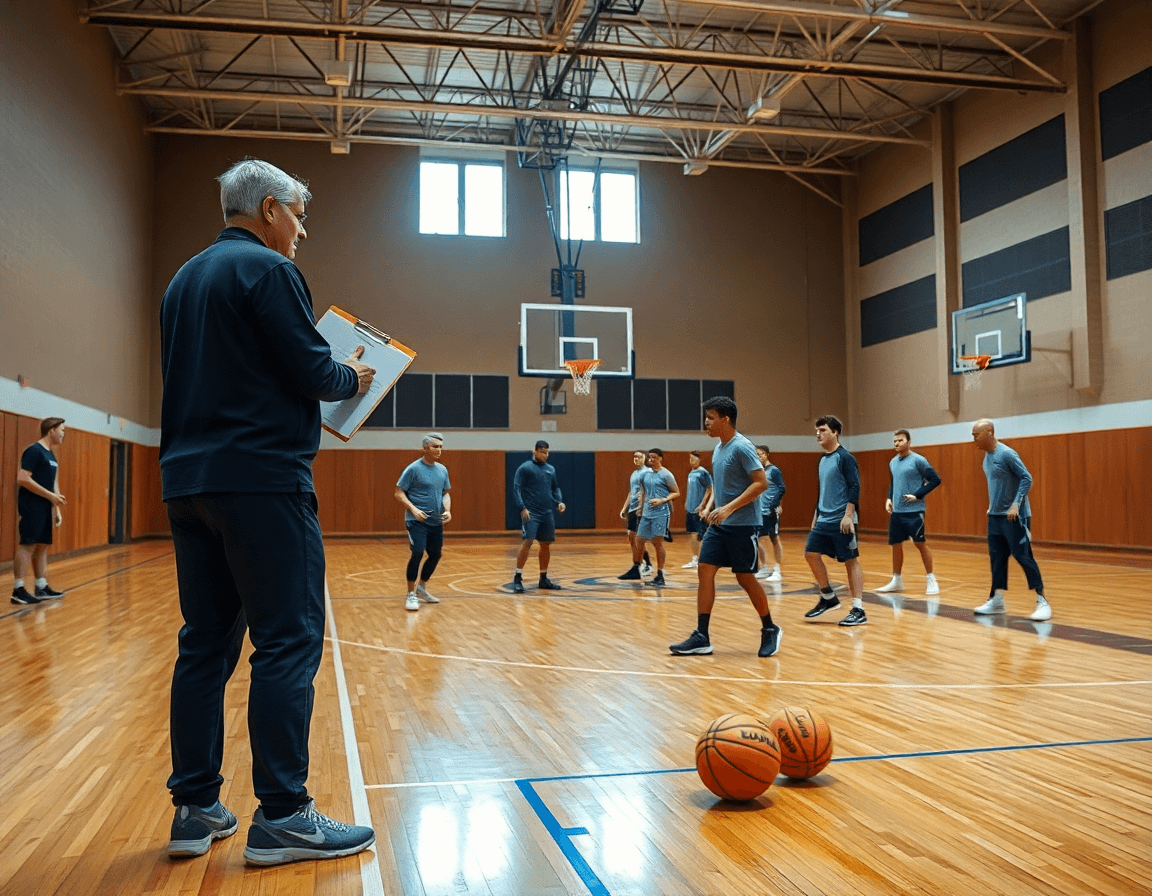
Typical shell setup: four defenders near the arc, four attackers on the perimeter. From the sideline, you’re prioritizing spacing, legs ready, and communication—this is the backbone of your shell drill basketball work. Think of it as your weekly 4-on-4 shell drill framework: a live look at how rotations flip when the ball moves and where denials, close outs, and jump-to-the-ball cues live in real time. Keep the emphasis on man-to-man defense and help defense, with each defender responsible for staying between the ball and their man.
Progressions start with static rotations: one pass away deny; two passes away help. You drill the spacing with no ball reversals, guarding the lane line and wings. Then you add passes—a quick swing to test perimeters, moving from one pass away to three passes away as the ball moves, pausing to fix alignment and gaps. After each pause, you reset to a compact shell and advance to live 4-on-4 or 5-on-5, letting the offense test you under screen actions and ball reversals.
During each progression, watch for a few fixed rotations and cues you can coach in the moment: stay between ball and man, jump to the ball, and maintain proper gaps. If the deny or the close-out gets late, pause and coach the angle, then snap back to the shell. Think of this as a live workflow: this progression is tracked on the whiteboard, saved as its own drill in your practice plan library for reuse, and paired with a short video clip for assistants and players.
Coaching cues and rules: deny, help, and recover
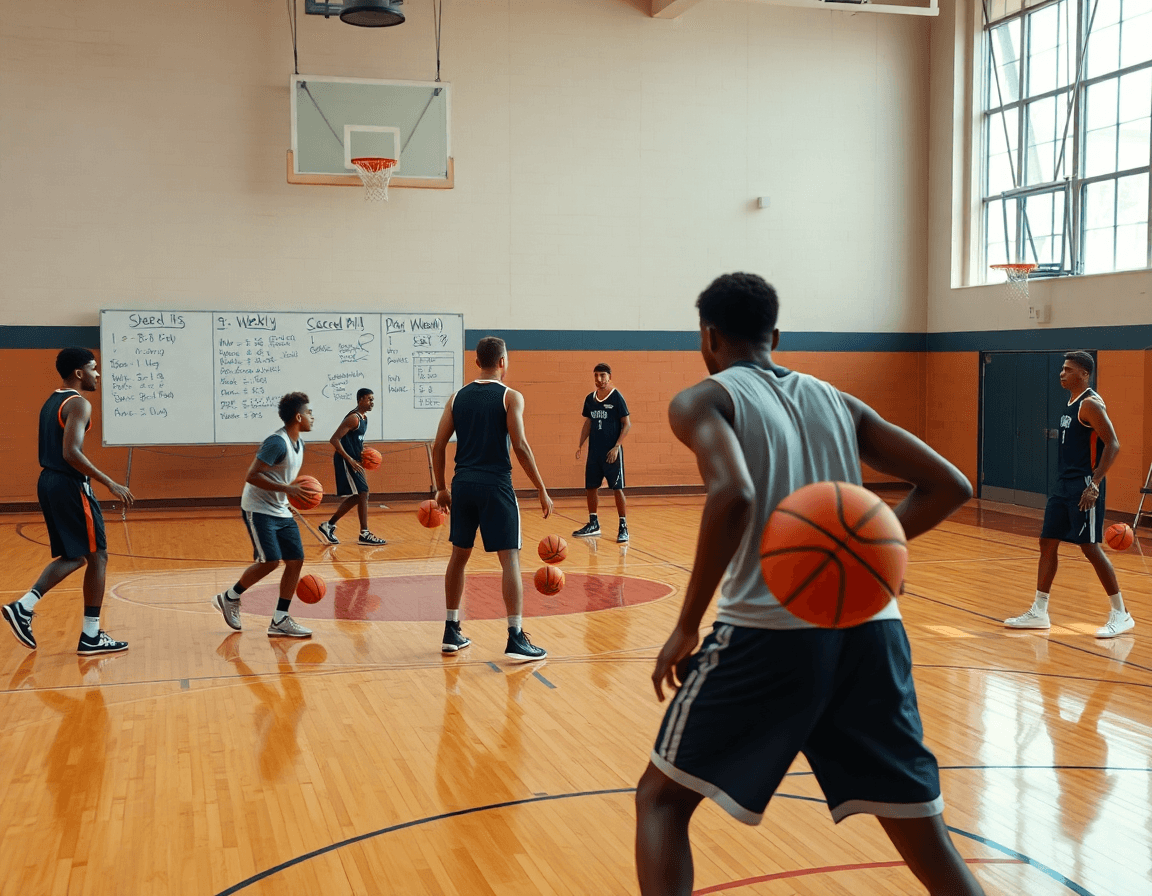
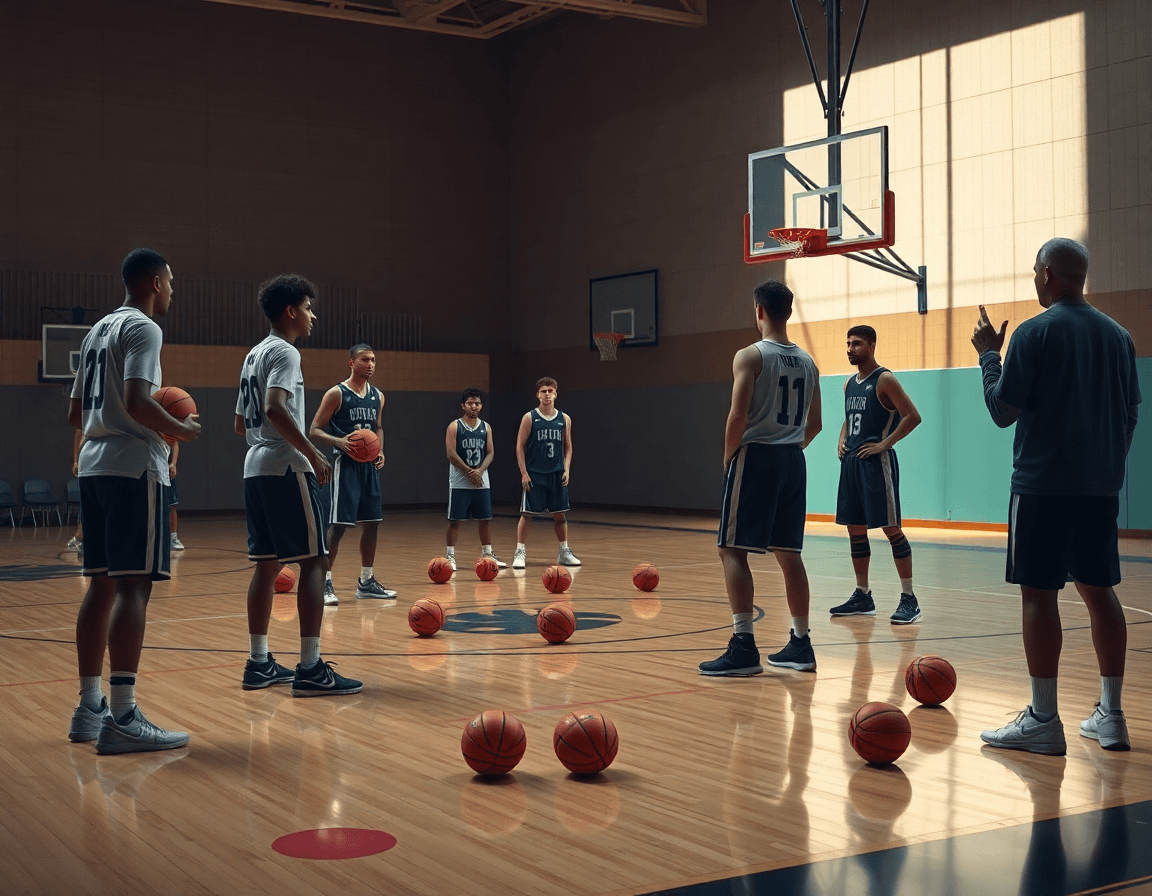
In shell drill basketball, my weekly plan starts with crisp coaching cues that travel from the whiteboard to the floor. Clear cues to communicate: "ball", "deny", "help", "ball-you-man", "rotate." On the board I diagram the rotations and the ball’s path, so players see who jumps to the ball and who slides into help. The aim is a shared language assistants and players recognize in the heat of a possession. I store these cues in the CourtSensei coaching library and attach a short video clip that demonstrates the gesture, so the workflow—plan, whiteboard, clip, practice—stays tight from week to week.
One practical rule I coach is based on passes away: 1-pass away = deny; 2-pass away = help-side; 3-pass away = aggressive help/rotation. This simple ladder keeps the defense organized without overthinking. If a ball reverses, the defenders know exactly who must step and who must communicate. The emphasis stays on the rhythm of the shell drill basketball routines we run in the weekly plan, with the diagrams and video clips guiding the tempo.
Emphasize ball-you-man tracking and hands up on closeouts to reinforce positioning. When the ball is on the move, players should instinctively read the passer’s eyes and snap into the appropriate stance, not overreacting to every fake. The result is steadier rotations and clearer gaps in the shell.
Use short, repeatable phrases to build quick recognition during practice. Examples live on the whiteboard and in a short video clip you can share with assistants and players: “read the ball,” “rotate,” “stay between man and ball.” This cadence sharpens communication on defense, and the scouting notes—and weekly playlists—help you measure how well the shell holds up when the game slows down.
Practical workflow: a step-by-step weekly routine
To build a solid weekly workflow, I start with a ball-handling and conditioning warm-up that primes the defense for shell work. The focus is crisp footwork, lateral slides, and strong first-step energy, tying every rep to how we’ll defend the ball and protect the paint. In CourtSensei, I drop a shell drill basketball progression into the weekly practice plan and pin it to the days we emphasize deny and close out. Sharing the Warm-up page with assistants keeps everyone on the same tempo and ready to coach the same cues.
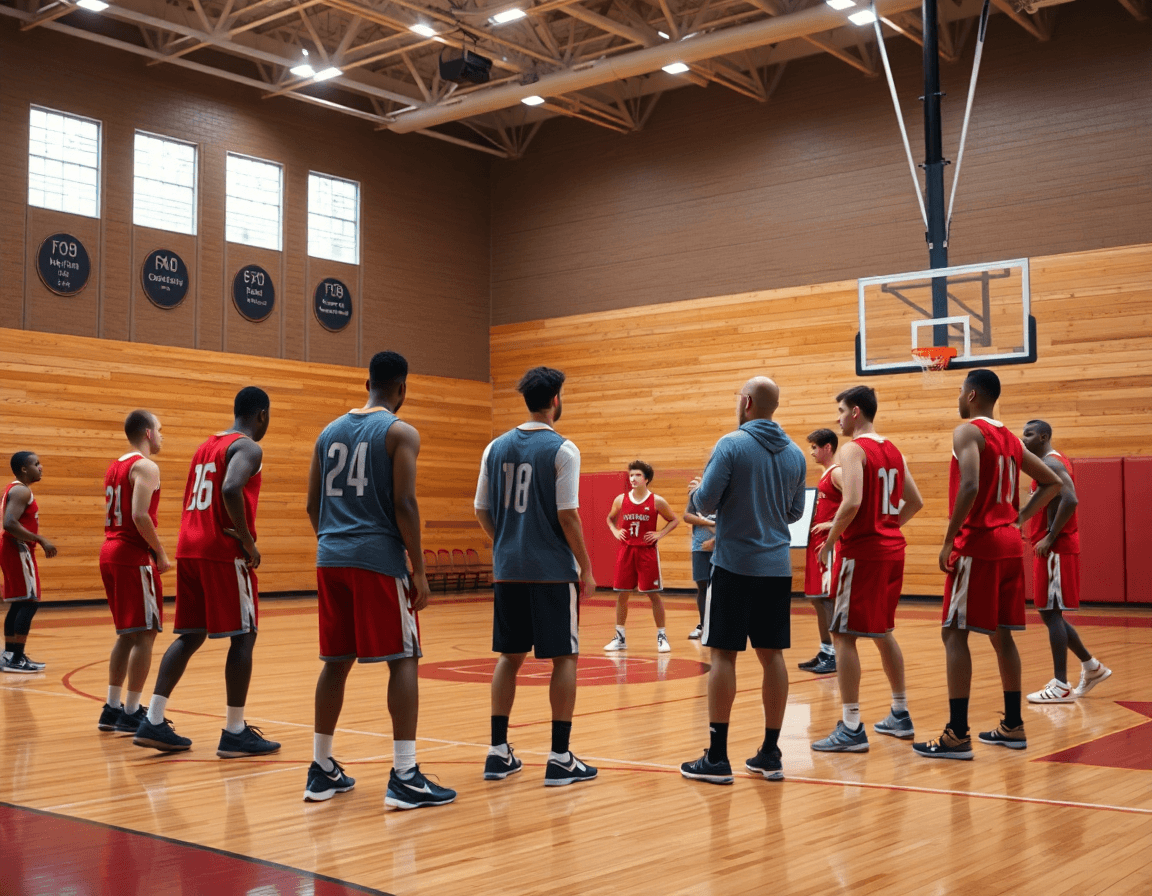
Walkthrough/flow: we review rotations at each position, then walk through the shell setup. On the whiteboard I diagram spacing, the jump-to-the-ball path, and the initial help line so players see where to be after the ball moves. This is our coaching routine—pulling from the plan in CourtSensei and turning it into live decisions for the defense. We lock in the rhythm: guard the gap, communicate, and stay in stance as rotations tighten.
Shell drill block: we progress from 4-on-4 to live 5-on-5, pausing at steps to correct cues—footing, stance, and communication. Short stops let us adjust deny angles, close-out timing, and the overall rotations. The approach keeps the defense sharp without grinding out the energy. I pull a few decisive clips into a quick video library and a focused playlist so players can review the exact sequence after practice and before the next session.
Review and recap: a quick video recap or diagram refresh closes the block. I assign tasks to assistants—chart rotations for the next drill, prep scouting notes on the opponent’s ball handlers, and tag clips for players to study on their own. We finish with a brief cooldown and a reset for the next session, keeping the shell drill workflow clean and repeatable.
Using video and playsets to reinforce shell drill concepts
During a typical week of shell drill basketball, I lean on video analysis to lock in the core habits. We capture shell drill reps and tag clips by progression: deny, help, rotations. When the guard denies the ball, the clip is tagged 'deny'; when the wing helps, it's 'help'; when the weak side rotates, it's 'rotations'. We store these in a searchable library and pull them up for quick review with the staff. This is how we turn raw reps into repeatable habits in our shell drill concepts and keep our man-to-man defense sharp.
Next, I build playlists of short segments that spotlight specific scenarios, like 1-pass away or 2-pass away sequences. Short clips—15 to 30 seconds—let players visualize exact rotations and deny angles. We label each clip by its scenario and drop them into the plan as shareable links for the week. When the playlist is tied to the practice plan, assistants can assign review tasks ahead of practice and we measure progress by the rate of correct rotations during drills.
Annotate diagrams on the whiteboard and export playsets as PDFs for scouting reports or staff review. The diagrams show defensive rotations, help angles, close outs, and deny lanes. The PDFs make it easy for the head coach and assistants to study the shell drill concepts away from the court and prepare scouting reports for upcoming opponents.
Finally, link video clips to your practice plan so assistants can assign review tasks and track accountability. When a playset is tied to a drill in the weekly plan, I can push a quick clip to a player group or staff channel, focusing on a precise moment where a rotation breaks down. It keeps everyone aligned as we iterate on shell drill basketball and reinforce key ideas like defensive rotations, deny, and jump to the ball.
Organizing with notes, PDFs, and shareable links for assistants
In shell drill basketball, the weekly rhythm starts with notes, PDFs, and shareable links that keep the staff aligned between sessions. With CourtSensei, you can design and store a shell drill weekly plan, annotate it during practice, and invite assistants to review. This is where a solid practice plan library meets assistants collaboration.
Lay out a reusable library for shell drills with labeled progressions. Start with Deny and Close Out, then layer in help defense and jump-to-ball rotations. The goal is to have a clear ladder so any assistant can pick up where the head coach left off. The library grows as you add progressions and rotations.
When you finish a session, export whiteboard diagrams and rotations to PDFs for staff and players. A printable sheet helps your defensive shell stay intact in the locker room or in film rooms. Use the whiteboard diagrams and PDF export for the exact callouts: deny lines, closeouts, and ball-side rotations.
Shareable links and playlists keep assistants and players on the same page between sessions. Create a shell drill playlist that combines a quick rotation walkthrough with a short video clip for each sequence, then drop the link into group chats or emails. It’s about consistent run-throughs, not guesswork, and the clarity of shareable links and playlists.
Finally, track feedback and adjust the plan based on weekly performance data. Note what rotations caused gaps, where help defense slipped, and when jump-to-ball timing improved. Sync those notes back into the practice plan library so the next week’s shell drill basketball plan evolves.
If you build plans like this every week, CourtSensei keeps your drill library, whiteboard, and video clips in one place — try it free.
FAQ
What is the shell drill in basketball?
Shell drill is a defensive sequence that engrains spacing, angles, and rotations under game-like movement. In its typical 4-on-4 form, four defenders near the arc face four attackers on the perimeter, focusing on deny opportunities, tight close-outs, and smooth rotations as the ball moves. It builds the core vocabulary teams use in games and anchors your man-to-man and help defense identity.
How do you run the shell drill?
Start with a 4-on-4 shell drill and four defenders near the arc. Emphasize spacing and static rotations, then drill 1-pass-away deny, 2-pass-away help. Add quick passes to test gaps, pause to fix alignment, and then progress to live 4-on-4 or 5-on-5. Use diagrams and a short video to reinforce flow and rhythm.
What are the 1-pass away and 2-pass away rules in shell drill?
Think of it as a ladder: 1-pass away equals deny; 2-pass away equals help side. You can extend to 3-pass away for aggressive rotations. These cues keep the defense aligned as the ball moves, with players maintaining gaps and staying between ball and man.
Why is the shell drill important for team defense?
Shell drill acts as the backbone for consistent positioning, rotations, and communication on defense across practices. It creates a shared vocabulary for closing out and rotating, helping players read ball movement and maintain gaps. It also smooths the jump from drill to game, tightening the team’s defensive identity.
How many players are needed for the shell drill?
Typically eight players to start: four on defense and four on offense for the 4-on-4 shell drill. You can expand to 5-on-5 later as your roster allows. The setup emphasizes spacing and roles, with defenders staying between the ball and their man.
How do you progress to live defense after shell drill?
Progression moves from static rotations to live defense. Start with fixed rotations, then add passes, pause to fix gaps, and finally run 4-on-4 or 5-on-5 with ball reversals and screen actions. Track progress with notes and short video clips to reinforce the week’s defensive targets.
How do you teach help side and deny in shell drill?
To teach help side and deny, use a simple ladder: 1-pass away = deny; 2-pass away = help side. Drill ball-you-man positioning, maintain gaps, and emphasize clear rotations. Finish with cue-based language and short video clips to lock in the cadence and ensure staff and players speak the same defense.