Box-and-One Defense in Basketball: When and How to Use It
Coaches' guide to deploying the box-and-one in weekly plans: roles, rotations, drills, and video scouting to neutralize a dominant scorer.

Key takeaways
- Use the box-and-one against a dominant scorer, late in games, or to spike tempo.
- Assign a dedicated chaser and maintain box discipline; deny catches and shadow the ball-handler.
- Develop clear rotations and constant communication to prevent stalls when the star moves or shots are taken.
- Embed this look in weekly practice plans with whiteboard diagrams, video clips, and scouting notes.
- Track scouting notes; switch early if opponents deploy multiple scorers or sharp ball movement.
What is the box-and-one defense and when to use it
As a head coach, I start with clarity: the box-and-one defense setup pairs four players in a box (zone-like) with a fifth defender—the chaser—matched man-to-man on the opponent's top scorer. That balance keeps pressure on the primary scorer while the rest of the unit protects the interior. We choreograph the chaser's duties—deny the catch, shadow the driver, communicate with help—so the package stays coherent in game speed.
Think of it as a specialty tool you pull from the plan when you need leverage. This is a good answer to the question when to use box-and-one: against teams with a clear dominant scorer, in late-game situations, or as a strategic tempo/pressure tool within a weekly game plan. It buys you possessions, but comes with risk if you misread the matchups.
Remember, the box-and-one defense is not a full-game system. It’s a situational tool, deployed for select possessions or stretches, not 32 minutes. Run it alongside scouting notes that target the opponent’s triggers—where the top shooter likes to catch, how they pass, where skips open the defense. If a team thrives on ball movement, you’re likely facing a different junk defense, but the box can still disrupt a few key sequences.
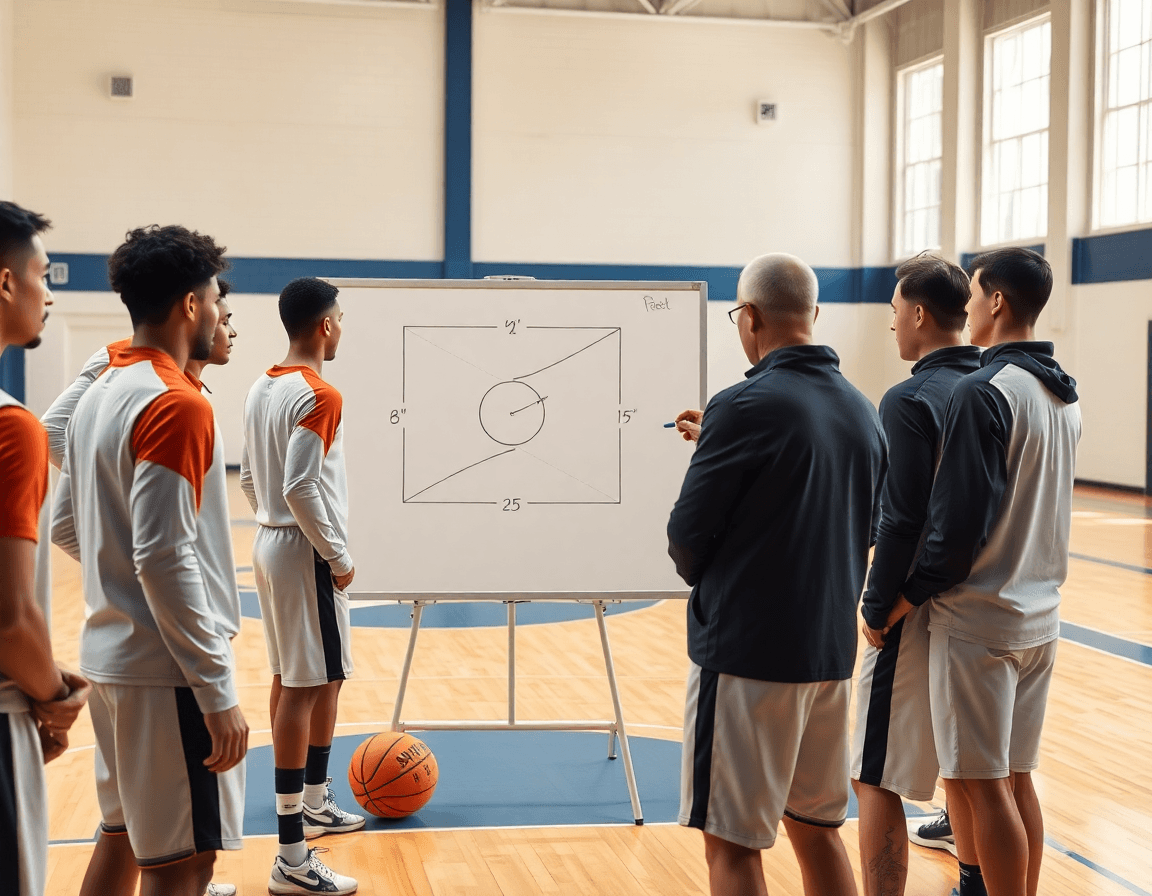
To make it practical, weave it into the weekly workflow: map the install in your Practice Plans and pull up the Whiteboard diagrams for the initial install. After practice, tag a few clean sequences in a short Video Clips library, annotate with the chaser rotations, and drop a Scouting Report for staff. Then shareable playlists turn those clips into a field guide players can study on off days.
Chaser and box roles: personnel and rotations
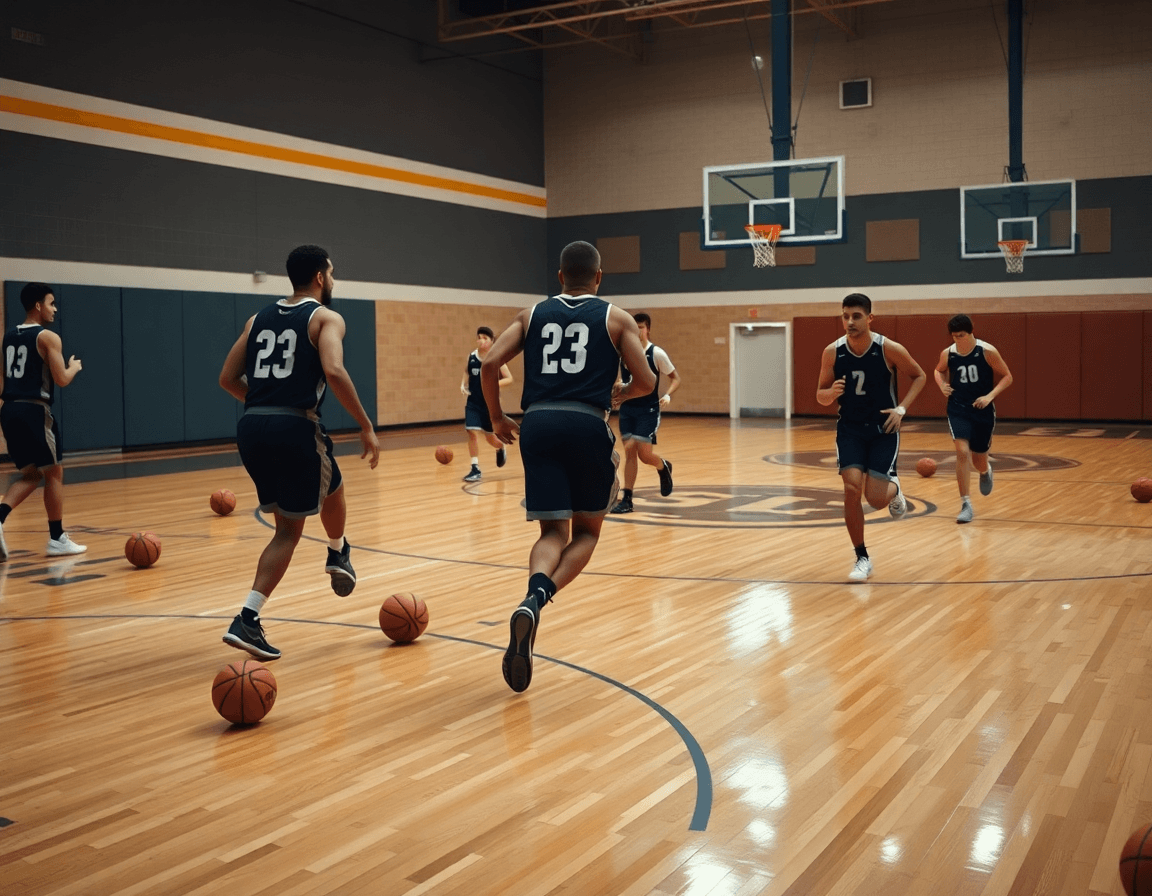
In a box-and-one, the chaser is the primary defender on the star; the other four form the box formation and rotate as the ball moves. The chaser stays tight to the star, pressuring where appropriate but staying disciplined off the ball, while the box defenders hold a compact wall and communicate every change of possession. When the action shifts, clear lane assignments and a defined rotation path keep the unit from grinding to a halt.
The box defenders focus on deny, recover to shooters, rebound, and communicate switches when the star touches the ball. They must stay ready to close out on shooters off skip passes and to crash for boards after looks, all while preserving the integrity of the box structure. If the star moves to cause a switch, the box is prepared to honor the swap and keep deny angles on ball reversals. This is where the glossary of deny and rebound live in our weekly plan, so players know exactly what to do without thinking.
Rotations hinge on the ball location: collapse the box when the star gets the ball, recover to shooters as needed. As ball movement accelerates—in particular when a drive is followed by quick passes—the box may tighten to deny a kick to the corner, then relax again as shooters reset. Quick passes and typical ball movement dictate when to compress and when to widen, so the chaser’s path and the box’s stance stay in rhythm.
Clear role definitions help players stay bought-in and minimize breakdowns during live reps. In our weekly workflow, we map these roles on the whiteboard, show the rotation in a short video clip, and attach scouting notes about the opponent’s star. A shareable playlist keeps the box defenders and the chaser aligned before practice starts.
Strengths, weaknesses, and situational use
Strengths: The box-and-one defense in basketball disrupts the star player’s rhythm, turning clean catches into contested shots and wearing the focal scorer down through sustained pressure. One defender shadows the ball-handler while the other four tighten gaps, creating constant decision points for the offense. When timed in our weekly plan, this look buys us a stretch where our scouting notes and practice reps pay off, and the bench stays engaged. It’s a controlled form of a junk defense—useful, not a crutch.
Weaknesses: Gaps can appear in the middle as rotations bend, and teams with multiple threats or strong outside shooting can exploit the space. The box can invite quick ball reversals and skip passes that put your rotations on the move; without sharp communication, you give up open looks on the weak side. It’s important to have a plan for defensive rotations and to keep a few counters ready in your playbook. In scouting notes, mark the offenses that threaten with a second shooter or a tertiary scorer.
Best-fit opponents and coaching note: The box-and-one shines against teams with one primary scorer or when you need to slow the key engine down late in games. It’s most effective when the scouting report highlights a dominant scorer who struggles when pressured and when outside shooting is a liability. Use it as a temporary disruptor, then switch back to your standard rotations. Coaching note: rely on scouting to determine when the defense will impact most and avoid overuse against balanced attacks; pair it with a quick video clip and clear staff communication to keep everyone aligned.
Practical weekly workflow: plan, practice, scout, and adjust
As a head coach, you map your week around the box-and-one, not the other way around. Step 1: review the opponent’s star tendencies with scouting reports before the week. Those notes shape your priorities for defensively sticky assignments and late-game decision-making. Look for the top two or three actions that stress your defense—isolations, ball reversals, or ball-screen reads—and build a plan that keeps your guard anchored on the ball handler while your help spots stay disciplined.
Step 2: embed the practice plan with dedicated chaser and box-rotation drills. Step 3: build clear whiteboard diagrams for BLOB/SLOB/ATO and export PDFs for staff and players. In the drill work, the chaser tracks the star handler while the rest of the unit communicates, mirrors the box formation, and keys on ball denial. After practice, you share the PDFs with assistants and managers so the message is consistent across the bench and film room.
Step 4: create a video playlist of star actions for pregame walkthroughs and postgame reviews. Step 5: adjust based on in-game feedback and evolving scouting information to refine deployment. Those clips give your players the read on where the chase must be aggressive and where the box needs tighter help on the weak side. Use the notes from the week to tweak your plan for the next opponent and keep the staff aligned.
Drills and practice structure to implement the box-and-one
Install a reliable box-and-one with a clear weekly system. In the plan, allocate days for chaser work, rotation drills, and rebounding emphasis. On the whiteboard, sketch the box formation and where the star operates. In the video clips, save short cuts of denied passes and quick recoveries. The scouting note flags the opponent’s triggers, and a shareable playlist keeps the staff aligned.
Start with chaser footwork: low stance, active hands, and a deliberate approach. Use a funnel drill to push passes baseline and away from the shooter. Emphasize pass denial and ball-neighborhood pressure, with hips square and eyes on the passer. Keep the tempo tight so early signals translate to the floor.
Move to rotation drills that simulate the zone-like alignment and quick shifts. The guard slides to the star, wings shade the ball, and the weak-side defender fills gaps to stop skips. Use diamond-and-one and the pace of the moment to mirror matchup realities, then stress rapid ball movement to break the rhythm. Tie actions back to ball pressure and road-to-pass reads.
Rebounding emphasis for all box defenders to close gaps on misses. A simple 4-on-4 rebound drill with a shooter at the rim teaches box-out angles and securing the loose ball, preventing second-chance opportunities from developing.
Progress from walk-throughs to live reps and situational scrimmages that mimic game pace. Add quick decision drills—when to drop, when to chase, when to overhelp—and keep reps short but high intensity. Tie everything to the workflow: plan, whiteboard, video clip, scouting note, and playlists to reinforce the box-and-one.
Video analysis and scouting integration: using video clips to reinforce the defense
After you lock in the weekly plan, you lean into a targeted approach: a focused video analysis of the box-and-one that highlights how we want our star to read the ball and guide the defense. Assemble a star-focused clip playlist highlighting touches, angles, and preferred actions.
Next, annotate the footage with defensive rotations and BLOB/SLOB/ATO/PnR decision points so the staff sees the triggers that guide each rotation. Mark stances, gaps, hand activity, and how the chase defender reacts to skip passes.
Share clips with players and assistants; export diagrams or PDFs to accompany reviews. Provide time-stamped notes and a quick narrative so the staff can reference what to correct in the next practice.
Link scouting reports to video playback so players see concrete patterns and cues. When you spot patterns like junk defense, chaser, box formation, diamond-and-one, triangle-and-two, pass denial, skip passes, or quick ball movement, connect those notes to the clips so it’s clear why a rotation happens the way it does.
This completes the weekly workflow: plan, whiteboard diagrams, short video clips, scouting notes, and shareable playlists that reinforce the box-and-one concept across staff and players. The goal is for every assistant and player to see the same cues and respond in sync under live pressure.
If you build plans like this every week, CourtSensei keeps your drill library, whiteboard, and video clips in one place — try it free.
FAQ
What is the box-and-one defense and when should you use it?
Think of it as a hybrid defense: four players form a box-and-one look, while a fifth defender—the chaser—matches the opponent’s top scorer man-to-man. The aim is to pressure the star while the rest protect the interior and deny easy looks. Use it as a situational tool, not a full-game scheme, when you need tempo and disruption.
When is the box-and-one defense most effective against a team with a dominant scorer?
Use it against teams with a clearly dominant scorer, especially in late-game situations where you need to slow the pace and apply sustained pressure. It also works as a strategic tempo tool during the week. It isn’t a cure-all, so pair it with scouting and clear counter-rotations to avoid overuse.
Who should play the chaser in a box-and-one, and what should they do?
The chaser is the primary defender on the star. They stay tight on the ballhandler, pressure when appropriate, and deny catches when possible, while remaining disciplined off the ball. The other four stay compact in the box, communicate, and rotate to seal gaps and rebound.
How do you beat a box-and-one defense?
Attack the gaps with quick ball movement and off-ball action. Use ball movement and smart passes to create open looks as the chaser overplays. Drive-and-kick, skip passes, and rapid reversals test the rotations. If you reverse pace at the right time, you exploit the space before the box can reset.
What formations are related to box-and-one, like diamond-and-one or triangle-and-two?
These are other hybrid or junk defenses that pair a zone with a man-to-man element. A diamond-and-one uses a diamond-shaped zone plus a chaser, while a triangle-and-two assigns two defenders to key shooters. They share the goal of disrupting the opponent’s primary actions and forcing rotations.
What are the main weaknesses of the box-and-one defense, and how can you counter them?
Gaps can open in the middle, and teams with multiple threats or strong outside shooting can exploit space. Counter with thorough scouting, rehearsed counter-rotations, quick ball movement, and targeted exploits for the weak side. Keep communications tight and have a fall-back plan ready.