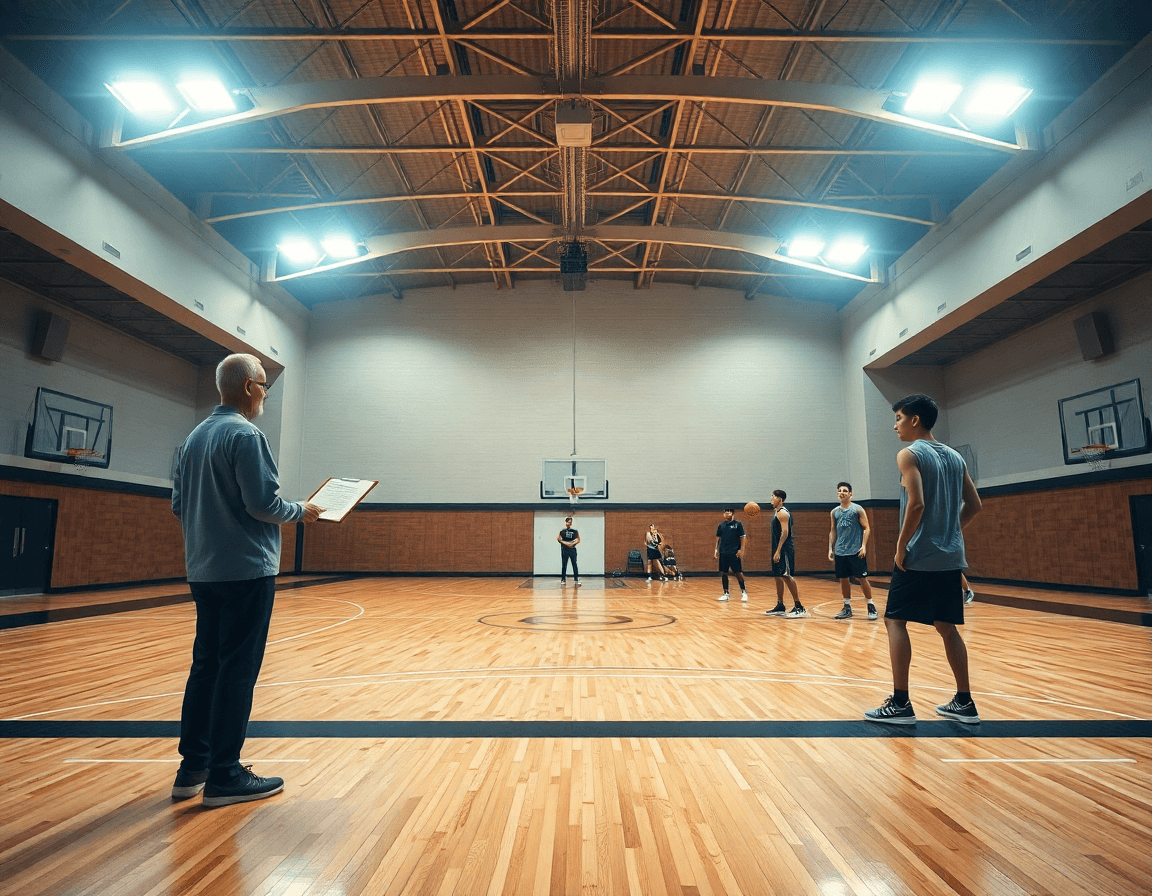
Basketball Practice Drills: A Coach’s Weekly Planning Guide
Coach-focused blueprint for basketball practice drills to structure a productive weekly session using plan templates, a tactical whiteboard, video clips, and scouting.

Key takeaways
- Centralize weekly objectives in a Practice Plans library to keep staff aligned and players aware.
- Map six drill blocks into a 90-minute flow from fundamentals to game-like decision making.
- Link every drill to the playbook so weekly work builds toward your playbook style.
- Use a Whiteboard to frame plays and progressions at session start for clear reads.
- Record short clips and build playlists to guide feedback between sessions for players.
Step-by-step Weekly Workflow for Basketball Practice Drills
Each week starts with team goals, and I translate them into concrete practice objectives. I drop these into our central Practice Plans library so the staff stays aligned and players know what we’re chasing. This week, we’re sharpening spacing, transition defense, and decisive ball movement—core elements that drive our basketball practice drills.
Draft the weekly plan in a central library and map six drill blocks to the plan. I structure it like a workflow: warm-up, ball-handling/passing, shooting and decision making, transition/spacing, small-sided games, and a 5-on-5 scrimmage. The six drill blocks flow from fundamentals to game-like decision making, all connected to the plan in our drills library.
Select core drills by skill, and align them to your system using a consistent practice plan template. We rotate through shooting, ball-handling, defense, rebounding, and transition—always tying each drill to our playbook so the week builds toward our preferred style of play.
Use the whiteboard to frame plays and progressions at the start of each session. We diagram a simple pick-and-roll progression, an ATO set, and a BLOB/SLOB sequence so players see the action and reads right away, setting a clear path for the day.
Record or clip key moments from practice for later review and feedback. Short video clips become teaching tools; we assemble playlists to share with players, with time-stamped goals that guide what to work on before the next session.
Finally, review progress and adjust next week’s plan based on outcomes and scouting inputs. We compare performance against targets, pull notes from scouting, and refine the drill order to keep our weekly cycle of improvement moving.
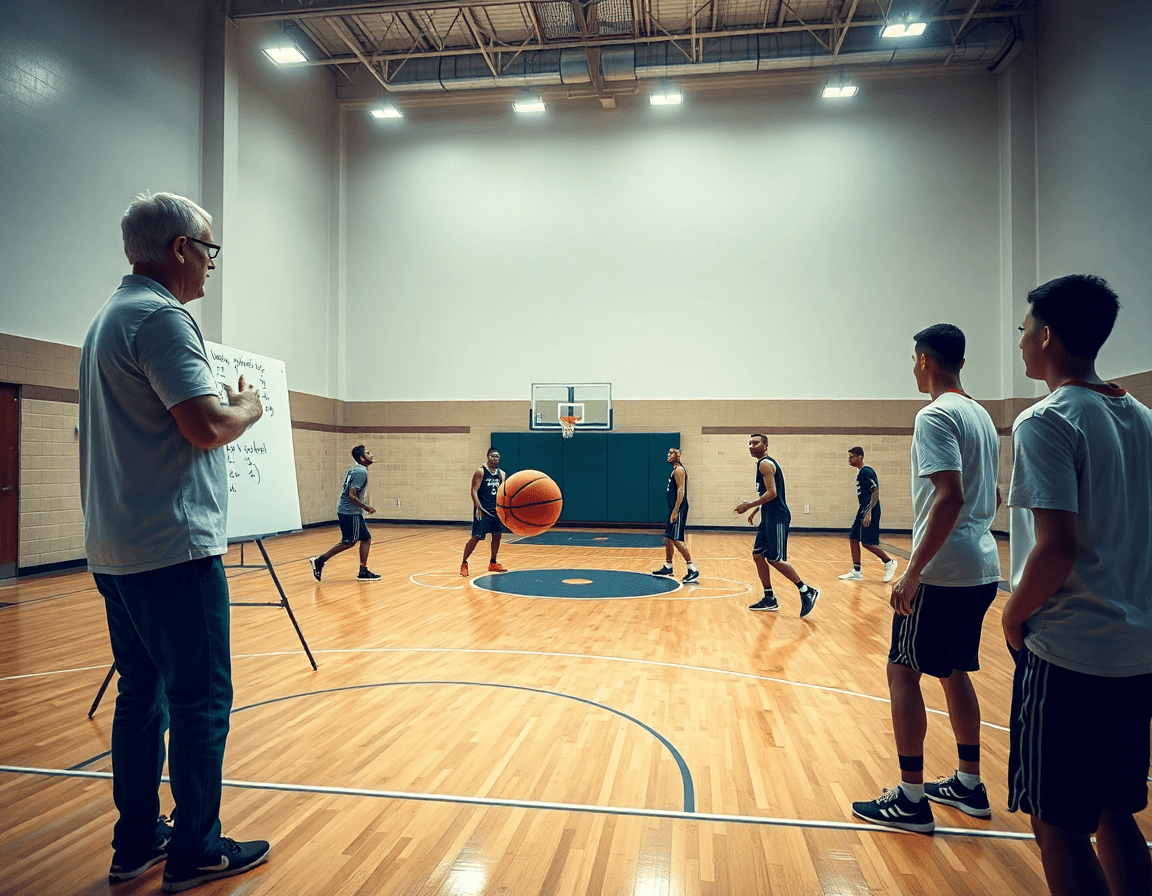
90-Minute Session Structure for Efficient Drills
Block 1 sets the tone: warm-up and dynamic movement to prep for intensity. In the Practice Plans, I map a progression from mobility to light sprint/plyo sequences. On the Whiteboard I diagram lanes and cues so players move with purpose. After, a quick video clip reinforces form.
Block 2 centers on skill development. In the drills library, I select a core focus—dribbling, shooting, or passing—and run a tight progression. We keep the tempo steady, then show a short video clip to anchor the technique before transitioning.
Block 3 dives into team offense: read-and-react sequences and decision-making in tight spaces. I use scouting notes to tailor reads against today’s opponent, then diagram concepts on the Whiteboard (BLOB/SLOB/ATO/PnR) and confirm options with a quick clip.
Block 4 locks in the other end: team defense and transition sequences. We pull from the plan to emphasize communication and gap integrity, annotate rotations on the Whiteboard, and finish with a short clip showing proper stance and sprint angles.
Block 5 drives competition: small-sided games or a 5-on-5 scrimmage to test spacing and decision speed. After the block, I assemble clips into a short playlist and share the links with players via the locker-room Playlists for review.
Block 6 ends with conditioning drills and a closeout for next week. I jot quick notes in the plan and in the scouting note about what to adjust, what to amplify, and what to mirror in the next cycle.
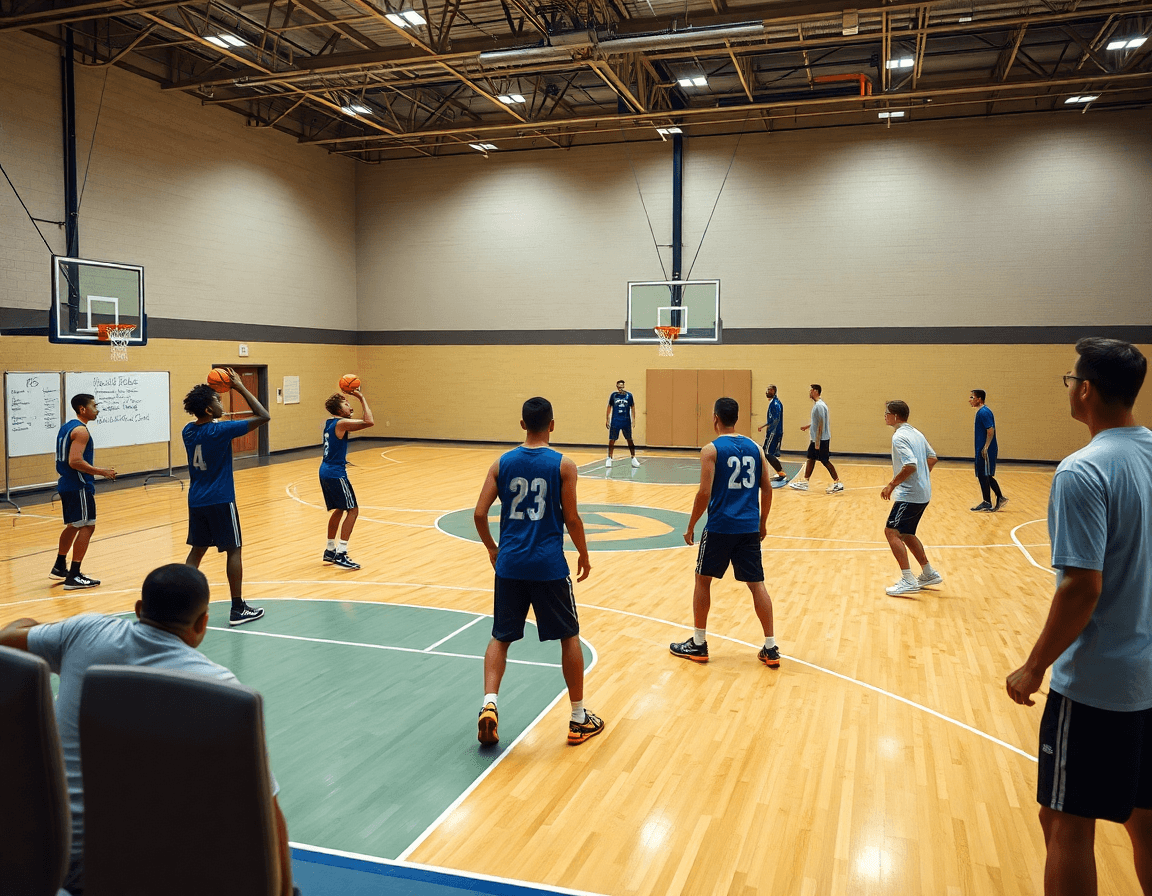
Build and Reuse a Core Drills Library
Build a core drills library that addresses shooting, dribbling, passing, footwork, and defense. This isn't a random pile of drills—it's a curated set you can pull from in the practice plan. In CourtSensei, I tag each drill by skill and objective and save it to a centralized library. When I map the week, the drill selector helps me assemble a balanced mix for the sessions.
Categorize drills by skill and purpose, and store them where everyone can find them. A few quick tags: shooting technique, ball handling under pressure, transition defense, and finishing at the rim. Use filters (by skill, age, or objective) to quickly plan practices. In a Monday planning session, I pull from the basketball drills library, drop a few into the practice plan, and map the sequence on the whiteboard. This is how you map basketball practice drills into a weekly plan.
Each week, treat the library as a living resource. After scrimmages or games, I add notes and a short video clip showing one drill variation that sparked improvement. I file it under the relevant skill tag and update the drill's objective. That workflow—from game to library to plan—keeps our sessions crisp and clear in the players' eyes, and it makes the scouting notes feel actionable.
With a solid drills library, you’re not reinventing the wheel every week. You can quickly build a week’s practice plan template using the core drills, then customize for age or objective. The players see a consistent rhythm, and the coach-facing tools—practice plans, whiteboard diagrams, and playlists—keep communication tight across the staff.
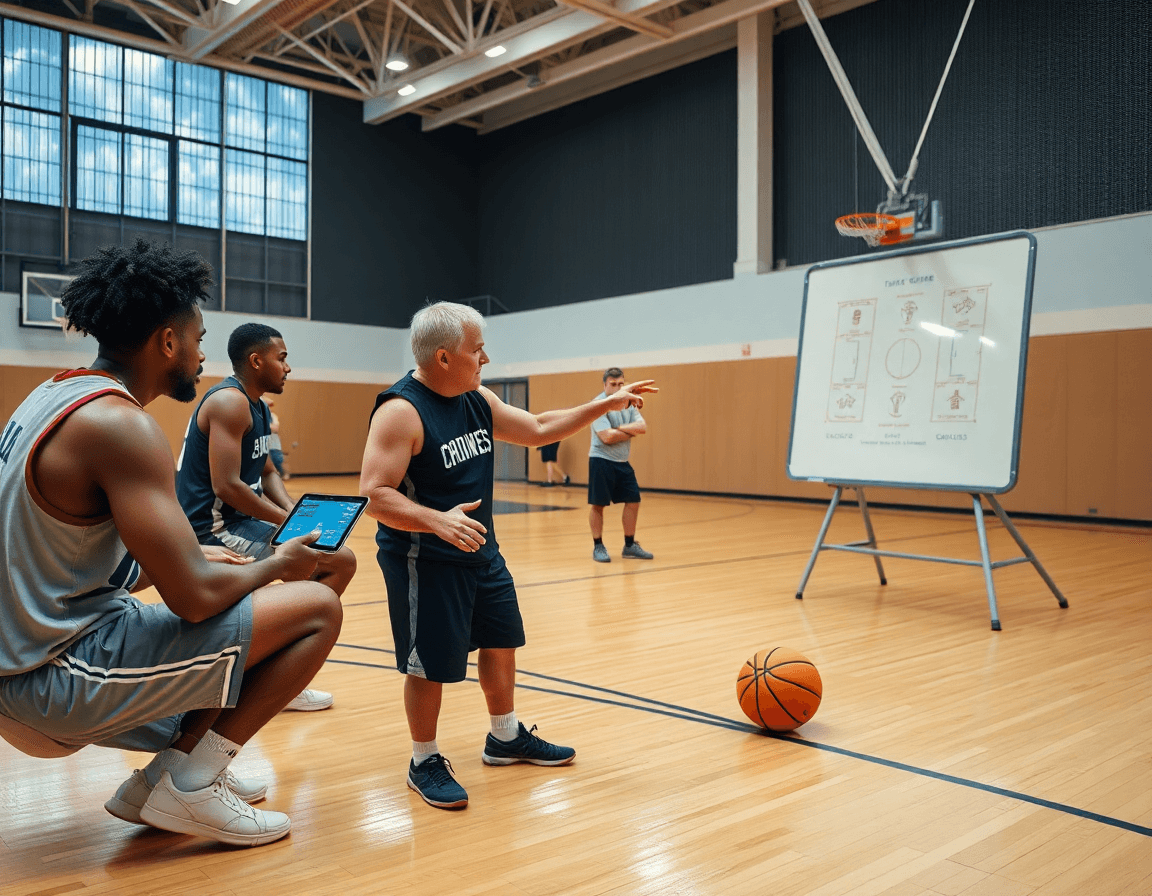
Diagram Plays Clearly with a Tactical Whiteboard
In my weekly planning, the tactical whiteboard is where I translate our game plan into concrete actions. I create diagram plays for BLOB/SLOB/ATO/PnR and link each diagram to the week’s practice blocks—warm-up drills, transition sequences, 5-on-5 scrimmage reps. The flow is clear: what we diagram on day one informs the drills we run later, and sets the tempo for the rest of the week.
On Monday I draw a pick-and-roll sequence: a wing drives to attract help, the big slips to the rim, and the back-cut option if the defense sinks. We attach this diagram to the plan block labeled offense tempo, then run it in small-sided drills to sharpen decision-making under pressure. The diagram gives players a concrete picture of spacing, reads, and timing before we escalate to 5-on-5 scrimmage.
After diagrams are dialed in, I export PDFs to share with assistants and players. This makes it easy to review the BLOB/SLOB/ATO/PnR diagrams during practice, stay aligned on the week’s blocks, and have a printable reference in the coaching folder. Sharing a clean PDF also ensures every voice is on the same page before we hit the floor.
We use diagrams to map game-like decision-making and tempo, tying directly to drill blocks such as transition drills or 5-on-5 scrimmage reps. When players study the diagram during the plan block, they anticipate options in the drill, which translates into sharper execution and cleaner reads in live scenarios.
That workflow—plan, whiteboard, drill, video, and share—keeps the weekly cycle tight. By grounding diagrams in the drills library and linking to the practice plan template, I ensure every assistant knows the target. The result: clearer instruction, faster onboarding for new players, and a basketball drills routine that builds toward a confident performance in the next game.
Video Clips: Clip, Organize, and Share Progress
After a practice block, clip the moments that carry teaching value. Clip relevant moments from practice or games for teaching moments—decisions in transition, footwork on drives, or spacing on a set play. These video clips give you concrete teaching moments for feedback.
Organize clips into playlists by skill, player, or week. For example, a “Transition Drills” playlist with clips that show spacing and timing, and a “Player X—Decision Making” playlist to track a specific guard. This keeps a searchable library you can reuse across practices and scout sessions.
Share progress with players and staff by sending shareable video clips through CourtSensei. Before a review, pull the relevant clips and annotate with brief coaching cues. This is where progress tracking shines—players see concrete examples, and coaches align on expectations.
Here’s a practical rhythm: after Tuesday’s fast-break focus, capture a short video clip of the finish at the rim. Drop it into a “Transition Finishes” playlist and tag it with finish and spacing. On Friday, share a link with the team and use the clips in the film session to reinforce cues. The workflow keeps the coaching message consistent across drills like warm-up drills, small-sided games, and 5-on-5 scrimmage.
Weeks add up, and the cadence of clipping, organizing, and sharing accelerates feedback loops and supports progress tracking across the roster. When players can reference clip-based examples, you see steadier improvement in every phase of your weekly basketball practice drills.
Scouting Reports and Opponent Prep in the Weekly Rhythm
As you map out the weekly rhythm, start with scouting reports and opponent tendencies shaping your focus for the days ahead. If the scout tells you a team relies on react-to-ball screens and strong late-shot-clock decision making, you fold that into your practice plan template. You’re not guessing—you're prioritizing drills that sharpen coverage, communication, and counter-actions early in the week so players feel it in every rep, from warm-up drills to the main session.
Store scouting notes and scout plays in a centralized library for quick access during planning and on the bench. When the head coach leans on a scouting report, you pull up the exact scout plays and corresponding video clips, then sync them to a playlist for your assistants and your players. Keeping a tight library of scouting notes makes it easy to reference tendencies before drills, and it keeps your practice planning tight—no scrambling to find old clips mid-session.
Align defensive and offensive plan tweaks with scouting insights. If you’re preparing for a team that pushes tempo, you’ll emphasize transition drills and conditioning drills, then contrast that with changes to your defensive rotations and help schemes on the whiteboard. If they lean on ball screens, you’ll script a 5-on-5 scrimmage that mirrors their actions and finish with a few small-sided games to stress decision-making. The goal is to translate scouting into action that shows up in both the drills library and your on-cloor execution.
If you build plans like this every week, CourtSensei keeps your drill library, whiteboard, and video clips in one place — try it free.
FAQ
What basketball drills are best for beginners?
Start with the basics: dribbling, passing, shooting form, footwork, and spacing. Use your core drills library to pull beginner-friendly options and map them into a simple six-block week. Build from fundamentals to game-like reads, and use the whiteboard to show a basic spacing progression and a simple pick-and-roll read. Keep feedback tight and measure small wins, not perfection, as confidence grows.
How often should I practice basketball drills?
Aim for a steady cadence: a 90-minute session, with six blocks, and a quick review afterward. For beginners, 2–3 practice days per week works; for competitive groups, 3–4 is common. Use your library notes to adjust intensity and focus. Consistency beats long, sporadic sprints, and a predictable plan helps players build trust in the process.
Are these drills suitable for youth players?
Yes. Drills are tagged by age tags and objective in the drills library, so you can filter for youth-friendly options. Start with fundamentals and slow-to-fast progressions, emphasize spacing and decision-making, and scale court size and speed. The six-block weekly plan can be tuned for younger players while preserving structure and accountability.
Do the workouts include video instructions?
Yes. Short video clips reinforce technique after each block, and you can build a Playlists link for players. We capture key moments and share them with time-stamped goals. The plan uses clips to anchor technique and reads, so players know what to improve before the next session.
How many drills should I use in one practice?
Aim for 5–8 core drills across the six blocks, rotating through shooting, ball handling, defense, rebounding, and transition. Keep the tempo steady, and end with a 5-on-5 or small-sided game to test spacing and decision speed. Use the drills library to avoid overloading and stay aligned with your weekly plan.
How should I structure a basketball practice plan?
Draft a weekly goal in a central library, map six drill blocks, and build around warm-up, skill work, transition, small-sided games, and a 5-on-5 scrimmage. Use the whiteboard to diagram plays (BLOB/SLOB/ATO/PnR), then review progress and adjust next week. Keep players informed with a simple, shared plan and clear time stamps.